What You Will Experience During the Everest Base Camp Trek
The Everest Base Camp Trek is much more than a journey to the foot of Mount Everest. It is a once-in-a-lifetime adventure through beautiful Sherpa villages, ancient Buddhist monasteries, giant glaciers, famous mountain viewpoints, and some of the highest mountains in the world.
Every day of the trek offers something different. One day, you may walk through green forests filled with rhododendrons and pine trees. The next day, you may stand beside a glacier surrounded by snow-covered peaks.
At Igloo Himalaya Treks, we believe the Everest Base Camp Trek is not only about reaching the destination. It is about experiencing every village, every mountain, every monastery, and every unforgettable moment along the trail.
In this guide, we will explain everything you will see during the Everest Base Camp Trek.
Lukla: The Gateway to Everest
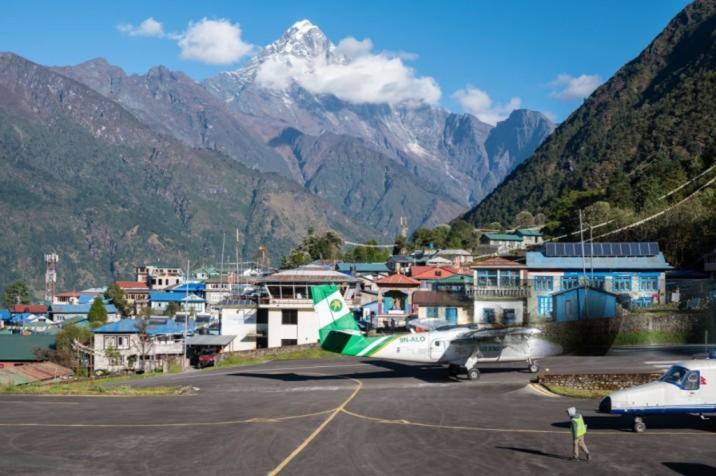
Lukla is the starting point of the Everest Base Camp Trek. Located at an altitude of 2,860 meters (9,383 feet), this small mountain town is famous for its airport and beautiful mountain scenery. The Everest trekking route traditionally begins here.
Most trekkers take a short flight from Kathmandu to Lukla. The airport is built on a mountain ridge and has one of the shortest runways in the world.
However, Lukla is much more than an airport.
You will immediately experience the culture of the Khumbu region. Small tea houses, stone buildings, colorful prayer flags, friendly local people, and mountain views welcome every visitor.
What you will experience in Lukla:
- Traditional Sherpa culture
- Beautiful mountain landscapes
- Local bakeries and tea houses
- Buddhist prayer flags and monuments
- The excitement of beginning the world’s most famous trekking adventure
The moment you arrive in Lukla, you will understand that the Everest Base Camp Trek is different from any other trek in Nepal.
Namche Bazaar: The Sherpa Capital of the Khumbu Region
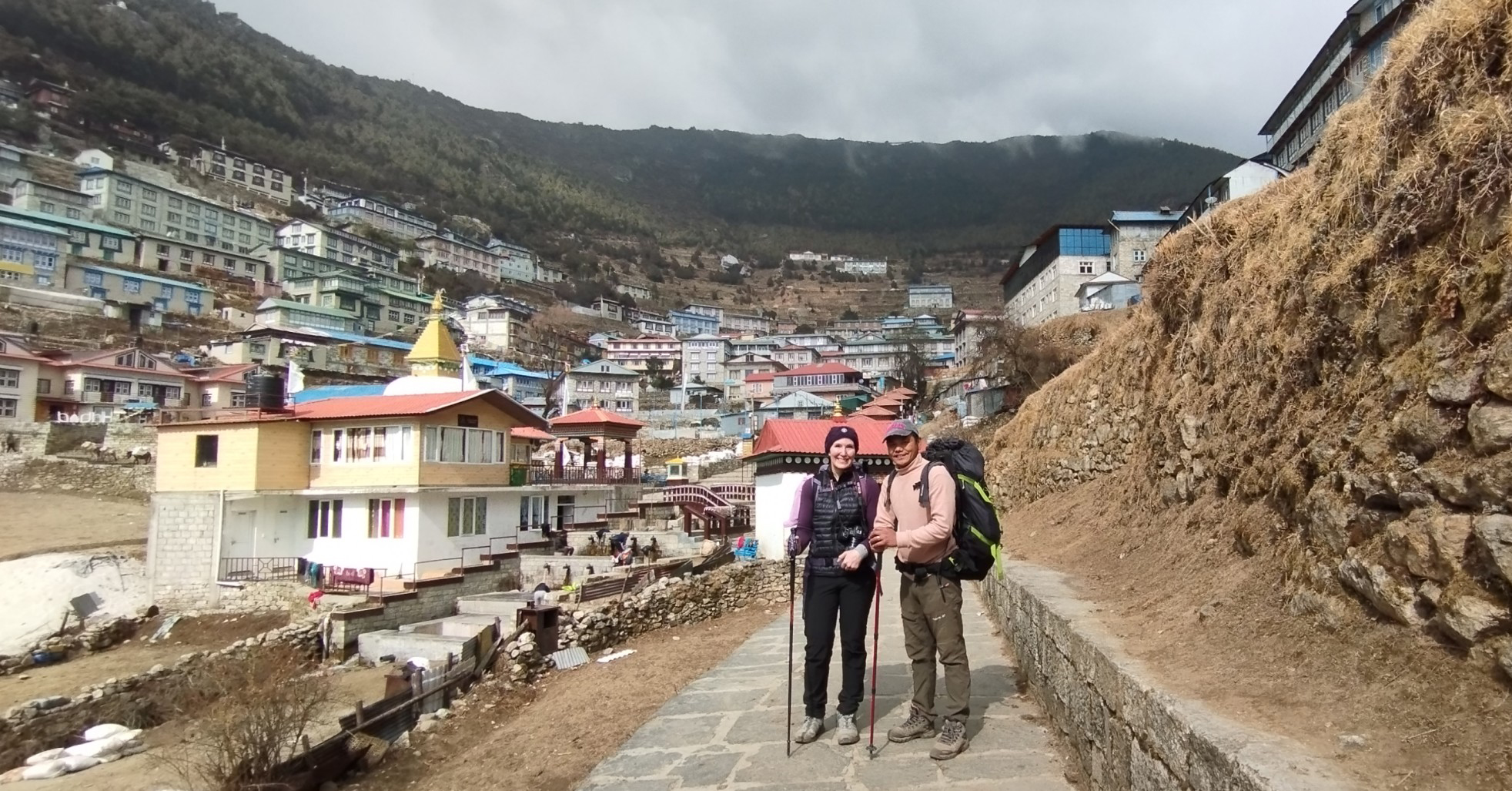
Namche Bazaar is the most famous village on the Everest Base Camp Trek. Located at 3,440 meters (11,286 feet), it is considered the heart of the Khumbu region and serves as an important trading center for local people and trekkers.
The village is built in the shape of a giant amphitheater surrounded by mountains.
Almost every trekker spends two nights in Namche Bazaar to adjust to the increasing altitude.
Namche Bazaar offers:
- Coffee shops
- Restaurants
- Bakeries
- Trekking equipment stores
- Hotels and tea houses
- ATMs
- Sherpa museums
This is also the place where many climbers preparing for Mount Everest expeditions buy their final supplies.
The Saturday market in Namche has been an important trading center for hundreds of years.
You can also visit nearby villages such as Khumjung and Khunde to learn more about Sherpa traditions and culture.
Everest View Hotel: The Clear View of Mount Everest
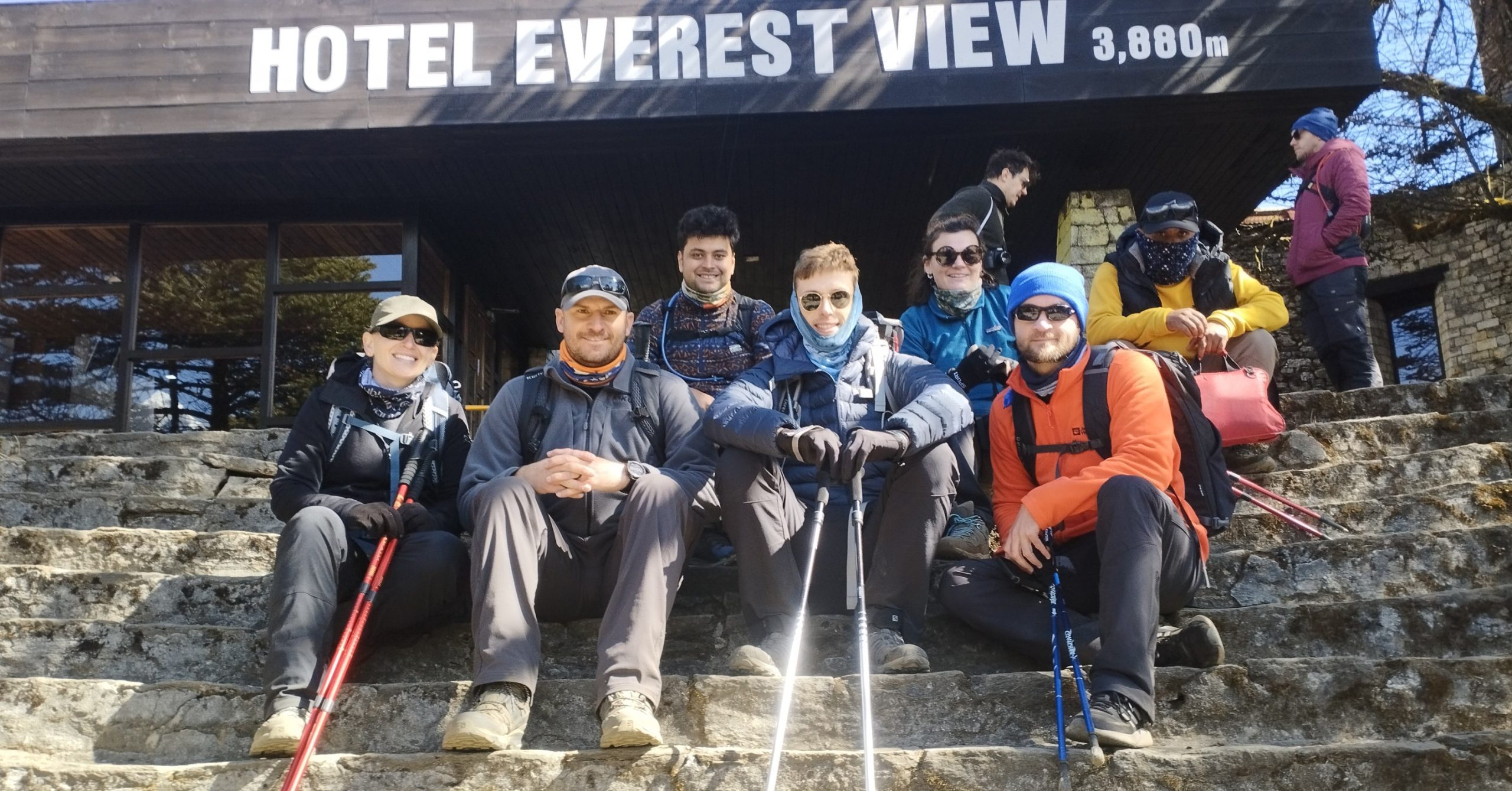
The hike to Everest View Hotel is one of the most important acclimatization activities during the trek.
Located at approximately 3,880 meters (12,729 feet), this famous hotel offers the first clear view of Mount Everest for many trekkers.
The short hike from Namche Bazaar is both beautiful and helpful because it allows your body to adapt to higher elevations.
From Everest View Hotel, you can enjoy panoramic views of:
- Mount Everest
- Ama Dablam
- Lhotse
- Nuptse
- Thamserku
Many trekkers say that seeing Mount Everest for the first time from this viewpoint is one of the most emotional moments of the entire journey.
Tengboche Monastery: The Spiritual Heart of the Everest Region
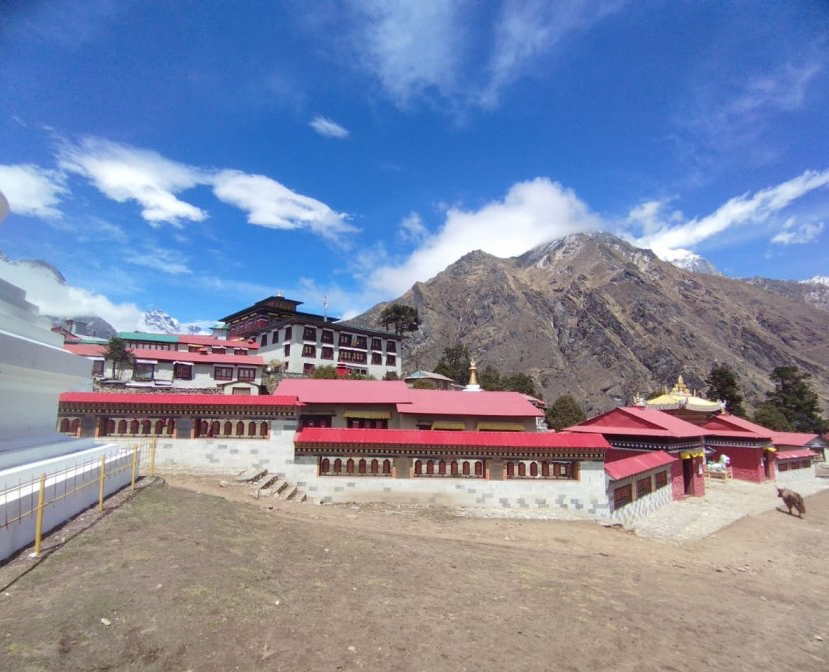
Tengboche Monastery is one of the most beautiful and important Buddhist monasteries in Nepal.
Located at 3,867 meters (12,687 feet), it sits on a hill surrounded by some of the world’s most beautiful mountains.
Founded in 1916, Tengboche Monastery is the largest monastery in the Khumbu region.
Inside the monastery, you can experience:
- Buddhist prayer ceremonies
- Traditional music
- Chanting by monks
- Ancient Buddhist paintings
- Sherpa religious culture
The monastery is especially famous because of the incredible view of Ama Dablam standing directly behind it.
Many trekkers attend the afternoon prayer ceremony and describe it as one of the most peaceful experiences of their lives.
Ama Dablam: The Most Beautiful Mountain in the Himalayas
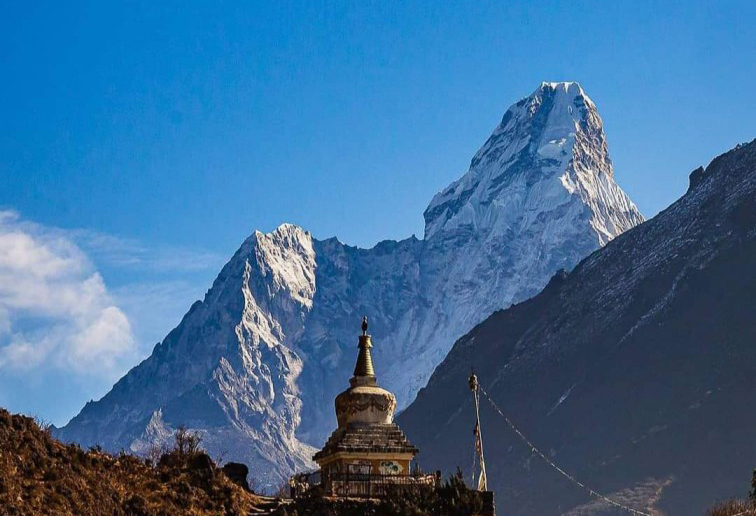
Ama Dablam stands at 6,812 meters (22,349 feet) and is often called the most beautiful mountain in the world.
The name “Ama Dablam” comes from the Sherpa language.
- “Ama” means mother.
- “Dablam” refers to the traditional pendant worn by Sherpa women.
The mountain resembles a mother protecting her child with open arms.
Unlike Mount Everest, which looks like a giant pyramid, Ama Dablam has a very elegant shape.
You will see Ama Dablam throughout much of the Everest Base Camp Trek, especially between Namche Bazaar and Dingboche.
Many photographers consider it the most photogenic mountain in the Khumbu region.
Dingboche: The Gateway to High Altitude
Dingboche is one of the most important villages on the Everest Base Camp Trek.
Located at 4,410 meters (14,468 feet), it serves as the second major acclimatization stop.
By the time you reach Dingboche, you will notice a major change in the landscape.
The forests disappear.
The trees become smaller.
The environment becomes dry, rocky, and much more mountainous.
Dingboche is famous for:
- Stone-walled farms
- Amazing mountain views
- Acclimatization hikes
- Traditional Sherpa settlements
Trekkers often spend an extra day here to allow their bodies to adjust to the altitude before continuing toward Everest Base Camp.
Island Peak: The Famous Climbing Peak of the Khumbu Region
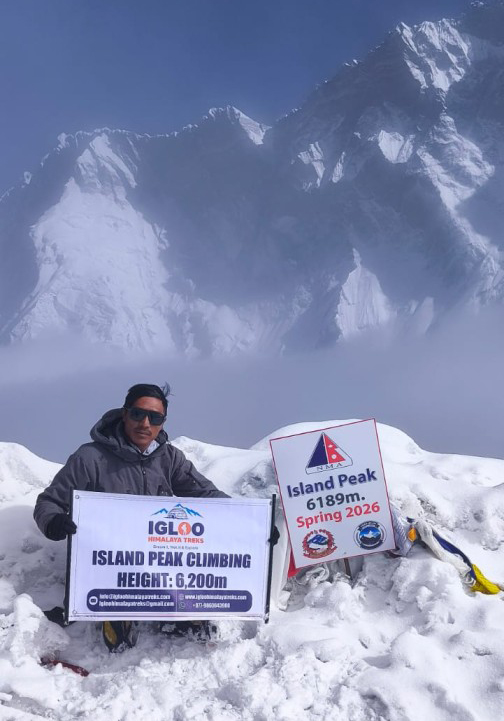
Island Peak stands at 6,189 meters (20,305 feet).
It is one of Nepal’s most popular trekking peaks and is often combined with the Everest Base Camp Trek.
The mountain received its name because it appears like an island surrounded by a sea of ice.
Island Peak is ideal for beginner climbers who want to experience Himalayan mountaineering.
From Dingboche and Chhukung, you can clearly see this beautiful mountain.
Many climbers choose the Everest Base Camp and Island Peak climbing package because it combines trekking and mountaineering into one unforgettable adventure.
Lobuche: Walking Beside the Khumbu Glacier
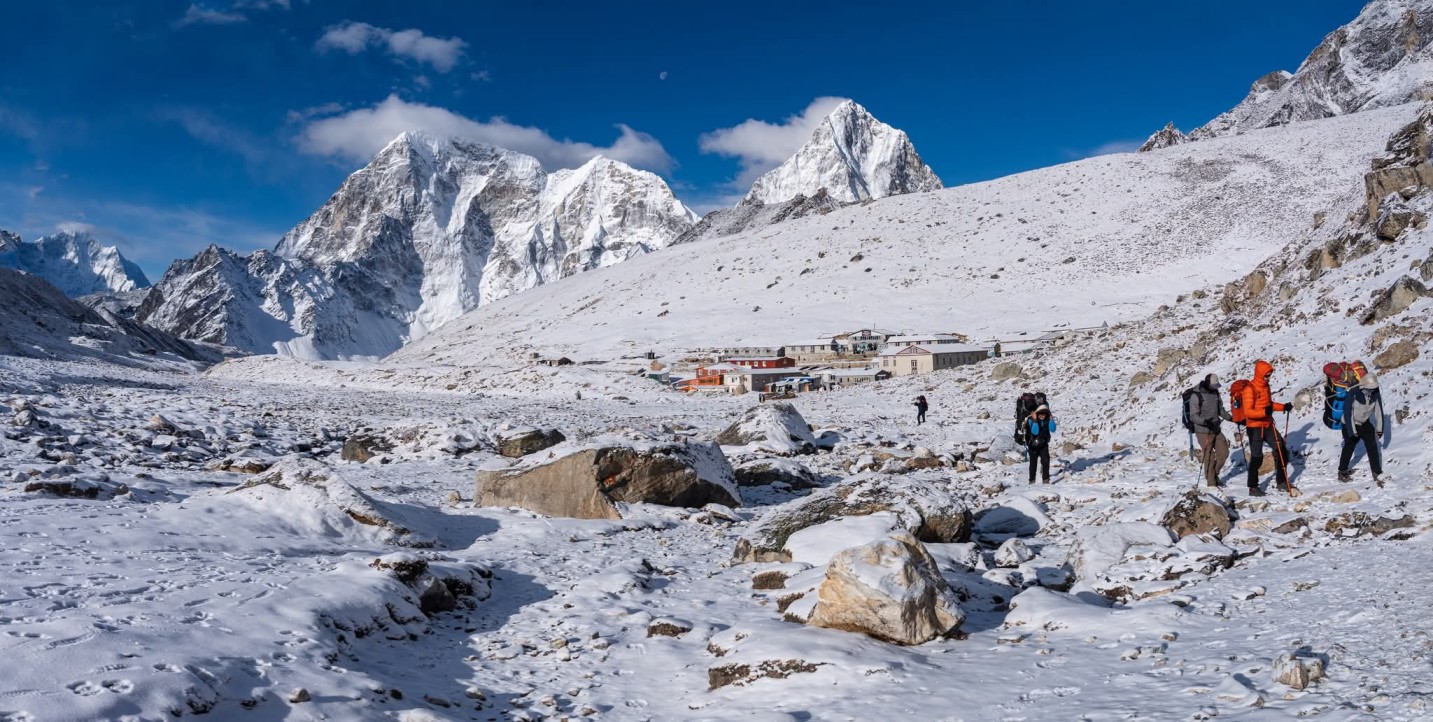
Lobuche is a small settlement located at 4,910 meters (16,109 feet).
This village marks the beginning of the glacier landscape.
The trail from Dingboche to Lobuche passes through the memorial area dedicated to climbers who lost their lives while attempting to climb Mount Everest.
Many famous climbers have memorial monuments here.
The trail then follows the edge of the Khumbu Glacier.
At this altitude, you will experience:
- Colder temperatures
- Thinner air
- Rocky landscapes
- Snow-covered mountains
- Glacier terrain
Lobuche is one of the most challenging yet rewarding parts of the trek.
Lobuche East: One of Nepal’s Most Popular Climbing Peaks
Lobuche East rises to 6,119 meters (20,075 feet).
This famous climbing peak attracts mountaineers from around the world.
Lobuche East is considered more technical than Island Peak and is often used by climbers preparing for higher Himalayan expeditions.
From the Everest Base Camp trail, you can admire its steep slopes and impressive summit.
The mountain adds another spectacular view to the already incredible scenery of the Khumbu region.
Pumori Peak: The Daughter of Everest
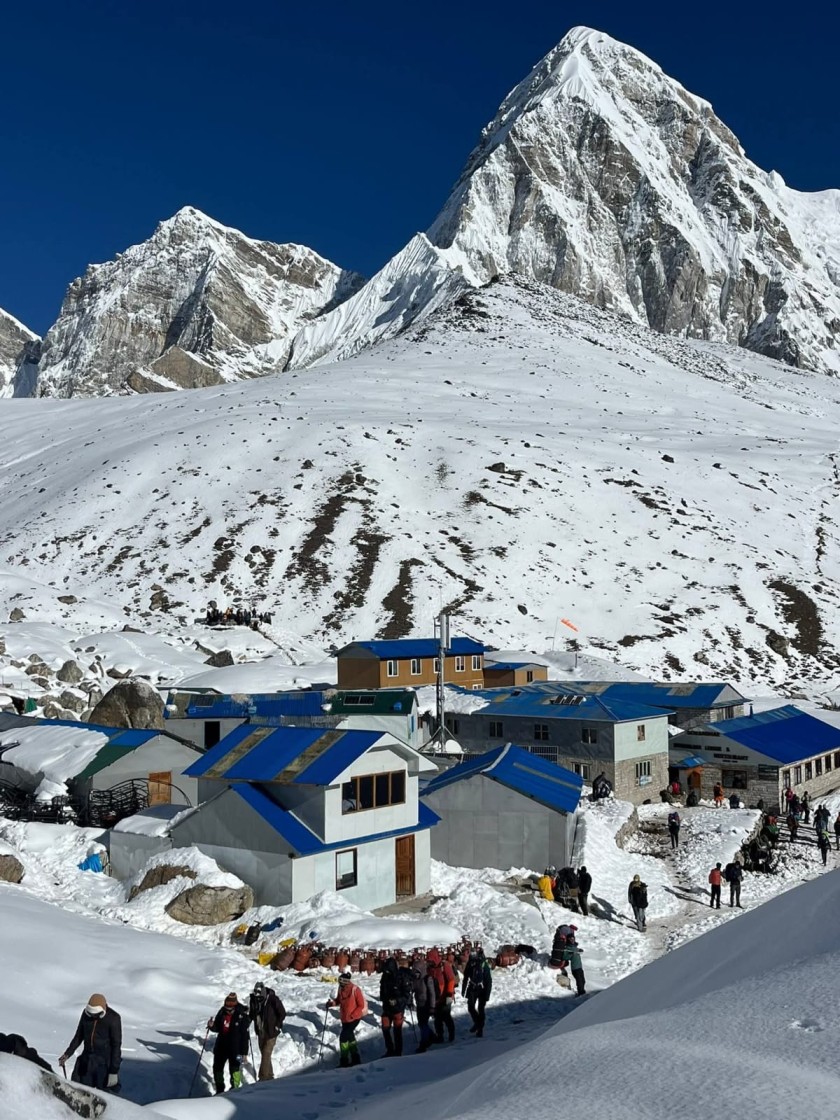
Pumori Peak stands at 7,161 meters (23,494 feet).
The name “Pumori” means “unmarried daughter” in the Sherpa language.
This magnificent mountain stands directly opposite Kala Patthar and Everest Base Camp.
Pumori is famous because:
- It creates a dramatic background for Everest photographs.
- It is one of the most beautiful peaks in the Khumbu region.
- It dominates the skyline near Gorak Shep.
Many trekkers are surprised to learn that some of the most famous Everest photographs actually include Pumori in the background.
Khumbu Glacier: The Highest Glacier in Nepal
The Khumbu Glacier is one of the most famous glaciers in the world.
It begins near the Western Cwm below Mount Everest and stretches through the Khumbu Valley.
The glacier is approximately 17 kilometers long and constantly moves as the ice slowly travels downhill.
Walking beside the Khumbu Glacier is one of the most exciting experiences of the trek.
You will see:
- Massive blocks of ice
- Frozen landscapes
- Deep cracks in the glacier
- Ice-covered valleys
- The famous Khumbu Icefall
The sound of moving ice can sometimes be heard from nearby viewpoints.
This powerful natural wonder reminds trekkers that the Himalayas are constantly changing.
Gorak Shep: The Last Settlement Before Everest Base Camp
Gorak Shep is the last village on the Everest Base Camp route.
Located at 5,164 meters (16,942 feet), it sits on an ancient lakebed surrounded by glaciers and mountains.
The settlement is very small.
There are only a few tea houses and lodges.
Despite its size, Gorak Shep is one of the most important places on the trek because it serves as the starting point for both:
- Everest Base Camp
- Kala Patthar
Trekkers usually spend one night here before making the final journey to Everest Base Camp.
At night, the stars above Gorak Shep create one of the most unforgettable skies in Nepal.
Kala Patthar: The Best Viewpoint of Mount Everest
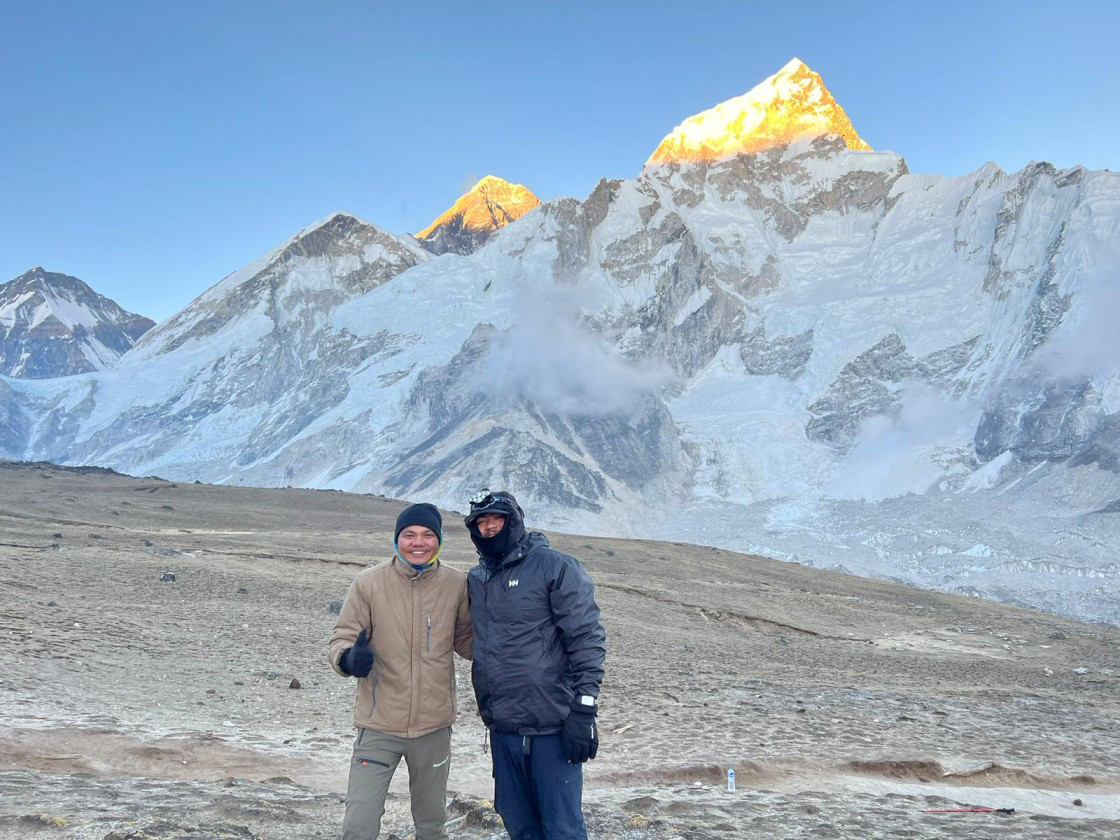
Kala Patthar is the highest point reached by most Everest Base Camp trekkers.
Located at 5,545 meters (18,192 feet), it offers the best panoramic view of Mount Everest.
Interestingly, Everest cannot be seen clearly from Everest Base Camp itself.
That is why trekking to Kala Patthar is so important.
From the summit of Kala Patthar, you can see:
- Mount Everest
- Nuptse
- Lhotse
- Pumori
- The Khumbu Glacier
- The Khumbu Icefall
Sunrise from Kala Patthar is one of the most famous experiences in Nepal.
As the first sunlight touches Mount Everest, the mountain changes from gray to golden.
Many trekkers say this moment is the highlight of their entire adventure.
Everest Base Camp: The Dream Destination
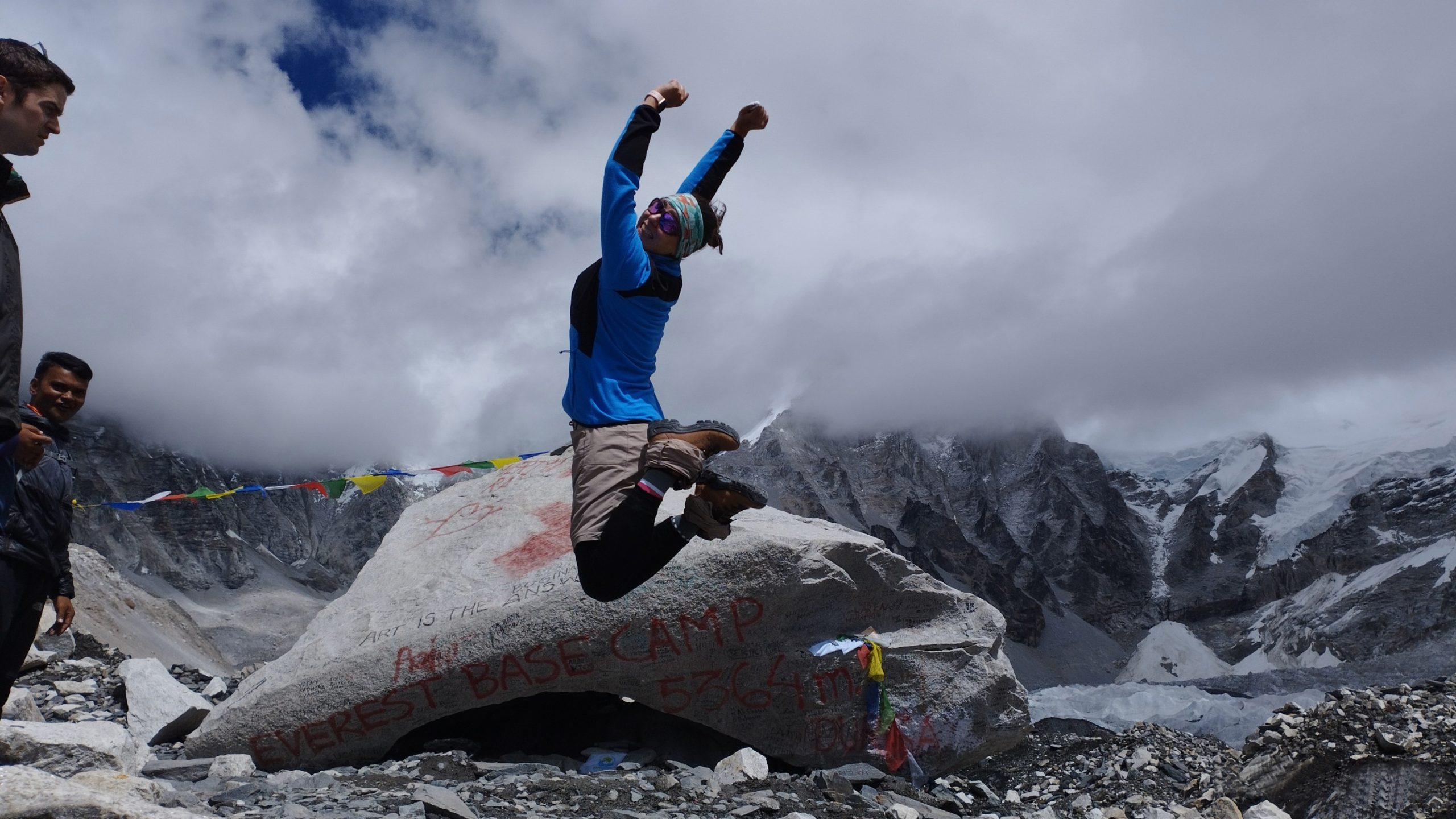
Everest Base Camp stands at 5,364 meters (17,598 feet).
This is the place where mountaineers prepare to climb Mount Everest.
Reaching Everest Base Camp is an emotional experience.


