Introduction to Langtang Gosaikunda Helambu Trek
The Langtang–Gosaikunda–Helambu Trek is a diverse Himalayan journey that blends alpine landscapes, sacred lakes, traditional mountain villages, and high passes into a single route. Starting close to Kathmandu, the trail gradually transitions from subtropical forests to high-altitude terrain, offering a wide range of natural and cultural experiences along the way.
This trek is especially known for its combination of mountain scenery and spiritual significance. Trekkers pass through peaceful villages, dense forest corridors, and open ridgelines that reveal panoramic views of the Langtang range and surrounding Himalayan peaks.
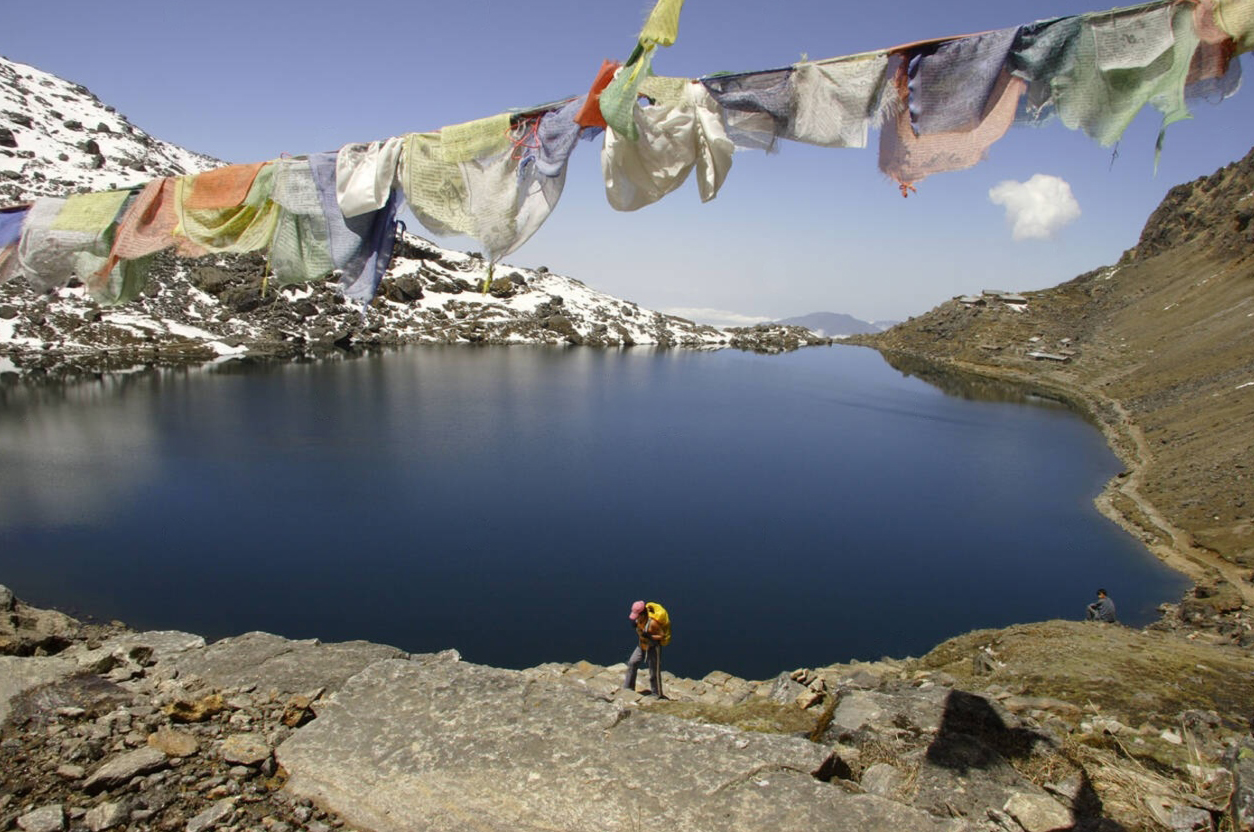
One of the major highlights is the visit to the sacred Gosaikunda Lake region, a high-altitude lake basin surrounded by rugged mountains. The area holds deep religious importance and attracts both pilgrims and trekkers seeking solitude in a dramatic alpine setting.
Overview
The Langtang Gosaikunda Helambu Trek is a remarkable Himalayan journey that connects three diverse regions of northern Nepal into one continuous trekking experience. Starting from the lush hills near Kathmandu, the trail gradually ascends through dense forests, traditional mountain villages, and high alpine landscapes before reaching sacred lakes and dramatic mountain passes.
This trek is known for its rich variety of scenery—ranging from bamboo and rhododendron forests in the lower valleys to rugged, glacial terrain at higher elevations. Along the way, trekkers enjoy views of snow-covered peaks of the Langtang Himal range, as well as peaceful settlements inhabited by Tamang and Sherpa communities whose culture is deeply influenced by Tibetan Buddhism.
A major highlight of the journey is the visit to the holy Gosaikunda Lake area, a sacred pilgrimage site surrounded by a cluster of shimmering alpine lakes and towering peaks. The route also includes crossing Lauribina La Pass, which offers wide panoramic views of the Himalayas.
Compared to more commercial trekking routes in Nepal, this trek remains relatively less crowded, making it ideal for those seeking solitude, nature, and authentic cultural encounters. The combination of mountain adventure, spiritual significance, and cultural richness makes this trek one of the most complete experiences in the Langtang region.
Nature, Wildlife, and Cultural Experience
The trail winds through the protected landscapes of the Langtang region, where forests of rhododendron, oak, and bamboo dominate the lower sections. These forests are part of a rich ecosystem that supports wildlife such as Himalayan black bears, langurs, musk deer, and the elusive red panda.
As the trail ascends, the environment becomes more alpine and raw, with waterfalls, glacial rivers, and stone-built settlements reflecting traditional mountain life.
Culturally, the region is home to Tamang, Sherpa, and other Himalayan communities whose traditions are closely influenced by Tibetan Buddhism. Along the route, trekkers encounter monasteries, prayer flags, mani walls, and chortens that reflect the spiritual rhythm of mountain life.
Sacred Gosaikunda Lake
Gosaikunda is one of the most revered high-altitude lakes in Nepal. According to Hindu mythology, it is believed that Lord Shiva created the lake by striking the mountain with his trident. Because of this belief, thousands of pilgrims visit the area during the Janai Purnima festival. The lake basin features several smaller glacial lakes scattered across rocky terrain, creating a dramatic and spiritual landscape surrounded by snow-capped peaks
Trip Highlights
- Explore the picturesque Langtang Valley, with dramatic Himalayan backdrops.
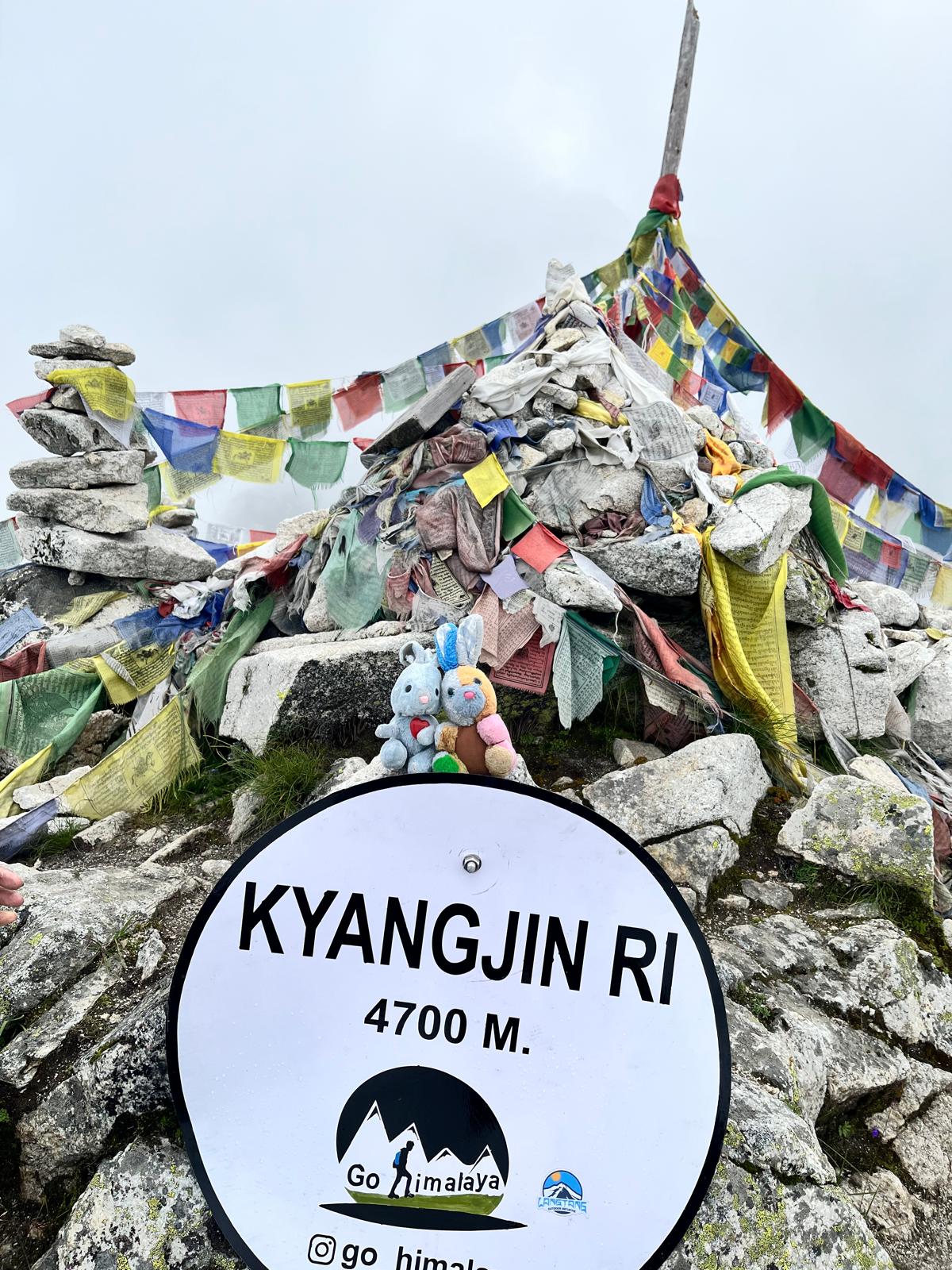
- Visit the ancient Kyanjin Gompa and climb Kyanjin Ri or Tsergo Ri.
- Cross the iconic Gosaikunda Pass (Lauribina La) (4,610 meters).
- The revered Gosaikunda Lakes are a sacred pilgrimage site.
- Discover rich Tamang culture and traditional mountain settlements.
- Immerse yourself in pristine nature at Langtang National Park.
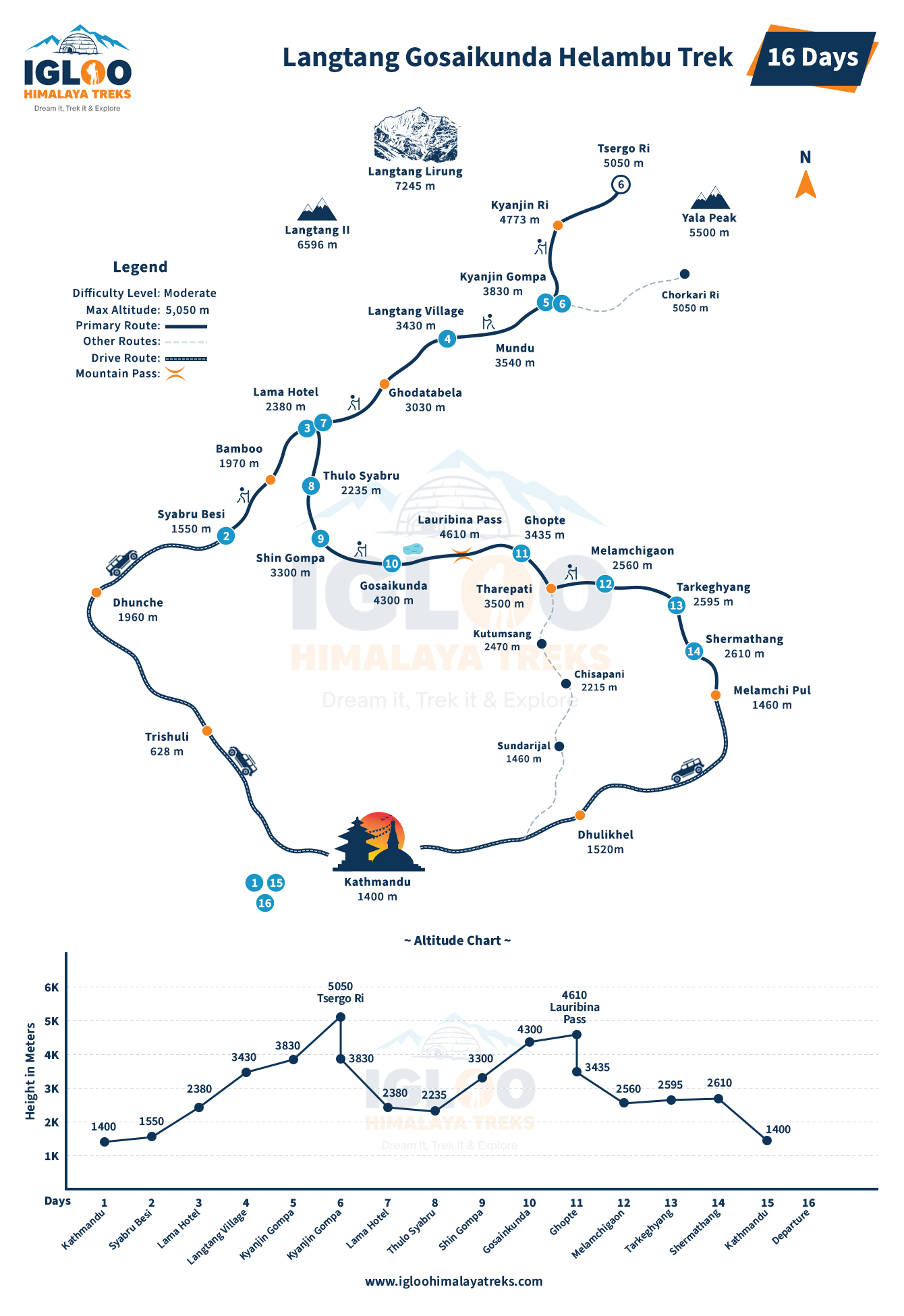
Detailed Itinerary
Team members of Igloo Himalaya treks will come to welcome you at Tribhuvan International Airport. Representative will transfer you to your hotel. There you will meet your team after you check in to your room. May you have a refreshing evening after getting trek counselling with your team.
Your adventure begins with an early morning departure from Kathmandu, heading north toward the beautiful Langtang region. Traveling by local bus or shared jeep keeps the journey budget-friendly while offering a genuine experience of everyday life in Nepal.
The drive follows a scenic route along winding hillside roads, passing terraced farmlands, flowing rivers, and traditional villages. As you travel alongside the Trishuli River and pass through towns like Trishuli Bazaar, you’ll witness the changing landscapes from busy highways to more remote mountain roads.
After several hours, you reach Dhunche, the district headquarters of Rasuwa and the entry point for Langtang National Park, where permits are checked. From here, the road becomes narrower and more rugged, offering impressive views of forested hills and distant snow-capped peaks.
A final descent brings you to Syabrubesi (1,550m), a lively village that serves as the starting point for the Langtang Valley Trek. Upon arrival, you can settle into a simple teahouse or lodge, explore the small town, and enjoy a warm meal. The day ends with a restful night, preparing you for the trekking journey ahead.
Your first trekking day begins with a scenic walk from Syabrubesi, following the beautiful Langtang River through lush green surroundings. After crossing a suspension bridge over the Bhote Koshi River, you officially enter the Langtang National Park area and begin a gradual ascent into a peaceful subtropical forest.
The trail winds through dense forests of bamboo, oak, and rhododendron, offering a refreshing and shaded walk. This region is rich in wildlife, and with a bit of luck, you may spot langur monkeys, colorful birds, or even the elusive red panda along the way.
As you continue, you’ll pass small resting points like Pairo (1,800m), before reaching Bamboo (1,970m), a common lunch stop with simple teahouses. From here, the trail follows the Langtang Khola, crossing wooden bridges and climbing steadily on stone steps through the forest.
The final section involves a slightly steeper ascent, leading you deeper into the quiet wilderness until you arrive at Lama Hotel (2,380m). Nestled in the heart of the forest, this small settlement offers a peaceful atmosphere. You’ll stay overnight in a basic yet cozy teahouse, where you can relax, enjoy a warm meal, and prepare for the journey ahead.
Today’s journey gradually leaves the dense forest behind and opens into a breathtaking alpine landscape. After breakfast, you begin with a gentle ascent through rhododendron and bamboo forests, following the peaceful flow of the Langtang River. As you gain elevation, the trees thin out, revealing spectacular views of Langtang Lirung (7,227m) rising dramatically above the valley.
Your first major stop is Ghoda Tabela (3,030m), where you’ll pause for lunch and complete a quick check at the national park checkpoint. From here, the scenery transforms into wide खुला grasslands and yak pastures, giving the trail a true Himalayan feel.
Continuing onward, you pass small settlements like Thangshyap (3,140m), walking alongside the river with prayer flags fluttering in the mountain breeze. The trail eventually leads you to Langtang Village (3,430m), a historic settlement that was beautifully rebuilt after the 2015 earthquake.
Surrounded by towering peaks, the village offers stunning mountain views and a warm glimpse into Tamang culture and hospitality. After reaching your teahouse, you can relax, interact with locals, and enjoy a hearty dinner before settling in for a comfortable overnight stay.
Time: 5–6 hrs | Distance: 7 km
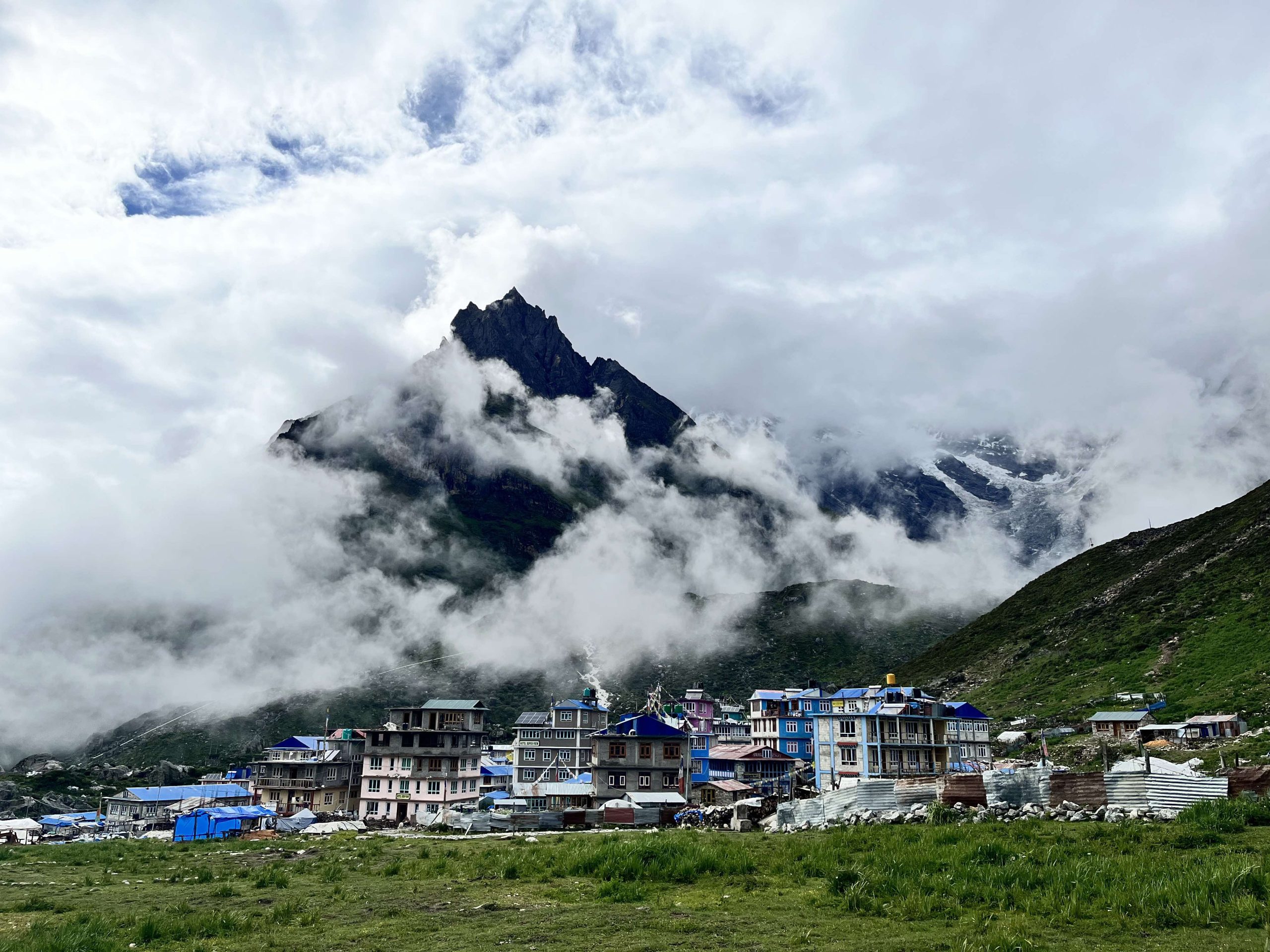
Today’s journey is shorter but incredibly scenic as you make your way toward Kyanjin Gompa, the final settlement of the Langtang Valley. The trail gradually ascends through wide alpine landscapes, offering breathtaking views of towering peaks such as Langtang Lirung (7,227m), Dorje Lakpa (6,966m), and Gangchempo (6,387m).
Along the way, you’ll pass through peaceful yak grazing pastures and encounter traditional Buddhist features like mani walls, chortens, and colorful prayer flags, reflecting the strong Tibetan Buddhist culture of the region. The walk is gentle and rewarding, taking around 4–5 hours to reach Kyanjin Gompa (3,870m).
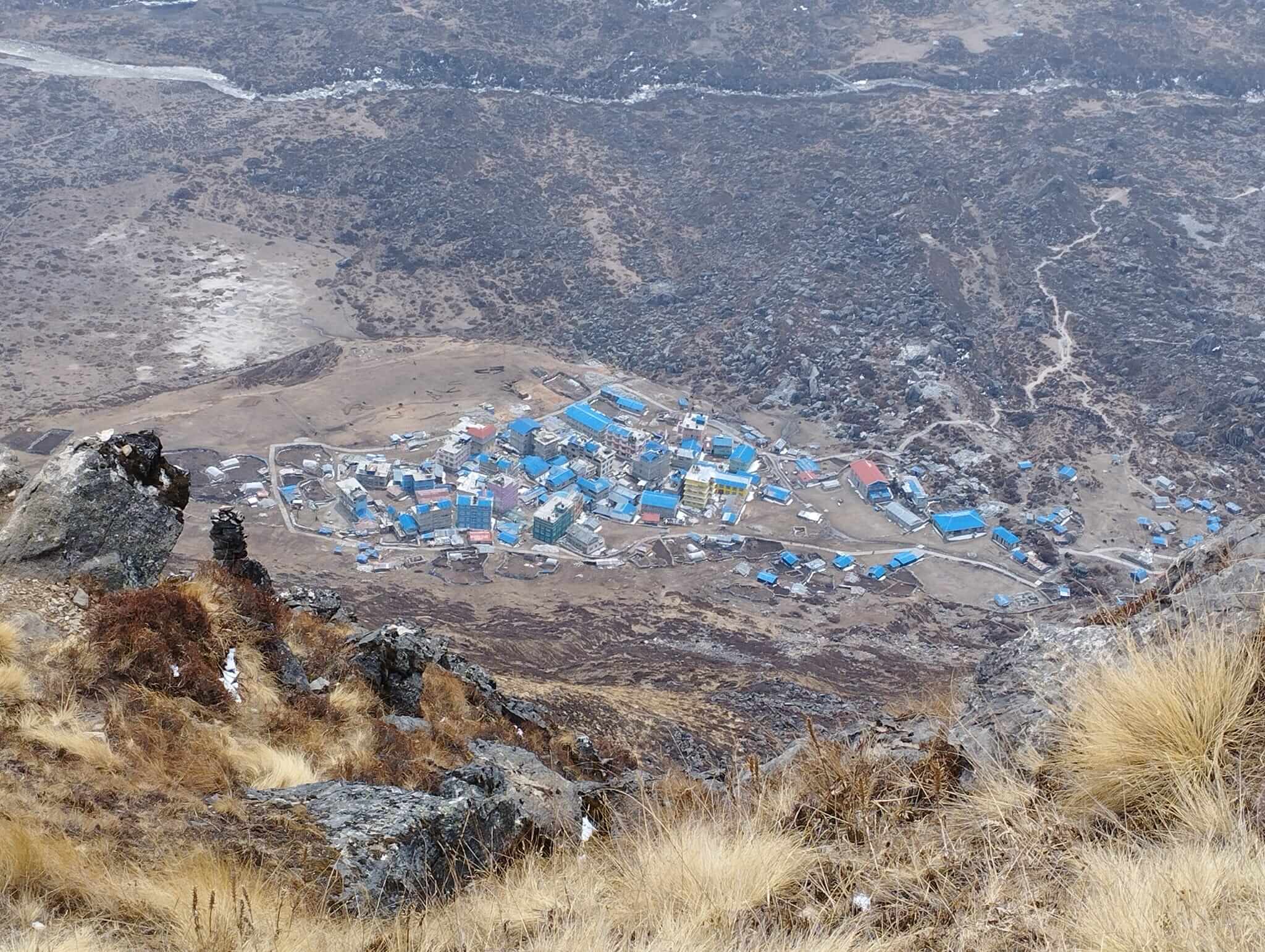
Upon arrival, you can visit the historic Kyanjin Gompa monastery and explore the nearby yak cheese factory, where you can taste locally produced cheese. After settling into a cozy teahouse, you have the option to take a short hike to Lower Kyanjin Ri for stunning panoramic views of the surrounding mountains, or simply relax and explore the village.
In the evening, enjoy a warm meal while soaking in the peaceful mountain atmosphere. This restful night prepares you for the more challenging hikes and high-altitude adventures ahead.
Today is the most challenging yet incredibly rewarding day of your Langtang Valley adventure. You will set out early in the morning from Kyanjin Gompa to hike up to Tserko Ri (5,000m), aiming to witness a breathtaking sunrise over the Himalayas. The ascent takes around 4–5 hours and follows a steep, rugged trail, but every step is worth the effort as the scenery becomes more spectacular with elevation.
From the summit of Tserko Ri, you’ll be rewarded with panoramic views of towering peaks including Langtang Lirung, Shishapangma (8,027m), Dorje Lakpa, and Ganchenpo, stretching all the way toward the Tibetan border. The vast Himalayan landscape, glowing in morning light, creates one of the most unforgettable highlights of the trek.
After spending time at the top capturing photos and soaking in the views, you will descend back to Kyanjin Gompa, which takes approximately 3 hours. The rest of the day is yours to relax and explore the peaceful surroundings. You can visit the local monastery, explore the village, or stop by the cheese factory to taste fresh yak cheese. Enjoy a warm cup of traditional butter tea while taking in the serene mountain atmosphere before settling in for an overnight stay at a cozy teahouse.
After a refreshing morning in Kyanjin Gompa, you begin your descent through the scenic Langtang Valley. If you missed it earlier, there is an optional early hike to Kyanjin Ri (4,773m), a rewarding viewpoint that offers panoramic views of Langtang Lirung and surrounding glaciers. This shorter climb is a great alternative to the more demanding Tserko Ri hike.
Following breakfast, the trail gradually descends along the same picturesque route you ascended earlier. You pass through yak grazing pastures, traditional Buddhist stupas, and peaceful settlements like Langtang Village and Ghoda Tabela. The path winds through lush forests alongside the Langtang River, offering a relaxing and enjoyable trekking experience.
Although the descent is easier on the lungs, care is needed on some steep and uneven sections of the trail. After 5–6 hours of trekking, you arrive back at Lama Hotel (2,380m), where you can unwind and enjoy a comfortable overnight stay in a cozy teahouse surrounded by forest.
Today’s trail gradually diverts from the main route and leads you toward the beautiful village of Thulo Syabru. The journey begins with a gentle ascent through lush forests of pine and rhododendron, passing small settlements and traditional walking paths that reflect the rural mountain lifestyle.
As you continue, the trail passes through Bamboo village and follows the section where the Langtang route splits near Pahiro. From here, the path becomes a steady uphill climb for the final few hours, offering peaceful surroundings and glimpses of distant mountain landscapes.
Thulo Syabru is a charming and culturally rich Tamang settlement, known for its warm hospitality and authentic Himalayan village life. Upon arrival, you can explore the village, interact with locals, and experience traditional culture up close.
In the evening, enjoy a simple local meal and relax in a cozy budget teahouse, surrounded by calm mountain scenery. Overnight stay at Thulo Syabru.
Today’s journey is a relatively short yet highly rewarding walk through one of the most beautiful forest sections of the trek. The trail gradually ascends through serene woodlands filled with towering pine and vibrant rhododendron trees, creating a refreshing mountain atmosphere throughout the route.
As you continue uphill, the path becomes steeper before reaching the scenic ridge of Phoprang Danda (around 3,190m), a perfect viewpoint to pause and take in the dramatic Himalayan landscape. From here, on clear days, you can enjoy breathtaking sunset views over the majestic Ganesh Himal range, making this stop truly unforgettable.
After a relaxing lunch break along the way, the trek resumes through peaceful trails surrounded by lush blue pine forests and gentle alpine terrain. You will also pass through areas associated with local government farming offices, offering a glimpse into rural mountain livelihoods.
By afternoon, you arrive at Shin Gompa (also locally known as Sing Gompa or Bari Chandan), a quiet and spiritual settlement known for its monastery and traditional yak cheese production. Here, you can visit the famous yak cheese factory and learn about local Himalayan dairy practices. The day ends in the calm mountain setting of Shin Gompa, where you will stay overnight in a comfortable teahouse lodge, surrounded by fresh alpine air and peaceful forest sounds.
Today’s journey leads you higher into the alpine wilderness as you ascend beyond the treeline toward the sacred Gosaikunda Lake. The trail gradually climbs at first, passing through Lauribinayak, a viewpoint that rewards you with stunning panoramic mountain scenery. From here, the path becomes steeper as you continue your ascent toward the holy lake.
Along the way, you are treated to breathtaking Himalayan vistas, including Manaslu (8,156m), Ganesh Himal (7,406m), distant Tibetan ranges, and the majestic Langtang Lirung to the north. On clear days, even the Annapurna range can be seen rising far across the horizon, adding to the dramatic landscape.
Passing through high alpine pastures and a few simple huts near Lauribinayak, you cross a small ridge before catching your first glimpse of the sacred Gosaikunda basin. This high-altitude region is home to a cluster of pristine lakes, with Saraswati Kunda, Bhairab Kunda, and Gosaikunda being the most significant among them.
Surrounded by rugged peaks and spiritual silence, the lake area holds deep religious importance for both Hindus and Buddhists. Overnight stay in a basic mountain lodge near the lake, under the vast Himalayan sky.
Today is the most demanding and dramatic section of the Gosaikunda–Helambu traverse, as you cross the high alpine barrier of Lauribina La Pass.
The day begins early from the Gosaikunda area, gradually ascending above the sacred lakes through a stark, high-altitude landscape. The trail is rough and exposed in sections, with loose rock, moraine paths, and occasional steep switchbacks. In colder months or early morning, icy patches and strong winds are common, so steady footing and warm layers are essential.
As you climb higher, the terrain becomes more alpine and dramatic. You pass a series of small, crystal-clear glacial lakes scattered across the barren plateau, each reflecting the surrounding snow peaks. The silence of this high region is broken only by wind and the crunch of gravel underfoot.
From the top of Lauribina La Pass, the views are truly panoramic. On a clear day, you can see Himalayan giants including Manaslu, Ganesh Himal, and Langtang Lirung, along with countless surrounding ridges stretching into Tibet and central Nepal. Prayer flags flutter at the pass, marking a powerful moment of achievement and transition.
After spending time at the summit, the trail drops steeply toward Ghopte. The descent is long and knee-straining in parts, initially on rocky, unstable terrain before gradually entering dense forest. Rhododendron and pine forests begin to reappear, offering shade and a softer trail underfoot after the exposed pass.
Ghopte is a small, remote settlement surrounded by thick forest and ridgelines. Accommodation is basic teahouse style, with simple meals and limited facilities, but it provides a quiet and peaceful resting point after a tough day. The temperature drops significantly in the evening, and the forest setting creates a calm atmosphere for recovery.
Overall, this section combines high alpine adventure with deep forest trekking—one of the most visually diverse and physically rewarding days of the entire route.
Today’s journey takes you deeper into the beautiful Helambu region, where landscapes shift from dense forest trails to peaceful hillside villages rich in Sherpa and Tamang culture. The trail offers a rewarding mix of natural scenery, cultural encounters, and gradually changing terrain as you descend toward the Melamchi River valley.
We begin the day by walking through forested paths filled with pine and rhododendron trees. The trail gently descends at first before introducing short uphill sections along a dry riverbed. As you continue, you reach Kharka, an open pasture area surrounded by lush rhododendron forests that bloom vibrantly in season, painting the landscape in striking shades of red and pink against the earthy mountain terrain.
From here, the trail gradually climbs toward Thare Pati, a small settlement and popular resting point for trekkers. This section involves steady uphill walking on narrow mountain paths, but the effort is rewarded with increasingly wide views of the surrounding hills and, on clear days, distant glimpses of the Jugal Himal range emerging over the ridgelines.
After Thare Pati, the route continues along ridge-top trails and then gradually descends through thick forest. This stretch is more remote and peaceful, with fewer settlements and a stronger sense of wilderness. The path can be uneven in places, with loose stones, tree roots, and occasional landslide-prone sections depending on the season, so careful footing is important.
As you descend further, the sound of flowing water becomes more prominent, eventually leading you down toward the Melamchi River valley. The final section involves a long downhill walk on forest trails that can be slippery during or after rain, especially in monsoon months. Trekking poles are helpful here for balance and reducing pressure on the knees.
Following the river upstream, you arrive at Melamchigaon, a traditional Sherpa village surrounded by terraced fields and forested hills. The village is known for its warm hospitality and strong Buddhist influence, with prayer flags, chortens, and small monasteries reflecting local spiritual life. This is a peaceful place to rest after a full day of trekking and to experience authentic Himalayan village culture.
The trail today gradually descends and then climbs again through the culturally rich Helambu region, offering a beautiful mix of natural scenery and traditional village life. You pass through terraced farmlands, small forest sections, and scattered Sherpa and Tamang settlements where local lifestyles remain deeply connected to the mountains. Along the way, you descend toward the Melamchi River before beginning a steady uphill ascent toward Tarkeghyang.
The trail condition is generally well-defined but varied. The descent toward the river can be steep and sometimes slippery, especially after rain, with loose stones and forest roots underfoot. After crossing the river, the ascent toward Tarkeghyang becomes a long, steady uphill stretch through stone steps, forest trails, and village paths. While not technically difficult, it is a physically demanding day due to continuous elevation gain and descent combination.
Tarkeghyang itself lies at around 2,743 meters in the Helambu region and is one of the largest and most culturally significant villages along the route. Helambu Melamchi River Tarkeghyang
Upon arrival, you enter a peaceful Sherpa-influenced settlement known for its wide stone-paved alleys, traditional houses, and welcoming atmosphere. The village is home to one of the oldest monasteries in the region, adding strong spiritual character to the environment. Prayer flags, chortens, and mani walls line parts of the village, creating a distinctly Himalayan Buddhist ambiance.
Overnight stay in a simple teahouse allows you to experience local hospitality while resting after a rewarding day of mixed terrain trekking.
A shorter and easier day with gentle trails and scenic views. Shermathang is a quiet village surrounded by forests and mountains, perfect for relaxation after long trekking days.
We will trek further from Tarkeghyang to Shermathang, passing through peaceful pine and rhododendron forests, small waterfalls, and clear mountain streams. The trail is mostly downhill at the beginning, followed by some gradual ups and downs as we move along stone-paved village paths and narrow forest sections. From Gangyul, a traditional Sherpa settlement, we continue along well-trodden local trails with beautiful views of green hills and distant snow-capped peaks on clear days before reaching Shermathang.
The trail condition is generally comfortable and non-technical, making it suitable for a relaxed trekking day after several longer stages. Some sections can be slightly uneven with stone steps and forest roots, especially after rainfall, so careful walking is recommended. During the monsoon or early spring, parts of the trail may be muddy or slippery, but overall it remains a safe and pleasant walking route with frequent shade and natural water sources along the way.
At Shermathang, we can visit a Buddhist monastery situated at the top of the village and stroll around to experience the local Sherpa culture, traditional houses, and peaceful mountain lifestyle.
After breakfast, you begin a relaxed final morning walk from your village lodge, descending gradually toward Melamchi Pul Bazaar. The trail passes through several traditional Sherpa and Tamang settlements, small terraced farmlands, and forest sections with occasional views of green hills and distant river valleys. It is a pleasant, easy walk mostly downhill, allowing you to enjoy the final moments of the trekking route at a comfortable pace.
After approximately 3–4 hours of walking, you reach Melamchi Pul Bazaar, a small roadside town located along the Melamchi River. From here, you switch to a local vehicle for the drive back to Kathmandu.
The drive typically takes 4–6 hours depending on traffic and road conditions. The route follows a mix of blacktopped highway and rough gravel sections, especially in areas affected by monsoon or ongoing road expansion works. Some stretches can be bumpy and dusty, with occasional slow traffic due to narrow bends, local buses, and construction zones. During the dry season, the journey is smoother, while in wet conditions there may be minor delays due to landslides or muddy patches.
Along the way, you pass through river valleys, hillside villages, roadside markets, and winding mountain roads that gradually transition into the busy Kathmandu Valley. As you approach the city, traffic increases, and the landscape shifts from rural countryside to urban surroundings.
By late afternoon or early evening, you arrive in Kathmandu, where you can rest at your hotel, enjoy a hot shower, or explore Thamel for a relaxed final evening in the city.
Your adventure with Igloo Himalaya Treks comes to an end. Our team will transfer you to the airport for your final departure, leaving you with unforgettable memories of the Himalayas.
Includes/Excludes
What’s Included
- Airport pick-up & drop-off
- Kathmandu-Syabrubesi-Melamchi-Kathmandu private transport
- 3 Star Hotel in Kathmandu ( 2 Nights BB Plan )
- Licensed English-speaking trekking guide
- Porter service (1 porter for every 2 trekkers)
- Accommodation during trek (teahouse/lodge)
- Daily meals during trek (Breakfast, Lunch & Dinner 3 Cups Tea or Coffee each day) seasonal fruits
- Sleeping Bag Down Jacket Duffel Bag ( return after trek)
- Trip complete certificate token of love
- All required trekking permits
- First-aid kit & safety equipment
- Trekking map & route briefing
What’s Excluded
- International airfare
- Travel insurance (mandatory)
- Meals in Kathmandu
- Personal trekking gear
- Hot showers, Wi-Fi, charging fees in teahouses
- Tips for guide & porter
- Extra expenses due to weather, roadblocks, or delays
FAQs
The trek is moderate to challenging, mainly due to high altitude and the Gosaikunda Pass crossing. Prior trekking experience is helpful but not mandatory.
The best seasons are spring (March–May) and autumn (September–November) for stable weather and clear mountain views.
The highest point is Gosaikunda Pass (Lauribina La) at 4,610 meters.
Yes, TIMS Card and Langtang National Park Entry Permit are required and arranged by Igloo Himalaya Treks.
Yes, proper acclimatization and gradual ascent reduce risk, and the itinerary includes acclimatization hikes for safety.
Trek Difficulty Level
The Langtang–Gosaikunda–Helambu Trek is considered moderate to moderately challenging.
- Daily walking time: 5–7 hours on average
- Highest elevation: around 4,610m (Lauribina La Pass)
- Terrain: mix of forest trails, steep ascents, stone steps, and high alpine ridges
Key challenges:
- Long uphill sections, especially toward Gosaikunda and Lauribina La Pass
- Thin air at higher altitudes (risk of mild altitude sickness)
- Cold weather and strong winds in upper regions
- Remote sections with basic accommodation
Proper acclimatization and steady pacing are essential for a comfortable journey
Clothing
- Moisture-wicking base layers (top and bottom)
- Warm fleece or down jacket
- Waterproof and windproof outer shell
- Trekking pants and thermal layers
- Gloves, warm hat, and sun hat
- Multiple pairs of trekking socks
Footwear
- Well-broken-in trekking boots (waterproof recommended)
- Lightweight sandals or camp shoes for evenings
Essential Gear
- Backpack (30–50L for day use, plus duffel if supported)
- Sleeping bag rated to at least -10°C
- Trekking poles for steep ascents and descents
- Headlamp with extra batteries
- Water bottles or hydration bladder
- Altitude sickness medication (consult a doctor)
- Basic first aid kit
- Sunscreen and lip balm (high SPF)
- Water purification tablets or filter
Optional but Useful
- Power bank or solar charger
- Lightweight towel
- Snacks (energy bars, nuts, chocolate)
- Camera or smartphone for photography
Permits Required
- Langtang National Park Entry Permit
Igloo Himalaya Treks will arrange the permits required for the Langtang – Gosaikunda – Helambu Trek.
