
Before you book the Annapurna Circuit Trek, we want you to know exactly what the journey is really like.
What Our Trekkers Said After Crossing Thorong La
Efrem from Italy
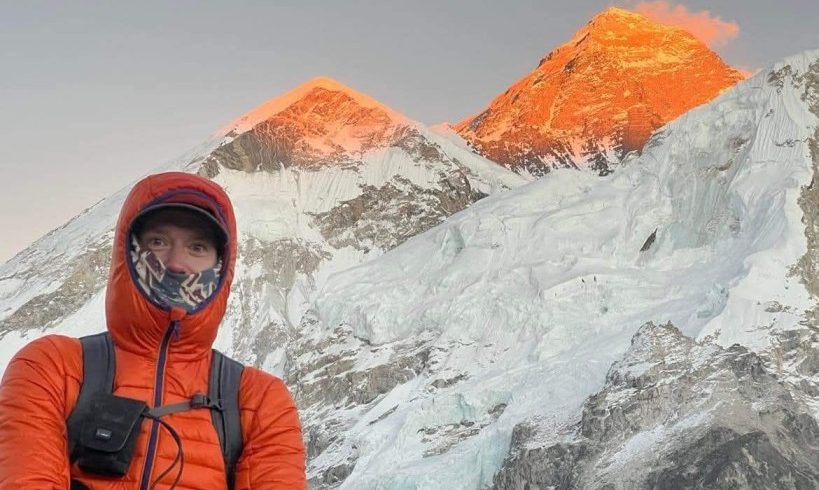
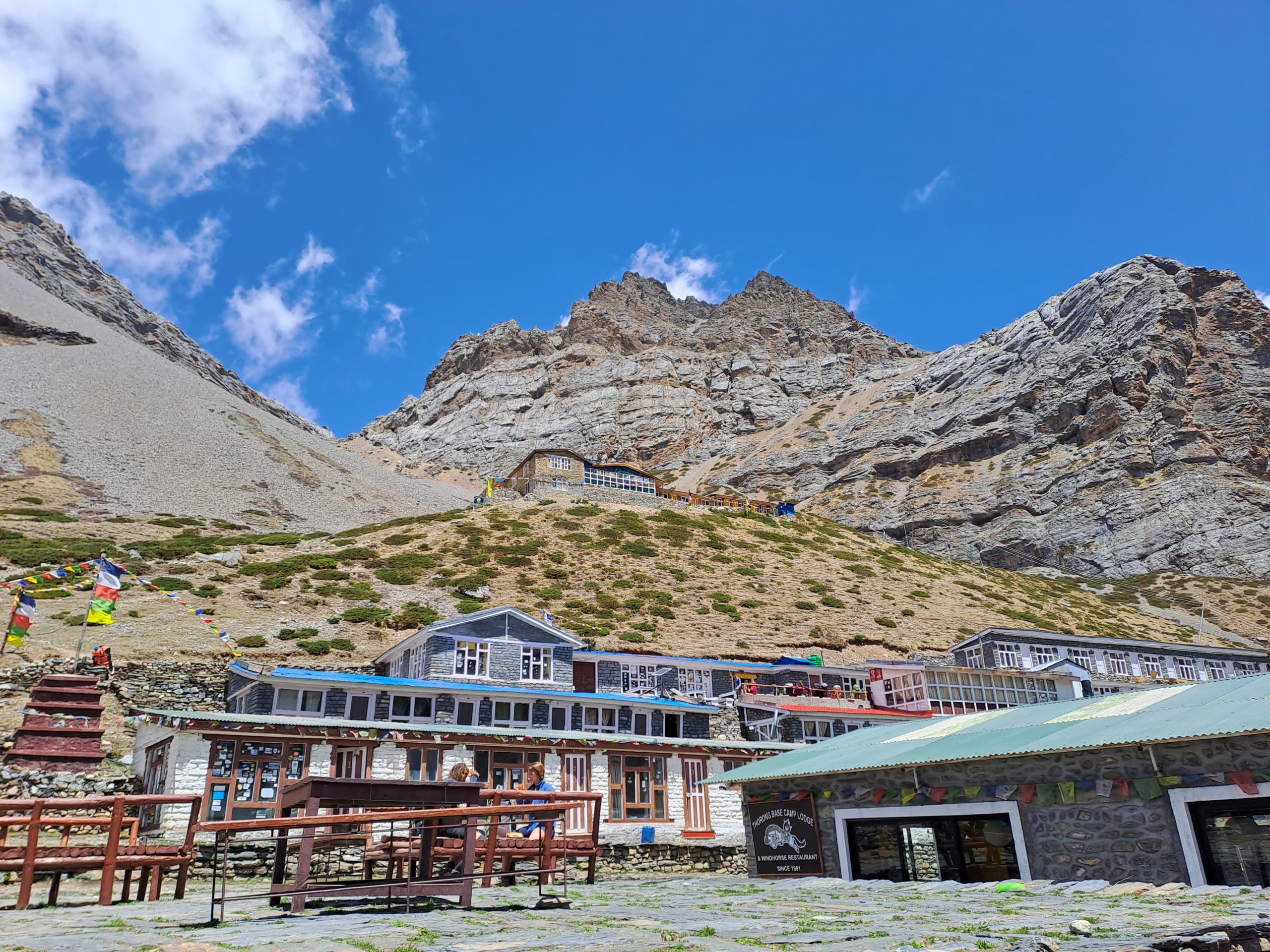
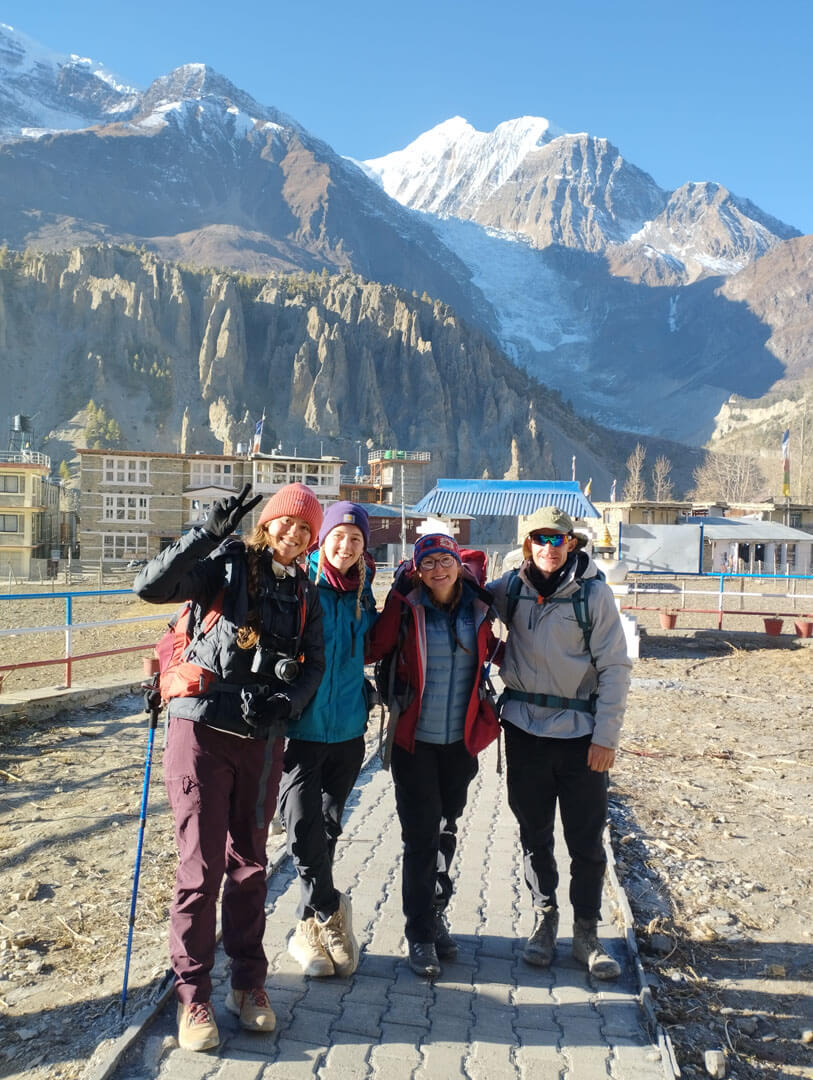
“Crossing Thorong La was one of the hardest and most rewarding moments of my trek in Nepal. Standing at 5,416 meters, surrounded by snow, mountains and prayer flags, I felt something I will never forget. It was not only about reaching the highest point. It was about every step, every breath and every moment that brought me there.”
Trip Informatiom
-
3-star hotel -Tea House - Lodge
-
5416 m.
-
Kathmandu, Pokhara-Breakfast, Mountain-Breakfast - Lunch - Dinner
-
9
-
85
Overview
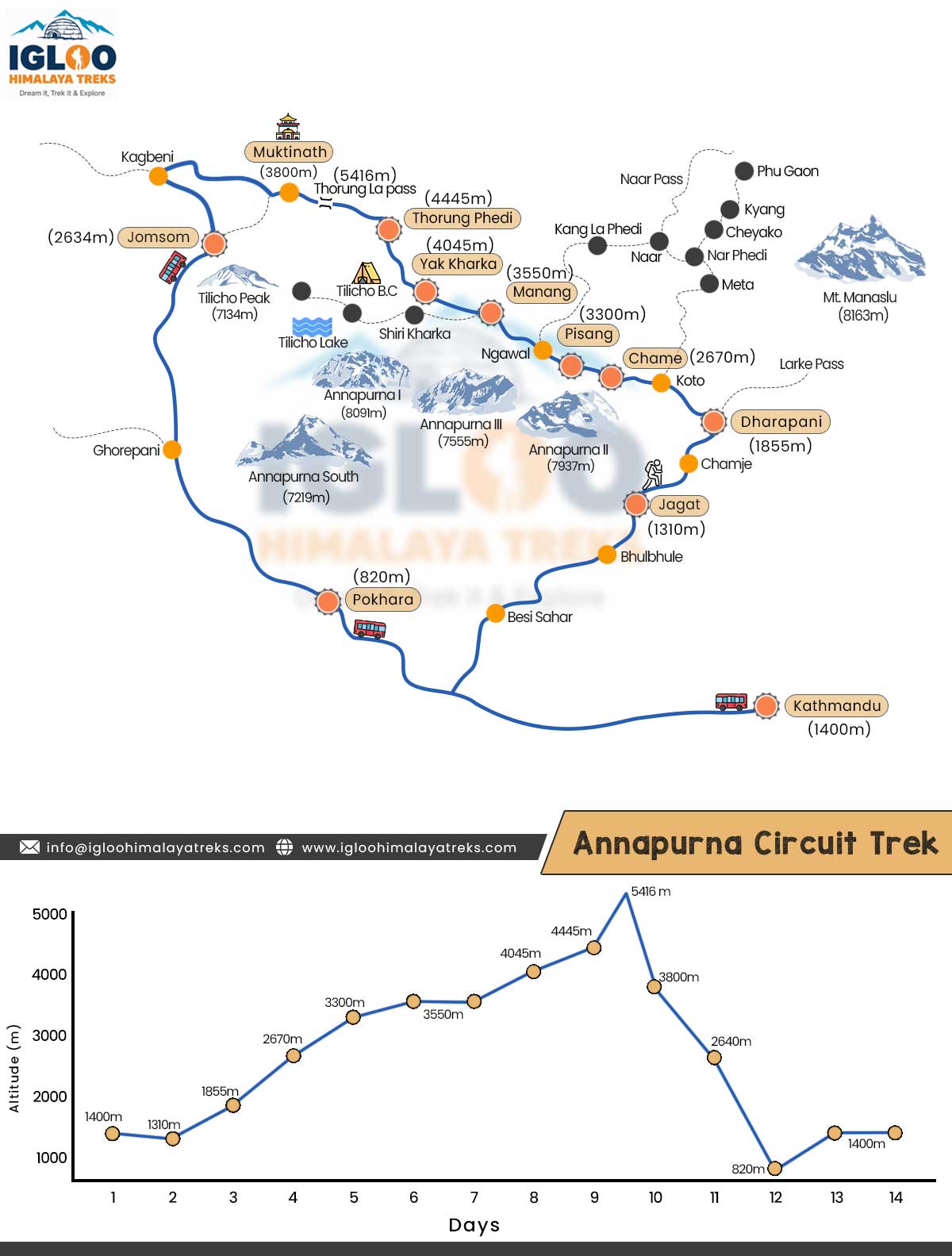
The Annapurna Circuit Trek is widely regarded as one of the world’s greatest trekking journeys. Over 14 unforgettable days, the trail takes you through lush subtropical forests, terraced farmlands, traditional Gurung and Tibetan-influenced villages, dramatic river gorges, alpine meadows, and the high Himalayan desert before crossing the legendary Thorong La Pass (5,416 m).
Unlike many treks that focus on a single destination, the Annapurna Circuit Treks offers continuous change. Every day reveals new landscapes, cultures, climates, and mountain panoramas, making it one of Nepal’s most rewarding trekking experiences.
Beginning from the lower Marsyangdi Valley, the route gradually climbs through Chame, Pisang, and Manang, allowing trekkers to acclimatize naturally before tackling the highest point of the journey. After crossing Thorong La Pass, the scenery changes dramatically as you descend into Mustang, where colorful cliffs, ancient monasteries, and Buddhist heritage create an entirely different atmosphere.
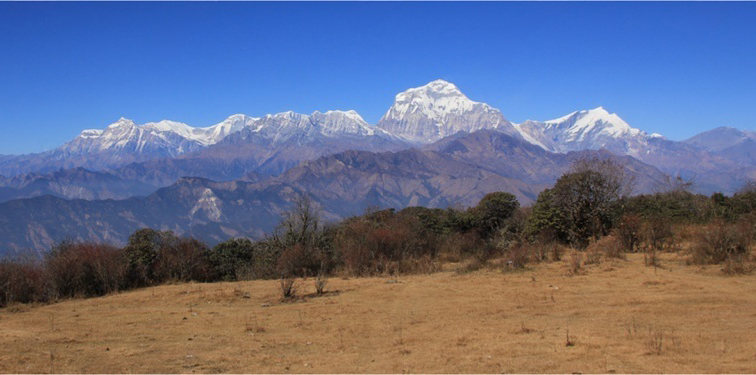
Along the way, you’ll witness spectacular views of Annapurna II, Annapurna III, Annapurna IV, Gangapurna, Tilicho Peak, Chulu East, Pisang Peak, Dhaulagiri, Nilgiri, Tukuche Peak, and dozens of snow-covered Himalayan giants.
At Igloo Himalaya Treks, we believe the Annapurna Circuit is much more than simply crossing a mountain pass. It’s about walking alongside local communities, staying in welcoming family-run teahouses, sharing traditional meals, learning centuries-old Himalayan culture, and experiencing Nepal at a slower pace.
Our carefully designed 14-day itinerary balances adventure, safety, acclimatization, and cultural immersion, making it ideal for trekkers seeking a complete Himalayan experience without unnecessary rushing.
Whether you’re trekking in spring beneath blooming rhododendron forests or enjoying crystal-clear autumn skies, the Annapurna Circuit consistently delivers memories that last a lifetime.
Annapurna Circuit Trek Route
The standard 14-day Annapurna Circuit route follows:
Kathmandu → Syange → Bagarchhap → Chame → Pisang → Manang → Yak Kharka → Thorong Phedi → Thorong La Pass → Muktinath → Tatopani → Pokhara → Kathmandu
Annapurna Circuit Trek Difficulty Level
- Altitude – The Silent Opponent
Highest point: 5,416 meters (17,769 ft) at Thorong La Pass
Oxygen level drops by almost 50% compared to sea level
Risk of Acute Mountain Sickness (AMS)
You don’t need to be super fit to struggle here — even marathon runners feel slow and breathless. Altitude affects everyone differently. Difficulty Score (Altitude): 8/10 - Daily Walking Hours
6–8 hours average per day, Some days (like Thorong La crossing) can be 8–10 hours
160–230 km total distance depending on route, it’s not a single hard day — it’s the accumulation over 12–18 days.
Difficulty Score (Endurance): 7/10 - Terrain Variation
You will walk on:
Stone staircases ,Rocky alpine trails ,Suspension bridges, Dusty jeep roads
Snow sections near Thorong La (seasonal),No technical climbing — but uneven surfaces demand balance and knee strength.
Difficulty Score (Terrain): 6/10 - Weather & Temperature
Lower regions: 15–25°C, High regions: -10°C or lower at night, Strong winds at Thorong La
Sudden weather shifts, Cold fatigue is real. Layering and gear matter.
Difficulty Score (Climate): 7/10 - The Mental Game (Often Ignored)
This trek is long. Unlike Everest Base Camp, it doesn’t have one single emotional “destination moment.”
You must:
Wake up early for two weeks straight, stay disciplined with hydration, and keep walking when you’re tired
Adjust to simple food & basic accommodation, Mental Difficulty: 7.5/10Mental Prep: - Practice long walks without music, train yourself to walk slowly (important at altitude)
- Final Verdict, The Annapurna Circuit is not the hardest trek in Nepal — but it is one of the most complete.
- It tests: Your lungs, Your legs, Your patience, Your consistency
- If you respect altitude, prepare physically, and walk at a steady pace — it is absolutely doable and incredibly rewarding.
What Makes Annapurna Circuit Trek Unique?
Many visitors assume the Annapurna Circuit is simply about reaching Thorong La Pass.
In reality, the journey itself is the true highlight.
You’ll walk through:
- Rice terraces below 1,000 meters
- Pine forests
- Waterfalls
- Suspension bridges
- Apple orchards
- Yak pastures
- Glacial valleys
- Dry Himalayan deserts
- Sacred pilgrimage sites
Few trekking destinations on Earth offer such dramatic geographical diversity within such a relatively short distance.
Every elevation brings different vegetation, architecture, food, language, and traditions.
Who Is This Trek Best For?
The Annapurna Circuit Trek is ideal for:
- Adventure travelers
- First-time Himalayan trekkers with good fitness
- Experienced hikers
- Photographers
- Nature lovers
- Cultural explorers
- Couples
- Solo travelers
- Small groups
- Families with older teenagers
Daily walking ranges between 5 and 8 hours, making the trek challenging but achievable with proper preparation.
Altitude Sickness and Acclimatization on the Annapurna Circuit Trek
The Annapurna Circuit Trek is one of Nepal’s most spectacular high-altitude adventures, reaching its highest point at 5,416 meters (17,769 ft) at Thorong La Pass. While the breathtaking Himalayan scenery attracts thousands of trekkers each year, the increasing altitude also presents the risk of Altitude Sickness, also known as Acute Mountain Sickness (AMS).
At Igloo Himalaya Treks, your safety is our highest priority. Our experienced trekking guides are trained in altitude awareness, emergency response, and acclimatization management to ensure you enjoy a safe and unforgettable Himalayan experience.
What is Altitude Sickness?
Altitude sickness occurs when your body cannot adapt quickly enough to the reduced oxygen levels found at high elevations. As you climb above 2,500 meters (8,200 ft), the air becomes thinner, meaning every breath contains less oxygen.
The Annapurna Circuit gradually climbs through beautiful villages, forests, alpine meadows, and barren mountain landscapes before crossing the challenging Thorong La Pass. Although the gradual ascent helps reduce the risk, anyone—regardless of age or fitness level—can develop altitude sickness.
Common Symptoms of Acute Mountain Sickness (AMS)
Recognizing symptoms early is essential for preventing serious complications.
Mild Symptoms
- Headache
- Fatigue and weakness
- Loss of appetite
- Mild dizziness
- Nausea
- Difficulty sleeping
- Shortness of breath during exertion
Moderate Symptoms
- Persistent headache despite medication
- Vomiting
- Severe fatigue
- Difficulty walking normally
- Increased dizziness
Severe Symptoms (Medical Emergency)
• Difficulty breathing while resting
• Confusion or unusual behavior
• Loss of coordination
• Blue lips or fingernails
• Chest tightness
• Hallucinations
• Loss of consciousness
If severe symptoms appear, immediate descent is the only effective treatment.
How We Help You Acclimatize
The itinerary designed by Igloo Himalaya Treks follows internationally recommended altitude gain guidelines. Rather than rushing to the pass, we allow your body enough time to naturally adapt.
Gradual Ascent
Our trekking itinerary limits excessive daily elevation gain whenever possible, significantly reducing the chances of AMS.
Planned Acclimatization Days
Extra nights at higher villages allow your body to produce more red blood cells and improve oxygen utilization before climbing higher.
Experienced Local Guides
Our licensed mountain guides continuously monitor trekkers for early signs of altitude sickness and adjust the trekking pace when necessary.
Daily Health Monitoring
Your guide checks:
- Walking pace
- Breathing
- Energy levels
- Hydration
- Headache symptoms
- Overall physical condition
Tips to Prevent Altitude Sickness
Following these simple guidelines greatly improves your chances of a successful trek.
Walk Slowly
The Annapurna Circuit is not a race. Maintain a comfortable pace that allows you to breathe normally.
Stay Hydrated
Drink 3–4 liters of water daily. Proper hydration helps your body adapt more efficiently to altitude.
Eat Well
Even if your appetite decreases, consume enough carbohydrates and warm meals to maintain energy.
Avoid Alcohol and Smoking
Alcohol and tobacco reduce oxygen absorption and increase dehydration, making acclimatization more difficult.
Sleep Well
Quality rest helps your body recover and adjust to higher elevations.
Listen to Your Guide
Our guides understand Himalayan altitude better than anyone. If they recommend resting or descending, their advice should always be followed.
Acclimatization During the Annapurna Circuit Trek
A typical acclimatization schedule includes:
| Trekking Area | Altitude | Purpose |
| Chame | 2,670 m | Beginning of higher altitude |
| Upper Pisang | 3,300 m | Slow ascent |
| Manang | 3,540 m | Important acclimatization stop |
| Yak Kharka | 4,050 m | Gradual adaptation |
| Thorong Phedi / High Camp | 4,450–4,925 m | Final preparation before crossing |
| Thorong La Pass | 5,416 m | Highest point of the trek |
Staying an additional night in Manang is one of the most effective ways to reduce the risk of AMS before crossing Thorong La Pass.
Best Time to Trek the Annapurna Circuit
The Annapurna Circuit Trek is one of Nepal’s most spectacular trekking adventures and can be completed throughout much of the year. However, choosing the right season greatly enhances your experience. Every season offers different landscapes, weather conditions, and trekking challenges.
Spring (March – May): Best for Rhododendrons & Mountain Views
Spring is considered one of the finest seasons for the Annapurna Circuit. Forests burst into color with blooming rhododendrons, the weather is stable, and mountain visibility is exceptional. Days are pleasantly warm while nights remain cool, making trekking comfortable across all elevations.
This season is ideal for photographers, nature lovers, and first-time Himalayan trekkers. The trail becomes lively with trekkers from around the world, creating a vibrant atmosphere in the tea houses.
Average Temperature
Lower Region: 15°C–25°C ,Thorong La Pass: -8°C to 5°C
Autumn (September – November): Peak Trekking Season
Autumn is widely regarded as the best time to trek the Annapurna Circuit. Following the monsoon, the skies become crystal clear, revealing breathtaking panoramas of Annapurna, Dhaulagiri, Manaslu, and Tilicho Peak.
The dry weather, comfortable temperatures, and excellent trail conditions make this season perfect for crossing Thorong La Pass safely.
Expect popular villages like Manang, Yak Kharka, and Muktinath to be busy, so early booking is recommended.
Average Temperature
Lower Region: 12°C–22°C, Thorong La Pass: -10°C to 4°C
Winter (December – February)
Winter transforms the Annapurna region into a peaceful snow-covered paradise. The trails are much quieter, offering incredible solitude and dramatic mountain scenery.
Temperatures at higher elevations can drop well below freezing, and heavy snowfall may occasionally close Thorong La Pass. Proper winter equipment and experienced guides are highly recommended.
Monsoon (June – August)
The monsoon season brings lush green landscapes, waterfalls, and fewer trekkers. While rain affects the lower sections, the Manang region lies within Nepal’s rain shadow and receives considerably less rainfall.
This season is suitable for experienced trekkers who don’t mind occasional rain and muddy trails.
Our Recommendation
At Igloo Himalaya Treks, we recommend March–May and September–November for the safest weather, outstanding mountain views, and the best overall trekking experience.
Weather by Month
| Month | Weather | Trekking Experience |
|---|
| January | Cold & Snowy | Quiet, winter adventure |
| February | Cold with improving weather | Good for experienced trekkers |
| March | Warm days, blooming forests | Excellent |
| April | Stable weather, clear skies | Outstanding |
| May | Warm with excellent visibility | Excellent |
| June | Beginning of monsoon | Moderate |
| July | Rainy in lower regions | Challenging |
| August | Rainy but green landscapes | Moderate |
| September | Clear after monsoon | Excellent |
| October | Crystal-clear mountain views | Best month |
| November | Dry and cool | Excellent |
| December | Cold with fewer trekkers | Good for winter lovers |
Food and Accommodation
The Annapurna Circuit is famous for its well-developed tea house network. Throughout the trek, you’ll stay in comfortable family-run lodges that provide warm hospitality and delicious home-cooked meals.
Most tea houses offer twin-sharing rooms with comfortable beds, blankets, pillows, and shared bathrooms. In larger villages such as Manang and Muktinath, some lodges also provide attached bathrooms, hot showers, and Wi-Fi.
The menu is surprisingly diverse, including:
- Dal Bhat (traditional Nepali meal)
- Fried rice
- Chowmein
- Pasta
- Pizza
- Tibetan bread
- Momos
- Soups
- Pancakes
- Eggs
- Oatmeal
- Tea and coffee
- Fresh bakery items (in larger villages)
At higher elevations, food prices gradually increase because all supplies are transported by porters, mules.
At Igloo Himalaya Treks, we carefully select clean, comfortable tea houses with excellent service to ensure every guest enjoys a safe and pleasant stay.
Drinking Water
Staying hydrated is essential while trekking above 3,000 meters.
Safe drinking water options include:
- Boiled drinking water from tea houses
- Water purification tablets
- Portable water filters
- UV purification devices
- Refillable bottles from safe water stations
We strongly discourage purchasing single-use plastic bottles, as they contribute to environmental pollution in the Himalayas.
Our guides always help trekkers find the safest drinking water available along the route.
Internet and Charging
Most villages along the Annapurna Circuit Trek now offer internet access and charging facilities.
Wi-Fi
- Available in most tea houses
- Faster in lower villages
- Slower at higher elevations
- Usually charged separately
Mobile Network
Both Nepal Telecom (NTC) and Ncell provide coverage in many parts of the trail, though signals become weaker near Thorong La Pass.
Charging
Tea houses provide charging facilities for phones, cameras, and power banks. Charging fees increase with altitude due to limited electricity availability.
We recommend carrying:
- Two power banks
- Universal charging adapter
- Extra camera batteries
Packing List for Annapurna Circuit Trek
Packing wisely is one of the most important parts of preparing for the Annapurna Circuit Trek. The trail passes through diverse climates—from warm subtropical forests to the freezing alpine environment of Thorong La Pass (5,416 m). Temperatures can vary by more than 25°C in a single day, making proper layering essential.
At Igloo Himalaya Treks, we recommend packing lightweight, high-quality trekking gear instead of carrying unnecessary items. Your duffel bag is carried by our porters, while you only need a comfortable daypack for daily essentials.
Essential Clothing
Base Layers
- Moisture-wicking thermal tops (2)
- Thermal leggings (2)
- Quick-dry trekking T-shirts (3–4)
Mid Layers
- Fleece jacket
- Lightweight insulated jacket
- Hiking shirt
Outer Layers
- Waterproof and windproof jacket (Gore-Tex recommended)
- Waterproof trekking pants
- Down jacket (-15°C rating)
Trekking Pants
- Lightweight hiking pants (2–3)
- Comfortable pants for evenings
- Hiking shorts (optional)
Headwear
- Warm wool hat
- Sun hat or cap
- Buff or neck gaiter
- UV-protection sunglasses
Gloves
- Lightweight liner gloves
- Insulated waterproof gloves
Footwear
- Waterproof trekking boots
- Comfortable camp shoes
- Sandals (optional)
- 4–5 pairs of wool trekking socks
Personal Equipment
- 30–40L daypack
- Duffel bag (provided by Igloo Himalaya Treks)
- Trekking poles
- Sleeping bag (-15°C to -20°C)
- Headlamp with spare batteries
- Reusable water bottles
- Water purification tablets or filter
- Power bank
- Universal travel adapter
Toiletries
- Toothbrush and toothpaste
- Sunscreen SPF 50+
- Lip balm with SPF
- Wet wipes
- Hand sanitizer
- Small towel
- Personal medications
- Toilet paper
Documents
- Passport
- Nepal Visa
- Travel insurance documents
- Passport-sized photos
- Cash (Nepalese Rupees)
- Flight tickets
Optional Items
- Camera
- Binoculars
- Playing cards
- Kindle or book
- Snacks and energy bars
Pro Packing Tip
Avoid overpacking. We recommend keeping your duffel bag under 10 kg, while your daypack should weigh around 5 kg. A lighter backpack allows you to enjoy the Annapurna Circuit Trek more comfortably and reduces fatigue.
Travel Insurance for Annapurna Circuit Trek
Travel insurance is not just recommended—it is an essential part of trekking in the Himalayas. The Annapurna Circuit reaches Thorong La Pass (5,416 m), where weather conditions can change rapidly, and medical facilities are limited.
At Igloo Himalaya Treks, we require every trekker to have comprehensive travel insurance before starting the trek.
Your Insurance Should Cover
High-Altitude Trekking
Your policy must cover trekking up to 5,500–6,000 meters, as many standard travel insurance plans exclude high-altitude trekking.
Emergency Helicopter Evacuation
In the event of altitude sickness, injury, or severe illness, helicopter evacuation may be the only safe option. Rescue costs can exceed USD 5,000–10,000, making insurance invaluable.
Medical Expenses
Coverage should include:
- Hospital treatment
- Doctor consultations
- Emergency medication
- Medical transportation
Trip Cancellation
Insurance should reimburse non-refundable expenses if your trek is canceled due to illness, natural disasters, flight disruptions, or family emergencies.
Lost or Delayed Baggage
Choose a policy that covers:
- Lost luggage
- Damaged trekking gear
- Flight delays
- Trip interruption
Why Insurance Matters
Although the Annapurna Circuit is considered one of Nepal’s safest trekking routes, the Himalayas are unpredictable. Heavy snowfall, altitude sickness, landslides, or sudden weather changes can affect even experienced trekkers.
Having comprehensive travel insurance gives you peace of mind, allowing you to enjoy the journey knowing you’re protected against unexpected events.
At Igloo Himalaya Treks, our guides are trained in altitude awareness and emergency procedures. If an evacuation becomes necessary, we coordinate directly with rescue services and assist you throughout the insurance claim process.
Responsible Trekking on the Annapurna Circuit Trek
The Annapurna Circuit is one of the world’s most beautiful trekking routes, passing through ancient villages, sacred monasteries, diverse wildlife habitats, and the breathtaking landscapes of the Annapurna Conservation Area. Protecting this environment is the responsibility of every visitor.
At Igloo Himalaya Treks, we are committed to sustainable tourism that benefits local communities while preserving Nepal’s natural and cultural heritage for future generations.
Respect Local Culture
The Annapurna region is home to Gurung, Thakali, Manangi, and Tibetan Buddhist communities with unique traditions and customs.
We encourage our guests to:
- Dress respectfully in villages and monasteries.
- Ask permission before photographing local people.
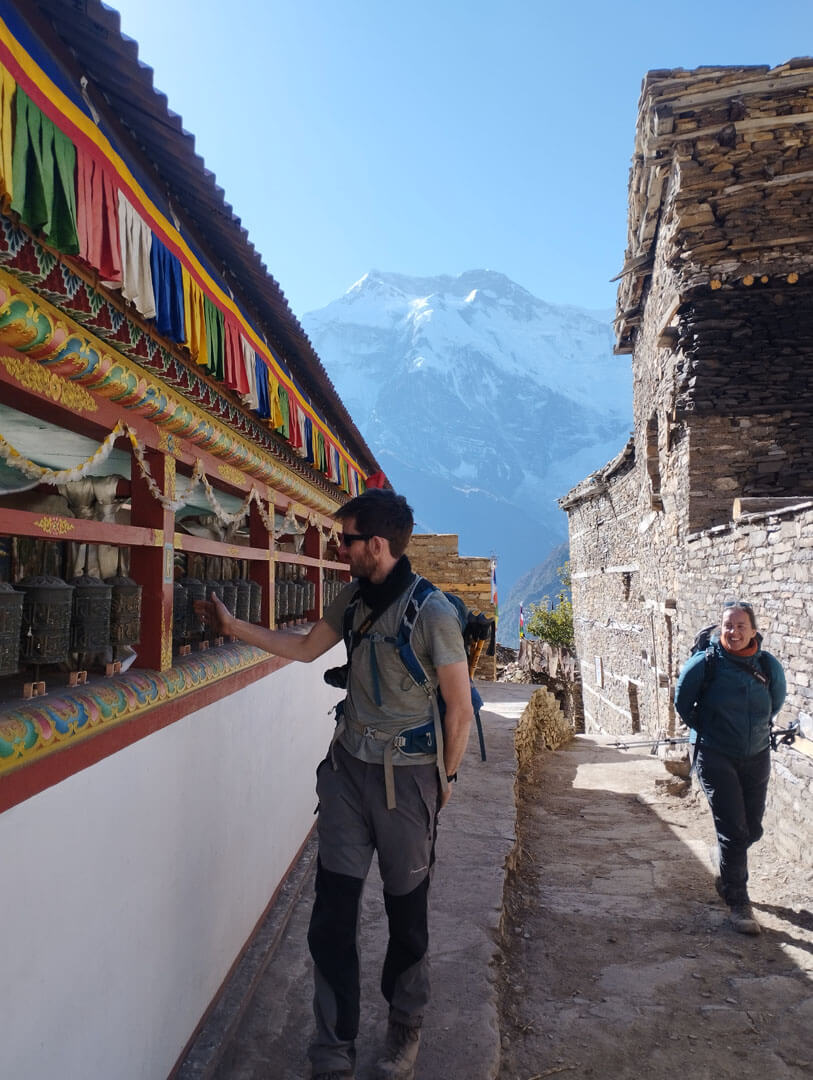
- Walk clockwise around stupas, mani walls, and prayer wheels.
- Support local family-run teahouses and businesses.
Reduce Plastic Waste
Single-use plastic bottles create significant waste in the mountains.
Instead:
- Carry a reusable water bottle.
- Use water purification tablets or filters.
- Refill drinking water at teahouses or safe water stations.
This simple step helps keep the trails clean and reduces environmental impact.
Leave No Trace
Follow the internationally recognized Leave No Trace principles:
- Pack out all non-biodegradable waste.
- Stay on marked trails.
- Avoid disturbing wildlife.
- Do not pick flowers or remove natural objects.
- Use designated toilet facilities whenever possible.
Our guides ensure all trekkers follow responsible trekking practices throughout the journey.
Support Local Communities
Tourism provides income for thousands of families in the Annapurna region. By choosing locally owned teahouses, purchasing handmade crafts, and hiring licensed guides and porters, you contribute directly to the local economy.
Igloo Himalaya Treks employs experienced local guides and porters, ensuring fair wages, proper equipment, ethical working conditions, and respect for porter welfare.
Travel Sustainably
Small actions make a meaningful difference:
- Carry reusable shopping bags.
- Avoid excessive packaging.
- Conserve electricity in teahouses.
- Use water responsibly.
- Choose environmentally friendly toiletries.
Trek with Igloo Himalaya Treks
When you trek with Igloo Himalaya Treks, you become part of our commitment to responsible and sustainable Himalayan tourism. We believe that unforgettable adventures should also protect the mountains, support local communities, and preserve the natural beauty of the Annapurna region for future generations.
Why Choose the Annapurna Circuit Trek?
- Amazing Mountain Views
On this trek, you walk around the beautiful Annapurna Massif. You can see famous peaks like Annapurna I, Dhaulagiri, and Machapuchare.The views change every day — from green hills to snowy mountains. It feels like walking inside a postcard. - Cross the Famous Thorong La Pass
One of the biggest highlights is crossing Thorong La (5,416 meters). It is challenging, but reaching the top gives you a strong feeling of success. Many trekkers say this is the best moment of their journey. - Experience Different Cultures
You will pass through many traditional villages. You can meet Gurung, Thakali, and Manangi people.
You can visit old monasteries in Manang and the sacred temple of Muktinath Temple.
This trek is not only about mountains — it is also about culture and local life. - Changing Landscapes
The Annapurna Circuit is special because the scenery changes a lot: Green forests and rivers, waterfalls, and farms
Desert areas near Mustang, Snowy Mountain paths
Few treks in the world offer so many different landscapes in one journey. - Good Teahouse Facilities
You do not need to carry a tent. There are many teahouses along the trail. You can enjoy:
Warm food, Comfortable beds, Friendly local hospitality
This makes the trek easier and safer than many remote mountain routes. - Suitable for Many Trekkers
The trek is moderate to challenging. With good preparation, many people can complete it.
You can also choose shorter or longer versions of the route.
What Our Trekkers Say
“Our guide treated us like family throughout the trek.”
“The itinerary was perfectly organized from Kathmandu to Pokhara.”
“The team was professional, friendly, and always available when we needed help.”
“We would highly recommend Igloo Himalaya Treks to anyone planning an Annapurna adventure.”
Book Your Annapurna Circuit Trek With Igloo Himalaya Treks
Are you ready to experience one of the world’s greatest trekking adventures?
Join Igloo Himalaya Treks and explore the breathtaking landscapes, rich culture, and incredible mountain scenery of the Annapurna region with experienced local guides.
Contact us today to customize your Annapurna Circuit Trek and begin your Himalayan journey.
Annapurna Circuit Trek Highlights
- Thorong La Pass (5,416 m), the highest and most thrilling point in trek.
- Exploring the traditional villages of Manang, Pisang, and Braga with Tibetan Buddhist culture.
- The world’s deepest Kali Gandaki Gorge.
- Muktinath Temple, a pilgrimage site for Hindus and Buddhists.
- Relaxing at natural hot springs in Tatopani after days of trekking.
- Beautiful views of Annapurna I, II, III, IV, Dhaulagiri, Machhapuchhre (Fishtail), Manaslu, and Tilicho Peak.
- Spectacular views of Mt. Annapurna, Thorung Peak, Nilgiri, Chulu West and East, Tukuche Peak, Dhaulagiri, and Lamjung Himal.