Why Everest Base Camp Trek - 16 Day ?
The Everest Base Camp trek is the most famous high-altitude trek in the world, and for good reason. This journey takes you deep into the heart of the Khumbu region, where the Sherpa people have lived for centuries, surrounded by the tallest mountains on Earth.
You will walk the same trail used by Sir Edmund Hillary and Tenzing Norgay in 1953, passing through rhododendron forests, crossing suspension bridges over glacial rivers, and staying in traditional Sherpa villages. The route is well-developed with teahouses offering warm meals and comfortable beds, making it accessible to determined trekkers without camping experience.
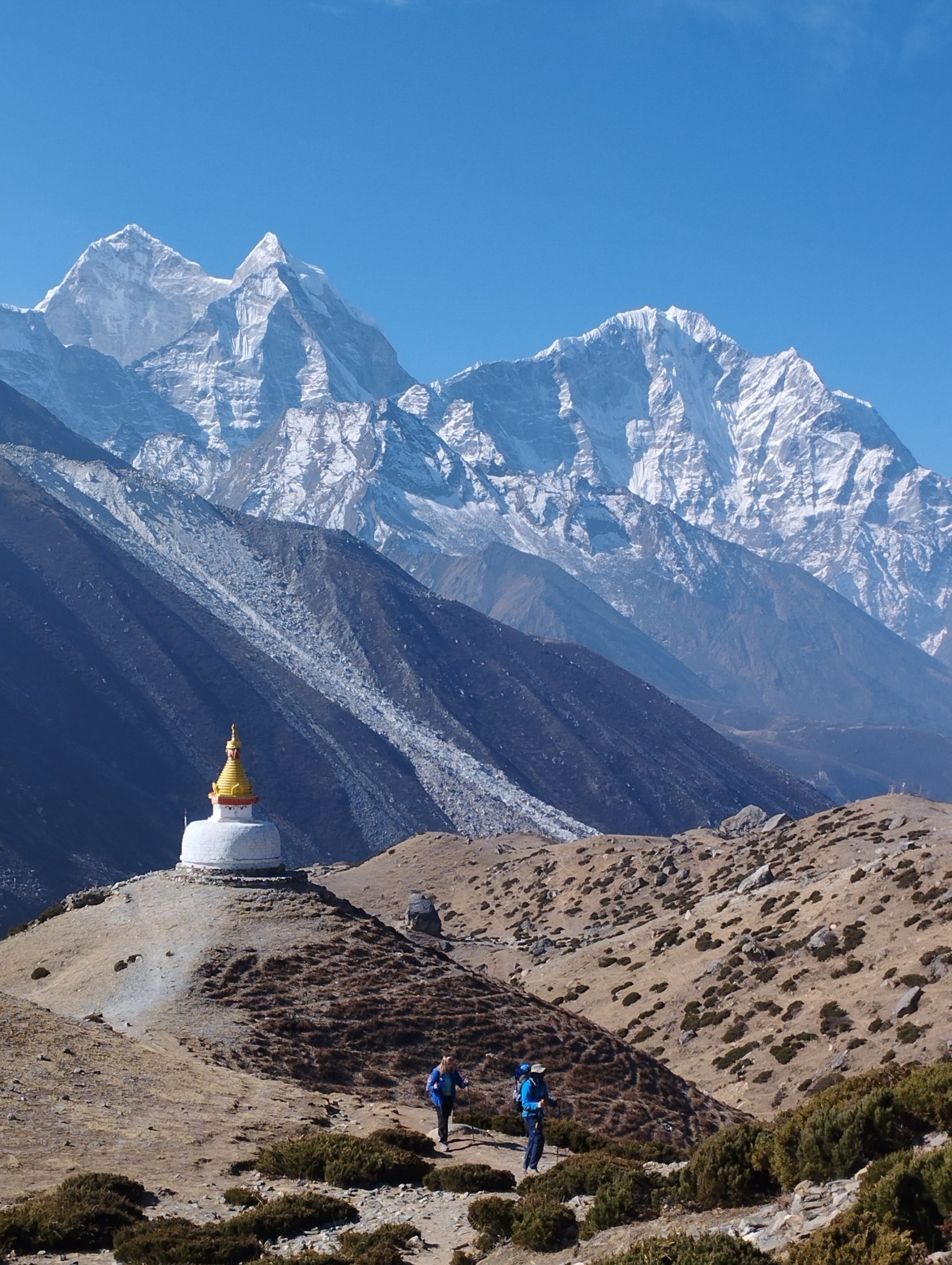
What makes this trek truly special is the combination of natural beauty and cultural immersion. You will visit Tengboche Monastery, the largest Buddhist monastery in the Khumbu, where monks chant prayers as you watch Everest, Lhotse, and Ama Dablam rise above the clouds. The acclimatization days in Namche Bazaar and Dingboche give you time to explore local museums, hike to viewpoints, and understand how communities thrive at high altitude.
Reaching Everest Base Camp itself is an emotional moment standing on the Khumbu Glacier with the Khumbu Icefall cascading below the South Col, knowing that climbers preparing for their summit attempts are just beyond the ridge. The sunrise from Kala Patthar, where you see the first light hit Everest’s summit while the rest of the world is still dark, is often described as the highlight of the entire journey.
This trek suits anyone with reasonable fitness and determination. You do not need technical climbing skills, but you do need to be prepared for long days, high altitude, and variable weather. The sense of achievement when you touch the base of the world’s highest mountain is something that stays with you forever.
Trek Overview
The Everest Base Camp trek begins with a scenic 35-minute flight from Kathmandu to Lukla, a small mountain airstrip perched on a ridge at 2,860 metres. From Lukla, you descend to Phakding along a well-marked trail that follows the Dudh Koshi River through forests of pine, rhododendron, and magnolia. This gentle first day helps you adjust to the altitude before the real climbing begins.
The trail then climbs steadily to Namche Bazaar, the gateway to the high Khumbu. Namche is a vibrant trading town built into an amphitheatre-shaped valley, where you will spend two nights acclimatizing. During your rest day, you can hike to the Everest View Hotel for panoramic mountain views, visit the Sherpa Museum to learn about local culture and mountaineering history, or explore the Saturday market where traders from Tibet and Nepal meet.
From Namche, the route climbs to Tengboche, home to the largest monastery in the region. On a clear day, you will see Everest, Lhotse, Nuptse, Thamserku, and Ama Dablam from the monastery courtyard. The trail then continues to Dingboche, a picturesque village surrounded by barley fields with stunning views of Ama Dablam’s dramatic pyramid peak.
After a second acclimatization day in Dingboche (with an optional hike to Nangkartshang Peak for 360-degree views), you enter the high-altitude zone. The landscape becomes increasingly barren and rocky as you climb through Duglha, Lobuche, and finally Gorak Shep, the last settlement before Base Camp. From Gorak Shep, you hike to Everest Base Camp on the Khumbu Glacier, then return to Gorak Shep for the night.
The following morning, you wake before dawn to climb Kala Patthar for sunrise over Everest. This short but steep climb rewards you with what many consider the best mountain view in the world. After descending to Pheriche or Dingboche, you begin the return journey, retracing your steps through Namche Bazaar and back to Lukla for the flight to Kathmandu.
The trek is graded moderate to challenging due to the altitude and daily walking hours, but it is achievable for anyone with good fitness and proper acclimatization. The teahouse infrastructure means you do not need to carry camping equipment, and experienced Sherpa guides will support you throughout the journey.
This route is ideal for first-time high-altitude trekkers, photographers, culture enthusiasts, and anyone who dreams of standing at the foot of Everest. It is also suitable for experienced trekkers who want a classic Himalayan adventure without technical climbing.
Highlights
- Stand at Everest Base Camp (5,364m) on the Khumbu Glacier, surrounded by the towering peaks of Everest, Lhotse, and Nuptse
- Sunrise from Kala Patthar (5,545m) with panoramic views of Everest, Lhotse, Nuptse, Pumori, and the entire Khumbu valley
- Explore Namche Bazaar, the bustling Sherpa capital, with its Saturday market, Himalayan Trust School, and Sherpa Museum
- Visit Tengboche Monastery, the spiritual heart of the Khumbu, where you can attend morning prayers and see Everest framed by prayer flags
- Acclimatization hike to Everest View Hotel (3,880m) for your first close-up view of Everest, Lhotse, and Ama Dablam
- Walk through rhododendron forests between Phakding and Namche, spectacular when blooming in spring (March–April)
- Cross high suspension bridges over the Dudh Koshi River, including the famous Hillary Bridge near Monjo
- Experience Sherpa hospitality in traditional teahouses, enjoying warm dal bhat, butter tea, and local hospitality
- See the Khumbu Icefall from Base Camp, one of the most dangerous sections of the Everest climbing route
- Optional acclimatization via Phortse Thame on a less-crowded alternative route with exceptional mountain views
Route & Itinerary Snapshot
Route: Kathmandu → Lukla → Phakding → Namche Bazaar → Tengboche → Dingboche → Lobuche → Gorak Shep → Everest Base Camp → Kala Patthar → Pheriche → Namche Bazaar → Lukla → Kathmandu
| Day | Route | Altitude | Walking Time | Overnight |
| 1 | Arrival in Kathmandu | 1,350m | – | Hotel |
| 2 | Kathmandu sightseeing and trek preparation | 1,350m | – | Hotel |
| 3 | Fly to Lukla (2,860m), trek to Phakding (2,610m) | 2,610m | 3–4 hours | Teahouse |
| 4 | Trek to Namche Bazaar (3,440m) | 3,440m | 5–6 hours | Teahouse |
| 5 | Acclimatization day in Namche Bazaar | 3,440m | 3–4 hours (hike) | Teahouse |
| 6 | Trek to Tengboche (3,867m) | 3,867m | 5–6 hours | Teahouse |
| 7 | Trek to Dingboche (4,410m) | 4,410m | 5–6 hours | Teahouse |
| 8 | Acclimatization day in Dingboche | 4,410m | 3–4 hours (hike) | Teahouse |
| 9 | Trek to Lobuche (4,940m) | 4,940m | 5–6 hours | Teahouse |
| 10 | Trek to Gorak Shep (5,164m), visit Everest Base Camp (5,364m) | 5,364m | 7–8 hours | Teahouse |
| 11 | Sunrise hike to Kala Patthar (5,545m), trek to Pheriche (4,240m) | 5,545m | 6–7 hours | Teahouse |
| 12 | Trek to Namche Bazaar (3,440m) | 3,440m | 6–7 hours | Teahouse |
| 13 | Trek to Lukla (2,860m) | 2,860m | 6–7 hours | Teahouse |
| 14 | Fly to Kathmandu (1,350m) | 1,350m | – | Hotel |
| 15 | Free day in Kathmandu / buffer day | 1,350m | – | Hotel |
| 16 | Final departure | – | – | – |
What happens today?
Welcome to Nepal! When you arrive at Tribhuvan International Airport in Kathmandu, our representative will be waiting with a sign bearing your name and the Igloo Himalaya Treks logo. They will transfer you to your hotel in Thamel, the tourist hub of Kathmandu, where you can rest and recover from your journey.
Thamel is a vibrant neighbourhood filled with trekking gear shops, restaurants, cafes, and souvenir stores. If you have energy left after your flight, you can take a short walk around the area to get oriented.
Your guide will meet you this evening for a welcome dinner and briefing about the trek ahead. This is your chance to ask any last-minute questions and ensure all your gear is in order.
Route: Airport to Thamel hotel
Altitude: 1,350m
Accommodation: 3-star hotel (twin sharing)
Meals: Welcome dinner included
What happens today?
Today is dedicated to preparing for the trek and exploring Kathmandu's UNESCO World Heritage Sites. After breakfast, your guide will take you on a cultural tour of the Kathmandu Valley. You will visit Pashupatinath Temple, one of the holiest Hindu temples dedicated to Lord Shiva, where you can observe traditional cremation rituals along the Bagmati River.
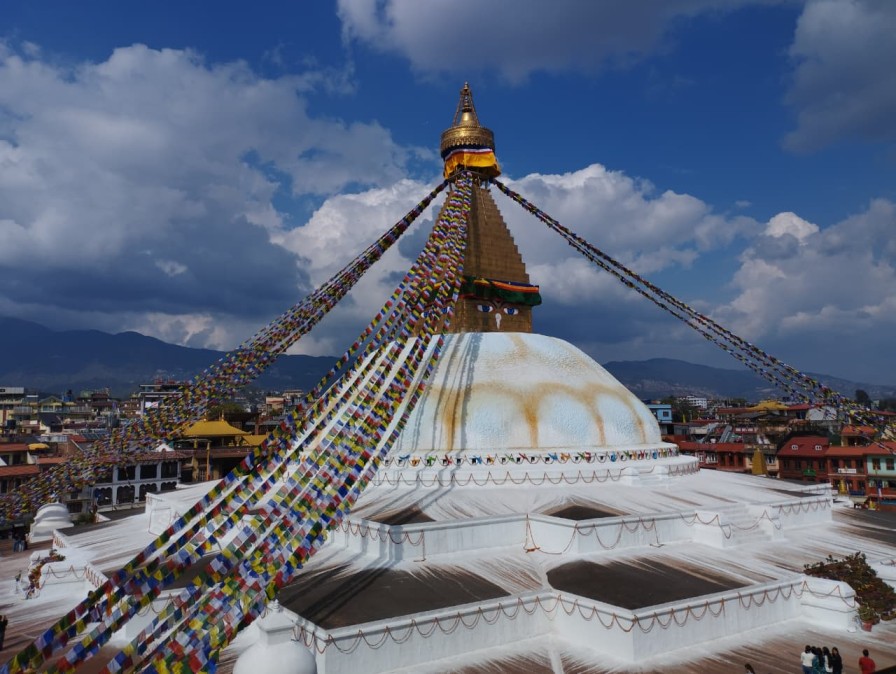
Next, you will visit Boudhanath Stupa, the largest Buddhist stupa in Nepal, where pilgrims circumambulate the massive white dome while spinning prayer wheels. In the afternoon, your guide will help you with final trek preparations. This includes checking your gear, exchanging currency at a local bank, and purchasing any last-minute items you may have forgotten. We recommend buying a local SIM card (Ncell or NTC) for emergency communication during the trek, though Wi-Fi is available at most teahouses.
Your guide will also verify all permits and flight tickets for tomorrow's Lukla flight. Evening is free for you to pack your duffel bag (porters will carry this, limited to 15kg) and daypack (for your daily essentials).
Route: Kathmandu sightseeing tour
Altitude: 1,350m
Walking Time: 3–4 hours (sightseeing)
Accommodation: 3-star hotel (twin sharing)
Meals: Breakfast and farewell dinner included
What happens today?
This is one of the most exciting days of the entire trek! Early morning transfer to Tribhuvan International Airport for your 35-minute flight to Lukla. The flight offers spectacular views of the Himalayas, including Langtang, Ganesh Himal, Manaslu, Annapurna, and on clear days, even Everest in the distance.
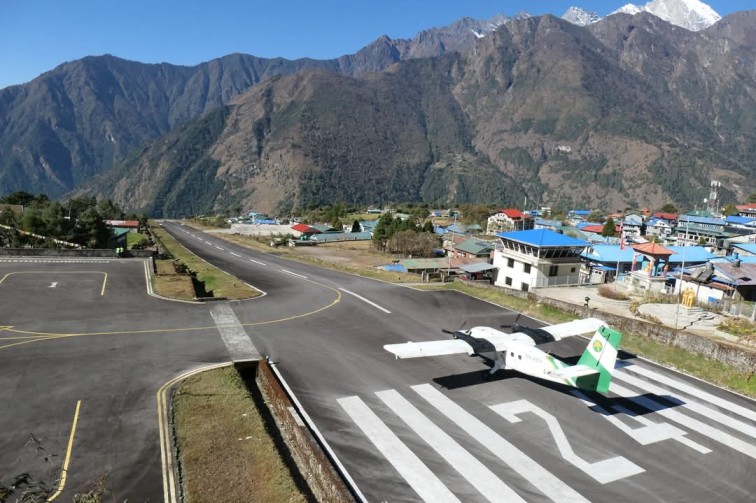
Lukla Airport (Tenzing-Hillary Airport) is famous for its short, sloping runway perched on a mountainside. Once you land, your guide will organize the porters and divide the luggage. After a brief introduction to your trekking team, you begin walking.
The trail from Lukla to Phakding is a gentle descent that helps you acclimatize gradually. You will pass through Chaurikharka, where there are several memorials to climbers who died on Everest, including a monument to the 2014 avalanche victims. The trail follows the Dudh Koshi River through forests of pine, rhododendron, and magnolia. In spring (March–April), the rhododendrons bloom in brilliant shades of pink and red, making the scenery very beautiful to watch and walk.
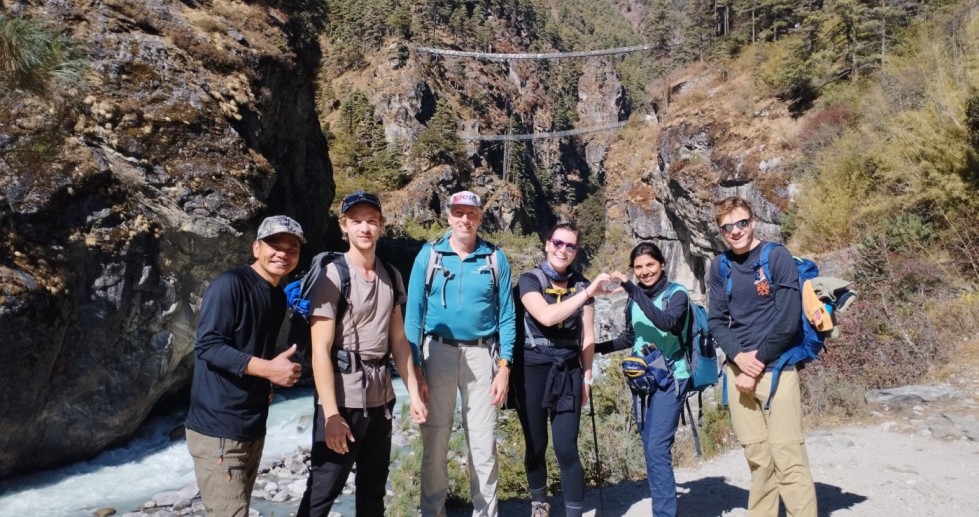
You will also cross several suspension bridges over the river, including a long green bridge near Monjo. The trail is well-marked and relatively easy, making it a perfect first day to ease into trekking rhythm.
Today we will be staying overnight at Phakding. Phakding is a small village with several teahouses and a view of Kusum Kanguru (6,367m) in the distance.
Route: Lukla → Chaurikharka → Phakding
Altitude: 2,610m (Phakding)
Walking Time: 3–4 hours
Distance: 8 km
Accommodation: Teahouse (twin sharing)
Meals: Breakfast, lunch, dinner
What happens today?
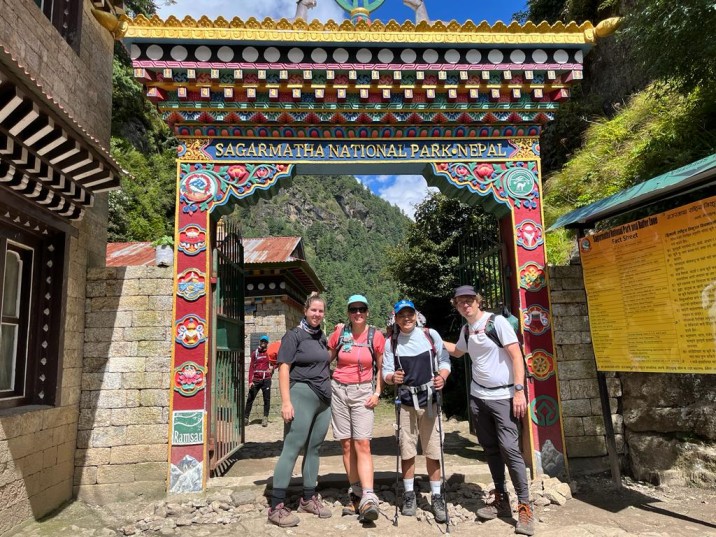
Today's trek is more challenging as you climb steadily to Namche Bazaar, the gateway to the high Khumbu. After breakfast, you cross a long suspension bridge over the Dudh Koshi River and begin climbing through forests. The trail passes through Monjo, where you will enter Sagarmatha National Park. Your guide will show your permits at the checkpoint here.
After Monjo, the trail descends to the river and then begins the steep climb to Namche. This section is the most strenuous part of the first half of the trek, gaining nearly 800 metres in altitude. You can take your time, breathe steadily, and enjoy the views. As you climb, the vegetation changes from temperate forest to subalpine scrub.
About halfway up, you will reach a viewpoint where you get your first glimpse of Everest (weather permitting). The sight of the world's highest mountain appearing through the clouds is an unforgettable moment. Continue climbing through rhododendron forests until you reach Namche Bazaar, a bustling town built into a natural amphitheatre.
Namche is the largest settlement in the Khumbu and serves as the main trading hub for the region. You will see yaks carrying supplies, Sherpas in traditional dress, and trekkers from around the world. The village has ATMs, bakeries, gear shops, and even a microbrewery. Your teahouse will have a warm dining room where you can relax after the long climb.
Route: Phakding → Monjo → Namche Bazaar
Altitude: 3,440m (Namche Bazaar)
Walking Time: 5–6 hours
Distance: 11 km
Accommodation: Teahouse (twin sharing)
Meals: Breakfast, lunch, dinner
What happens today?
Rest days are crucial for acclimatization, and Namche is the perfect place to spend one. The principle of "climb high, sleep low" helps your body adjust to altitude. Today, you will take a short hike to higher elevation and return to sleep at Namche.
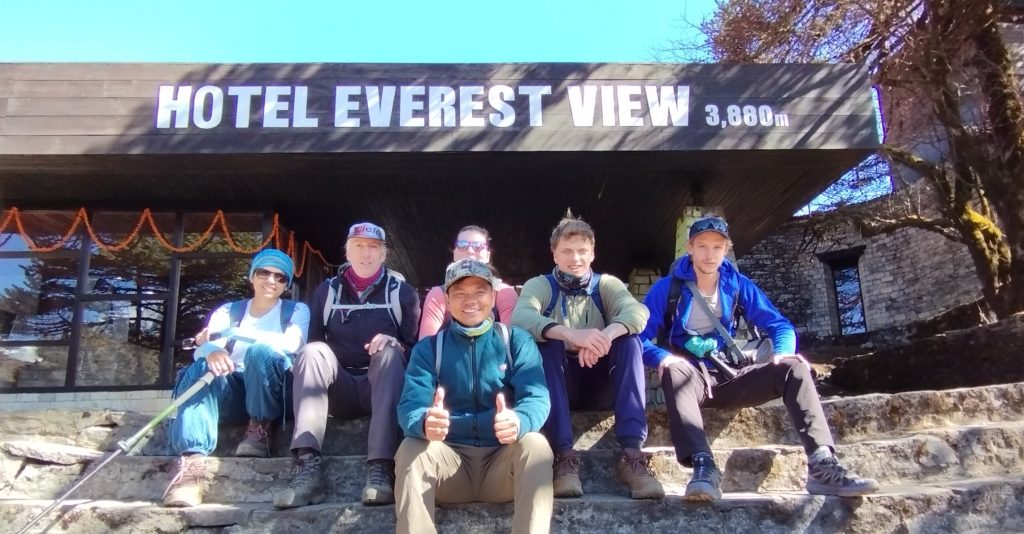
After breakfast, your guide will lead you on a hike to the Everest View Hotel (3,880m), the highest-placed hotel in the world. The trail climbs through forests and offers increasingly spectacular views. On a clear day, you will see Everest (8,848m), Lhotse (8,516m), Nuptse (7,861m), Thamserku (6,623m), and Ama Dablam (6,856m) in a single panoramic sweep. This is often the first close-up view of Everest for many trekkers, and it is breathtaking.
Alternatively, you can also visit the Sherpa Museum, which showcases the history, culture, and mountaineering achievements of the Sherpa people. There is also a small museum dedicated to Tenzing Norgay, one of the first two people to summit Everest. You can explore the Saturday market (if your visit coincides), where traders from Tibet and Nepal meet to exchange goods.
Another option is to hike to Khumjung Village (3,790m), where Sir Edmund Hillary built the first school in the Khumbu. The village has a monastery that supposedly houses a "Yeti scalp," and the views from Khumjung are excellent. Your guide will recommend the best option based on weather and your energy level.
Route: Namche Bazaar → Everest View Hotel → Namche (or Khumjung)
Altitude: 3,880m (Everest View Hotel)
Walking Time: 3–4 hours
Distance: 5–6 km
Accommodation: Teahouse (twin sharing)
Meals: Breakfast, lunch, dinner
What happens today?
Today's trek takes you to Tengboche, home to the largest Buddhist monastery in the Khumbu region. The trail leaves Namche and climbs gradually through rhododendron forests. You will cross a suspension bridge over the Imja Khola River and continue climbing with views of Everest, Lhotse, and Nuptse.
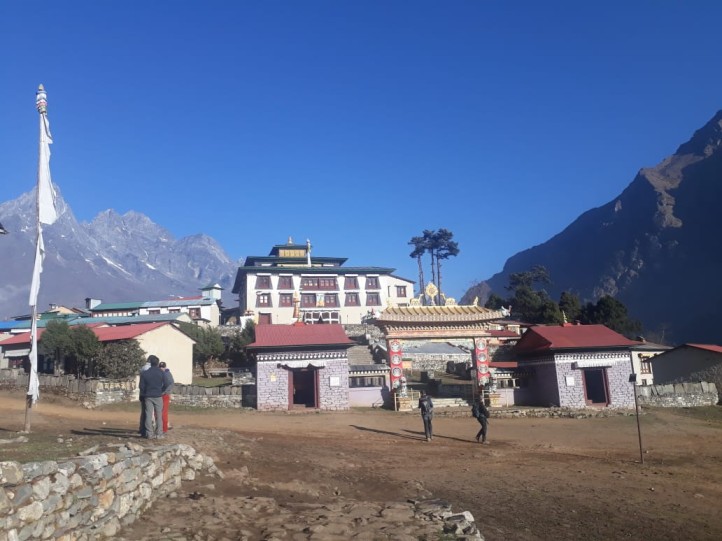
As you approach Tengboche, the trees thin out and you enter a more open landscape. The monastery comes into view, a striking white building with red trim, set against the backdrop of Ama Dablam. Tengboche Monastery was built in 1916 and rebuilt after fires in 1934 and 1989. It is the spiritual heart of the Khumbu, and many Sherpa families send their sons here to become monks.
If you arrive in the afternoon, you may be able to attend evening prayers, where monks in maroon robes chant scriptures accompanied by drums, cymbals, and long horns. The courtyard offers one of the best viewpoints in the region, with Everest framed perfectly between prayer flags. On clear days, you can also see Thamserku, Kangtega, and the entire Ama Dablam massif.
Tengboche is a peaceful place, and many trekkers find it spiritually moving. The teahouses here are simple but comfortable, with dining rooms heated by yak dung fires. Your guide may share stories about the monastery's history and the role of Buddhism in Sherpa culture.
Route: Namche Bazaar → Phunki Tenga → Tengboche
Altitude: 3,867m (Tengboche)
Walking Time: 5–6 hours
Distance: 10 km
Accommodation: Teahouse (twin sharing)
Meals: Breakfast, lunch, dinner
What happens today?
Today you enter the high-altitude zone as you climb to Dingboche, one of the most picturesque villages in the Khumbu. The trail from Tengboche descends through rhododendron forests to the Dudh Koshi River, where you cross a suspension bridge. From there, it is a steady climb through scrub and juniper forests.
You will pass through Pangboche, a small village with an ancient monastery and excellent views of Everest. The trail then continues to Shomare before climbing to Dingboche. As you gain altitude, the landscape becomes increasingly barren, with rocky hills and sparse vegetation.
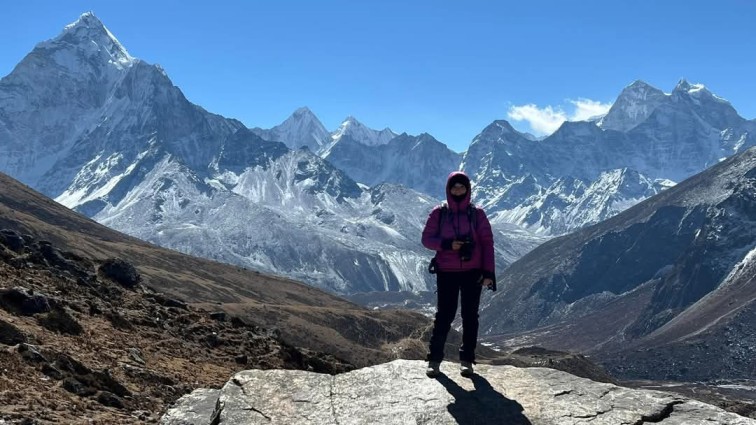
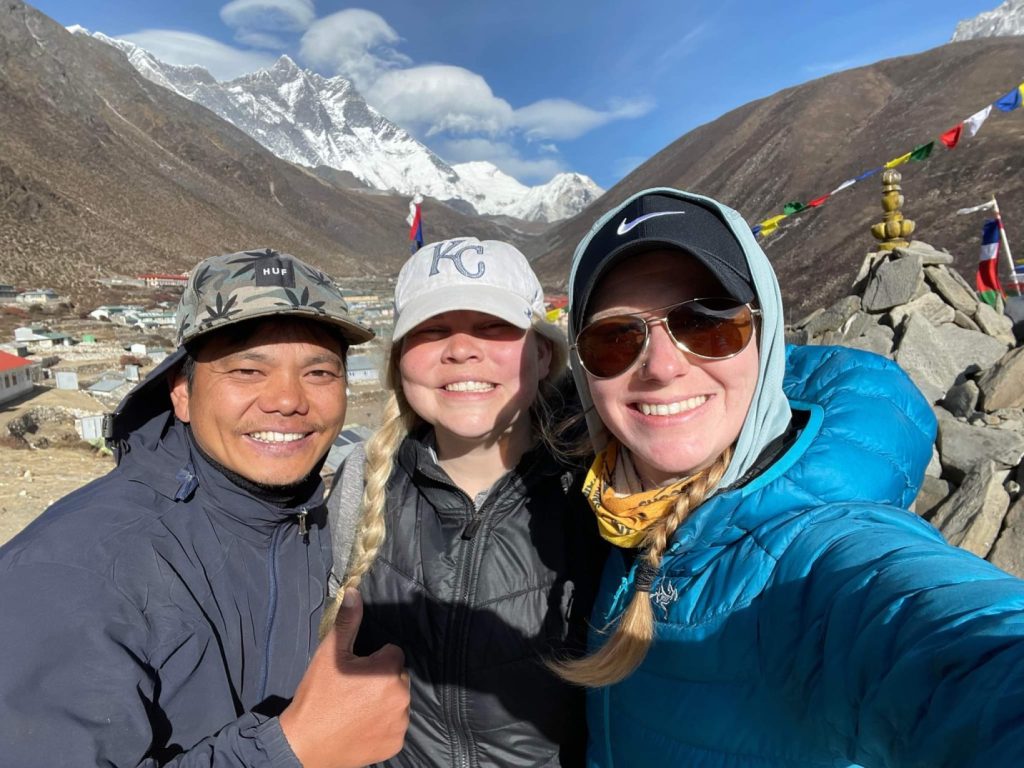
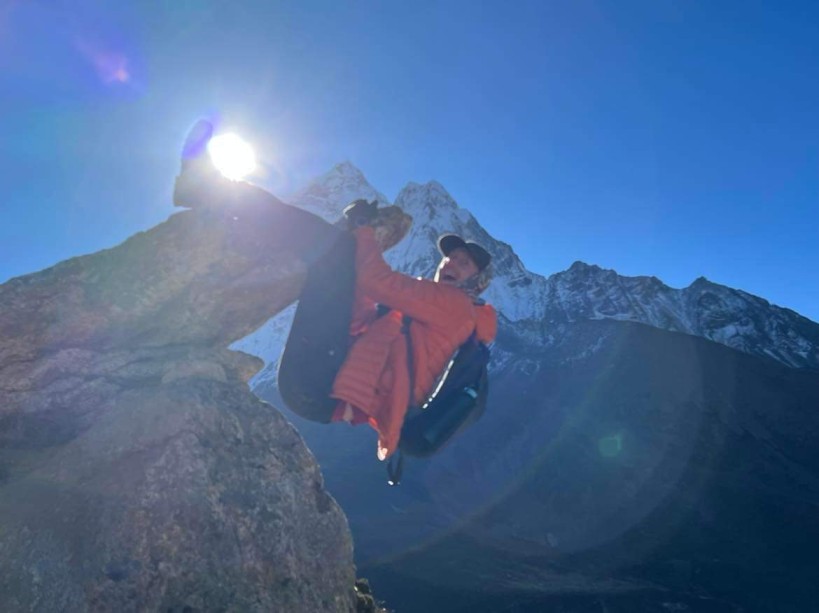
Dingboche sits in a wide valley surrounded by towering peaks. To the south, you have an unobstructed view of Ama Dablam, often called the most beautiful mountain in the world. To the north, you can see Cholatse and Taboche. The village is surrounded by stone walls protecting barley and potato fields from the wind and grazing yaks.
The teahouses in Dingboche are simple but cozy, with dining rooms heated by stoves. Many have large windows facing Ama Dablam, so you can enjoy the view while eating dinner. The village is quiet and peaceful, a perfect place to rest before the push to higher altitude.
Route: Tengboche → Pangboche → Shomare → Dingboche
Altitude: 4,410m (Dingboche)
Walking Time: 5–6 hours
Distance: 11 km
Accommodation: Teahouse (twin sharing)
Meals: Breakfast, lunch, dinner
What happens today?
Another crucial rest day for acclimatization. Dingboche is an ideal location for this because it is high enough to prepare your body for the altitude ahead, but not so high that you risk altitude sickness. The "climb high, sleep low" principle applies again today.
After breakfast, your guide will lead you on a hike to Nangkartshang Peak (5,000m), a ridge above Dingboche that offers 360-degree panoramic views. The climb takes about 2–3 hours and is steep but manageable. From the top, you will see Makalu (8,485m), Lhotse (8,516m), Nuptse (7,861m), Everest (8,848m), Cho Oyu (8,188m), Pumori (7,161m), and the entire valley stretching back toward Namche.
This hike serves two purposes: it helps your body acclimatize by exposing you to higher altitude, and it gives you confidence that you can handle the elevation gain ahead. Many trekkers find the view from Nangkartshang to be one of the best of the entire trek, even better than some viewpoints at Base Camp.
Alternatively, you can explore Dingboche village, visit the small monastery, or simply rest and hydrate. Your guide will monitor your health and may check your oxygen saturation with a pulse oximeter. It is important to drink plenty of water (3–4 litres per day) and avoid alcohol at this altitude.
Route: Dingboche → Nangkartshang Peak → Dingboche
Altitude: 5,000m (Nangkartshang Peak)
Walking Time: 3–4 hours
Distance: 4–5 km
Accommodation: Teahouse (twin sharing)
Meals: Breakfast, lunch, dinner
What happens today?
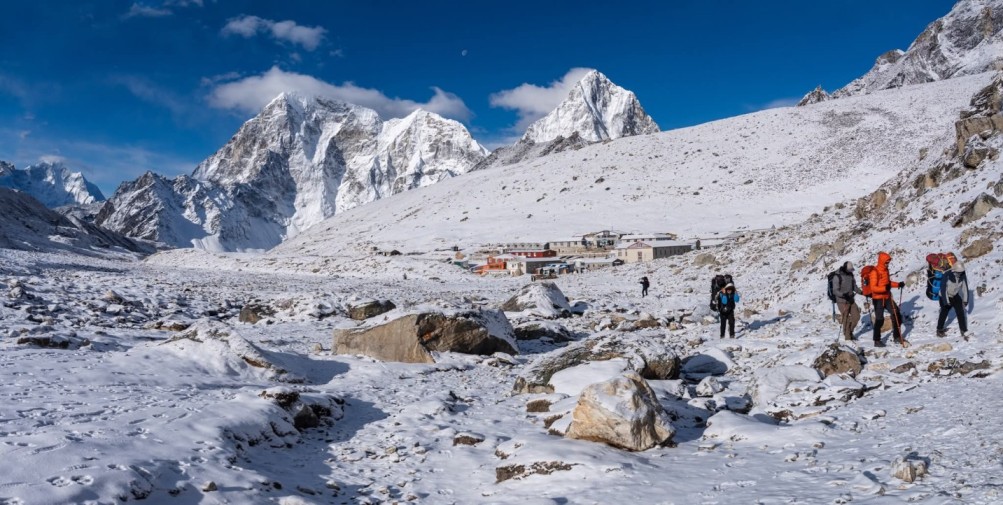
Today you enter the realm of the giants. The trail from Dingboche climbs through a barren, rocky landscape with views of some of the world's highest peaks. You will pass through Duglha (4,600m), a small settlement with a few teahouses and a memorial garden dedicated to climbers who died on Everest.
The memorial garden, known as the Chukpo Lhari Memorial, is a moving place where stone monuments honor climbers from around the world who lost their lives pursuing their dreams. Your guide may share stories about famous expeditions and the risks of high-altitude climbing. This is a good moment to reflect on the privilege of being in this extraordinary landscape.
From Duglha, the trail climbs steeply for about an hour before leveling out. You will walk alongside the Khumbu Glacier, with views of Pumori (7,161m), Lingtren (6,714m), and Khumbutse (6,636m). The landscape is stark and beautiful, with rocky moraines and glacial streams.
Lobuche (4,940m) is a small settlement consisting of a handful of teahouses clustered together for warmth. The village sits below the dramatic peak of Lobuche East (6,119m), a popular trekking peak. The teahouses here are basic, with shared bathrooms and limited heating, but they offer warm meals and a sense of camaraderie among trekkers preparing for Base Camp.
Route: Dingboche → Duglha → Lobuche
Altitude: 4,940m (Lobuche)
Walking Time: 5–6 hours
Distance: 11 km
Accommodation: Teahouse (twin sharing)
Meals: Breakfast, lunch, dinner
What happens today?
This is the day you have been waiting for, reaching Everest Base Camp! After breakfast, you climb gradually to Gorak Shep, the last settlement before Base Camp. The trail follows the Khumbu Glacier, passing through a landscape of rock and ice. You will see the iconic pyramid of Pumori on your left and the massive wall of Nuptse on your right.
Gorak Shep (5,164m) is a tiny settlement with a few teahouses perched on the edge of the Khumbu Glacier. It was once the site of Everest Base Camp before the glacier retreated. Your guide will arrange lunch here, and you will leave your heavy packs at the teahouse.
After lunch, you continue to Everest Base Camp (5,364m). The trail crosses the Khumbu Glacier, which is covered in rocks and boulders. During the spring climbing season (April–May), you will see colorful tents of expedition teams clustered on the glacier, flags fluttering in the wind. You will walk among these camps, passing teams preparing for their summit attempts.
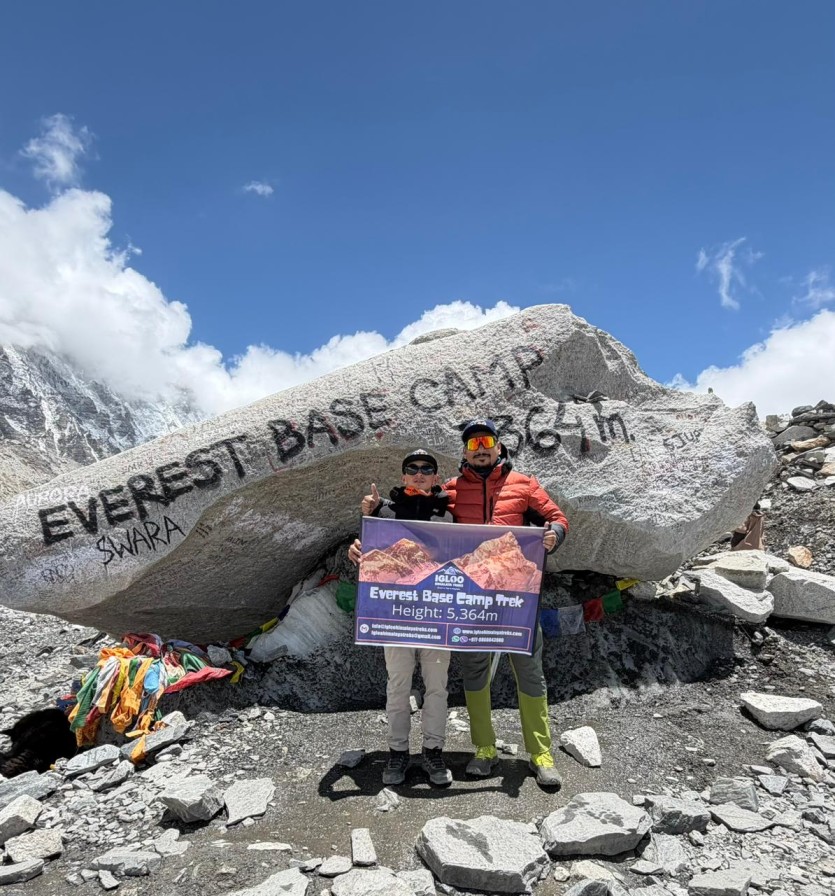
Reaching Base Camp is an emotional moment. You are standing on the Khumbu Glacier at the foot of the world's highest mountain. The view of the Khumbu Icefall cascading below the South Col is both beautiful and sobering—this is one of the most dangerous sections of the climbing route. You will see the Geneva Spur and the Yellow Band leading up to the South Col, where climbers establish Camp II.
Your guide will take photos of you with the iconic Everest Base Camp sign (erected each season by expedition teams). Spend some time absorbing the moment, then begin the return journey to Gorak Shep. The entire round trip from Gorak Shep to Base Camp takes about 3–4 hours.
Evening in Gorak Shep is quiet and cold. The teahouses have limited facilities, but the sense of achievement is palpable among trekkers. Dinner is an early affair, as tomorrow you will wake before dawn for Kala Patthar.
Route: Lobuche → Gorak Shep → Everest Base Camp → Gorak Shep
Altitude: 5,364m (Everest Base Camp), 5,164m (Gorak Shep)
Walking Time: 7–8 hours total
Distance: 14 km round trip
Accommodation: Teahouse (twin sharing)
Meals: Breakfast, lunch, dinner
What happens today?
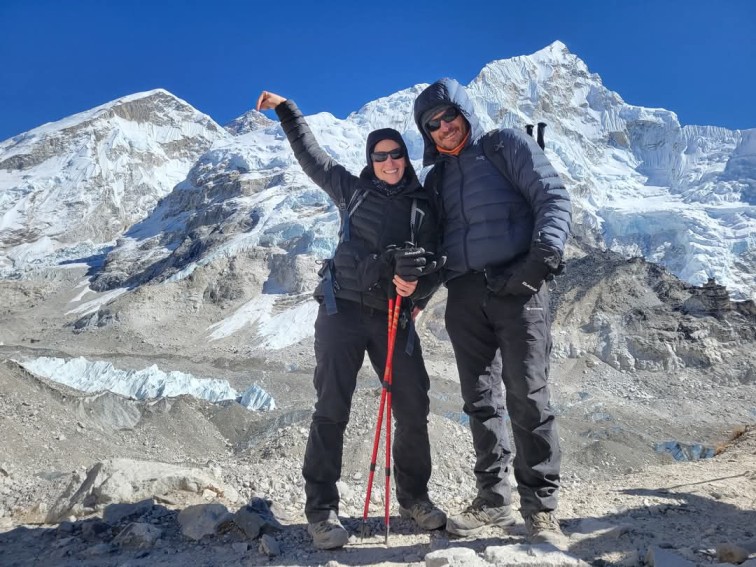
Today begins before sunrise. You will wake around 3:30–4:00 AM for the climb to Kala Patthar, a small peak above Gorak Shep that offers the best panoramic view of Everest in the region. The climb is short but steep, gaining about 400 metres in altitude over 1.5–2 hours.
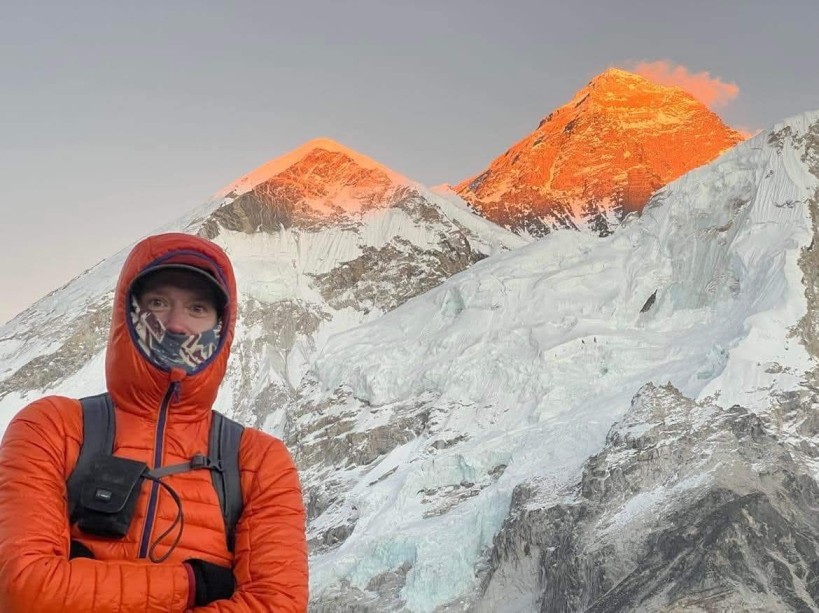
The pre-dawn climb is cold and challenging, but the reward is worth every step. As the sun rises, you will see the first light hit Everest's summit while the rest of the world is still dark. The view from Kala Patthar includes Everest (8,848m), Lhotse (8,516m), Nuptse (7,861m), Pumori (7,161m), Lingtren (6,714m), Khumbutse (6,636m), and the entire Khumbu Glacier stretching below you.
Many photographers consider this the best vantage point for Everest, and the sunrise view is often described as the highlight of the entire trek. After spending time at the summit taking photos and soaking in the view, you descend to Gorak Shep for breakfast.
After breakfast, you begin the long descent to Pheriche. The trail drops quickly from Gorak Shep, passing through Lobuche and Duglha before reaching the wide valley of Pheriche. Pheriche (4,240m) is a settlement known for its Himalayan Rescue Association clinic, where doctors treat trekkers suffering from altitude sickness. The village has several teahouses and a peaceful atmosphere.
The descent feels easier after the high altitude of the previous two days, and you will appreciate the warmer temperatures at lower elevation. Pheriche is a good place to rest and celebrate your achievement at Base Camp and Kala Patthar.
Route: Gorak Shep → Kala Patthar → Gorak Shep → Pheriche
Altitude: 5,545m (Kala Patthar), 4,240m (Pheriche)
Walking Time: 6–7 hours total
Distance: 16 km
Accommodation: Teahouse (twin sharing)
Meals: Breakfast, lunch, dinner
What happens today?
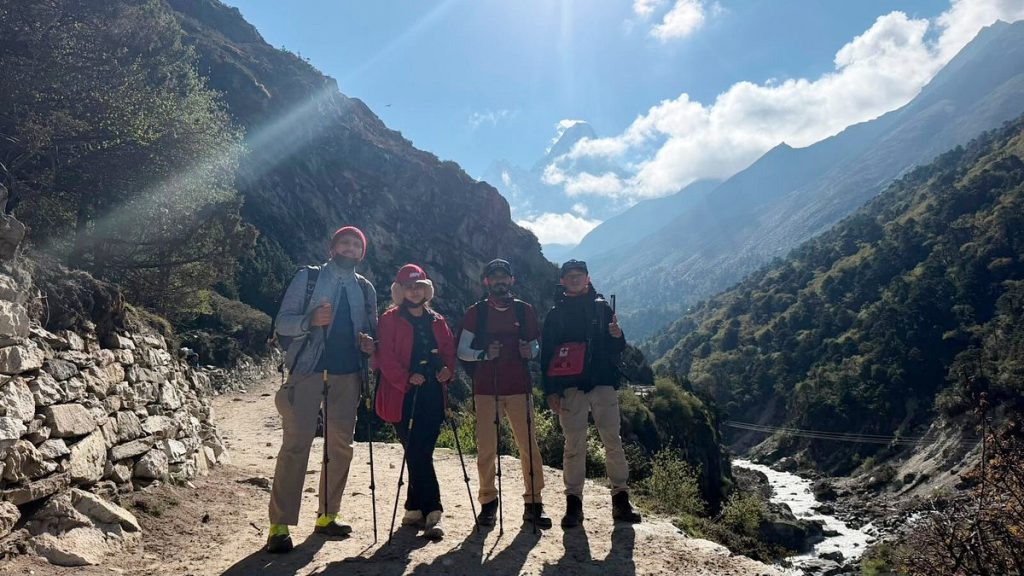
Today is a long descent back to Namche Bazaar. The trail from Pheriche climbs briefly to Shomare before descending through forests to the Dudh Koshi River. You will pass through Pangboche and Tengboche, where you can stop for tea and reflect on the journey.
The descent is easier on the knees than the climb, but it is still a long day. You will cross suspension bridges over the river and climb the final steep section to Namche Bazaar. Returning to Namche feels like coming home—you will appreciate the warmer temperatures, the bustling atmosphere, and the familiar teahouses.
Evening in Namche is a time to celebrate. Many trekkers enjoy a hot shower (available for a small fee), a cold beer (available at the Namche Brewery), and a relaxed dinner with fellow trekkers. Your guide may suggest a group dinner where you can share stories and photos from the trek.
Route: Pheriche → Tengboche → Namche Bazaar
Altitude: 3,440m (Namche Bazaar)
Walking Time: 6–7 hours
Distance: 15 km
Accommodation: Teahouse (twin sharing)
Meals: Breakfast, lunch, dinner
What happens today?
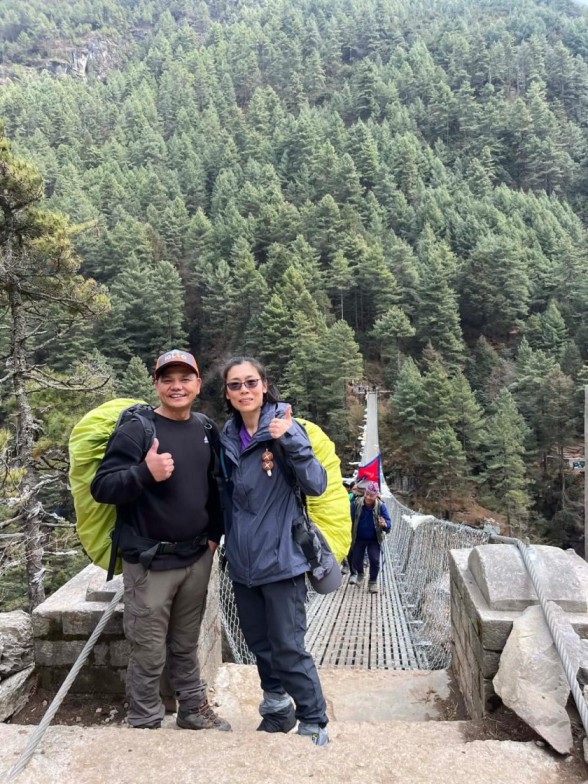
Today is your final day of trekking as you descend to Lukla for the flight back to Kathmandu. The trail from Namche descends steeply through forests, passing through Monjo and crossing suspension bridges over the Dudh Koshi River.
The descent is relatively easy, and you will notice how much stronger your legs feel compared to the first days of the trek. You will pass through Phakding and continue to Lukla, where your trekking team will be waiting.
Evening in Lukla is a celebration. Your guide and porters will join you for a farewell dinner, and you can tip your team if you are happy with their service (tipping is customary and appreciated). This is also a good time to pack your duffel bag and ensure all your gear is accounted for.
Route: Namche Bazaar → Phakding → Lukla
Altitude: 2,860m (Lukla)
Walking Time: 6–7 hours
Distance: 19 km
Accommodation: Teahouse (twin sharing)
Meals: Breakfast, lunch, dinner
What happens today?
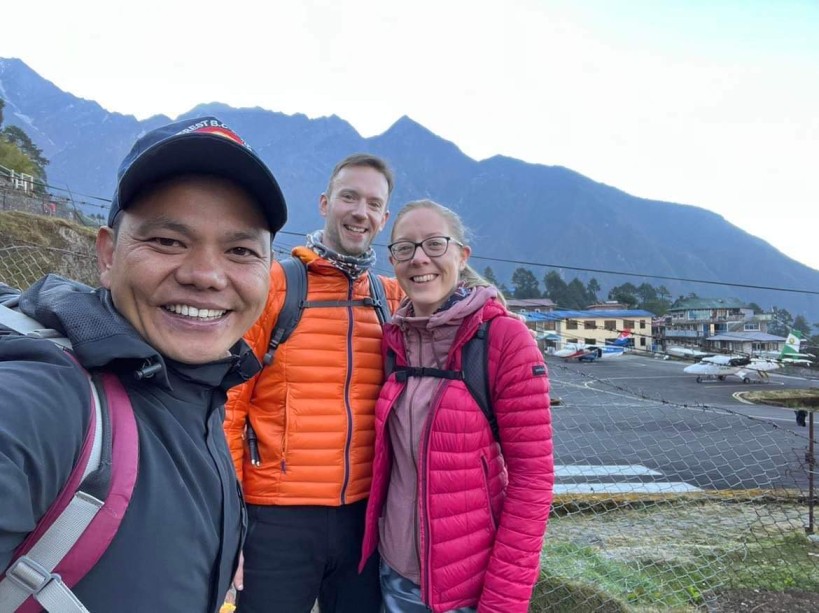
Early morning transfer to Lukla Airport for your flight back to Kathmandu. The flight offers a final chance to see the Himalayas from the air, and you will likely spot Everest, Lhotse, and other peaks one last time.
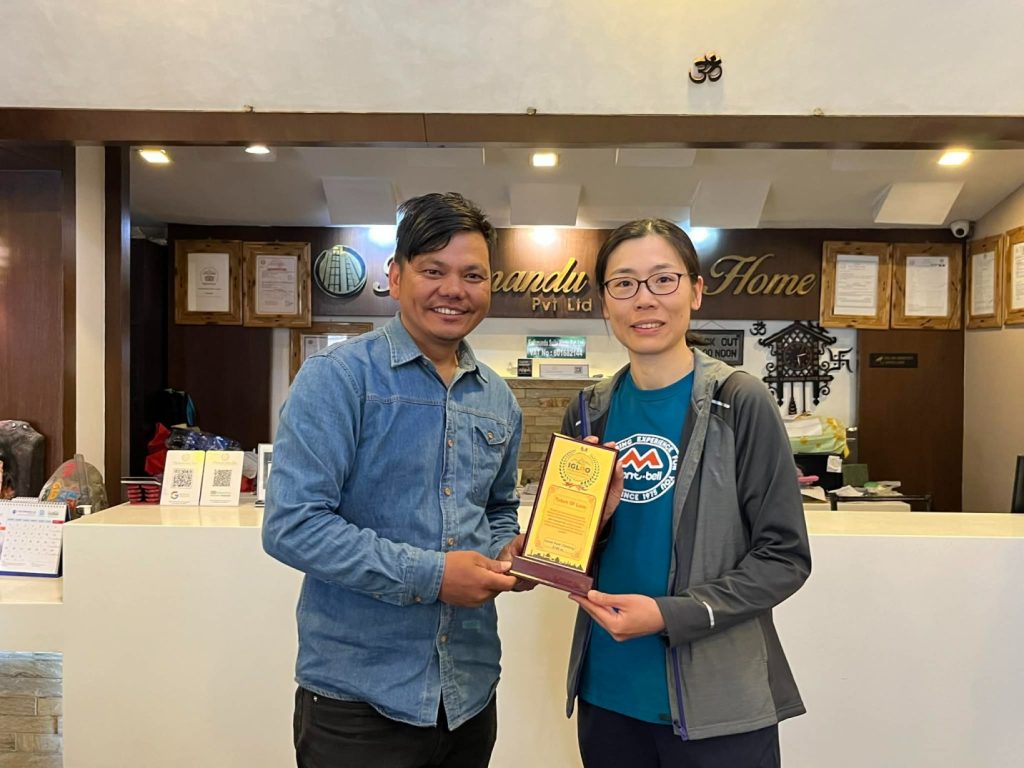
Upon arrival in Kathmandu, you will be transferred to your hotel. The rest of the day is free for you to relax, explore Thamel, or enjoy a celebratory dinner. Your guide may suggest a group dinner where you can receive a certificate of completion from Igloo Himalaya Treks.
Route: Lukla → Kathmandu (flight)
Altitude: 1,350m (Kathmandu)
Accommodation: 3-star hotel (twin sharing)
Meals: Breakfast included, farewell dinner optional
What happens today?
This day is kept as a buffer in case of flight delays or weather issues in Lukla. If your flights operate on schedule, you will have a free day in Kathmandu to explore, shop for souvenirs, or visit UNESCO World Heritage Sites you may have missed earlier.
Your guide can recommend activities such as visiting Swayambhunath Stupa (the Monkey Temple), Patan Durbar Square, or Bhaktapur Durbar Square. You can also enjoy a spa treatment, take a cooking class, or simply relax at a cafe in Thamel.
Evening is free for you to enjoy Kathmandu's vibrant food scene, with restaurants offering Nepali, Indian, Tibetan, Chinese, and continental cuisine.
Route: Free day in Kathmandu
Altitude: 1,350m (Kathmandu)
Accommodation: 3-star hotel (twin sharing)
Meals: Breakfast included
What happens today?
Today marks the end of your Everest Base Camp adventure. Depending on your flight schedule, you can have time for last-minute shopping or sightseeing. Our representative will transfer you to Tribhuvan International Airport for your onward journey.
As you depart, you will carry with you not just photos and souvenirs, but memories of standing at the foot of the world's highest mountain, walking through Sherpa villages, and experiencing the warmth of Himalayan hospitality. We hope to welcome you back for another adventure in Nepal soon.
Route: Hotel to airport
Altitude: 1,350m (Kathmandu)
Meals: Breakfast included
What's Included and what is not in the Everest Base Camp Trek - 16 Day
What's Included in the Everest Base Camp Trek - 16 Day
- Accommodation:
- 3 nights in a 3-star hotel in Kathmandu (twin sharing, bed and breakfast)
- 12 nights in teahouses during the trek (twin sharing)
- Meals:
- All meals during the trek (breakfast, lunch, dinner)
- Breakfast in Kathmandu
- Welcome and farewell dinners in Kathmandu
- Transportation:
- Airport transfers on arrival and departure (private vehicle)
- Kathmandu sightseeing tour (private vehicle and guide)
- Round-trip flights Kathmandu–Lukla–Kathmandu (including all taxes)
- Guide and Porter:
- Government-licensed, experienced Sherpa guide (English-speaking)
- Porters to carry your duffel bag (15kg limit per porter, shared between two trekkers)
- Guide and porter insurance, equipment, meals, and accommodation
- Salary and daily allowances for guide and porter
- Permits:
- Sagarmatha National Park Entry Permit
- Khumbu Pasang Lhamu Rural Municipality Permit (Trek Card)
- Equipment:
- First aid kit carried by guide
- Pulse oximeter to monitor oxygen saturation
- Sleeping bag (available on request, free of charge)
- Duffel bag for porter use (available on request)
- Staff Support:
- Pre-trek briefing and gear check
- 24/7 support from Igloo Himalaya Treks office in Kathmandu
- Emergency coordination and helicopter rescue assistance if needed
- Taxes:
- All government taxes and service charges
- Other Included Services:
- Certificate of completion at the end of the trek
- Group dinner in Lukla with guide and porters
- Assistance with hotel booking and tour extensions (if desired)
What's Not Included
- International Travel:
- International flights to and from Kathmandu
- Nepal visa fees (USD $50 for 30 days, USD $125 for 90 days, obtainable on arrival)
- Insurance:
- Travel insurance (mandatory, must cover high-altitude trekking up to 5,545m and helicopter evacuation)
- Personal Expenses:
- Drinks (soft drinks, beer, bottled water)
- Snacks (chocolate bars, biscuits, energy bars)
- Hot showers (USD $3–5 per shower at teahouses)
- Wi-Fi and device charging (USD $3–10 per day)
- Tips for guide and porters (recommended but optional)
- Souvenirs and personal shopping
- Meals in Kathmandu (except breakfast and specified dinners)
- Additional Accommodation:
- Extra nights in Kathmandu due to early arrival, late departure, or flight delays (USD $50–150 per night)
- Room upgrades in Kathmandu or teahouses (available on request, additional cost)
- Additional Transportation:
- Helicopter return upgrade (USD $1,000–1,200 per person, subject to availability)
- Additional ground transportation not specified in the itinerary
- Personal Equipment:
- Trekking boots, clothing, and personal gear (rental available in Thamel)
- Sleeping bag (free on request, but bringing your own is recommended for hygiene)
- Emergency Costs:
- Helicopter evacuation in case of altitude sickness or medical emergency (covered by travel insurance)
- Additional costs due to flight cancellations, weather delays, or political disruptions
- Other Exclusions:
- Personal trekking equipment (trekking poles, down jacket, etc.)
- Additional activities or sightseeing not specified in the itinerary
- Any expenses not explicitly mentioned in the "What's Included" section
Frequently Asked Questions
A: Our 16-day Everest Base Camp trek starts from USD $1,450 per person for groups of 2–4 people. Solo trekkers pay $1,650, while larger groups (10+) pay $1,250 per person. The price includes all accommodation, meals, permits, flights, guide, and porter. Excludes international flights, travel insurance, drinks, snacks, and tips.
A: The trek is graded moderate to challenging. It does not require technical climbing skills, but it is physically demanding due to the altitude (up to 5,545m), daily walking hours (5–7 hours on average), and cumulative elevation gain. Good fitness and proper acclimatization are essential.
A: The best times are spring (March–May) and autumn (September–November). These seasons offer stable weather, clear skies, and moderate temperatures. Spring is ideal for rhododendron blooms and Everest climbing season; autumn offers the clearest mountain views.
A: Yes, you need two permits: Sagarmatha National Park Entry Permit (NPR 3,000) and Khumbu Pasang Lhamu Rural Municipality Permit (NPR 3,000). Total cost is NPR 6,000 (approximately USD $45). We arrange all permits for you as part of the package.
A: Yes, travel insurance is mandatory. Your policy must cover high-altitude trekking up to 5,545m and helicopter evacuation. Without insurance, you cannot trek with us.
A: You will stay in teahouses (lodges) during the trek. Rooms are twin-sharing with basic furnishings. Blankets are provided, but we recommend bringing a sleeping bag. Shared bathrooms are standard; attached bathrooms are available only in Lukla, Phakding, and some teahouses in Namche. Hot showers cost extra (USD $3–5).
A: Teahouses offer extensive menus including Nepali dal bhat, momos, noodles, rice dishes, pasta, pizza, soup, and Western breakfast items (porridge, pancakes, eggs). Vegetarian options are widely available. All meals during the trek are included in our package.
A: Yes, beginners with good fitness can complete the trek. No technical climbing skills are required. We recommend training for 2–3 months before departure (cardio, hill walking, strength training). Our guides will support you throughout the journey.
A: Altitude sickness (AMS) is the primary health risk. Our itinerary includes two acclimatization days (Namche and Dingboche) to help your body adjust. Drink 3–4 litres of water per day, ascend gradually, and communicate any symptoms to your guide. Descent is the only effective treatment for severe AMS.
Acclimatization & Altitude Plan Everest Base Camp Trek - 16 Day
Altitude is the most important factor to manage on the Everest Base Camp trek. The route is designed with built-in acclimatization days to help your body adjust gradually to high elevation.
Altitude Progression:
- Day 1–2: Kathmandu (1,350m) – preparation
- Day 3: Lukla (2,860m) to Phakding (2,610m) – gentle start
- Day 4: Namche Bazaar (3,440m) – first major altitude gain
- Day 5: Acclimatization at Namche (hike to 3,880m, sleep at 3,440m)
- Day 6–7: Tengboche (3,867m) to Dingboche (4,410m) – gradual climb
- Day 8: Acclimatization at Dingboche (hike to 5,000m, sleep at 4,410m)
- Day 9–10: Lobuche (4,940m) to Gorak Shep (5,164m) to EBC (5,364m)
- Day 11: Kala Patthar (5,545m) – highest point, then descend
- Day 12–13: Descent to Namche (3,440m) and Lukla (2,860m)
Why Acclimatization Matters:
As you ascend, the air becomes thinner and oxygen levels drop. Your body needs time to produce more red blood cells to carry oxygen efficiently. Without proper acclimatization, you risk altitude sickness (Acute Mountain Sickness, or AMS), which can range from mild headaches to life-threatening conditions like HAPE (High Altitude Pulmonary Edema) or HACE (High Altitude Cerebral Edema).
Our Acclimatization Strategy:
- Two rest days: Namche Bazaar (3,440m) and Dingboche (4,410m)
- Climb high, sleep low: Hike to higher elevation during the day, return to lower altitude to sleep
- Gradual ascent: Daily altitude gain is limited to 400–600m after 3,000m
- Hydration: Drink 3–4 litres of water per day to help your body adjust
- Monitor symptoms: Your guide will check your health daily and can arrange descent if needed
Important: Altitude sickness can affect anyone, regardless of fitness level. Listen to your body, communicate openly with your guide, and do not hesitate to descend if you feel unwell. The mountains will always be there; your health comes first.
Difficulty & Physical Preparation
Overall Difficulty: Moderate to challenging
The Everest Base Camp trek is not technically difficult—you do not need climbing skills or special equipment. However, it is physically demanding due to the altitude, daily walking hours, and cumulative elevation gain.
What Makes It Challenging:
- Altitude: You will spend several days above 4,000m, with the highest point at 5,545m (Kala Patthar). The thin air makes every step feel harder.
- Daily walking: Expect 5–7 hours of walking per day on average, with some days reaching 8 hours.
- Terrain: The trail includes steep climbs, rocky paths, suspension bridges, and uneven surfaces. Trekking poles are highly recommended.
- Weather: Conditions can change quickly, with cold mornings, warm afternoons, and potential rain or snow depending on the season.
- Remote location: Medical facilities are limited, and evacuation in emergencies requires helicopter rescue.
Who Can Do This Trek:
- Beginners with good fitness and determination can complete the trek with proper preparation.
- Previous hiking or trekking experience is helpful but not essential.
- You should be able to walk 5–7 hours per day for 12 consecutive days.
- Age is not a barrier—trekkers from their teens to their 70s have completed the EBC trek successfully.
Physical Preparation (Start 2–3 Months Before):
- Cardio: Running, cycling, swimming, or brisk walking for 30–60 minutes, 4–5 times per week
- Hill training: Hike on local hills or stairs with a weighted backpack to simulate trekking conditions
- Strength: Squats, lunges, step-ups, and core exercises to build leg and core strength
- Endurance: Long weekend hikes (4–6 hours) with your trekking boots to build stamina and break in footwear
- Flexibility: Stretching or yoga to prevent injuries
Mental Preparation:
- Be prepared for basic teahouse conditions, variable weather, and the challenges of high altitude.
- Maintain a positive attitude and be flexible—flight delays, weather changes, and minor discomforts are part of the adventure.
- Trust your guide and follow their advice on pacing, hydration, and rest.
The reward for your effort is an experience that few people ever have: standing at the foot of the world’s highest mountain, surrounded by some of the most spectacular scenery on Earth.
Best Time to Trek Everest Base Camp
The Everest Base Camp trek is possible year-round, but the best times are during the pre-monsoon (spring) and post-monsoon (autumn) seasons, when weather is stable, skies are clear, and temperatures are moderate.
Spring (March, April, May)
Weather: Days are warm (10–15°C at lower elevations, 5–10°C at higher elevations), nights are cold (-5 to -10°C at Gorak Shep). Occasional afternoon clouds or light rain are possible.
Visibility: Generally good, though afternoon clouds can obscure views. Mornings are typically clear.
Trail Conditions: Dry and stable. Rhododendron forests bloom spectacularly in March and April, covering the hillsides in pink and red flowers.
Trekking Experience: This is the most popular season, so trails and teahouses are busier. The climbing season on Everest is in full swing, so you will see expedition teams at Base Camp preparing for summit attempts. The atmosphere is vibrant and energetic.
Why Choose Spring: Best for rhododendron blooms, warmer temperatures, and the excitement of seeing Everest expeditions in action. Ideal if you want to experience Base Camp during climbing season.
Summer/Monsoon (June, July, August)
Weather: Warm and wet. Days are 15–20°C at lower elevations, but frequent rain makes trails slippery. Nights are milder (-2 to 5°C at Gorak Shep).
Visibility: Often poor due to clouds and mist. Mountain views are frequently obscured.
Trail Conditions: Wet, muddy, and leech-infested at lower elevations. Flight cancellations to Lukla are more common due to poor visibility.
Trekking Experience: This is the low season, so trails and teahouses are much quieter. However, the rain and clouds make it less rewarding for mountain views. Some teahouses may close.
Why Choose Monsoon: Only if you prefer solitude and do not mind rain and limited views. Not recommended for first-time trekkers or those prioritizing mountain scenery.
Autumn (September, October, November)
Weather: Stable and clear. Days are 10–15°C at lower elevations, 5–10°C at higher elevations. Nights are cold (-5 to -15°C at Gorak Shep).
Visibility: Excellent. This is the clearest season, with minimal clouds and maximum mountain visibility.
Trail Conditions: Dry and stable. Post-monsoon air is crisp and clean.
Trekking Experience: This is the most popular season alongside spring. Trails and teahouses are busy, especially in October. Weather is reliable, making it ideal for photography and mountain views.
Why Choose Autumn: Best for clear skies, reliable weather, and spectacular mountain views. Ideal for photographers and first-time trekkers who want the highest chance of success.
Winter (December, January, February)
Weather: Cold and dry. Days are 5–10°C at lower elevations, 0–5°C at higher elevations. Nights are very cold (-10 to -20°C at Gorak Shep).
Visibility: Excellent, with clear skies and minimal clouds.
Trail Conditions: Dry but cold. Some high passes may be snowed in, and teahouses above 4,500m may close.
Trekking Experience: Much quieter than spring and autumn. Fewer trekkers on the trail, but cold temperatures make it challenging. Some teahouses close, reducing accommodation options.
Why Choose Winter: If you prefer solitude and can handle extreme cold. Not recommended for those sensitive to cold or inexperienced with high-altitude trekking.
| Season | Day Temp (Lower) | Night Temp (Higher) | Visibility | Crowds | Rating |
| Spring (Mar–May) | 10–15°C | -5 to -10°C | Good | High | ⭐⭐⭐⭐⭐ |
| Summer (Jun–Aug) | 15–20°C | -2 to 5°C | Poor | Low | ⭐⭐ |
| Autumn (Sep–Nov) | 10–15°C | -5 to -15°C | Excellent | High | ⭐⭐⭐⭐⭐ |
| Winter (Dec–Feb) | 5–10°C | -10 to -20°C | Excellent | Low | ⭐⭐⭐ |
Our Recommendation: For the best overall experience, choose late September to November or March to May. These months offer the best balance of weather, visibility, and trail conditions.
Accommodation
During the Trek:
You will stay in teahouses (also called lodges) throughout the trek. Teahouses are simple guesthouses run by local Sherpa families, offering basic but comfortable accommodation. Rooms are typically twin-sharing with two single beds, a small table, and minimal furnishings. Blankets are provided, but we recommend bringing a sleeping bag for extra warmth and hygiene.
Most teahouses have shared bathrooms with squat toilets or Western-style toilets. Hot showers are available for an additional fee (USD $3–5 per shower), though at higher elevations (above 4,500m), hot water may be limited or unavailable. Electricity is available for charging devices (USD $2–5 per hour), and many teahouses offer Wi-Fi for a fee (USD $3–5 per day).
Dining rooms are the heart of teahouses, heated by yak dung or wood stoves. This is where you will eat meals, socialize with other trekkers, and warm up after long days on the trail. Most teahouses close their dining rooms by 9–10 PM, so plan accordingly.
In Kathmandu:
You will stay in a 3-star hotel in Thamel, the tourist hub of Kathmandu. Hotels offer twin-sharing rooms with private bathrooms, hot showers, Wi-Fi, and breakfast. Upgrades to 4-star or 5-star hotels are available upon request for an additional cost.
Attached/Toilet Bathroom Facilities During the Everest Base Camp Trek
Bathroom facilities vary significantly along the EBC route. Here is what you can realistically expect:
Lukla and Phakding (2,600–2,860m):
Most teahouses have attached bathrooms with Western-style toilets and hot showers. These are the most developed villages on the route.
Namche Bazaar (3,440m):
Many teahouses offer attached bathrooms, especially the newer or more upscale ones. However, some budget teahouses have shared bathrooms. Hot showers are available (often solar-heated).
Tengboche to Dingboche (3,800–4,410m):
Attached bathrooms become rare. Most teahouses have shared bathrooms with squat or Western toilets. Hot showers may be available for a fee, but water pressure and temperature can be inconsistent.
Lobuche to Gorak Shep (4,900–5,164m):
At these high altitudes, facilities are very basic. All bathrooms are shared, and hot water is often unavailable due to freezing temperatures. Toilets may be squat-style or basic Western-style. Some teahouses have heated toilet rooms, but this is not guaranteed.
Pheriche (4,240m):
Similar to Dingboche—mostly shared bathrooms, occasional hot showers for a fee.
General Notes:
- Dispose of toilet paper in bins provided, not in toilets (to avoid blockages).
- Showers at higher elevations may be bucket showers rather than running water.
- Charging devices and using Wi-Fi costs extra at most teahouses.
Food & Meals
During the Trek:
All meals (breakfast, lunch, and dinner) are included during the trek. Teahouses offer extensive menus with a mix of Nepali, Tibetan, and Western dishes. The food is hearty and designed to provide the calories and carbohydrates needed for high-altitude trekking.
Breakfast Options:
- Porridge (oatmeal with honey, nuts, or dried fruit)
- Pancakes or Tibetan bread (fried dough)
- Eggs (boiled, scrambled, fried, or omelette)
- Toast with jam, butter, or peanut butter
- Muesli with milk
- Tea, coffee, hot chocolate
Lunch and Dinner Options:
- Dal Bhat: The quintessential Nepali meal—rice, lentil soup (dal), vegetable curry (tarkari), and sometimes meat (chicken or yak). Dal Bhat is unlimited (you can ask for second helpings), making it excellent value and highly recommended for trekkers.
- Momos: Tibetan dumplings filled with vegetables, chicken, or yak meat, served with spicy dipping sauce.
- Noodles: Fried noodles, chow mein, or thukpa (noodle soup).
- Rice Dishes: Fried rice, curry with rice, or yak steak.
- Pasta: Spaghetti with tomato sauce or cheese.
- Pizza: Basic pizza available at some teahouses (more common in Namche and lower elevations).
- Soup: Garlic soup (believed to help with altitude), tomato soup, or noodle soup.
- Potatoes: Fried potatoes, potato curry, or Riki Kur (Tibetan potato pancake).
Drinks:
- Tea (black, milk, ginger, lemon, mint)
- Coffee (instant or espresso at larger teahouses)
- Hot chocolate
- Soft drinks (Coca-Cola, Sprite—more expensive at higher elevations)
- Bottled water (not recommended for environmental reasons; use purified water instead)
- Beer (available at Namche Brewery and some teahouses)
Special Local Foods to Try:
- Sherpa Stew: A hearty soup with potatoes, vegetables, and meat.
- Yak Cheese: Available at teahouses and local shops.
- Butter Tea: A traditional Tibetan drink made with tea, butter, and salt (an acquired taste but excellent for warmth and energy).
- Chyang: Local millet beer, available in some villages.
- Thon: Fermented millet drink, similar to chyang but less alcoholic.
Dietary Requirements:
- Vegetarian options are widely available and often fresher than meat at higher elevations (meat is carried from lower villages and may not be fresh).
- Vegan options are available but limited—communicate your needs clearly to your guide.
- Gluten-free options are limited but possible (rice-based dishes, potatoes, eggs).
- If you have severe allergies, bring your own snacks and inform your guide.
Food Costs:
On our package, all meals during the trek are included. However, you will need to pay for drinks (soft drinks, beer, bottled water) and snacks (chocolate bars, biscuits) separately. Budget approximately USD $10–15 per day for extras.
Food Safety:
- Drink only purified or boiled water. Avoid bottled water for environmental reasons.
- Peel fruits and vegetables or wash them with purified water.
- Avoid raw meat and unpasteurized dairy products.
- Wash hands frequently with soap or sanitizer.
Permits & Documents
Required Permits for Everest Base Camp Trek (2026):
You need two permits for the Everest Base Camp trek:
- Sagarmatha National Park Entry Permit
- Cost: NPR 3,000 per person (approximately USD $23)
- Issued by: Department of National Parks and Wildlife Conservation
- Where to obtain: Kathmandu (our office will arrange this for you) or at the park entrance in Monjo
- Validity: Single entry, valid for the duration of your trek
- Khumbu Pasang Lhamu Rural Municipality Permit (Trek Card)
- Cost: NPR 3,000 per person (approximately USD $23)
- Issued by: Khumbu Pasang Lhamu Rural Municipality
- Where to obtain: Lukla or Monjo (our guide will arrange this upon arrival)
- Validity: Single entry, valid for 30 days
- Note: This permit replaced the TIMS card in the Khumbu region. TIMS is no longer required for the Everest Base Camp trek.
Total Permit Cost: NPR 6,000 per person (approximately USD $45)
Additional Documents Required:
- Passport: Must be valid for at least 6 months beyond your travel dates
- Nepal Visa: Obtainable on arrival at Tribhuvan International Airport (USD $50 for 30 days, USD $125 for 90 days)
- Travel Insurance: Mandatory. Must cover high-altitude trekking up to 5,545m and helicopter evacuation
- Passport-sized Photos: Bring 4–6 copies for permits and any documentation needs
Important Notes:
- We arrange all permits for you. Our team will handle the Sagarmatha National Park Permit in Kathmandu, and your guide will obtain the Khumbu Pasang Lhamu Permit upon arrival in Lukla. This saves you time and hassle, as arranging permits yourself can be complicated and time-consuming.
- TIMS card is NOT required for the Everest Base Camp trek. The Khumbu region has its own permit system.
- Permit checkpoints: You will show your permits at checkpoints in Monjo (Sagarmatha National Park) and various points along the trail. Your guide will carry all permits for the group.
- Keep copies: We recommend keeping photocopies of your passport, visa, and permits separate from the originals in case of loss.
Mandatory Guide Rule (2026):
The Government of Nepal requires all trekkers in the Khumbu region to be accompanied by a government-licensed guide. This rule is actively enforced at checkpoints, and independent trekking without a guide is not permitted. Our packages include experienced, licensed Sherpa guides who will accompany you throughout the trek.
Transportation & Logistics
How You Reach the Trail:
Kathmandu to Lukla (Flight):
The standard route to Everest Base Camp begins with a 35-minute flight from Kathmandu to Lukla. Flights operate daily, weather permitting, on small aircraft (Twin Otter, DHC-6) that seat 15–18 passengers. The flight offers spectacular views of the Himalayas, including Langtang, Ganesh Himal, Manaslu, Annapurna, and on clear days, Everest.
Lukla Airport (Tenzing-Hillary Airport) is famous for its short, sloping runway perched on a mountainside. It is considered one of the most challenging airports in the world, but safety records are excellent. Flights are operated by airlines such as Sita Air, Tara Air, Summit Air, and Goma Air.
Flight Logistics:
- Flight time: 35 minutes
- Aircraft: Twin Otter or similar (15–18 seats)
- Baggage allowance: 10kg checked baggage + 5kg carry-on per person (strictly enforced)
- Delays: Weather in Lukla can cause delays of several hours or even days. We include a buffer day (Day 15) in Kathmandu to accommodate potential delays.
- Alternative: If flights are cancelled for multiple days, helicopter evacuation to Kathmandu is possible at additional cost (USD $500–600 per person, shared among passengers).
Kathmandu Airport Transfers:
Our package includes airport transfers on arrival (Day 1) and departure (Day 16). Our representative will meet you at Tribhuvan International Airport with a sign and transfer you to your hotel in Thamel.
Ground Transportation in Kathmandu:
All ground transportation in Kathmandu (sightseeing tours, airport transfers, hotel transfers) is by private vehicle (car, van, or bus depending on group size).
Extra Expenses for Everest Base Camp Trek 16 Days
While our package is comprehensive, there are some expenses you should budget for separately:
Personal Expenses:
- Drinks: Soft drinks, beer, bottled water (USD $10–15 per day)
- Snacks: Chocolate bars, biscuits, energy bars (USD $5–10 per day)
- Hot showers: USD $3–5 per shower (not included at most teahouses)
- Wi-Fi: USD $3–5 per day (available at most teahouses)
- Device charging: USD $2–5 per hour (solar or generator-powered)
- Tips: For guide and porters (recommended: USD $10–15 per day for guide, USD $5–8 per day for porter, shared among group)
- Souvenirs: Handicrafts, prayer flags, trekking gear (variable)
- Meals in Kathmandu: Lunch and dinner on Days 1, 2, 14, 15 (USD $10–20 per meal)
Optional Activities:
- Helicopter return: Upgrade from Lukla flight to helicopter (USD $1,000–1,200 per person, subject to availability)
- Extra nights in Kathmandu: USD $50–150 per night (hotel) + meals
- Sightseeing tours: Additional UNESCO site visits (USD $50–100 per day)
- Gear rental: Sleeping bags, down jackets, trekking poles (USD $2–5 per item per day in Thamel)
Emergency Fund:
We recommend carrying an additional USD $200–300 for unforeseen expenses such as flight delays, medical needs, or itinerary changes.
ATMs and Cash:
- ATMs are available in Kathmandu and Namche Bazaar (but often unreliable or out of service).
- No ATMs beyond Namche Bazaar. Carry enough Nepali rupees for the entire trek.
- USD dollars are widely accepted for tips and extras, but Nepali rupees are preferred for small purchases.
Trek Cost & Pricing
Everest Base Camp Trek 16 Days – Starting Price:
| Group Size | Price Per Person (USD) |
| Solo (1 person) | $1,650 |
| 2–4 people | $1,450 |
| 5–9 people | $1,350 |
| 10+ people | $1,250 |
What Affects the Price:
- Group size: Larger groups benefit from lower per-person costs due to shared guide and porter expenses.
- Season: Peak seasons (spring and autumn) may have slightly higher prices due to increased demand.
- Service level: Upgrades to luxury hotels, private rooms, or helicopter return will increase the cost.
- Customization: Private departures, itinerary modifications, or additional services can be arranged at extra cost.
Why Trekking in a Group Lowers the Cost:
When you trek with friends or join a group, the fixed costs (guide salary, permits, office overhead) are shared among more people, reducing the per-person price. For example, a solo trekker pays for a dedicated guide and porter, while a group of 4 shares these costs. This is why we recommend trekking with friends or joining our fixed group departures for the best value.
Payment Terms:
- Deposit: 20% of total cost to confirm booking (non-refundable)
- Balance: Payable upon arrival in Kathmandu (cash, credit card, or bank transfer accepted)
- Cancellation Policy: Full refund (minus deposit) if cancelled 30+ days before departure; 50% refund if cancelled 15–29 days before; no refund if cancelled less than 15 days before departure.
Price Guarantee:
Once you book, your price is guaranteed. We do not increase prices after confirmation, even if fuel costs or permit fees rise.
Special Offers:
- Early Bird Discount: Book 6 months in advance and receive 5% off.
- Repeat Customer Discount: 10% off for returning trekkers.
- Large Group Discount: Custom pricing for groups of 15+ people.
For the most accurate and up-to-date pricing, please contact us directly with your preferred travel dates and group size.
Packing List for Everest Base Camp Trek – 16 Day
Packing wisely is essential for a comfortable and safe Everest Base Camp trek. The key is layering temperatures vary significantly between day and night, and weather can change quickly. You should pack light but comprehensively, as porters will carry your main bag (15kg limit) and you will carry a daypack with daily essentials.
Clothing
Base Layers:
- 2–3 moisture-wicking T-shirts (synthetic or merino wool)
- 2–3 trekking shirts (long-sleeved, quick-dry)
- 2–3 pairs of trekking pants (convertible pants are versatile)
- 1 set of thermal underwear (top and bottom, for cold nights)
- 3–4 pairs of trekking socks (wool or synthetic)
- 3–4 pairs of underwear (quick-dry)
Mid Layers:
- 1 fleece jacket or wool sweater
- 1 insulated jacket (synthetic or down)
Outer Layers:
- 1 waterproof and windproof jacket (Gore-Tex or similar)
- 1 waterproof and windproof pants (for rain or snow)
- 1 warm down jacket (essential for cold mornings and evenings at high altitude)
Headwear & Handwear:
- 1 sun hat or cap (for daytime)
- 1 warm beanie or wool hat (for cold mornings and evenings)
- 1 buff or neck gaiter (for sun, wind, and dust protection)
- 1 pair of lightweight gloves (for daytime)
- 1 pair of warm insulated gloves or mittens (for high altitude)
- 1 pair of sunglasses (UV protection, category 3 or 4)
Footwear
- 1 pair of well broken-in trekking boots (waterproof, ankle support)
- 1 pair of camp shoes or sandals (for relaxing in teahouses)
- 1 pair of gaiters (optional, for snow or muddy conditions)
Trekking Equipment
- 1 daypack (30–40L) for daily essentials (water, snacks, jacket, camera)
- 1 duffel bag (60–80L) for porter to carry (your main trekking bag)
- 1 rain cover for your daypack (essential—many packs come with one)
- 2–3 water bottles or hydration bladder (2L minimum capacity)
- Water purification tablets or filter (to avoid buying bottled water)
- 1 pair of trekking poles (highly recommended for steep climbs and descents)
- 1 headlamp with spare batteries (essential for early morning Kala Patthar hike)
- 1 power bank or solar charger (electricity is limited in teahouses)
- 1 camera or smartphone for photos (with extra memory cards and batteries)
Sleeping Gear
- 1 sleeping bag (rated to -15°C or -20°C for high altitude; can be rented in Kathmandu)
- 1 sleeping bag liner (optional, for extra warmth and hygiene)
Personal Items
- Toiletries (toothbrush, toothpaste, biodegradable soap, wet wipes, tissue)
- 1 quick-dry trekking towel
- Sunscreen (SPF 50+) and lip balm (with SPF)
- Hand sanitizer
- Basic first aid kit (plasters, antiseptic, pain relievers, blister treatment)
- Prescription medications (bring enough for the entire trek plus extras)
- Diamox (acetazolamide) for altitude sickness prevention (consult your doctor before use)
- 4–6 passport-sized photos (for permits and documentation)
- Copies of passport, visa, and travel insurance (keep separate from originals)
Documents & Money
- Passport (valid for at least 6 months beyond travel dates)
- Nepal visa (obtainable on arrival)
- Travel insurance documents (must cover high-altitude trekking and helicopter evacuation)
- Cash (Nepali rupees and/or USD dollars—ATMs are limited beyond Namche Bazaar)
- Credit/debit cards (for use in Kathmandu; not accepted on the trek)
Electronics
- Phone (with local SIM card if desired; Ncell or NTC work in most areas)
- Headlamp and spare batteries
- Power bank (10,000–20,000 mAh recommended)
- Camera and accessories
- E-reader or book (for evenings in teahouses)
Special Packing List for Women
In addition to the general packing list above, female trekkers may want to consider:
- Menstrual Products: Bring enough tampons, pads, or menstrual cups for the entire trek. These are not available beyond Namche Bazaar.
- Wet Wipes: Useful for personal hygiene when showers are limited.
- Hand Sanitizer: Essential for maintaining hygiene in remote areas.
- Moisturizer: High altitude and cold weather can dry out skin quickly.
- Hair Ties and Clips: To keep hair out of the way during trekking.
- Sports Bras: For comfort during long walking days.
- Lightweight Scarf or Shawl: For warmth and modesty in conservative Sherpa villages.
- Quick-Dry Underwear: Multiple pairs for hygiene and comfort.
- Personal Medications: Any prescription medications or supplements you regularly use.
Packing Tips:
- Pack light but smart, only bring what you really need.
- Use packing cubes or dry bags to organize gear and keep it dry.
- Keep valuables, documents, and electronics in your daypack.
- Wear your heaviest items (boots, jacket) on the flight to Lukla to save weight.
- Leave non-essential items (extra clothes, luxury items) in Kathmandu hotel storage.
For a complete packing guide, see our Trekking Gears List page or you can simply consult with us for more info for your specific treks.
Safety & Health
Trekking Safety:
Your safety is our top priority. Igloo Himalaya Treks employs experienced, government-licensed Sherpa guides who are trained in high-altitude trekking, first aid, and emergency response. Your guide will monitor your health daily, check your oxygen saturation with a pulse oximeter, and advise you on pacing, hydration, and rest.
Altitude Sickness:
Altitude sickness (Acute Mountain Sickness, or AMS) is the primary health risk on the Everest Base Camp trek. It can affect anyone, regardless of fitness level. Symptoms include headache, nausea, dizziness, fatigue, loss of appetite, and difficulty sleeping.
Prevention:
- Ascend gradually (our itinerary is designed with proper acclimatization days)
- Drink 3–4 litres of water per day
- Avoid alcohol and smoking at high altitude
- Eat well and maintain energy levels
- Listen to your body and communicate symptoms to your guide immediately
Treatment:
- Mild AMS: Rest, hydration, and over-the-counter pain relievers usually resolve symptoms within 24–48 hours.
- Moderate to severe AMS: Descent is the only effective treatment. Your guide will arrange immediate descent to lower altitude if symptoms worsen.
- Diamox (acetazolamide) can help prevent and treat AMS, but consult your doctor before use.
Weather and Trail Conditions:
Weather in the Himalayas can change quickly. Your guide will monitor forecasts and adjust the itinerary if necessary. Trails are generally well-marked, but rocky sections, suspension bridges, and steep climbs require caution. Trekking poles are highly recommended for stability.
Guide Support:
Your guide carries a comprehensive first aid kit and is trained to handle common trekking injuries (blisters, sprains, cuts, altitude sickness). For serious medical emergencies, your guide will coordinate with our Kathmandu office to arrange helicopter evacuation.
Communication:
Most teahouses offer Wi-Fi (for a fee), and mobile phone coverage (Ncell, NTC) is available in most villages along the route. Your guide carries a satellite phone for emergency communication in areas without cell coverage.
Travel Insurance:
Travel insurance is mandatory for all trekkers. Your policy must cover:
- High-altitude trekking up to 5,545m (Kala Patthar)
- Helicopter evacuation
- Medical expenses and hospitalization
- Trip cancellation and interruption
Emergency Procedures:
In case of serious medical emergency or altitude sickness that does not improve with descent, we will arrange helicopter evacuation to Kathmandu.
Our office coordinates with insurance companies and rescue services to ensure rapid response. Evacuation costs are typically covered by travel insurance, but you may need to pay upfront and claim reimbursement later.
Our Commitment:
We will arrange all necessary support if anything goes wrong medical assistance, evacuation, itinerary changes, or accommodation adjustments.
While we cannot guarantee perfect weather, flight schedules, or trek success, we promise to handle any situation professionally and prioritize your safety above all else.
Responsible & Sustainable Trekking
At Igloo Himalaya Treks, we believe in responsible tourism that benefits local communities and minimizes environmental impact. Here is how we practice sustainable trekking on the Everest Base Camp route:
Local Employment:
We hire local Sherpa guides and porters from the Khumbu region. Our team members are fairly paid, properly insured, and provided with quality equipment. By employing locals, we ensure that tourism revenue directly benefits the communities you visit.
Local Accommodation and Food:
We stay in locally owned teahouses and eat locally prepared meals. This supports Sherpa families and small businesses along the trail. We encourage trekkers to buy souvenirs and snacks from local shops rather than imported goods.
Waste Reduction:
- Carry out trash: We encourage trekkers to carry their non-biodegradable waste back to Kathmandu for proper disposal.
- Avoid bottled water: Use purified water or water purification tablets instead of buying bottled water. Many teahouses offer boiled or filtered water at reduced rates.
- Minimize plastic: Bring reusable water bottles, food containers, and shopping bags.
Respecting Local Culture:
- Dress modestly, especially when visiting monasteries and villages.
- Ask permission before photographing people, monasteries, or religious ceremonies.
- Do not touch religious artifacts or offerings without permission.
- Walk clockwise around stupas and mani stones (Buddhist tradition).
Environmental Responsibility:
- Stay on marked trails to avoid damaging vegetation.
- Do not pick plants or disturb wildlife.
- Use toilets provided at teahouses rather than going in the open.
- Respect wildlife and maintain distance from animals.
Supporting Local Communities:
Consider donating to local schools, monasteries, or community projects. The Himalayan Trust, founded by Sir Edmund Hillary, continues to support education and healthcare in the Khumbu region.
Learn More About Our Team:
To understand who will be supporting you on your trek, visit our Our Teams page to meet our guides, writers, and managing director.
Who Is This Everest Base Camp Trek – 16 Day Trek For?
The Everest Base Camp trek suits a wide range of travelers, from first-time trekkers to experienced mountaineers. Here is who this trek may suit:
Beginners:
Yes, beginners can do the EBC trek with proper preparation. You do not need technical climbing skills, but you should be physically fit and mentally prepared for long days and high altitude. Our experienced guides will support you throughout the journey.
Experienced Trekkers:
If you have done high-altitude treks before, the EBC trek will feel familiar but still challenging. The altitude and duration make it a rewarding achievement even for seasoned trekkers.
Solo Travelers:
Solo trekkers are welcome. You can join one of our fixed group departures to meet fellow travelers, or book a private trek with a dedicated guide and porter. Solo supplements apply for private treks.
Couples:
The EBC trek is a popular choice for couples seeking an adventure together. Shared teahouse rooms and the camaraderie of the trail make it a bonding experience.
Friends:
Trekking with friends is highly recommended. Group discounts apply, and the shared experience creates lasting memories.
Families:
Families with teenagers (14+) can do the EBC trek if everyone is fit and prepared. Younger children may struggle with the altitude and duration. We recommend consulting with us before booking for families with children.
Older Travelers:
Age is not a barrier, trekkers in their 60s and 70s have successfully completed the EBC trek. Good fitness, proper acclimatization, and a conservative pace are key. Consult your doctor before booking if you have pre-existing health conditions.
Photographers and Nature Enthusiasts:
The EBC trek offers unparalleled opportunities for landscape, culture, and adventure photography. The combination of towering peaks, Sherpa villages, and Buddhist monasteries makes it a photographer’s dream.
Who May Need Additional Preparation:
- Those with no prior hiking or trekking experience should train for 2–3 months before departure.
- Individuals with pre-existing health conditions (heart, lung, blood pressure) should consult their doctor.
- Anyone concerned about altitude should research AMS thoroughly and consider carrying Diamox (after consulting a doctor).
Still Unsure?
If you are confused about whether this trek suits you, you can consult with us. Our team will assess your fitness, experience, and expectations to recommend the best itinerary for you. Contact us via email, phone, or WhatsApp, or visit our page for more information.
Related Treks
If you are interested in the Everest Base Camp trek, you may also like these related Igloo Himalaya Treks packages:
- Everest Base Camp Trek 14 Days – Shorter version of the classic EBC trek
- EBC Chola Pass Gokyo Trek 17 Days – Combine EBC with Gokyo Lakes and Cho La Pass crossing
- Everest Three High Passes Trek 21 Days – Ultimate Everest adventure crossing Kongma La, Cho La, and Renjo La passes
- EBC with Cho La and Renjo La Pass Trek 16 Days – EBC plus two high passes for a more challenging route
- Everest Base Camp Trek with Island Peak Climbing 18 Days – Add a 6,189m peak climb to your EBC adventure
- Everest Base Camp Luxury Trek 14 Days – Premium accommodation and services for a more comfortable experience
- Everest Base Camp Helicopter Return 12 Days – Shorter itinerary with scenic helicopter return to Kathmandu
Why Trek With Igloo Himalaya Treks?
Local Expertise:
We are a Nepal-based trekking company founded and operated by experienced Sherpa guides who know the Everest region intimately. Our team has decades of combined experience leading treks to Base Camp, and we understand the nuances of altitude, weather, and trail conditions.
Experienced Guides:
All our guides are government-licensed, English-speaking, and trained in first aid and high-altitude trekking. Many have summited Everest or other 8,000m peaks. They will support you with pacing, acclimatization, and cultural insights throughout the journey.
Transparent Pricing:
Our prices are all-inclusive with no hidden costs. What you see is what you pay. We provide detailed breakdowns of inclusions and exclusions so you can budget accurately.
Flexible Itineraries:
We offer private and group departures, and we can customize itineraries to suit your fitness, interests, and time constraints. Want to add an extra acclimatization day? Extend your stay in Kathmandu? Include a helicopter return? We can arrange it.
Safety Support:
Your safety is our priority. We carry comprehensive first aid kits, pulse oximeters, and satellite phones for emergency communication. Our Kathmandu office provides 24/7 support, and we coordinate with insurance companies and rescue services for rapid response if needed.
Responsible Tourism:
We employ local Sherpa guides and porters, stay in locally owned teahouses, and practice waste reduction. We believe in tourism that benefits communities and minimizes environmental impact.
Personalized Service:
Unlike large tour operators, we treat every client as an individual. We listen to your needs, answer your questions promptly, and go the extra mile to ensure your trek exceeds expectations.
Proven Track Record:
We have successfully led hundreds of trekkers to Everest Base Camp with an excellent safety record and countless positive reviews. Our clients return year after year and recommend us to friends and family.
To learn more about who will be guiding you, visit our Our Teams page.
Conclusion
The Everest Base Camp trek is a once-in-a-lifetime adventure that combines spectacular mountain scenery, rich Sherpa culture, and the personal achievement of reaching the foot of the world’s highest mountain. Our 16-day itinerary is carefully designed to maximize acclimatization, safety, and enjoyment while minimizing the risk of altitude sickness.
Trek Overview:
- Duration: 16 days (12 days trekking)
- Starting Price: From USD $1,450 per person (group discounts available)
- Difficulty: Moderate to challenging
- Maximum Altitude: 5,545m (Kala Patthar)
- Highlights: Everest Base Camp, Kala Patthar sunrise, Namche Bazaar, Tengboche Monastery, Sherpa villages
Group and Private Options:
We offer both fixed group departures and private treks. Group treks are more economical and a great way to meet fellow travelers. Private treks offer flexibility in pacing, itinerary, and departure dates.
Customization Available:
Want to extend your stay in Kathmandu? Add an extra acclimatization day? Upgrade to luxury hotels? Include a helicopter return? We can customize the itinerary to suit your needs.
Ready to Book?
Contact us today to reserve your spot on the Everest Base Camp trek. Our team will answer your questions, help you prepare, and ensure your adventure is seamless from start to finish.