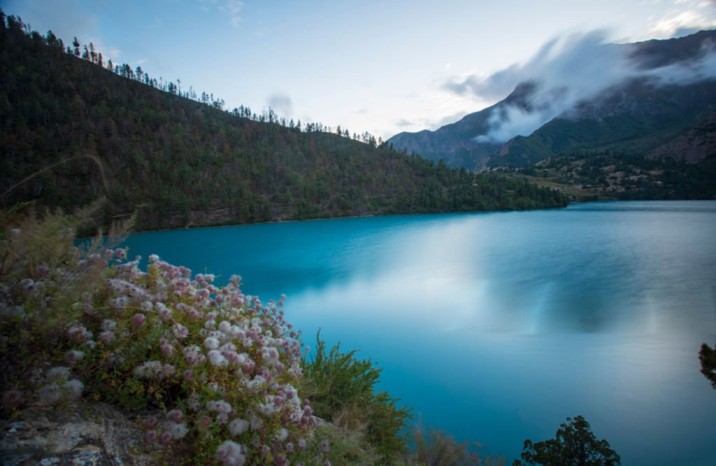
Overview of Lower Dolpo Trek
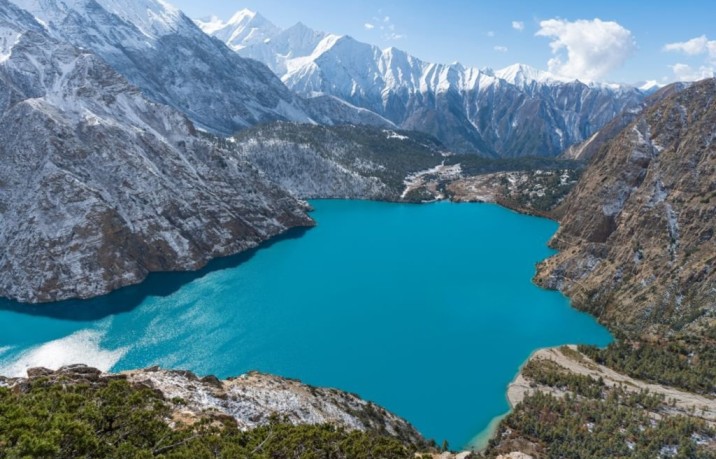
Lower Dolpo Trek remains one of Nepal’s least visited trekking regions, sealed off from mass tourism by its remoteness and restricted area status. Tucked into the far north west, it offers trails without crowds, villages untouched by modern trekking infrastructure, and a culture that has changed little in centuries. This is Himalayan Nepal at its rawest, high desert landscapes, turquoise glacial lakes, and Tibetan Buddhist and Bon traditions still practiced today. Highlights include Shey Phoksundo Lake, Nepal’s deepest lake, and centuries old monasteries where the pre-Buddhist Bon religion still flourishes. Trekkers cross Shey Phoksundo National Park, home to blue sheep, Himalayan tahr, and the occasional elusive snow leopard. It’s a region built for those who want the Himalaya without the queues.
The Lower Dolpo trek typically runs 14–18 days, starting with flights from Kathmandu to Nepalgunj and on to Juphal before heading into the mountains on foot. It’s rated moderate to challenging, involving sustained high altitude walking, long daily hours, and remote terrain reaching around 5,000 meters at its highest points. May through October is the ideal window, offering dry weather and more reliable flight schedules. Accommodation is a mix of teahouses and camping depending on the route. Because Lower Dolpo is a government restricted area, all trekkers must travel with a registered Nepali agency and a licensed guide. Independent, guideless trekking here is not legally permitted. Entry requires a Restricted Area Permit costing USD 20 per person for the first week, plus USD 5 per day beyond that, alongside a Shey Phoksundo National Park fee of NPR 3,000 per person. Facilities outside the main villages are basic, so packing sensibly matters. A licensed guide and porter support, where needed, are included in our Lower Dolpo packages. For travelers craving genuine remoteness and cultural depth, this trek delivers both in full.
About Lower Dolpo Trek
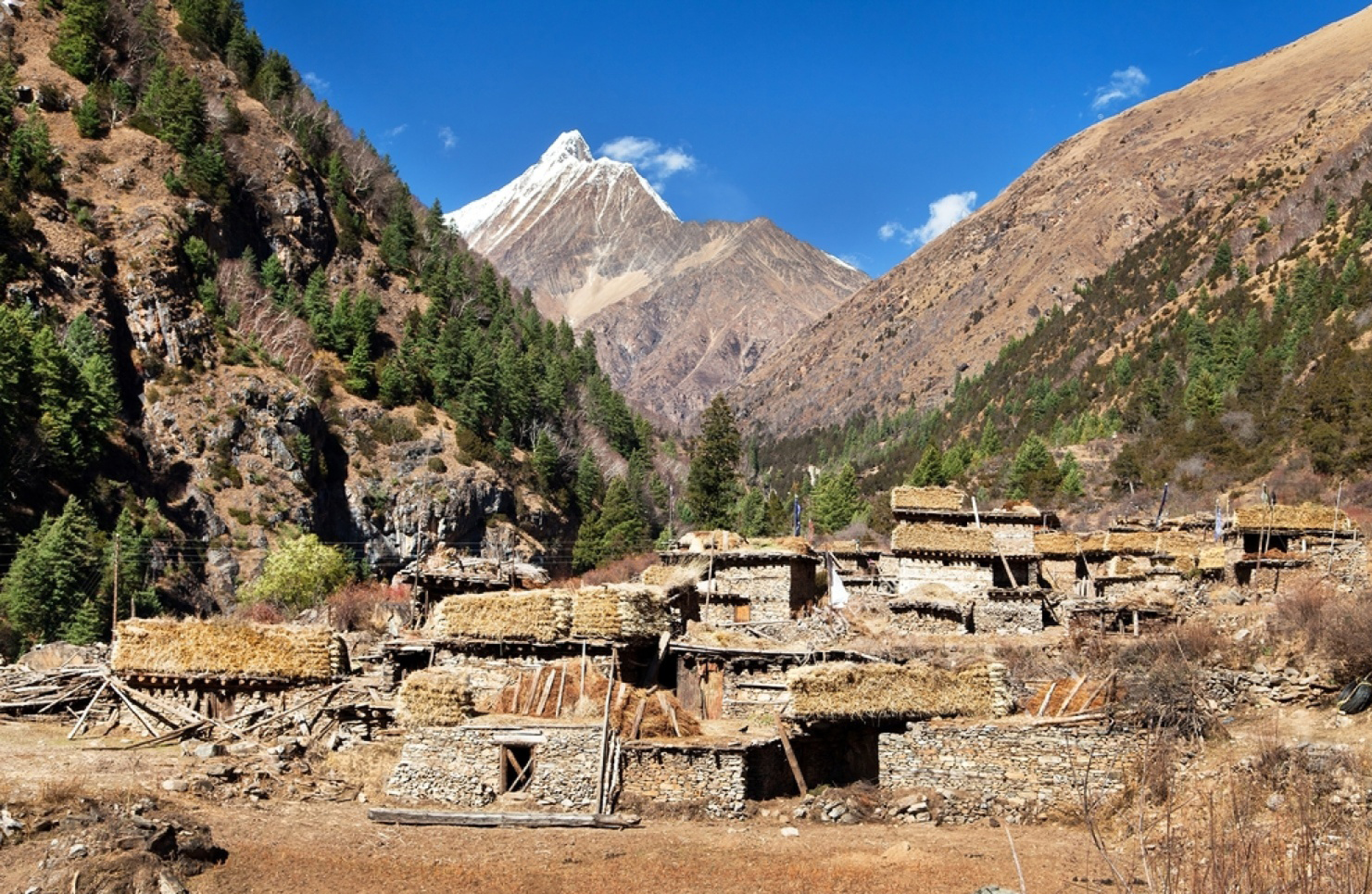
Lower Dolpo lies in Nepal’s Dolpo Region, one of the last true frontier regions still shielded from mass tourism by its remoteness and restricted-area status. It’s part of the greater Dolpo region, long isolated behind the Himalayan rain shadow, giving it a stark, high-desert character closer to the Tibetan plateau than to lush Nepal further south. The area gained international attention through Peter Matthiessen’s The Snow Leopard and the film Himalaya, both capturing its raw beauty and ancient way of life. Villages here are sparse, stone-built, and deeply Tibetan in language, dress, and belief. Bon, the pre-Buddhist religion of Tibet, survives here alongside Buddhism in a way found almost nowhere else. It’s less a trekking route than a window into a vanishing world.
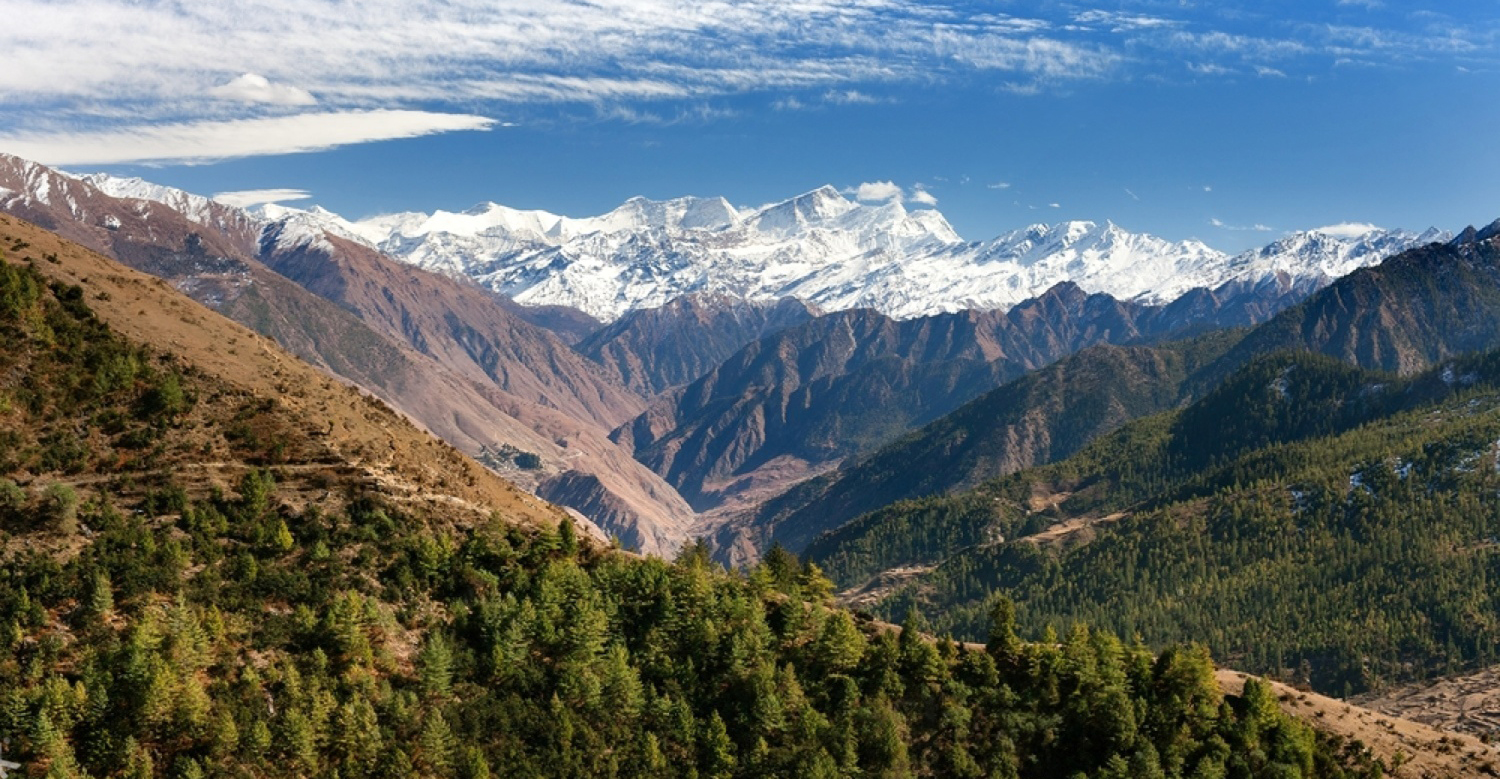
The trek itself winds through Shey Phoksundo National Park, centered on the striking turquoise waters of Shey Phoksundo Lake, Nepal’s deepest. Trails climb through pine forest, cross high ridgelines, and pass ancient gompas perched on cliffsides, with views stretching toward Kanjiroba Himal. Wildlife includes blue sheep and Himalayan tahr, with the snow leopard as the region’s elusive, near-mythical resident. Physically, it demands stamina: long days, high elevation, and rugged, remote terrain with limited infrastructure. Most trekkers fly into Juphal via Nepalgunj rather than walking in from the roadhead. It rewards effort with scenery and solitude that few other Himalayan treks can match. Because Lower Dolpo is a restricted area, it can’t be trekked independently; a registered agency and licensed guide are legally required. This keeps visitor numbers low and helps preserve both the ecology and the culture that make the region special. Permits include a Restricted Area Permit and a Shey Phoksundo National Park fee, both arranged in advance. The best season runs May through October, when weather and flights are most reliable. For travelers who’ve done the classic routes and want something further off the map, Lower Dolpo offers exactly that: a quieter, older, more remote version of the Himalaya.
Lower Dolpo Trek Route
Your one of the lifetime memorial trek the Lower Dolpo trek begins with a flight from Kathmandu to Nepalgunj, followed by a short mountain flight to Juphal (2,475 m) in Dolpa district, since there’s no road access into the region. From Juphal, the trail follows the Bheri and then Suli Gad rivers north through Dunai, the district headquarters, and into Shey Phoksundo National Park. The path climbs steadily through pine and birch forest via villages like Chhepka and Renje, gradually gaining altitude before reaching the trek’s centerpiece: Shey Phoksundo Lake (3,612 m), Nepal’s deepest lake, known for its striking turquoise water and the monastery on its shores.
Beyond the lake, the route turns into higher, more remote terrain, climbing toward and crossing two passes above 5,000 m Baga La (~5,070–5,175 m) and Numa La (~5,190–5,310 m) the trek’s most physically demanding section, with barren, high-altitude landscape typical of the Tibetan plateau. From there, the trail descends toward Dho Tarap and other Dolpo settlements before looping back through the lower valleys to Juphal, from where trekkers fly out via Nepalgunj to Kathmandu. Because this is a restricted area, the entire route must be trekked with a licensed guide through a registered agency. Independent trekking is not permitted, and some operators offer route variations, including a loop itinerary to avoid backtracking or an extension toward Upper Dolpo for those wanting a longer expedition. You can contact us any time with igloo himalaya for more info.
Key Things to Know Before You Go To Lower Dolpo Trek
Best Time to Visit
- The Lower Dolpo Trek falls in May the perfect excuse to plan your trip in spring
- Spring (March-May) and autumn (September-November) offer the best trekking conditions for Lower Dolpo Climbing like clear skies, warm days, clear blue lake and great visibility
Power & Charging
- Reliable electricity is not available along most of the trail
- Many teahouses run on solar panels helpful but not guaranteed
- Always carry extra batteries and a fully charged power bank
Accommodation
- Expect ordinary, no-frills teahouse stays for most of the Lower Dolpo Trek twin bed sharing and common toilets are standard
- Proper rest is very necessary before heading deeper into the region so don’t be shy to ask if there is any requests our guide will help give the best we can
Travel Insurance
- Travel insurance is a must .
- While emergencies are rare in Lower Dolpo Trek, the remote nature of the region means that being unprepared is simply not an option
- Make sure your policy covers high-altitude trekking and emergency evacuation
Physical Preparation
- Lower Dolpo trek is easy for regular trekkers
- Start preparing a month in advance with stamina building exercises, hiking, and running to not feel difficult.
- A strong body and a prepared mind will make huge contribution on surviving the trek and truly enjoying it
Gear & Equipment
- Lower Dolpo Trek requires minimal but specific gear
- Essential items include trek boots, thermals, windproof outwear, a down jacket, sunglasses, sun protection, a headlamp, and trekking poles.
- You can easily purchase or rent all necessary gear duffel bag, down jacket, sleeping bag on Igloo Himalaya Treks before your departure at very reasonable prices
Fees, Permits and rules for Lower Dolpo Trek
- Shey Phoksundo National Park Entry Permit:
- Cost: NPR 3,000 (approx. USD 25–30) plus 13% VAT per person.
- This covers your transit through Nepal’s largest national park and entry to Phoksundo Lake.
- Lower Dolpo Restricted Area Permit (RAP):
- Cost: USD 20 per person, per week (plus USD 5 per additional day).
Mandatory Rules & Regulations
The Department of Immigration enforces strict conditions on who can enter the Dolpo region. You cannot bypass these rules:
- No Solo Trekkers: You must be part of a group consisting of at least two trekkers. Single person permits are strictly denied by immigration authorities.
- Authorized Agency Only: You cannot buy these permits yourself. Applications must be processed on your behalf by a government registered trekking agency based in Nepal.
- Mandatory Licensed Guide: Your group must be accompanied by a licensed Nepali guide or a full support crew arranged by your agency.
Permits for Lower Dolpo Trek and it will be managed by Igloo Himalaya Treks. These fees go toward protecting the wildlife and maintaining the trekking trails in the national park area.
Why Choose Lower Dolpo Trek with Igloo Himalaya Treks?
Imagine entering a quiet Himalayan valley, where clouds brush ancient monasteries, sceneries so grand that you never forget and snow peaks rise like silent guardians. You’re not a tourist, you’re an explorer, guided by our team who breathe these mountains. Choose Igloo Himalayan Treks to scoop out the best experience on a trek in Nepal, as we provide:
- A Personal, Heartfelt Journey
This trek isn’t just about mountains, it’s about connecting. With our experienced guides, you’ll go beyond the trail and into the stories, traditions and lives of the Dolpo people.
- Small Groups, Big Experience
We keep our groups small so you get personal space to reflect, and real moments of connection with the landscape and culture.
- Sustainability First
Every trek contributes to rebuilding efforts, education, and health initiatives in the Dolpo region. Your journey helps uplift the communities you walk through.
- Deep Local Expertise
Our guides have years of experience. They know every turn of the trail, every prayer flag, and every viewpoint. You’ll feel it.
Highlights
- Shey Phoksundo Lake : Nepal's deepest lake, a striking turquoise-blue body of water held sacred by the local Bon-po community, framed by cliffs and pine forest
- Ancient monasteries : centuries-old gompas where Bon, the pre-Buddhist religion of Tibet, still flourishes alongside Tibetan Buddhism
- Shey Phoksundo National Park : home to blue sheep, Himalayan tahr, and, for the fortunate few, tracks or sightings of the elusive snow leopard
- Remote Dolpo villages : stone and mud settlements where daily life, dress, and dialect reflect strong Tibetan influence
- High mountain passes : trails crossing dramatic ridgelines with views toward Kanjiroba Himal and the Tibetan plateau
- True solitude : far fewer trekkers than Everest or Annapurna, thanks to restricted-area status


