Overview
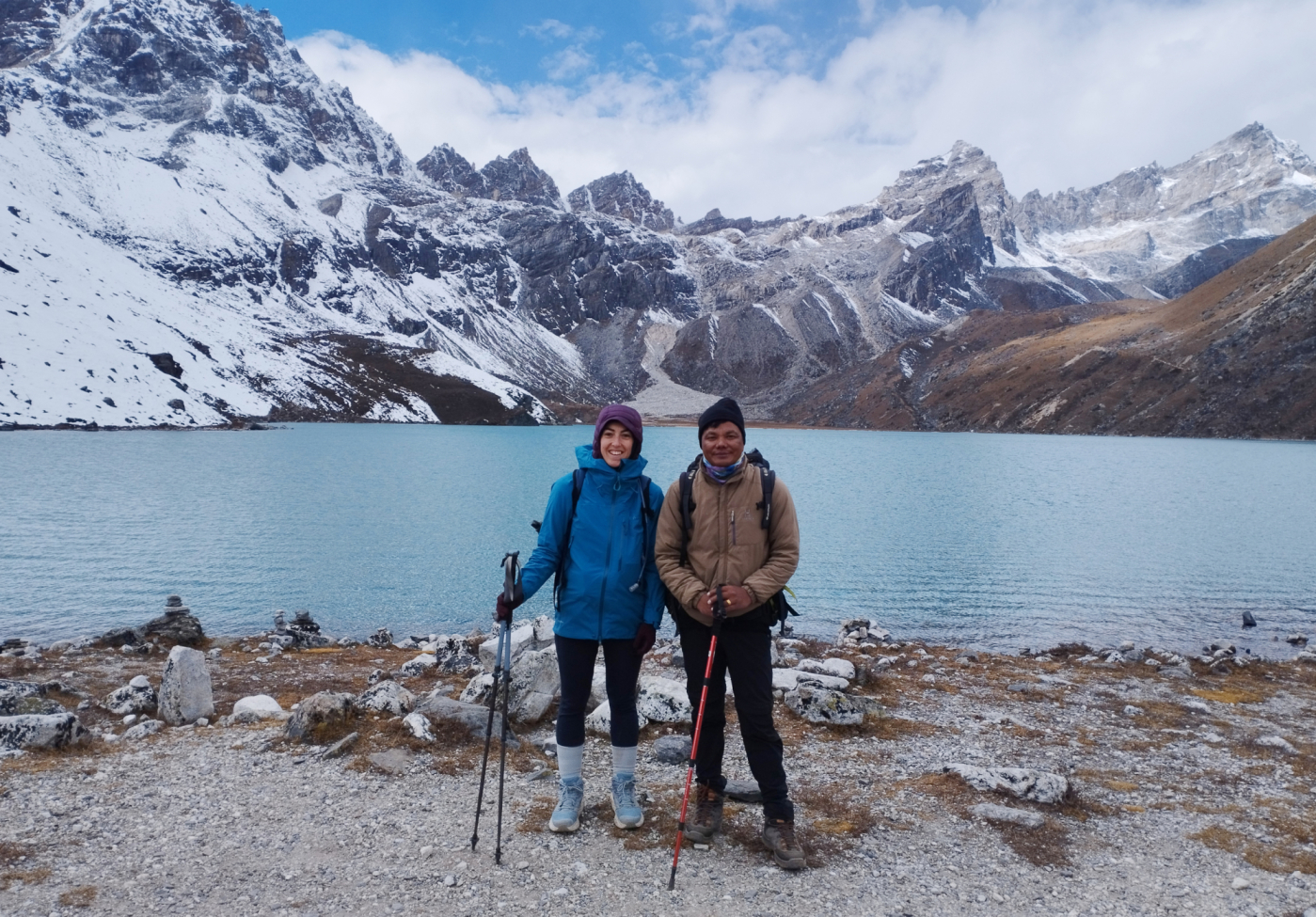
The Gokyo Lakes Luxury Trek takes you deep into the Everest region to one of the most beautiful and peaceful valleys in the Khumbu. The journey combines the classic Himalayan experience of Lukla, Namche Bazaar and Sherpa villages with the spectacular Gokyo Valley, where turquoise glacial lakes sit beneath some of the highest mountains on earth.
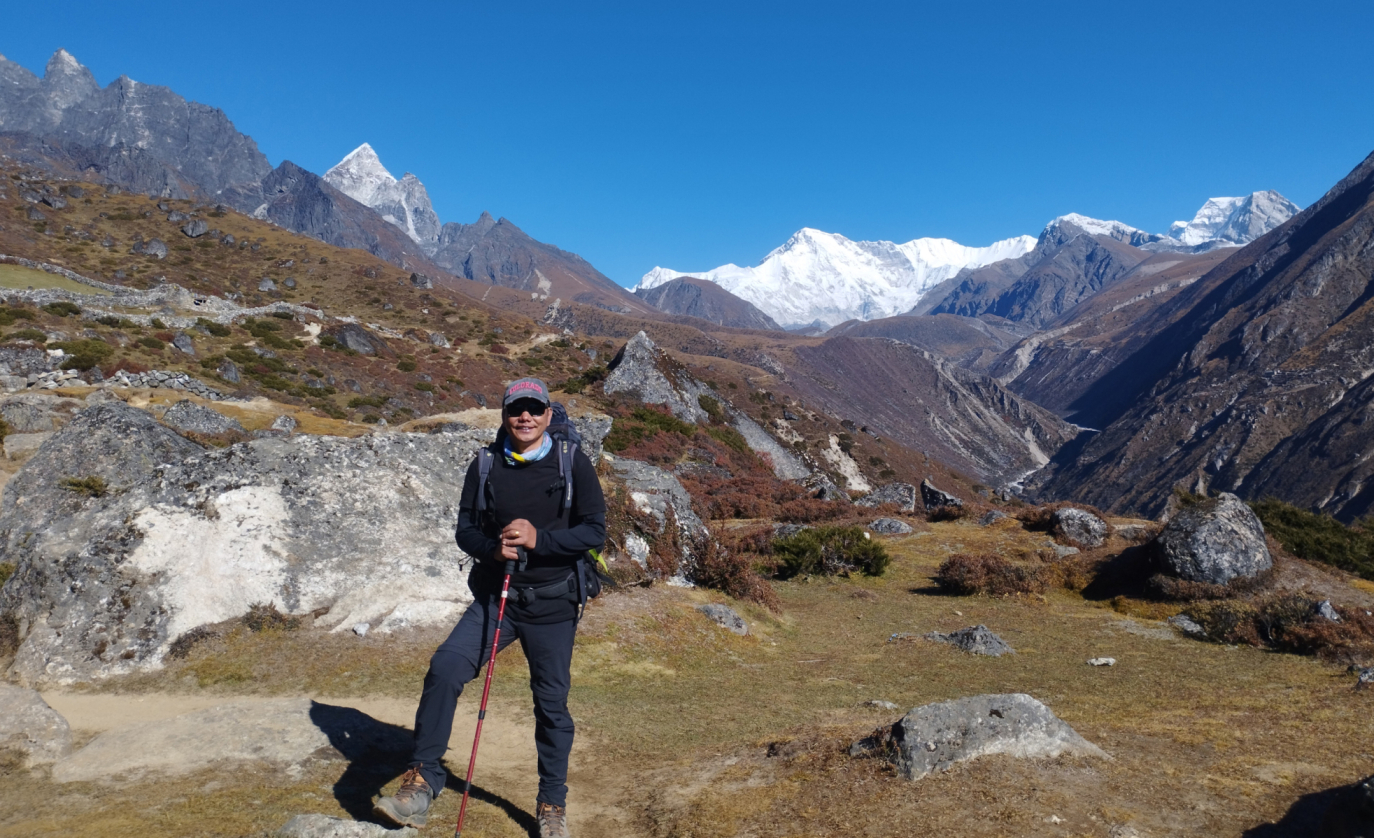
This trek is especially attractive to travelers who want to experience the Everest region but do not necessarily want to follow the standard Everest Base Camp route. After Namche Bazaar, the trail turns toward Dole, Machhermo and Gokyo, taking you into a quieter valley surrounded by glaciers, high mountains and traditional mountain settlements.
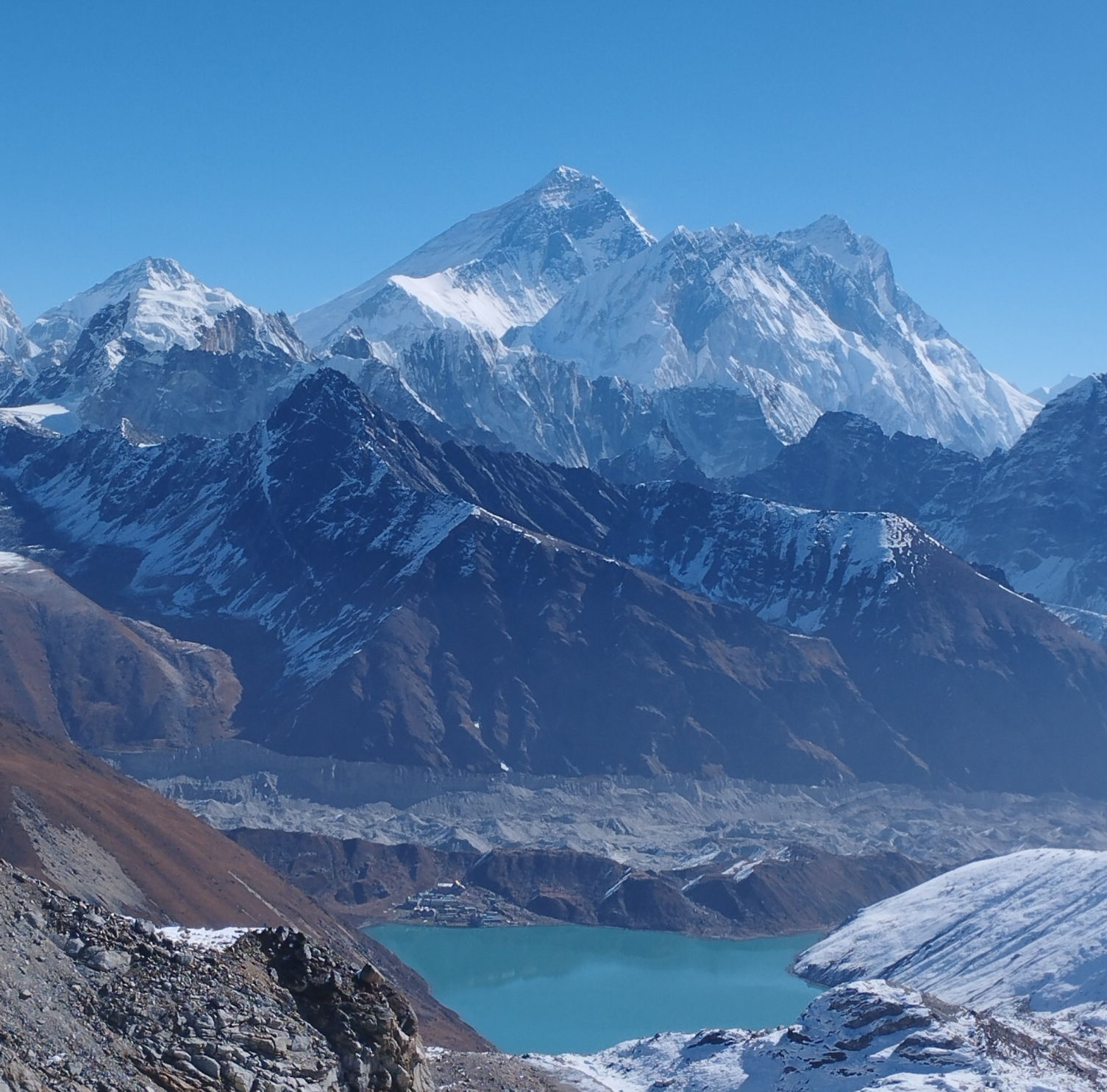
The main highlight is the hike to Gokyo Ri at 5,357 meters, where you can see Mount Everest, Lhotse, Makalu and Cho Oyu in a single Himalayan panorama. The valley is also home to a chain of six glacial lakes and the enormous Ngozumpa Glacier.
At Igloo Himalaya Treks, we offer this journey in two ways. You can choose our Normal Gokyo Lakes Trek for a traditional teahouse experience, or choose the Luxury Gokyo Lakes Trek for a more comfortable and personalized arrangement.
The main trekking route can be the same. The difference is how you experience it.
Gokyo Lakes Luxury Trek at a Glance
| Trek Information | Details |
| Trek Name | Gokyo Lakes Luxury Trek |
| Region | Everest / Khumbu Region, Nepal |
| Trek Duration | 14 days |
| Trekking Duration | About 8–10 walking days |
| Maximum Altitude | 5,357 m at Gokyo Ri |
| Gokyo Village Altitude | Around 4,790 m |
| Starting Point | Lukla |
| Ending Point | Lukla |
| Kathmandu Altitude | 1,400 m |
| Trek Grade | Moderate to challenging |
| Trek Style | Private luxury / customized trek |
| Accommodation | Hotels in Kathmandu and comfortable mountain lodges/teahouses |
| Meals | Breakfast in Kathmandu; full meals during trekking depending on package |
| Best Seasons | Spring and autumn |
| Main Attraction | Gokyo Lakes and Gokyo Ri |
| Highest Viewpoint | Gokyo Ri – 5,357 m |
| Group Type | Private departure / customized |
| Guide | Experienced local trekking guide |
| Porter | Available according to package |
| Permits | Required trekking permits included according to package |
The commonly published Gokyo route reaches Gokyo Ri at approximately 5,357 m and normally includes acclimatization around Namche before moving toward Dole, Machhermo and Gokyo.
Why Choose the Gokyo Lakes Luxury Trek?
The Gokyo Lakes Luxury Trek gives you something different from the Everest Base Camp Trek. You still experience the famous Khumbu region, but after Namche you move toward the Gokyo Valley rather than continuing directly toward Everest Base Camp.
The scenery changes dramatically as you climb higher. Forests give way to alpine landscapes, traditional villages become smaller, and eventually the turquoise Gokyo Lakes appear among the surrounding mountains.
For travelers choosing the luxury option, the focus is on making the journey more comfortable and personal. We organize the important logistics, select the best available accommodation for the route and provide an experienced local team so you can concentrate on the mountains rather than worrying about arrangements.
Luxury in the Himalayas is different from luxury in a city. There are no five-star resorts at every high-altitude overnight stop. Instead, luxury means choosing the best available accommodation, private services, flexible planning, good organization and personal attention while still experiencing the real Himalayan environment.
Highlights
- Gokyo Lakes: Explore the famous chain of turquoise glacial lakes in the Everest region.
- Gokyo Ri – 5,357 m: Climb one of the finest viewpoints in the Khumbu for a huge Himalayan panorama.
- Mount Everest: Enjoy impressive views of Everest from the Gokyo Valley and Gokyo Ri.
- Four 8,000-meter peaks: On clear days, the panorama includes Everest, Lhotse, Makalu and Cho Oyu.
- Ngozumpa Glacier: Walk through the dramatic glacial landscape surrounding the Gokyo Valley.
- Namche Bazaar: Experience the famous Sherpa trading town and important acclimatization
- Sherpa culture: Visit traditional villages and experience the lifestyle of people living in the high Himalayas.
- Dudh Koshi Valley: Follow the river through forests, bridges and mountain settlements.
- Less crowded alternative: After the trail separates from the main Everest Base Camp route, the Gokyo Valley generally offers a quieter trekking experience
- Luxury or Normal option: Choose the same main Gokyo journey according to your preferred level of comfort.
- Private experience: Travel with your own guide and arrange the trek around your schedule.
- Flexible itinerary: Add rest days or adjust the program when necessary.
Itinerary
Your Gokyo Lakes adventure begins when you arrive in Kathmandu. Our representative will meet you at Tribhuvan International Airport and transfer you to your hotel.
After checking in, you can relax and recover from your journey. If you arrive early, you may explore the streets of Thamel or meet our trekking team for a briefing.
We will check your trekking equipment, explain the journey and make sure everything is ready before you leave for the mountains.
Overnight: 5 Star Hotel in Kathmandu
Altitude: 1,400 m
An early morning flight takes you from Kathmandu toward Lukla. The flight itself is part of the Himalayan experience, with mountain scenery appearing as you approach the Lukla airstrip.
After meeting the trekking team, you begin walking toward Phakding.
The first day is intentionally comfortable because your body is beginning to adjust to the altitude.
Walking: Approximately 3–4 hours
Overnight: Phakding Hotel Mountain or Similar
Altitude: 2,610 m
Today the trail follows the Dudh Koshi River toward Namche Bazaar.
You cross several suspension bridges and walk through pine and rhododendron forests before entering Sagarmatha National Park.
The final climb toward Namche is more demanding, but once you reach the town, you will have time to rest and enjoy the mountain atmosphere.
Walking: Approximately 5–6 hours
Overnight: Namche Bazaar Mountain Home or Similar
Altitude: 3,440 m
Today is important for altitude acclimatization.
Rather than spending the entire day resting, you can take a gradual hike to one of the surrounding viewpoints. Depending on conditions and your guide's recommendation, you may explore the Everest View area and nearby villages.
You then return to Namche to spend another night at the same altitude.
This helps your body prepare for the higher elevations ahead.
Overnight: Namche Bazaar Mountain Home or Similar
Altitude: 3,440 m
Today you leave Namche and follow the Gokyo route.
The trail climbs gradually through forests and along the mountainside before reaching the quieter settlements toward Dole.
Compared with the busy lower Khumbu, the trail becomes more peaceful as you move farther toward the Gokyo Valley.
Walking: Approximately 5–6 hours
Overnight: Dole
Altitude: Around 4,000 m
The landscape becomes increasingly alpine as you continue toward Machhermo.
There is less vegetation and more open mountain scenery. The trail climbs gradually, allowing you to maintain a comfortable pace.
Machhermo is an important overnight stop before the final approach to Gokyo.
Walking: Approximately 4–5 hours
Overnight: Machhermo
Altitude: 4,470 m
Today is one of the most exciting days of the trek.
The trail follows the valley toward Gokyo, with the mountains becoming larger around you. As you approach the lakes, the turquoise water contrasts beautifully with the surrounding rocky and snowy landscape.
You arrive at Gokyo village beside the lakes and have time to relax and explore the area.
Walking: Approximately 4–5 hours
Overnight: Gokyo
Altitude: Around 4,790 m
Today you wake early for one of the most memorable experiences of the trek.
The climb to Gokyo Ri at 5,357 m is steep and demanding because of the altitude. Your guide will set a suitable pace and allow regular breaks.
From the top, the views can include Everest, Lhotse, Makalu and Cho Oyu, along with the Gokyo Lakes and surrounding glaciers.
After returning to Gokyo, you can rest and explore more of the valley depending on weather, energy and the itinerary selected.
Highest Point: 5,357 m
Overnight: Gokyo
After spending time in the high Gokyo Valley, the return journey begins.
The trail descends toward Dole, and the lower altitude usually feels easier after the high-altitude days around Gokyo.
You can enjoy the changing scenery and spend another night in the mountains.
Walking: Approximately 5–7 hours
Overnight: Dole
The trail continues downhill through the mountain landscape toward Namche.
Returning to Namche gives you an opportunity to enjoy the town again, perhaps visit local shops or simply relax after the demanding high-altitude section.
Walking: Approximately 5–6 hours
Overnight: Namche Bazaar Mountain Home or Similar Hotel
Today is your final trekking day.
You retrace the trail through the forests and Sherpa villages toward Lukla. It is a longer walking day, but there is also a sense of achievement as you approach the end of the trek.
Your final evening in Lukla is an opportunity to celebrate the journey with your guide and trekking team.
Walking: Approximately 6–7 hours
Overnight: Lukla
After breakfast, you take the flight from Lukla back toward Kathmandu, subject to mountain weather and flight operations.
Once you arrive in Kathmandu, you can relax at your hotel or explore the city.
Overnight: 5 Star Hotel Kathmandu
Your Gokyo Lakes journey comes to an end.
Our representative will transfer you to Tribhuvan International Airport according to your international flight schedule.If you have extra time in Nepal, we can also arrange additional tours, cultural experiences or another adventure before your departure.
Includes
- Airport arrival and departure transfers
- Kathmandu hotel 5 Star Hotel accommodation (BB Plan)
- Domestic flight between Kathmandu and Lukla
- Experienced licensed trekking guide
- Porter service according to group requirements
- Guide and porter food, accommodation and insurance
- Sagarmatha National Park entry permit
- Khumbu Pasang Lhamu Rural Municipality entry/trekking fee
- Trekking accommodation
- Meals during the trekking period according to the selected package
- Gokyo Lakes and Gokyo Ri trekking arrangement
- Sleeping Bag, Down Jacket, Duffel Bag for during the trek
- Trekking map, Company Hat Trip, Complete Certificate
- Government/local taxes
- Company service charges
- Necessary trekking paperwork
- Basic first-aid support from the trekking team
Excludes
- International flights
- Nepal visa fee
- Travel insurance
- Helicopter evacuation
- Personal medical expenses
- Personal trekking equipment
- Drinks and alcoholic beverages
- Hot showers and charging fees where charged separately
- Wi-Fi where charged separately
- Personal snacks
- Tips for guide and porter
- Personal expenses
- Additional accommodation caused by flight delays or itinerary changes
- Expenses caused by natural disasters, weather delays or circumstances beyond our control
- We provide a detailed final cost breakdown before you confirm your booking so there are no unnecessary surprises.
Frequently Asked Questions
General
A complete Kathmandu-to-Kathmandu Gokyo journey generally takes around 11–14 days depending on the itinerary, acclimatization schedule, flight arrangements and whether you add extra rest or exploration days.
The highest point on the standard trek is Gokyo Ri at approximately 5,357 meters. Gokyo village itself is around 4,790 meters.
It is a moderate to challenging high-altitude trek. The biggest challenges are altitude, long walking days and the climb to Gokyo Ri.
Yes, reasonably fit beginners can complete the trek with proper preparation, a gradual itinerary and good acclimatization.
The Gokyo Lakes are a chain of high-altitude glacial lakes in the Everest region. They are one of the major attractions of the Gokyo Valley.
The Gokyo system is commonly described as a group of six main glacial lakes.
Yes. Everest can be seen from the Gokyo area, and Gokyo Ri provides a particularly wide mountain panorama.
In clear conditions, the panorama from Gokyo Ri can include Everest, Lhotse, Makalu and Cho Oyu.
March to May and September to November are generally considered the main trekking seasons.
The Gokyo route generally sees fewer trekkers than the main Everest Base Camp route, particularly after the trail separates near the Namche area.
No technical trekking experience is required, but you should be physically prepared for several days of walking at high altitude.
Yes. At Igloo Himalaya Treks, you can choose a traditional Normal Gokyo Lakes Trek or a Luxury Gokyo Lakes Trek with greater comfort and personalized arrangements.
This depends on your selected package, but it can include Kathmandu accommodation, Lukla flights, permits, guide, porter, trekking accommodation, meals and private transportation/services.
Wi-Fi may be available at some lodges, but connectivity becomes less reliable as you go higher. It should not be treated as guaranteed throughout the trek.
Electricity is generally available at many lodges, but charging may cost extra and availability can vary. Carrying a power bank is recommended.
Yes. We strongly recommend travel insurance that covers high-altitude trekking and emergency evacuation.
Yes. Private Gokyo journeys can be adjusted according to your dates, group size, preferred pace, accommodation preferences and additional exploration.
More Information
The Gokyo Lakes Trekking Route
The journey begins in Kathmandu and flies toward Lukla, the gateway to the Everest region. From Lukla, the trail follows the Dudh Koshi Valley toward Phakding and Namche Bazaar.
After acclimatizing in Namche, you leave the main Everest Base Camp trail and head toward Dole. From Dole, the trail climbs gradually toward Machhermo and then into the Gokyo Valley.
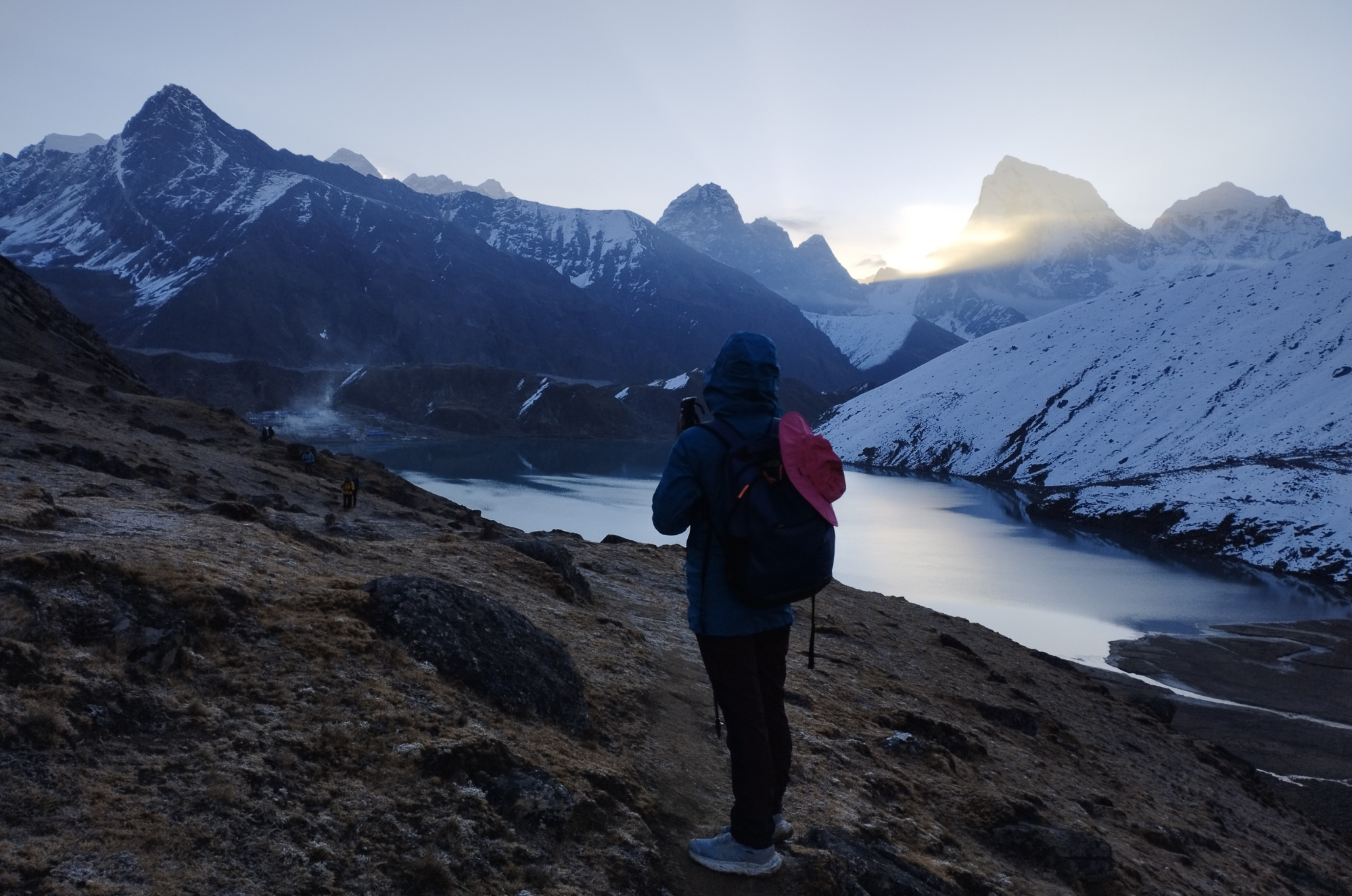
At Gokyo, the landscape changes completely. High mountains, glacial lakes and the Ngozumpa Glacier surround the settlement. The following morning, you can make the challenging climb to Gokyo Ri for sunrise and panoramic mountain views.
After enjoying Gokyo, the route descends through Dole and Namche before continuing to Lukla for the return flight to Kathmandu.
This basic route is shared by both our Normal Gokyo Lakes Trek and Luxury Gokyo Lakes Trek. Your accommodation, transportation arrangements and service level can be customized according to your package.
Gokyo Lakes Luxury Trek vs Normal Gokyo Lakes Trek
At Igloo Himalaya Treks, we do not believe every traveler needs the same package.
Some travelers want to keep things simple and experience the traditional Himalayan teahouse lifestyle. Others prefer more comfort,5 Star level hotel in Kathmandu private arrangements and upgraded services wherever possible.
That is why we provide both choices.
Normal Gokyo Lakes Trek
The Normal Gokyo Lakes Trek is designed for travelers who want the traditional Himalayan trekking experience. You stay in local teahouses, walk with an experienced guide and experience the mountains in a simple and authentic way.
Gokyo Lakes Luxury Trek
The Luxury Gokyo Lakes Trek uses the same main Gokyo route but places greater attention on comfort, private services, 5 Star Level Hotel in Kathmandu accommodation selection, transportation and personalized arrangements.
Same mountains. Same Gokyo Valley. Different level of comfort.
This gives travelers the flexibility to choose a package that fits both their expectations and budget.
How Difficult Is the Gokyo Lakes Luxury Trek?
Altitude is one of the most important parts of planning this trek. You begin at approximately 1,400 meters in Kathmandu and gradually climb toward Gokyo at around 4,790 meters. Gokyo Ri adds another significant climb, reaching 5,357 meters.
This is why our itinerary includes acclimatization in Namche and uses gradual elevation gain.
You should never treat altitude casually. Headache, nausea, dizziness, unusual tiredness or difficulty sleeping can occur at altitude. Our guides monitor trekkers throughout the journey and can recommend rest, descent or medical assistance when necessary.
Best Time for Gokyo Lakes Luxury Trek
The main trekking seasons are spring and autumn.
Spring – March to May
Spring brings generally favorable trekking conditions, pleasant daytime temperatures and beautiful mountain scenery. Rhododendron forests are also particularly attractive during this season.
Autumn – September to November
Autumn is one of the most popular periods for trekking in Nepal. After the monsoon, the skies often become clearer and mountain visibility can be excellent.
Winter – December to February
Winter is possible for experienced and well-prepared trekkers, but temperatures are much colder and snow can affect higher trails.
Monsoon – June to August
Monsoon brings heavy rain to many parts of Nepal. Flight and trail conditions can be more unpredictable, although the Everest region receives less monsoon rain than some other trekking areas.
For the best balance of weather and mountain visibility, spring and autumn are generally the preferred seasons. Current trekking guides similarly identify March–May and September/October–November as the main seasons.
Accommodation on the Gokyo Lake Luxury Trek
In Kathmandu, 5 Star Hotel and the luxury package can include a comfortable hotel according to your selected category.
During the trek, up to Namche we will arrange Hotel Mountain Home one of the best Hotel in Khumbu Region and above Namche accommodation is provided in mountain lodges and teahouses. Facilities become simpler as you gain altitude because the Gokyo Valley is a remote Himalayan environment.
For the luxury option, we select the best available accommodation according to the location, season and availability.
It is important to understand that Luxury Gokyo does not mean a five-star hotel at 4,700 meters. The luxury comes from better planning, comfort where available, private service and having an experienced local team taking care of the journey.
Food During the Gokyo Lake Luxury Trek
Food is an important part of a high-altitude trek.
Teahouses along the route provide a range of meals, including traditional Nepali food and familiar international dishes. Dal bhat, noodles, pasta, potatoes, soups, eggs, bread and other simple meals are commonly available.
At higher elevations, food choices can become more limited because everything has to be transported into the mountains.
We recommend eating enough, drinking plenty of fluids and choosing meals that give you sufficient energy for walking.
What Should You Pack for Gokyo Lake Luxury Trek?
You do not need to bring your entire house to the Himalayas, but good equipment matters.
Your packing list should include warm trekking clothes, thermal layers, trekking trousers, waterproof outerwear, comfortable trekking boots, warm socks, gloves, hat, sunglasses, sunscreen, water bottle, sleeping bag suitable for the season, headlamp, personal medication, toiletries and a small daypack.
For the Gokyo Ri climb, warm layers are particularly important because you may start before sunrise when temperatures are very low. We can provide a complete packing list before your departure.
Is Gokyo Lake Luxury Trek Safe?
The Gokyo Lakes Trek is a well-established trekking route, but it takes place in a remote, high-altitude environment.
The biggest concern is altitude rather than technical climbing.
We therefore pay close attention to acclimatization, walking pace, hydration, weather and how you are feeling each day.
Travel insurance covering high-altitude trekking and emergency evacuation is strongly recommended.
If serious altitude symptoms develop, descending to a lower elevation is often the most important response. Our guides are trained to recognize altitude-related problems and coordinate assistance when required.
Who Can Do the Gokyo Lake Luxury Trek?
The trek is suitable for travelers who have reasonable fitness and are prepared for several hours of walking on consecutive days.
You do not need previous mountaineering experience.
However, because Gokyo Ri reaches 5,357 meters, preparation is important. Regular hiking, stair climbing, walking and cardiovascular exercise before your trip can help.
If you are unsure about your fitness or have a medical condition that could affect high-altitude travel, consult an appropriate medical professional before booking.
Gokyo Lake Luxury Trek for Beginners
A first-time trekker can complete the Gokyo Lakes Trek if they prepare properly and follow a sensible itinerary.
The most important things are not speed or strength alone. Acclimatization, patience, hydration and listening to your body are much more important at altitude.
Our guides maintain a manageable pace and can help you understand how to respond to the changing altitude.
Can Gokyo Lakes Be Combined With Everest Base Camp?
Yes.
Experienced trekkers can combine Gokyo Lakes with Everest Base Camp through the high-altitude Cho La Pass.
This creates a much longer and more demanding journey involving Gokyo Lakes, Gokyo Ri, Cho La, Everest Base Camp and Kala Patthar.
It is not the same difficulty as the standard Gokyo Lakes Trek and requires additional preparation, time and suitable weather conditions.
If you want both experiences, Igloo Himalaya Treks can design a private itinerary around your available days.
Gokyo Lake Luxury Trek Packing List
Packing for the Gokyo Lake Luxury Trek is not about carrying everything you own. The best approach is to pack light but be prepared for very different conditions. You can start the trek in relatively mild weather around Lukla and Namche, while the upper Gokyo Valley and the early-morning climb to Gokyo Ri can be very cold.
For the luxury trek, you still need proper trekking equipment because luxury accommodation does not change the mountain environment. Good boots, warm layers, sun protection and suitable cold-weather equipment are more important than bringing unnecessary items.
Clothing
- 2 thermal base-layer tops
- 2 thermal base-layer bottoms
- 2–3 quick-drying trekking T-shirts
- 1–2 long-sleeve trekking shirts
- 2 pairs of comfortable trekking trousers
- 1 fleece or warm mid-layer
- 1 good-quality down jacket
- 1 waterproof and windproof jacket
- 1 waterproof trekking trouser
- 4–5 pairs of trekking socks
- 1–2 pairs of warm wool or thermal socks
- 4–5 pairs of underwear
- Comfortable clothes for evenings at the lodge
- Lightweight sleepwear
The layering system is particularly useful because temperatures can change significantly during the day. You can remove a layer while walking and add it again when the temperature drops.
Down Jacket and Warm Layers
A good down jacket is one of the most important items for the Gokyo Lakes Trek. You will especially appreciate it in the evenings at higher elevations and during the early-morning Gokyo Ri climb.
For autumn and spring, a good insulated down jacket is normally appropriate. For winter departures, you should use substantially warmer equipment. Some current Gokyo guides recommend sleeping bags around -15°C to -20°C for colder conditions, but the exact rating should depend on the season, your sleeping arrangements and your personal cold tolerance. If you do not own a suitable down jacket or sleeping bag, these can commonly be rented in Kathmandu before departure.
Head and Face Protection
- Sun hat or trekking cap
- Warm woolen beanie
- Buff or neck gaiter
- Sunglasses with strong UV protection
- Sunscreen, preferably SPF 50+
- SPF lip balm
- Optional balaclava for very cold mornings
Sun protection is particularly important at high altitude because you are exposed to strong UV radiation, and snow and glacial surfaces can increase reflected sunlight.
Gloves
Bring two types of gloves:
- Lightweight liner gloves for walking
- Warm insulated gloves for cold mornings and higher elevations
For the Gokyo Ri sunrise hike, warm gloves can make a big difference.
Footwear
Your footwear deserves special attention.
- Well-broken-in waterproof trekking boots
- 4–5 pairs of trekking socks
- Warm socks for high-altitude nights
- Lightweight sandals or camp shoes
- Gaiters if traveling during snowy conditions
Do not bring brand-new trekking boots directly onto the trek. Wear them before arriving in Nepal so your feet are already comfortable with them.
Backpack and Bags
For a private luxury trek, you normally do not need to carry everything on your back.
We recommend:
- 25–35 L daypack
- Rain cover for daypack
- Duffel bag for porter
- Waterproof packing bags/dry bags
- Small personal valuables pouch
Your daypack should contain the things you need while walking, such as water, snacks, camera, sunscreen, rain jacket, gloves and an extra warm layer. Several Gokyo trekking operators recommend a separate daypack and porter-carried duffel rather than carrying all your belongings yourself.
Sleeping Equipment
Even though you stay in mountain lodges, a good sleeping bag is recommended.
- Warm sleeping bag
- Sleeping bag liner
- Small inflatable pillow or travel pillow, optional
For normal spring/autumn conditions, choose a sleeping bag appropriate for cold high-altitude nights. For winter, a substantially warmer bag is advisable. Several current Gokyo packing guides recommend approximately -15°C to -20°C-rated bags for colder conditions. If you prefer not to purchase one specifically for this trip, you can ask us we will provide you Down Jacket Sleeping Bag Duffel Bag for during the trek.
Trekking Equipment
- Trekking poles
- Headlamp
- Extra batteries
- Water bottles or hydration bladder
- Water purification tablets/filter
- Small personal first-aid kit
- Blister treatment
- Reusable water bottle
- Small towel
- Waterproof bags
Trekking poles are particularly useful on the Gokyo Ri climb and on descents when the trail is uneven or slippery
Electronics
You do not need to bring a lot of electronics to the Himalayas.
- Mobile phone
- Phone charger
- Power bank
- Camera
- Extra camera batteries
- Charging cables
- Universal travel adapter
A headlamp with spare batteries is especially useful because the Gokyo Ri hike starts early in the morning, often before sunrise.
Toiletries and Personal Items
- Toothbrush and toothpaste
- Small toiletries
- Quick-drying towel
- Wet wipes
- Hand sanitizer
- Toilet paper/tissues
- Moisturizer
- Lip balm
- Sunscreen
- Small laundry bag
- Personal hygiene products
Try to keep toiletries small. You will be carrying or transporting everything into the mountains, so unnecessary bottles and heavy packaging quickly become inconvenient.
Personal Medication and First Aid
Bring any medication that you normally take.
You should also consider:
- Personal prescription medicines
- Basic pain relief
- Blister treatment
- Small bandages
- Antiseptic wipes
- Rehydration/electrolyte sachets
- Any medication prescribed specifically for altitude by your doctor
Do not start altitude medication simply because it appears on a packing list. Discuss medication such as acetazolamide with an appropriate medical professional before your trek.
Documents and Money
Keep important documents in a waterproof pouch.
- Passport
- Nepal visa details
- Travel insurance documents
- Emergency contact details
- Copies of passport
- Copies of insurance documents
- Trekking documents if provided
- Nepali rupees for personal expenses
Keep your passport, money, phone and other valuables in your daypack rather than in your porter-carried luggage.
Snacks for the Trek
Although meals are available along the route, a few personal snacks can be useful.
You can bring:
- Energy bars
- Chocolate
- Nuts
- Dried fruit
- Trail mix
- Electrolyte drinks
- Favorite small snacks from home
You do not need to carry a huge amount because food is available in the trekking villages.
Optional Items
These are not essential, but some travelers enjoy having them:
- Small binoculars
- Camera
- Journal/notebook
- Kindle or small book
- Earplugs
- Travel pillow
- Small thermos/flask
- Lightweight microspikes for appropriate winter/snow conditions
Microspikes should be considered season- and condition-dependent, not an automatic requirement. Winter or snowy trail conditions can make traction equipment useful, while dry autumn conditions may not require it.
Why Book Your Gokyo Lake Luxury Trek With Igloo Himalaya Treks?
Choosing a trekking company is not only about the price.
You are trusting a local team with your flights, permits, accommodation, guides, altitude planning and safety during a journey far from home.
At Igloo Himalaya Treks, we focus on personal service rather than treating every traveler exactly the same.
We can arrange a traditional Normal Gokyo Lakes Trek if you want a simple Himalayan experience, or create a more comfortable Luxury Gokyo Lakes Trek with upgraded arrangements where the mountain environment allows.
Because we are a local Nepal trekking company, our team can communicate directly with you before the trek, explain the route honestly and help you prepare for the conditions you will actually experience.
Our goal is simple: you should return home with more than photographs. You should return with a Himalayan experience you will remember.
Book Your Gokyo Lakes Luxury Trek
Your Gokyo journey does not have to start with a complicated booking process.
Send us your preferred travel dates, number of travelers and the type of experience you want. We can then prepare a private itinerary and explain the accommodation, transportation, guide service and total cost clearly.
If you are deciding between the traditional and luxury options, we can also explain the difference.
Choose the Normal Gokyo Lakes Trek for a simple and authentic Himalayan experience, or choose the Gokyo Lakes Luxury Trek when comfort and personalized service are more important to you.
The Gokyo Valley is waiting. Let Igloo Himalaya Treks help you experience it your way.