
-
Hotel / Tea houses, Lodge
-
Breakfast, Lunch, Dinner
-
Spring, Summer, Autumn
-
Tourist Bus, Car, Flight, Jeep
-
4210
Overview
Witness a 300 year old festival that only a handful of travelers ever see. The Upper Mustang Tiji Festival in is one of Nepal’s most sought after cultural trekking experiences, combining the raw beauty of a Himalayan rain-shadow landscape with an extraordinary window into centuries old Tibetan Buddhist heritage. Held annually in May at Lo Manthang (3840m). A three day Tibetan Buddhist celebration is held every May in the ancient walled city of Lo Manthang.
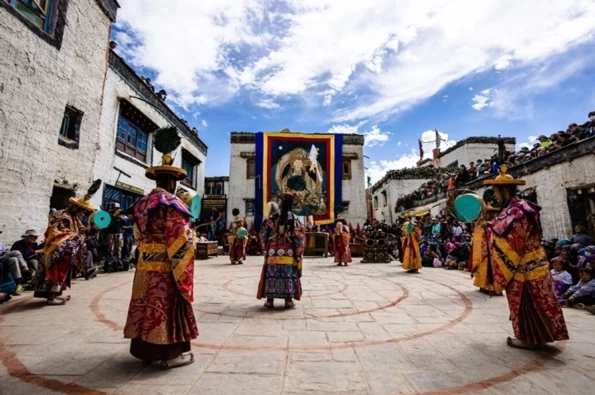
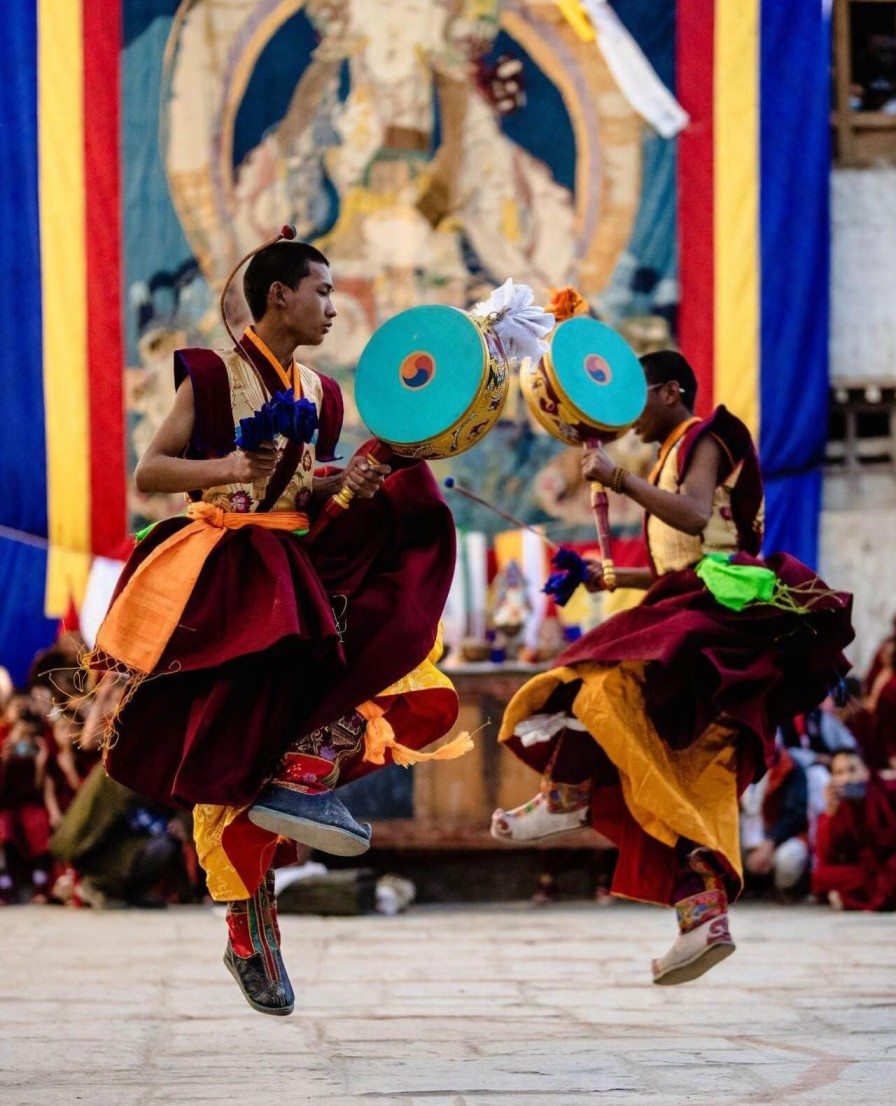
Rooted in over 300 years of tradition, the Tiji Festival (locally known as Tenpa Chirim, meaning “prayer for world peace”) brings to life the epic tale of Dorje Jono’s triumph over evil saving Mustang from drought. Thunderous Tibetan horns, vibrant masked dances, and centuries old rituals performed by monks of the Chhode Monastery during the festival. The masks, the horns, the incense, the thangka paintings hung across the stone walls of the city square everything comes together to create an atmosphere that is at once theatrical and deeply sacred.
As a restricted trekking destination in Nepal, Upper Mustang demands a special permit and a licensed agency making this one of the most exclusive and authentic cultural trekking experiences in the Himalayas. Our expertly crafted Upper Mustang Tiji Festival Trek takes you through Himalayan landscapes culminating in a front-row seat to a living tradition that few travelers in the world ever witness.
About Upper Mustang Tiji Festival
Deep in the ancient walled city of Lo Manthang (3840m), high in the trans-Himalayan reaches of Upper Mustang, a festival unlike any other comes to life every May and it has been doing so for over 300 years. The Upper Mustang Tiji Festival is not simply a cultural event or a tourist attraction. It is a living, breathing spiritual tradition that belongs entirely and intimately to the people of Upper Mustang celebrated with a depth of faith and devotion that centuries of change have never managed to dilute.
The word “Tiji” is a short form of Tenchi, itself an abbreviation of Tenpa Chirim a Tibetan phrase that translates as “prayer for world peace” and that meaning is the entire soul of the festival. Every masked dance, every prayer chant, and every sounding of the ceremonial horns carries within it a sincere and ancient wish for peace, not just for the people of Upper Mustang, but for the entire world.
At the heart of the festival lies the legend of Dorje Jono (Vajrakila) one of the most powerful deities in Vajrayana Buddhism who, acting on the instructions of the great Padmasambhava Guru Rinpoche, defeated the forces of darkness to restore peace and prosperity to the Kingdom of Lo. Each May, the monks of the Chhode Monastery perform the sacred Vajrakila ritual through prayer chants, ceremonial music, and elaborately choreographed masked dances that reenact this ancient battle with tremendous reverence and energy.
The Upper Mustang Tiji festival builds beautifully across three days opening with a graceful, meditative dance on the first day, deepening in color and intensity on the second, and exploding into its full, jubilant glory on the third and final day, when performers dressed as gods and demons fill the square, the great Tibetan horns (Dhungchen) thunder across the high altitude plains, and a monk hurls a Tsampa effigy of the demon Ma Tam Ru Ta into the air in a powerful act of purification and triumph. To witness the Tiji Festival is to stand inside a story that is still alive, still believed, still celebrated, and still powerful enough to move even the most seasoned traveler to their very core.
Upper Mustang Tiji Festival Trek Route
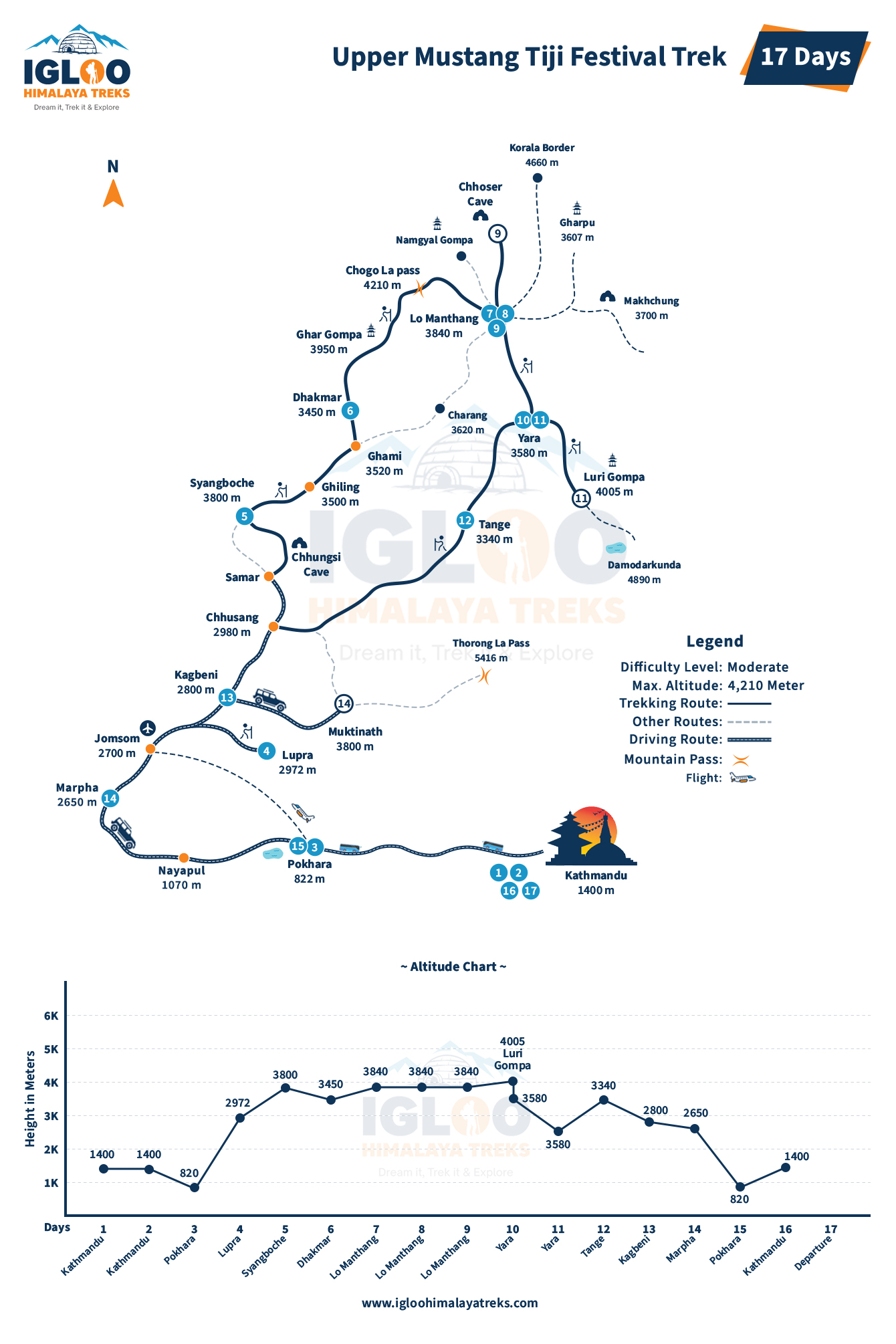
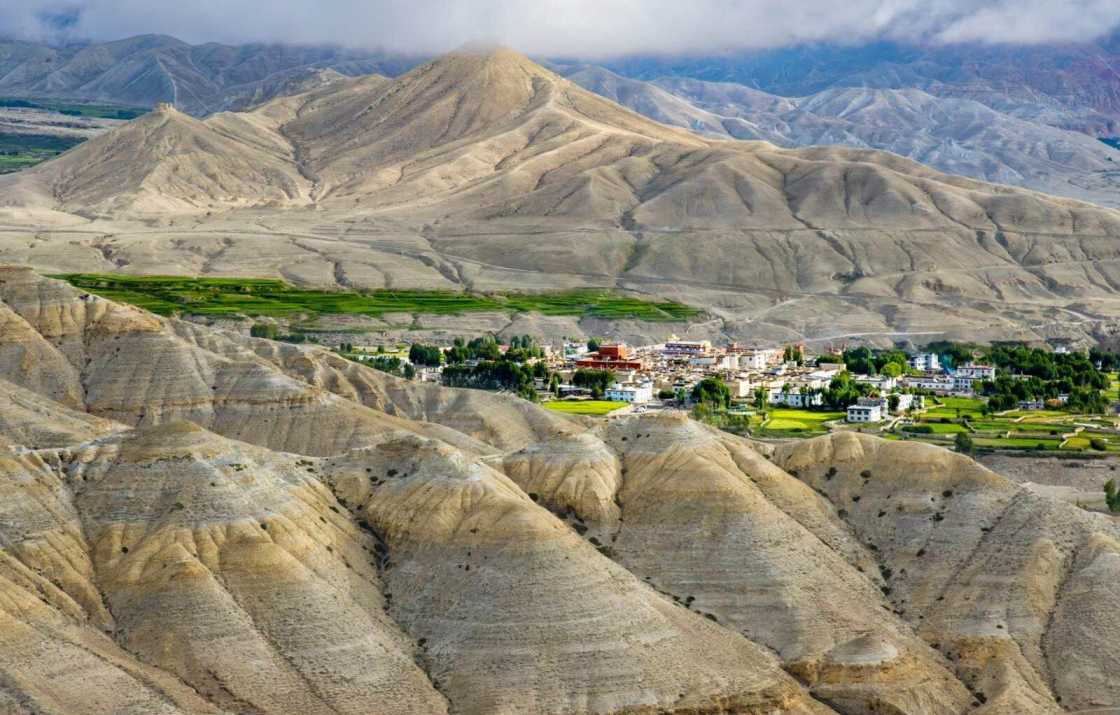
The Upper Mustang Tiji Festival Trek begins in Jomsom, the gateway to Upper Mustang, reachable by a breathtaking 15 to 25-minute scenic flight from Pokhara or a scenic 10-hour road journey along the Kali Gandaki River. Mustang’s unique position in the northern corridor of the Annapurna massif creates a natural rain shadow, giving the region its dramatic, arid landscape and throughout the trek, the mighty Annapurna I (8,091m) and Dhaulagiri (8,167m) stand watch on the horizon, reminding you exactly where you are.
From Jomsom, the trail climbs steadily north alongside the Kali Gandaki River, passing through high passes between 3,500 and 4,200 meters and a string of remote, character-filled villages Kagbeni, Chele, Zhalte, Syangboche, Dhakmar, Lo Gekar, and Charang before finally arriving at the legendary walled city of Lo Manthang, home to ancient Buddhist monasteries, a royal palace, and the living traditions that make this Upper Mustang Tiji Festival trek truly special.
Key Things to Know Before You Go Upper Mustang Tiji Festival
Best Time to Visit
- The Tiji Festival falls in May the perfect excuse to plan your trip in spring
- Spring (March – mid-May) and Autumn (mid-September – November) offer the best trekking conditions clear skies, warm days, and great visibility
- Being a rain-shadow area, Upper Mustang is accessible year-round but avoid winter (December – February) as the cold becomes seriously harsh
Power & Charging
- Reliable electricity is not available along most of the trail
- Many teahouses run on solar panels helpful but not guaranteed
- Always carry extra batteries and a fully charged power bank your camera will thank you
Accommodation
- Expect simple, no-frills teahouse stays for most of the trek twin bed sharing and common toilets are standard
- Jomsom and Kagbeni offer slightly more comfortable options if you need a proper rest before heading deeper into the region
Travel Insurance
- Travel insurance is a must .
- While emergencies are rare in Upper Mustang, the remote nature of the region means that being unprepared is simply not an option
- Make sure your policy covers high-altitude trekking and emergency evacuation
Physical Preparation
- Upper Mustang involves miles of open, wind-exposed terrain often on warm, dry days that drain energy faster than you expect
- Start preparing weeks in advance with stamina-building exercises, hiking, and running
- A strong body and a prepared mind will make the difference between surviving the trek and truly enjoying it
Gear & Equipment
- The good news is you don’t need much! Upper Mustang requires minimal but specific gear
- Essential items include trek boots, thermals, a down jacket, sunglasses, and sun protection
- You can easily purchase or rent all necessary gear duffel bag, down jacket, sleeping bag on Igloo Himalaya Treks before your departure at very reasonable prices
Fees, Permits and rules for Mustang permit
In 1992, Nepal officially opened the Upper Mustang region to foreign visitors, and even then, the government made a deliberate decision to keep tourism carefully regulated rather than freely open. More than three decades later, that commitment remains firmly in place, preserving Upper Mustang as one of the most pristine, culturally intact, and genuinely remote destinations in the entire Himalayan region. Entering this restricted zone requires a special permit issued by the Department of Immigration of Nepal, along with the Annapurna Conservation Area Project (ACAP) permit, both mandatory for every foreign visitor and official “Mustang” border signs clearly mark the boundary where these regulations begin.
The permit is charged at USD 50 per person, per day not per night, as is commonly misunderstood making the total cost USD 500 per person for the standard first ten days, with each additional day charged at the same rate. The ACAP permit adds a further USD 30 per person. In a welcome update to earlier regulations, solo travelers can now obtain permits, opening the door for independent adventurers who previously had no choice but to join a group. However, all trekkers solo or otherwise must still travel through a licensed trekking agency (like Igloo Himalaya), as independent trekking without a registered guide remains strictly prohibited in the restricted area. To apply for your permit, you will need a copy of your passport and your Nepal visa so make sure both are valid and ready well before your trek begins.
Why Choose the Tiji Festival Trek with Igloo Himalaya Treks?
Imagine entering a quiet Himalayan valley, where clouds brush ancient monasteries and snow peaks rise like silent guardians. You’re not a tourist, you’re a soul-seeker, guided by our team who breathe these mountains. Choose Igloo Himalayan Treks agency to scoop out the best experience on a trek in Nepal, as we provide:
A Personal, Heartfelt Journey
This trek isn’t just about mountains, it’s about connecting. With our expert local guides, you’ll go beyond the trail and into the stories, traditions, and lives of the Langtang people.
Small Groups, Big Experience
We keep our groups small so you get personal attention, space to reflect, and real moments of connection with the landscape and culture.
Sustainability First
Every trek contributes to rebuilding efforts, education, and health initiatives in the Langtang region. Your journey helps uplift the communities you walk through.
Deep Local Expertise
Our guides are from Langtang. They know every turn of the trail, every prayer flag, and every viewpoint. You won’t just see Langtang, you’ll feel it.
Highlights of Mustang Tiji Festival
- Explore Kathmandu and discover Nepal's rich culture and history through its temples, shrines, and historic squares.
- Enjoy a scenic drive from Kathmandu to Pokhara, passing rivers, villages, and rolling green hills along the way.
- Walk through the streets of Pokhara and take in the charm and warmth of the beautiful lakeside city.
- Experience the Tiji Festival and gain a deeper appreciation for the unique traditions and culture of the Mustang region.
- Experience the breathtaking landscapes of Mustang from its vast plateaus and dramatic canyons to its remote, ancient villages.
- Visit Lo Manthang, the historic walled capital of the old Kingdom of Lo, and explore its centuries old monasteries and royal heritage.