More Info
Cultural Highlights
The Tamang Heritage Trail offers a meaningful journey into the heart of Tamang villages, where you can experience their culture, traditions, and history in a very authentic way. The Tamang people are believed to have Tibetan origins, and over the years they have preserved their own language, customs, and strong Buddhist beliefs.
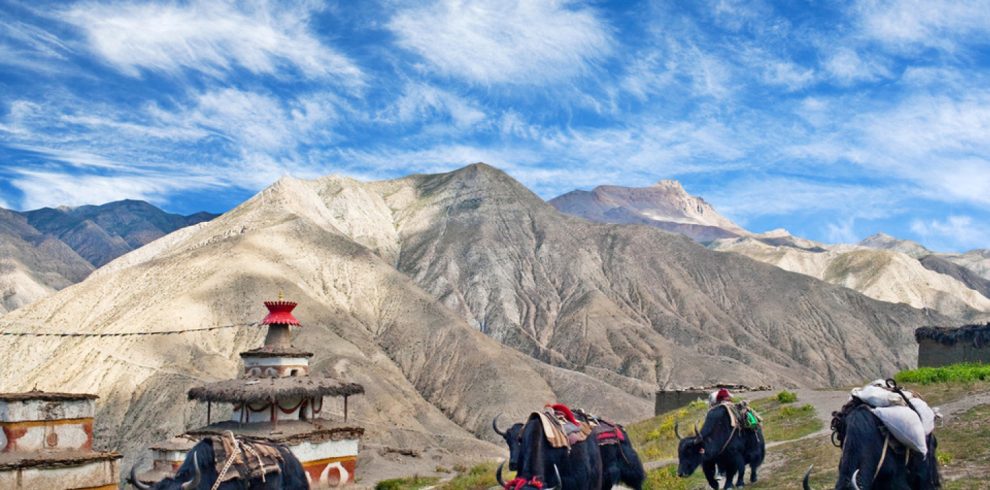
As you walk through the villages, you will see traditional stone houses, colorful prayer flags fluttering in the wind, and beautifully carved mani walls that reflect the community’s deep spiritual connection. The Tibetan influence is clearly visible in the architecture, clothing, and daily lifestyle, especially in villages like Briddim and Thuman.
Religion plays an important role in Tamang life. Buddhist rituals passed down through generations continue to guide their daily practices. At the same time, shamanistic healing is also common, where local healers use a blend of ancient Tibetan and Chinese-inspired methods to treat both physical and spiritual problems.
In Briddim, the Dukchu Gomba Monastery is an important spiritual center where monks perform prayers and ceremonies, helping to keep the community’s traditions alive. Staying overnight in a Tamang village gives you a chance to connect more closely with local people. You can enjoy traditional meals such as dal bhat and homemade bread, and learn about their history and way of life.
Cultural performances, including traditional dances and storytelling, are another highlight of the trek. These stories often relate to local beliefs and legends connected to places like Parvati Kunda and figures such as Lakhe Dorje, giving deeper insight into Tamang culture.
Overall, this trek is not just about beautiful landscapes—it is also about understanding the people who live there. The warmth, resilience, and strong cultural identity of the Tamang community make this journey truly special, offering a rich combination of nature, history, and spirituality.
Flora and Fauna
The Tamang Heritage Trail takes you through the rich natural environment of Langtang National Park, a region known for its remarkable variety of plants and wildlife. This protected area shelters many rare and native species, including the elusive Red Panda, which lives quietly in the dense forest canopy. As you walk along the trails, you may notice deer moving gently through bamboo groves, adding a peaceful charm to the journey.
The forests are also home to several other fascinating animals such as the Himalayan Black Bear, Musk Deer, playful Langur, and the sure-footed Himalayan Tahr. While sightings are never guaranteed, knowing these animals inhabit the region makes the trek even more exciting.
Bird enthusiasts will also find plenty to admire. The vibrant Himalayan Monal, famous for its dazzling colors, is a highlight of the region. Along the way, you may also see various pheasants, soaring eagles, and other mountain birds, filling the air with life and movement.
The natural scenery is equally impressive. The hillsides are covered with forests, blooming rhododendrons, and diverse vegetation. During spring, the trails come alive with bright rhododendron flowers in shades of red, pink, and white. In autumn, the landscape changes into warm tones of orange, yellow, and gold, offering a completely different but equally beautiful experience.
Protecting this fragile environment is important. Trekkers are encouraged to follow responsible travel practices such as the principles of Leave No Trace—minimizing waste, avoiding plastic use, and respecting wildlife habitats. Carrying reusable water bottles and supporting locally operated teahouses are simple but effective ways to contribute.
By trekking responsibly, you not only enjoy the untouched beauty of the Tamang Heritage region but also help preserve it for the future. This journey becomes more than just a trek—it’s an opportunity to connect with nature while supporting conservation and sustainable tourism.
How to Reach
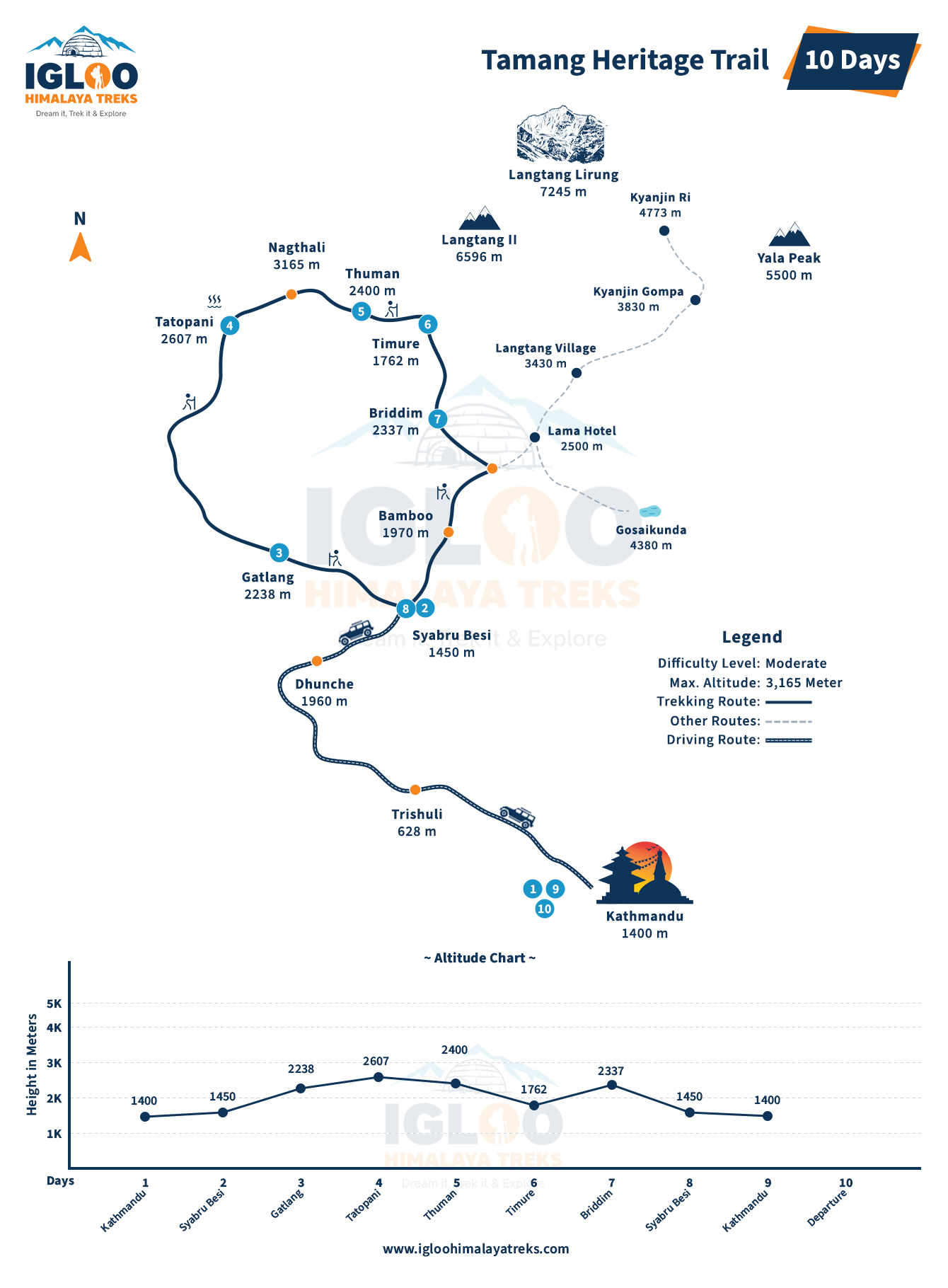
At Syabrubesi, a quiet mountain settlement in Rasuwa District, the Tamang Heritage Trek begins with a scenic overland journey from Kathmandu. Reaching this trailhead is part of the adventure, and with the right planning, the drive itself becomes a memorable introduction to the Himalayas.
Although the distance is about 120 km, the route unfolds slowly along winding mountain roads, typically taking 6–7 hours depending on road and traffic conditions. Leaving the Kathmandu Valley, the road follows the well-known Prithvi Highway before branching toward Dhunche, the administrative center of the region, and finally descending to Syabrubesi.
Throughout the journey, the landscape constantly changes—terraced farms, hillside villages, and dense forests frame the road, while the powerful Trishuli River flows alongside much of the route. On clear days, distant glimpses of Ganesh Himal and Langtang Lirung rise above the horizon, offering an inspiring preview of the trekking days ahead.
Travelers have several transportation options depending on comfort and budget. Local buses depart from Kathmandu’s Machhapokhari area and are the most economical choice, though they can be crowded and less predictable. Shared or private jeeps provide a more flexible alternative, balancing cost and comfort. For those seeking a premium experience, Igloo Himalaya Treks arranges private vehicles that ensure extra space, smoother travel, and convenient handling of trekking gear—ideal for starting the journey relaxed and well-prepared.
While there are no regular flights to Syabrubesi, helicopter charters can be arranged for trekkers who prefer a quicker and more scenic arrival, offering a unique aerial perspective of Nepal’s mid-hills and Himalayan ranges.
With thoughtful transportation arrangements by Igloo Himalaya Treks, the journey from Kathmandu to Syabrubesi becomes more than just a transfer—it’s the first chapter of your Tamang Heritage experience, setting the tone for the culture, landscapes, and adventure that lie ahead.
Difficulty Level and Preparation
A good level of fitness and some preparation are important for completing the Tamang Heritage Trek comfortably. The trail includes steep climbs, uneven paths, and frequent ups and downs, so being physically active helps you enjoy the journey without too much difficulty. It is also helpful to be used to walking at higher altitudes.
You should be in decent shape and have good stamina, as daily walking usually takes around 5 to 7 hours. Activities like hiking, jogging, cycling, or simple strength exercises can improve your fitness before the trek. Practicing with a backpack while walking is also useful, as it helps your body get used to carrying weight.
During the trek, you may reach elevations above 3,000 meters, so it is important to go slowly and allow your body time to adjust. Drinking plenty of water each day helps prevent dehydration and supports acclimatization. It is also recommended to follow the planned pace in the itinerary, avoid rushing, and reduce or avoid alcohol and smoking, as they can make it harder for your body to adjust to higher altitudes. If you feel symptoms like headache, nausea, or dizziness, it is important to rest or descend to a lower altitude.
Proper packing also makes the trek safer and more comfortable. You will need good-quality trekking shoes with a strong grip, and clothing in layers so you can adjust to changing temperatures. A warm hat and gloves are useful for cold mornings and evenings.
Since tea houses can get quite cold at night, a sleeping bag rated around -10°C is recommended. Trekking poles are helpful for balance and to reduce pressure on your knees, especially on downhill sections. A headlamp is useful for early morning starts or evenings, and sun protection such as sunscreen, sunglasses, and lip balm is important to protect you from strong rays.
It is also good to carry water purification tablets or a filter, a basic first-aid kit, and medication for altitude sickness if needed. With proper fitness, slow acclimatization, and the right equipment, the Tamang Heritage Trail can be both safe and very enjoyable.
Food and Accommodation
Along the Tamang Heritage Trail, travelers can stay in local tea houses or experience homestays with the Tamang community. Tea houses are small, family-run lodges that usually offer simple twin-sharing rooms, warm blankets, and a shared dining area where trekkers eat together.
In villages like Briddim, homestay options are available. Staying here gives visitors a chance to live with local families, join their daily activities, and experience their warm hospitality.
This style of accommodation is important because it allows travelers to experience the real culture and friendly nature of the Tamang people. At the same time, it supports sustainable tourism by helping local families earn income directly from visitors.
During the stay, trekkers can talk with locals, learn about their traditions, and enjoy the peaceful lifestyle of the mountain villages. Many people find this cultural exchange one of the most meaningful parts of the journey.
Food along the trek is simple but filling and nutritious. Common meals include dal bhat (rice with lentil soup), noodle soup, and Tibetan-style bread. These dishes are made using local ingredients and are influenced by both Nepali and Tibetan cooking styles.
In villages like Briddim, you may also get homemade meals, millet-based drinks, and fresh seasonal vegetables. Even though the food is basic, it provides enough energy for trekking and adds to the overall experience.
Overall, staying in tea houses and homestays makes the trek more authentic, supports local communities, and gives travelers a deeper connection with the culture and lifestyle of the region.
Packing Guide
Tamang Heritage Trail takes you into higher elevations and remote Himalayan villages, thoughtful packing becomes essential for a safe and comfortable journey. The route passes through varied terrain and changing climates, so carrying the right gear will make your trekking experience much smoother and more enjoyable.
Layered clothing is key because temperatures can shift throughout the day. It is recommended to bring moisture-wicking base layers, a warm fleece or insulating jacket, and a waterproof outer shell to protect against wind and rain. Comfortable trekking trousers, warm gloves, and a hat will help keep you warm during early morning starts and chilly evenings in the mountains.
Footwear plays an equally important role. Well-fitted trekking boots with good ankle support are highly recommended for walking on uneven and rocky trails. Pair them with quality hiking socks to reduce the risk of blisters and improve comfort during long walking days. Lightweight trekking poles can also be very useful, especially when descending steep sections, as they help reduce strain on your knees.
For overnight stays in teahouses, a good sleeping bag rated around -10°C is highly advisable since nights can be quite cold, particularly at higher altitudes. A headlamp is another important item, as some lodges may have limited lighting and early morning hikes often begin before sunrise. Carry extra batteries as a backup.
Hydration and sun protection are equally important. Reusable water bottles along with water purification tablets will ensure safe drinking water throughout the trek. Sunscreen, sunglasses, and lip balm are necessary to protect against strong mountain sun and dry air.
A small personal first-aid kit is also recommended, including basic medicines for headaches, altitude discomfort, bandages, and general pain relief. Carrying light snacks such as energy bars, nuts, and dried fruits can help maintain your energy during long walking hours.
Proper packing not only makes your trek more comfortable but also safer and more efficient. Keeping your load light and well-organized allows you to enjoy the natural beauty and cultural richness of the Tamang Heritage Trail without unnecessary strain. Choosing quality gear and supporting local shops whenever possible also adds a more responsible and sustainable touch to your journey.
Health & Safety
Safety is an essential part of the Tamang Heritage Trail, as the route includes significant altitude variation and remote mountain trails. Being mindful of your health and taking proper precautions will help ensure a safe and enjoyable trekking experience without injuries or complications.
One of the main concerns during this trek is altitude sickness, as elevations can exceed 3,000 meters. At this height, some trekkers may experience symptoms such as headache, nausea, dizziness, fatigue, or loss of appetite.
To reduce the risk of altitude sickness, it is important to walk at a steady and comfortable pace, stay well-hydrated by drinking at least 3 liters of water daily, avoid alcohol and smoking, and maintain a balanced, energy-rich diet. Most importantly, always listen to your body. If any symptoms appear, stop, rest, and if necessary, descend to a lower altitude immediately, as descending is the most effective way to recover.
Preparation for emergencies is also crucial. Trekkers are advised to carry a basic first-aid kit, appropriate medication for altitude-related issues, and a communication device such as a satellite phone or emergency locator in case of poor network coverage.
Experienced local guides play a vital role in safety management, so it is important to inform them immediately if you feel unwell. Trekking in a group or with companions also adds extra support in case of difficulty. In serious situations, helicopter evacuation is available, but proper high-altitude travel insurance is required to access this service.
By staying cautious, maintaining good health habits, and respecting the mountain environment, trekkers can fully enjoy a safe and rewarding journey through the Tamang Heritage region.
Permit Requirements
Trekkers planning to explore the Tamang Heritage Trail are required to obtain official permits in accordance with Nepal’s trekking regulations. These permits are essential for conserving the natural environment, managing tourist flow, and ensuring the safety and security of visitors throughout the journey.
Since the route passes through the beautiful Langtang region, all trekkers must acquire a Langtang National Park Entry Permit. This permit helps protect the rich biodiversity of the area, including its unique flora and fauna, while supporting conservation efforts within the park.
Obtaining these permits is a straightforward process. Travelers can apply through the Nepal Tourism Board offices in Kathmandu or Pokhara, or they can arrange them via a registered trekking agency. A valid passport along with passport-sized photographs is required for the application. The permit fee varies depending on the traveler’s nationality.
It is important to carry the permits at all times during the trek, as they are checked at several entry points along the trail by authorities. Having the correct documentation not only ensures compliance with local regulations but also helps avoid unnecessary delays during the journey.
Proper permit arrangements contribute to the protection of the region’s natural heritage and ensure a smooth and hassle-free trekking experience. Without the required permits, trekking in the Tamang Heritage region may lead to complications and restrictions.