

Trip Informatiom
-
Kathmandu-Breakfast, Mountain-Breakfast - Lunch - Dinner
-
Private Vehicle
-
5106 m.
-
3-star hotel -Tea House - Lodge
-
9
-
85
Overview
The Manaslu Circuit Trek is a 14-day Himalayan journey around Mount Manaslu (8,163 m), the eighth-highest mountain in the world.
The route begins in the lower Budhi Gandaki Valley and gradually climbs through subtropical forests, steep river gorges, waterfalls, and suspension bridges.
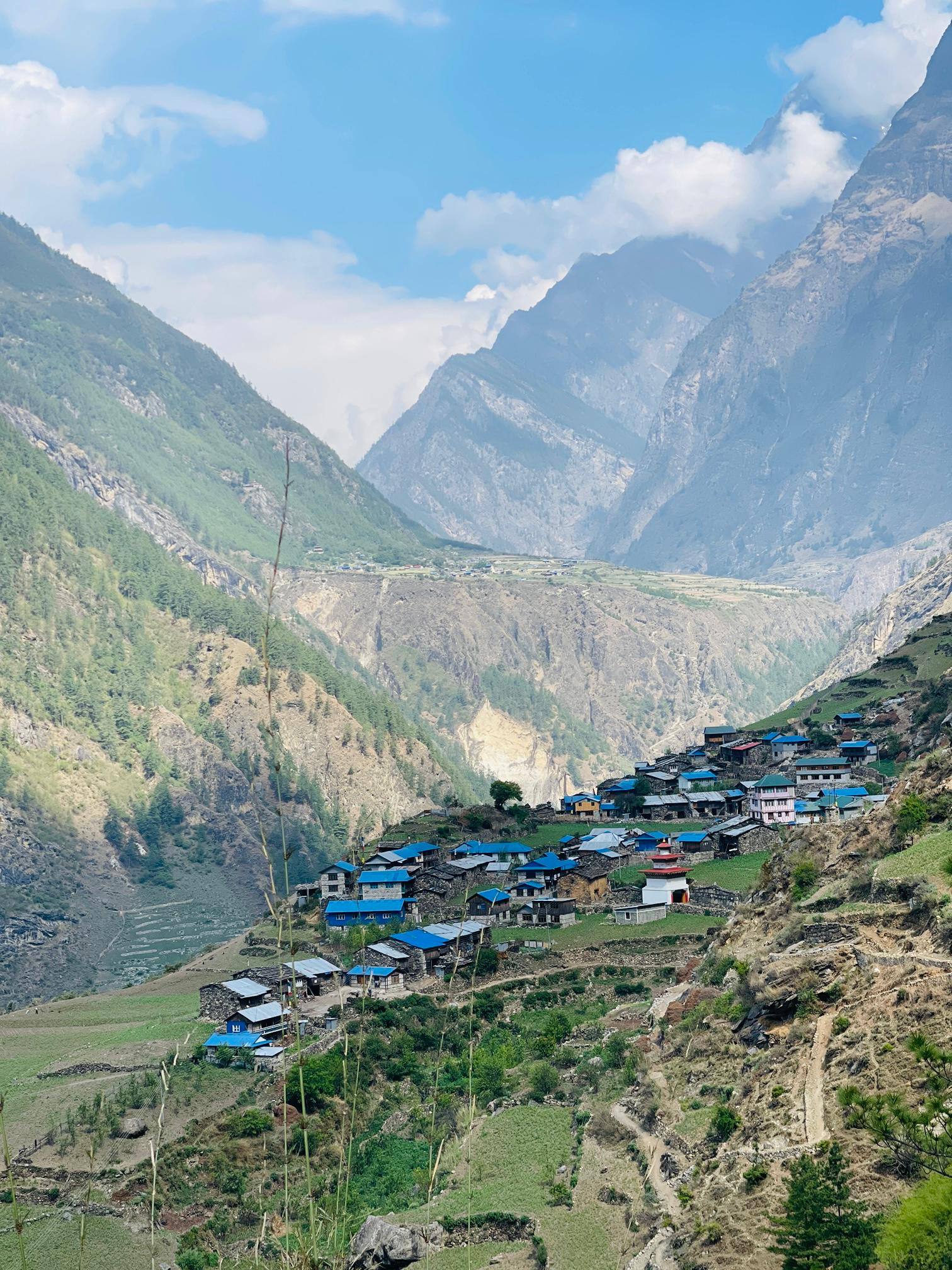
The trail then passes through traditional villages and Tibetan-influenced settlements before reaching the high alpine landscapes of the Manaslu region.
The trek passes through Machha Khola, Jagat, Deng, Namrung, Lho, Sama Gaun, Samdo, and Dharamsala before the major challenge of crossing Larkya La Pass at 5,106 m.
From the pass, the trail descends to Bimthang and continues through forests and mountain villages to Dharapani, where it connects with the Annapurna Circuit route.
Because Manaslu is a restricted trekking area, the journey requires the appropriate permits and a licensed trekking guide.
Our Manaslu Circuit Trek Route
Kathmandu → Machha Khola → Jagat → Deng → Namrung → Lho → Sama Gaun → Samdo → Dharamsala → Larkya La Pass → Bimthang → Dharapani → Kathmandu
Manaslu Circuit Trek – 14 Days Trip Highlights
- Trek around Mount Manaslu (8,163 m), the world's eighth-highest mountain.
- Follow the dramatic Budhi Gandaki River Valley from Machha Khola toward the high Himalayas.
- Cross suspension bridges, waterfalls, forest trails, and narrow mountain gorges.
- Experience traditional villages influenced by Tibetan Buddhist culture.
- Visit Namrung, Lho, Sama Gaun, and Samdo, some of the most distinctive settlements on the route.
- Spend an acclimatization day in Sama Gaun before climbing higher.
- Explore the surroundings of Sama Gaun, with options such as Birendra Lake, Pungyen Gompa, and Manaslu Base Camp depending on conditions and group fitness.
- Reach Dharamsala/Larkya Phedi (4,460 m) before the highest point of the trek.
- Cross the challenging Larkya La Pass (5,106 m).
- Enjoy views of the high Himalayan peaks from the pass and surrounding valleys.
- Descend through alpine meadows and forests to Bimthang.
- Finish the trek at Dharapani, where the route joins the Annapurna Circuit.
Manaslu Circuit Trek Itinerary
| Day | Route | Altitude | Walking/Driving |
| 1 | Arrival in Kathmandu | 1,350 m | — |
| 2 | Kathmandu → Machha Khola | 870 m | 9 hr drive |
| 3 | Machha Khola → Jagat | 1,340 m | 6–7 hr |
| 4 | Jagat → Deng | 1,860 m | 6–7 hr |
| 5 | Deng → Namrung | 2,630 m | 6–7 hr |
| 6 | Namrung → Lho | 3,180 m | 5–6 hr |
| 7 | Lho → Sama Gaun | 3,530 m | 5–6 hr |
| 8 | Acclimatization in Sama Gaun | 3,530 m | Short hike |
| 9 | Sama Gaun → Samdo | 3,860 m | 4–5 hr |
| 10 | Samdo → Dharamsala | 4,460 m | 4–5 hr |
| 11 | Dharamsala → Larkya La → Bimthang | 5,106 m / 3,720 m | 8–9 hr |
| 12 | Bimthang → Dharapani | — | 7–8 hr |
| 13 | Dharapani → Kathmandu via Besisahar | 1,350 m | Full-day drive |
| 14 | Final departure | — | Airport transfer |
Altitude: 1,350 m
Accommodation: 3-star hotel
Meals: Breakfast
Activity: Airport transfer and trek preparation
Welcome to Nepal. After your arrival at Tribhuvan International Airport, an Igloo Himalaya Treks representative will meet you and transfer you to your hotel in Kathmandu. Once you have settled in, you can rest or explore the nearby streets of Thamel.
Depending on your arrival time, there will also be a trek briefing where your guide will explain the route, altitude, daily walking schedule, permits, and essential preparations for the Manaslu Circuit Trek.
This is also a good time to check your trekking equipment and make sure everything is ready before leaving Kathmandu.
Altitude: 870 m
Driving: Approximately 9 hours / 161 km
Accommodation: Teahouse
Meals: Breakfast, lunch, dinner
Your Manaslu adventure begins with a long drive from Kathmandu toward Machha Khola, following Nepal's changing landscape from the busy capital into rural hill country.
The road passes through riverside settlements, terraced farmland, forested hills, and winding mountain roads. As you travel deeper into Gorkha District, the surroundings become quieter and more mountainous.
Machha Khola is a small settlement beside the Budhi Gandaki River and serves as the starting point for the trekking section of this itinerary. After arriving, settle into your teahouse, have dinner, and prepare for your first day on the trail.
Altitude: 1,340 m
Walking: 6–7 hours / approximately 21–22 km
Accommodation: Teahouse
Meals: Breakfast, lunch, dinner
Today you officially begin walking through the Manaslu region. The trail follows the Budhi Gandaki River through a narrow valley, crossing suspension bridges and passing small settlements along the way.
The route includes a mixture of stone paths, forest sections, riverside trails, and gradual climbs. One of the notable stops along the way is Tatopani, where natural hot springs sit beside the river.
After continuing through the valley, you reach Jagat, an important checkpoint and entrance point for the higher Manaslu trekking area. The village has stone-paved paths and traditional Himalayan architecture, giving you the first strong sense that you are entering a more remote part of Nepal.
Altitude: 1,860 m
Walking: 6–7 hours / approximately 19 km
Accommodation: Teahouse
Meals: Breakfast, lunch, dinner
The trail continues deeper into the Budhi Gandaki Valley today. You will pass through forests, small villages, rocky sections, and several river crossings as the valley gradually becomes narrower and more dramatic.
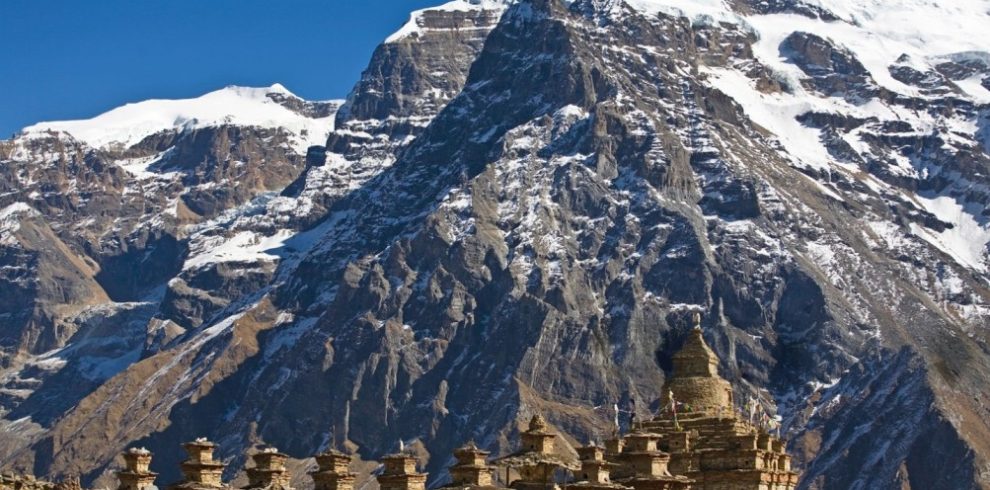
As you gain elevation, the landscape begins to change. You will notice more Buddhist prayer flags, mani walls, chortens, and traditional stone houses along the trail.
The walk eventually brings you to Deng, a small mountain settlement surrounded by steep hills and forested slopes. It is another important stop as you gradually move toward the higher elevations of the Manaslu region.
Altitude: 2,630 m
Walking: 6–7 hours / approximately 19 km
Accommodation: Teahouse
Meals: Breakfast, lunch, dinner
Today brings a noticeable change in both scenery and culture. The trail continues along the Budhi Gandaki before climbing through forests of pine, rhododendron, and other Himalayan vegetation.
The valley gradually opens as you move toward Namrung, where the architecture and cultural atmosphere become increasingly influenced by Tibetan Buddhist traditions.
Namrung is one of the first places where the high peaks of the Manaslu range begin to feel much closer. On a clear afternoon, the surrounding mountain views make this a rewarding place to end the day's walk.
Altitude: 3,180 m
Walking: 5–6 hours / approximately 11 km
Accommodation: Teahouse
Meals: Breakfast, lunch, dinner
The trail climbs steadily through alpine forests and traditional mountain settlements toward Lho.
The landscape becomes more open as the elevation increases, while Buddhist features become increasingly prominent. You will see mani walls, prayer flags, chortens, and traditional stone-built homes along the route.
Lho is particularly known for its mountain setting and views toward Mount Manaslu. The village is also home to Ribung Monastery, adding an important cultural element to the day's experience.
After reaching Lho, take time to rest and enjoy the mountain surroundings before continuing higher the following day.
Altitude: 3,530 m
Walking: 5–6 hours / approximately 13 km
Accommodation: Teahouse
Meals: Breakfast, lunch, dinner
Today you enter the higher Manaslu landscape as the trail continues toward Sama Gaun, one of the most important settlements on the circuit.
The route passes through open landscapes, alpine meadows, forests, and yak-grazing areas.
As you approach Sama Gaun, the mountains become increasingly dominant and the surrounding landscape takes on a distinctly high-Himalayan character.
Sama Gaun is a traditional settlement with strong Tibetan Buddhist cultural influences and is an important acclimatization point before the route climbs above 4,000 metres.
After checking into your teahouse, keep the evening relaxed and prepare for tomorrow's acclimatization day.
Altitude: 3,530 m
Activity: Acclimatization and short hike
Accommodation: Teahouse
Meals: Breakfast, lunch, dinner
Today is an important rest and acclimatization day in Sama Gaun. Rather than gaining more sleeping altitude, you spend the day allowing your body to adjust to the thinner air.
Depending on weather, trail conditions, and your group's fitness, your guide can recommend a suitable short hike around the area. Popular options include Birendra Lake, Pungyen Gompa, or a hike toward Manaslu Base Camp.
The purpose is not to complete a hard trek but to stay active while allowing your body to adapt. Keep your pace comfortable, drink enough water, eat properly, and communicate with your guide if you experience unusual symptoms.
You will return to Sama Gaun for another night before continuing toward Samdo.
Altitude: 3,860 m
Walking: 4–5 hours / approximately 8 km
Accommodation: Teahouse
Meals: Breakfast, lunch, dinner
The trail leaves Sama Gaun and enters an increasingly dry and open high-altitude environment.
The day's walk is shorter, but the increasing elevation means you should maintain a steady pace. The landscape is characterized by alpine terrain, yak pastures, mountain slopes, and views toward the surrounding peaks.
After several hours, you reach Samdo, a remote settlement situated close to the Tibetan border. The village reflects the strong Tibetan cultural influence of the upper Manaslu region.
With the air noticeably thinner, the evening should be kept relaxed. Your guide will also help you prepare for the next day's climb to Dharamsala.
Altitude: 4,460 m
Walking: 4–5 hours / approximately 6 km
Accommodation: Teahouse
Meals: Breakfast, lunch, dinner
Today is a shorter but important day as you climb to Dharamsala, also known as Larkya Phedi, the final overnight stop before crossing Larkya La Pass.
The trail passes through increasingly barren high-altitude terrain, with vegetation becoming sparse as you approach 4,500 metres.
Dharamsala has very basic accommodation compared with the lower villages, and temperatures can become very cold, particularly at night. Keep your warm layers and sleeping bag ready rather than packing them away.
After an early dinner, rest as much as possible. The following morning is the longest and most demanding day of the trek.
Highest point: Larkya La Pass – 5,106 m
Bimthang altitude: 3,720 m
Walking: 8–9 hours / approximately 24 km
Accommodation: Teahouse
Meals: Breakfast, lunch, dinner
Today is the most challenging day of the Manaslu Circuit Trek.
You will start early, usually before sunrise, because the crossing takes several hours and weather conditions around the pass can change quickly. The trail gradually climbs across rugged high-altitude terrain toward Larkya La Pass at 5,106 metres.
The ascent requires patience rather than speed. Your guide will set a manageable pace, and you should keep your warm layers, gloves, water, sunglasses, and other essential items easily accessible.
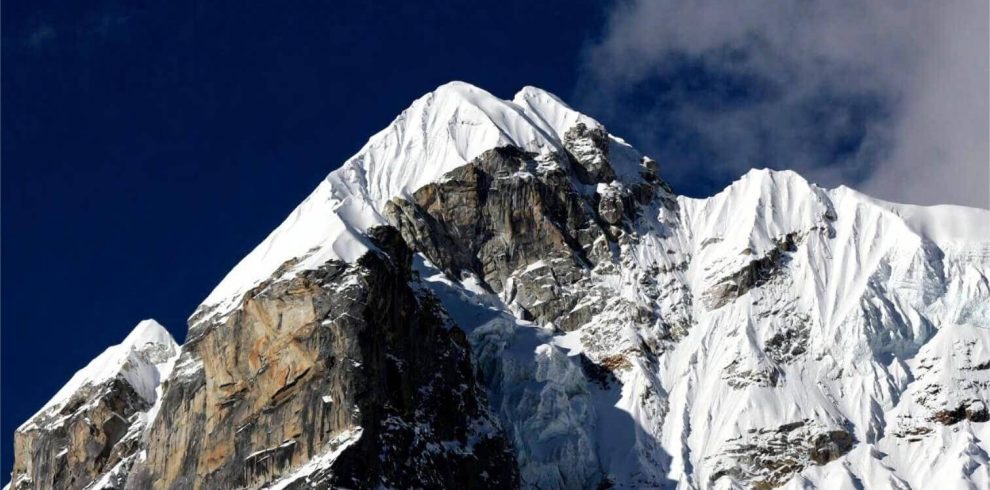
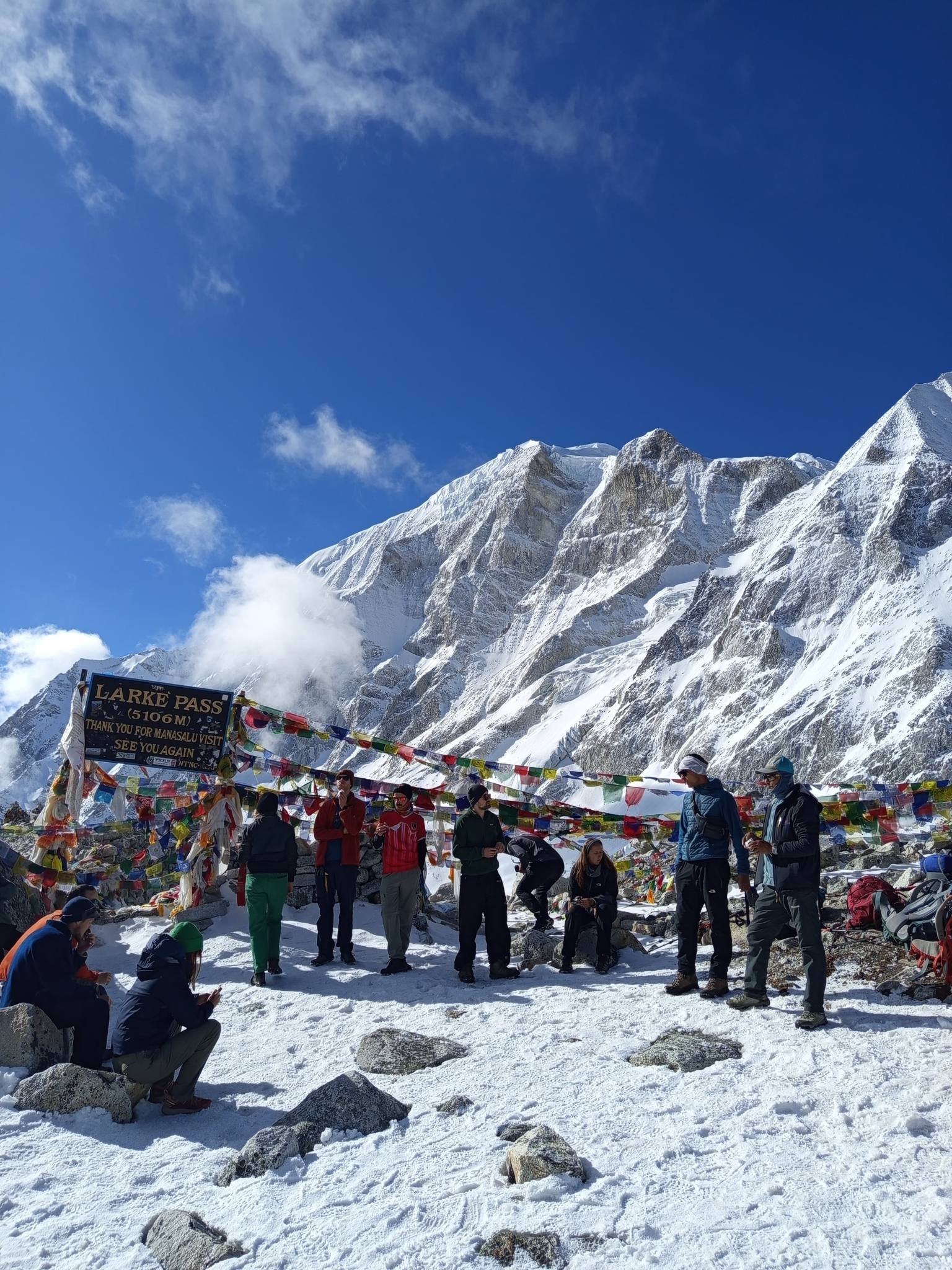
Reaching the top of Larkya La is the high point of the trek. From the pass, you can enjoy extensive Himalayan views, including peaks in the Manaslu, Himlung, and Annapurna ranges depending on visibility.
After spending some time at the pass, the trail descends toward Bimthang. The descent is long, but the changing landscape provides a welcome contrast to the barren terrain above the pass.
By the time you reach Bimthang, you will have completed the hardest section of the circuit.
Walking: 7–8 hours / approximately 26 km
Accommodation: Teahouse
Meals: Breakfast, lunch, dinner
After crossing Larkya La, today's trail continues downhill through forests and mountain settlements toward Dharapani.
The landscape becomes greener as you lose elevation, with forested slopes, rivers, and more vegetation replacing the high-altitude terrain.
The trail passes through Tilije and continues toward Dharapani, where the Manaslu route connects with the Annapurna Circuit.
Reaching Dharapani marks the completion of the main trekking section of your Manaslu journey. Enjoy a proper meal and a well-earned rest after several demanding days at altitude.
Altitude: Kathmandu – 1,350 m
Activity: Drive
Accommodation: 3-star hotel
Meals: Breakfast, lunch, dinner
After breakfast, leave Dharapani by road and begin the journey back to Kathmandu via Besisahar.
The drive follows the mountain valleys before gradually returning to lower elevations.
After days of walking through remote Himalayan terrain, the changing scenery and return to larger settlements provide a clear transition back to everyday Nepal.
The journey takes most of the day, depending on road and traffic conditions. After arriving in Kathmandu, check into your hotel, rest, and enjoy your final evening in Nepal.
Activity: Airport transfer
Meals: Breakfast
Your Manaslu Circuit Trek comes to an end today.
After breakfast, an Igloo Himalaya Treks representative will transfer you to Tribhuvan International Airport for your onward flight.
If your departure is later in the day, you can or we can guide you use your remaining time to relax or explore Kathmandu.
Thank you for trekking with us, and we hope to welcome you again for another Himalayan journey.
Includes/Excludes
Your Manaslu Circuit Trek package includes:
- Airport pickup and drop-off
- Two nights of 3-star hotel accommodation in Kathmandu with breakfast
- Kathmandu → Machha Khola transportation
- Dharapani → Kathmandu transportation
- Teahouse accommodation during the trek
- Breakfast, lunch, and dinner during the trek
- Tea and coffee with meals
- Experienced, government-licensed trekking guide
- Porter service, with one porter for every two trekkers
- Manaslu Restricted Area Permit
- Manaslu Conservation Area Permit
- Annapurna Conservation Area Permit
- Sleeping bag
- Down jacket
- Trekking duffel bag
- Basic medical kit
- Necessary safety arrangements
- Applicable taxes and service charges
- Emergency Rescue Coordination
- Our team can assist with arranging emergency evacuation when medically necessary and operationally possible.
- Rescue and evacuation costs are the responsibility of the traveler and/or their travel insurance, subject to the terms and conditions of the insurance policy.
- For this reason, make sure your travel insurance specifically covers high-altitude trekking and emergency evacuation before departure.
The package does not include:
- International airfare
- Nepal visa fees
- Personal travel insurance
- Personal expenses
- Hot showers, Wi-Fi, charging, and other optional teahouse services
- Snacks and bottled drinks
- Extra accommodation or meals outside the itinerary
- Personal trekking equipment not listed under inclusions
- Tips for guides, porters, and drivers
FAQs for the Manaslu Circuit Trek
General
The Manaslu Circuit is better suited to trekkers with reasonable fitness and some previous hiking experience.
It is not a technical climbing expedition, but the long trekking days, high altitude, remote terrain, and Larkya La crossing make it more demanding than many shorter Nepal treks.
Beginners can still consider the trek if they prepare properly and are comfortable with long days of walking.
Consult with Igloo Himalaya Treks before booking if you are unsure whether the itinerary matches your experience and fitness level.
The highest point of this itinerary is Larkya La Pass at 5,106 metres. The route also includes overnight stays at Samdo (3,860 m) and Dharamsala (4,460 m), making acclimatization an important part of the trek.
Larkya La is the most demanding part of the trek because of the high altitude, cold temperatures, long walking day, and steep sections of trail. Starting early, maintaining a slow pace, staying hydrated, and following your guide's instructions are important.
Yes. Travel insurance is strongly recommended and should specifically cover high-altitude trekking and emergency evacuation. Because the Manaslu region is remote, check the altitude limit and evacuation conditions of your policy before departure.
The trek requires the applicable Manaslu Restricted Area Permit, Manaslu Conservation Area Permit, and Annapurna Conservation Area Permit for this route. Manaslu is a restricted trekking area, and the government publishes specific permit requirements and fees for the region.
For the latest official permit regulations and fees, check the Nepal Department of Immigration before your trip.
Yes. Igloo Himalaya Treks arranges the teahouse accommodation according to the itinerary, so you do not have to search for a room after completing a long day of trekking.
Teahouses serve dal bhat, noodles, fried rice, momo, soups, Tibetan bread, pancakes, pasta, and other simple meals. Food choices become more limited at higher elevations, particularly around Dharamsala.
Spring (March–May) and autumn (September–November) are generally the preferred trekking seasons. Autumn usually offers good post-monsoon visibility, while spring brings warmer conditions and blooming rhododendrons along lower and middle sections of the route.
Some teahouses offer Wi-Fi, while mobile connectivity varies considerably along the route. Do not expect a continuous connection throughout the trek, particularly in the remote upper sections.
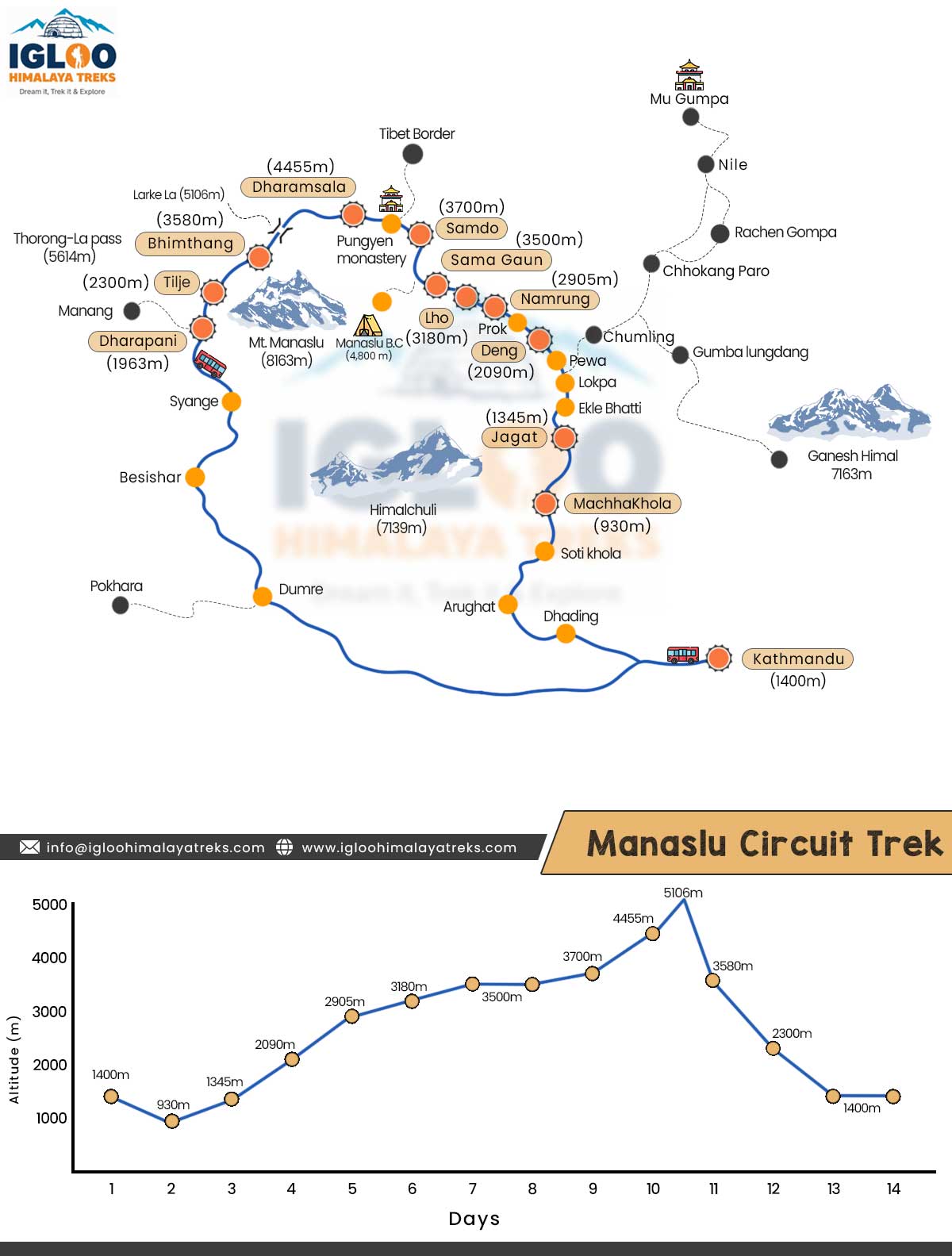
A detail map for the Manaslu Circuit Trek
Accommodation on the Manaslu Circuit Trek
Accommodation is arranged in teahouses and mountain lodges along the route. Rooms are generally simple and usually have twin beds with shared bathroom facilities, particularly at higher elevations.
The facilities become more basic as you move toward Samdo and Dharamsala because of the remote location and high altitude.
Your accommodation is pre-arranged by Igloo Himalaya Treks, so you do not have to spend time searching for a room after a long day on the trail. At higher elevations, availability and facilities can be more limited, which is why we arrange the necessary stays according to the itinerary.
A sleeping bag is provided by Igloo Himalaya Treks for the trek.
Food and Meals
Meals are provided throughout the trekking section, with breakfast, lunch, and dinner included.
Common teahouse meals include:
- Dal bhat with rice, lentils, vegetables, curry, and pickles
- Momo
- Noodles and fried rice
- Soups
- Tibetan bread
- Chapati
- Pancakes
- Pasta and simple Western-style dishes where available
- Tea, coffee, and other hot drinks
Dal bhat is one of the most practical meals on the trail because it is filling and provides carbohydrates, protein, and other nutrients needed during long trekking days.
Food choices become more limited at higher elevations, particularly around Dharamsala, so simple and warm meals are often the most practical option.
If you have a specific food preference, dietary requirement, or equipment preference, you can consult with Igloo Himalaya Treks before the trek. We’ll be happy to discuss your requirements and help arrange what is practical for your journey.
Permits and Documentation
The Manaslu Circuit is a restricted trekking area, so trekkers need the required permits and must follow the applicable government regulations. The current government permit schedule lists the Gorkha Manaslu restricted area under Chumnubri Rural Municipality.
The main permits for this itinerary are:
- Manaslu Restricted Area Permit (RAP)
- Manaslu Conservation Area Permit (MCAP)
- Annapurna Conservation Area Permit (ACAP)
The current restricted-area fee for Gorkha Manaslu is listed by the Nepal Department of Immigration at USD 100 per person per week from September to November, with an additional daily charge beyond one week.
The applicable rate is lower during December to August. Permit fees and government regulations can change, so the latest requirements are checked before departure.
You do not need to arrange these permits yourself. Igloo Himalaya Treks manages the required permits and trekking documentation for you.
Is a Guide Required for the Manaslu Circuit Trek?
Yes. The Manaslu region is a restricted trekking area, and the trek requires a licensed trekking guide under the applicable government regulations.
The organized package also includes the required trekking documentation and permits.
The restricted nature of the region is one reason Manaslu retains a more remote character compared with Nepal’s more accessible trekking areas.
Manaslu Circuit Trek Difficulty
The Manaslu Circuit Trek is a challenging high-altitude trek. You do not need technical climbing experience, but you should be comfortable walking for several hours on consecutive days and dealing with steep, rocky, uneven, and sometimes exposed mountain trails.
The main factors that make the trek demanding are:
- Long trekking days
- Steady elevation gain
- High-altitude conditions
- Cold temperatures above 4,000 m
- Basic facilities in remote sections
- The long Larkya La Pass crossing
- Variable mountain weather
- The extended descent after crossing the pass
The most demanding section is Dharamsala → Larkya La Pass → Bimthang, where you reach 5,106 m and spend around 8–9 hours on the trail.
Regular walking, hiking, stair climbing, and cardiovascular training before the trek can make the itinerary much more manageable.
Altitude and Acclimatization
Altitude is one of the most important considerations on the Manaslu Circuit. The itinerary gradually climbs from Machha Khola to more than 4,000 m and includes an acclimatization day at Sama Gaun (3,530 m) before continuing toward Samdo and Dharamsala.
The key altitude points are:
- Kathmandu – 1,350 m
- Machha Khola – 870 m
- Jagat – 1,340 m
- Deng – 1,860 m
- Namrung – 2,630 m
- Lho – 3,180 m
- Sama Gaun – 3,530 m
- Samdo – 3,860 m
- Dharamsala – 4,460 m
- Larkya La – 5,106 m
- Bimthang – 3,720 m
Your guide will monitor your condition throughout the trek. If you develop symptoms such as persistent headache, unusual dizziness, vomiting, severe weakness, confusion, or difficulty breathing, inform your guide immediately.
Do not try to push through serious altitude symptoms. Your guide will assess the situation and determine the safest course of action.
Best Time for the Manaslu Circuit Trek
The best periods for the Manaslu Circuit Trek are generally spring and autumn.
Spring: March to May
Spring brings warmer daytime conditions, improving trail conditions, and blooming rhododendrons in the lower and middle sections of the route. Mountain visibility is generally good, although weather can change as the season progresses.
Autumn: September to November
Autumn is one of the most popular trekking seasons in Nepal. After the monsoon, the atmosphere is generally clearer, providing good mountain visibility and more stable trekking conditions.
October is usually the busiest month, while September and November can offer a slightly different balance of weather and trail traffic.
Winter: December to February
Winter brings significantly colder conditions at higher elevations. Snow and freezing temperatures can affect the Larkya La crossing and accommodation around Dharamsala.
Monsoon: June to August
The lower sections can experience rain, wet trails, muddy roads, landslides, and changing transportation conditions during the monsoon. Conditions around the high pass also need careful consideration.
Because weather and trail conditions can change between seasons, the final trekking plan should always be confirmed with the local trekking team before departure.
Trail Conditions on the Manaslu Circuit
The Manaslu Circuit combines several different types of terrain.
In the lower valley, expect:
- Riverside paths
- Stone steps
- Forest trails
- Suspension bridges
- Rocky sections
- Narrow mountain paths
Higher up, the trail becomes more alpine, with:
- Dry and rocky terrain
- Open mountain slopes
- Steeper climbs
- Loose and uneven sections
- Cold, exposed areas around the pass
Road construction and local transportation have also changed some lower sections of the traditional route.
This itinerary uses road transportation to Machha Khola at the beginning and from Dharapani at the end, allowing the trekking days to focus more on the principal trail sections.
What to Pack for the Manaslu Circuit Trek
Clothing
- Moisture-wicking trekking shirts
- Fleece jacket
- Down jacket
- Waterproof/windproof jacket
- Trekking trousers
- Thermal base layers
- Warm hat and gloves
- Warm socks
- Comfortable trekking boots
- Camp shoes or sandals
Trekking essentials
- Daypack
- Sunglasses
- Sunscreen and lip balm
- Water bottles or hydration system
- Headlamp
- Trekking poles
- Personal toiletries
- Small first-aid and personal medication kit
- Power bank
- Reusable water bottle
Documents
- Passport
- Required travel documents
- Travel insurance details
- Emergency contact information
Igloo Himalaya Treks provides a sleeping bag, down jacket, and trekking duffel bag as part of the package.
If you are unsure about any trekking gear or have a particular preference, consult with Igloo Himalaya Treks before departure. We can guide you on what you actually need to bring and help arrange the necessary trekking essentials.
First-Hand Guide Advice for the Manaslu Circuit
Prepare properly for Larkya La
The Larkya La crossing is not the day to rush. Start early, keep your warm clothing easily accessible, carry enough water, and follow your guide’s pace.
Keep your essentials within reach
At higher elevations, temperatures can change quickly. Keep gloves, hat, sunglasses, sunscreen, water, and an extra warm layer somewhere you can reach without unpacking your entire bag.
Eat even when you are not very hungry
Long trekking days at altitude require energy. Eat your meals properly and carry practical snacks for the trail.
Tell your guide how you feel
Do not hide headaches, unusual tiredness, dizziness, nausea, or breathing problems because you do not want to slow the group down. Early communication allows your guide to respond before a minor problem becomes serious.
Keep the evening before the pass simple
At Dharamsala, organize your daypack, clothes, water, headlamp, gloves, and other essentials before going to bed. An early start means you will appreciate having everything ready.
Why Trek the Manaslu Circuit with Igloo Himalaya Treks?
The Manaslu Circuit requires more than simply following a route on a map. It involves restricted-area permits, remote accommodation, changing trail conditions, high-altitude walking, and careful planning around the Larkya La crossing.
With Igloo Himalaya Treks, the essential arrangements are organized before you reach the remote sections of the route.
Licensed Local Guides
Your trek is accompanied by an experienced, government-licensed trekking guide who understands the route, local conditions, altitude progression, and practical requirements of trekking in the Manaslu region.
Permits Arranged Before the Trek
We manage the required RAP, MCAP, and ACAP permits and documentation, so you can focus on preparing for the journey rather than dealing with permit arrangements yourself.
Pre-arranged Accommodation
Your teahouse accommodation is arranged according to the itinerary. This is particularly important in remote sections where accommodation choices are limited.
Trekking Gear Support
The package includes a sleeping bag, down jacket, and duffel bag, reducing the amount of specialized equipment you need to purchase or carry from home.
Altitude Support
The itinerary includes an acclimatization day at Sama Gaun, and your guide monitors your condition as you move toward higher elevations.
Practical Support on the Trail
From transportation and permits to accommodation, meals, porters, and safety arrangements, the essential logistics are organized around the actual route.
If you have specific preferences regarding food, trekking equipment, accommodation, or other arrangements, you can consult with Igloo Himalaya Treks before your trek. We’ll be happy to discuss your requirements and help arrange what is practical for your journey.
Trek Information from Igloo Himalaya Treks
This itinerary is prepared by the trekking team at Igloo Himalaya Treks based on our experience organizing Himalayan journeys in Nepal. Route details, transportation arrangements, accommodation, and permit requirements are reviewed before departure because conditions and government regulations can change between seasons.
- Author: Labin Sunuwar
- Reviewed By: Surya Lama ( CEO of Igloo Himalaya Treks)
- Guide Name: Sujan Tamang