More Info
Jeep Safari in Chitwan National Park
A Jeep Safari in Chitwan National Park is the ultimate way to experience Nepal’s incredible wildlife while exploring one of Asia’s most celebrated protected areas. Covering dense Sal forests, open grasslands, riverbanks, wetlands, and hidden jungle trails, the safari takes visitors deep into areas that are inaccessible on foot, providing excellent opportunities to observe wildlife in their natural habitat.
Unlike a typical sightseeing tour, every jeep safari is a unique adventure. No two journeys are ever the same because wildlife moves freely throughout the park. As your experienced naturalist guide drives through the forest, you’ll learn about the behavior of different animals, their habitats, conservation efforts, and the delicate balance of Chitwan’s ecosystem.
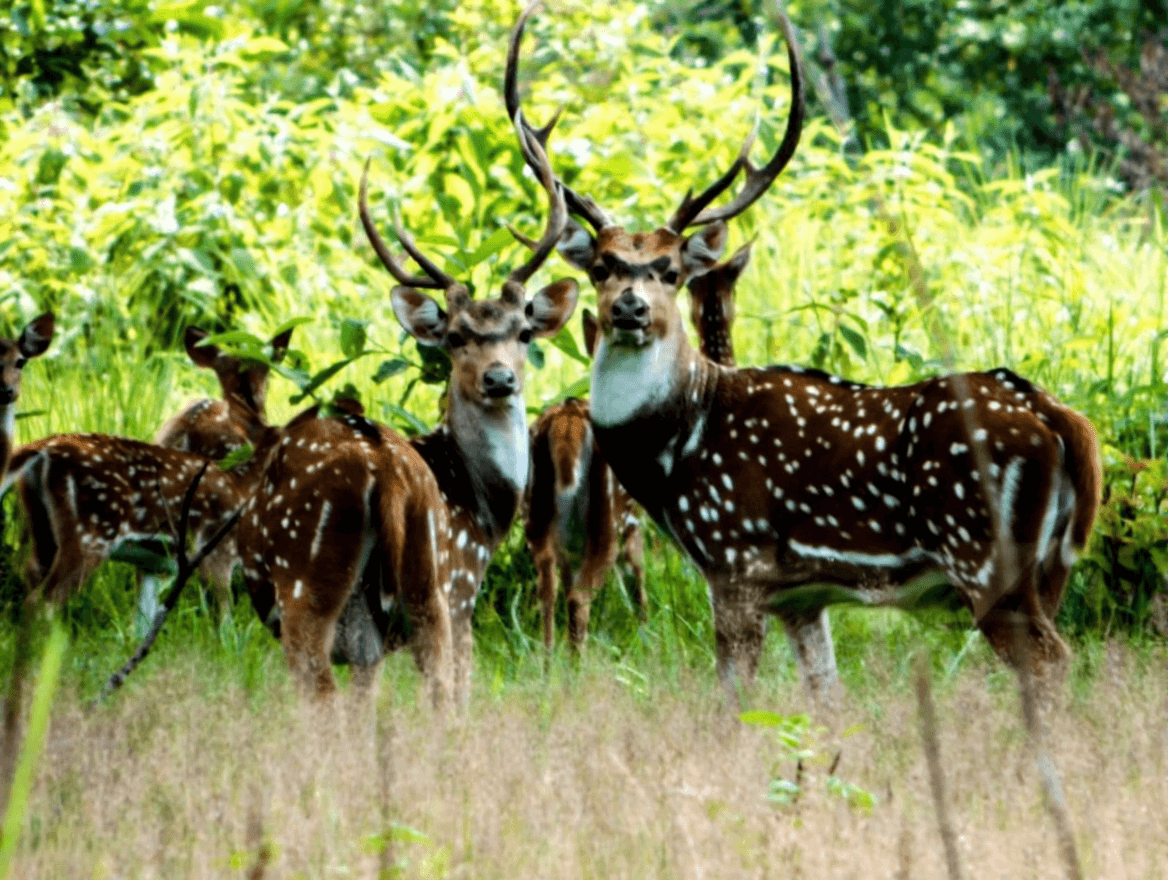
One of the biggest attractions is the chance to see the iconic Greater One-Horned Rhinoceros, a conservation success story that has become the symbol of Chitwan National Park. Visitors frequently encounter rhinos grazing peacefully in the grasslands or cooling off in muddy pools. Herds of spotted deer, barking deer, sambar deer, and wild boars are commonly seen along the safari trails, while playful rhesus macaques and grey langurs can often be spotted swinging through the trees.
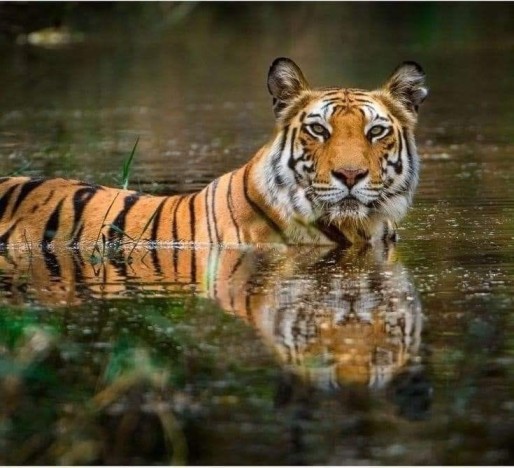
For many visitors, the ultimate dream is catching a glimpse of the majestic Royal Bengal Tiger. Although tiger sightings are never guaranteed due to their elusive nature, Chitwan is one of the best places in Nepal to observe this magnificent predator in the wild. Every fresh footprint, alarm call from deer, or movement in the tall elephant grass adds excitement to the safari experience.
The park is also home to sloth bears, leopards, Indian bison (gaur), jackals, jungle cats, fishing cats, and over 550 species of birds, making every safari rewarding for wildlife lovers and photographers alike.
Morning jeep safaris are ideal for witnessing animals at their most active during the cooler hours, while afternoon safaris provide beautiful golden light for photography and unforgettable jungle sunsets.
At Igloo Himalaya Treks, our jeep safaris are led by licensed naturalist guides who possess extensive knowledge of Chitwan’s wildlife, birds, plants, and conservation history. Their expertise transforms every safari into an educational and memorable experience while ensuring your safety throughout the journey.
Whether you are a wildlife enthusiast, photographer, family traveler, or first-time visitor to Nepal, a Jeep Safari in Chitwan National Park offers an unforgettable opportunity to connect with nature and experience one of the world’s most remarkable wildlife destinations.
Canoe Ride on the Rapti River
A traditional canoe ride along the peaceful Rapti River is one of the most relaxing and scenic experiences during a Chitwan Jungle Safari Tour. Crafted from locally sourced wood, these handmade canoes have been used by local communities for generations and continue to provide visitors with an authentic way to explore the river ecosystem.
Unlike motorized boats, wooden canoes move silently across the water, allowing visitors to observe wildlife without disturbing their natural behavior. The calm atmosphere creates the perfect opportunity to appreciate the sounds of nature, from birds singing overhead to the gentle splash of fish beneath the surface.
As the canoe drifts downstream, visitors frequently observe Mugger Crocodiles and the endangered Gharial Crocodiles resting along sandy riverbanks or gliding quietly through the water. Chitwan National Park is one of the few places in the world where these remarkable reptiles can still be seen in their natural habitat.
Birdwatchers will also find the canoe ride especially rewarding. Kingfishers dive gracefully into the water, herons stalk fish in the shallows, cormorants dry their wings along fallen trees, and colorful bee-eaters, egrets, storks, and hornbills are often seen throughout the journey. During winter, migratory birds from Central Asia and Siberia further enrich the park’s incredible bird diversity.
The Rapti River itself forms an essential part of Chitwan’s ecosystem, supporting countless aquatic species while providing water for mammals, reptiles, and birds throughout the year.
Safety is always a priority during canoe excursions. Every trip is led by experienced local guides who understand river conditions, wildlife behavior, and park regulations, ensuring visitors enjoy a peaceful yet secure experience.
For photographers and nature lovers, sunrise and sunset canoe rides offer spectacular reflections on the river and excellent lighting for capturing Chitwan’s breathtaking scenery.
A canoe ride is much more than a simple boat trip—it’s a peaceful journey into one of Nepal’s richest freshwater ecosystems and an unforgettable highlight of every Chitwan Jungle Safari Tour.
Nature Walk in Chitwan National Park
Walking through the forests of Chitwan National Park offers an intimate perspective that cannot be experienced from a vehicle. Accompanied by an experienced naturalist guide, visitors explore carefully selected trails through buffer zone forests, grasslands, and riverbanks while learning about the remarkable biodiversity that makes Chitwan one of the world’s most important wildlife conservation areas.
Unlike jeep safaris, nature walks encourage visitors to slow down and appreciate the smaller wonders of the jungle. Every step reveals fascinating details about the ecosystem—from towering Sal trees and medicinal plants to colorful butterflies, insects, fungi, birds, and animal footprints.
Your guide explains how different species coexist within the forest and teaches visitors how to identify animal tracks, bird calls, feeding signs, nests, and natural habitats. These insights provide a deeper understanding of wildlife behavior and the importance of conservation.
Nature walks are particularly rewarding for birdwatchers, photographers, and anyone interested in learning about Nepal’s rich flora and fauna. The slower pace allows visitors to observe species that may be overlooked during a jeep safari, including woodpeckers, barbets, drongos, paradise flycatchers, owls, and many colorful butterflies.
The forests surrounding Chitwan also contain numerous medicinal plants traditionally used by local communities. Guides often explain their historical uses and the important relationship between indigenous knowledge and environmental conservation.
Every walk is carefully planned according to current wildlife activity and safety conditions. Professional naturalists constantly monitor the surroundings while ensuring visitors maintain a safe distance from wildlife and follow national park regulations.
A guided nature walk offers far more than exercise—it provides an educational experience that helps visitors develop a genuine appreciation for Nepal’s extraordinary natural heritage.
Tharu Culture – Discover the Indigenous Heritage of Chitwan
No visit to Chitwan National Park is complete without experiencing the vibrant culture of the Tharu people, the indigenous inhabitants of Nepal’s Terai region. For centuries, the Tharu community has lived in harmony with the forests, rivers, and wildlife surrounding Chitwan, developing a unique culture shaped by nature and tradition.
Long before Chitwan became a national park, the Tharu people relied on the forest for farming, fishing, gathering medicinal plants, and sustainable living. Their deep understanding of the local environment continues to play an important role in conservation and eco-tourism today.
Visitors have the opportunity to explore traditional Tharu villages, where distinctive mud houses decorated with colorful patterns reflect generations of craftsmanship and cultural identity. Walking through these peaceful villages provides insight into daily life, agricultural practices, local customs, and community traditions that have remained largely unchanged for centuries.
A visit to the Tharu Cultural Museum further enriches the experience by displaying traditional farming tools, household items, clothing, musical instruments, hunting equipment, and historical artifacts that tell the story of the community’s rich heritage.
One of the highlights of every Chitwan tour is the evening Tharu Cultural Dance Performance. Local performers dressed in traditional attire present energetic dances accompanied by drums, folk songs, and live music that celebrate important festivals, harvest seasons, and community traditions.
The famous Tharu Stick Dance is the centerpiece of the performance. Featuring synchronized movements, rhythmic drumbeats, and impressive coordination, this traditional dance symbolizes unity, strength, and the community’s close connection with nature. Visitors are often invited to join the celebration, creating a memorable cultural exchange.
Equally rewarding is the opportunity to taste authentic Tharu cuisine. Prepared using locally grown ingredients and traditional cooking methods, dishes such as Dhikri, fish curry, seasonal vegetables, rice, lentils, and homemade pickles introduce visitors to the authentic flavors of Nepal’s southern plains.
At Igloo Himalaya Treks, we believe that responsible tourism should benefit local communities. By including genuine cultural experiences in our Chitwan Jungle Safari Tours, we help support Tharu families, preserve traditional knowledge, and encourage sustainable tourism that protects both culture and nature for future generations.
Experiencing Tharu culture is not simply a cultural performance—it is an opportunity to understand the history, resilience, hospitality, and traditions of one of Nepal’s most fascinating indigenous communities while creating meaningful connections that enrich every journey to Chitwan.
Best Time for Chitwan Jungle Safari Tour
The best time to enjoy a Chitwan Jungle Safari Tour largely depends on weather, wildlife activity, and travel preferences. Each season offers a unique experience.
October to March (Best Season)
This is the most popular and recommended time for a jungle safari in Chitwan.
Pleasant temperatures and clear skies
Excellent wildlife viewing opportunities
Ideal for jungle walks, jeep safaris, and canoeing
April to June (Hot but Rewarding)
Higher chances of spotting wildlife near water sources
Lush greenery and active animal movement
Hot temperatures, but fewer crowds
July to September (Monsoon Season)
Dense green landscapes and fewer tourists
Limited safari activities due to rain
Best for travelers who enjoy solitude and nature photography
Overall Recommendation:
For the best wildlife sightings and comfortable weather, October to March is the ideal time to plan your Chitwan Jungle Safari Tour.