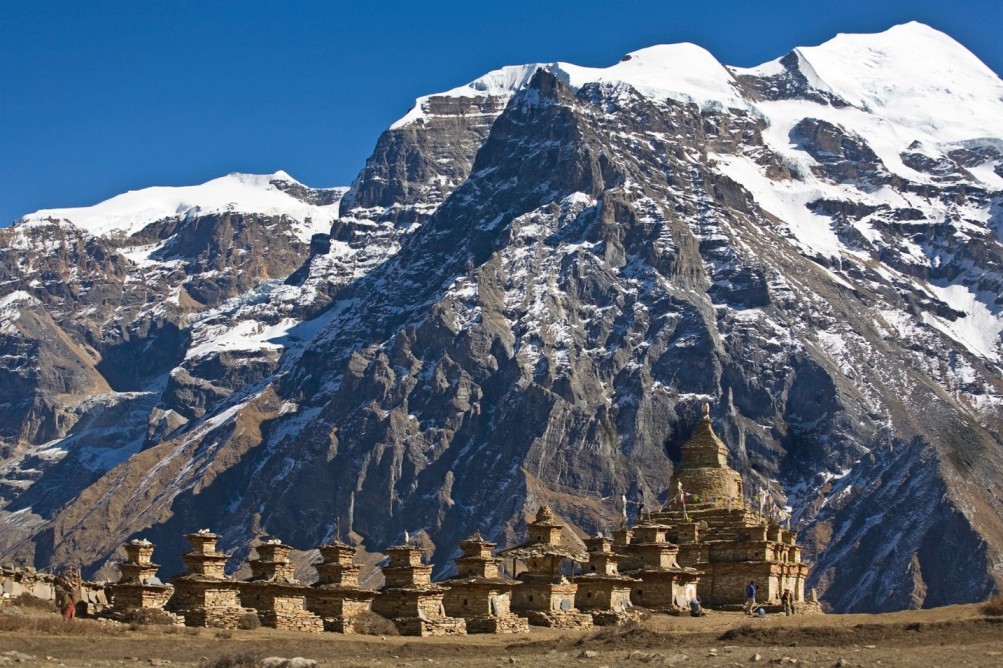
For years, there was one frustrating question for many independent travellers coming to Nepal. Solo Trekking in Nepal’s Restricted Areas has entered a new chapter. Individual foreign travellers can now obtain permits for designated restricted trekking areas in Nepal, making it easier for people who want to experience the remote Himalayas without first finding another trekking partner.
But there is an important detail to understand: solo trekking does not mean trekking without a guide or trekking agency. Travellers still need to arrange the trek through a registered trekking agency and travel with a licensed guide.
“What if I want to trek in a restricted area, but I am travelling alone?”
You could be an experienced trekker. You could be comfortable walking for days in the mountains. You could prefer your own company rather than travelling in a large group. But for several restricted trekking areas of Nepal, travelling alone was not permitted under the previous system.
That has now changed.
Nepal has revised its trekking permit rules and opened the possibility for individual foreign trekkers to obtain permits for designated restricted areas. However, there is an important detail that every traveller should understand solo trekking does not mean trekking completely alone without a guide or trekking agency.
Individual trekkers still need to arrange the trek through a registered trekking agency and travel with a licensed trekking guide. The agency also has responsibility for emergency rescue and logistical arrangements.
For us at Igloo Himalaya Treks, this is an exciting change because some of Nepal’s most remote landscapes can now become more accessible to travellers who do not already have a trekking partner. And this is where the real story begins.
What Does “Solo Trekking” Actually Mean?
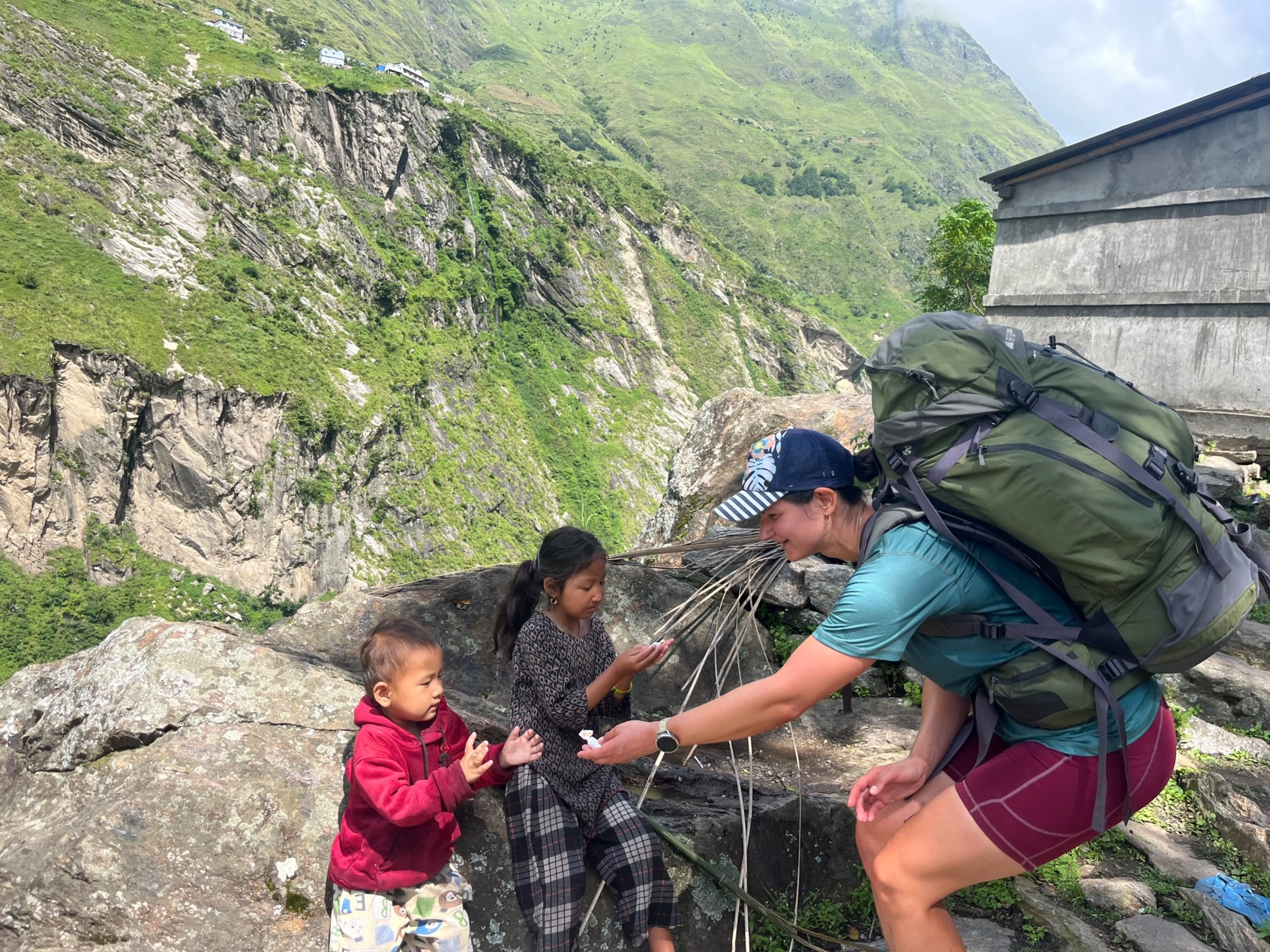
This is probably the first thing you should understand.When people hear solo trekking, they often imagine putting a backpack on, walking into the mountains alone and deciding where to sleep each night. That is not what the new rule means for Nepal’s restricted areas.
You can now travel as an individual foreign trekker, rather than needing to find another foreign traveller simply to satisfy the previous group requirement.
But you still need,
- A registered trekking agency
- A licensed trekking guide
- The required restricted-area permit
- Other permits required for the particular region
- Proper trekking arrangements and logistics
The Department of Immigration says the revised system applies to restricted areas in multiple districts, including destinations such as Manaslu and Tsum Valley, Upper Mustang, Upper and Lower Dolpa, and Nar Phu Valley Trek.
So, in simple words,
You can come to Nepal alone without needing to find another trekker to join your permit group.But you are not expected to disappear into a restricted Himalayan valley completely by yourself. And honestly, that distinction makes sense.
Why This Change Matters to Independent Travellers
There is a special feeling that comes with travelling alone. You choose your own pace.You can stop for ten minutes because the mountain in front of you suddenly looks different. You can sit outside a small teahouse with a cup of tea and watch clouds move across the valley. You don’t have to worry about whether everyone in a group wants to walk faster or slower.
For many travellers, this freedom is the reason they travel. But remote Himalayan regions are different from an ordinary hiking destination. There are long distances between settlements. Weather can change quickly. Communication can be limited. Some trails are remote and physically demanding. That is why the new system keeps the guide and agency requirement in place.
You can travel independently as a traveller, while still having local support when you actually need it. That is an important difference.
The Restricted Areas Are Not the Same as Everest Base Camp
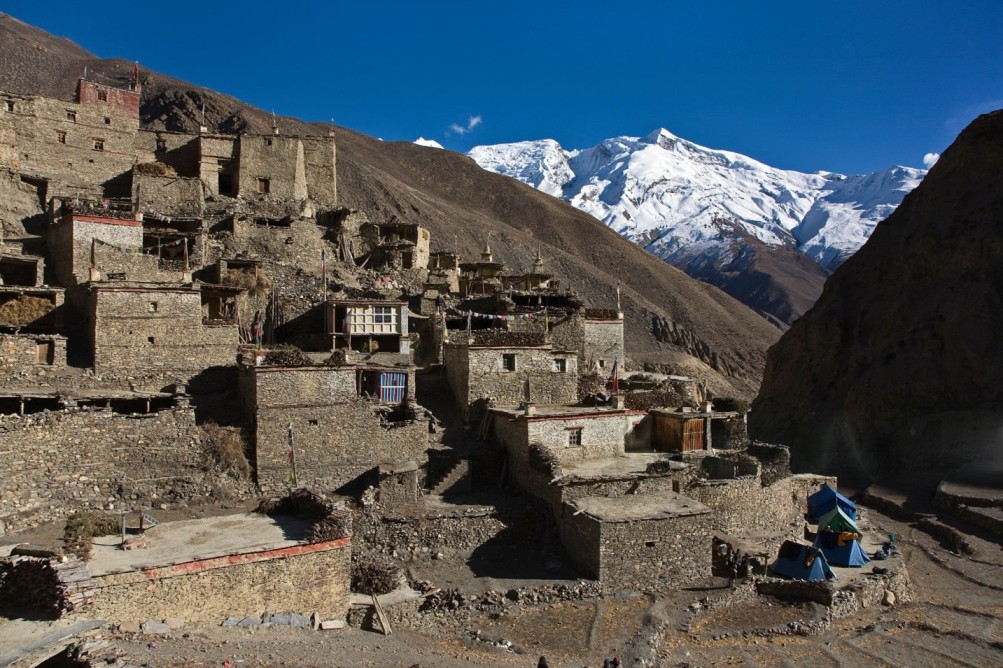
This is something we want travellers to understand before they book. Everest Base Camp is famous around the world. Annapurna Circuit has become one of Nepal’s best-known long-distance treks. Restricted areas are different. In places such as Manaslu, Tsum Valley, Nar Phu Valley Trek, Upper Mustang and Dolpo, the journey can feel much more remote.
You may walk for hours without seeing another international trekking group. You may pass through villages where traditional life is still closely connected to the mountains. You may sleep in a simple teahouse where the evening conversation is not about Wi-Fi or social media, but about the weather, the trail and tomorrow’s walk.
That is what attracts many experienced trekkers to these regions.They are not necessarily looking for another famous photograph. They want to experience a different side of Nepal.
Manaslu: A Natural Choice for the Solo Traveller
Among Nepal’s restricted-area treks, Manaslu deserves special attention. The Manaslu region combines high Himalayan scenery, traditional villages, Buddhist culture, suspension bridges, changing landscapes and challenging mountain trails.
The restricted section of the Manaslu region is within Gorkha’s Chumnubri Rural Municipality. The current immigration fee schedule lists separate restricted-area permit fees for the Manaslu region, with different rates depending on the season and length of stay. But numbers do not explain why people fall in love with Manaslu. You understand that after several hours of walking. The road disappears. The valley becomes quieter. The mountains begin to feel much larger. And eventually you realize that you are no longer simply visiting Nepal. You are moving through a landscape that has its own rhythm.
Tsum Valley: A Different Kind of Himalayan Experience
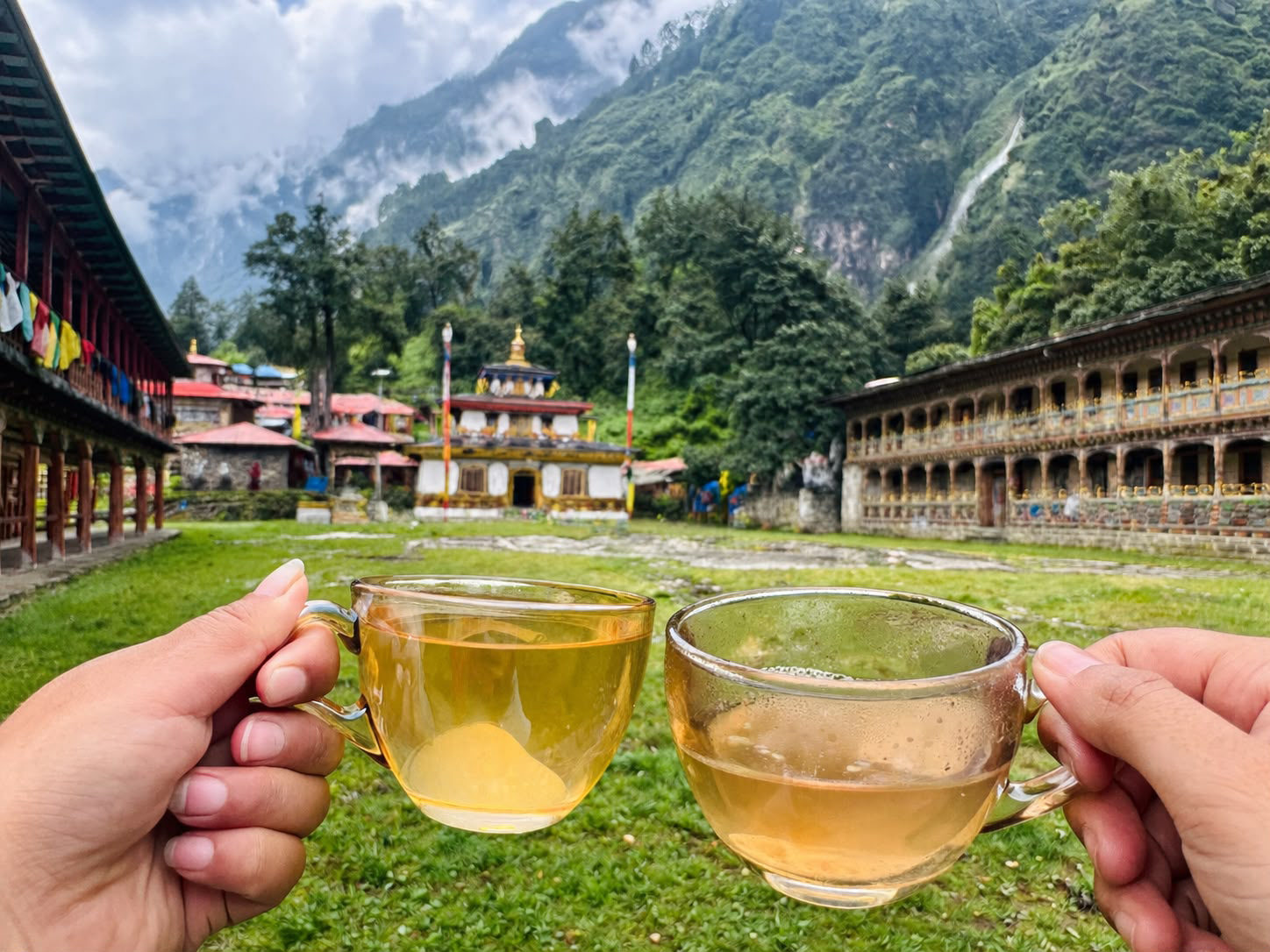
Tsum Valley is another destination that becomes particularly interesting for independent travellers. It is not simply about walking from one point to another. The valley has a strong Tibetan Buddhist cultural character, ancient monasteries and villages surrounded by dramatic Himalayan landscapes.
The current restricted-area permit schedule lists Tsum Valley separately, with seasonal permit rates for the September–November period and another rate for December–August. For a traveller who wants something quieter and culturally rich, Tsum Valley can be a very different experience from Nepal’s more heavily travelled routes. And travelling as an individual can make the journey feel even more personal.
Upper Mustang: The Himalayan Landscape That Doesn’t Look Like Nepal
Then there is Upper Mustang.
If someone showed you photographs of Upper Mustang without telling you where they were taken, you might not immediately guess Nepal. The landscape becomes dry, dramatic and almost desert-like. Red cliffs. Deep valleys. Ancient villages. Monasteries. Wind-shaped landscapes. And behind it all, the Himalayas.
Upper Mustang has a completely different personality from the green lower valleys of Nepal. The current permit system continues to treat Upper Mustang as a restricted area, with a specific permit fee structure. For a solo traveller, this is not simply about having permission to travel alone.
It is about having the opportunity to experience one of Nepal’s most distinctive regions without first having to find another traveller to complete a group.
But We Don’t Think “Solo” Means “Alone”
This is where our philosophy at Igloo Himalaya Treks is a little different. We understand why people want to travel solo. Sometimes you don’t want a group of fifteen people. Sometimes you don’t want to follow somebody else’s schedule. Sometimes you simply want the mountain to yourself.
We understand that. But we also believe that having a good local guide does not take away from a solo adventure. Quite often, it adds to it. Your guide can tell you why a village is built the way it is. He can explain the monastery you are looking at. He knows where the trail becomes difficult. He knows which teahouse has a warm dining room. He knows when the weather is changing.
And when you are tired after a long day, having someone local who understands the mountains can make a huge difference. You may arrive in Nepal alone. You don’t have to experience Nepal without local support. That is the difference.
Why a Small Local Trekking Company Matters
A restricted-area trek is not something we believe should be treated like a simple booking transaction. There are permits. There are guide arrangements. There are transportation connections. There are accommodation arrangements. There are changing mountain conditions. And there is always the question:
What happens if something doesn’t go according to plan?
This is where working with a local company can be valuable. At Igloo Himalaya Treks, we are based in Nepal. We know that a trekking itinerary is not just a list of villages copied from one website to another. A real trek changes with the mountain.
Sometimes the weather changes. Sometimes a road condition changes your transportation plan. Sometimes a traveller needs an extra acclimatization day. Sometimes the best decision is simply to slow down. We would rather explain these realities before your trek than pretend that everything in the Himalayas always goes perfectly.
What Has Actually Changed?
The major change is that individual foreign travellers can now obtain permits for designated restricted areas where the previous system required groups of at least two. However, the requirement to use a registered trekking agency and licensed guide remains.
The revised system also introduced a guide-to-trekker limit of up to seven trekkers per guide and moved permit applications toward a digital process. So if you are planning a restricted-area trek, don’t simply read a headline saying.
“Solo Trekking Is Now Allowed.”
Read the details.
Solo traveller? Yes.
No guide? No.
No trekking agency? No.
No permit? Definitely not.
The rules still matter.
Is This Good News for Experienced Trekkers?
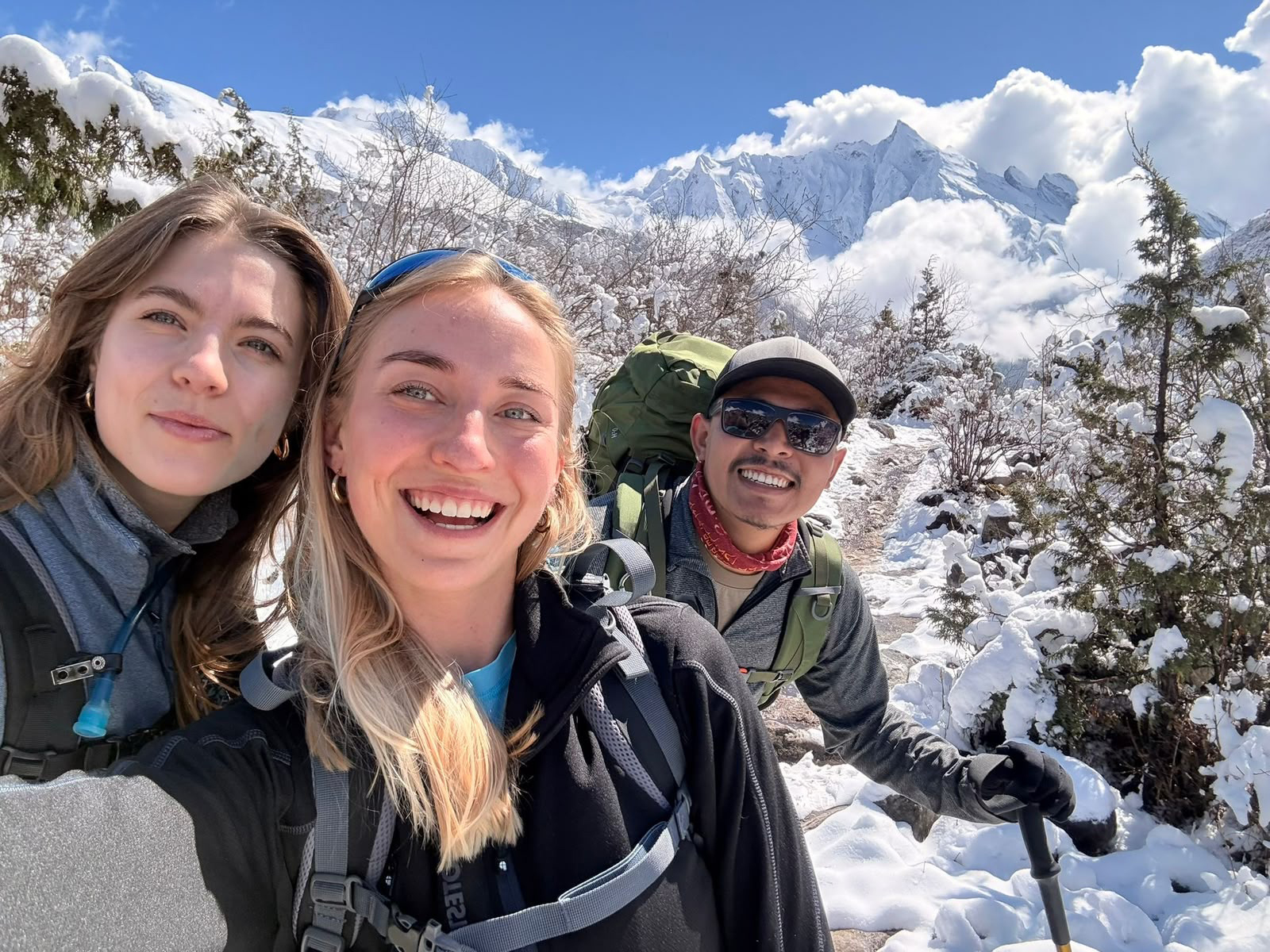
For travellers who have wanted to explore Nepal’s restricted areas but struggled to find a trekking partner, the change removes one important obstacle. You no longer need to wait for a friend to decide whether they want to spend two or three weeks walking through the Himalayas.
You can make the decision for yourself. You can contact a registered local agency. You can discuss the route. You can choose your trekking dates. And you can begin preparing for the journey. The mountains are still demanding. The permits are still required. The guide is still part of the journey. But your lack of a travel partner no longer has to be the reason you stay home.
The Question We Would Ask You
Before booking a restricted-area trek, we would not ask.
“Are you travelling alone?”
We would ask.
“What kind of Himalayan experience are you looking for?”
Do you want dramatic mountain scenery?
Do you want Buddhist culture?
Do you want remote villages?
Do you want a physically challenging trek?
Do you want fewer tourists?
Do you want photography?
Do you want to spend more time in the mountains?
Your answer can help determine whether Manaslu, Tsum Valley, Nar Phu, Upper Mustang, Dolpo or another route makes sense for you. Because the right trek is not always the most famous trek. Sometimes it is the one that matches the reason you came to Nepal in the first place.
If You Are Coming to Nepal Alone
Don’t worry about finding another stranger online simply because you need somebody to complete a group. Start with your own idea. Tell us when you want to come. Tell us how many days you have. Tell us what kind of trekking experience you are looking for. Tell us about your previous trekking experience.Then we can talk honestly about what is realistic.
At Igloo Himalaya Treks, we don’t want your restricted-area trek to feel like you have simply purchased a package.


