Can you do the Everest View Trek in winter?
Yes, you can.
Winter is actually a very interesting time to walk in the Everest region. The trails are quieter, the air is usually dry and clear, and on a good morning the mountains can look incredibly sharp against the blue sky.
But winter is not for everyone.
The cold is real, especially in the early morning and after the sun goes down. You need warm clothes, good footwear and a little more patience if the weather affects your Lukla flight.
If you are thinking about doing the Everest View Trek in winter, this guide will give you the honest picture.
At Igloo Himalaya Treks, we do not want to tell you that winter is simply perfect or easy. Every season has its good and difficult sides. Our job is to help you understand what you are actually going to experience so you can decide whether winter is right for you.
Is Everest View Trek Possible in Winter?
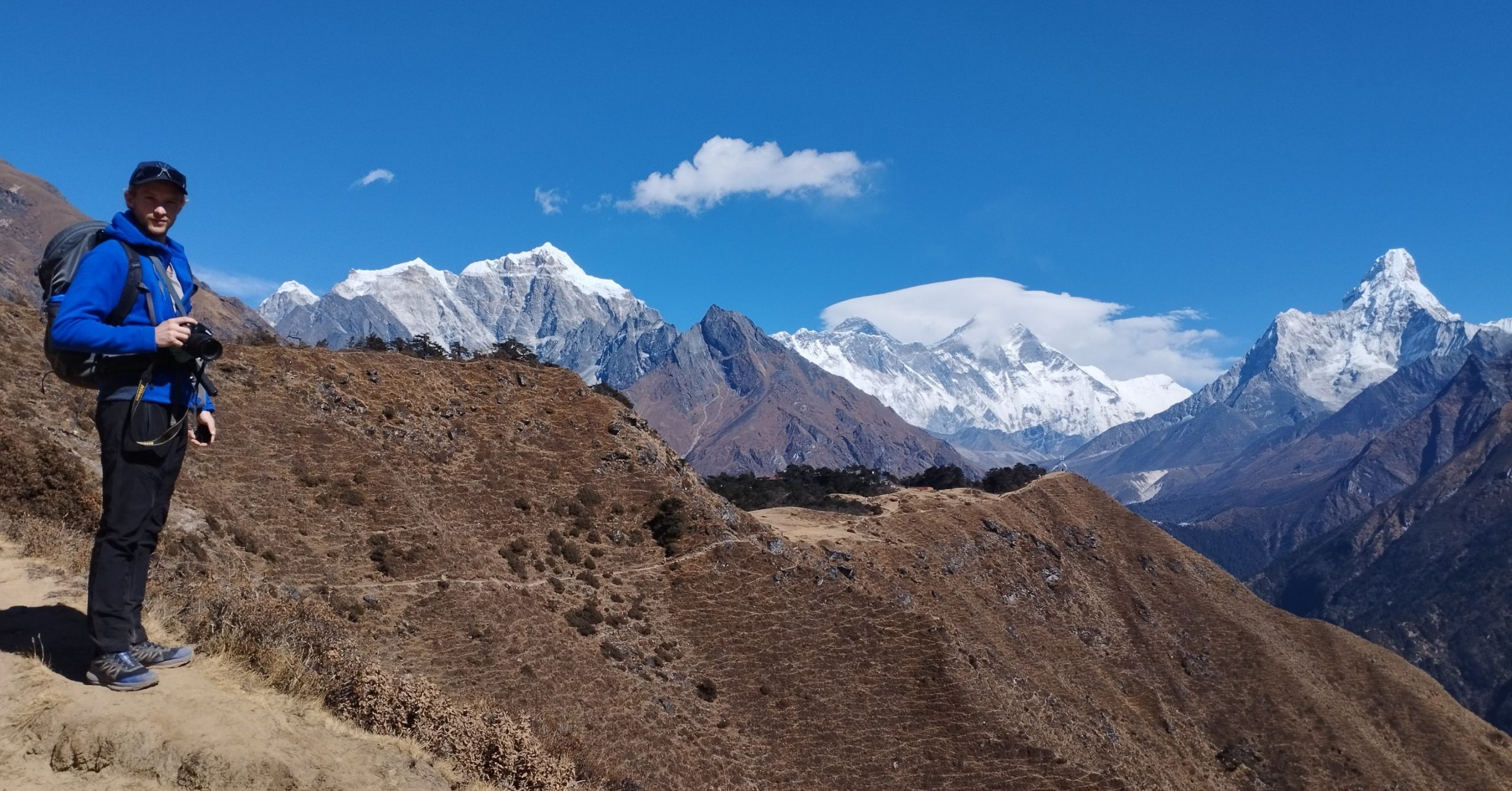
Yes, the Everest View Trek is possible during December, January and February.
The route to Namche Bazaar and the Everest View area does not involve a high mountain pass, and the maximum altitude is around 3,880 meters. This makes it a more manageable winter option than longer Everest routes that continue much higher.
However, winter conditions should still be taken seriously.
Cold temperatures, icy sections, snow, shorter daylight hours and changing mountain weather can make the trek more demanding than it feels during spring or autumn.
Some accommodation options may also operate differently during the quieter winter months, so planning ahead is important.
The important thing is not to ask:
“Is winter trekking safe?”
The better question is:
“Am I properly prepared for winter trekking?”
With suitable clothing, a realistic itinerary and an experienced local guide, the Everest View Trek can be a rewarding winter adventure.
Why Trek Everest View Trek in Winter?
There is something very different about the Everest region in winter.
The busy autumn trekking season has passed.
The trails become quieter.
The villages are calmer.
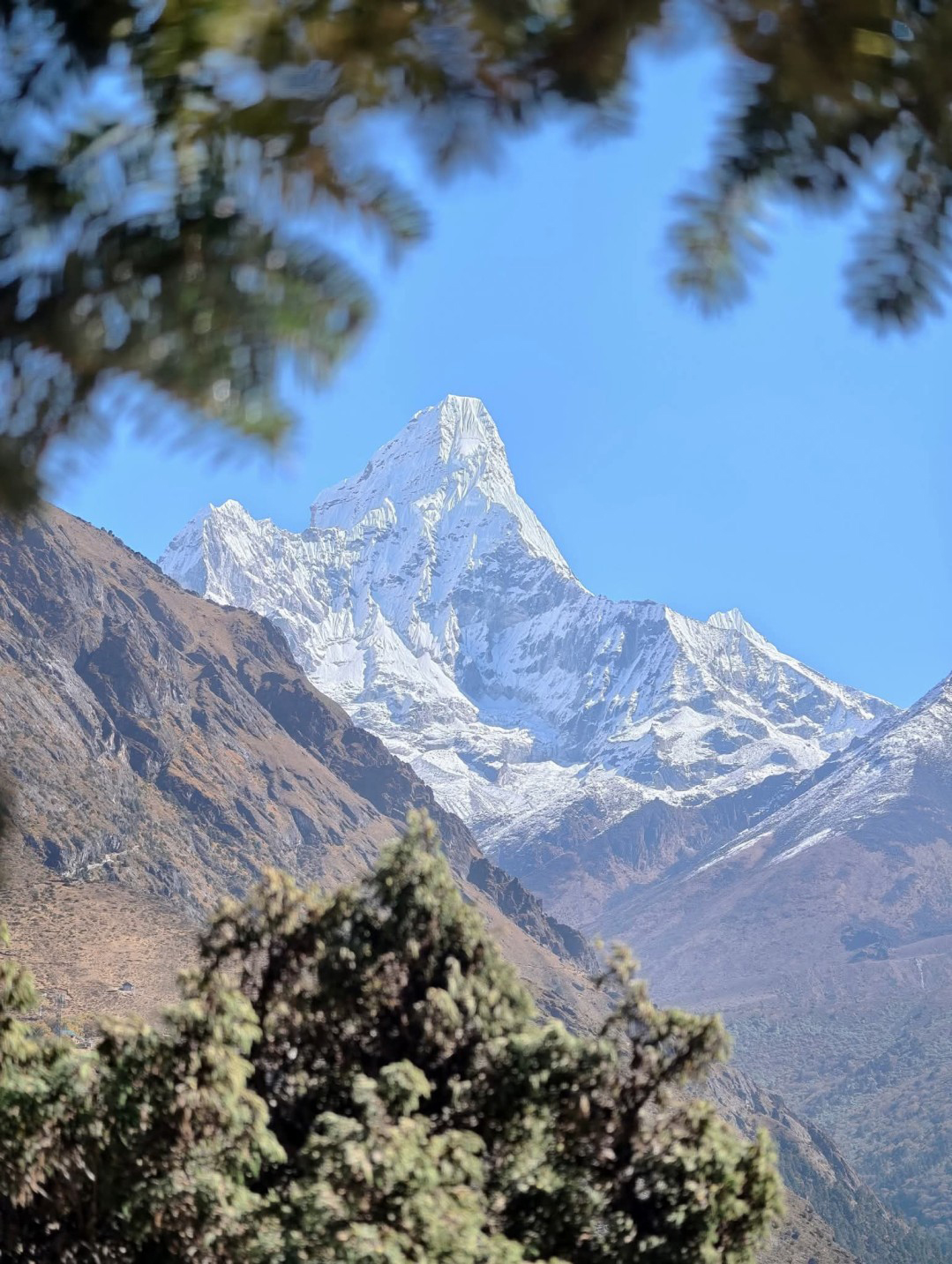
And when the weather is clear, the mountain views can be outstanding.
You may walk for a while without seeing a large group of trekkers in front of you.
Instead, you hear your own footsteps, the wind moving through the trees and the occasional sound of a yak bell.
That quieter atmosphere is one of the biggest reasons some travelers choose winter.
The Mountains Can Look Exceptionally Clear
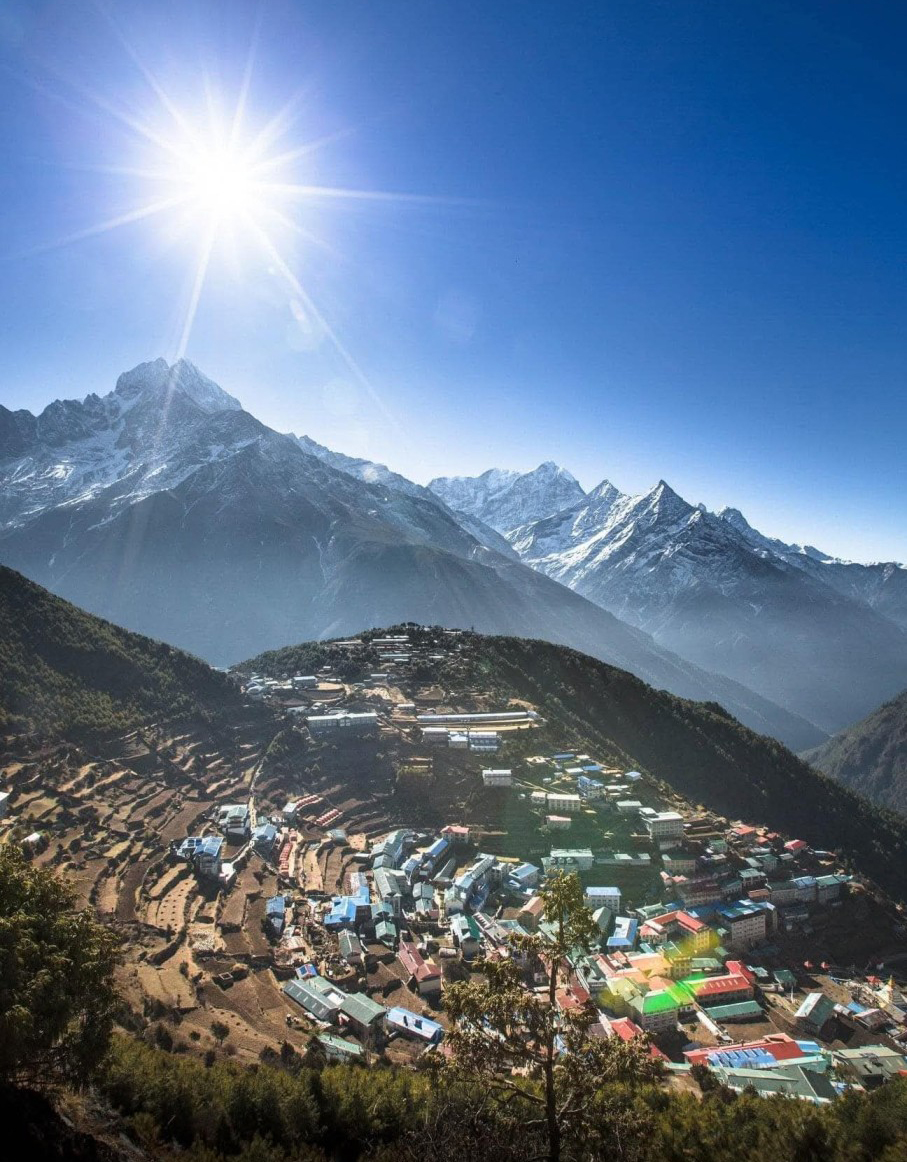
Winter air in the Everest region is generally dry, and clear days can offer excellent visibility.
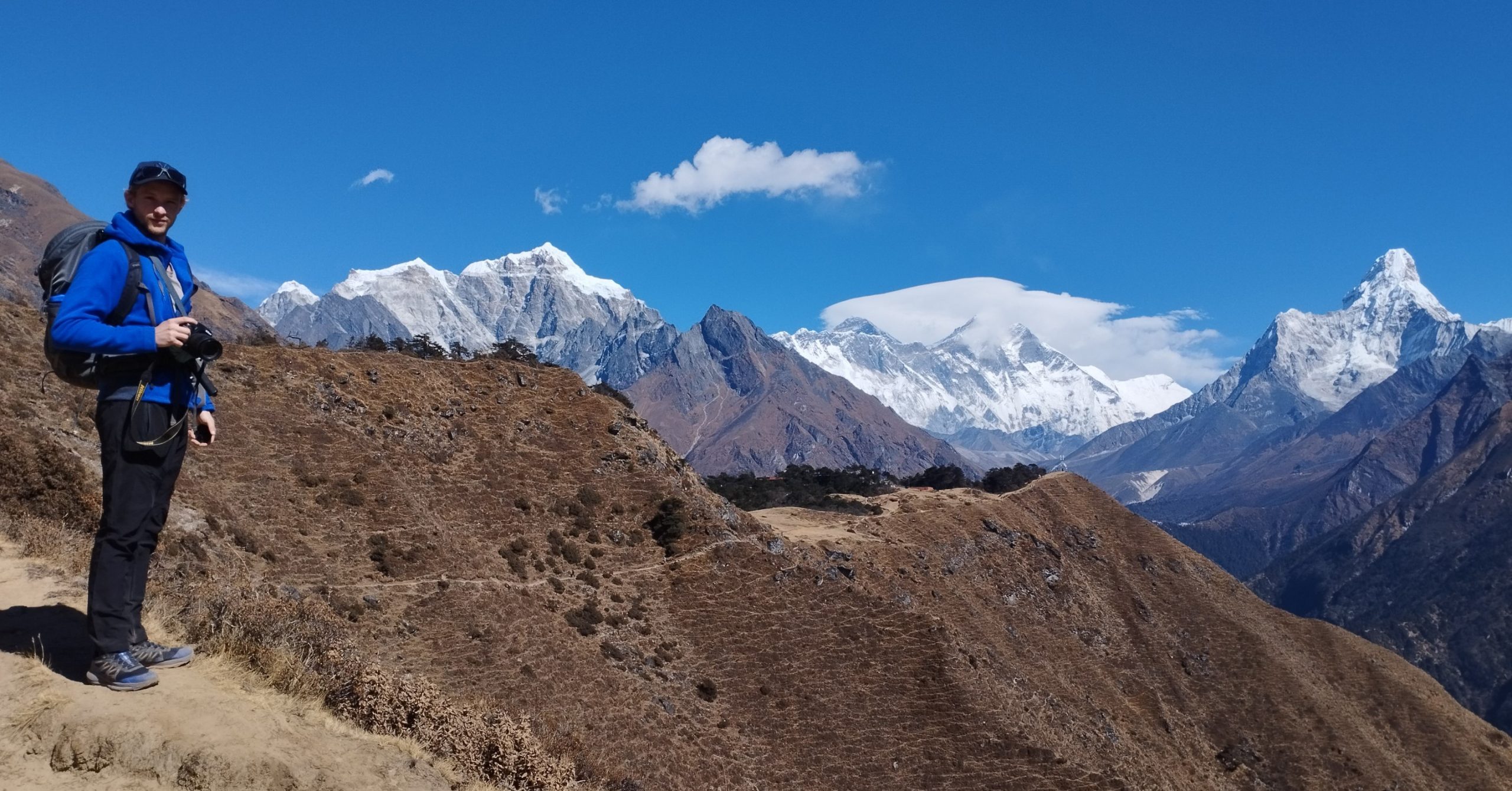
From the Everest View area, Like Syangbuche view point, Sagarmatha National Park view point known as a Tengzing Norgey Sherpa View point you may see Mount Everest together with Ama Dablam, Lhotse, Nuptse, Thamserku and other surrounding peaks.
Of course, nobody can promise clear weather every day.
Mountains have their own plans.
But when a winter morning is clear, the views can be spectacular. Winter is widely noted for clear skies and fewer trekkers in the Everest region.
Fewer People on the Trail
If you do not enjoy crowded trekking trails, winter can be attractive.
October and November are popular months, and the Everest trails can become busy.
Winter is much quieter.
For some people, that is a huge advantage.
You can spend more time enjoying Namche Bazaar, take photographs without a crowd around you and experience the mountain villages at a slower pace.
A More Peaceful Khumbu
The Everest region feels different when fewer trekkers are around.
You may have a quieter breakfast.
You may sit by a warm stove in the evening and talk with your guide.
You may walk through Namche without the busy atmosphere found during peak season.
It is not necessarily better than autumn or spring.
It is simply different.
And if you like peaceful travel, you may love it.
How Cold Is the Everest View Trek in Winter?
This is probably the most important question.
Winter temperatures vary according to altitude, weather and time of day.
At Namche Bazaar, winter days can be cold but manageable when the sun is out, while nights can fall well below freezing. Higher areas around Syangboche and the Everest View area are colder, especially after sunset. Published winter guides commonly report freezing or sub-freezing conditions around Namche and significantly colder nights at higher elevations.
You should therefore expect:
- Cold mornings
- Cold evenings
- Freezing nights
- Stronger wind at exposed viewpoints
- Possible ice or snow on parts of the trail
- Big temperature differences between sunlight and shade
The important thing to understand is that winter does not mean you will be freezing every minute of the day.
A sunny winter afternoon can feel surprisingly comfortable while walking.
The moment the sun disappears, however, you will notice the difference.
That is why layers are so important.
Everest View Trek in December
December is the beginning of winter conditions in the Khumbu.
The temperatures are dropping, but the trails can still be comfortable for properly prepared trekkers.
One of the biggest attractions is the combination of fewer people and good potential for clear mountain views.
If you are planning a December trek, bring a proper warm jacket and be prepared for cold mornings and nights.
Early December can feel somewhat different from late December, so exact conditions depend on the year and current weather.
Is December a Good Month for Everest View Trek?
Yes, especially if you:
- Prefer quieter trails
- Do not mind cold mornings
- Want good mountain visibility
- Are prepared with warm clothing
- Have some flexibility with flights
If you dislike cold weather, spring may be a better choice.
Everest View Trek in January
January is normally one of the coldest parts of the winter season.
This is not the month to come with only a light jacket.
You should have proper thermal layers, a warm insulated jacket, gloves, a warm hat and suitable footwear.
But January also has a special attraction.
The trails are quiet.
The air can be very clear.
And when the sky is blue, the mountains can look incredibly sharp.
If you are comfortable with cold weather and want a quieter Everest experience, January can be rewarding.
If this is your first cold-weather trek, however, we recommend preparing carefully rather than treating January like an ordinary hiking holiday.
Everest View Trek in February
February is still winter, but the first signs of spring begin to appear toward the end of the month.
The weather can remain cold, particularly at night, but conditions gradually begin to improve as the month moves toward March.
February can be a good choice for travelers who want some of the quiet atmosphere of winter without waiting until the main spring season.
Again, conditions vary from year to year.
Mountain weather does not follow a perfect calendar.
Winter Weather on the Everest View Trek
The weather is one of the main things to consider before booking a winter trek.
A typical winter day may look like this:
Cold morning → sunny walking conditions → cold shade → beautiful afternoon views → very cold evening
You need to be ready for all of it.
The good news is that winter in the Everest region is generally much drier than the monsoon season.
The downside is the cold.
That is the trade-off.
Can You See Mount Everest in Winter?
Yes.
In fact, clear winter weather can provide excellent mountain visibility.
From the Everest View area around Syangboche, you can look across the Khumbu landscape toward Mount Everest and the surrounding peaks.
But remember one important thing:
A trekking company cannot control the clouds.
We can choose a good season.
We can start early.
We can plan the route carefully.
But nobody can guarantee that Everest will be visible on a particular morning.
That is why we prefer to be honest with our guests.
The mountains decide the final photograph.
Does It Snow During the Everest View Trek in Winter?
Snow is possible during winter, particularly at higher sections of the route.
However, snowfall is not guaranteed every day.
You may find a completely dry trail during one winter visit and snowy or icy sections during another.
This is one reason why proper footwear and warm clothing are important.
If there has been recent snowfall, your guide will assess the trail and conditions before continuing.
Do not assume that a little snow automatically means the trek must stop.
At the same time, do not underestimate icy conditions.
Walking carefully is much more important than walking quickly.
Is Everest View Trek Difficult in Winter?
The basic Everest View Trek is generally considered an easy-to-moderate trek.
Winter adds another challenge: cold.
The route itself does not suddenly become a technical climb because it is December.
But cold temperatures can make walking more tiring.
Icy trails may require extra attention.
Getting dressed and undressed can become part of your daily routine.
And you may not feel like leaving your warm teahouse in the morning.
That is normal.
Winter trekking is less about being extremely strong and more about being properly prepared.
Is Everest View Trek in Winter Suitable for Beginners?
Yes, but with a condition.
You should be a reasonably fit beginner who understands that winter trekking is colder and potentially more unpredictable than spring or autumn.
If this is your first Himalayan trek and you are uncomfortable with cold weather, we would normally recommend spring or autumn instead.
If you enjoy cold weather, prepare properly and have a flexible attitude, winter can still be a very good introduction to the Everest region.
You do not need mountaineering experience.
You need common sense, preparation and a steady walking pace.
What Should You Pack for Everest View Trek in Winter?
Your winter packing list needs to be more serious than a normal summer trekking list.
We recommend carrying:
Clothing
- Thermal base layer
- Warm fleece jacket
- Insulated/down jacket
- Waterproof and windproof jacket
- Warm trekking trousers
- Thermal leggings
- Warm socks
- Warm hat or beanie
- Gloves
- Buff or neck warmer
- Sun hat
Footwear
- Good trekking boots
- Warm trekking socks
- Comfortable footwear for the evening
Your boots should already be broken in.
Do not arrive in Nepal with brand-new boots and expect your feet to be happy after several hours of walking.
Other Important Items
- Sunglasses
- Sunscreen
- Lip balm
- Water bottle
- Headlamp
- Trekking poles
- Backpack rain cover
- Personal medication
- Small first-aid kit
- Power bank
- Passport and travel documents
A complete packing guide can be found in our Everest View Trek Packing List.
Do You Need a Sleeping Bag in Winter?
A warm sleeping bag can make a big difference during winter.
Teahouses provide beds and blankets, but nights at altitude can be cold.
Whether you need to bring your own sleeping bag or whether one is provided depends on your trekking package.
Check this with Igloo Himalaya Treks before departure.
If you are bringing your own, choose a sleeping bag appropriate for the expected temperatures.
Do not assume that a normal summer sleeping bag will be enough.
What Are the Teahouses Like in Winter?
Winter accommodation can feel different from peak season.
Some teahouses may operate with fewer rooms or limited services.
In the evening, the dining room is often the warmest place in the lodge.
Trekkers naturally gather around the stove.
This can actually become one of the nicest parts of winter trekking.
After a cold day outside, sitting with your guide and other travelers around a warm stove, drinking tea and talking about the day’s walk feels very different from staying in a busy city hotel.
Do not expect luxury.
Expect warmth, simple food, a bed and a place to rest.
That is part of the mountain experience.
Are Tea Houses Open in Winter?
Many lodges on the main Lukla–Namche route operate during winter, but availability can be more limited than during peak trekking seasons.
Some smaller establishments may close or reduce their services.
This is another reason to plan your accommodation in advance and travel with a local trekking company that knows the current situation.
Conditions can change from season to season.
Are Lukla Flights Available in Winter?
Yes, Lukla flights operate during winter.
However, flights to mountain airports are always affected by weather and visibility.
Winter can bring clear mornings, but fog, wind and changing weather can still cause delays or cancellations.
Do not build your international flight schedule too tightly around your Lukla return.
We recommend leaving some buffer time.
If your Lukla flight is delayed, our team will help you understand the available options and adjust the plan as needed.
A little flexibility can save a lot of stress.
Is Everest View Trek Safe in Winter?
Winter trekking requires more preparation, but that does not mean the trek should be considered automatically unsafe.
The most important things are:
- Proper warm clothing
- Good footwear
- A sensible itinerary
- An experienced guide
- Weather awareness
- Adequate hydration
- Careful walking on icy sections
- Listening to your body
Altitude is still important even though the trek does not reach Everest Base Camp.
The highest point is around 3,880 meters, so you should still pay attention to how you feel.
If you have a headache, dizziness, unusual tiredness or other concerning symptoms, tell your guide immediately.
Do not try to hide symptoms because you are worried about slowing the group down.
Your health comes first.
What Is the Best Month for Everest View Trek in Winter?
If you specifically want winter, there is no single perfect month for everyone.
December
Good choice for travelers who want winter conditions without waiting until the coldest part of the season.
January
Best suited to people who are comfortable with serious cold and want very quiet trails.
February
Still cold, but conditions gradually begin moving toward spring toward the end of the month.
If your priority is warmth and easier conditions, choose spring or autumn.
If your priority is quiet trails and winter atmosphere, December to February can be a good choice.
Winter vs Autumn: Which Is Better?
This depends on what you want.
| Everest View Trek | Winter | Autumn |
| Crowds | Low | Higher |
| Temperature | Cold | More comfortable |
| Mountain views | Often excellent when clear | Excellent |
| Snow possibility | Higher | Lower |
| Teahouse availability | More limited | Better |
| Flight flexibility | Weather dependent | Weather dependent |
| Atmosphere | Quiet and peaceful | Lively and busy |
| Best for | Cold-loving travelers | Most first-time trekkers |
For a first-time trekker who simply wants the easiest overall conditions, autumn is usually the safer choice.
For someone who wants solitude and does not mind the cold, winter can be special.
Why Choose Everest View Trek Instead of Everest Base Camp in Winter?
Winter makes a shorter Everest trek even more attractive for some travelers.
The Everest View Trek reaches around 3,880 meters.
Everest Base Camp is much higher.
That difference matters during winter.
The higher you go, the colder and more demanding the conditions become.
The Everest View Trek allows you to experience:
- Lukla
- Phakding
- Namche Bazaar
- Sherpa villages
- Sagarmatha National Park
- Everest View area
- Mount Everest
- Ama Dablam
- Lhotse
- Nuptse
without continuing all the way toward Base Camp.
If you have limited time and prefer a lower-altitude winter adventure, this can be a very sensible choice.
What Does a Winter Day on the Trek Feel Like?
This is something a weather table cannot really explain.
You wake up early.
The room is cold.
You put on your warm layers before leaving your sleeping bag.
Breakfast feels especially good because you know you are about to walk outside.
Once the sun reaches the trail, things change.
You start walking.
Your body warms up.
You may take off your fleece.
The sky is blue.
The mountains become clearer with every step.
Then you stop for lunch.
The moment you stop moving, you feel the cold again.
By evening, you are happy to be inside the teahouse.
You drink hot tea.
You sit near the stove.
You talk about the day’s walk.
That is winter trekking.
It is cold.
It is simple.
And for the right traveler, it is beautiful.
Why Trek With Igloo Himalaya Treks in Winter?
Winter trekking needs a little more planning than simply following a normal itinerary.
As a local Nepal trekking company, we can help you prepare for the conditions before you leave Kathmandu.
We can discuss:
- What clothes you really need
- What equipment you should bring
- What can be rented in Kathmandu
- Current trail conditions
- Flight conditions
- Accommodation availability
- Daily walking plans
- Weather changes
Our guides also pay attention to the condition of the group during the trek.
We do not want you rushing because you are worried about the itinerary.
If the weather changes, we discuss the situation and make the safest practical decision.
For us, a successful winter trek is not about proving that you can tolerate the cold.
It is about enjoying the Everest region safely.
Our Honest Advice About Everest View Trek in Winter
If you ask us, “Should I do Everest View Trek in winter?”, our answer is:
Yes, if you are prepared for the cold.
Winter can give you something that peak season cannot always provide.
Silence.
Space.
Clear mountain air.
Quiet trails.
But do not book a January trek expecting spring temperatures.
You need warm clothes.
You need good shoes.
You need flexibility with flights.
And you need to understand that mountain weather can change.
If you want comfortable temperatures and a more predictable trekking experience, choose spring or autumn.
If you want a quieter Everest region and do not mind cold mornings and freezing nights, winter may be exactly what you are looking for.
Everest View Trek in Winter: Frequently Asked Questions
Can I do Everest View Trek in December?
Yes. December is a possible month for the Everest View Trek. Expect cold mornings and nights and prepare with proper winter clothing.
Can I do Everest View Trek in January?
Yes. January is possible, but it is one of the coldest months. Proper winter equipment and flexible planning are important.
Is February a good time for Everest View Trek?
Yes. February can be a good winter option, especially later in the month as conditions begin to move toward spring.
Is Everest View Trek very cold in winter?
Yes, particularly at night and in the early morning. Higher areas around the Everest View/Syangboche region are colder than lower villages.
Can I see Everest in winter?
Yes. Clear winter days can provide excellent mountain visibility, although no company can guarantee clear views on a particular day.
Does it snow on Everest View Trek in winter?
Snow is possible, especially at higher sections, but the amount varies depending on weather conditions.
Are teahouses open in winter?
Many teahouses on the main route operate in winter, but some may close or offer reduced services. Advance planning is recommended.
Are Lukla flights available in winter?
Yes, but flights can still be delayed or cancelled because of weather and visibility. Keep flexibility in your itinerary.
Is Everest View Trek suitable for beginners in winter?
It can be, provided you are reasonably fit, properly equipped and comfortable with cold weather. First-time trekkers who dislike cold may prefer spring or autumn.
Do I need a guide for winter trekking?
We strongly recommend a local guide, especially in winter. A guide can help with route conditions, weather changes, accommodation and altitude awareness.
Is Everest View Trek worth doing in winter?
For the right traveler, absolutely.
If you want quiet trails, cold clear mornings and a more peaceful experience in the Khumbu, winter can be one of the most memorable times to visit.
Final Thoughts: Is Winter Right for You?
The Everest View Trek in winter is not about escaping the cold.
It is about accepting the cold and enjoying what comes with it.
The quiet trails.
The clear mornings.
The empty viewpoints.
The warm tea after a long walk.
The sound of the wind outside your teahouse.
And the moment you look up and see Everest standing clearly against the winter sky.
You do not need to be an experienced mountaineer to enjoy this trek.
You simply need to come prepared.
If you are planning an Everest View Trek in December, January or February, talk to the local team at Igloo Himalaya Treks about your travel dates. We can help you prepare the right clothing, understand the current conditions and arrange the trek according to your group and schedule.
Winter is cold. The Himalayas are worth it. Come prepared, walk slowly, and enjoy the mountains.


