Packing for the Everest View Trek does not need to be complicated.
You do not need a huge backpack full of expensive trekking equipment. You need the right clothes, comfortable footwear, protection from the sun and cold, and a few small things that can make your days in the mountains much easier.
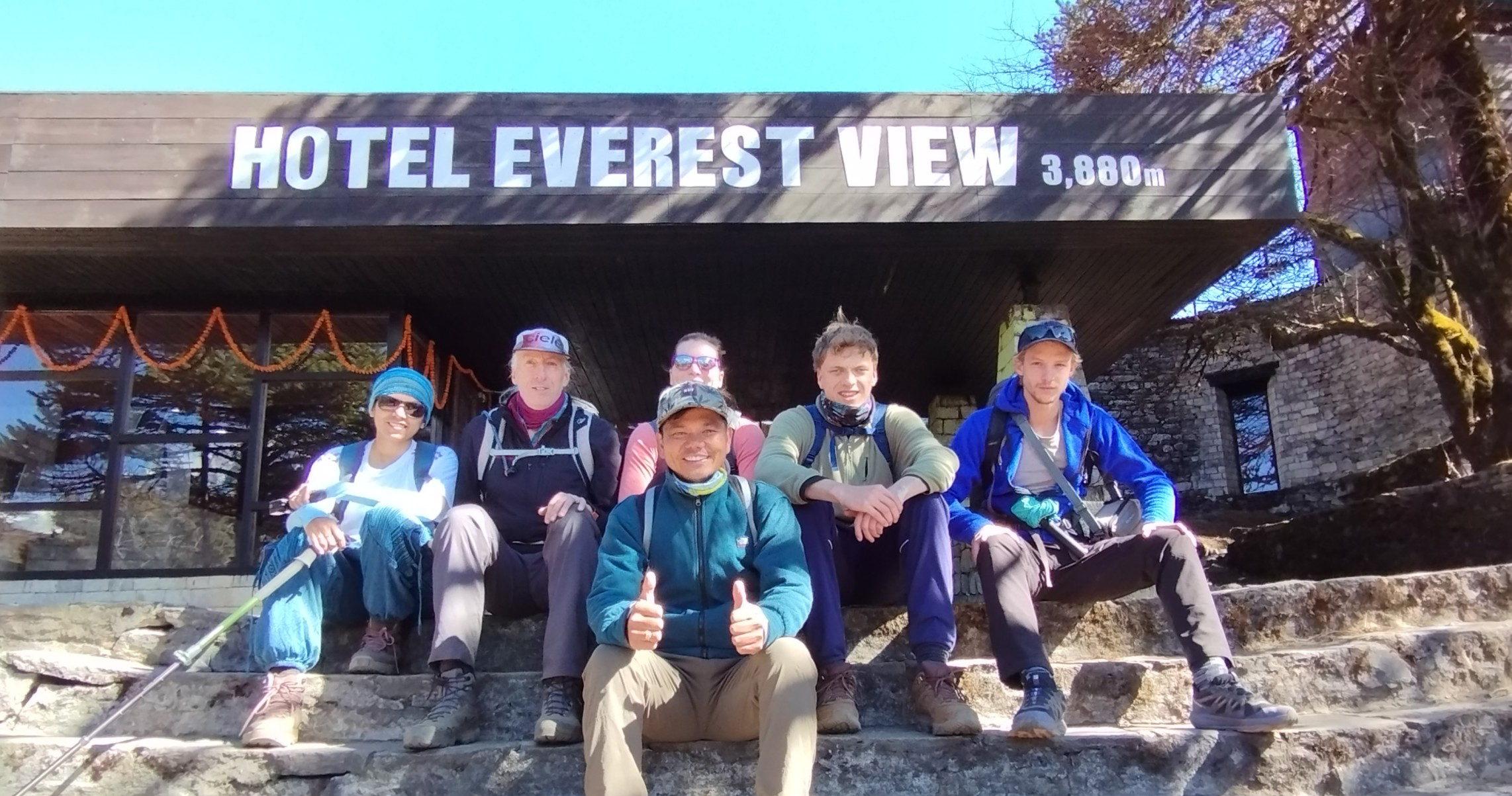
The Everest View Trek is a short trek, but the trail takes you from Lukla to Namche Bazaar and up to around 3,800–3,900 meters. Hotel Everest View 3880m. Khumjung 3870m. and Khunde 3900m.Weather can change quickly, mornings and evenings can be cold, and the same day can feel warm when you are walking and cold again when you stop.
That is why packing for the Everest View Trek is more about choosing the right things than carrying many things.
At Igloo Himalaya Treks, we often see first-time trekkers bringing too much luggage. They pack clothes for every possible situation and end up carrying things they never use.
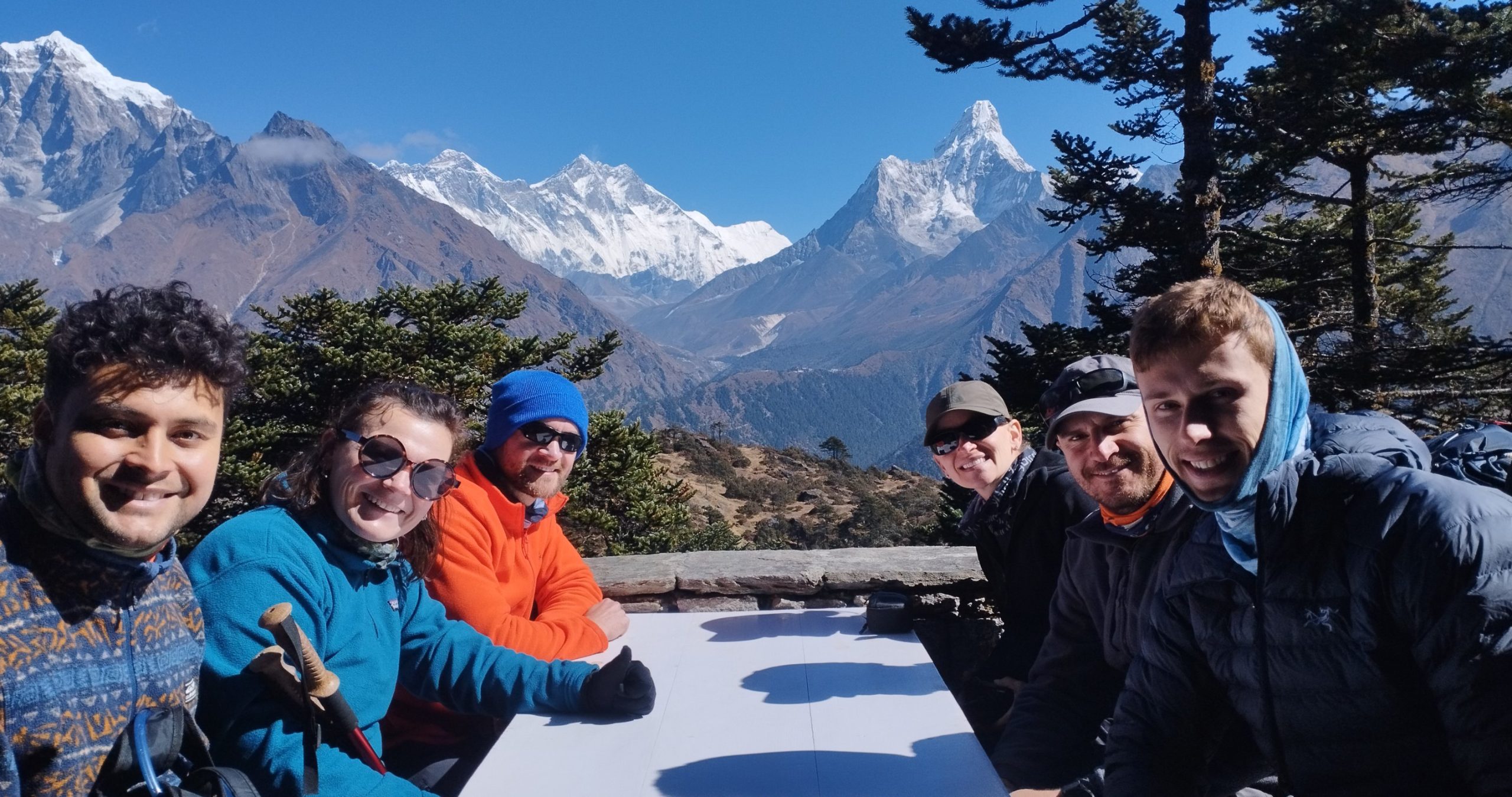
Our advice is simple:
Pack light, pack smart, and prepare for changing weather.
This Everest View Trek packing list explains what you actually need, what you may be able to rent in Kathmandu, and what you can comfortably leave at home.
Everest View Trek Packing List at a Glance
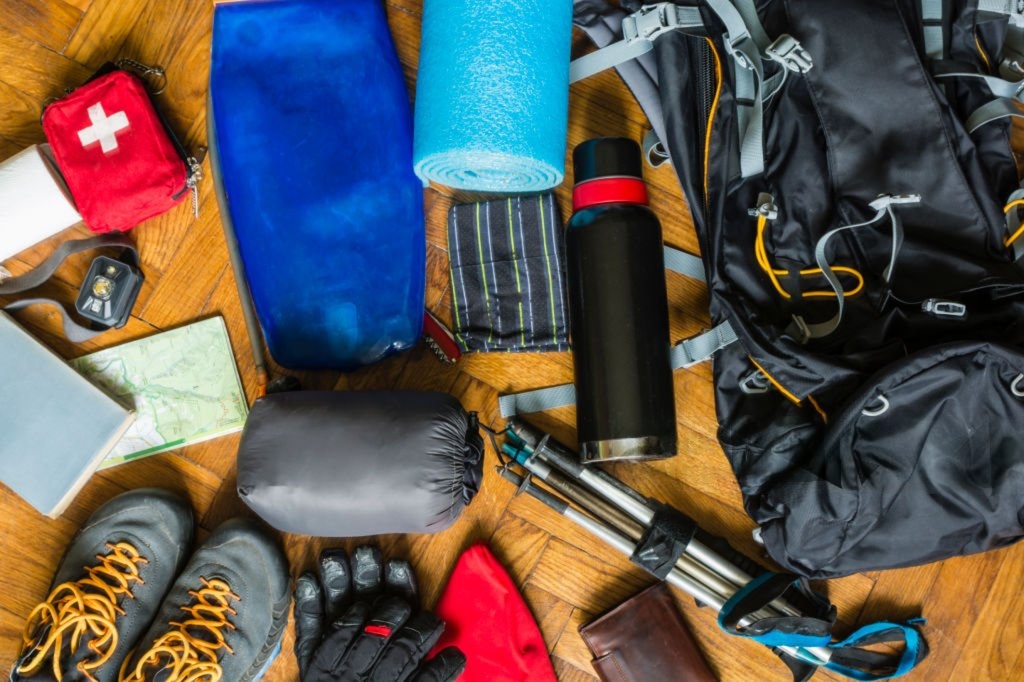
Before going through every item, here is the simple Packing Gear List.
Clothing
2–3 trekking T-shirts
1–2 long-sleeve shirts
1 thermal base layer
1 fleece or warm mid-layer
1 warm down or insulated jacket
1 waterproof and windproof jacket
2 pairs of trekking trousers
1 thermal bottom
4–5 pairs of trekking socks
Underwear
Warm hat or beanie
Sun hat or cap
Lightweight gloves
Buff or neck warmer
Footwear
Comfortable trekking boots
Extra trekking socks
Light sandals or shoes for the evening
Trekking Gear
Daypack
Duffel bag if using a porter
Trekking poles
Headlamp
Water bottle
Backpack rain cover
Small dry bags or waterproof bags
Personal Items
Sunscreen
Lip balm
Sunglasses
Personal toiletries
Hand sanitizer
Small towel
Toilet paper/tissues
Personal medication
Basic first-aid items
Documents and Electronics
Passport
Travel insurance documents
Passport-size photos if required
Some Nepali cash
Mobile phone
Camera
Power bank
Charging cables
Universal adapter
Now let’s look at each part in more detail.
-
Choose Your Clothes for Layering
The most useful idea when packing for the Everest View Trek is layering.
Do not take one extremely thick jacket and expect it to work in every situation.
Instead, carry a few layers that you can add or remove depending on the weather.
For example, you may start walking in a T-shirt in the morning. As you climb higher, you can put on a fleece. When you stop for lunch or reach Namche in the evening, you can add your warm jacket.
This is much more comfortable than wearing one heavy layer all day.
Base Layer
A thermal or moisture-wicking base layer is useful when temperatures become cold.
Choose something that dries reasonably quickly.
Try to avoid relying on ordinary cotton for your main trekking layers because cotton can stay wet after sweating and become uncomfortable in cold weather.
For a 7-day trek, one good thermal top and bottom is usually enough, with another base layer if you prefer extra comfort.
T-Shirts
Bring around two or three comfortable trekking T-shirts.
Quick-drying shirts are a good choice.
You do not need seven different shirts for seven days.
You are going to the mountains, not a fashion show.
Fleece Jacket
A fleece jacket is one of the most useful items in your bag.
It gives you warmth without taking up too much space.
You can wear it in the morning, in the evening or whenever the temperature drops.
Down or Insulated Jacket
A warm insulated jacket is highly recommended for the Everest View Trek.
Even though this is a shorter Everest trek, you will reach close to 4,000 meters, and evenings can feel very cold.
A lightweight down jacket is warm, easy to pack and useful when you are resting.
If you do not own one, ask us about rental options in Kathmandu before your trek.
Waterproof Jacket
Do not leave your waterproof jacket at home just because the weather forecast looks good.
Mountain weather can change quickly.
A waterproof and windproof outer layer can protect you from rain, wind and unexpected cold.
It is one of those items you may not use every hour, but you will be very happy to have it when you need it.
-
Trekking Trousers
Two pairs of comfortable trekking trousers are normally enough for a 7-day Everest View Trek.
Choose trousers that allow you to move easily.
You will be walking uphill, downhill and over uneven sections of trail, so comfort matters more than appearance.
For colder months, bring thermal leggings or a warm base layer that you can wear underneath.
You generally do not need heavy jeans for the trek.
In fact, we recommend leaving jeans in Kathmandu.
They are heavy, slow to dry and uncomfortable for long days on the trail.
-
Bring Good Trekking Boots
If there is one item you should take seriously, it is your footwear.
A good pair of comfortable trekking boots can make a huge difference.
Your boots should:
Fit properly
Have good grip
Be comfortable for several hours of walking
Give enough support
Be suitable for uneven trails
Be already broken in
Do not buy new boots at the airport or start the trek wearing completely new boots.
Blisters can turn a beautiful trek into a painful experience.
Wear your trekking boots several times before coming to Nepal.
Let your feet get used to them.
Do You Need Hiking Shoes or Boots?
For the Everest View Trek, comfortable trekking shoes or boots with good grip can work well.
The right choice depends on the season, your personal preference and the condition of the trail.
If you are trekking in colder or wetter conditions, waterproof boots can be especially useful.
-
Socks Matter More Than You Think
Bring around four or five pairs of good trekking socks.
Choose socks that are comfortable, breathable and suitable for hiking.
Avoid wearing the same wet socks for the entire day.
A dry pair can feel like a luxury after several hours of walking.
If you are prone to blisters, carrying thin liner socks can also be helpful.
-
Warm Hat, Gloves and Sun Hat
You will need protection from both cold and strong mountain sun.
Pack:
- One warm beanie
- One pair of gloves
- One sun hat or cap
- One buff or neck warmer
These items take very little space but can make a big difference.
The sun can feel strong at higher elevations even when the air is cold.
-
Sunglasses Are Essential
Do not forget sunglasses.
The mountain sun can be strong, and good sunglasses protect your eyes from bright sunlight and glare.
Choose comfortable sunglasses with good UV protection.
Keep them somewhere easy to reach during the day.
You may start the morning with cloudy conditions and find yourself walking under strong sunlight later.
-
Sunscreen and Lip Balm
The sun at altitude is stronger than many first-time trekkers expect.
Use sunscreen regularly on exposed skin, particularly your face, neck and hands.
Lip balm is also useful because cold air, wind and dry mountain conditions can quickly make your lips uncomfortable.
A small tube of sunscreen and lip balm takes almost no space in your bag.
There is no reason not to carry them.
-
Backpack for the Everest View Trek
You will normally need two bags if you are traveling with a porter:
A larger duffel bag for most of your clothes and equipment.
A smaller daypack for the things you need while walking.
Your daypack should be comfortable because you will carry it every day.
Keep items such as:
- Water
- Camera
- Phone
- Sunscreen
- Sunglasses
- Snacks
- Rain jacket
- Warm layer
- Personal medication
inside your daypack.
Do not fill it with things you will not use during the day.
A lighter daypack makes walking much more enjoyable.
-
Do You Need a Duffel Bag?
If you are using porter service, a durable duffel bag is usually more practical than a large hard suitcase.
Your porter will carry the main luggage between teahouses.
A soft duffel is easier to handle on the mountain trail.
Before your trek, ask Igloo Himalaya Treks what luggage allowance and bag arrangements apply to your particular package.
This is important because flight and porter arrangements can have specific weight limits.
-
Trekking Poles
Trekking poles are optional, but many people find them very useful.
They can help with:
- Uphill walking
- Long descents
- Uneven stones
- Stairs
- Balance
- Reducing some pressure on your knees
The descent toward Lukla can be tiring on the legs, and poles can be particularly helpful there.
If you have never used trekking poles before, practice with them before your trip.
-
Water Bottle and Hydration
Bring a reusable water bottle.
Staying hydrated is important during trekking, especially as you gain altitude.
You can discuss safe drinking-water options with your guide during the trek.
A bottle that is easy to refill is much more practical than carrying several disposable bottles.
We also recommend carrying water where you can easily reach it rather than putting it at the bottom of your backpack.
-
Headlamp
A small headlamp is useful even if you do not expect to walk at night.
You may need it if you wake up early, if the electricity goes out at the teahouse, or if you need to walk around outside after dark.
Bring spare batteries or make sure your rechargeable headlamp is fully charged.
It is a small item that can save you from searching through your bag in the dark.
-
Toiletries: Keep Them Small
You do not need a full bathroom cabinet.
Pack only what you actually use.
A simple toiletry kit can include:
- Toothbrush
- Toothpaste
- Small soap
- Small shampoo
- Face wash
- Hand sanitizer
- Wet wipes
- Toilet paper
- Small towel
- Personal hygiene products
- Moisturizer if needed
Use travel-size containers whenever possible.
Remember that everything you carry has to be transported to the mountains.
Small things add up.
-
Personal Medication and First Aid
Bring any medication that you normally use.
It is also sensible to carry a small personal first-aid kit.
This can include:
- Blister plasters
- Small bandages
- Basic pain relief
- Personal medication
- Oral rehydration salts
- Any medication recommended by your doctor
If you have a medical condition or take regular medication, speak with your doctor before traveling.
For altitude-related medication, do not take anything simply because another trekker recommends it. Speak with a qualified medical professional first.
-
Phone, Camera and Power Bank
You will probably want photographs.
The Everest region provides plenty of opportunities for them.
Keep your phone or camera protected from rain and cold.
A power bank can be very useful because charging may not always be as convenient as it is in Kathmandu.
Bring:
- Phone
- Camera
- Charging cable
- Power bank
- Spare memory card if needed
- Universal adapter
You do not need to bring every electronic device you own.
The mountains are a good place to disconnect for a while.
-
Travel Documents
Keep your important documents somewhere safe and waterproof.
Carry:
- Passport
- Travel insurance details
- Flight information
- Emergency contact details
- Copies of important documents
- Some Nepali cash
Keep digital copies of important documents on your phone or email as an additional backup.
-
Snacks for the Trail
You can buy food and snacks along much of the Everest route, but carrying a few of your favorite snacks from Kathmandu can be useful.
Good options include:
- Energy bars
- Nuts
- Chocolate
- Dried fruit
- Biscuits
You do not need a huge bag of food.
A few small snacks are enough for those moments when you want something between meals.
-
Sleeping Bag: Do You Need One?
A sleeping bag can be useful because mountain nights can be cold.
Whether you need to bring your own depends on the season, accommodation and what your trekking company provides.
If Igloo Himalaya Treks provides a sleeping bag Down Jacket Duffel Bag (but you have to return after trek ) as part of your package, you may not need to bring one from home.
Always confirm this before your departure.
There is no reason to carry a bulky sleeping bag halfway around the world if your trekking company already has one available.
-
What Should Women Pack?
Women can follow the same basic Everest View Trek packing list, with a few additional personal items depending on individual needs.
Consider bringing:
- Comfortable sports bras
- Personal hygiene products
- Quick-drying underwear
- Hair ties
- Small personal toiletries
- Any personal medication
- Comfortable sleeping clothes
For personal hygiene products, pack enough for the whole trip rather than depending on finding a particular brand in the mountains.
-
What to Pack for Everest View Trek in Spring
Spring is one of the popular seasons for trekking in the Everest region.
For March, April and May, bring:
- Light trekking clothes
- Fleece
- Warm jacket
- Waterproof jacket
- Trekking trousers
- Warm hat
- Gloves
- Sun hat
- Sunglasses
- Sunscreen
Mornings and evenings can still be cold, so do not pack only lightweight summer clothing.
-
What to Pack for Everest View Trek in Autumn
September, October and November are popular trekking months.
Your packing list can be similar to spring.
Bring layers rather than one heavy outfit.
A typical combination might be:
T-shirt → fleece → warm jacket → waterproof layer
You can remove layers as the temperature changes.
-
Everest View Trek Winter Packing List
Winter requires more attention to warmth.
If you are trekking from December to February, consider bringing:
- Warm thermal base layers
- Thick fleece
- Good insulated jacket
- Warm gloves
- Warm beanie
- Thermal trousers
- Warm socks
- Waterproof trekking boots
- Neck warmer
- Good sleeping bag if not provided
Winter mornings and nights can be very cold.
Do not underestimate the cold simply because Everest View Trek is a short trek.
-
What to Pack During Monsoon?
The monsoon months can bring rain, particularly at lower elevations.
If you trek during this period, waterproof protection becomes more important.
Bring:
- Waterproof jacket
- Waterproof trousers
- Backpack rain cover
- Dry bags
- Quick-drying clothes
- Waterproof footwear
Keep your passport, phone, camera and other important electronics inside waterproof protection.
-
What NOT to Pack for Everest View Trek
This is just as important as knowing what to pack.
You can leave these things at home:
- Heavy jeans
- Too many T-shirts
- Large bottles of shampoo
- Expensive jewelry
- Unnecessary electronics
- Multiple pairs of heavy shoes
- Large books
- Too many cosmetics
- Clothes for every possible weather condition
- Anything you know you will probably never use
Remember:
The goal is not to have the biggest bag.
The goal is to have everything you need without carrying unnecessary weight.
-
Can I Buy or Rent Trekking Gear in Kathmandu?
Yes.
Kathmandu has many shops where trekkers can buy or rent trekking equipment.
Thamel is particularly well known for trekking and outdoor shops.
You can often find items such as:
- Down jackets
- Sleeping bags
- Trekking poles
- Backpacks
- Trekking clothes
- Gloves
- Hats
- Other trekking accessories
This can be useful if you are coming from a warm country and do not want to purchase expensive cold-weather equipment that you rarely use.
However, we recommend bringing your most important personal items from home, especially comfortable trekking footwear.
Our Advice: Do Not Rent Your Boots at the Last Minute
If you are going to spend money on one important piece of personal trekking equipment, make it your footwear.
Your boots should fit your feet.
They should be broken in.
And you should already know that you can walk comfortably in them.
A pair of boots that looks perfect in a shop is not necessarily a pair that your feet will love after five hours on a mountain trail.
Everest View Trek Packing List for 7 Days: Simple Version
If you want the short version, this is what we recommend:
Wear
- Trekking T-shirt
- Trekking trousers
- Hiking boots
- Sun hat
- Sunglasses
Carry
- 2–3 T-shirts
- 2 trekking trousers
- Thermal layer
- Fleece
- Warm jacket
- Waterproof jacket
- 4–5 pairs of socks
- Underwear
- Warm hat
- Gloves
- Buff
- Sandals
- Daypack
- Water bottle
- Headlamp
- Trekking poles
- Toiletries
- Sunscreen
- Personal medication
- Phone
- Power bank
- Documents
- Some Nepali cash
That is enough for most travelers.
How Much Luggage Should I Take?
Try to keep your trekking luggage as light as reasonably possible.
The exact weight allowance depends on your flight and trekking arrangements, so check the current allowance with your trekking company before departure.
If you are using a porter, remember that your porter is carrying your belongings for you.
There is no reason to make the load heavier just because someone else is carrying it.
Pack what you need.
Leave what you do not need in your Kathmandu hotel if your accommodation offers luggage storage.
One Mistake We See Again and Again
One of the most common mistakes first-time trekkers make is packing for the whole trip instead of packing for the trail.
They bring too many clothes.
Then they discover that they wear the same comfortable trekking clothes every day.
The lesson is simple:
You need useful clothes, not many clothes.
Bring layers.
Bring good footwear.
Protect yourself from sun, wind and rain.
Keep your important belongings dry.
And leave some space in your bag.
Everest View Trek Packing Advice From Igloo Himalaya Treks
We have seen trekkers arrive in Nepal with bags that are far heavier than they need to be.
We understand why.
When you are preparing for your first Himalayan trek, it is easy to think:
“What if I need this?”
“What if it gets very cold?”
“What if it rains?”
“What if I need another pair?”
That is normal.
But the best packing strategy is to prepare for the conditions you are actually going to face.
The Everest View Trek is not an expedition to the summit of Everest.
You are walking through the Khumbu for several days, staying in teahouses and reaching around 3,900 meters.
You need to be prepared, but you do not need to carry your entire house.
Our team at Igloo Himalaya Treks can also check your equipment before you leave Kathmandu and let you know if you are missing something important.
If you need to rent or buy trekking gear in Kathmandu, we can also guide you on what is worth getting.
Final Everest View Trek Packing Checklist
Before leaving Kathmandu, check that you have:
Comfortable broken-in trekking boots
2–3 trekking T-shirts
2 trekking trousers
Thermal base layer
Fleece jacket
Warm insulated jacket
Waterproof jacket
4–5 pairs of trekking socks
Warm hat
Sun hat
Gloves
Sunglasses
Buff or neck warmer
Daypack
Duffel bag if required
Water bottle
Trekking poles
Headlamp
Sunscreen
Lip balm
Toiletries
Personal medication
Basic first-aid items
Passport
Travel insurance details
Nepali cash
Phone
Power bank
Camera if you want one
Small snacks
Sleeping bag if not provided
Pack Less. Trek Better.
The Everest View Trek is about walking, not carrying.
You will remember the mountains, the villages, the suspension bridges, the people you meet and the moment you first see Everest.
You will not remember whether you brought five T-shirts or six.
So pack carefully, keep your bag practical and leave unnecessary weight behind.
If you are planning the Everest View Trek with Igloo Himalaya Treks, contact our local team before your trip. We can help you understand what you really need, what can be rented in Kathmandu and what is already included in your trekking package.
Come prepared for the mountains, but do not let your luggage become one of them.


