Everest Base Camp Trek Difficulty is one of the most searched topics among travelers planning an adventure in Nepal. Before booking this world-famous journey, almost every trekker asks the same question: How difficult is the Everest Base Camp Trek?
The answer is simple. The Everest Base Camp Trek is challenging, but it is achievable for most people with proper preparation, a well-planned itinerary, and professional guidance.
Many travelers imagine that the trek requires technical climbing skills because it leads to the base of the world’s highest mountain. In reality, you do not need mountaineering experience, ropes, or specialized climbing equipment. However, the combination of high altitude, long walking days, changing weather, steep trails, and reduced oxygen makes this one of the most demanding trekking experiences in the world.
The Everest Base Camp Trek is one of the most famous trekking adventures in the world. Every year, thousands of trekkers from different countries travel to Nepal to experience the beauty of the Himalayas and stand at the foot of the world’s highest mountain, Mount Everest (8,848.86 meters).
How difficult is the Everest Base Camp Trek?
The Everest Base Camp Trek is considered a moderate to challenging trek. It does not require technical climbing skills, mountaineering experience, ropes, or ice axes. However, the combination of high altitude, long walking days, changing weather, rocky trails, and limited oxygen makes it one of the most demanding trekking experiences in Nepal.
Many first-time trekkers mistakenly believe that physical fitness alone determines success. In reality, altitude is the biggest challenge. Even marathon runners sometimes struggle, while older trekkers with average fitness often complete the trek successfully.
At Igloo Himalaya Treks, we have guided many trekkers through the Everest region. Based on our experience, proper acclimatization, a professional guide, a realistic itinerary, and a positive attitude are the most important factors for completing the trek successfully.
This guide explains everything you need to know about Everest Base Camp Trek difficulty, including altitude, physical fitness, weather, trail conditions, daily walking hours, preparation, and practical tips for reaching Everest Base Camp safely.
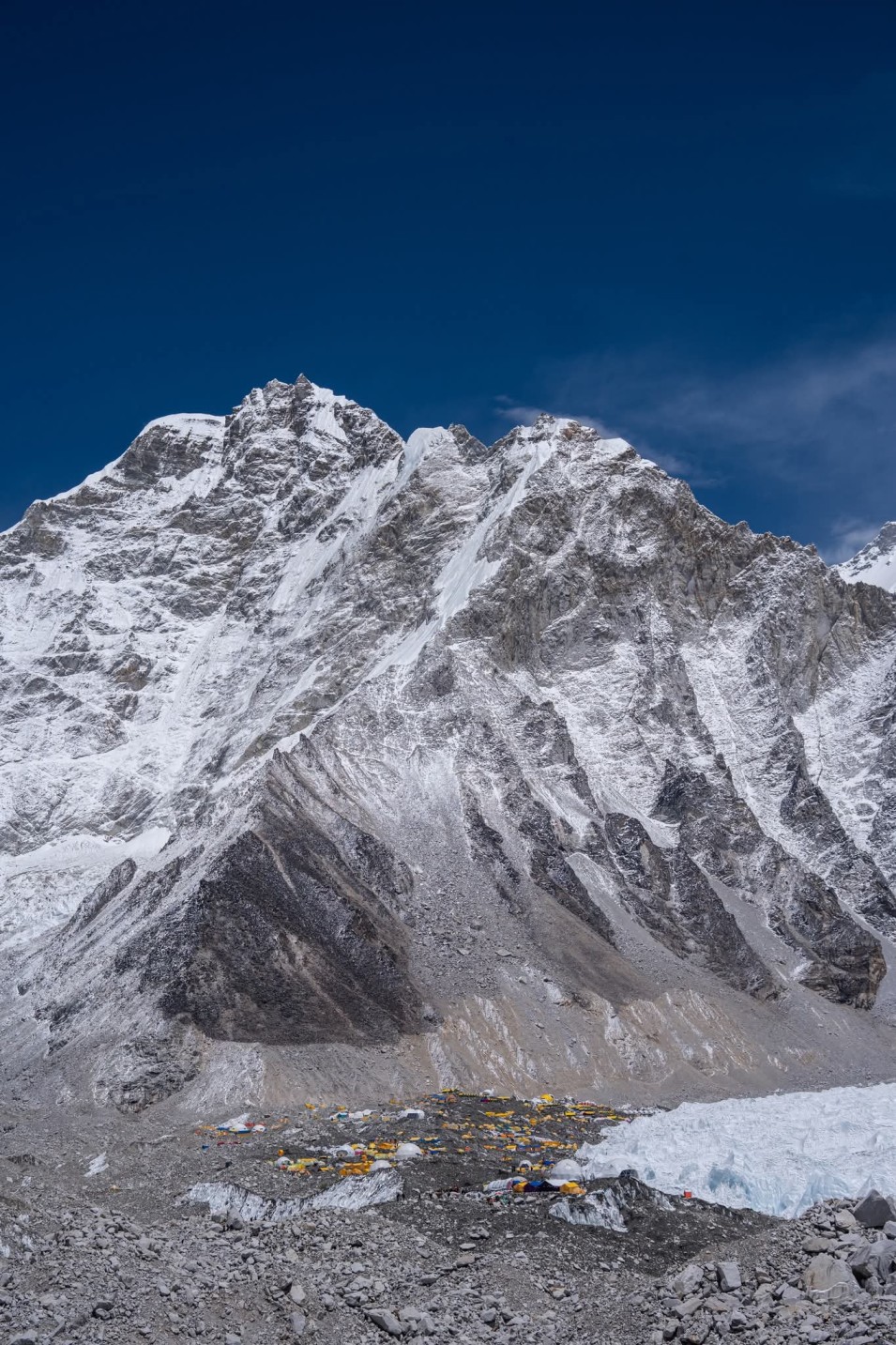
The Everest Base Camp Trek reaches 5,364 meters, while the popular viewpoint of Kala Patthar reaches 5,545 meters. Most itineraries last 12–14 days and cover approximately 130 kilometers round trip. The greatest challenge comes from altitude rather than technical climbing.
Everest Base Camp Trek Difficulty at a Glance
| Difficulty Factor | Rating |
| Overall Difficulty | Moderate to Challenging |
| Technical Difficulty | Easy |
| Altitude Difficulty | Very High |
| Daily Walking | Moderate to Challenging |
| Trail Condition | Moderate |
| Weather | Moderate to High |
| Mental Challenge | High |
| Beginner Friendly | Yes, with preparation |
Is Everest Base Camp a Trek or a Climb?
One of the biggest misconceptions is that Everest Base Camp is a mountain climbing expedition.
The truth is that the Everest Base Camp Trek is not a climbing trip.
You do not need:
- Mountaineering experience
- Technical climbing skills
- Ropes
- Crampons
- Ice axes
- Rock climbing knowledge
You simply walk on established mountain trails from one village to another.
However, describing it as “just a walk” is misleading.
Walking for 6 hours at sea level is completely different from walking at 5,000 meters.
Above 4,000 meters, your body receives significantly less oxygen. Even simple activities such as climbing stairs, carrying a backpack, or putting on your shoes require more energy.
The Everest Base Camp route is a long-distance, high-altitude trek rather than a technical mountain climb. The primary challenge is altitude adaptation rather than mountaineering skill.
Why Is the Everest Base Camp Trek Difficult?
- High Altitude
Altitude is the number one challenge.
As you gain elevation, oxygen levels decrease.
Approximate oxygen availability:
| Location | Altitude |
| Kathmandu | 1,400 m |
| Lukla | 2,860 m |
| Namche Bazaar | 3,440 m |
| Dingboche | 4,410 m |
| Lobuche | 4,940 m |
| Gorak Shep | 5,164 m |
| Everest Base Camp | 5,364 m |
| Kala Patthar | 5,545 m |
At Everest Base Camp, the air contains roughly half the oxygen available at sea level. This significantly affects physical performance, sleep, and recovery.
Common symptoms of altitude sickness include:
- Headache
- Dizziness
- Loss of appetite
- Nausea
- Difficulty sleeping
- Fatigue
- Shortness of breath
Many trekkers believe that excellent fitness protects them from altitude sickness.
Unfortunately, this is not true.
Altitude affects everyone differently.
A professional guide will constantly monitor your health and make adjustments when necessary.
- Long Walking Days
Most trekkers walk between 5 and 7 hours every day.
Some days may require 8 hours of walking.
Typical walking times include:
| Trekking Day | Walking Hours |
| Lukla to Phakding | 3–4 hours |
| Phakding to Namche | 6–7 hours |
| Namche to Tengboche | 5–6 hours |
| Tengboche to Dingboche | 5–6 hours |
| Dingboche to Lobuche | 5–6 hours |
| Lobuche to Gorak Shep and EBC | 7–8 hours |
The problem isn’t a single difficult day.
The challenge comes from walking every day for nearly two weeks.
Fatigue gradually accumulates.
By the eighth or ninth day, even experienced hikers begin to feel tired.
Consecutive days of trekking create cumulative fatigue, which is considered one of the main difficulty factors on the EBC route.
- Steep and Rocky Terrain
The Everest region is famous for its stone staircases.
One of the most challenging sections is the uphill climb from Phakding to Namche Bazaar.
Trekkers also encounter:
- Suspension bridges
- Rocky paths
- Uneven terrain
- Glacier moraines
- Steep ascents
- Steep descents
Although the trail is well established, it is far from flat.
The rocky section between Lobuche and Gorak Shep is particularly tiring.
The final walk to Everest Base Camp includes loose rocks and glacial terrain that can slow your pace significantly.
- Cold Weather
Weather conditions become increasingly difficult as you gain altitude.
Typical temperatures during peak trekking seasons include:
| Location | Day Temperature | Night Temperature |
| Lukla | 10°C to 20°C | 0°C to 5°C |
| Namche | 5°C to 15°C | -5°C to 0°C |
| Dingboche | 0°C to 10°C | -10°C to -5°C |
| Gorak Shep | -5°C to 5°C | -15°C to -10°C |
Winter temperatures can drop below -20°C.
Cold weather affects:
- Sleep quality
- Energy levels
- Appetite
- Recovery
Many trekkers underestimate the importance of warm clothing.
A quality sleeping bag, insulated jacket, gloves, and thermal layers are essential.
Cold temperatures and unheated teahouse rooms above Dingboche contribute significantly to trek difficulty.
- Mental Challenges
Physical fitness is important, but mental strength is equally important.
You will experience:
- Early mornings
- Basic accommodation
- Limited showers
- Slow internet
- Simple meals
- Physical exhaustion
Some days will feel very long.
The weather may change suddenly.
Your body may feel uncomfortable because of the altitude.
Maintaining a positive attitude often determines whether a trekker reaches Everest Base Camp.
How Difficult Are the Trails?
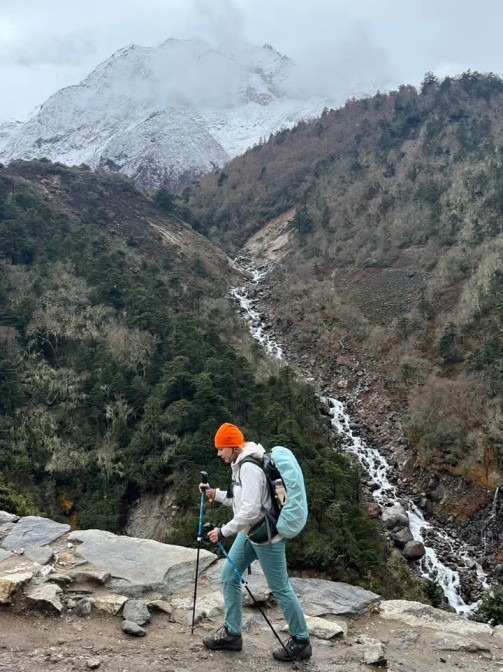
Trail conditions also contribute to Everest Base Camp Trek difficulty.
The trail includes:
- Stone staircases
- Suspension bridges
- Rocky paths
- Glacier moraines
- Steep ascents
- Steep descents
The famous climb from Phakding to Namche Bazaar is considered one of the most difficult sections of the trek.
Trekkers must cross several suspension bridges while climbing continuously uphill.
Another difficult section is the route between Lobuche and Gorak Shep.
Because of the rocky terrain and higher elevation, many trekkers find this section physically exhausting.
Is the Everest Base Camp Trek Suitable for Beginners?
Yes.
Beginners can absolutely complete the Everest Base Camp Trek.
However, beginners should:
- Choose a 14-day itinerary
- Include acclimatization days
- Train before the trek
- Hire an experienced guide
- Avoid rushing
At Igloo Himalaya Treks, we regularly guide first-time trekkers to Everest Base Camp.
Many of our clients have never trekked above 3,000 meters before arriving in Nepal.
With proper preparation and professional support, beginners can successfully complete the trek.
Train Before Your Trek
Preparation should begin at least two months before arriving in Nepal.
Recommended training activities include:
- Running
- Hiking
- Cycling
- Swimming
- Stair climbing
How Fit Do You Need to Be?
Physical fitness is one of the biggest factors affecting Everest Base Camp Trek difficulty.
You should be comfortable:
- Walking 10-15 kilometers daily
- Hiking for six hours
- Climbing hills
- Carrying a light backpack
Which Day Is the Most Difficult?
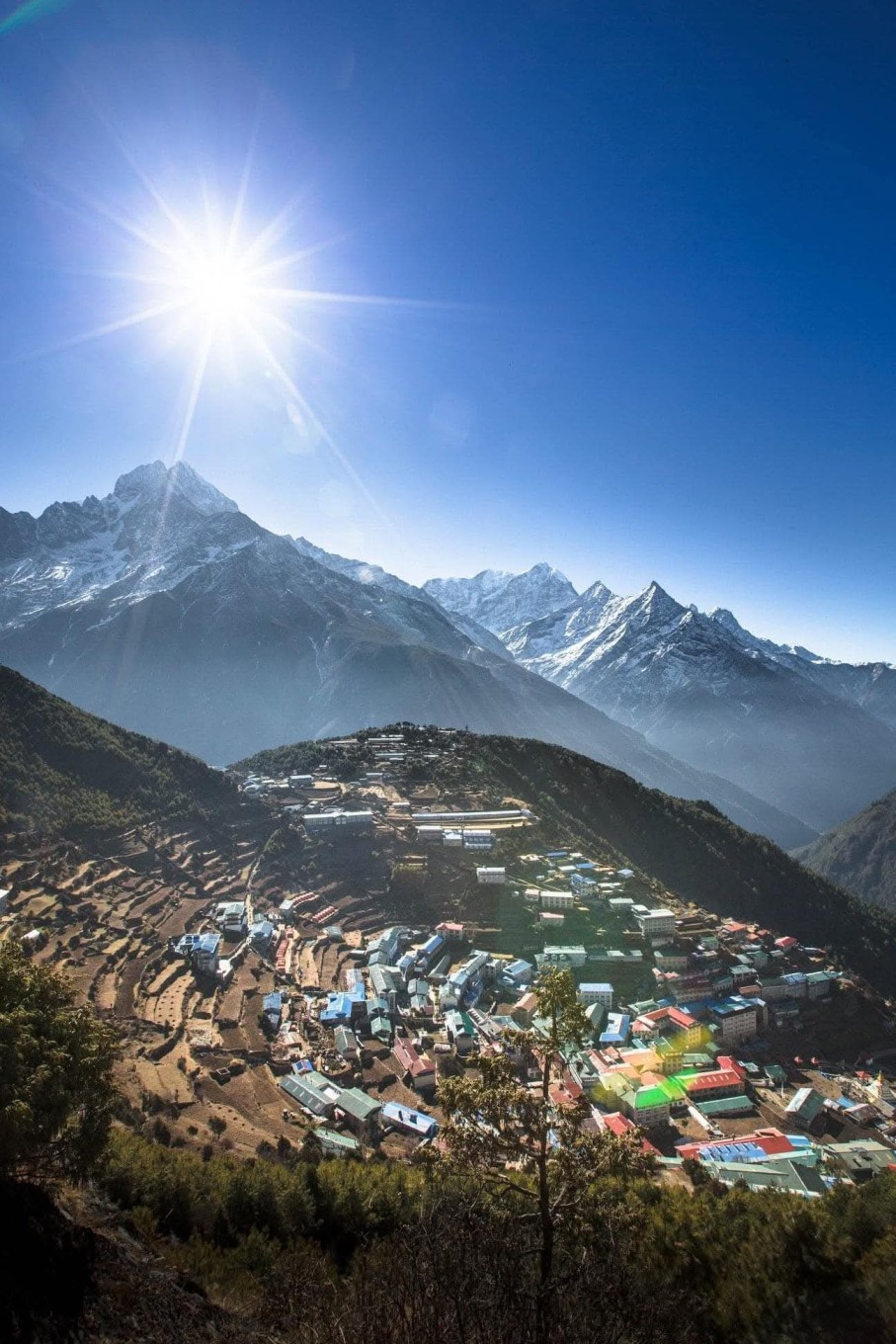
Day 2: Phakding to Namche Bazaar
This is often the first difficult day.
Challenges include:
- Steep uphill sections
- Multiple suspension bridges
- Significant altitude gain
Day 5: Dingboche to Lobuche
The altitude begins to affect many trekkers.
Common symptoms include:
- Fatigue
- Headaches
- Shortness of breath
Day 6: Lobuche to Everest Base Camp
This is usually the longest and most demanding day.
Trekkers must walk to Gorak Shep, continue to Everest Base Camp, and then return to Gorak Shep.
The combination of altitude and rocky terrain makes this day particularly challenging.
Day 7: Kala Patthar
The climb to Kala Patthar is arguably the most difficult section of the entire trek.
At 5,545 meters, every step feels much harder.
However, the reward is incredible.
The sunrise view of Mount Everest from Kala Patthar is unforgettable.
Understanding Altitude Sickness
Altitude sickness is the biggest reason why trekkers fail to reach Everest Base Camp.
There are three major forms of altitude illness.
Acute Mountain Sickness (AMS)
Symptoms include:
- Headache
- Fatigue
- Dizziness
- Loss of appetite
- Sleep problems
High Altitude Pulmonary Edema (HAPE)
Symptoms include:
- Severe shortness of breath
- Persistent cough
- Chest tightness
High Altitude Cerebral Edema (HACE)
Symptoms include:
- Confusion
- Difficulty walking
- Loss of coordination
Both HAPE and HACE are medical emergencies.
The only effective treatment is immediate descent.
Research and trekking data consistently identify altitude illness as the primary reason trekkers abandon the journey before reaching Base Camp.
How Fit Do You Need to Be?
You don’t need to be an athlete.
However, you should be able to:
- Walk for 5–6 hours comfortably
- Climb hills without significant difficulty
- Carry a small backpack
- Stay active for multiple days
The best preparation includes:
Cardio Training
- Running
- Cycling
- Swimming
- Hiking
Three to four sessions per week are recommended.
Strength Training
Focus on:
- Quadriceps
- Hamstrings
- Calves
- Core muscles
Hiking Practice
Practice hiking with a backpack.
Gradually increase your hiking distance.
Train for at least 8–12 weeks before your trip.
Most trekking experts recommend 8–12 weeks of cardiovascular and strength training before attempting Everest Base Camp.
Everest Base Camp Trek Difficulty by Season
Spring (March to May)
Difficulty Level: Moderate
Advantages:
- Stable weather
- Warmer temperatures
- Rhododendron forests in bloom
Disadvantages:
- Crowded trails
Autumn (September to November)
Difficulty Level: Moderate
Advantages:
- Clear mountain views
- Dry trails
- Stable weather
Disadvantages:
- Busy teahouses
Winter (December to February)
Difficulty Level: High
Advantages:
- Fewer trekkers
- Beautiful snowy landscapes
Disadvantages:
- Extreme cold
Snow-covered trails
Monsoon (June to August)
Difficulty Level: High
Advantages:
- Green landscapes
Disadvantages:
- Rain
- Slippery trails
- Flight delays
Autumn and spring remain the most recommended seasons because of more stable weather and better trail conditions.
How to Reduce Everest Base Camp Trek Difficulty
Choose a Longer Itinerary
Never rush.
Extra acclimatization days significantly increase your chances of success.
Hire an Experienced Guide
A local guide can:
- Monitor your health
- Adjust your pace
- Recognize early altitude symptoms
Provide emergency assistance
Stay Hydrated
Drink 3–4 liters of water every day.
Dehydration increases the risk of altitude sickness
Walk Slowly
The Himalayan trekking rule is simple:
“Walk slowly to walk farther.”
Pack Light
Carry only essential items.
A heavy backpack increases fatigue
Eat Properly
Maintain a healthy diet during the trek.
Eat:
- Dal Bhat
- Soups
- Potatoes
- Rice
- Noodles
Carbohydrates provide the energy your body needs at high altitude.
Why Choose Igloo Himalaya Treks for the Everest Base Camp Trek?
Choosing the right trekking company can completely change your experience.
At Igloo Himalaya Treks, we believe that safety comes first.
Our services include:
- Professional local guides
- Personalized itineraries
- Proper acclimatization schedules
- Experienced trekking staff
- 24-hour assistance
- High safety standards
- Authentic Sherpa culture experiences
Our guides understand the Everest region because we have walked these trails ourselves.
We don’t simply guide trekkers to Everest Base Camp.
We create unforgettable Himalayan experiences.
Whether you are a beginner or an experienced hiker, our team will help you prepare, adapt, and successfully complete one of the world’s greatest adventures.
Final Thoughts
So, how difficult is the Everest Base Camp Trek?
The honest answer is that it is challenging but achievable.
The trail itself isn’t technically difficult.
The real challenges are:
- High altitude
- Long walking days
- Cold temperatures
- Mental endurance
- Consecutive days of trekking
Thousands of trekkers successfully complete this journey every year.
The secret isn’t extraordinary fitness.
The secret is proper preparation, a realistic itinerary, and an experienced team beside you.
If reaching the foot of Mount Everest is on your bucket list, don’t let fear stop you.
Prepare properly, walk slowly, trust the process, and let Igloo Himalaya Treks guide you on an unforgettable adventure to Everest Base Camp.


