
Common Mistakes on Annapurna Base Camp Trek (And How to Avoid Them)
Most common mistakes on the Annapurna Base Camp trek have nothing to do with fitness. They come down to small, avoidable decisions made before the trek even starts, and a few habits that quietly build up on the trail itself.
A trekker who rushes the itinerary, skips a night at Machhapuchhre Base Camp, or wears brand-new boots straight out of the box faces a bit harder a trek than someone who plans properly, regardless of how fit either person is. This guide breaks down the mistakes that trip up first-time trekkers most often do on this route, organised by planning, packing, health, weather, and the experience itself, so you can avoid every one of them before you set off.
Common Mistakes on Annapurna Base at a Glance
Before the full breakdown, here’s a quick summary of the most frequent errors trekkers make on this route and the simple fix for each one.
| Mistake | Why It Matters | Quick Fix |
|---|---|---|
| Rushing the itinerary | Increases altitude sickness risk and fatigue | Allow 8–12 days with rest built in |
| Skipping the MBC overnight | Sudden altitude gain from Deurali straight to ABC | Always sleep at Machhapuchhre Base Camp first |
| Overpacking | Extra weight tires you out faster | Keep your daypack under 5–7 kg |
| Wearing untested boots | Causes blisters on multi-day walking | Break boots in weeks before departure |
| Over-layering while walking | Causes sweating, then a chill at rest stops | Start slightly cool, adjust as you go |
| Drinking untreated water | Leads to stomach illness on the trail | Use purification tablets or a filter |
| Ignoring AMS symptoms | Can escalate into a serious condition | Stop, rest, and descend if symptoms persist |
| Trekking without a guide | Raises safety and navigation risk | Book a licensed guide, especially for first-timers |
| Running short on cash | No ATMs once you leave Pokhara | Carry extra rupees for Wi-Fi, showers, and snacks |
| Choosing the wrong trekking agency | Poor planning, unclear inclusions, and unreliable guide or accommodation can affect the whole trek | Choose a reputable agency that clearly explains the itinerary, guide, permits, transport, and accommodation |
Planning and Itinerary Mistakes on the Annapurna Base Camp Trek
Most problems on this trek begin long before the first day of walking, in the way the trip is planned. A poorly structured itinerary sets up nearly every other mistake on this list.
-
Underestimating the Trek’s Difficulty
Many first-time trekkers assume the Annapurna Base Camp trek is a long hike rather than a genuine multi-day mountain journey, and that assumption causes real problems once the stone staircases past Ulleri and Chhomrong start adding up. The trek involves consecutive days of 5 to 7 hours of walking, often on steep, uneven terrain, and treating it as a casual walk in the hills leads to exhaustion faster than most people expect. Build in a few weeks of cardio and hill-walking beforehand, even if you consider yourself reasonably fit.
-
Rushing the Itinerary Instead of Allowing Enough Days
Trying to complete this trek in the shortest possible time is one of the most common mistakes trekkers make, and it directly increases the risk of altitude sickness. A well-paced itinerary of 8 to 12 days, including rest and acclimatisation, gives your body the time it genuinely needs to adjust to the altitude gain. Cramming the same distance into fewer days doesn’t just feel harder; it removes the safety margin that makes the difference between a good trek and a dangerous one.
-
Skipping the Overnight Stop at Machhapuchhre Base Camp
This is arguably the single riskiest mistake on the entire route. Some trekkers try to walk from Deurali straight to Annapurna Base Camp (4,130 m) in one push, skipping the overnight stay at Machhapuchhre Base Camp (3,700 m) altogether. That shortcut means gaining over 400 metres of altitude in a matter of hours without a proper adjustment period, which sharply raises your risk of acute mountain sickness. Spending a night at MBC splits that climb into two manageable stages and gives you a genuine shot at a clear sunrise over Machhapuchhre into the bargain.
-
Bypassing Ghorepani-Poon Hill for a Shorter Route
Some trekkers choose to head to Annapurna Base Camp via a more direct route through Jhinu Danda, skipping the classic loop through Ghorepani and Poon Hill (3,210 m) to save a day or two. Doing so means missing one of Nepal’s best-known sunrise viewpoints, and it also removes a useful stretch of gradual altitude gain that helps your body acclimatise before the trek’s higher sections. Unless you’re genuinely limited on time, taking the longer, classic route through Poon Hill is worth the extra day.
-
Trekking Without a Guide or Porter
Choosing to go without a guide or porter to save money is a common decision among first-time trekkers, and it’s one many end up regretting. A licensed guide reads changing weather, manages pacing, and recognises early signs of altitude sickness long before an inexperienced trekker would notice anything wrong. A porter, meanwhile, carries the bulk of your gear so you’re free to focus entirely on the walk itself, rather than a heavy pack on steep terrain. Our Annapurna Base Camp Trek package includes both as standard, along with a properly paced itinerary that builds in the acclimatisation days most independent trekkers skip.
-
Underestimating Daily Costs and Running Short on Cash
Many trekkers budget for the package price itself but forget that Wi-Fi, hot showers, device charging, and extra snacks all cost more the higher you climb, and these add up faster than expected across a week or more on the trail. ATMs disappear entirely once you leave Pokhara, so running short on cash partway up the mountain leaves you with no way to top up. Carry more Nepali rupees than you think you’ll need, in smaller notes, and budget an extra buffer for these daily extras on top of your trek package.

Packing and Gear Mistakes on the ABC Trail
Gear mistakes don’t always feel serious in the moment, but they compound quickly over several days of walking, especially once the terrain gets steeper past Chhomrong.
-
Overpacking Your Trekking Backpack
Carrying too much gear is one of the most common mistakes on this trek, and it’s entirely avoidable. Extra weight drains your energy faster on the uphill sections and adds unnecessary strain to your knees on the way back down. Pack layered clothing, the essentials, and little else; anything you’re unsure about is usually safe to leave behind.
Wearing New, Unbroken-In Trekking Boots
Buying trekking boots just before departure, then wearing them for the first time on the trail, is a mistake that shows up as blisters within the first couple of days. Boots need weeks of regular wear beforehand to properly mould to your feet. Break yours in on local walks or day hikes well before you fly to Nepal, and test the exact socks you plan to wear with them.
-
Getting Layering Wrong (Both Ways)
Layering mistakes cut both ways on this trek. Trekkers from warmer climates sometimes underestimate how quickly wind and altitude sap body heat, leading to genuine cold exposure even during daylight hours. Just as often, trekkers overcompensate by wearing too many layers while actually walking, which causes heavy sweating, damp clothing, and a sharp chill the moment they stop for a break. The better approach is to start each day’s walk slightly cool rather than warm, then add layers only once you stop moving.
-
Forgetting Sun Protection at Altitude
UV exposure increases significantly with elevation, and the combination of thin air and reflective terrain around Machhapuchhre Base Camp catches many trekkers off guard. Sunglasses and a high-SPF sunscreen belong in your daypack every single day of the trek, not just on the clearest ones.
Health and Hydration Mistakes on the ABC Trek
Several of the most serious mistakes on this trek come down to how trekkers treat their bodies once they’re actually on the trail, particularly around water, food, and altitude symptoms.
-
Ignoring Early Signs of Altitude Sickness
Headaches, nausea, dizziness, and unusual fatigue are all early warning signs of acute mountain sickness, and pushing through them rather than resting is one of the more dangerous mistakes trekkers make on this route. According to guidance from the Himalayan Rescue Association, the safest response to worsening AMS symptoms is to stop ascending and descend if symptoms don’t improve with rest, rather than continuing upward and hoping they pass.
-
Drinking Untreated Tap or River Water
Local tap and river water along the trail may look clear, but it often carries bacteria and parasites picked up further upstream, and drinking it untreated is a fast route to a stomach illness that can end your trek early. Use purification tablets, a portable filter, or boiled water from your teahouse, and avoid drinking directly from taps or streams regardless of how remote or clean the source appears.
-
Not Drinking Enough Water
Dry mountain air and harder breathing at altitude both increase how much water your body loses each day, and many trekkers simply don’t drink enough to compensate. Aim for at least 3 to 4 litres a day, more at higher elevations, and drink steadily throughout the day rather than only when you feel thirsty.
-
Overeating Heavy Meals at Altitude
Some trekkers assume that eating large, heavy meals will fuel long walking days, but digestion genuinely slows at altitude, and overeating often leads to bloating and discomfort rather than extra energy. Simpler, lighter meals like dal bhat, soup, and noodles tend to sit better than rich or unfamiliar food, particularly above Chhomrong.
-
Drinking Alcohol Above 3,000 Metres
A drink to unwind after a long day’s walk feels tempting, but alcohol accelerates dehydration and can worsen altitude sickness symptoms, including headaches and disturbed sleep. It’s worth avoiding entirely from Chhomrong upward, saving the celebratory drink for once you’re back down in Pokhara.
Weather-Related Mistakes on the Annapurna Base Camp Trek
Himalayan weather shifts fast, and a few planning mistakes around weather catch out trekkers who’ve otherwise prepared well.
-
Ignoring Local Weather Changes
Conditions in the Annapurna region can shift from clear skies to rain or fog within an hour, particularly around Deurali and Machhapuchhre Base Camp, yet many trekkers don’t check local conditions day to day. Build some flexibility into your schedule and follow your guide’s read of the sky rather than a generic forecast for Pokhara.
-
Choosing the Wrong Season Without Preparing for It
Trekking during the monsoon or deep winter without the right preparation turns an already demanding route into a genuinely difficult one, with slippery stone steps, poor visibility, and higher landslide risk during the rains, or ice and sub-zero nights in winter. If you plan to trek outside spring or autumn, prepare specifically for those conditions rather than assuming the trail will feel the same year-round. Our Annapurna Base Camp Trek in Autumn guide breaks down exactly what to expect month by month if you’re planning a September to November departure.
Mistakes That Cost You the Experience, Not Just Comfort
A few mistakes on this list aren’t dangerous exactly, but they quietly take away from what makes the trek worthwhile in the first place.
-
Rushing Through Without Time to Explore
Treating the trek as a race to reach Annapurna Base Camp as fast as possible means missing sunrises at Poon Hill, conversations with Gurung and Magar villagers in Ghandruk and Chhomrong, and the hot springs at Jhinu Danda. Consider building in a side trip, such as combining your route with the Mardi Himal Trek, rather than treating the destination as the only point of the journey.
-
Travelling Without Proper Travel Insurance
Assuming nothing will go wrong and skipping travel insurance is a mistake that only becomes obvious when something actually does go wrong. Insurance covering high-altitude trekking and emergency helicopter evacuation is essential, since evacuation costs from this route can run into thousands of dollars without it.
-
Overlooking Local Customs and Etiquette
Small cultural missteps, like walking anticlockwise around mani walls and stupas instead of the traditional clockwise direction, are easy to make without realising it, but they matter to the Gurung and Magar communities living along the trail. A little awareness here goes a long way toward a more respectful and rewarding experience for everyone involved.
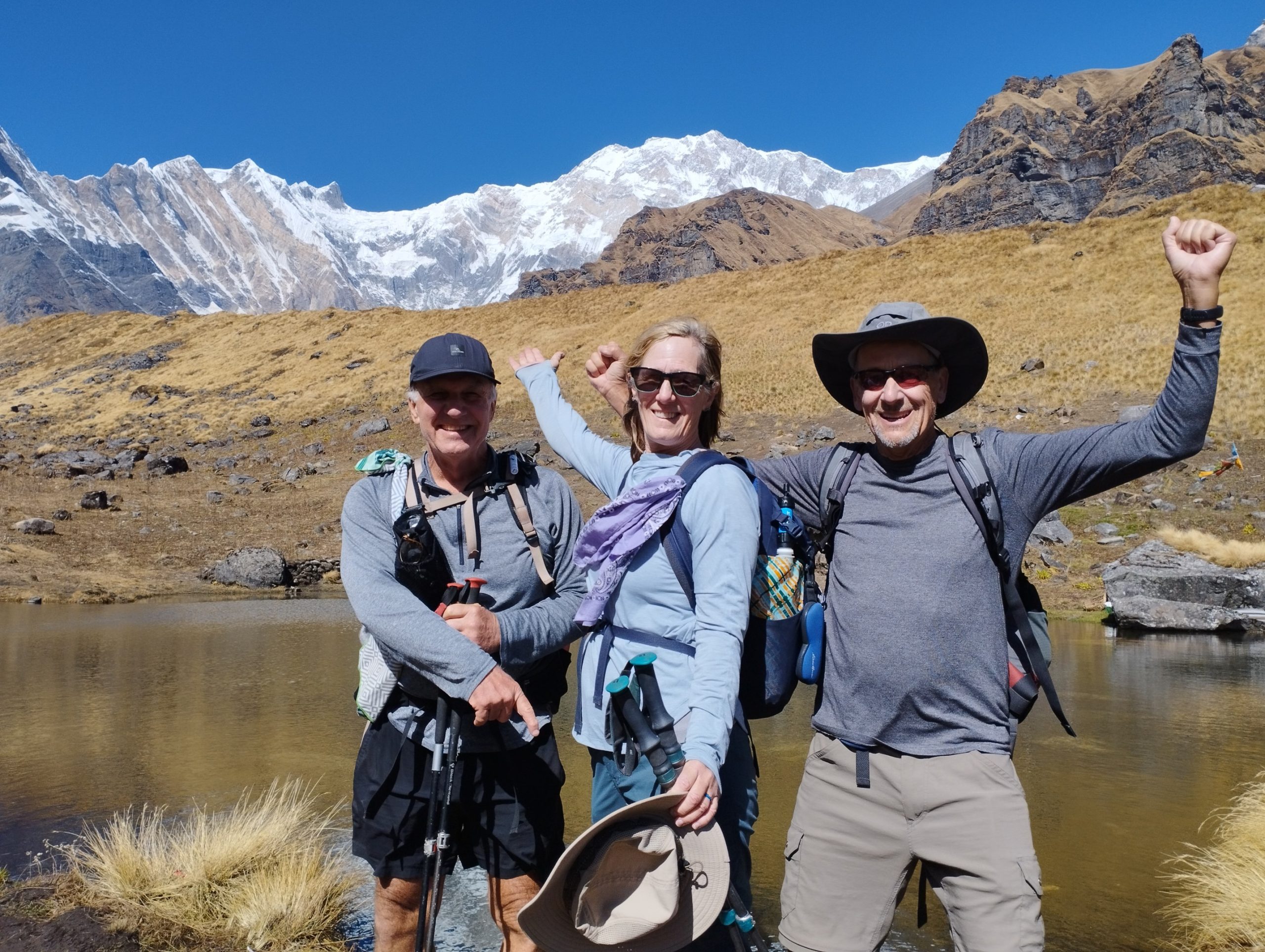
Choosing the Wrong Trekking Agency
Not all trekking agencies provide the same level of planning, communication, or support. Choosing an agency based only on the lowest price can sometimes mean unclear itineraries, unexpected costs, poor accommodation arrangements, or guides who are not properly prepared for the route.
Before booking, check exactly what is included in your trek package. Ask about the guide, permits, transportation, accommodation, meals, porter support, and emergency arrangements, and make sure these details are clearly explained before departure. It is also worth checking recent reviews and whether the agency has experience operating the Annapurna Base Camp route.
A reliable trekking agency should be able to answer your questions clearly and help arrange the major parts of the trek rather than leaving important details until the last minute. Taking a little time to check these things before booking can prevent unnecessary problems throughout the journey.
How to Avoid These Mistakes: A Quick Checklist
Pulling everything together, here’s the short version to keep in mind before you set off.
- Allow at least 8 to 12 days for the trek, with acclimatisation built in
- Always sleep at Machhapuchhre Base Camp before continuing to Annapurna Base Camp
- Take the classic route through Ghorepani and Poon Hill if time allows
- Book a licensed guide and porter rather than trekking independently
- Pack light, break in your boots well in advance, and dress in adjustable layers
- Treat all drinking water and stay properly hydrated throughout the day
- Avoid alcohol and heavy meals above 3,000 metres
- Watch for early altitude sickness symptoms and act on them immediately
- Arrange travel insurance that covers high-altitude trekking and evacuation
- Carry extra cash in small notes, since ATMs disappear once you leave Pokhara
- Slow down enough to actually enjoy the villages, viewpoints, and culture along the way
- Choose a reputable trekking agency and confirm the itinerary, permits, accommodation, transport, and inclusions before booking
Conclusion
The common mistakes on the Annapurna Base Camp trek almost all trace back to rushing, whether that is rushing the itinerary, rushing past Machhapuchhre
Base Camp, or rushing through the villages without stopping to take anything in. None of these mistakes require special skill to avoid; they mostly come down to realistic planning, sensible pacing, and paying attention to what your body tells you along the way.
If you would rather avoid all of this altogether, Igloo Himalaya Treks builds every one of these lessons into our standard Annapurna Base Camp itinerary, from proper acclimatisation days to experienced local guides who know this route well.
As one of the best trekking companies in Nepal, we’d rather you spend your energy enjoying the trek than troubleshooting it.
Make sure to Visit our Annapurna Base Camp Trek page to see current departure dates and start planning your trip properly from day one.
You can also visit our Annapurna Region page to explore the different Annapurna trekking routes and find the itinerary that best suits your time and interests.
Other recommended blogs regarding the Annapurna
FAQ
What is the biggest mistake trekkers make on the Annapurna Base Camp trek?
Rushing the itinerary is generally considered the biggest mistake, since it increases the risk of altitude sickness and leaves no buffer for bad weather or fatigue along the way.
Is it a mistake to skip the overnight stay at Machhapuchhre Base Camp?
Yes, walking straight from Deurali to Annapurna Base Camp in one day skips a critical acclimatisation step and significantly raises the risk of acute mountain sickness.
Do I need a guide for the Annapurna Base Camp trek?
A guide isn’t always legally required, but it’s strongly recommended, since a licensed guide manages pacing, reads weather changes, and recognises altitude sickness symptoms that first-time trekkers often miss.
Can I drink tap water on the Annapurna Base Camp trek?
No, local tap and river water should always be treated with purification tablets or a filter, or boiled at your teahouse, since untreated water carries a real risk of stomach illness.
Is it a mistake to skip Poon Hill on the Annapurna Base Camp trek?
Taking a shorter route via Jhinu Danda instead of the classic Ghorepani-Poon Hill loop means missing one of Nepal’s best sunrise viewpoints and a useful stretch of gradual acclimatisation.
How much water should I drink each day on the ABC trek?
Most trekkers should aim for 3 to 4 litres of water a day, increasing intake at higher altitudes where dehydration happens faster.
Should I avoid alcohol during the Annapurna Base Camp trek?
Yes, avoiding alcohol above 3,000 metres is advisable, since it accelerates dehydration and can worsen altitude sickness symptoms.
What packing mistake do most beginners make on this trek?
Overpacking is the most common packing mistake, along with wearing brand-new, unbroken-in trekking boots that lead to blisters within the first few days.
Should I carry cash on the Annapurna Base Camp trek?
Yes, carry more Nepali rupees than you expect to need, since ATMs are unavailable once you leave Pokhara and daily costs like Wi-Fi, hot showers, and charging rise the higher you climb.
Where can I check official information before trekking to Annapurna Base Camp?
Before starting your trek, it is a good idea to check the latest information on trekking regulations, permits, and tourism requirements. You can refer to the official Nepal Tourism Board website for updated information before your Annapurna Base Camp Trek.


