What Is It Like to Go on the Everest Base Camp Trek Without Flight?
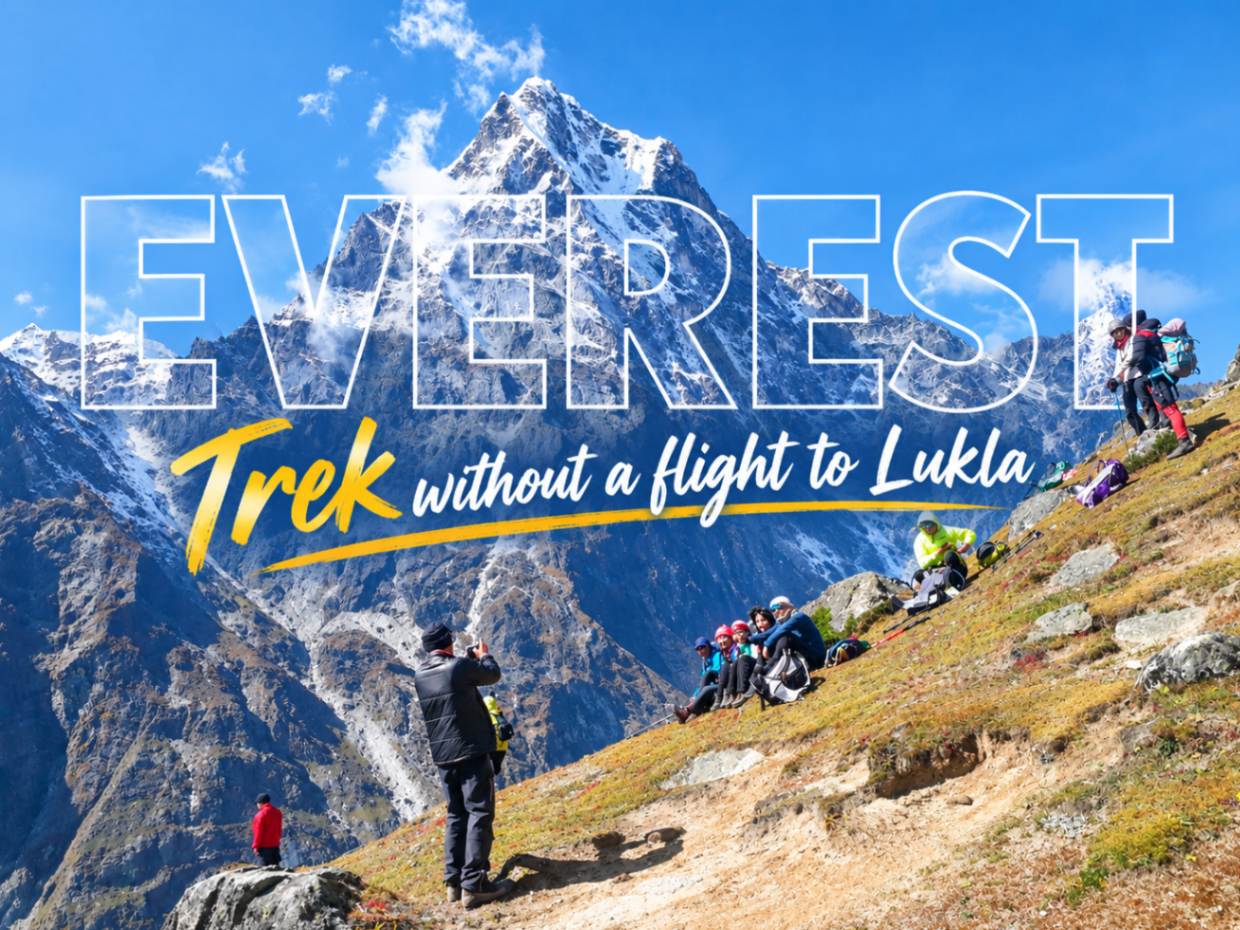
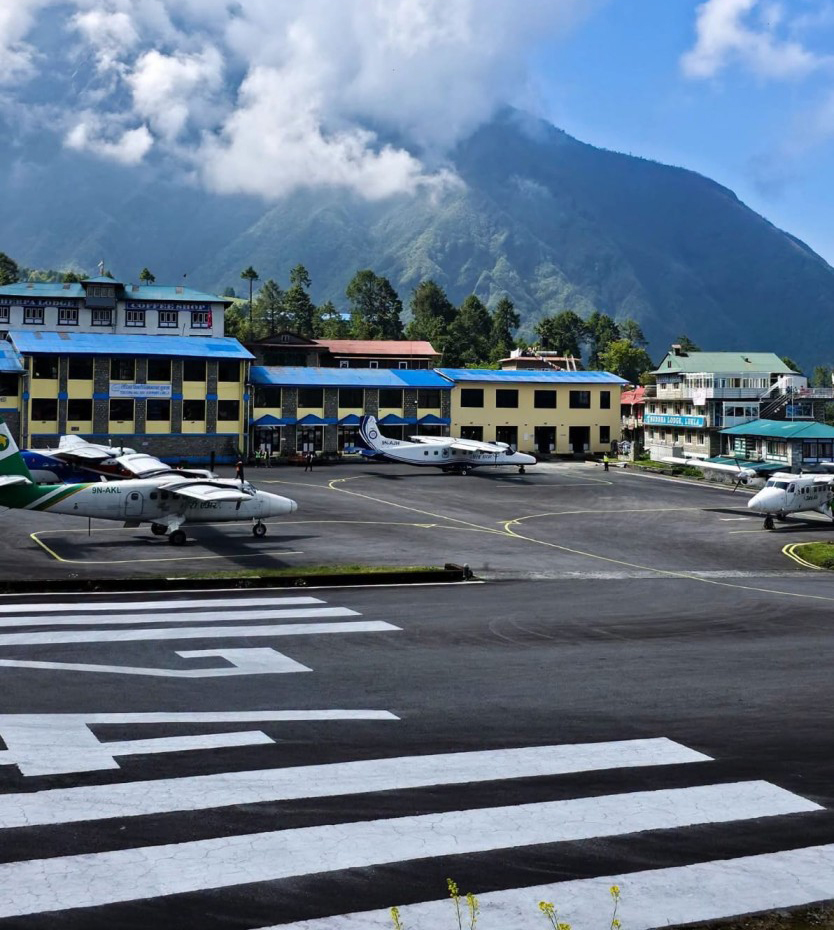
The Everest Base Camp Trek Without Flight replaces the usual Kathmandu-to-Lukla flight with an overland journey through Nepal’s middle hills and the lower Everest region.
You travel by road to Salleri, Phaplu, or Tham Danda, then join the main Everest trail near Paiya, Surke, or Phakding.
It takes longer than flying to Lukla, but it offers a slower start, more exposure to local life in Solu, and no dependence on mountain-flight schedules. Igloo Himalaya Treks offers an Everest Base Camp Trek Without Flight package for travellers who prefer this route as well.
Overview of the Everest Base Camp Trek without a Flight
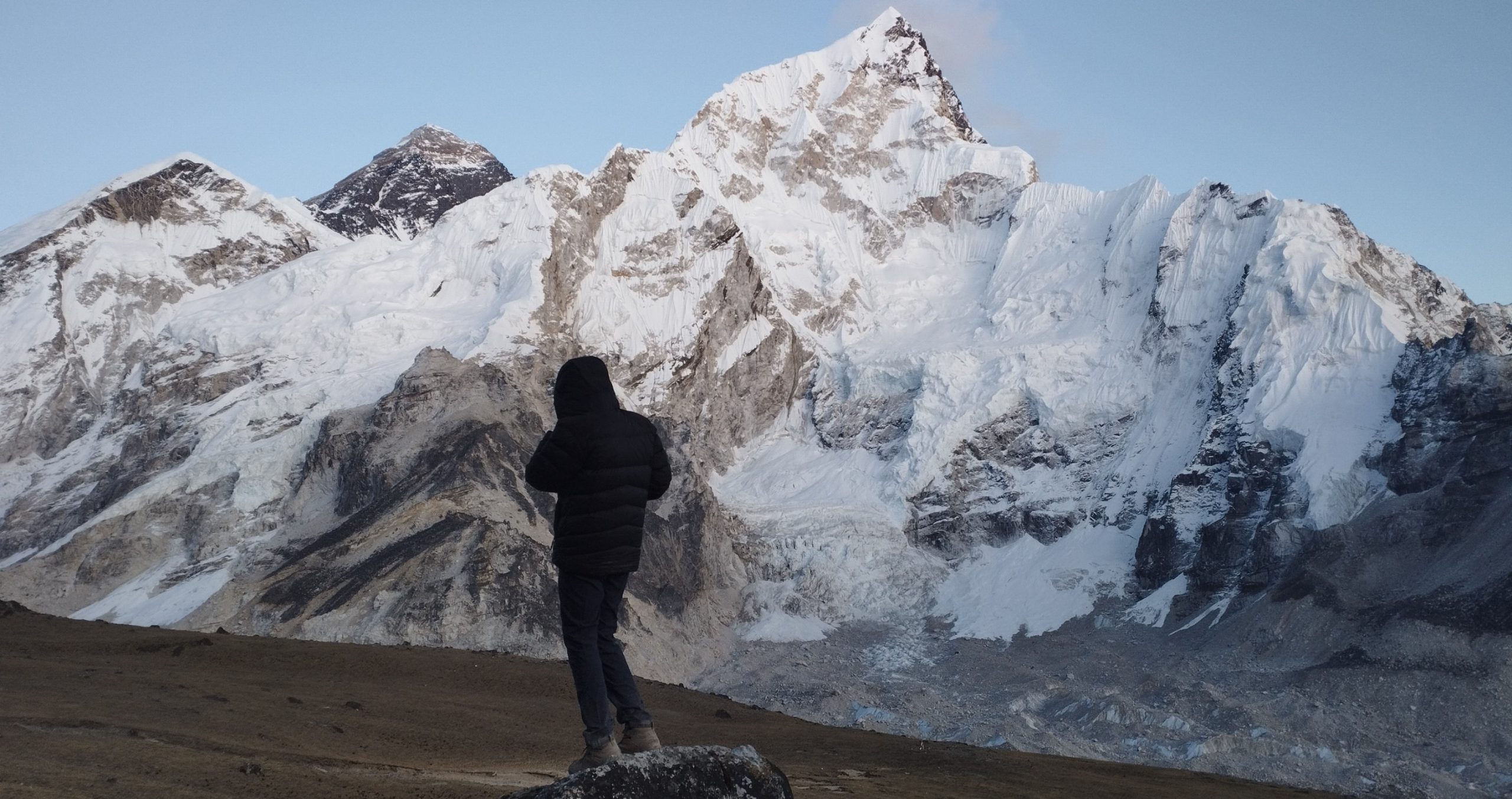
An Everest Base Camp trek by road is still a high-altitude trek to Everest Base Camp at 5,364 metres (17,598 feet), usually followed by a sunrise hike to Kala Patthar at around 5,545 metres (18,192 feet). The main difference is how you enter and leave the Everest region.
Instead of landing in Lukla at 2,860 metres (9,383 feet), you begin lower in the Solukhumbu area. That means the journey includes long road travel, lower-elevation villages, forest trails, and several additional walking days before reaching the familiar route through Namche Bazaar, Tengboche, Dingboche, Lobuche, Gorak Shep, and Everest Base Camp.
| Trek detail | What to expect |
| Starting approach | Road journey from Kathmandu toward Salleri, Phaplu, or Tham Danda |
| Trek duration | Usually around 16 to 18 days, depending on the route and rest days |
| Highest point | Kala Patthar, around 5,545 metres (18,192 feet) |
| Everest Base Camp elevation | 5,364 metres (17,598 feet) |
| Accommodation | Tea houses and lodges during the trek |
| Main challenge | High altitude, long walking days, and rough road travel |
| Best seasons | Spring and autumn |
Why Trek Without Flying to Lukla?
The main reason is simple: it avoids the Lukla flight. Flights to Tenzing-Hillary Airport can be affected by clouds, wind, and poor mountain visibility, especially during the monsoon and winter months.
A road-based approach does not remove all weather-related travel issues, but it removes the need to wait for a flight to Lukla.
It also changes the character of the journey. Rather than arriving directly in the busy Khumbu trekking zone, you travel through the lower Everest region, where villages and daily life are less shaped by the main Lukla trekking corridor.
This makes the trek feel more gradual and gives you a broader picture of Solukhumbu.
For some travellers, the road journey is the trade-off. The drive can be long, bumpy, and tiring, particularly on unpaved sections.
It is a good choice for trekkers who value flexibility and do not mind spending extra time travelling overland.
The Road Journey to the Everest Region
Most road itineraries begin with a drive from Kathmandu to Salleri or Phaplu. Although the distance may not look large on a map, Nepal’s winding hill roads mean the trip often takes most of the day.
From there, a local jeep usually continues toward Tham Danda or another trailhead, depending on road conditions and the selected route.
The drive is not a shortcut. It is part of the expedition. You pass terraced farms, river valleys, roadside settlements, forested hills, and market towns before the higher Himalayan landscape begins to appear.
What the Drive Feels Like
Expect a combination of paved highways and rough mountain roads. A private 4WD jeep is generally more comfortable and flexible than a shared local vehicle, especially for travellers carrying trekking gear or those who are prone to motion sickness.
Road conditions can change after heavy rain, landslides, or maintenance work. It is wise to keep a flexible mindset and allow a buffer day in Kathmandu after the trek, particularly if you have an international departure to catch.
What the Walking Route Is Like
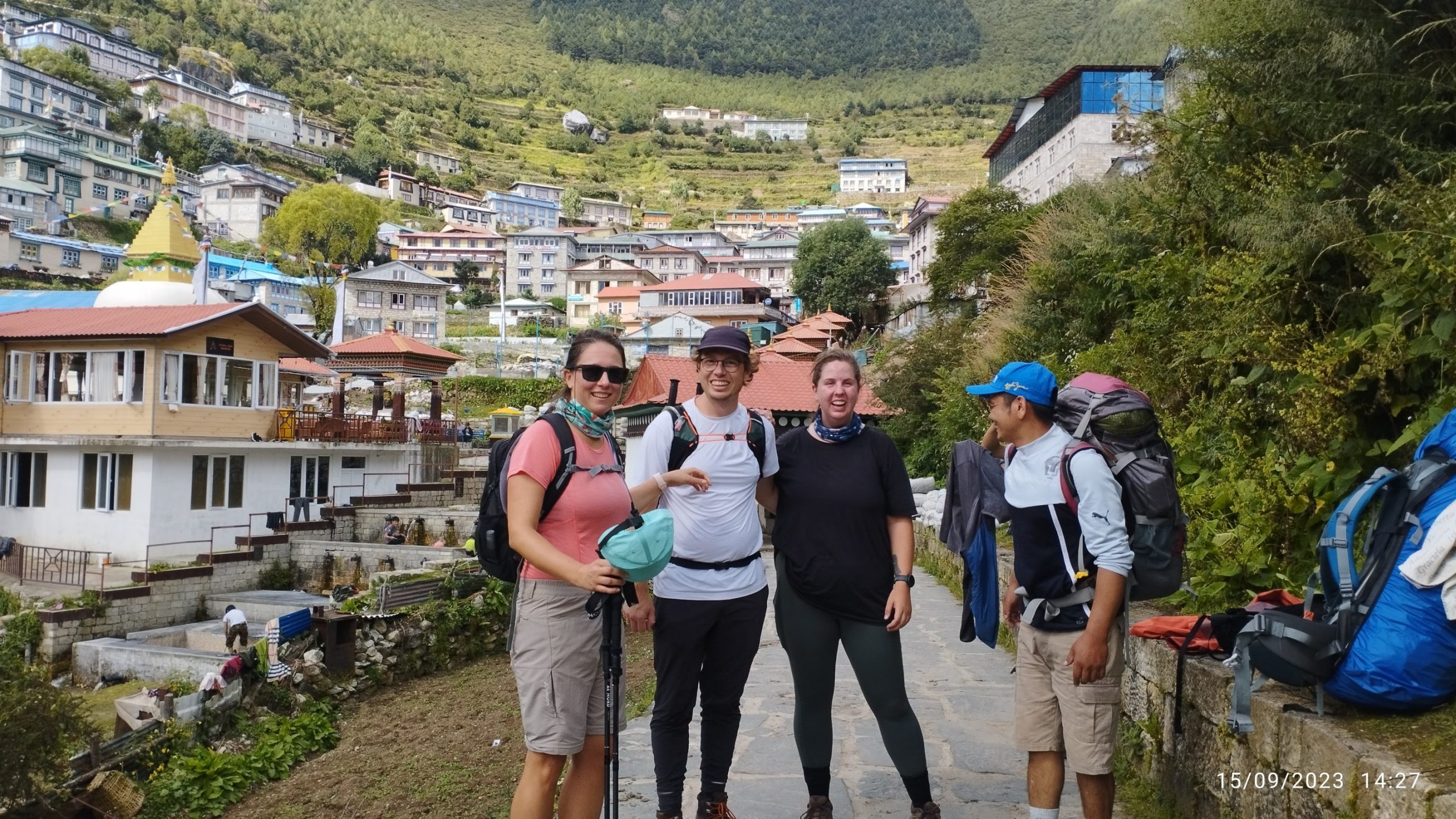
After the road journey, the trek normally begins on lower trails around Paiya, Surke, or nearby settlements.
The early days pass through forests, cultivated slopes, suspension bridges, and villages before connecting with the classic Everest Base Camp route around Phakding or Namche Bazaar.
This beginning is quite different from flying into Lukla. The trail feels quieter, and the landscape changes more gradually.
You may walk through rhododendron, pine, and bamboo forest before moving into the more open valleys and alpine terrain of upper Khumbu.
Once you reach Namche Bazaar, the route follows the familiar Everest Base Camp trail:
- Namche Bazaar: The main trading and service centre of the Khumbu region, where trekkers usually take an acclimatization day.
- Tengboche: Known for Tengboche Monastery and views toward Mount Everest, Lhotse, and Ama Dablam.
- Dingboche: A key acclimatization stop before the trail climbs into higher, drier terrain.
- Lobuche and Gorak Shep: High-altitude settlements near the Khumbu Glacier and the final approach to Everest Base Camp.
- Everest Base Camp and Kala Patthar: The destination and the best-known viewpoint for close views of Everest.
Does Starting by Road Help With Acclimatization?
Starting lower can give your body more time to adjust than flying directly to Lukla. However, it does not make altitude sickness impossible. The trail still climbs above 5,000 metres, and the risk becomes serious as you move beyond Namche Bazaar.
A safe itinerary should include acclimatization days, usually in Namche Bazaar and Dingboche. On these rest days, trekkers commonly hike to a higher point and return to sleep at the same elevation. This follows the basic acclimatization principle of climbing higher during the day but sleeping lower.
Watch for symptoms such as headache, nausea, dizziness, unusual tiredness, poor appetite, or difficulty sleeping. Do not ignore symptoms or try to “push through” them. Your guide should adjust the plan if you are unwell.
How Difficult Is the Everest Base Camp Trek Without Flight?
The trek is challenging but does not require technical climbing skills. You need to be comfortable walking for several hours on uneven terrain, often with long uphill and downhill sections. The road approach adds travel fatigue and may add a few trekking days compared with the standard Lukla flight itinerary.
The biggest challenges are usually:
- Altitude: The thin air above Dingboche makes even steady walking feel harder.
- Daily walking: Many days involve about 5 to 7 hours on the trail.
- Road travel: Long, winding, and sometimes rough jeep journeys require patience.
- Basic facilities: Rooms, toilets, Wi-Fi, charging, and hot showers become simpler and more expensive at higher elevations.
- Cold weather: Morning and evening temperatures can fall sharply in the upper Khumbu.
Regular walking, hill training, stair climbing, and cardio exercise before arriving in Nepal will make the trek more comfortable. You do not need to be an athlete, but you should begin with a solid base of fitness.
Accommodation and Food on the Route
You will stay in tea houses and local lodges. In lower areas, rooms may be relatively comfortable, with more food choices and better access to charging and internet. As you climb, accommodation becomes more basic and facilities are often shared.
Most tea houses serve a mix of Nepali, Tibetan, and simple international meals. Dal bhat, a meal of rice, lentil soup, vegetables, and side dishes, is widely available and is a practical choice for trekking because it is filling and often refillable. Other common options include noodle soup, fried rice, potatoes, pasta, momos, porridge, eggs, and tea.
Carry cash from Kathmandu because ATMs are limited beyond Namche Bazaar. You should also bring a power bank, reusable water bottle, water-purification method, warm layers, and comfortable broken-in trekking boots.
Best Time for the Everest Base Camp Trek Without Flight
The Everest Base Camp Trek without a flight can be planned in every season, but each period creates a different experience on the road approach through Solukhumbu and the higher trail toward Everest Base Camp.
Because this itinerary avoids the Kathmandu–Lukla flight, it is especially appealing to travellers who want a more flexible start and extra time to experience the lower Everest region.
Spring and autumn remain the most popular windows, while winter and monsoon suit trekkers looking for a quieter or greener journey.
Spring: March to May
Spring is one of the most rewarding times for the Everest Base Camp trek without flying to Lukla. The lower section of the route around Salleri, Phaplu, Paiya, and Surke becomes greener, with rhododendron forests flowering from roughly March through April.
As the season progresses, daytime trekking conditions become more comfortable, particularly below Namche Bazaar.
This is also Everest’s main climbing season, so the trail carries an energetic Himalayan atmosphere. Trekkers may see expedition groups preparing in the Khumbu, while tea houses, bakeries, and villages are fully active after winter.
Mornings often provide the clearest views, making an early start useful for enjoying mountain scenery before afternoon clouds develop.
Summer and Monsoon: June to August
Monsoon is the greenest season on the road-based Everest route.
The hills between Kathmandu and the Solukhumbu trailheads are at their most lush, with cultivated terraces, forested valleys, waterfalls, and wild vegetation becoming a major part of the journey rather than simply the approach to the high mountains.
For travellers who value a quieter trail and local rural scenery, this season has a distinct appeal. Rain commonly arrives later in the day, so early walking starts can make the daily schedule more comfortable.
The route without a Lukla flight is particularly relevant in this period because travellers begin overland rather than relying on aviation access to the Everest region.
Autumn: September to November
Autumn is the classic season for an Everest Base Camp trek without a flight. After the monsoon, the air is usually cleaner, mountain views are often at their sharpest, and the roads and lower trails gradually dry out.
Stable daytime conditions make this an excellent period for the longer road journey and the steady climb through Namche Bazaar, Tengboche, Dingboche, and Lobuche.
The season also overlaps with important Nepali festivals, including Dashain and Tihar, depending on the year. This can add a cultural dimension to the overland journey through villages in the lower Everest region.
Tea houses operate at full capacity, so booking early with Igloo Himalaya Treks is useful if you plan to travel in October or early November.
Winter: December to February
Winter offers a clearer, quieter version of the Everest Base Camp trek. The lower Solukhumbu route is peaceful, and the dry winter air can produce exceptionally crisp mountain views on clear days.
With fewer trekkers on the trail, it is easier to experience a calmer side of Namche Bazaar, Tengboche, and the villages above Dingboche.
The road approach is also a meaningful part of a winter itinerary because it allows you to begin gradually from the lower elevations rather than arriving directly in Lukla.
Proper insulated clothing, a warm sleeping bag, and a carefully paced itinerary are essential for enjoying the higher sections comfortably, especially around Lobuche, Gorak Shep, Everest Base Camp, and Kala Patthar.
Permits and Trekking Support
Trekkers entering the Everest region generally need the relevant local entry permit and the Sagarmatha National Park permit for the upper part of the route. Permit arrangements can depend on the exact trailhead and current local rules, so confirm the latest requirements before departure.
A licensed guide is strongly recommended for this journey. The route involves high altitude, changing weather, variable road conditions, and several possible trail connections in the lower Everest region. A porter can also make the experience easier by carrying your main duffel bag while you walk with a light daypack.
Igloo Himalaya Treks can arrange the practical parts of a Nepal trek, including customized itineraries, local guides, transport, permits, and accommodation. For more info or for consultant you can freely contact us if you have any confusion regarding any treks; we will guide you through Nepal every step of the way.
Is Everest Base Camp Trek Without a Flight Route Right for You?
Choose the Everest Base Camp trek without a flight if you:
- Prefer to avoid flying into Lukla.
- Have extra time for a longer itinerary.
- Want to see more of the lower Everest region.
- Do not mind long and sometimes rough road travel.
- Want a more gradual approach to the higher Khumbu trail.
- Are comfortable with a trek that can require schedule flexibility.
The standard Lukla flight route may suit you better if you have limited time, dislike bumpy mountain roads, or want the quickest possible access to the Everest Base Camp trail.
Everest Base Camp Trek Without Flight With Igloo Himalaya Treks
The Everest Base Camp Trek Without Flight with Igloo Himalaya Treks is simply designed for travellers who want to reach the Everest region by road rather than depend on a Lukla flight. The itinerary can be adjusted around your available time, fitness level, preferred accommodation, and transport choice.
Before booking, discuss the road starting point, total duration, acclimatization days, porter support, accommodation standard, and whether you need a buffer day before your international flight. A well-paced itinerary matters far more than rushing to reach Base Camp.
Other recommended blog
FAQs
Can you trek to Everest Base Camp without flying to Lukla?
Yes. You can travel by road from Kathmandu toward Salleri, Phaplu, or Tham Danda and then trek into the Everest region. The route eventually joins the main Everest Base Camp trail.
How long does the Everest Base Camp trek without a flight take?
Most itineraries take around 16 to 18 days, including road travel, acclimatization days, the trek to Everest Base Camp, the Kala Patthar hike, and the return journey. The exact duration depends on your trailhead and itinerary pace.
Is the road to Everest Base Camp comfortable?
The road does not go to Everest Base Camp itself. It reaches lower Everest trailheads, after which you trek on foot. Some road sections are rough, narrow, and winding, so a private 4WD jeep is usually the more comfortable option.
Is the trek without a flight safer?
It avoids possible Lukla flight delays and cancellations, but it is not automatically risk-free. You still need to manage altitude carefully, follow safe trekking practices, and remain flexible because weather can also affect mountain roads.
Do I still need acclimatization days?
Yes. Even though you start at a lower elevation, you still reach Everest Base Camp at 5,364 metres (17,598 feet) and Kala Patthar at around 5,545 metres (18,192 feet). Acclimatization days are essential.
What is the hardest part of the trek?
For many trekkers, the hardest parts are the long road journey, sustained uphill sections, and the effects of altitude in the days above Dingboche. Good pacing, hydration, rest days, and an experienced guide make a major difference.
Which part of this route would matter most to your intended readers: avoiding flight uncertainty, experiencing lower Solukhumbu, or understanding the longer road-and-trek itinerary?
Where can I check official information about trekking in Nepal?
For current information about trekking destinations, tourism regulations, and travel guidance, trekkers can check the official Nepal Tourism Board before planning their Everest Base Camp trek. This is especially useful for travellers who want to verify general tourism information and current requirements from an official Nepalese tourism source.
Is the Everest Base Camp trek without a flight good for beginners?
Yes, beginners can do the Everest Base Camp trek without a flight if they are reasonably fit and follow a well-paced itinerary. The road approach adds extra travel time, but starting from a lower elevation can make the overall ascent more gradual. Beginners should prepare with regular walking, stair climbing, and cardio training and allow enough time for acclimatization.
What is the difference between the Everest Base Camp trek by road and the Lukla flight route?
The main difference is the starting point and total trekking time. The Lukla route begins at around 2,860 metres and reaches the main Everest trail quickly, while the road-based route travels from Kathmandu toward Salleri, Phaplu, or Tham Danda before joining the trail. The road option usually takes longer but lets trekkers experience more of the lower Solukhumbu region and avoid dependence on Lukla flight schedules.
Can you do the Everest Base Camp trek without a flight in winter?
Yes, the Everest Base Camp trek without a flight is possible in winter, although conditions are colder and some higher-altitude sections can be more challenging. December to February generally brings fewer trekkers and clear mountain views, but you need proper insulated clothing, a warm sleeping bag, and a carefully planned itinerary. It is especially important to allow flexibility for changing weather and trail conditions.
What permits are required for the Everest Base Camp trek without a flight?
The permits required depend on the exact route and current local regulations, but trekkers generally need the relevant local entry permit and a Sagarmatha National Park permit for the Everest region. Because rules and entry points can change, it is best to confirm the latest requirements before starting the trek.
A registered trekking agency or licensed guide can also help arrange the necessary permits. For more info on permits, you can visit our Igloo Himalaya travel guide page for everything. The page includes everything a trekker in Nepal and a foreign trekker needs while trekking in Nepal


