Everest Base Camp Trek FAQs Guide are among the most searched topics by travelers planning an adventure in Nepal. Before booking a trek, most people want answers about difficulty, cost, altitude sickness, accommodation, food, permits, flights, packing lists, and safety.
If you are planning your first Himalayan adventure, this complete guide from Igloo Himalaya Treks answers the most important questions travelers ask before beginning the Everest Base Camp journey.
This Everest Base Camp Trek FAQs guide is designed to help travelers make informed decisions while also providing expert local advice from a Nepal-based trekking company. Whether you are a beginner, a solo traveler, a family, or an experienced hiker, these frequently asked questions will help you prepare for one of the world’s most unforgettable trekking experiences.
Why Read This Everest Base Camp Trek FAQs Guide?
Most travel websites publish only a short FAQ section at the bottom of their package pages. Unfortunately, that approach often fails to answer the real concerns travelers have before visiting Nepal.
This detailed Everest Base Camp Trek FAQs guide covers:
- Trek difficulty
- Trek duration
- Trek cost
- Altitude sickness
- Accommodation
- Food
- Permits
- Packing
- Weather
- Lukla flights
- Internet
- Guides and porters
- Safety
- Trekking equipment
- Sherpa culture
If you are searching for reliable information, this Everest Base Camp Trek FAQs article will answer everything you need to know
-
What Is the Everest Base Camp Trek?
The Everest Base Camp Trek is Nepal’s most famous trekking adventure.
The journey takes trekkers deep into the Khumbu region, following ancient trading routes through traditional Sherpa villages before finally reaching the base camp of the world’s highest mountain.
The trek passes through:
- Lukla
- Phakding
- Namche Bazaar
- Tengboche
- Dingboche
- Lobuche
- Gorakshep
- Everest Base Camp
- Kala Patthar
Along the way, you’ll walk through forests, suspension bridges, Buddhist monasteries, glacial valleys, and some of the most spectacular mountain landscapes on Earth.
-
How Many Days Does the Everest Base Camp Trek Take?
The standard itinerary takes 14 to 16 days.
The journey usually includes:
- Day 1: Arrival in Kathmandu
- Day 2: Fly to Lukla and trek to Phakding
- Day 3: Trek to Namche Bazaar
- Day 4: Acclimatization in Namche Bazaar
- Day 5: Trek to Tengboche
- Day 6: Trek to Dingboche
- Day 7: Acclimatization in Dingboche
- Day 8: Trek to Lobuche
- Day 9: Trek to Everest Base Camp
- Day 10: Hike to Kala Patthar
- Days 11–13: Return to Lukla
- Day 14: Fly back to Kathmandu
This itinerary is considered the safest and most balanced schedule for acclimatization.
-
Is the Everest Base Camp Trek Difficult?
The Everest Base Camp Trek is considered moderately difficult.
The trail is not technically challenging because you don’t need:
- Ropes
- Ice axes
- Mountaineering skills
- Rock climbing experience
The challenge comes from:
- High altitude
- Long walking days
- Cold temperatures
- Lower oxygen levels
Most trekkers walk 5–7 hours every day for nearly two weeks.
-
Can Beginners Do the Everest Base Camp Trek?
Absolutely.
Many people who complete the trek have never done a multi-day hike before.
You don’t need previous trekking experience, but you should begin training 8–12 weeks before your departure.
-
What Is the Highest Altitude of the Trek?
Everest Base Camp sits at 5,364 meters (17,598 feet).
However, the highest point of the trek is Kala Patthar at 5,545 meters.
Kala Patthar offers the best close-up view of Mount Everest.
-
Is Everest Base Camp Higher Than Mount Kilimanjaro?
No.
Mount Kilimanjaro reaches 5,895 meters.
Everest Base Camp is 5,364 meters.
However, many trekkers find Everest Base Camp more physically demanding because the trek lasts for nearly two weeks.
-
How Many Hours Do You Walk Each Day?
Expect to walk:
- 4–5 hours on easier days
- 6–7 hours on average days
- 8–9 hours on Everest Base Camp day
Daily distances usually range from 8–20 km.
-
What Is the Biggest Challenge During the Trek?
Altitude.
Not distance.
Not steep climbs.
Not weather.
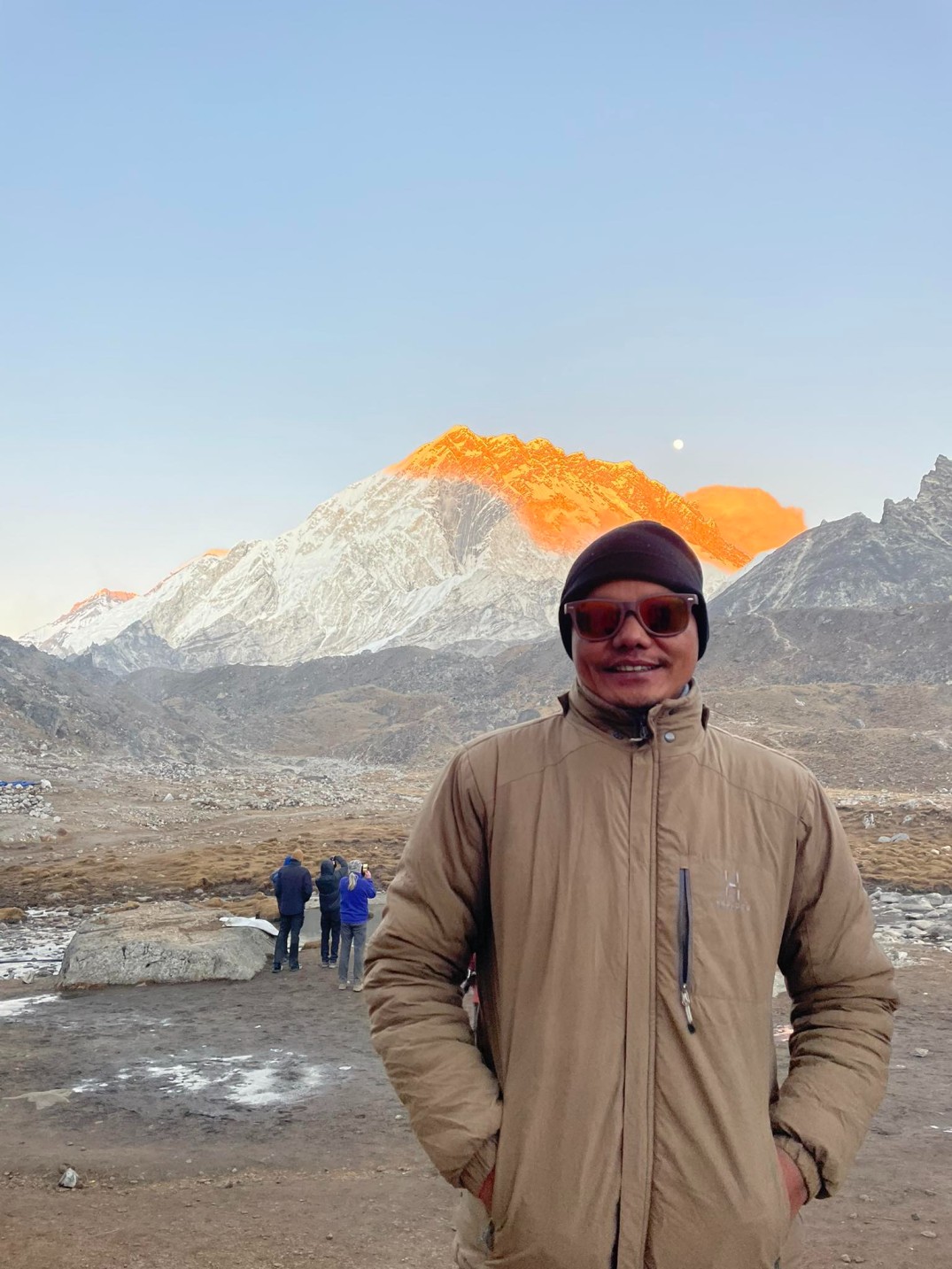
The reduced oxygen level above 3,500 meters becomes the biggest challenge for most trekkers
-
What Is Altitude Sickness?
Altitude sickness occurs when your body struggles to adjust to high elevations.
Common symptoms include:
- Headaches
- Dizziness
- Loss of appetite
- Fatigue
- Difficulty sleeping
- Nausea
-
How Common Is Altitude Sickness on the Everest Base Camp Trek?
Altitude sickness is very common.
Even healthy, young, and physically fit trekkers can experience symptoms.
Nobody is completely immune.
-
How Can I Prevent Altitude Sickness?
Follow these rules:
- Walk slowly
- Drink 3–4 liters of water daily
- Eat enough calories
- Avoid alcohol
- Take acclimatization days seriously
- Never ignore symptoms
-
Should I Take Diamox?
Diamox can help reduce the symptoms of altitude sickness.
However, you should consult your doctor before using any medication.
Many trekkers carry Diamox as a preventive measure.
-
Is the Everest Base Camp Trek Dangerous?
The trek is generally safe.
However, potential risks include:
- Altitude sickness
- Cold temperatures
- Snowstorms
- Slippery trails
- Flight delays
Choosing an experienced local guide significantly reduces risk.
-
What Permits Do I Need?
You need:
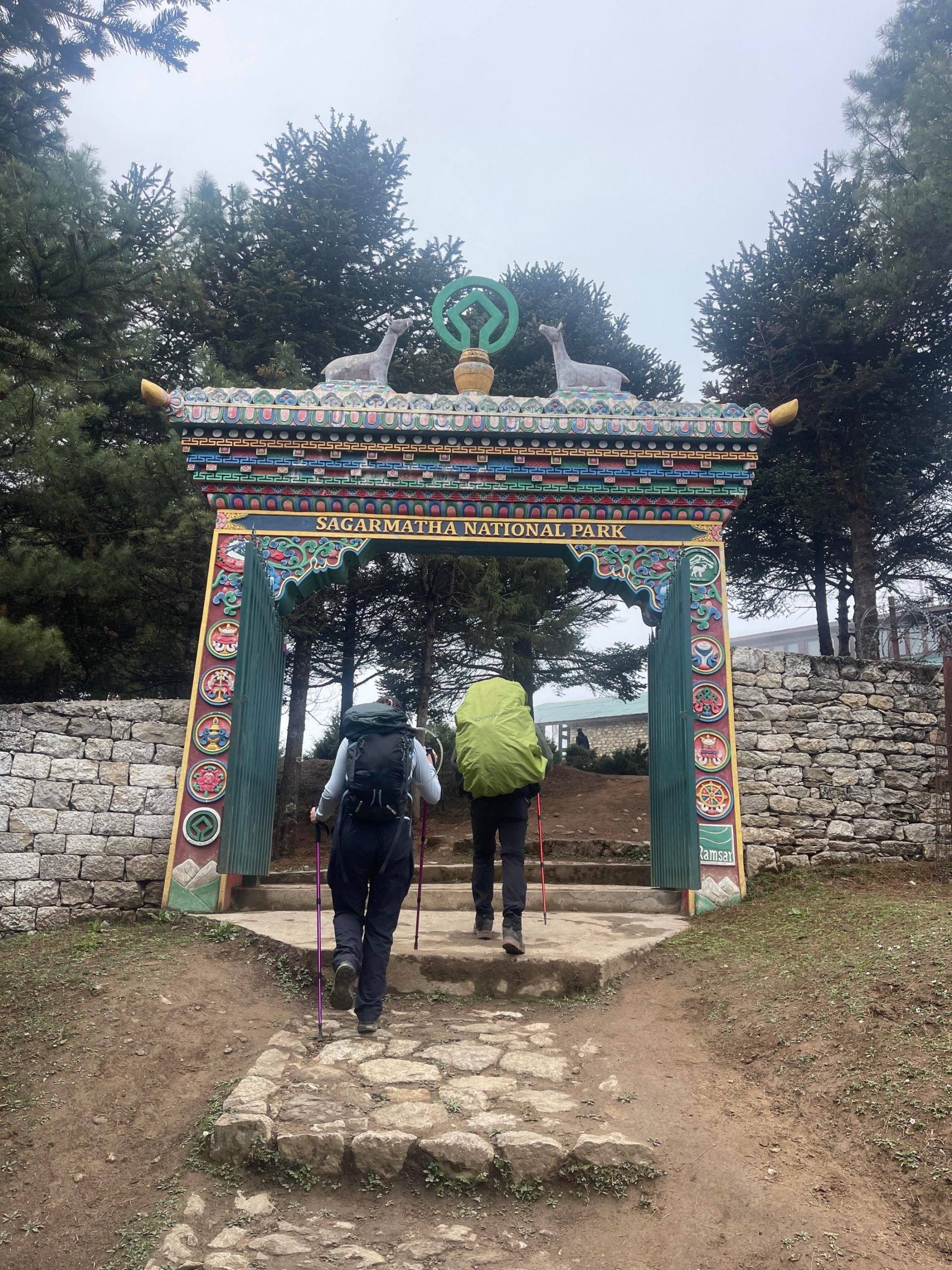
- Sagarmatha National Park Permit
- Khumbu Pasang Lhamu Rural Municipality Permit
Your trekking company arranges both permits.
-
What Is the Best Time to Trek to Everest Base Camp?
The best seasons are:
Spring (March–May)
- Blooming rhododendrons
- Mild temperatures
- Everest climbing season
Autumn (September–November)
- Stable weather
- Clear mountain views
- Excellent visibility
These are the two most popular trekking seasons.
-
Can I Trek During Winter?
Yes.
Advantages include:
- Fewer tourists
- Incredible snowy landscapes
- Better photography opportunities
Disadvantages include:
- Extremely cold temperatures
- Frozen water pipes
- Snow-covered trails
-
Can I Trek During the Monsoon?
Yes.
However, you should expect:
- Rain
- Cloudy skies
- Muddy trails
- Flight delays
- How Much Does the Everest Base Camp Trek Cost?
Typical prices in 2026 include:
- Budget: $900–$1,200
- Standard: $1,100–$1,525
- Luxury: $25,00–$35,00
Costs vary depending on services and accommodation.
-
Are Lukla Flights Included?
Most packages include round-trip flights.
Always confirm this before booking.
-
What Happens If My Lukla Flight Is Canceled?
You can:
- Wait for another flight
- Reschedule your itinerary
- Book a helicopter flight
Adding two extra days to your Nepal trip is always a good idea.
-
What Type of Accommodation Can I Expect?
Most trekkers stay in teahouses.
Rooms usually include:
- Twin beds
- Blankets
- Pillows
Bathrooms are often shared.
-
Are Luxury Lodges Available?
Yes.
Luxury lodges are available in:
- Lukla
- Phakding
- Namche Bazaar
- Deboche
- Dingbuche
However, accommodation becomes more basic at higher elevations.
-
What Food Is Available?
Popular foods include:
- Dal Bhat
- Fried rice
- Pasta
- Noodles
- Pancakes
- Omelets
- Tibetan bread
- Sherpa stew
- Momos
-
What Is the Best Food During the Trek?
Most guides recommend Dal Bhat because it provides:
- Carbohydrates
- Protein
- Vegetables
Unlimited refills in many teahouses
-
Can Vegetarians Complete the Trek?
Yes.
Vegetarian meals are widely available
-
Can Vegans Complete the Trek?
Yes.
Inform your trekking company before your trip.
-
Is Drinking Water Safe?
Never drink untreated water.
Use:
- Boiled water
- Water purification tablets
- Water filters
-
Is Bottled Water Available?
Yes.
However, buying plastic bottles at high altitude is expensive and environmentally unfriendly
-
Is There Wi-Fi During the Trek?
Yes.
Most villages offer Wi-Fi.
However, connections become slower at higher elevations.
-
Is There Mobile Network Coverage?
Yes.
The two primary providers are:
- Nepal Telecom
- Ncell
Signal strength decreases as you gain elevation.
-
Can I Charge My Phone?
Yes.
Most teahouses offer charging services.
Extra fees usually apply.
-
Should I Bring a Power Bank?
Absolutely.
A power bank is one of the most important items in your backpack.
-
What Should I Pack?
Essential gear includes:
- Down jacket
- Sleeping bag
- Thermal layers
- Waterproof jacket
- Trekking boots
- Gloves
- Sunglasses
- Headlamp
- Sunscreen
- Trekking poles
-
Do I Need a Sleeping Bag?
Yes.
Nighttime temperatures can drop below -15°C.
Many trekking companies provide sleeping bags as part of their package.
-
What Temperature Rating Should My Sleeping Bag Have?
Choose a sleeping bag rated between:
- -10°C
- -15°C
Winter trekkers should choose even warmer options.
-
Should I Buy Gear in Nepal?
Yes.
Kathmandu offers many affordable trekking shops.
You can rent:
- Sleeping bags
- Down jackets
- Trekking poles
-
How Much Weight Can a Porter Carry?
Most porters carry between 20–25 kg.
Usually, one porter supports two trekkers.
-
Should I Hire a Guide?
Yes.
A guide helps with:
- Navigation
- Safety
- Accommodation
- Altitude monitoring
- Emergency response
-
Can I Trek Without a Guide?
Rules may change over time.
Always check current trekking regulations before traveling.
-
Is the Trek Suitable for Solo Travelers?
Yes.
Many solo travelers either join groups or hire private guides.
-
Is the Trek Safe for Female Travelers?
Yes.
The Everest region is one of Nepal’s safest trekking destinations.
-
Can Children Complete the Trek?
Yes.
However, children should be physically active and properly acclimatized.
-
Can People Over 60 Complete the Trek?
Absolutely.
Age is much less important than physical preparation.
-
How Cold Does It Get?
Typical temperatures include:
- Spring: -10°C to 15°C
- Autumn: -10°C to 18°C
- Winter: Below -20°C
-
Can I Take a Hot Shower?
Yes.
Most teahouses offer hot showers for an additional charge.
-
Are There Toilets on the Trail?
Yes.
However, facilities become more basic at higher elevations.
-
Is There an ATM on the Trek?
ATMs are available in Lukla and Namche Bazaar.
Carry enough cash from Kathmandu.
-
How Much Extra Money Should I Bring?
Most trekkers carry:
$200–$400
This covers:
- Snacks
- Wi-Fi
- Charging
- Showers
- Tips
-
Can I Drink Alcohol?
It is strongly discouraged.
Alcohol increases dehydration and can worsen altitude sickness.
-
Is Kala Patthar Worth It?
Without question.
Many trekkers consider Kala Patthar the highlight of the entire adventure.
-
Which Mountains Will I See?
You’ll see:
- Everest
- Lhotse
- Nuptse
- Ama Dablam
- Pumori
- Thamserku
- Cho Oyu
- Makalu
-
Will I See Sherpa Culture?
Yes.
One of the greatest rewards of the trek is experiencing authentic Sherpa culture.
You’ll encounter:
- Prayer flags
- Monasteries
- Mani walls
- Buddhist chortens
- Traditional villages
-
What Is Tengboche Monastery?
Tengboche Monastery is the most famous Buddhist monastery in the Everest region.
It is one of the cultural highlights of the trek.
-
Can Muslim Travelers Join the Trek?
Absolutely.
At Igloo Himalaya Treks, we can arrange:
- Prayer breaks
- Flexible meal planning
- Personalized itineraries
Everest Base Camp Short FAQs
Can children do the Everest Base Camp Trek? Yes.
Can people over 60 complete the trek? Yes.
Can I drink alcohol during the trek? It is not recommended.
Can I take a shower? Yes, but it may cost extra.
Is there snow on the trail? Sometimes.
Do I need cash? Yes.
Are ATMs available? Yes in Namche Bazaar. Lukla Dingbuche and Chheplung
Can I use credit cards? Rarely.
Are drones allowed? Special permits may be required.
Is tipping expected? Yes.
How cold does it get? Temperatures can drop below freezing.
Can I wash my clothes? Yes.
Is bottled water available? Yes.
Can I trek without a guide? Regulations may change, so always verify current requirements before traveling.
Is Everest Base Camp crowded? During peak seasons, yes.
Can I customize my itinerary? Absolutely.
Can I add a helicopter return? Yes.
Can I extend my trip? Yes.
Can I combine Everest Base Camp with Island Peak? Yes.
Can I bring my camera? Absolutely.
Is photography allowed inside monasteries? Ask for permission first.
Are there hospitals along the route? Yes.
Is helicopter rescue available? Yes.
How much spending money should I carry? Usually USD 200–400 is sufficient.
Will I meet Sherpa people? Every day.
Is Everest Base Camp a life-changing experience? For many trekkers, the answer is yes.
-
Why Choose Igloo Himalaya Treks for the Everest Base Camp Trek?
We believe a trek should be more than reaching a destination.
Our packages include:
- Experienced local guides
- Airport transfers
- Authentic cultural experiences
- Trekking equipment
- Personalized service
- Small groups
- A trekking completion certificate
- A company hat
- A duffel bag
- A sleeping bag
- A down jacket
Our goal is simple:
Treat every traveler like family while sharing the mountains we call home.
Final Thoughts
The Everest Base Camp Trek is much more than a hiking trip.
It is a journey through Sherpa culture.
It is a physical challenge.
It is an opportunity to stand beneath the highest mountain on Earth.
And perhaps most importantly, it is a journey that changes the way you see the world.
If you still have questions, contact Igloo Himalaya Treks, and our local team will be happy to help you plan your Himalayan adventure.


