
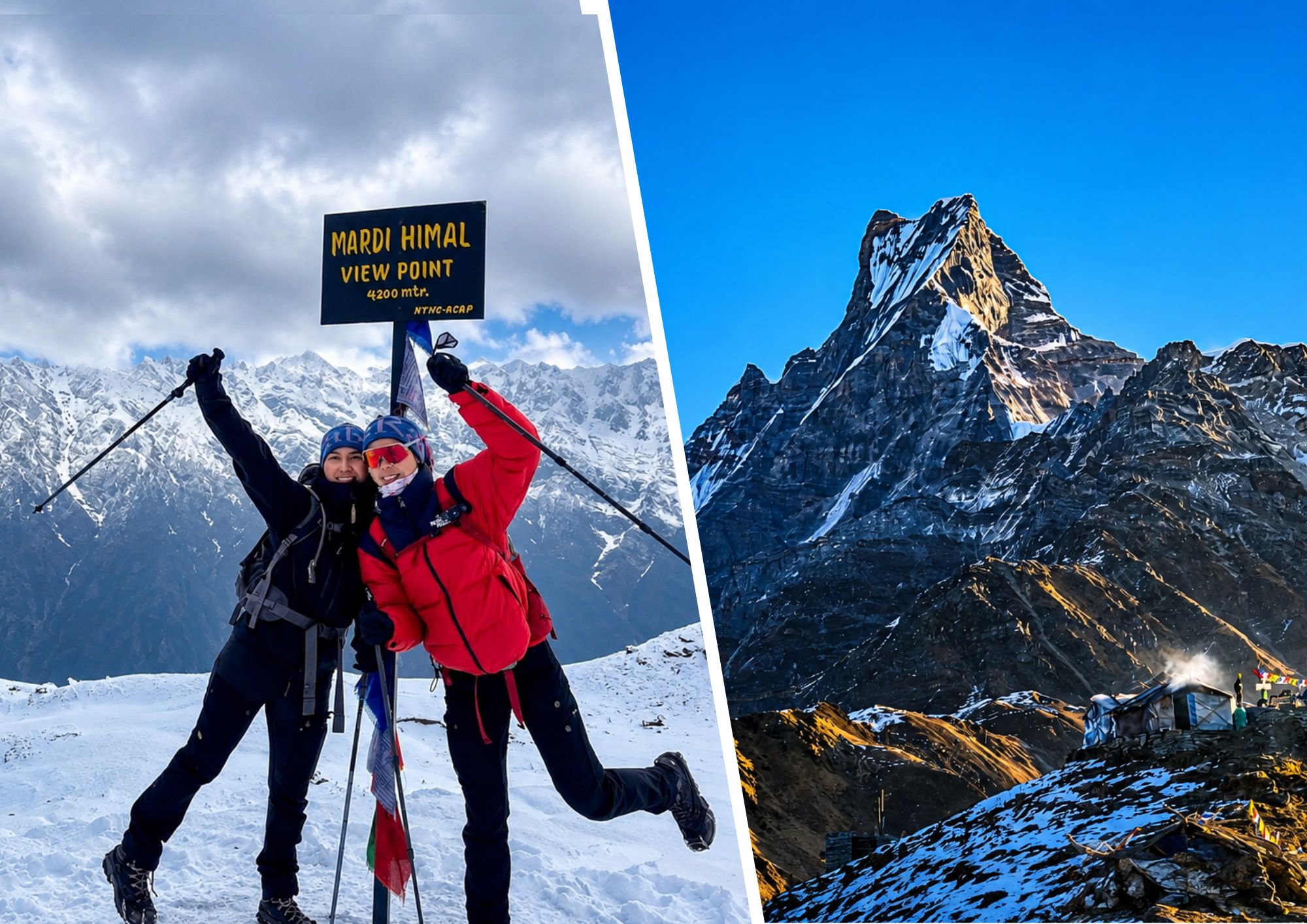
This Mardi Himal Trek guide answers the questions trekkers actually search for before booking: how long the trek takes, how difficult it really is, whether a guide is required, and what the trail looks like day by day.
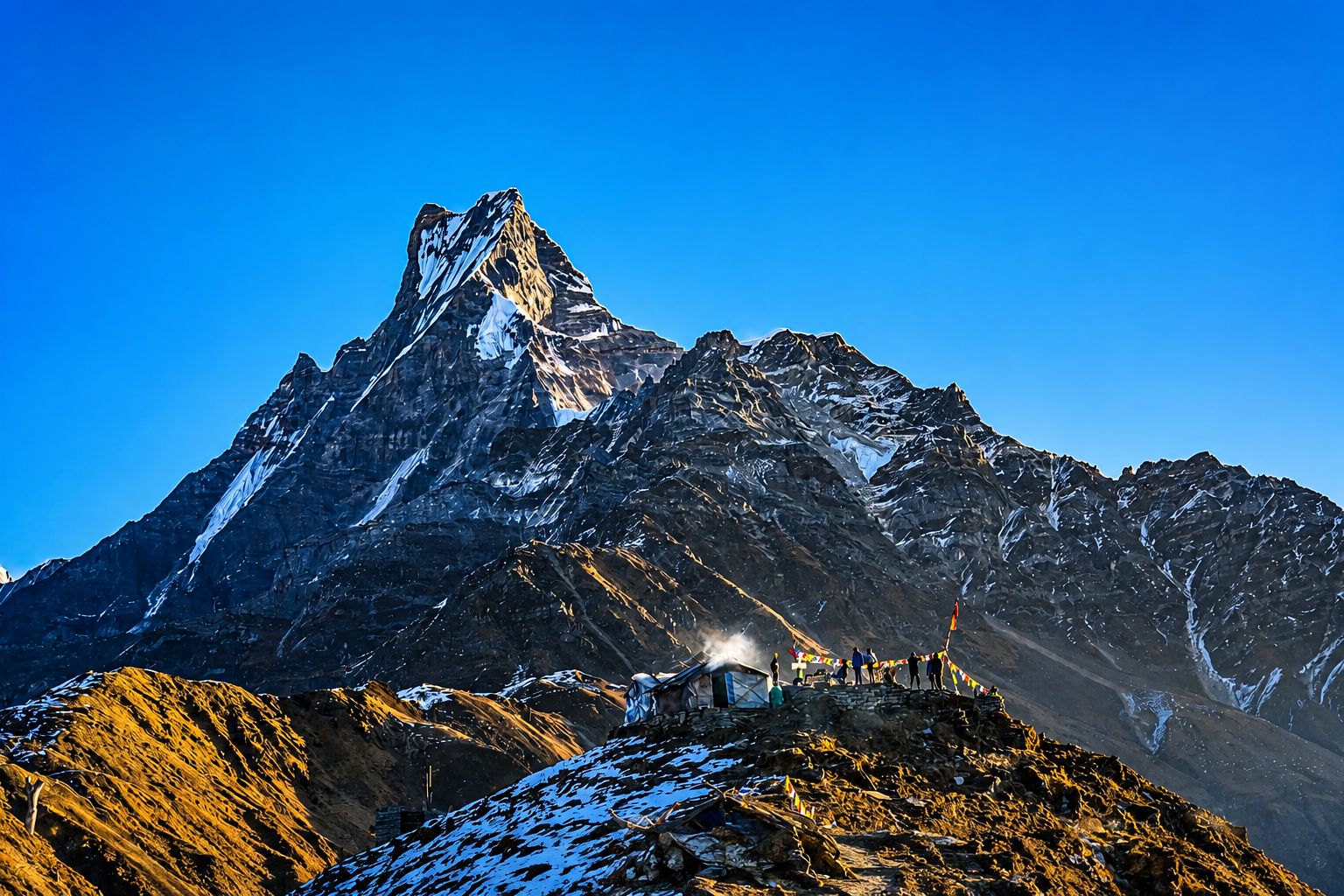
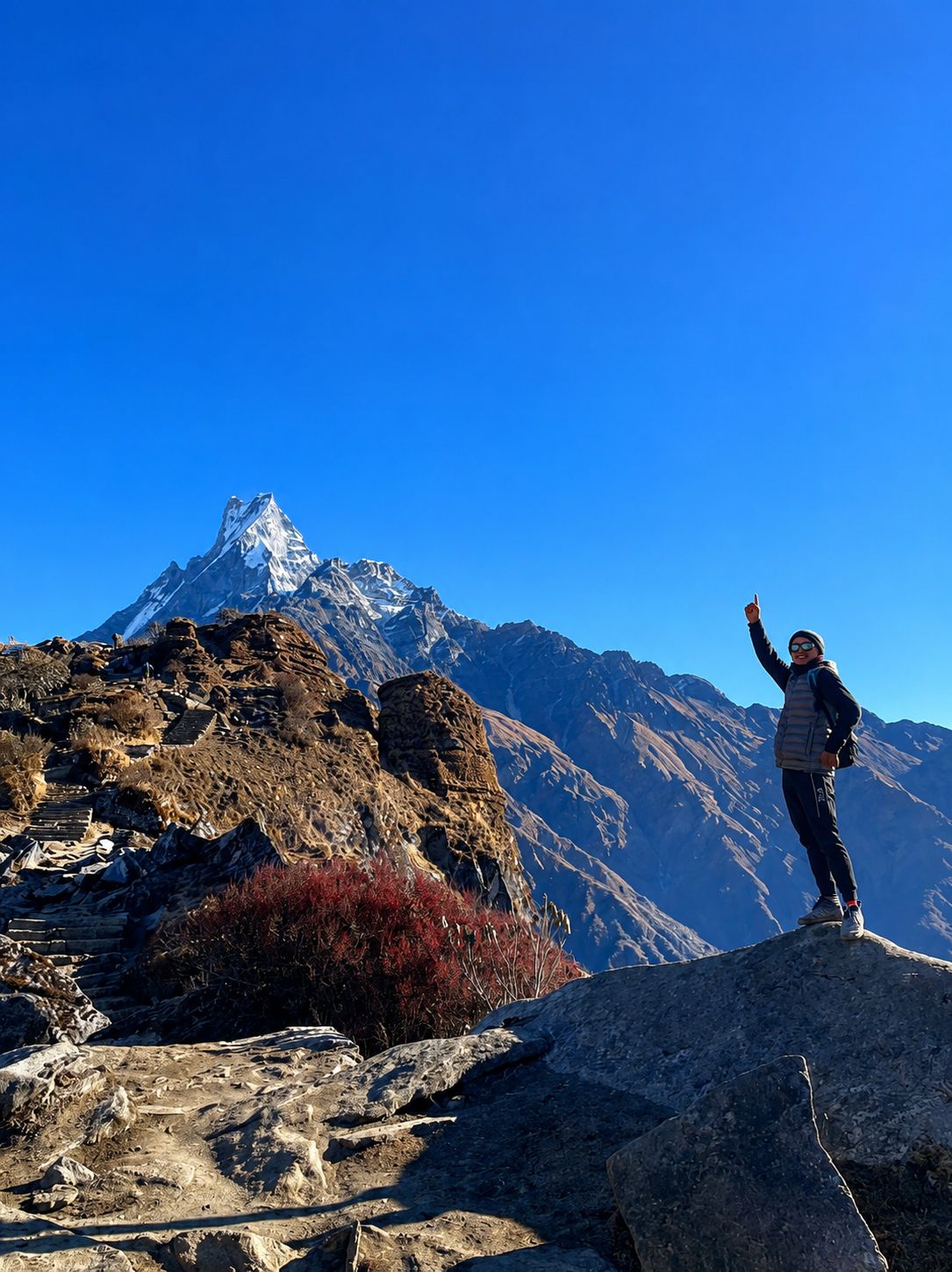
Mardi Himal sits in the Annapurna region beneath Machhapuchhre, Nepal’s sacred “Fishtail” peak, and has become one of the country’s fastest-growing short treks precisely because it delivers close mountain views without the two-week commitment of Annapurna Base Camp.
In this guide, we will walk you through all the info, including the full itinerary, real cost figures, and practical planning details using the exact route followed on organized Mardi Himal treks in 2026.
Note: Created by the experienced team at Igloo Himalayan Treks, this guide combines firsthand trekking knowledge with the latest 2026 route, permit, and cost information.
Mardi Himal Trek at a Glance
Before the day-by-day detail, here’s a quick summary of the numbers that matter most when deciding if this trek fits your trip.
| Factor | Details |
|---|---|
| Duration | 9 Days (7 days from Kathmandu, 5-6 actual trekking days) |
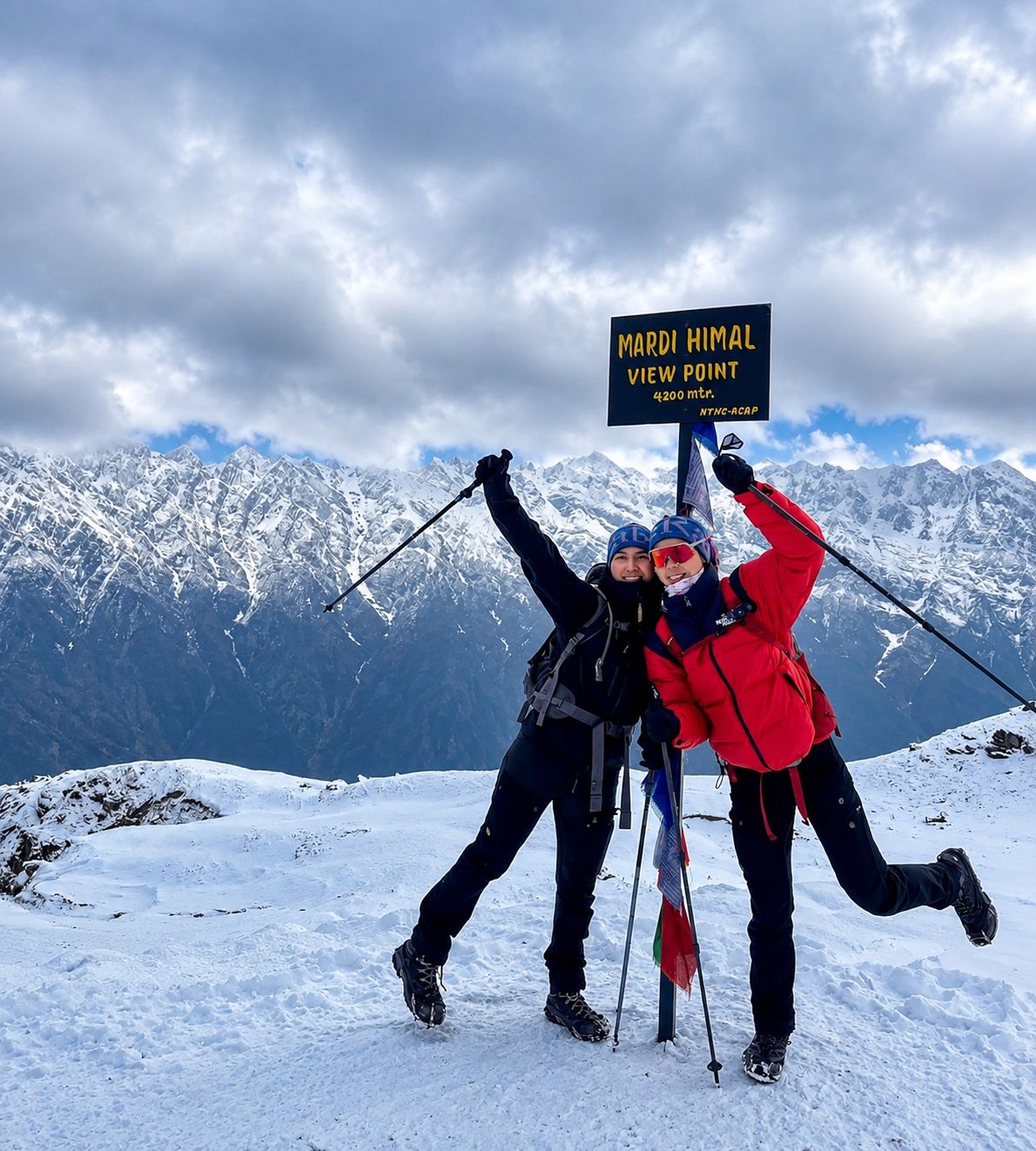
| Maximum Altitude | 4,200–4,500 m (Mardi Himal Base Camp/Viewpoint) |
| Trek Distance | Approx. 38–45 km round trip |
| Difficulty Level | Moderate |
| Starting Point | Kande, near Pokhara |
| Estimated Cost | US$725–955 per person |
| Permits Required | Annapurna Conservation Area Permit (ACAP) |
| Best Season | March–May and September–November |
What Does “Mardi Himal” Actually Mean?
Before getting into logistics, it is worth understanding where this trek’s name comes from, since it says something about how the local Gurung community regards this mountain.
Here’s the meaning behind it.
A Gurung Name With Real Meaning
In the Gurung language, “Mar” means gold and “Di” means home, so Mardi Himal translates to “Home of Gold.” The name is not about literal gold; it reflects how the mountain has long been valued by local Gurung communities as fertile grazing land and a source of fresh mountain water, making it a place of practical and spiritual wealth rather than mineral riches.
How Long Is the Mardi Himal Trek?
One of the most common questions trekkers search for before booking is simply how many days the Mardi Himal Trek takes, and the answer depends on where you start counting from.
Here is the breakdown.
-
Total Trip Length
The standard Mardi Himal Trek runs 9 days door to door, including two travel days in Kathmandu (arrival and departure), two drive days between Kathmandu and Pokhara, and roughly 5 to 6 actual trekking days on the trail itself.
Why It is Shorter Than Other Annapurna Treks
Because the trailhead at Kande is only about a 1.5-hour drive from Pokhara, and the route to Mardi Himal Base Camp covers approximately 40–45 km (round trip), it is significantly shorter than the Annapurna Base Camp Trek, which covers around 115–130 km. As a result, the Mardi Himal Trek can typically be completed in 9 days, while the Annapurna Base Camp Trek usually requires 12–13 days.
Is the Mardi Himal Trek Difficult?
Difficulty is the other question that comes up constantly, and the honest answer is that Mardi Himal sits in the middle: harder than a short hill walk, easier than a high-altitude expedition trek.
Here is the reason that actually makes it moderate rather than easy or hard.
Why It is Rated Moderate, Not Easy
The trek reaches 4,200 to 4,500 meters, high enough that altitude becomes a genuine factor, and several trekking days involve 5 to 7 hours of walking on uphill terrain, including the push from Forest Camp to High Camp at 3,545 meters. That said, the trail is well-marked, teahouses are available at every stop, and no technical climbing skill or equipment is needed.
Who Finds It Manageable
Trekkers with a reasonable fitness base and some prior hiking experience, even without high-altitude trekking history, generally find Mardi Himal manageable with proper pacing and acclimatization. It is not considered suitable for someone with zero hiking background attempting their very first multi-day trek at altitude.
Is Mardi Himal Trek Suitable for Beginners?
Yes. The Mardi Himal Trek is one of the best choices for beginners who are reasonably fit and prepared for several days of hiking. It offers a great introduction to trekking in Nepal, with comfortable teahouses, well-marked trails, and incredible Himalayan scenery.
Compared to longer high-altitude treks, Mardi Himal allows first-time trekkers to experience mountain trekking in a shorter and more manageable itinerary while still reaching an impressive elevation of 4,500 meters at Mardi Himal Base Camp.
Do I Need a Guide for the Mardi Himal Trek?
Yes. Under the current Nepal Tourism Board regulations, foreign trekkers are required to be accompanied by a licensed guide on the Mardi Himal Trek. Your guide will also assist with permit arrangements, navigation, accommodation, and provide support throughout the trek. Beyond meeting the regulations, having a local guide enhances your experience by sharing insights into the region’s culture, history, and mountains while helping ensure a safe and enjoyable journey.
Porters Add Comfort, Not Just Convenience
Most organized treks include one porter for every two trekkers, carrying the bulk of your gear so you’re only managing a light daypack, which matters more than it might sound on the steeper stretches near High Camp.
Mardi Himal Trek Itinerary: Day by Day
Here’s the actual route followed on the standard 9-day Mardi Himal Trek, from arrival in Kathmandu to your final departure.
Days 1–2: Kathmandu to Pokhara
The trip begins with arrival in Kathmandu and a pre-trek briefing, followed by a scenic 7-hour, 203-kilometer drive to Pokhara along the Trishuli River on day two, with the evening free to relax by Phewa Lake.
Day 3: Kande to Pitam Deurali (2,100 m)
A short 1.5-hour drive brings you to Kande, where the trek officially starts. The 4-hour trail passes through Australian Camp and forested paths, with early views of Annapurna South and Machhapuchhre.
Day 4: Pitam Deurali to Forest Camp (2,600 m)
A 5-hour walk deeper into rhododendron and oak forest, following a gradual ascent with occasional mountain glimpses through the trees.
Day 5: Forest Camp to High Camp (3,545 m)
A more demanding 6-hour, 11-kilometer day climbing through Low Camp as the forest thins out, with increasingly dramatic ridgeline views of the Annapurna range opening up.
Day 6: Mardi Himal Base Camp (4,200 m) and Return to Badal Danda
An early morning push to Mardi Himal Base Camp delivers sunrise views over Mardi Himal, Annapurna South, Hiunchuli, and Machhapuchhre, before descending to Badal Danda for the night, a 7-hour, 13-kilometer day in total.
Days 7–9: Siding Village, Pokhara, and Departure
The trail descends through forest and terraced fields to the Gurung village of Siding, followed by a drive back to Pokhara, then an overland return to Kathmandu on day 8 and final departure on day 9. Full details are on our Mardi Himal Trek page.
Mardi Himal Trek Cost
Cost is one of the more straightforward parts of planning this trek, since pricing scales cleanly with group size.
Here is what to budget.
Package Pricing by Group Size
A group of 5 to 9 trekkers pays around US$725 per person, a small group of 2 to 4 pays around US$835, and a solo trekker pays around US$955, reflecting how fixed costs like transport and guide fees are shared across the group.
What’s Included and Excluded
Standard packages include airport transfers, all transportation, full board meals during the trek, a licensed guide and porter, the ACAP permit, teahouse accommodation, and 3-star hotel stays in Kathmandu and Pokhara. International airfare, the Nepal visa, travel insurance, personal expenses like Wi-Fi and hot showers, and tips are not included.
Permits Required for the Mardi Himal Trek
Since the entire route runs through the Annapurna Conservation Area, permit requirements are simpler here than in restricted regions like Upper Mustang or Kanchenjunga.
Annapurna Conservation Area Permit (ACAP)
Every trekker needs a valid ACAP, arranged through your trekking agency before departure, since this is the only permit required for the standard Mardi Himal route.
Combining Mardi Himal With Other Treks
Trekkers who want more than a single short trek have a couple of well-established options that build directly on the Mardi Himal route.
ABC With Mardi Himal Trek
This 13-day itinerary combines the full Annapurna Base Camp experience with the Mardi Himal ridge walk, taking trekkers to Annapurna Base Camp (4,130 m) via Sinuwa, Deurali, and Machhapuchhre Base Camp, before crossing over to the Mardi Himal trail through Jhinu Danda’s hot springs and on to Mardi Himal Base Camp. Pricing runs from US$875 to US$1,205 depending on group size. See our ABC With Mardi Himal Trek page for the complete route.
Ghorepani Poon Hill and Mardi Himal Trek
For trekkers who want the classic Poon Hill sunrise viewpoint alongside Mardi Himal in one trip, our Ghorepani Poon Hill & Mardi Himal Trek combines both routes into a single 12-day itinerary.
How to Prepare for the Mardi Himal Trek
A few practical steps make a real difference to how the trek actually feels, especially during the steeper push to High Camp and Base Camp.
Build Basic Cardio Fitness
Regular walking, stair climbing, or light hiking in the month or two before departure helps significantly, even though this trek doesn’t require advanced athletic conditioning.
Pack for Temperature Swings
Days can be mild in the sun, but nights at High Camp (3,545 m) and Base Camp regularly drop below freezing, so a proper down jacket, warm layers, and a sleeping bag rated to around -10°C are essential, along with trekking poles for the steeper descents.
Plan Your Insurance Before You Arrive
Comprehensive travel insurance covering high-altitude trekking above 4,000 meters and emergency helicopter evacuation is mandatory, since basic medical facilities disappear once you leave Pokhara. According to guidance from the Nepal Health Research Council, proper altitude acclimatization and preparedness remain key factors in preventing serious health complications on high-altitude treks in Nepal.
Best Season for the Mardi Himal Trek
Timing affects both trail conditions and the views you’ll actually get from High Camp and Base Camp. Here’s a quick look at typical temperatures across the trek’s higher elevations before going season by season.
| Season | Months | Daytime Temperature | Nighttime Temperature |
|---|---|---|---|
| Spring | March–May | 10°C to 15°C | -5°C to 0°C |
| Summer/Monsoon | June–August | 15°C to 20°C | 5°C to 10°C |
| Autumn | September–November | 10°C to 15°C | -10°C to -5°C |
| Winter | December–February | 0°C to 5°C | -15°C to -10°C |
Spring (March–May)
Spring brings rhododendron forests into full bloom along the lower trail sections, adding color to the walk from Pitam Deurali through Forest Camp. Daytime temperatures stay comfortable for walking, and the combination of clear mornings and blooming forest makes this one of the two most popular windows to trek Mardi Himal.
Summer/Monsoon (June–August)
This season brings the warmest temperatures of the year at both High Camp and Base Camp, along with lush, deep-green forest scenery on the lower trail. Trails are quieter, teahouses are easier to book without advance planning, and the added humidity keeps the forest sections particularly vibrant.
Autumn (September–November)
Autumn is widely considered the clearest season for mountain visibility, with crisp air and stable weather delivering some of the sharpest views of Machhapuchhre, Annapurna South, and Hiunchuli from High Camp and Base Camp. This is the other of the two peak seasons for Mardi Himal.
Winter (December–February)
Winter offers the quietest trails of the year, with far fewer trekkers sharing the route to High Camp and Base Camp. Skies tend to be clear and dry during this period, and the snow-dusted ridgelines around High Camp add a striking, quieter kind of scenery to the trek.
Conclusion
This Mardi Himal Trek guide comes down to a few clear facts: it’s a 9-day trip with roughly 5 to 6 days of actual trekking, rated moderate rather than easy, reaching 4,200 to 4,500 meters at Base Camp, and generally costing between US$725 and US$955 per person depending on group size. A guide isn’t just a formality here; it’s a genuine safety asset on a route that’s quieter and less signposted than busier Annapurna trails.
If you’re planning your Mardi Himal Trek, or want to combine it with Annapurna Base Camp or Ghorepani Poon Hill, Igloo Himalaya Treks can help you choose the right itinerary and prepare properly. As one of the best trekking companies in Nepal, our certified local guides know this route well and can build a trip around your fitness level and schedule. Visit our Mardi Himal Trek page to check current departure dates and get a personalized quote.
How long is the Mardi Himal Trek?
The standard Mardi Himal Trek takes 9 days in total, including arrival in Kathmandu, travel to and from Pokhara, and 5 to 6 days of trekking. If you are already in Pokhara, shorter itineraries of 4–6 trekking days are also possible.
How difficult is the Mardi Himal Trek?
The Mardi Himal Trek is considered moderately difficult. You can expect to walk 5 to 7 hours each day on forest trails, stone steps, and ridgelines while reaching a maximum altitude of 4,500 meters at Mardi Himal Base Camp. No technical climbing or mountaineering experience is required.
Is the Mardi Himal Trek suitable for beginners?
Yes. The Mardi Himal Trek is one of the best trekking options for beginners who have a reasonable level of fitness and are prepared for several days of hiking. Its shorter itinerary, comfortable teahouses, and well-established trail make it an excellent introduction to trekking in the Nepal Himalayas.
Do I need a guide for the Mardi Himal Trek?
Yes. Under the current Nepal Tourism Board regulations, foreign trekkers are required to be accompanied by a licensed guide on the Mardi Himal Trek. A guide also helps with permits, navigation, accommodation, and shares valuable local knowledge throughout the journey.
How much does the Mardi Himal Trek cost?
The 9-day Mardi Himal Trek typically costs US$725–955 per person, depending on your group size and the services included. Most packages cover accommodation, meals during the trek, permits, transportation, and the services of a licensed guide.
What permits are required for the Mardi Himal Trek?
The only permit required is the Annapurna Conservation Area Permit (ACAP), as the entire trekking route lies within the Annapurna Conservation Area. Your trekking company usually arranges the permit before the trek begins.
Can I combine the Mardi Himal Trek with Annapurna Base Camp?
Yes. Many trekkers choose the ABC with Mardi Himal Trek, a 13-day itinerary that combines both routes. This option lets you experience the iconic Annapurna Base Camp along with the scenic ridgeline and panoramic views of Mardi Himal in a single adventure.
What is the best time to do the Mardi Himal Trek?
The best time for the Mardi Himal Trek is during spring (March to May) and autumn (September to November). These seasons offer the clearest mountain views, stable weather, comfortable trekking temperatures, and the best trail conditions. Spring also brings colorful rhododendron forests into bloom, while autumn provides crisp skies and excellent visibility.
What is the highest point of the Mardi Himal Trek?
The highest point of the Mardi Himal Trek is Mardi Himal Base Camp, located at an altitude of 4,500 meters (14,764 ft). From the base camp, trekkers enjoy spectacular panoramic views of Machhapuchhre (Fishtail), Annapurna South, Hiunchuli, and Mardi Himal, making it the highlight of the trek.


