
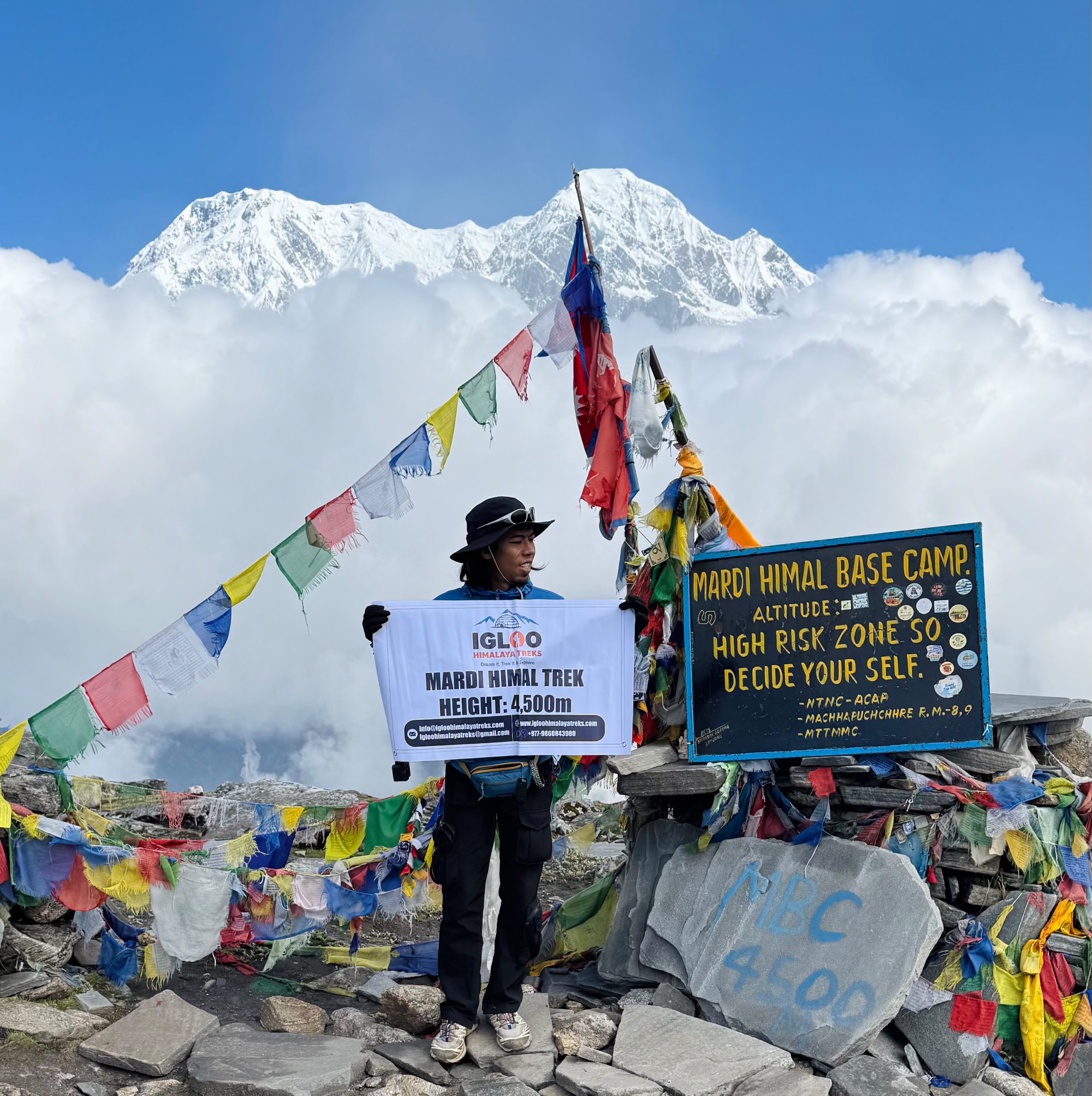
What is the Mardi Himal Trek?
The Mardi Himal Trek is one of Nepal’s most rewarding short trekking adventures, offering an unforgettable journey into the heart of the Annapurna Himalayas. Located in the world-renowned Annapurna region, this scenic trek combines breathtaking mountain panoramas, rich cultural experiences, pristine forests, and peaceful trails, making it an excellent choice for both first-time trekkers and experienced hikers seeking a less-crowded Himalayan adventure.
Often described as one of Nepal’s best hidden gems, the Mardi Himal Trek follows a beautiful ridge through dense rhododendron and oak forests, traditional Gurung and Magar villages, alpine pastures, and dramatic high ridges before reaching Mardi Himal Base Camp (4,500 meters / 14,764 feet). Throughout the journey, trekkers are rewarded with uninterrupted views of some of Nepal’s most iconic peaks, including the majestic Machhapuchhre (Fishtail Mountain), Annapurna South, Hiunchuli, Gangapurna, and the towering Annapurna I.
Unlike the more crowded Annapurna Base Camp and Everest Base Camp trekking routes, the Mardi Himal Trek offers a peaceful and authentic trekking experience. The trail remains relatively quiet, allowing visitors to immerse themselves in the untouched beauty of nature while enjoying spectacular sunrise and sunset views over the snow-covered Himalayan peaks.
One of the trek’s greatest highlights is the gradual change in landscapes. Starting from the subtropical forests near Pokhara, the trail climbs through colorful rhododendron woodlands—especially vibrant during spring—before emerging onto open alpine ridges where every step reveals dramatic mountain scenery. The final approach to Mardi Himal Base Camp follows a breathtaking narrow ridge that provides one of the closest viewpoints of Machhapuchhre, creating an unforgettable experience for photographers and nature lovers alike.
Beyond its stunning scenery, the trek also offers an opportunity to experience the unique culture and warm hospitality of the local Gurung and Magar communities. Cozy mountain teahouses along the route provide comfortable accommodation, traditional Nepali meals, and a welcoming atmosphere where trekkers can learn about local traditions and lifestyles.
The Mardi Himal Trek is considered a moderate-grade trek, making it suitable for trekkers with average fitness levels. Most itineraries range from 5 to 7 days, making it one of the best short Himalayan trekking packages for travelers with limited time who still want to experience Nepal’s spectacular mountain landscapes.
Is the Mardi Himal Trek Worth It?
Absolutely. The Mardi Himal Trek is widely regarded as one of Nepal’s best short treks because it delivers many of the highlights of longer Himalayan expeditions within a compact itinerary. From dense forests and alpine landscapes to towering snow-capped peaks and authentic mountain culture, every day offers something new and unforgettable.
Whether you are looking for your first Himalayan trekking experience, a peaceful alternative to crowded trails, or a scenic adventure filled with panoramic mountain views, the Mardi Himal Trek offers exceptional value and memories that last a lifetime.
For trekkers seeking a perfect combination of natural beauty, cultural immersion, manageable trekking days, and world-class Himalayan scenery, the Mardi Himal Trek stands out as one of the finest trekking destinations in Nepal.
Where is the Mardi Himal Trek Located?
The Mardi Himal Trek is located in the heart of the Annapurna Conservation Area, one of Nepal’s most spectacular protected regions, just northeast of the beautiful lakeside city of Pokhara. Nestled beneath the magnificent Machhapuchhre (Fishtail Mountain), this hidden Himalayan trail offers trekkers an incredible opportunity to experience pristine forests, alpine landscapes, traditional mountain villages, and breathtaking panoramic views without the crowds found on Nepal’s more popular trekking routes.
The journey usually begins with a short drive from Pokhara to Kande, Phedi, or Dhampus, depending on the selected itinerary. From there, the trail gradually ascends through lush rhododendron and oak forests, charming Gurung and Magar settlements, peaceful grazing meadows, and scenic mountain ridges before reaching the spectacular Mardi Himal Base Camp, situated at approximately 4,500 meters (14,764 feet) above sea level.
Along the route, trekkers pass through popular overnight stops such as Forest Camp, Low Camp, Badal Danda, and High Camp, each offering increasingly dramatic views of the Annapurna Himalayan range. The final section from High Camp to Mardi Himal Base Camp follows a narrow ridge with unforgettable close-up views of Machhapuchhre (6,993 m), Annapurna South (7,219 m), Hiunchuli (6,441 m), Annapurna I (8,091 m), and several surrounding snow-capped peaks.
After reaching the base camp, most itineraries descend to the peaceful Siding Village, where trekkers experience authentic rural mountain life before driving back to Pokhara.
One of the biggest advantages of the Mardi Himal Trek’s location is its easy accessibility. Unlike many remote Himalayan treks that require domestic flights, the entire journey can be completed using road transportation from Pokhara, making it one of Nepal’s most convenient and affordable trekking destinations.
Whether you are searching for spectacular Himalayan scenery, rich cultural experiences, or peaceful mountain trails, the location of the Mardi Himal Trek perfectly combines natural beauty, adventure, and accessibility in one unforgettable trekking experience.
How Difficult is the Mardi Himal Trek?
The Mardi Himal Trek is generally considered a moderate Himalayan trek, making it an excellent choice for beginners, solo travelers, couples, families with active children, and experienced trekkers looking for a shorter adventure in Nepal. While the trek does not involve technical climbing or mountaineering skills, it still requires good physical fitness, determination, and proper preparation.
Most trekking days involve walking between 5 and 7 hours, covering a combination of forest trails, stone staircases, alpine paths, and narrow mountain ridges. As the elevation gradually increases, the trail becomes steeper, especially between High Camp and Mardi Himal Base Camp, which is widely regarded as the most challenging section of the trek.
The highest point reaches approximately 4,500 meters, where thinner air can make hiking more demanding. Although the risk of altitude sickness is lower than on Everest Base Camp or Annapurna Circuit, trekkers should still ascend gradually, stay hydrated, and listen to their bodies throughout the journey.
Despite these challenges, the Mardi Himal Trek remains achievable for most healthy individuals with moderate fitness. Preparing with regular walking, hiking, jogging, cycling, or stair climbing several weeks before your trip will significantly improve your trekking experience.
The reward for your effort is extraordinary. Every uphill climb reveals increasingly spectacular views of the Annapurna range, while peaceful forests, colorful rhododendron blooms, and authentic mountain villages create a trekking experience that is both physically rewarding and spiritually refreshing.
If you are looking for a Himalayan trek that balances adventure, comfort, and accessibility without requiring previous mountaineering experience, the Mardi Himal Trek is one of the best options in Nepal.
How Many Days Are Required for the Mardi Himal Trek?
The Mardi Himal Trek is one of Nepal’s best short trekking adventures, making it ideal for travelers with limited vacation time who still want to experience the breathtaking beauty of the Himalayas. Most standard itineraries require 5 to 7 days, starting and ending in Pokhara.
A typical 5-day itinerary includes transportation from Pokhara, trekking to Mardi Himal Base Camp, and descending through Siding Village before returning to the city. This schedule is perfect for trekkers with good fitness and previous hiking experience.
Many visitors prefer a 6 or 7-day itinerary, which allows for a more relaxed pace, additional acclimatization, longer rest breaks, and extra opportunities to enjoy the incredible scenery. A slower itinerary also reduces fatigue and makes the overall trekking experience more enjoyable, especially for first-time visitors to Nepal.
For travelers arriving internationally, most trekking packages include Kathmandu sightseeing, transportation between Kathmandu and Pokhara, and hotel stays before and after the trek. As a result, the total holiday usually lasts 7 to 9 days, providing enough time to experience both Nepal’s cultural heritage and the magnificent Annapurna Himalayas.
Highly experienced hikers with excellent fitness occasionally complete the trek in just 4 days, but this fast-paced schedule offers little time for acclimatization or enjoying the surrounding landscapes. For the majority of trekkers, a 5 to 7-day itinerary provides the perfect balance between adventure, comfort, safety, and unforgettable mountain experiences.
Whether you choose a shorter or longer itinerary, every day on the Mardi Himal Trek offers stunning mountain panoramas, peaceful forest trails, welcoming teahouses, and unforgettable Himalayan sunrises that make this journey one of Nepal’s most rewarding trekking experiences.
What is the Best Time to Do the Mardi Himal Trek?
The best time to do the Mardi Himal Trek is during spring (March to May) and autumn (September to November). These two seasons offer the most stable weather, crystal-clear mountain views, comfortable temperatures, and ideal trekking conditions, making them the preferred choice for most trekkers visiting Nepal.
Spring (March to May) – Colorful Landscapes and Pleasant Weather
Spring is one of the most beautiful seasons for the Mardi Himal Trek. During these months, the forests come alive with blooming rhododendrons, magnolias, and other wildflowers, transforming the trail into a vibrant natural paradise. Temperatures are mild during the day, while the skies are generally clear, providing spectacular views of Machhapuchhre (Fishtail), Annapurna South, Hiunchuli, and the surrounding Himalayan peaks.
Spring is particularly popular among photographers, nature lovers, birdwatchers, and first-time trekkers who want to experience Nepal’s diverse landscapes in full bloom.
Autumn (September to November) – The Peak Trekking Season
Autumn is widely regarded as the best trekking season in Nepal. After the summer monsoon, dust and humidity disappear, leaving exceptionally clear skies and outstanding visibility. The mountain scenery is breathtaking, temperatures remain comfortable, and weather conditions are highly stable throughout the trekking season.
This is also the busiest period on the Mardi Himal Trek, as thousands of trekkers visit Nepal to enjoy the perfect combination of sunshine, dry trails, and panoramic Himalayan views.
Winter (December to February) – Quiet Trails and Snow-Covered Mountains
Winter offers a completely different trekking experience. The trails are much quieter, allowing trekkers to enjoy peaceful mountain landscapes with fewer visitors. Higher elevations, especially around High Camp and Mardi Himal Base Camp, often receive snowfall, creating stunning winter scenery.
However, temperatures can fall well below freezing during the night, and snow may make sections of the trail more challenging. Winter trekking is best suited for experienced hikers who are properly equipped with warm clothing and appropriate gear.
Monsoon (June to August) – Lush Nature with Challenging Conditions
The summer monsoon brings frequent rainfall to the Annapurna region. Although the forests become incredibly green and waterfalls are at their most beautiful, heavy rain often creates muddy and slippery trails. Cloud cover may hide the mountain views for several days, and leeches are common in the lower forests.
For these reasons, the monsoon season is generally considered the least favorable time for the Mardi Himal Trek, although experienced trekkers seeking solitude may still enjoy the lush landscapes.
Which Season Should You Choose?
If your goal is the best mountain views, pleasant weather, and excellent trekking conditions, spring and autumn remain the ideal seasons for the Mardi Himal Trek. These months provide the perfect balance of comfortable temperatures, safe trails, and unforgettable Himalayan scenery.
Do I Need Previous Trekking Experience for the Mardi Himal Trek?
One of the reasons the Mardi Himal Trek has become one of Nepal’s most popular trekking destinations is that previous trekking experience is not required. The trail is considered beginner-friendly and is suitable for anyone with average physical fitness, a positive attitude, and a willingness to walk several hours each day.
Unlike technical mountaineering expeditions, the Mardi Himal Trek does not involve climbing ropes, ice axes, or specialized climbing skills. The route follows well-established mountain trails through forests, villages, and alpine ridges, making it accessible to first-time trekkers from around the world.
Most days involve 5 to 7 hours of walking, with gradual elevation gain and occasional steep sections. While the final climb from High Camp to Mardi Himal Base Camp is more physically demanding due to higher altitude and steeper terrain, it remains achievable for most healthy individuals who prepare in advance.
To make your trek more enjoyable, it is recommended to begin light fitness training several weeks before your departure. Activities such as walking, hiking, jogging, cycling, stair climbing, or regular cardio exercise will improve your stamina and confidence on the trail.
Hiring an experienced local guide is also highly recommended. A professional guide enhances your safety, manages logistics, shares local culture and history, and helps identify any early signs of altitude sickness.
Whether you are a solo traveler, a couple, a family, or a group of friends, the Mardi Himal Trek offers an excellent introduction to trekking in the Himalayas without requiring previous mountain experience.
What Permits Are Required for the Mardi Himal Trek?
Before beginning the Mardi Himal Trek, all international trekkers must obtain the necessary trekking permits required by the Government of Nepal. These permits help support environmental conservation, trail maintenance, and visitor management within the Annapurna region.
The permits commonly required for the Mardi Himal Trek include:
- Annapurna Conservation Area Permit (ACAP) – This permit is mandatory for entering the Annapurna Conservation Area, Nepal’s largest protected mountain region, which is home to diverse wildlife, forests, and traditional mountain communities.
- TIMS Card (Trekkers’ Information Management System) or any updated trekking documentation required by Nepal’s tourism authorities. Depending on current government regulations, TIMS requirements may change, especially for trekkers traveling independently or with licensed trekking agencies.
Permit policies are occasionally updated by the Nepal Tourism Board and the Department of National Parks and Wildlife Conservation. For this reason, trekkers should always confirm the latest requirements before traveling.
When you book your adventure with Igloo Himalaya Treks, our experienced team assists with all required trekking permits and documentation, allowing you to focus entirely on enjoying your Himalayan journey.
What Is the Highest Point of the Mardi Himal Trek?
The highest point of the Mardi Himal Trek is Mardi Himal Base Camp, located at approximately 4,500 meters (14,764 feet) above sea level. Reaching the base camp is the highlight of the trek and rewards hikers with one of the closest and most dramatic viewpoints of the Annapurna Himalayas.
From the base camp, trekkers enjoy breathtaking panoramic views of Machhapuchhre (Fishtail Mountain), Annapurna South, Hiunchuli, Annapurna I, Gangapurna, and numerous surrounding snow-covered peaks. The close proximity to these mountains creates an unforgettable sense of standing in the heart of the Himalayas.
Many trekkers also hike to the nearby Upper Viewpoint, located just below the base camp. This viewpoint offers equally spectacular scenery and is especially popular for sunrise photography, when the first golden light illuminates the Annapurna range.
Because the trail reaches an altitude of 4,500 meters, proper acclimatization, a steady walking pace, and adequate hydration are essential for a safe and enjoyable trekking experience.
Is Altitude Sickness a Concern on the Mardi Himal Trek?
Yes. Although the Mardi Himal Trek is shorter than many other Himalayan treks, altitude sickness can still affect trekkers as they climb above 2,500 meters. Since the trek reaches 4,500 meters at Mardi Himal Base Camp, it is important to understand the symptoms and take preventive measures.
Altitude sickness occurs because the amount of available oxygen decreases as elevation increases. While many trekkers complete the journey without difficulty, everyone responds differently to high altitude, regardless of age or fitness level.
Common symptoms include:
- Headache
- Nausea or vomiting
- Dizziness
- Fatigue or unusual tiredness
- Loss of appetite
- Difficulty sleeping
- Shortness of breath during rest or activity
Fortunately, the risk can be greatly reduced by following a few simple guidelines:
- Walk at a comfortable and steady pace.
- Drink plenty of water throughout the trek.
- Eat nutritious meals to maintain energy levels.
- Avoid excessive alcohol and smoking.
- Allow your body time to adjust to increasing altitude.
- Immediately inform your guide if symptoms become more severe.
Professional trekking guides are trained to recognize the early signs of altitude-related illnesses and will recommend appropriate action if necessary. Most Mardi Himal itineraries are carefully planned with gradual elevation gain to minimize the risk of altitude sickness and ensure a safer, more enjoyable trekking experience.
With proper preparation, responsible trekking practices, and guidance from experienced professionals, the vast majority of visitors successfully reach Mardi Himal Base Camp while enjoying one of Nepal’s most spectacular Himalayan adventures.
What Kind of Accommodation Is Available on the Mardi Himal Trek?
Accommodation on the Mardi Himal Trek consists primarily of traditional Nepali teahouses and mountain lodges, offering trekkers a comfortable and authentic Himalayan experience. Staying in these locally owned teahouses not only provides a warm place to rest but also gives visitors the opportunity to experience the culture and hospitality of the mountain communities along the trail.
Most rooms are simple yet clean, typically featuring twin beds, comfortable mattresses, pillows, blankets, and shared bathroom facilities. At lower elevations, some teahouses may offer private rooms with attached bathrooms, while accommodation becomes more basic as you climb toward High Camp and Mardi Himal Base Camp.
The heart of every teahouse is its communal dining hall, where trekkers gather to enjoy freshly prepared meals, exchange travel stories, and relax around a centrally heated wood-burning or gas stove during chilly evenings. These cozy dining rooms create a welcoming atmosphere that often becomes one of the most memorable parts of the trekking experience.
Although luxury accommodation is not available on the trail, the teahouses provide everything necessary for a comfortable stay, including nutritious meals, warm drinks, charging facilities (usually for a small fee), and friendly service from local families.
Choosing to stay in teahouses also supports the local economy and promotes sustainable tourism within the Annapurna Conservation Area, making your adventure both enjoyable and responsible.
What Food Is Available During the Mardi Himal Trek?
One of the pleasant surprises of the Mardi Himal Trek is the wide variety of freshly prepared meals available in the mountain teahouses. Despite the remote location, trekkers can enjoy nutritious, filling, and delicious food throughout the journey.
The most popular meal is Dal Bhat, Nepal’s traditional combination of steamed rice, lentil soup, seasonal vegetables, and pickles. Rich in carbohydrates and protein, Dal Bhat provides long-lasting energy and is the preferred choice of many experienced trekkers. A common saying in Nepal is, “Dal Bhat Power, 24 Hour,” reflecting its reputation as the perfect trekking meal.
In addition to Dal Bhat, teahouses commonly serve:
- Fried rice
- Vegetable or egg noodles
- Pasta and macaroni
- Freshly prepared soups
- Momos (Nepali dumplings)
- Boiled, fried, or scrambled eggs
- Potato dishes
- Pancakes and Tibetan bread
- Chapati with curry
- Oatmeal and porridge
- Tea, coffee, ginger tea, lemon tea, and hot chocolate
At lower elevations, seasonal fruits may also be available depending on the time of year.
Vegetarian meals are widely available and are often recommended at higher altitudes because they are generally lighter, easier to digest, and prepared with fresh local ingredients. Since meat must often be transported over long distances, many trekking guides advise choosing vegetarian dishes once you reach the higher sections of the trail.
The hearty meals served along the Mardi Himal Trek help replenish energy after each day’s hike while offering a taste of Nepal’s rich culinary traditions.
Is Drinking Water Available During the Mardi Himal Trek?
Yes. Safe drinking water is available throughout the Mardi Himal Trek, and trekkers have several convenient options for staying hydrated during their journey.
Most teahouses sell bottled mineral water, although prices increase as altitude rises because supplies are transported by porters or pack animals. To reduce both costs and environmental impact, many trekkers choose to refill reusable water bottles with boiled drinking water available at teahouses for a small fee.
Another excellent option is to carry a portable water filter, UV purifier, or water purification tablets. These allow trekkers to safely treat water collected from taps or natural water sources while significantly reducing single-use plastic waste.
Maintaining proper hydration is especially important at higher elevations, as drinking enough water helps reduce fatigue and lowers the risk of altitude sickness.
At Igloo Himalaya Treks, we strongly encourage environmentally responsible trekking by recommending reusable water bottles and sustainable purification methods. Small choices like these help preserve the pristine beauty of the Annapurna Conservation Area for future generations.
What Mountains Can Be Seen During the Mardi Himal Trek?
The Mardi Himal Trek is renowned for offering some of the closest and most spectacular mountain views in Nepal. Throughout the journey, trekkers enjoy uninterrupted panoramas of snow-covered Himalayan peaks that seem almost within arm’s reach.
Among the magnificent mountains visible during the trek are:
- Machhapuchhre (Fishtail Mountain)
- Annapurna South
- Hiunchuli
- Annapurna I
- Annapurna II
- Annapurna III
- Gangapurna
- Lamjung Himal
- Mardi Himal
- Dhaulagiri (visible on exceptionally clear days)
The most breathtaking viewpoints are found at High Camp, the Upper Viewpoint, and Mardi Himal Base Camp, where the dramatic ridgeline provides an unforgettable 360-degree panorama of the Annapurna Himalayan range.
One of the trek’s greatest highlights is witnessing sunrise over the Himalayas. As the first golden rays of sunlight illuminate the towering peaks, the mountains gradually change color from deep blue to brilliant shades of gold, orange, and pink. This magical moment is widely regarded as one of the most spectacular sunrise experiences in Nepal and remains a lifelong memory for many trekkers.
For photographers, nature enthusiasts, and mountain lovers, the Mardi Himal Trek offers an extraordinary opportunity to experience some of the world’s most beautiful alpine scenery.
Is Wi-Fi and Mobile Network Available on the Mardi Himal Trek?
Yes, Wi-Fi and mobile network coverage are available on much of the Mardi Himal Trek, although connectivity becomes more limited as you gain elevation.
Many teahouses provide Wi-Fi access for an additional fee, allowing trekkers to stay in touch with family and friends, check emails, or share photos from the trail. Internet speeds are generally sufficient for basic messaging, but connections can become slower and less reliable at higher elevations due to weather conditions and limited infrastructure.
Mobile phone coverage is available in many parts of the route through Nepal’s major telecommunications providers. However, signal strength varies depending on your location. While lower villages usually have stable reception, coverage may become weak or unavailable near High Camp and Mardi Himal Base Camp.
For those looking to disconnect from everyday life and fully immerse themselves in nature, the occasional lack of internet becomes one of the trek’s greatest advantages. Surrounded by breathtaking Himalayan scenery, many visitors discover that the best connection on the Mardi Himal Trek is with the mountains themselves.
What Should I Pack for the Mardi Himal Trek?
Packing wisely is one of the most important factors for a safe, comfortable, and enjoyable Mardi Himal Trek. Weather conditions in the Himalayas can change quickly, especially at higher elevations, so bringing the right equipment is essential.
Your packing list should include:
- Comfortable waterproof hiking boots with good ankle support
- Warm down jacket for cold mornings and evenings
- Sleeping bag suitable for below-freezing temperatures
- Thermal base layers
- Waterproof and windproof rain jacket
- Trekking trousers and moisture-wicking clothing
- Trekking poles for stability on steep sections
- Warm gloves and insulated hat
- Sunglasses with UV protection
- Sunscreen and lip balm
- Reusable water bottles or hydration system
- Water purification tablets or portable filter
- Personal medications and a small first-aid kit
- Headlamp with spare batteries
- Power bank and charging cable
- Energy snacks such as nuts, chocolate, or protein bars
- Camera or smartphone for capturing the incredible scenery
The key to successful trekking is packing light but smart. Carry only essential items while ensuring you are prepared for cold temperatures, changing weather, and long walking days.
If you book your adventure with Igloo Himalaya Treks, we provide every client with a detailed packing checklist before departure. Our experienced team is always happy to recommend the best trekking equipment based on the season, weather conditions, and your individual travel plans, ensuring you arrive fully prepared for an unforgettable Himalayan adventure.
Can I Trek the Mardi Himal Trek Independently?
Yes, it may be possible to trek the Mardi Himal Trek independently, but this depends on the latest trekking regulations issued by the Government of Nepal. Trekking policies are occasionally updated by Nepal’s tourism authorities, so it is always important to verify the current requirements before planning your adventure.
Even when independent trekking is permitted, many travelers choose to hire a licensed local trekking guide because it significantly enhances both safety and the overall trekking experience.
An experienced guide does much more than lead the way. They provide valuable insights into the local Gurung and Magar culture, explain the history and traditions of the Annapurna region, monitor your health at higher elevations, assist with communication in remote villages, arrange teahouse accommodation, and help manage any unexpected situations that may arise during the trek.
The Mardi Himal trail is generally well-marked, but changing weather conditions such as heavy fog, snowfall, or rain can occasionally reduce visibility, particularly on the higher ridges between High Camp and Mardi Himal Base Camp. A knowledgeable guide ensures you stay on the correct route while allowing you to focus on enjoying the incredible Himalayan scenery.
For solo travelers, families, couples, and small groups, hiring a licensed guide also provides peace of mind in case of altitude sickness, weather changes, or medical emergencies. Guides are trained to recognize altitude-related symptoms early and can make informed decisions that prioritize your safety.
At Igloo Himalaya Treks, our experienced government-licensed guides are passionate about sharing Nepal’s mountains, culture, and traditions. Their local knowledge transforms an ordinary trek into a meaningful and memorable Himalayan experience while ensuring your journey is safe, enjoyable, and worry-free.
Whether you choose to trek independently or with professional support, always check the latest trekking regulations and travel with proper permits, suitable equipment, and comprehensive travel insurance.
Why Should I Choose the Mardi Himal Trek with Igloo Himalaya Treks?
Choosing the right trekking company is one of the most important decisions you will make when planning your Himalayan adventure. At Igloo Himalaya Treks, we believe that a successful trek is about much more than reaching the destination—it’s about creating safe, authentic, and unforgettable experiences that stay with you for a lifetime.
As a trusted local trekking company based in Nepal, we specialize in providing personalized trekking holidays that combine professional service, experienced mountain guides, carefully designed itineraries, and genuine Nepali hospitality. Our goal is to ensure every traveler enjoys the breathtaking beauty of the Himalayas with complete confidence and peace of mind.
Local Expertise You Can Trust
Our guides have extensive knowledge of the Annapurna region, its mountain trails, weather conditions, local culture, and high-altitude trekking. Their experience allows you to travel safely while learning about the fascinating history, traditions, wildlife, and communities that make the Mardi Himal Trek so unique.
Carefully Planned Itineraries
Every itinerary is designed with your comfort, safety, and enjoyment in mind. We plan gradual elevation gain to support proper acclimatization, select comfortable teahouse accommodation, and organize reliable transportation so you can focus on enjoying your adventure rather than worrying about logistics.
Personalized Service
We understand that every traveler is different. Whether you are trekking solo, as a couple, with family, or in a private group, we customize your journey to match your interests, fitness level, schedule, and travel goals. Our friendly team is always available before, during, and after your trek to answer questions and provide support.
Safety Is Our Highest Priority
Your well-being is our greatest responsibility. Our licensed trekking guides are trained to recognize altitude sickness, monitor weather conditions, and respond effectively to emergencies. We never compromise on safety and always place our clients’ health first.
Authentic Cultural Experiences
The Mardi Himal Trek is more than a mountain hike—it’s an opportunity to experience the rich culture of Nepal. Along the trail, you’ll stay in locally owned teahouses, meet welcoming Gurung and Magar families, enjoy traditional Nepali cuisine, and gain a deeper appreciation for life in the Himalayan villages.
Responsible and Sustainable Tourism
At Igloo Himalaya Treks, we are committed to protecting Nepal’s natural environment and supporting local communities. We encourage environmentally responsible trekking by promoting reusable water bottles, minimizing plastic waste, respecting local traditions, and working closely with locally owned businesses that benefit directly from tourism.
Transparent Pricing with No Hidden Costs
We believe in honest communication and excellent value. Our trekking packages clearly outline what is included, allowing you to plan your adventure with confidence and without unexpected expenses.
Unforgettable Himalayan Views
The Mardi Himal Trek offers some of Nepal’s most spectacular mountain scenery. From peaceful rhododendron forests and alpine ridges to dramatic viewpoints overlooking Machhapuchhre (Fishtail Mountain), Annapurna South, Hiunchuli, Annapurna I, and Mardi Himal, every day brings unforgettable landscapes and incredible photographic opportunities.
Why Thousands of Travelers Choose Igloo Himalaya Treks
When you travel with Igloo Himalaya Treks, you are choosing a company that values professionalism, integrity, safety, and authentic Himalayan experiences. We are passionate about sharing the beauty of Nepal with visitors from around the world and take pride in creating journeys that exceed expectations.
Whether this is your first trek in Nepal or another exciting Himalayan adventure, our experienced team is committed to making your Mardi Himal Trek safe, comfortable, and truly unforgettable.
Choose Igloo Himalaya Treks and discover the Himalayas with a team that treats every guest like family while delivering exceptional service from your arrival in Nepal until the final farewell.


