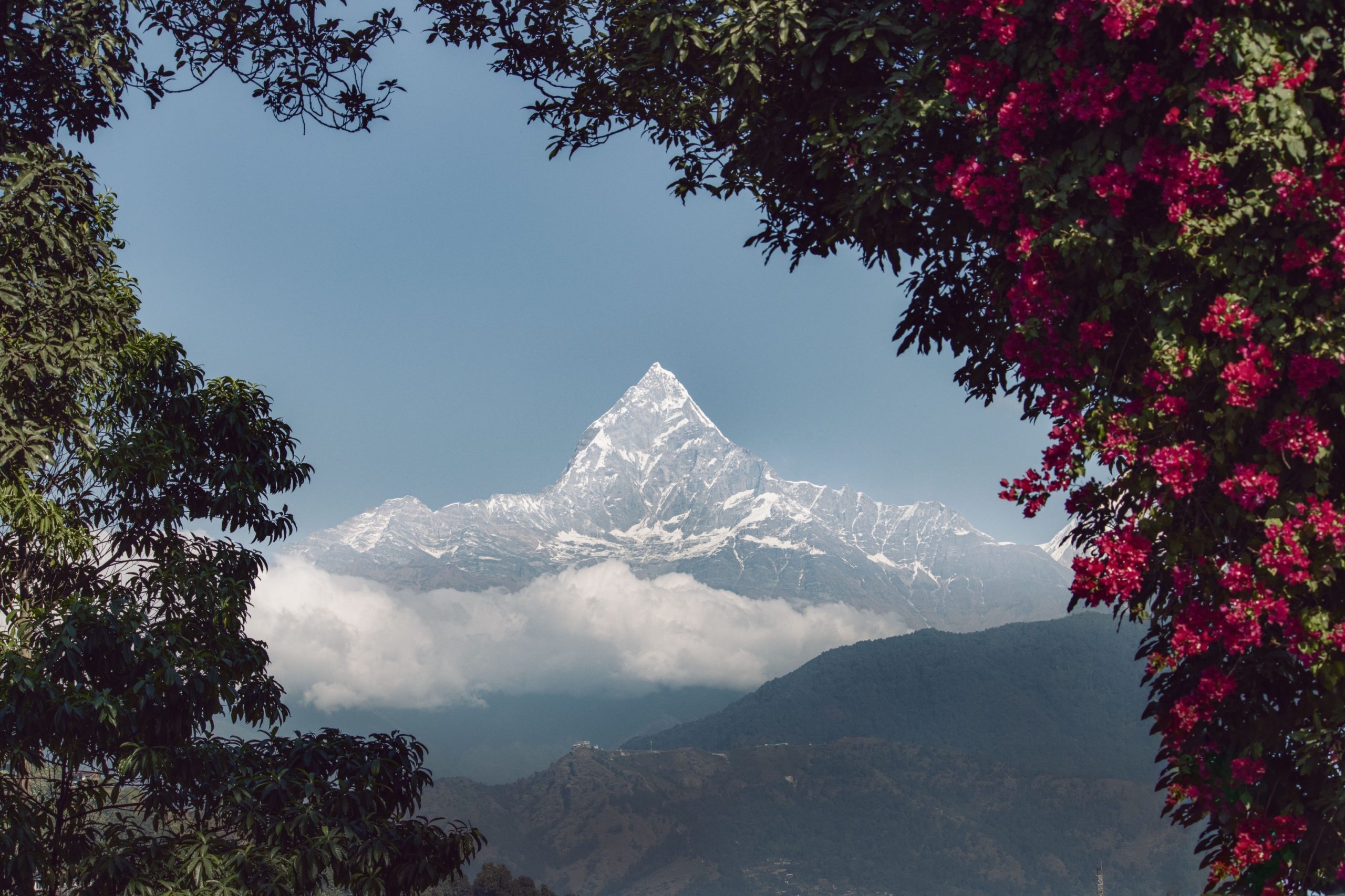
Nepal is one of the world’s most famous trekking destinations, and for good reason. Within a relatively small country, you can walk through green hills, traditional mountain villages, rhododendron forests, deep valleys, high mountain passes and landscapes surrounded by some of the world’s highest peaks.
From the legendary Everest Base Camp Trek to the peaceful trails of Langtang, the spectacular Annapurna region, and remote routes such as Manaslu and Upper Mustang, Nepal has a trek for almost every type of traveler.
The Nepal Tourism Board identifies Everest, Annapurna and Langtang among Nepal’s traditional major trekking regions, while newer destinations such as Kanchenjunga and Dolpo are also attracting trekkers.
But choosing a trek can be difficult.
How many days do you need?
Which trek is best for beginners?
When should you visit?
How much does trekking in Nepal cost?
Do you need a guide?
What permits are required?
And which route is right for your fitness level?
This guide answers those questions and helps you choose the right Nepal trekking experience.
Why Is Nepal So Popular for Trekking?
Nepal offers something few mountain destinations can match: variety.
You don’t have to be an experienced mountaineer to enjoy the Himalayas. Some routes are relatively short and suitable for first-time trekkers, while others involve high passes, remote valleys and long days at altitude.
Nepal also offers an unusual combination of:
- Himalayan mountain scenery
- Traditional villages
- Buddhist monasteries
- Hindu temples
- Local mountain cultures
- Forests and wildlife
- High-altitude lakes
- Glaciers and mountain passes
- Teahouse accommodation
- Trails ranging from short hikes to long expeditions
The country’s established trekking infrastructure also makes many popular routes easier to organize than travelers might expect. The Nepal Tourism Board notes that accommodation, food and other facilities are available along many of the main trekking trails.
Best Treks in Nepal
There is no single “best” trek for everyone. The right route depends on your available time, fitness, interests and budget.
Here are some of the most popular options.
| Trek | Typical Duration | Difficulty | Best For |
| Everest Base Camp | 12–16 days | Moderate–Hard | First Himalayan bucket-list trek |
| Annapurna Circuit | 12–18 days | Moderate–Hard | Mountain scenery and high pass |
| Annapurna Base Camp | 7–12 days | Moderate | Mountain views in a shorter trek |
| Langtang Valley | 7–10 days | Moderate | Short trek close to Kathmandu |
| Mardi Himal | 5–8 days | Easy–Moderate | Short ridge trek |
| Ghorepani Poon Hill | 4–6 days | Easy–Moderate | Beginners and sunrise |
| Gokyo Lakes | 10–14 days | Moderate–Hard | Lakes and Everest scenery |
| Manaslu Circuit | 14–18 days | Hard | Remote Himalayan experience |
| Upper Mustang | 12–18 days | Moderate | Tibetan-influenced landscape |
| Nar Phu Valley | 10–15 days | Moderate–Hard | Remote villages and culture |
These routes cover a wide range of trekking experiences, from short beginner-friendly journeys to demanding high-altitude adventures. Current trekking guides similarly divide Nepal’s major routes across Everest, Annapurna, Langtang, Manaslu, Mustang and more remote regions.
-
Everest Base Camp Trek
The Everest Base Camp Trek is Nepal’s most iconic trekking route.
The journey takes you through the Khumbu region, home to Sherpa communities, Buddhist monasteries and spectacular Himalayan scenery.
Along the trail, you can experience places such as:
- Lukla
- Phakding
- Namche Bazaar
- Tengboche
- Dingboche
- Lobuche
- Gorak Shep
- Everest Base Camp
Many trekkers also hike to Kala Patthar for one of the finest viewpoints of Mount Everest.
Best for: travelers who want Nepal’s classic Himalayan adventure.
Typical duration: 12–16 days.
-
Annapurna Circuit Trek
The Annapurna Circuit Trek is famous for its incredible change of scenery.
The route moves from lower green valleys toward the high Himalayas before crossing Thorong La Pass at 5,416 meters.
Depending on the itinerary, trekkers can experience:
Pisang
Braga
Manang
Thorong La
Muktinath
Jomsom
Kali Gandaki Valley
The Annapurna region is especially attractive because of its combination of mountain scenery, cultural diversity and different landscapes.
Best for: travelers wanting a longer and highly varied Himalayan trek.
-
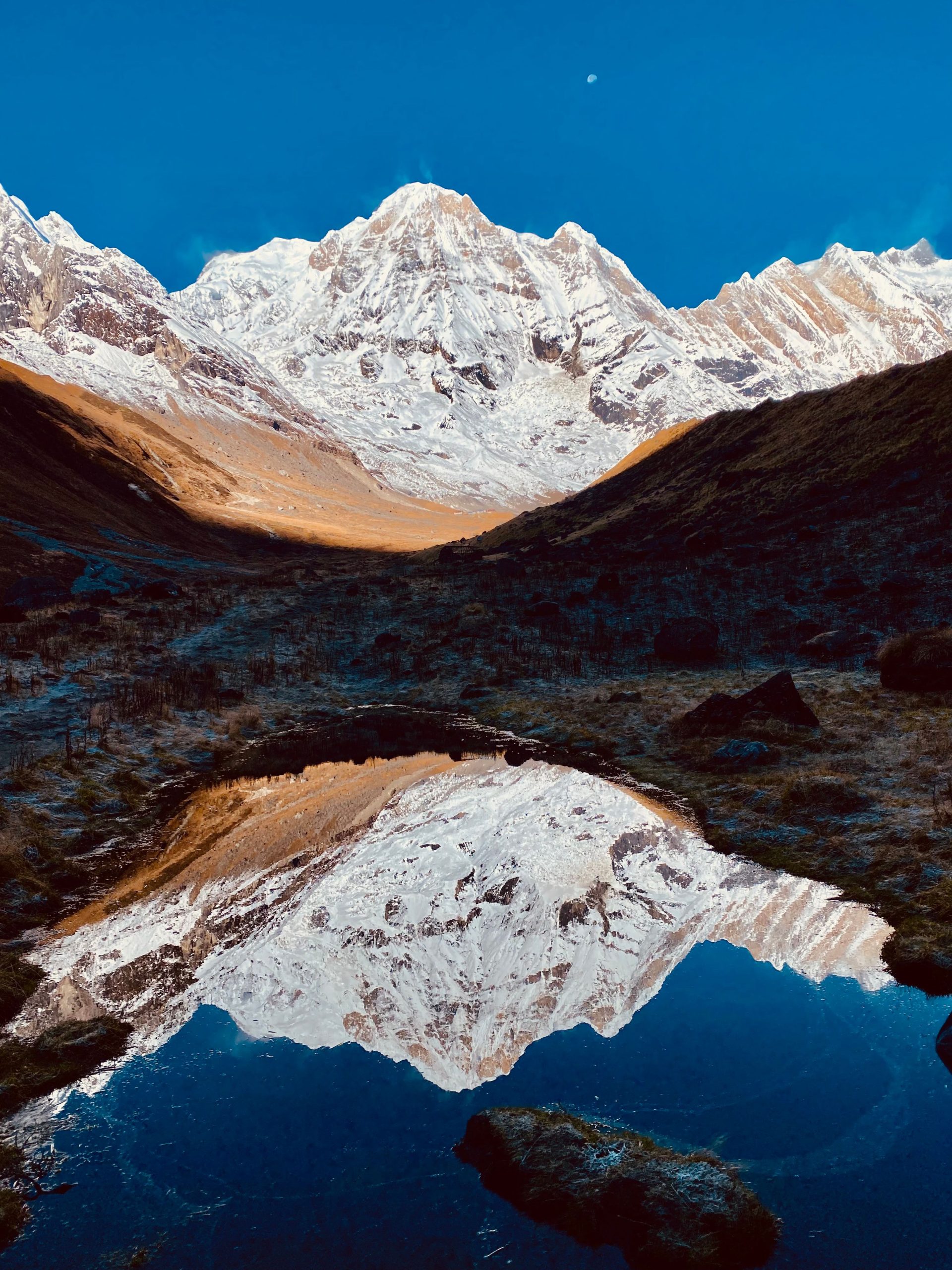
Annapurna Base Camp Trek
If you want spectacular mountain scenery without committing to a very long trek, Annapurna Base Camp is one of Nepal’s strongest choices.
The trail passes through forests and mountain villages before entering the Annapurna Sanctuary.
The final approach brings you into a dramatic natural amphitheater surrounded by Himalayan peaks.
Highlights include:
- Annapurna South
- Annapurna I
- Machhapuchhre
- Hiunchuli
- Machhapuchhre Base Camp
- Annapurna Sanctuary
- Traditional Gurung villages
Best for: first-time Himalayan trekkers looking for a rewarding moderate trek.
-
Langtang Valley Trek
The Langtang Valley Trek is one of the best choices for travelers who have limited time.
The region lies relatively close to Kathmandu, yet the trail quickly takes you into mountain villages, forests, alpine landscapes and spectacular Himalayan surroundings.
Popular highlights include:
- Langtang Valley
- Langtang Lirung
- Kyanjin Gompa
- Yak pastures
- Tamang villages
- Tserko Ri
The Langtang region is particularly attractive to travelers who want a Himalayan experience without the longer approach required by some Everest routes.
-
Mardi Himal Trek
The Mardi Himal Trek has become popular with travelers looking for a shorter Himalayan adventure.
The trail climbs through forests and mountain ridges toward spectacular views of:
- Machhapuchhre
- Annapurna South
- Hiunchuli
- Annapurna Range
It is an excellent option for travelers who want impressive mountain views while spending fewer days on the trail.
Best for: short trips, first-time trekkers and travelers looking for quieter trails.
-
Ghorepani Poon Hill Trek
For travelers with limited time, the Ghorepani Poon Hill Trek is one of the easiest ways to experience the Annapurna region.
The main attraction is sunrise from Poon Hill, where you can see a wide Himalayan panorama.
The trek also passes through rhododendron forests and traditional villages.
Best for: beginners, families and travelers with only a few days available.
-
Gokyo Lakes Trek
The Gokyo Lakes Trek offers a different experience in the Everest region.
Instead of following only the classic Everest Base Camp route, you travel toward the beautiful turquoise lakes of the Gokyo Valley.
Highlights include:
- Gokyo Lakes
- Gokyo Valley
- Ngozumpa Glacier
- Sherpa villages
- Everest-region mountain views
- Gokyo Ri
It is particularly appealing to trekkers who want dramatic scenery but prefer an alternative to the standard Everest Base Camp route.
-
Manaslu Circuit Trek
The Manaslu Circuit Trek is ideal for travelers seeking a more remote Himalayan experience.
The route circles Mount Manaslu and crosses challenging mountain terrain, including Larkya La Pass.
Compared with the busiest trekking routes, Manaslu offers a stronger feeling of remoteness and traditional mountain life.
Best for: experienced trekkers and travelers who want a quieter adventure.
-
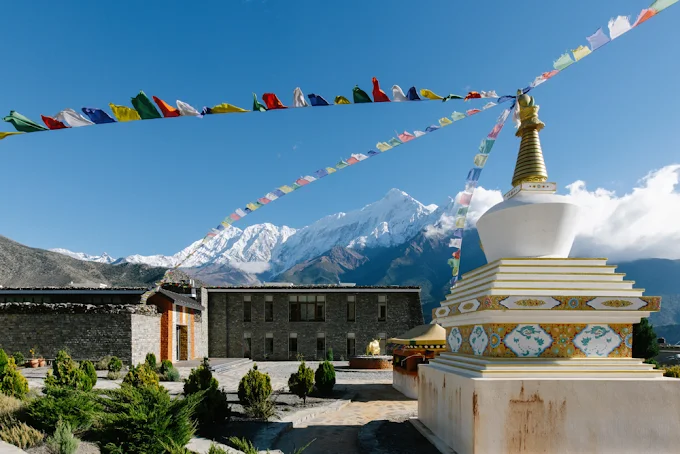
Upper Mustang Trek
Upper Mustang is completely different from the lush landscapes found on many lower-altitude Nepal treks.
The region lies in the rain shadow of the Himalayas and features:
- Dry mountain landscapes
- Ancient villages
- Buddhist monasteries
- Caves
- Tibetan-influenced culture
- Dramatic cliffs and valleys
It is one of the most culturally distinctive trekking experiences in Nepal.
What Is the Best Time for Trekking in Nepal?
The main trekking seasons are generally spring and autumn.
Spring: March to May
Spring brings warmer temperatures, blooming rhododendrons and generally good mountain visibility.
It is particularly beautiful in the lower and middle Himalayan regions.
Autumn: September to November
Autumn is one of the most popular trekking periods.
After the monsoon, the skies are often clearer and mountain views can be excellent.
Winter: December to February
Winter can be very cold at high elevations.
However, lower-altitude routes such as Ghorepani and some shorter treks can still be excellent depending on weather and trail conditions.
Monsoon: June to August
Monsoon brings heavy rainfall to much of Nepal.
Routes in rain-shadow areas, such as Upper Mustang and parts of Dolpo, can be more suitable during this period.
How Difficult Is Trekking in Nepal?
Not every trek in Nepal is difficult.
Your experience depends on:
- Trek duration
- Maximum altitude
- Daily walking hours
- Trail conditions
- Elevation gain
- Weather
- Your physical fitness
- Acclimatization
For beginners, Ghorepani Poon Hill, Mardi Himal and shorter Annapurna routes can be good starting points.
For more experienced trekkers, routes such as Everest Base Camp, Manaslu Circuit, Gokyo and high-pass treks provide greater challenges.
The most important factor is not simply fitness. Altitude and acclimatization matter enormously.
Altitude and Acclimatization
High altitude is one of the biggest challenges when trekking in Nepal.
As you climb higher, the amount of available oxygen decreases. Your body needs time to adjust.
A sensible itinerary should therefore include appropriate acclimatization rather than rushing toward the highest point.
During your trek:
- Walk at a comfortable pace.
- Drink enough water.
- Avoid unnecessary rushing.
- Follow your guide’s advice.
- Take acclimatization days seriously.
- Tell your guide immediately if you feel unwell.
Altitude-related symptoms should never be ignored.
How Much Does Trekking in Nepal Cost?
The cost varies considerably depending on the trek and the type of service you choose.
Your total budget can include:
- Trekking permits
- National park or conservation fees
- Guide
- Porter
- Accommodation
- Meals
- Domestic transportation
- Flights
- Equipment
- Travel insurance
- Kathmandu accommodation
- Personal expenses
A short tea-house trek can cost considerably less than a remote expedition.
Similarly, a private trek with a professional guide, porter and better accommodation will normally cost more than joining a basic group itinerary.
For international travelers, the best approach is to compare what is included, rather than comparing only the headline price.
Do You Need a Guide for Trekking in Nepal?
This is an important question because requirements can vary by route and current regulations.
Some trekking areas have specific guide and permit requirements, particularly restricted regions.
Even where travelers have different options, a professional local guide can make the journey easier by helping with:
- Route navigation
- Accommodation
- Local communication
- Altitude management
- Transportation
- Emergency coordination
- Cultural understanding
- Trekking permits and logistics
For remote or high-altitude routes, experienced local support can be particularly valuable.
Always check the current requirements for your specific route before departure.
What Permits Do You Need for Trekking in Nepal?
Permit requirements depend on your trekking region.
Depending on your route, you may need:
- TIMS-related documentation
- National park entry permits
- Conservation area permits
- Restricted-area permits
For example, different requirements apply to routes in Everest, Annapurna, Manaslu, Mustang and other regions.
The Nepal Tourism Board notes that trekkers need appropriate permits and documentation and that these documents may be checked along trekking routes.
Your trekking agency should explain the permits required for your particular itinerary before you start.
What Should You Pack for Trekking in Nepal?
Your packing list depends on altitude and season.
Essential trekking clothing
- Trekking shirts
- Trekking trousers
- Fleece or warm layer
- Down jacket
- Waterproof jacket
- Thermal layers
- Warm hat
- Gloves
- Trekking socks
Trekking equipment
- Comfortable hiking boots
- Backpack
- Sleeping bag
- Trekking poles
- Headlamp
- Water bottle
- Sunglasses
- Sunscreen
- Personal first-aid supplies
Documents
- Passport
- Travel insurance
- Trekking permits
- Emergency contact information
- Copies of important documents
Don’t overpack. You will appreciate carrying a lighter backpack after several hours of walking each day.
Trekking in Nepal With Igloo Himalaya Treks
At Igloo Himalaya Treks, we believe a good trek should be more than simply reaching a destination.
It should be well organized from the moment you arrive in Nepal until you return home.
As a local Nepal trekking company, we can help travelers choose an itinerary according to their:
- Available time
- Budget
- Fitness level
- Trekking experience
- Preferred region
- Travel season
- Group size
Our trekking programs can include popular destinations such as Everest, Annapurna, Langtang, Mardi Himal, Manaslu and other Himalayan regions.
Instead of choosing a trek simply because it is famous, we recommend choosing the route that matches your time, interests and ability.
Which Trek in Nepal Is Right for You?
If you are still unsure, use this simple guide:
I have 4–6 days:
→ Ghorepani Poon Hill
I have around 5–8 days:
→ Mardi Himal
I have 7–10 days:
→ Langtang Valley or Annapurna Base Camp
I want to see Everest:
→ Everest Base Camp
I want a high mountain pass:
→ Annapurna Circuit
I want lakes and Everest views:
→ Gokyo Lakes
I want a quieter, remote trek:
→ Manaslu Circuit
I want Tibetan culture and desert landscapes:
→ Upper Mustang
This kind of comparison is important because searchers don’t only want a list of destinations—they want help deciding which trek fits them. Current competing guides are increasingly using this “best for” approach rather than simply listing trekking packages.
Frequently Asked Questions About Trekking in Nepal
Is Nepal good for first-time trekkers?
Yes. Nepal has trekking routes ranging from relatively easy short journeys to demanding high-altitude routes. Beginners should choose an itinerary appropriate for their fitness and experience.
What is the most popular trek in Nepal?
The Everest Base Camp Trek is one of Nepal’s most famous trekking experiences. Annapurna and Langtang are also among the country’s major trekking regions.
How many days do I need for trekking in Nepal?
It depends on the route. Short treks can take around 4–6 days, while major routes such as Everest Base Camp, Annapurna Circuit and Manaslu generally require considerably more time.
Is trekking in Nepal expensive?
It doesn’t have to be. Nepal offers different trekking styles and budgets. Your cost depends on the route, guide, accommodation, transportation, permits and services included.
Can beginners trek to Everest Base Camp?
Yes, many first-time trekkers successfully complete Everest Base Camp, but it requires preparation, appropriate pacing and good acclimatization.
Which month is best for trekking in Nepal?
Spring and autumn are generally the most popular trekking seasons, especially March–May and September–November.
Is trekking in Nepal safe?
Popular trekking routes have established tourism infrastructure, but mountain trekking always involves risks related to altitude, weather, terrain and transportation. Proper preparation, insurance, weather awareness and qualified local support are important.
Final Thoughts
Trekking in Nepal is not one single experience.
You can spend a few days walking through rhododendron forests, spend two weeks following the footsteps of mountaineers toward Everest, cross a 5,000-meter Himalayan pass, explore ancient Tibetan-influenced villages or walk through remote valleys where traditional mountain life remains strong.
The best trek is therefore not necessarily the longest or most famous one.
The best trek is the one that matches your time, fitness, interests and expectations.
If you are planning your first Nepal trekking adventure, start by choosing your region and desired number of days. From there, your itinerary, budget and preparation become much easier to plan.
Ready to trek in Nepal? Explore the trekking routes with Igloo Himalaya Treks and let a local team help you choose the right Himalayan adventure.


