
How to Get to Annapurna: Permits, Gear, and Daily Budget (2026)
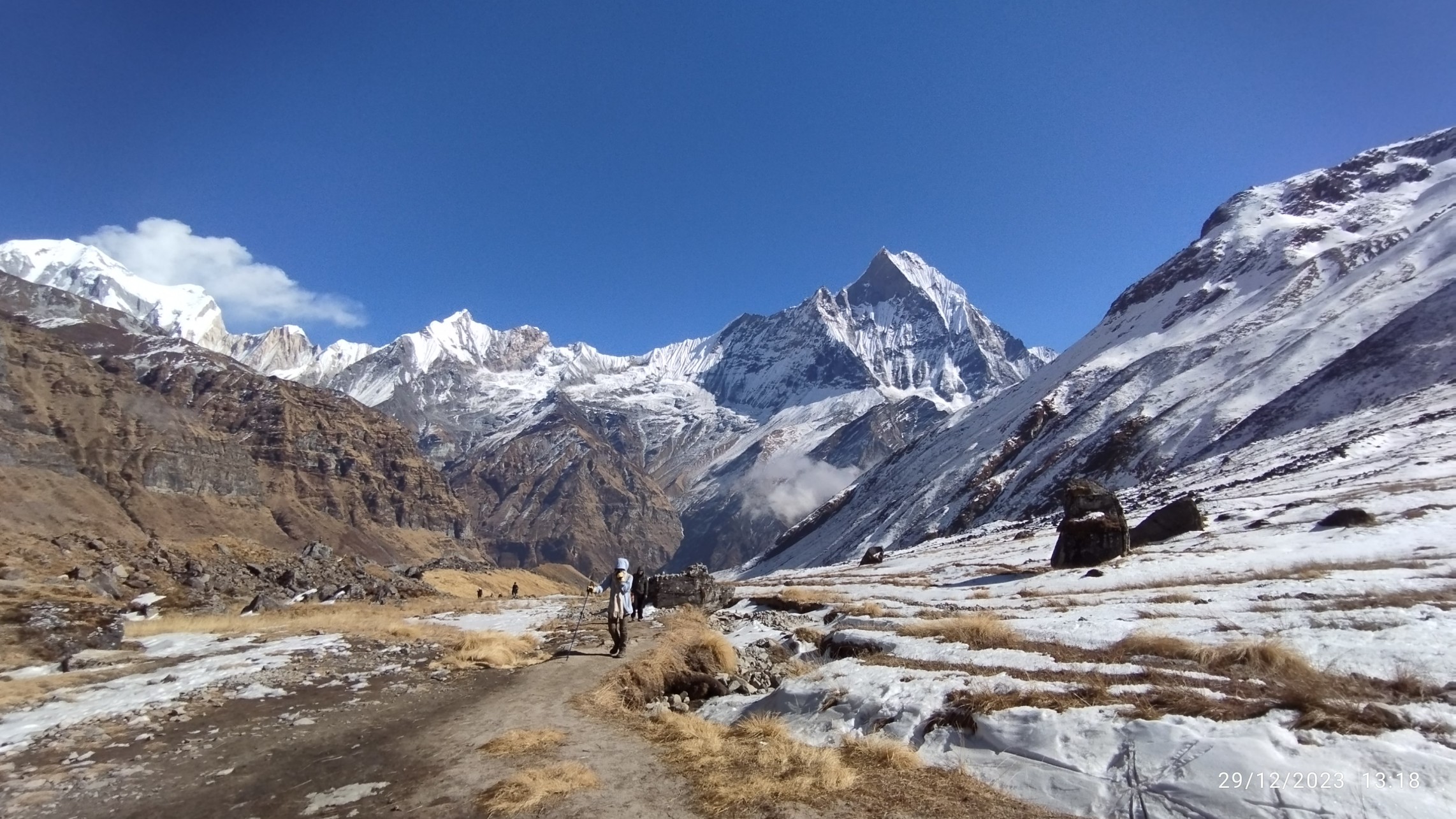
Annapurna has several popular trekking routes, including the Annapurna Base Camp, Annapurna Circuit, Ghorepani Poon Hill, and Mardi Himal treks, and each has a different starting point. Most trekkers travel from Kathmandu to Pokhara, then continue by road to their chosen trailhead.
Before you go, you’ll need to know about Annapurna trekking permits, transportation, essential gear, accommodation, food, and daily costs. This guide explains how to reach the Annapurna region in 2026, what you need to prepare, and how much to budget for your trek.
Where Is Annapurna and Why Is Pokhara the Gateway?
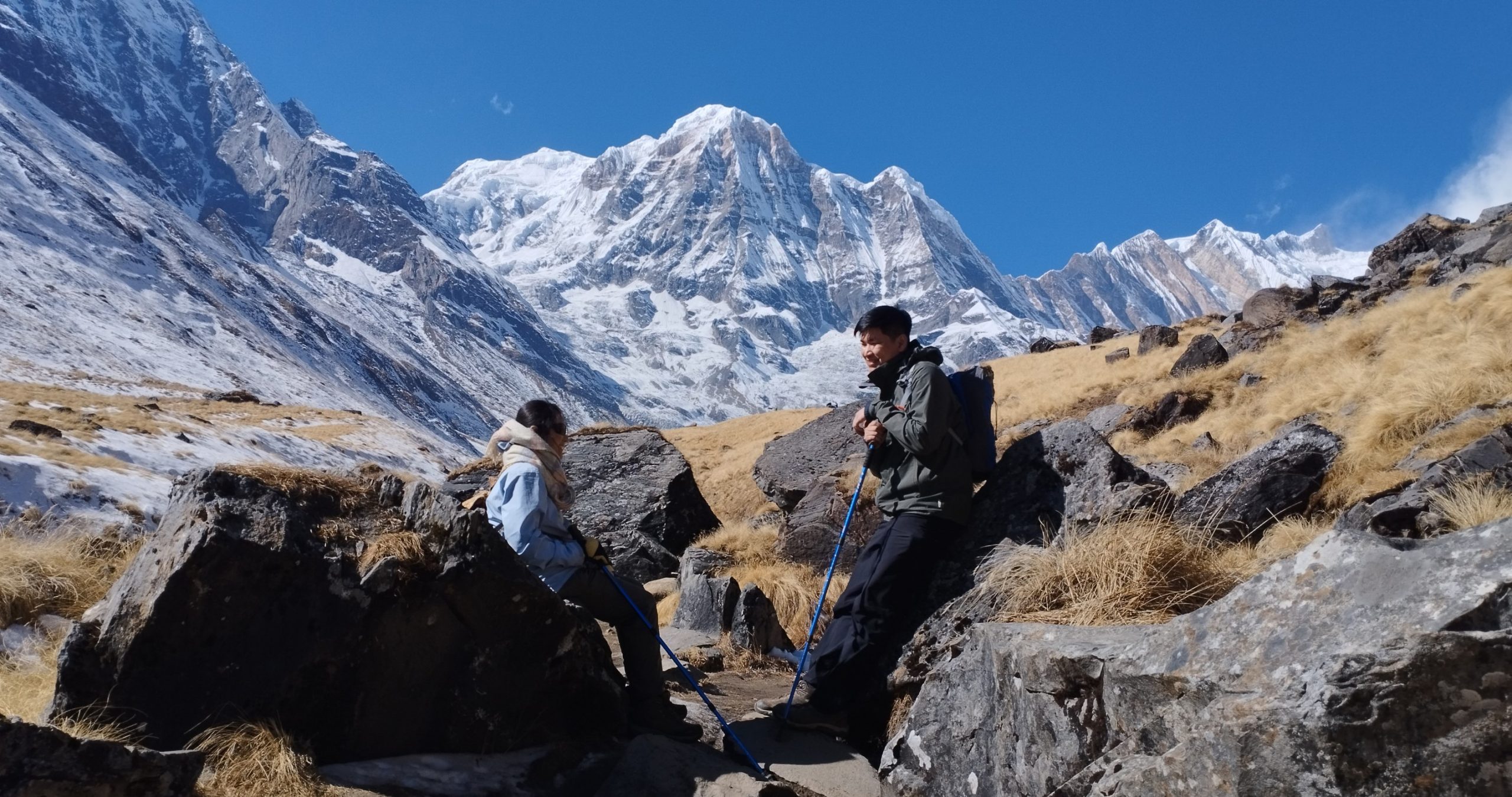
The Annapurna mountain range is located in north-central Nepal, within the Annapurna Conservation Area. Covering approximately 7,629 square kilometres, it is Nepal’s largest protected area and includes dramatic landscapes ranging from subtropical forests and terraced hills to high-altitude Himalayan valleys. The region is home to several famous peaks, including Annapurna I, which rises to 8,091 metres and is the 10th-highest mountain in the world.trade.
For trekkers, however, Annapurna is not a single destination with one entrance. The region contains several popular routes, such as the Annapurna Base Camp Trek, Annapurna Circuit Trek, Ghorepani–Poon Hill Trek, Mardi Himal Trek, and Jomsom Trek. Each route begins at a different trailhead, but most travellers first travel to Pokhara before continuing by road or air to the starting point.
Why Pokhara Is the Gateway to Annapurna
Pokhara is the main gateway to the Annapurna region because it offers convenient transportation, accommodation, trekking agencies, equipment shops, restaurants, and permit offices in one place. The city is located approximately 200 kilometres west of Kathmandu and is easily reached by domestic flight or road.
Most trekkers spend at least one night in Pokhara to:
- Obtain or confirm trekking permits and registrations.
- Hire a guide, porter, or local transportation.
- Buy or rent trekking equipment.
- Arrange transport to the correct trailhead.
- Rest beside Phewa Lake before beginning the trek.
Pokhara is also the ideal place to prepare for changing mountain conditions. Trekkers can check weather updates, purchase last-minute supplies, exchange money, and organize accommodation in the villages along their route.
Getting from Kathmandu to Pokhara
Every route to Annapurna starts with this leg. You have four realistic options.
-
By Flight
A domestic flight between Kathmandu and Pokhara takes about 25 to 30 minutes and costs approximately USD 100 to 150 per person one way, depending on the airline and how far in advance you book.
Buddha Air, Yeti Airlines, and Shree Airlines all operate multiple daily flights on this route. On a clear day, the flight offers aerial views of the Annapurna and Manaslu ranges, which makes it a scenic option as well as a fast one.
-
By Tourist Bus
Tourist buses run daily between Kathmandu and Pokhara along the Prithvi Highway, taking approximately 6 to 8 hours depending on traffic and road conditions, and cost roughly USD 10 to 30 depending on the operator and seat class.
This is the most budget-friendly option and a common choice for travelers who want to see the countryside. The road follows the Trishuli River for much of the journey, passing through terraced hillsides and small towns.
-
By Private Car or Jeep
A private car or jeep covers the same route in a similar 6 to 7 hours but with more flexibility on stops and departure time, at a cost of roughly USD 110 to 150 for the vehicle.
This works well for small groups or families splitting the cost, or travelers who prefer not to deal with public bus schedules.
-
By Helicopter (Direct to the Mountains)
For travelers short on time, helicopter tours can skip the trek entirely and fly directly into the Annapurna Sanctuary.
A helicopter tour to Annapurna Base Camp from Pokhara takes about 15 minutes each way, while a direct charter from Kathmandu takes closer to an hour.
Pricing varies significantly by operator, group size, and season, and this option works as either a scenic day tour or as part of a trek-in, heli-out package that skips the multi-day descent.
How to Get to Annapurna Base Camp
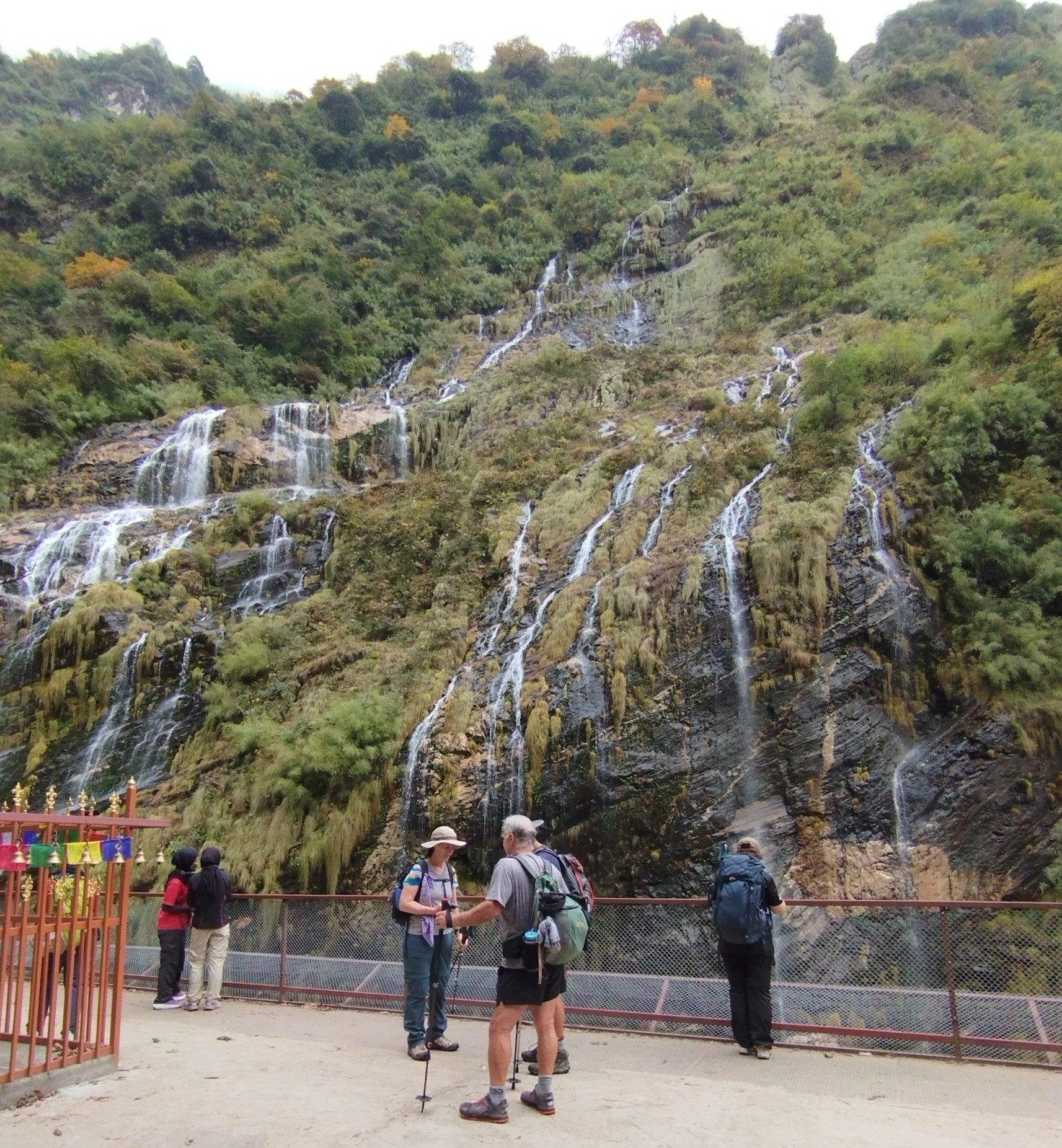
Annapurna Base Camp (4,130 m) sits deep inside the Annapurna Sanctuary, a glacial basin ringed by peaks including Annapurna I, Annapurna South, Hiunchuli, and Machhapuchhre (Fishtail).
-
Route via Nayapul and Ghandruk
From Pokhara, a drive of roughly 1 to 1.5 hours takes you to Nayapul, the standard starting point for the ABC trek.
From there, the trail climbs through Birethanti, Tikhedhunga, and either Ghorepani or Ghandruk (depending on your chosen route variation), before continuing up the Modi Khola valley through Chhomrong, Sinuwa, and Machhapuchhre Base Camp to reach Annapurna Base Camp itself.
-
Days and Distance
The full round-trip trek from Nayapul back to Nayapul covers roughly 70 to 110 km depending on the exact route and side trips taken, and takes 7 to 10 trekking days.
Igloo Himalaya Treks’ 13-day Annapurna Base Camp Trek includes this trailhead transfer, guide, porter, permits, and teahouse accommodation throughout, with a shorter 10-day version available for travelers with less time.
How to Get to the Annapurna Circuit Starting Point
The Annapurna Circuit is a different kind of trek entirely — a loop around the whole Annapurna massif rather than a there-and-back trek into the Sanctuary, typically covering 160 to 230 km over 15 to 20 days and crossing Thorong La Pass at 5,416 m.
-
Driving to Besisahar
The traditional starting point is Besisahar, reached by a 6 to 8 hour bus ride from Kathmandu (around USD 10 to 15) or a 4 to 5 hour drive from Pokhara.
From Besisahar, trekkers can either walk the first stage of the route or continue by jeep further up the valley toward Syange, Jagat, or even Chame, since a rough road now runs alongside much of the lower trail.
-
Where to Start If You Have Less Time
Trekkers with limited time often skip the lower road-walking sections entirely and start directly in Chame or Manang by jeep, cutting several days off the itinerary while still covering the trek’s more scenic high-altitude sections and the Thorong La crossing.
Igloo Himalaya Treks runs both a 14-day Annapurna Circuit Trek and a Classic 17-day version, as well as an 18-day itinerary that adds the side trip to Tilicho Lake, the highest glacial lake in the world.
How to Get to Poon Hill
Poon Hill (3,210 m) is a standalone viewpoint trek and also the first stage of several longer Annapurna routes, known for one of the best sunrise panoramas in Nepal, taking in Annapurna, Dhaulagiri, Machhapuchhre, and Annapurna South from a single spot.
The trailhead is reached the same way as the ABC trek: a roughly 1 to 1.5-hour drive from Pokhara to Nayapul, or sometimes directly to Ulleri to shorten the first day’s walk.
From there, it is a 2 to 3-day round trip through Tikhedhunga and Ghorepani up to the Poon Hill viewpoint and back, making it one of the most accessible short treks in the Annapurna region for travelers without a lot of time or high-altitude trekking experience.
How to Get to Mardi Himal
Mardi Himal Base Camp sits at around 4,500 m on a narrow ridge trail that stays notably quieter than the ABC or Poon Hill routes, despite offering close-up views of Machhapuchhre’s rarely seen east face.
The trailhead is reached by a short 1 to 1.5-hour drive from Pokhara to Kande or Phedi, considerably closer than the trailheads for the Circuit or Besisahar-based routes.
From there, the trek climbs through rhododendron forest to Forest Camp, Low Camp, and High Camp before the final push to Mardi Himal Base Camp, with the full round trip typically taking 5 to 6 days.
Permits You Need for Any Annapurna Route
Regardless of which Annapurna trek you choose, the same two core permits apply across the region:
- Annapurna Conservation Area Permit (ACAP) — NPR 3,000 (about USD 22–25) per person, covering entry into the conservation area for any route in the region.
- TIMS Card (Trekkers’ Information Management System) — typically NPR 2,000 (about USD 16) per person, arranged through your trekking agency alongside ACAP.
Since April 2023, Nepal has also required all foreign trekkers to be accompanied by a licensed guide hired through a government-registered agency on Annapurna routes, so independent, guideless trekking is no longer a legal option here, regardless of which specific trail you take.
Both permits are typically arranged by your operator before or shortly after arrival, and are checked at checkpoints including Birethanti (for ABC and Poon Hill routes) and Besisahar or Chame (for the Circuit).
Which Annapurna Route Should You Choose
Since “Annapurna” covers several genuinely different treks, here’s a quick comparison to help match a route to your time and fitness level.
| Route | Trailhead from Pokhara | Duration | Max Altitude | Best For |
|---|---|---|---|---|
| Annapurna Base Camp | Nayapul (~1–1.5 hrs) | 7–10 days | 4,130 m | First-time high-altitude trekkers wanting one big destination |
| Annapurna Circuit | Besisahar (~4–5 hrs) or fly-in start | 12–18 days | 5,416 m (Thorong La) | Experienced trekkers wanting the longest, most varied route |
| Poon Hill | Nayapul (~1–1.5 hrs) | 2–3 days | 3,210 m | Short trips, beginners, families |
| Mardi Himal | Kande/Phedi (~1–1.5 hrs) | 5–6 days | 4,500 m | Trekkers wanting a quieter trail with fewer crowds |
Step-by-Step: Kathmandu to Annapurna
- Choose your route based on the time you have and the comparison above.
- Book through a registered trekking agency, since a licensed guide is legally required on every Annapurna route.
- Travel from Kathmandu to Pokhara by flight, tourist bus, or private car.
- Spend a night in Pokhara to pick up any last gear and confirm your trailhead transfer.
- Drive to your specific trailhead: Nayapul for ABC or Poon Hill, Besisahar or further up-valley for the Circuit, Kande or Phedi for Mardi Himal.
- Begin trekking, with your agency handling permit checks at each regional checkpoint along the way.
Best Time to Trek in Annapurna
The best time to trek in the Annapurna region is spring (March–May) and autumn (September–November). During these months, trekkers can usually expect clearer mountain views, more stable weather, and comfortable conditions on routes such as the Annapurna Base Camp Trek, Annapurna Circuit, Poon Hill Trek, and Mardi Himal Trek. Nepal Tourism Board also identifies spring and autumn as Nepal’s main trekking seasons.
Spring: March to May
Spring is the best season for colorful landscapes and comfortable trekking temperatures. Rhododendrons bloom across the lower and middle hills, especially around Ghorepani, Poon Hill, and the Annapurna Base Camp route.
March is generally cooler, while April and May bring warmer days and longer trekking conditions.
Mountain views are often clearest in the morning, making spring an excellent choice for photography and sunrise viewpoints.
Best for: rhododendron flowers, green hills, moderate temperatures, and scenic trekking.
Autumn: September to November
Autumn is widely regarded as the best overall season for Annapurna trekking. The monsoon clears dust from the atmosphere, leaving fresh air, blue skies, and sharp views of Annapurna I, Machhapuchhre, Dhaulagiri, and Manaslu.
October and November are especially popular for the Annapurna Circuit because stable conditions generally make high-altitude sections, including the 5,416-metre Thorong La Pass, more manageable.
The main trails are busy during this peak season, so early accommodation and transport planning is recommended.
Best for: clear Himalayan views, dry trails, stable weather, and high-pass trekking.
Winter: December to February
Winter is a peaceful time to visit Annapurna, with fewer trekkers and crisp mountain scenery. Lower-altitude routes, including Poon Hill, can be particularly enjoyable because the days are often clear and quiet.
At higher elevations, temperatures fall below freezing and snow may affect sections of the Annapurna Circuit and Annapurna Base Camp Trek. Winter is therefore best suited to trekkers with suitable cold-weather equipment and flexible plans.
Best for: quiet trails, clear winter views, and lower-altitude treks.
Monsoon: June to August
The monsoon brings rain to most lower-elevation Annapurna trails, but it also creates lush green forests, full waterfalls, and peaceful trekking paths.
The Manang and Mustang areas lie in the rain shadow of the Annapurna range, so they receive considerably less rainfall and can remain suitable for trekking during the monsoon.ntb
Best for: Upper Mustang, Manang, green landscapes, and travelers who prefer fewer crowds.
Quick Answer
For the best weather across most Annapurna routes, choose October–November. For blooming rhododendrons and warmer landscapes, choose April–May. Always check the latest trail, road, and weather conditions before starting, particularly when crossing high passes.
Conclusion
Getting to Annapurna always starts with reaching Pokhara from Kathmandu, by flight, bus, or private car, and from there the route splits depending on which trek you’ve chosen.
Nayapul serves both the Annapurna Base Camp and Poon Hill routes, Besisahar is the classic Circuit starting point, and Kande or Phedi lead into Mardi Himal. Permits and a licensed guide are required across the board, but each route otherwise offers a genuinely different length, difficulty, and experience within the same mountain range.
If you are planning a trek in the Annapurna region, Igloo Himalaya Treks the one of the best trekking company in nepal can help you choose the right route and handle the trailhead transfers, permits, and guide arrangements as part of the package, whether that’s the Annapurna Base Camp Trek, the Annapurna Circuit Trek, the Ghorepani Poon Hill Trek, the Mardi Himal Trek, or the shorter Panchase Trek if you’re deciding between Annapurna region objectives.
FAQs
What is the fastest way to get to Annapurna from Kathmandu?
Fly from Kathmandu to Pokhara (25–30 minutes), then drive 1 to 1.5 hours to your trailhead. This is faster than the 6 to 8 hour bus or drive option, though it costs more.
Do I need to go through Pokhara to reach Annapurna?
Yes, for all standard routes. Pokhara is the gateway city for the Annapurna Base Camp, Circuit, Poon Hill, and Mardi Himal treks, and every trailhead is reached from there.
How do I get to Annapurna Base Camp specifically?
Fly or drive from Kathmandu to Pokhara, then drive roughly 1 to 1.5 hours to Nayapul, the standard trailhead, followed by a 7 to 10 day trek to reach the base camp and return.
What is the starting point for the Annapurna Circuit?
Besisahar is the traditional starting point, reached by a 6 to 8 hour bus from Kathmandu or a 4 to 5 hour drive from Pokhara. Trekkers short on time can jeep further up the valley to Chame or Manang to start closer to the high-altitude sections.
Can I reach Annapurna Base Camp by helicopter?
Yes. A helicopter tour from Pokhara takes about 15 minutes each way, or roughly an hour from Kathmandu directly, and can be booked as a scenic day tour or combined with a trek-in, heli-out itinerary.
What permits do I need for Annapurna treks?
An Annapurna Conservation Area Permit (ACAP) and a TIMS card are required for all routes in the region, along with a licensed guide, which has been mandatory for foreign trekkers since April 2023.
Which Annapurna route is easiest to get to?
Mardi Himal and Poon Hill have the shortest trailhead transfers from Pokhara, at around 1 to 1.5 hours each, making them the most accessible options for travelers short on time.
How long does it take to get from Kathmandu to an Annapurna trailhead?
Including the Kathmandu-to-Pokhara leg, expect roughly 2 to 2.5 hours total by flight plus onward drive, or 7 to 9 hours total by bus or private car plus onward drive, depending on your specific trailhead.
What is the best time to trek in the Annapurna region?
The best seasons are generally spring (March–May) and autumn (September–November), when the weather is more stable and mountain visibility is usually better. October and November are particularly popular for high-altitude routes such as the Annapurna Circuit. For current trekking-season information and travel guidance, check the official Nepal Tourism Board website before your trip.


