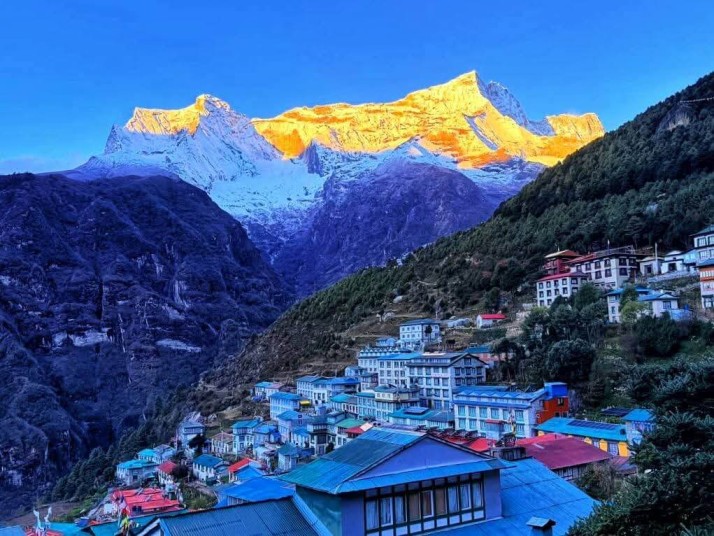
Gokyo Lakes Trek Itinerary is one of the best ways to explore the quieter side of the Everest region while enjoying some of the finest mountain scenery in Nepal. The trail takes you from Lukla through Phakding and Namche Bazaar before turning towards Dole, Machhermo and the beautiful Gokyo Valley.
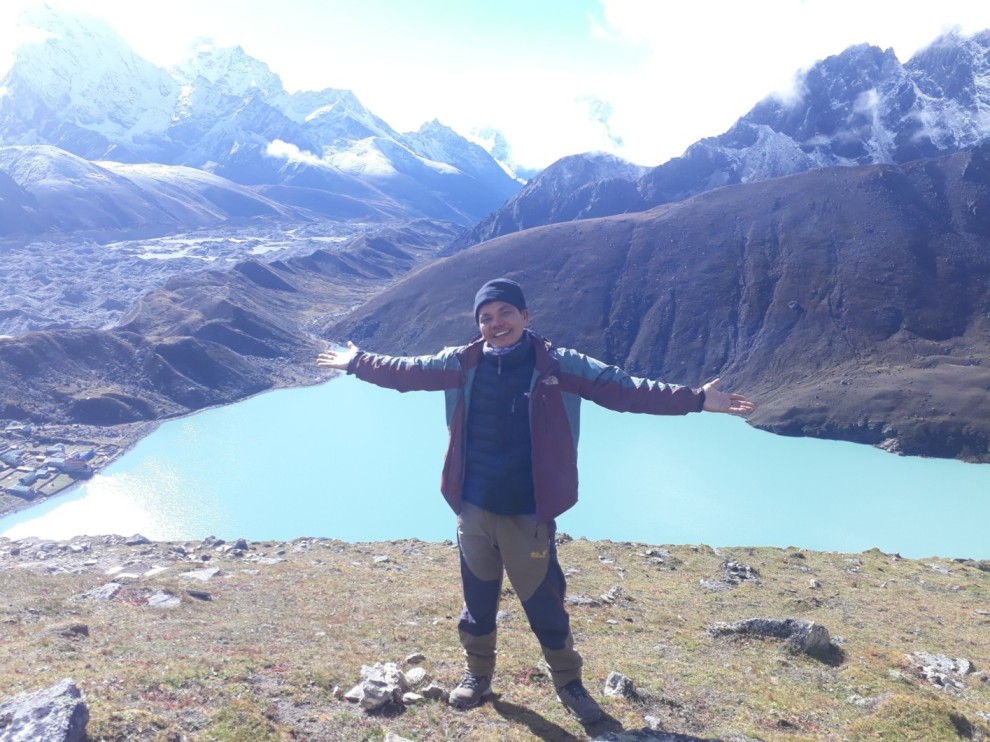
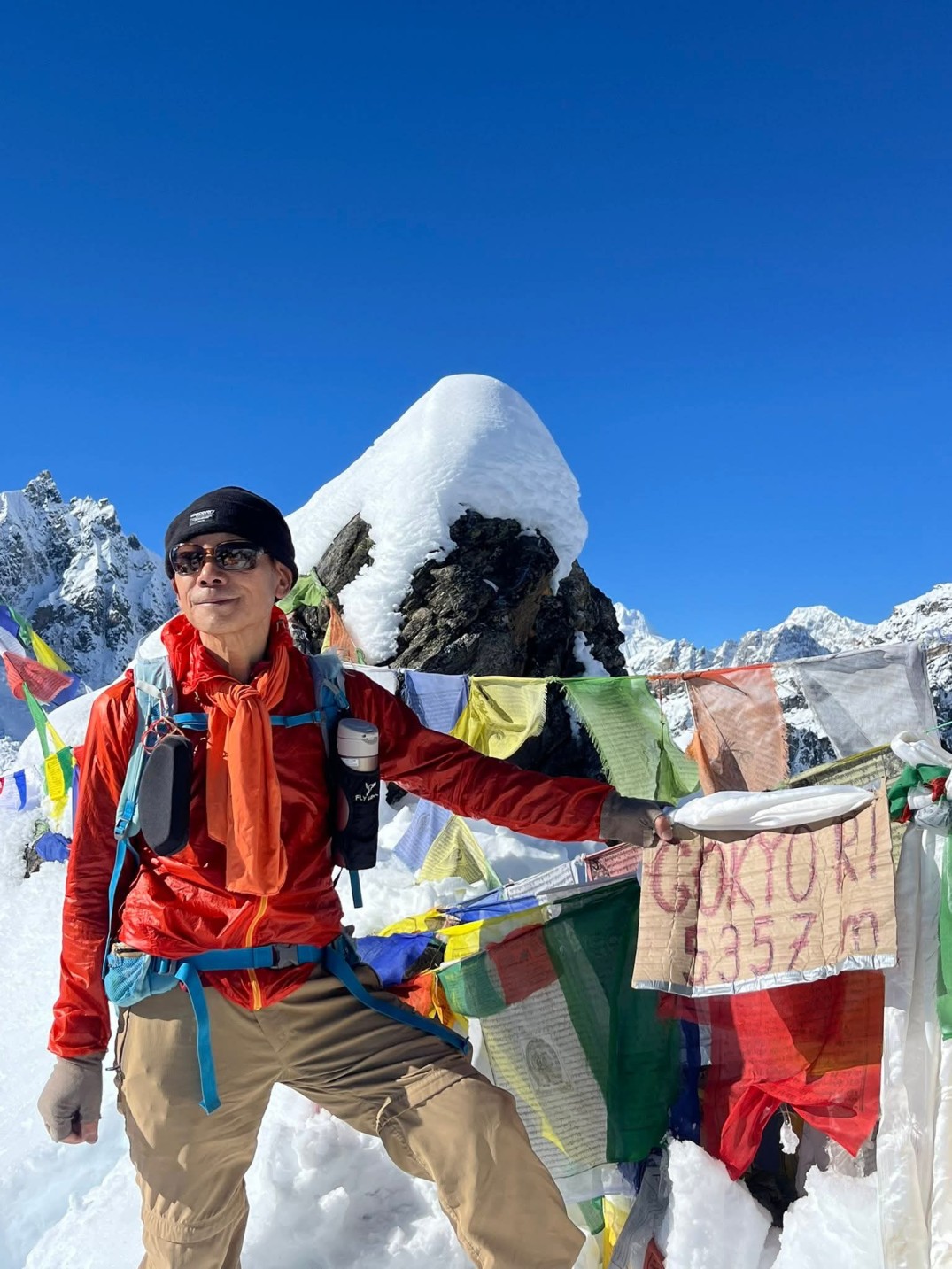
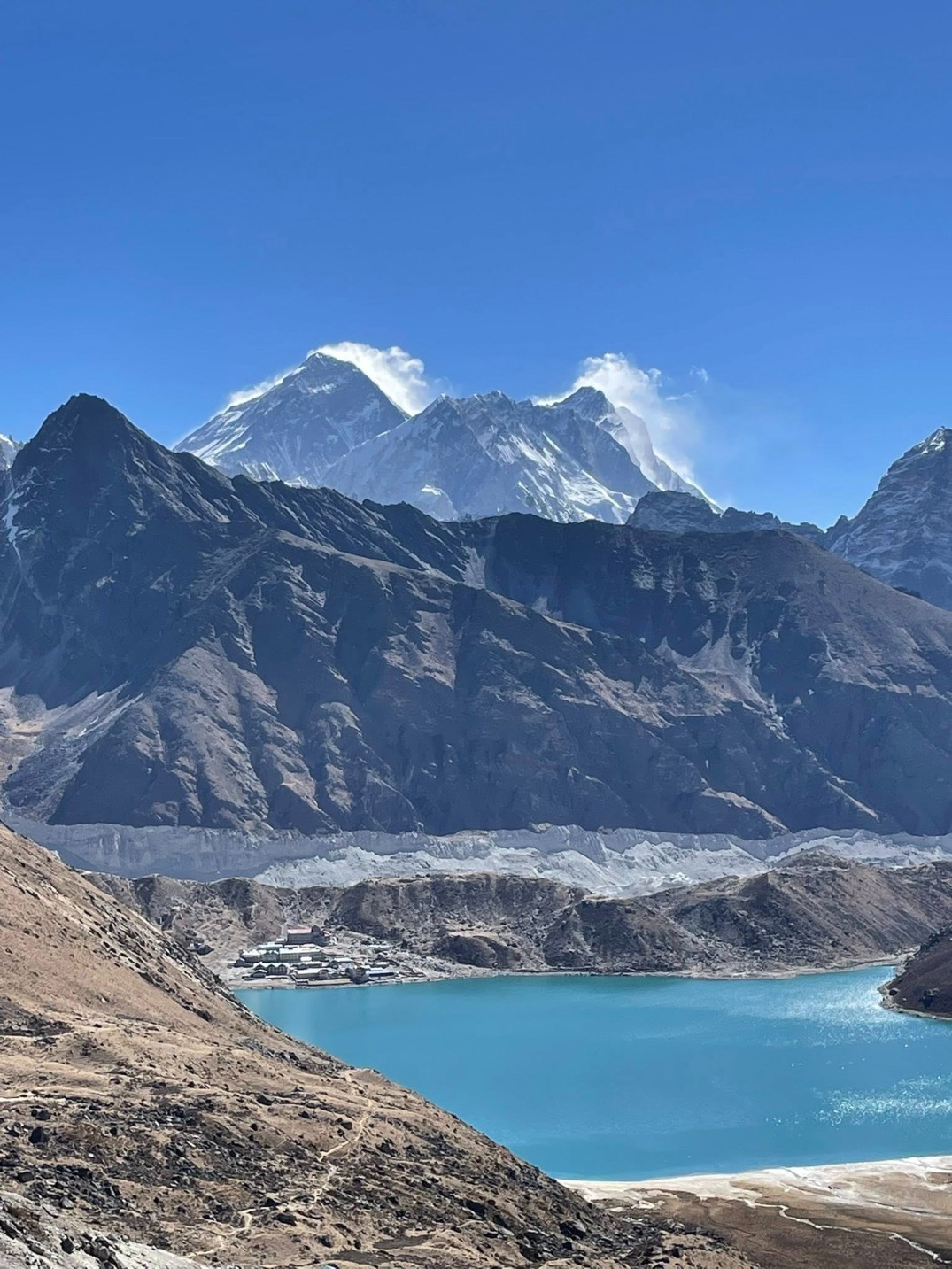
The main attraction is the collection of turquoise glacial lakes around Gokyo village. Above the valley stands Gokyo Ri at 5,357 meters, where you can see Everest, Lhotse, Makalu and Cho Oyu in a single Himalayan panorama.
For most international trekkers, a 12-day Gokyo Lakes Trek is the most comfortable option because it gives enough time for gradual altitude gain and acclimatization. However, experienced trekkers with limited time may prefer a 9 -day or 11-day itinerary.
At Igloo Himalaya Treks, we can adjust the itinerary according to your walking experience, available time, flight schedule and preferred pace.
Gokyo Lakes Trek Itinerary at a Glance
| Itinerary | Trekking Style | Best For |
| 09 Days | Fast-paced | Experienced trekkers with limited time |
| 11 Days | Balanced | Fit trekkers wanting a shorter trip |
| 12 Days | Comfortable | First-time trekkers and better acclimatization |
The route generally follows:
Kathmandu → Lukla → Phakding → Namche Bazaar → Dole → Machhermo → Gokyo → Gokyo Ri → Dole → Namche → Lukla → Kathmandu
The exact arrangement can be changed depending on flight schedules, weather, acclimatization needs and the trekking pace of the group.
Why Choose the Gokyo Lakes Trek?
The Gokyo route is different from the classic Everest Base Camp trail. Instead of continuing from Namche towards Tengboche and Everest Base Camp, you turn towards the Gokyo Valley.
The trail becomes quieter as you leave the main Everest route and head towards Dole and Machhermo. The landscape also changes dramatically. Pine and rhododendron forests gradually give way to alpine meadows, rocky slopes, glaciers and high mountain lakes.
The major highlights include:
- Beautiful turquoise Gokyo Lakes
- Gokyo village beside the third lake
- Gokyo Ri at 5,357 meters
- Views of Everest, Lhotse, Makalu and Cho Oyu
- Ngozumpa Glacier
- Traditional Sherpa villages
- Namche Bazaar
- Dudh Koshi Valley
- High-altitude Himalayan landscapes
- An alternative experience to the Everest Base Camp route
The Gokyo Valley can also be connected with the Everest Base Camp route through high passes such as Cho La for trekkers who want a longer adventure.
Gokyo Lakes Trek 12 Days – The Recommended Itinerary
If you have enough time, I recommend the 12-day Gokyo Lakes Trek for most travelers.
The extra time allows you to walk at a more comfortable pace and gives your body more opportunity to adjust to the increasing altitude.
Day 1: Arrival in Kathmandu – 1,400 m
Your Gokyo Lakes adventure begins when you arrive in Kathmandu.
Our representative from Igloo Himalaya Treks will welcome you at Tribhuvan International Airport and transfer you to your hotel.
After checking in, you can rest or explore the streets of Kathmandu.
In the evening, you will meet your trekking guide for a trip briefing. Your guide will explain the route, walking conditions, altitude, accommodation and important safety information.
Overnight: Kathmandu
Accommodation: 3-star hotel
Meal: Breakfast
Day 2: Fly to Lukla and Trek to Phakding
Lukla: approximately 2,840 m
Phakding: approximately 2,610 m
Walking: 3–4 hours
Your mountain journey begins with a flight to Lukla.
After landing at Lukla airport, you meet the rest of the trekking team and begin walking towards Phakding.
The first day is relatively short. You walk beside the Dudh Koshi River through small Sherpa settlements, forests and suspension bridges.
This is a gentle introduction to trekking in the Everest region.
Overnight: Phakding
Walking: 3–4 hours
Day 3: Phakding to Namche Bazaar
Altitude: approximately 3,440 m
Walking: 5–6 hours
Today is an important day because you gain considerable altitude.
The trail follows the Dudh Koshi River and crosses several suspension bridges decorated with prayer flags.
After entering Sagarmatha National Park, the trail gradually becomes steeper.
The final climb to Namche Bazaar is the hardest section of the day.
Namche is the largest settlement in the Khumbu region and is surrounded by spectacular mountains.
Overnight: Namche Bazaar
Walking: 5–6 hours
Day 4: Acclimatization Day in Namche Bazaar
Altitude: 3,440 m
Walking: 2–4 hours
Do not think of an acclimatization day as a day of doing nothing.
Your body needs time to adjust to the increasing altitude.
You can take a short hike above Namche towards the Everest View Hotel and nearby viewpoints. Depending on your energy level, you may also explore Khumjung village.
From the higher viewpoints, you may get your first impressive views of Everest and other Himalayan peaks.
The idea is simple: climb higher during the day and sleep lower at night.
This acclimatization day is particularly important before continuing towards Dole, Machhermo and Gokyo.
Overnight: Namche Bazaar
Day 5: Namche Bazaar to Dole
Altitude: approximately 4,000–4,100 m
Walking: 5–6 hours
Today you leave the main Everest Base Camp trail and follow the route towards Gokyo.
The trail climbs gradually through rhododendron and pine forests.
As you gain altitude, the landscape becomes more open.
You will pass through small settlements and mountain pastures before reaching Dole.
This is the point where many trekkers begin to notice that the Gokyo route feels quieter than the main Everest Base Camp trail.
Overnight: Dole
Walking: 5–6 hours
Day 6: Dole to Machhermo
Altitude: approximately 4,470 m
Walking: 4–5 hours
The trail continues up the Dudh Koshi Valley.
You walk through alpine landscapes with mountain views becoming increasingly impressive.
The vegetation becomes thinner as you climb higher.
Machhermo is an important overnight stop before Gokyo because it allows you to gain altitude gradually rather than rushing directly to the lakes.
This is another reason why a well-planned Gokyo Lakes Trek itinerary is important.
Overnight: Machhermo
Walking: 4–5 hours
Day 7: Machhermo to Gokyo
Gokyo: approximately 4,790 m
Walking: 4–5 hours
Today is one of the most beautiful days of the trek.
You continue through the high alpine valley towards Gokyo.
The trail follows the Ngozumpa Glacier area and passes the turquoise Gokyo Lakes.
The first lakes appear as you approach the valley, and eventually you reach the third lake, beside which Gokyo village sits.
The combination of blue water, rocky mountains, glaciers and snow-covered peaks makes this one of the most memorable sections of the trek.
After reaching Gokyo, you can spend the afternoon relaxing beside the lake and preparing for the early morning hike to Gokyo Ri.
Overnight: Gokyo
Walking: 4–5 hours
Day 8: Gokyo Ri – 5,357 m – and Return to Lower Elevation Dole
Highest point: Gokyo Ri, 5,357 m
Walking: approximately 5–7 hours depending on the route
This is the highlight of the Gokyo Lakes Trek.
You wake early in the morning and begin climbing Gokyo Ri.
The climb is steep, and the high altitude makes it physically demanding. However, the reward at the top is extraordinary.
From Gokyo Ri, you can enjoy a wide Himalayan panorama including Everest, Lhotse, Makalu and Cho Oyu. The Gokyo Lakes and Ngozumpa Glacier can also be seen below.
Take your time at the viewpoint, enjoy the scenery and take photographs before descending back towards Gokyo.
Depending on the itinerary and group condition, you can either stay another night around Gokyo or begin descending towards Dole
Overnight: Gokyo or Dole
Highest point: 5,357 m
Day 9: Dole to Namche Bazaar
Today you begin losing altitude.
The return journey feels different from the climb because you are now walking through the landscape from a new perspective.
As you descend, the air becomes warmer and walking generally feels easier.but you have to climb up after photse tenga to Mongla this part is hard to climb up.
Eventually, you arrive back in Namche Bazaar.
Overnight: Namche Bazaar
Walking: approximately 5–6 hours depending on the starting point
Day 10: Namche Bazaar to Lukla
Walking: approximately 6–7 hours
This is your final full trekking day.
You retrace the trail through forests, suspension bridges and Sherpa villages.
After reaching Lukla, you can relax with your trekking team and celebrate completing your Gokyo Lakes journey.
Overnight: Lukla
Walking: approximately 6–7 hours
Day 11: Fly Lukla to Kathmandu
Your mountain adventure comes to an end with the flight from Lukla to Kathmandu.
Mountain flights are weather dependent, so your actual flight time may change.
After arriving in Kathmandu, you can rest at your hotel, explore the city or prepare for your international departure.
Overnight: Kathmandu
Meal: Breakfast
Day 12: Final Departure
Today is your final day in Nepal.
Depending on your flight schedule, our team can arrange your airport transfer.
Your Gokyo Lakes Trek with Igloo Himalaya Treks comes to an end, but the memories of the Himalayas stay with you for a lifetime.
Gokyo Lakes Trek 9 Days at a Glance
The 9-day itinerary is suitable for travelers who want to complete the main Gokyo route in a shorter period.
9-Day Route
Day 1: Fly to Lukla and trek to Phakding
Day 2: Trek to Namche Bazaar
Day 3: Acclimatization day in Namche Bazaar
Day 4: Trek to Dole
Day 5: Trek to Gokyo
Day 6: Hike to Gokyo Ri and return to Dole
Day 7: Dole to Namche Bazaar
Day 8: Namche Bazaar to Lukla
Day 9: Fly from Lukla to Kathmandu
This is a fast-paced high-altitude trek, so it is best suited to travelers who are physically prepared and comfortable walking several hours each day.
Day 1: Flight to Lukla and Trek to Phakding
Lukla: approximately 2,840 m
Phakding: approximately 2,610 m
Walking distance: around 8 km
Walking time: 3–4 hours
Your Gokyo adventure starts with a flight from Kathmandu toward Lukla.
The flight itself is part of the experience. As the aircraft approaches Lukla, the landscape changes from the busy Kathmandu Valley to green hills, deep valleys and Himalayan terrain.
After landing at Lukla, you meet your guide and porter team and begin walking toward Phakding.
The first section of the trail is relatively gentle. You pass through small mountain settlements, cross suspension bridges and follow sections of the Dudh Koshi River.
This short first walking day allows you to become familiar with the trail before the longer climb to Namche Bazaar.
Overnight: Phakding
Accommodation: Teahouse/lodge
Walking: 3–4 hours
Day 2: Trek from Phakding to Namche Bazaar
Namche Bazaar: approximately 3,440 m
Walking distance: around 10–11 km
Walking time: 5–6 hours
Today you enter the heart of the Khumbu region.
The trail follows the Dudh Koshi River and passes through forests, traditional villages and several suspension bridges decorated with colorful prayer flags.
You eventually enter Sagarmatha National Park and continue toward Namche Bazaar.
The final section is a steady uphill climb through the forest. The trail becomes more demanding as you approach Namche, but your first arrival at the famous mountain town makes the effort worthwhile.
Namche Bazaar is surrounded by mountains and is an important trading and meeting center for the Sherpa communities of the Everest region.
Your guide will help you settle into the teahouse and prepare for the important acclimatization day tomorrow.
Overnight: Namche Bazaar
Accommodation: Teahouse/lodge
Walking: 5–6 hours
Day 3: Acclimatization Day in Namche Bazaar
Namche Bazaar: approximately 3,440 m
Walking: 2–4 hours of optional hiking
Today is an important part of your Gokyo Lakes Trek.
An acclimatization day does not mean that you have to stay inside the lodge all day. The best approach is to take a short hike to a higher elevation and then return to Namche to sleep.
Depending on your fitness and interests, you can hike toward the Everest View Hotel and enjoy views of the surrounding Himalayan peaks. You may also explore the nearby Sherpa settlements.
This day gives your body time to adjust before you continue toward Dole and Gokyo.
Your guide will also check how you are feeling and discuss the next days of the trek.
Overnight: Namche Bazaar
Accommodation: Teahouse/lodge
Why is acclimatization important?
As you climb higher, the amount of available oxygen decreases. Walking slowly and allowing your body to adjust is one of the most important parts of a safe high-altitude trek.
At Igloo Himalaya Treks, we do not encourage trekkers to rush simply to reach the destination. Your health and enjoyment of the journey come first.
Day 4: Trek from Namche Bazaar to Dole
Dole: approximately 4,000–4,100 m
Walking distance: around 12 km
Walking time: 5–6 hours
Today you leave the main Everest Base Camp trail and head toward the Gokyo Valley.
This is where the character of the trek begins to change.
The trail climbs above Namche and passes through forests and open mountain terrain. You can enjoy views of the surrounding peaks as the trail gradually gains altitude.
As you continue toward Dole, the landscape becomes more alpine.
Dole is a small mountain settlement surrounded by dramatic Himalayan scenery. The altitude is now considerably higher than Namche, so your guide will encourage a comfortable walking pace.
There is no prize for reaching Dole early. Take your time, drink water and enjoy the scenery.
Overnight: Dole
Accommodation: Teahouse/lodge
Walking: 5–6 hours
Day 5: Trek from Dole to Gokyo
Gokyo: approximately 4,790 m
Walking distance: around 13 km
Walking time: 5–6 hours
This is one of the most beautiful days of the Gokyo Lakes Trek.
You continue through the high alpine valley toward Machhermo and eventually Gokyo.
The vegetation becomes thinner as you climb higher. The surrounding mountains appear larger, and the landscape changes from forested valleys to rocky slopes, glaciers and open Himalayan terrain.
As you approach Gokyo, the famous turquoise lakes begin to appear.
Gokyo village sits beside the third Gokyo Lake and is surrounded by some of the most impressive scenery in the Everest region.
The first sight of the blue-green lake after several days of walking is a special moment.
After reaching Gokyo, take some time to rest and explore the lakeside area if your energy allows.
Tomorrow morning is the major highlight of the journey: Gokyo Ri.
Overnight: Gokyo
Accommodation: Teahouse/lodge
Walking: approximately 5–6 hours
Day 6: Hike to Gokyo Ri and Return to Dole
Gokyo Ri: 5,357 m
Dole: approximately 4,000–4,100 m
Walking: approximately 6–8 hours depending on pace and conditions
Today is the highlight of your Gokyo Lakes adventure.
You wake early and begin the climb toward Gokyo Ri, the famous viewpoint above the Gokyo Valley.
The climb is steep, and the high altitude makes every step feel harder than it would at lower elevations. But you should not rush.
As you gain height, the view becomes wider.
From the summit of Gokyo Ri, you can enjoy a magnificent Himalayan panorama, including Mount Everest, Lhotse, Makalu and Cho Oyu on clear days. Below you, the Gokyo Lakes and surrounding glacier landscape create an extraordinary view.
This is the moment when many trekkers understand why they chose the Gokyo route.
Spend some time at the viewpoint, take photographs and enjoy the mountains before descending.
After returning to Gokyo, continue down toward Dole.
The descent is much easier on the lungs because you are losing altitude, although your legs may feel tired after the long day.
Overnight: Dole
Accommodation: Teahouse/lodge
Highest point: 5,357 m
Walking: approximately 6–8 hours
Why Gokyo Ri is worth the climb
Gokyo Ri is not just another high point on a trekking map.
It gives you a completely different perspective of the Everest region. You see the Gokyo Lakes from above, the vast Ngozumpa Glacier and a broad collection of Himalayan peaks.
For many trekkers, the sunrise from Gokyo Ri becomes the favorite memory of the entire trip.
Day 7: Dole to Namche Bazaar
Namche Bazaar: approximately 3,440 m
Walking distance: around 12 km
Walking time: 5–6 hours
After reaching Gokyo Ri and descending to Dole, today is mostly a return journey toward lower altitude.
You walk through the familiar mountain landscape toward Namche.
The trail gradually becomes greener as you lose elevation.
After several days in the high alpine environment, returning to Namche feels comfortable. You can enjoy a warm meal, take a shower if available and relax in the evening.
This is also a good opportunity to look back at the journey so far—from the forests around Lukla to the turquoise lakes of Gokyo and the high viewpoint of Gokyo Ri.
Overnight: Namche Bazaar
Accommodation: Teahouse/lodge
Walking: 5–6 hours
Day 8: Namche Bazaar to Lukla
Lukla: approximately 2,840 m
Walking distance: around 20 km
Walking time: 6–7 hours
Today is your final full trekking day.
The trail descends from Namche through forests and Sherpa villages.
You cross suspension bridges and follow the Dudh Koshi Valley toward Lukla.
Although the route is mostly downhill, the distance makes this a long day.
Once you arrive in Lukla, you can finally relax after completing the main trekking section.
This is also a chance to thank your guide and porter team for their support throughout the journey.
Overnight: Lukla
Accommodation: Teahouse/lodge
Walking: approximately 6–7 hours
Day 9: Fly from Lukla to Kathmandu
Today your Gokyo Lakes Trek officially comes to an end.
After breakfast, you prepare for your flight from Lukla to Kathmandu.
Mountain flights are highly dependent on weather and airport conditions, so the actual departure time can change.
After arriving in Kathmandu, you can rest at your hotel or continue with your onward travel.
You leave the mountains behind, but the memories of the Gokyo Lakes, Gokyo Ri and the Himalayan landscape will stay with you.
Flight: Lukla to Kathmandu
Gokyo Lakes Trek 11 Days at a Glance
The 11-day Gokyo Lakes Trek follows the same main trekking route but begins with your arrival in Kathmandu and finishes with a separate departure day.
This gives international travelers a more practical Kathmandu-to-Kathmandu experience.
11-Day Route
Day 1: Arrival in Kathmandu
Day 2: Flight to Lukla and trek to Phakding
Day 3: Trek to Namche Bazaar
Day 4: Acclimatization day in Namche Bazaar
Day 5: Trek to Dole
Day 6: Trek to Gokyo
Day 7: Hike to Gokyo Ri and return to Dole
Day 8: Dole to Namche Bazaar
Day 9: Namche Bazaar to Lukla
Day 10: Flight from Lukla to Kathmandu
Day 11: Departure from Kathmandu
This is the itinerary I recommend for travelers who want to experience Gokyo without making the trip unnecessarily complicated.
Day 1: Arrival in Kathmandu
Kathmandu: approximately 1,400 m
Welcome to Nepal.
When you arrive at Tribhuvan International Airport, a representative from Igloo Himalaya Treks will meet you and transfer you to your hotel.
Depending on your arrival time, you can rest at the hotel or take a short walk around Kathmandu.
Later, you will meet your trekking guide for a trip briefing.
Your guide will explain the route, accommodation, meals, altitude, walking conditions and important safety information.
If you need to check your trekking equipment, this is also a good time to do it.
Overnight: Kathmandu
Accommodation: 3-star hotel
Meal: Breakfast
Day 2: Flight to Lukla and Trek to Phakding
Lukla: approximately 2,840 m
Phakding: approximately 2,610 m
Walking: 3–4 hours
After breakfast, you travel toward Lukla for the beginning of your Himalayan trek.
Once you land at Lukla, your guide and porter team will help organize your baggage before you start walking.
The trail to Phakding is relatively short and gives you an enjoyable introduction to the Everest region.
You walk alongside the Dudh Koshi River, passing small villages and suspension bridges.
Overnight: Phakding
Day 3: Phakding to Namche Bazaar
Namche Bazaar: approximately 3,440 m
Walking: 5–6 hours
Today you make your way toward Namche Bazaar.
The trail follows the Dudh Koshi River before climbing gradually through Sagarmatha National Park.
You pass forests and traditional Sherpa settlements and cross suspension bridges decorated with prayer flags.
The final climb to Namche is demanding, but reaching the colorful mountain town is a rewarding experience.
Overnight: Namche Bazaar
Walking: 5–6 hours
Day 4: Acclimatization Day in Namche Bazaar
Today you take a break from long-distance trekking.
Your guide can organize a short hike toward the Everest View Hotel and surrounding viewpoints.
You can enjoy Himalayan scenery, explore Namche Bazaar and learn more about Sherpa culture.
Most importantly, this day allows your body to adjust to the altitude before you continue higher toward Dole and Gokyo.
Overnight: Namche Bazaar
Day 5: Namche Bazaar to Dole
Dole: approximately 4,000–4,100 m
Walking: 5–6 hours
Today you leave Namche and follow the Gokyo route.
The trail gradually climbs through forests and open mountain landscapes.
As you gain altitude, the surrounding peaks become more dramatic.
Dole is a peaceful mountain settlement and an important overnight stop before continuing toward the higher Gokyo Valley.
Overnight: Dole
Walking: 5–6 hours
Day 6: Dole to Gokyo
Gokyo: approximately 4,790 m
Walking: 5–6 hours
The landscape becomes increasingly spectacular today.
You continue toward the high Gokyo Valley, passing through Machhermo and eventually reaching the Gokyo Lakes.
Gokyo village sits beside the beautiful third lake, surrounded by mountains and glacier-covered terrain.
Take time to enjoy the lakeside scenery and prepare for tomorrow’s early-morning climb to Gokyo Ri.
Overnight: Gokyo
Walking: 5–6 hours
Day 7: Hike to Gokyo Ri and Return to Dole
Gokyo Ri: 5,357 m
Walking: approximately 6–8 hours
Wake early for the most memorable part of the trek.
The climb to Gokyo Ri is steep and physically demanding because of the altitude, but the view from the top makes the effort worthwhile.
From the summit, you can enjoy spectacular views of Everest, Lhotse, Makalu and Cho Oyu, along with the Gokyo Lakes and surrounding glacier landscape.
After spending time at the viewpoint, descend to Gokyo and continue down toward Dole.
Overnight: Dole
Highest point: 5,357 m
Day 8: Dole to Namche Bazaar
Walking: 5–6 hours
You continue your descent toward Namche Bazaar.
The trail becomes greener as you lose altitude.
After the demanding high-altitude sections, this part of the journey is a good opportunity to relax and enjoy the scenery.
Spend your evening in Namche and celebrate the successful completion of your Gokyo Ri climb.
Overnight: Namche Bazaar
Day 9: Namche Bazaar to Lukla
Walking: approximately 6–7 hours
Today you make the final walk toward Lukla.
The trail descends through forests, villages and suspension bridges.
Although most of the route is downhill, it is a long walking day.
After arriving in Lukla, enjoy your final evening in the mountains.
Overnight: Lukla
Day 10: Flight from Lukla to Kathmandu
Today you fly from Lukla back to Kathmandu.
The flight is weather dependent, so some flexibility is always wise when planning international connections.
Once you arrive in Kathmandu, transfer to your hotel and enjoy some free time.
You may want to explore Thamel, buy souvenirs or simply rest after your trek.
Overnight: Kathmandu
Day 11: Departure from Kathmandu
Today marks the end of your Nepal adventure with Igloo Himalaya Treks.
Our representative will arrange your airport transfer according to your international flight schedule.
As you leave Nepal, you take home more than photographs—you take memories of mountain trails, Sherpa villages, turquoise Gokyo Lakes, Gokyo Ri and the people who helped make your journey possible.
Meal: Breakfast
Transfer: Airport
90 vs 11 vs 12 Days: Which Gokyo Lakes Trek Is Best?
Choosing the right itinerary depends on your available time and trekking experience.
Gokyo Lakes Trek 09 Days
Choose 09 days if:
- You have limited time in Nepal
- You are physically fit
- You have previous high-altitude trekking experience
- You are comfortable with a faster pace
- You want a shorter itinerary
Gokyo Lakes Trek 11 Days
Choose 11 days if:
- You want a balance between time and comfort
- You are reasonably fit
- You want to avoid an overly rushed itinerary
- You have one less day available than the standard 12-day plan
Gokyo Lakes Trek 12 Days
Choose 12 days if:
- This is your first high-altitude trek
- You prefer a comfortable walking pace
- You want better time for acclimatization
- You want to enjoy the scenery instead of rushing
- You want more flexibility if the weather or your body requires a slower pace
For most international trekkers, 12 days is the option I recommend.
How Difficult Is the Gokyo Lakes Trek?
The Gokyo Lakes Trek is generally considered a moderate to challenging high-altitude trek.
The biggest challenge is not simply the number of kilometers you walk. It is the altitude.
Gokyo village is around 4,790 meters, while Gokyo Ri reaches 5,357 meters. At this elevation, the air contains much less oxygen than at sea level, so even a short uphill climb can feel difficult.
The trek also includes:
- Long uphill sections
- Rocky trails
- Suspension bridges
- Steep climbs
- Cold mornings
- High-altitude terrain
- Several hours of walking per day
You do not need to be an athlete, but regular walking and cardiovascular training before the trek will make the experience much more enjoyable.
How Many Hours Do You Walk Each Day?
Most trekking days involve approximately 4 to 7 hours of walking, although the actual time depends on the route, weather, trail conditions and the pace of the group.
The Gokyo Ri day can feel harder because you climb above 5,000 meters.
A good guide will not simply focus on reaching the destination as quickly as possible. At high altitude, maintaining a steady pace, drinking enough water and paying attention to how you feel are much more important.
Gokyo Lakes Trek Altitude Profile
The altitude increases gradually throughout the journey.
| Place | Approximate Elevation |
|---|---|
| Kathmandu | 1,400 m |
| Lukla | 2,840 m |
| Phakding | 2,610 m |
| Namche Bazaar | 3,440 m |
| Dole | Around 4,000 m |
| Machhermo | Around 4,470 m |
| Gokyo | Around 4,790 m |
| Gokyo Ri | 5,357 m |
This gradual increase is one reason acclimatization is such an important part of the itinerary.
What Makes Gokyo Ri So Special?
Gokyo Ri is the highest point of the standard Gokyo Lakes Trek.
At 5,357 meters, the summit provides a broad view across the Everest region.
On a clear morning, you can see several major Himalayan peaks, including Everest, Lhotse, Makalu and Cho Oyu. The turquoise lakes below and the Ngozumpa Glacier add another dimension to the view.
The climb itself is not technically a mountain climb requiring ropes or climbing equipment under normal conditions. The difficulty comes mainly from the steep trail and altitude.
That is why an early start is normally preferred.
Is Gokyo Lakes Trek Suitable for Beginners?
Yes, beginners can complete the Gokyo Lakes Trek if they are reasonably fit and follow a sensible itinerary.
Previous trekking experience is helpful but not essential.
What matters more is:
- Good preparation
- A gradual itinerary
- Proper acclimatization
- Walking slowly
- Staying hydrated
- Listening to your guide
- Taking altitude symptoms seriously
If you have never trekked at high altitude before, the 12-day itinerary is generally the better choice than trying to finish the route in 09 days.
Best Time for Gokyo Lakes Trek
The most popular trekking seasons are spring and autumn.
Spring – March to May
Spring brings warmer temperatures, clearer mountain views and blooming rhododendrons at lower elevations.
April and May are particularly popular.
Autumn – September to November
Autumn generally provides excellent mountain visibility after the monsoon.
October and November are among the most popular months for trekking in the Everest region.
Winter – December to February
The trail is still possible for experienced trekkers, but temperatures are much colder and snow can affect high sections.
Monsoon – June to August
Rain and cloud can affect the lower sections and flights. The route is quieter, but conditions can be less predictable.
Your exact travel date should always be considered when choosing the itinerary.
Gokyo Lakes Trek and Altitude Sickness
Altitude sickness is one of the most important things to understand before starting the trek.
Symptoms can include:
- Headache
- Nausea
- Loss of appetite
- Dizziness
- Unusual tiredness
- Difficulty sleeping
- Shortness of breath
Mild symptoms should never simply be ignored.
If symptoms become severe or continue to worsen, the trekker may need to descend to a lower altitude and receive medical attention.
That is why we strongly recommend following the planned acclimatization schedule instead of trying to walk faster than your body can handle.
an You Combine Gokyo Lakes With Everest Base Camp?
Yes.
Many trekkers choose to combine Gokyo Lakes, Gokyo Ri, Cho La Pass and Everest Base Camp into one longer Everest-region adventure.
This option is considerably more demanding because it adds a high mountain pass and additional trekking days.
If your goal is simply to experience the Gokyo Valley, the standard 10–12-day itinerary is enough.
If you have more time and want a bigger adventure, a Gokyo–Cho La–Everest Base Camp itinerary is worth considering.
Gokyo Lakes Trek vs Everest Base Camp Trek
Both routes are spectacular, but they offer different experiences.
Choose Gokyo if you want:
- Beautiful turquoise lakes
- Gokyo Ri
- Views of four major 8,000-meter peaks
- Ngozumpa Glacier
- A quieter route
- More time around the Gokyo Valley
Choose Everest Base Camp if you want:
- Everest Base Camp itself
- Kala Patthar
- Tengboche Monastery
- The classic Everest trekking route
- A stronger focus on the history and culture of the EBC trail,
If you cannot decide, you can combine both routes through Cho La Pass.
Why Trek With Igloo Himalaya Treks?
At Igloo Himalaya Treks, we believe a successful Himalayan trek is not about rushing from one village to another.
It is about making the journey safe, comfortable and memorable.
We focus on:
Local Experience
Our team understands the Everest region, its trails, weather and mountain communities.
Flexible Itineraries
Your Gokyo Lakes Trek can be adjusted according to your available time and trekking experience.
Safety First
Altitude and weather are taken seriously throughout the trek.
Personal Attention
Private treks allow the itinerary to be adjusted according to your pace and preferences.
Honest Information
We believe travelers should know what they are paying for before they arrive in Nepal.
Frequently Asked Questions About Gokyo Lakes Trek Itinerary
How many days do you need for the Gokyo Lakes Trek?
A standard Gokyo Lakes Trek usually takes around 10–12 days from Kathmandu to Kathmandu. For most travelers, 12 days provides a more comfortable pace and better flexibility.
Is 09 days enough for Gokyo Lakes?
Yes, 09 days can be possible for fit and experienced trekkers, but it is a faster itinerary. First-time high-altitude trekkers may prefer 12 days.
Is 11 days enough for Gokyo Lakes?
Yes. An 11-day itinerary provides a middle option between the faster 10-day route and the more comfortable 12-day itinerary.
What is the highest point of the Gokyo Lakes Trek?
The highest point of the standard route is Gokyo Ri at 5,357 meters.
How high is Gokyo village?
Gokyo village is approximately 4,790 meters above sea level.
Is Gokyo Lakes Trek harder than Everest Base Camp?
Both are high-altitude treks. Gokyo can feel particularly demanding around Gokyo Ri, while the EBC route has its own long and challenging sections. Your itinerary, acclimatization and fitness make a significant difference.
Can beginners do the Gokyo Lakes Trek?
Yes. Beginners with reasonable fitness can complete the trek, especially with a well-paced 12-day itinerary and proper acclimatization.
What is the best month for the Gokyo Lakes Trek?
March to May and September to November are generally the most popular trekking periods, with spring and autumn offering favorable conditions for mountain trekking.
Do I need a guide for Gokyo Lakes Trek?
A licensed guide is strongly recommended for safety, navigation, logistics and dealing with changing mountain conditions. Trekking regulations can also change, so travelers should confirm the current requirements before departure.
Can I customize the Gokyo itinerary?
Yes. Private trips can often be adjusted according to your available time, walking pace, acclimatization needs and additional interests.
Final Thoughts: Which Gokyo Lakes Trek Itinerary Should You Choose?
The Gokyo Lakes Trek Itinerary you choose should depend on more than the number of days you have available.
If you are experienced and short on time, 09 days can work.
If you want a balanced trip, 11 days is a good middle ground.
If you are visiting the Everest region for the first time, 12 days is my preferred option because you have more time to enjoy the trail without constantly watching the clock.
Gokyo is not simply about reaching a high point and returning to Lukla. The lakes, Sherpa villages, glaciers, mountain views and quiet sections of trail are all part of the experience.
If you are planning your Gokyo adventure in Nepal, Igloo Himalaya Treks can arrange a private or small-group Gokyo Lakes Trek according to your preferred dates, pace and budget.
The mountains should never be rushed. Take enough time, walk at your own pace and enjoy the journey.


