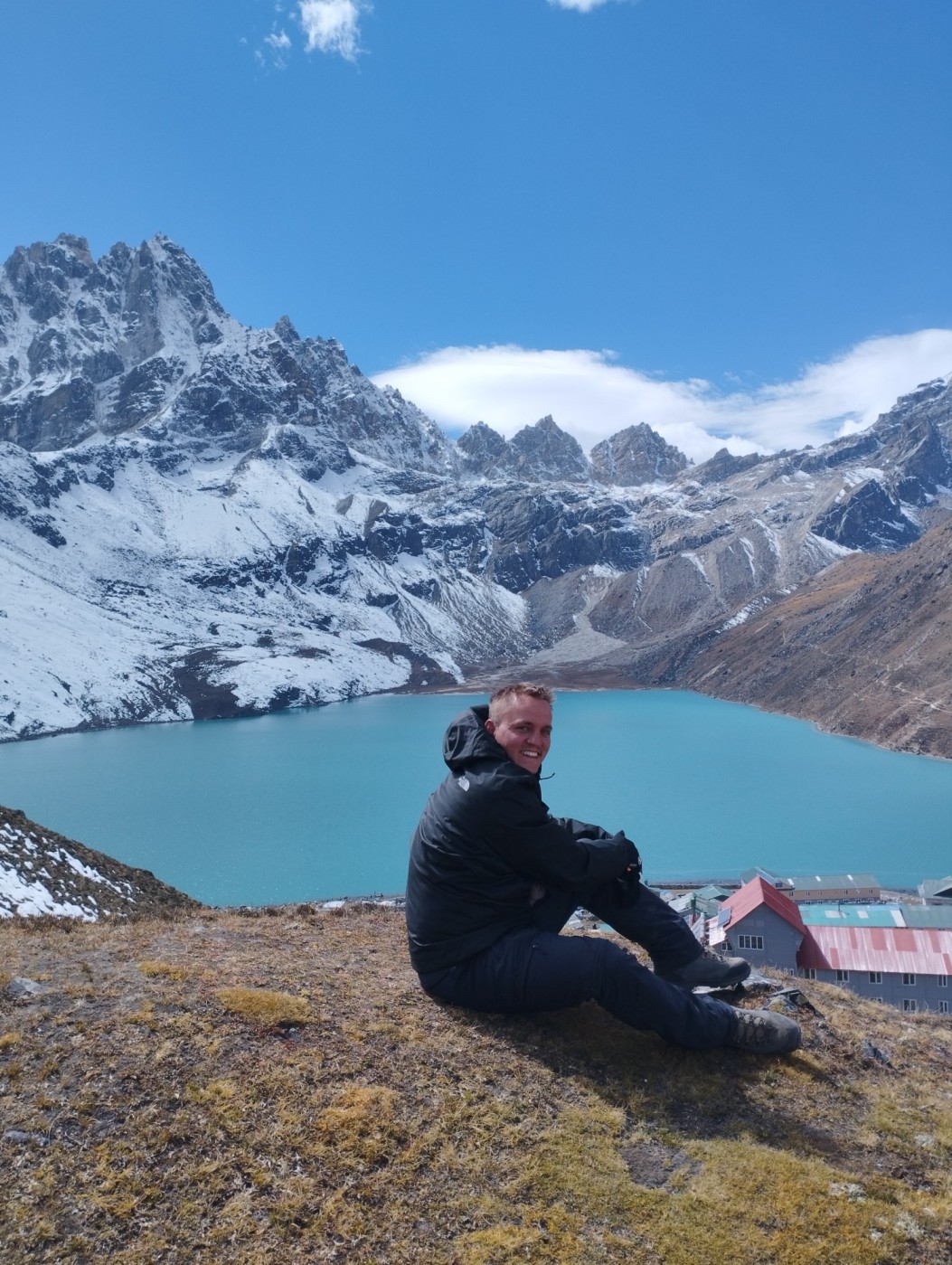
The Gokyo Lakes Trek is a moderate to challenging high-altitude trek in Nepal’s Everest region. You do not need previous mountaineering experience or technical climbing skills, but you do need good preparation, patience and the ability to walk for several hours a day.The biggest challenge is not simply the distance. Altitude is the main reason the Gokyo Lakes Trek feels difficult. The trail gradually climbs from Lukla at around 2,860 meters to Gokyo Valley at around 4,790 meters, with the optional climb of Gokyo Ri reaching 5,357 meters.
For a reasonably fit person who prepares properly and follows a sensible acclimatization schedule, the trek is achievable. We have welcomed many different types of trekkers on Himalayan routes, and we always tell our guests the same thing: you do not need to be an athlete, but you should be prepared for the mountains. This guide explains the Gokyo Lakes Trek difficulty, the walking conditions, altitude, daily distances, Gokyo Ri climb, altitude sickness, fitness requirements and whether beginners can complete the trek.
How Difficult Is the Gokyo Lakes Trek?
We rate the Gokyo Lakes Trek as moderate to challenging.
The trail does not require ropes, technical climbing equipment or previous mountaineering experience under normal conditions. Much of the route follows established mountain trails, passing through Sherpa villages, forests, rocky sections and high alpine landscapes.
However, the trek becomes more demanding as you gain altitude.
You will be walking for several consecutive days, sleeping at high elevations and dealing with thinner air than you are used to at home. Some sections have steep uphill and downhill walking, and the climb to Gokyo Ri is particularly demanding because of the altitude.
The good thing is that you do not climb from low altitude directly to 5,000 meters.
The journey is gradual.
You spend time around Namche Bazaar and continue slowly toward Dole, Machhermo and Gokyo. A properly planned itinerary gives your body time to adjust before you attempt the higher sections.
That gradual approach is one of the most important parts of making the Gokyo Lakes Trek manageable and enjoyable.
What Makes the Gokyo Lakes Trek Difficult?
There are several things that make this trek more challenging than an ordinary hill walk in Nepal.
- High Altitude
Altitude is the biggest challenge.
Gokyo village is at approximately 4,790 meters, while Gokyo Ri rises to 5,357 meters.
At this elevation, the air contains less oxygen than at sea level. Even fit people can notice that walking becomes slower and breathing becomes harder.
You may find yourself walking at a pace that feels unusually slow.
That is normal.
The important thing is not to rush.
- Long Walking Days
You will normally walk for several hours each day.
Depending on the day and itinerary, walking can take around 4–7 hours, with some days shorter and others longer.
The distance itself is not always the hardest part. Walking uphill at high altitude requires considerably more effort than walking the same distance at lower elevation.
For this reason, we recommend focusing on time on your feet rather than only counting kilometers.
- Steep Uphill Sections
The trail includes plenty of gradual walking, but there are also steep sections.
The climb from Namche toward the higher villages can be tiring, and the trail between Dole, Machhermo and Gokyo continues to gain altitude.
The final climb to Gokyo Ri is the most obvious example.
You may take many short breaks.
There is no prize for reaching the top first.
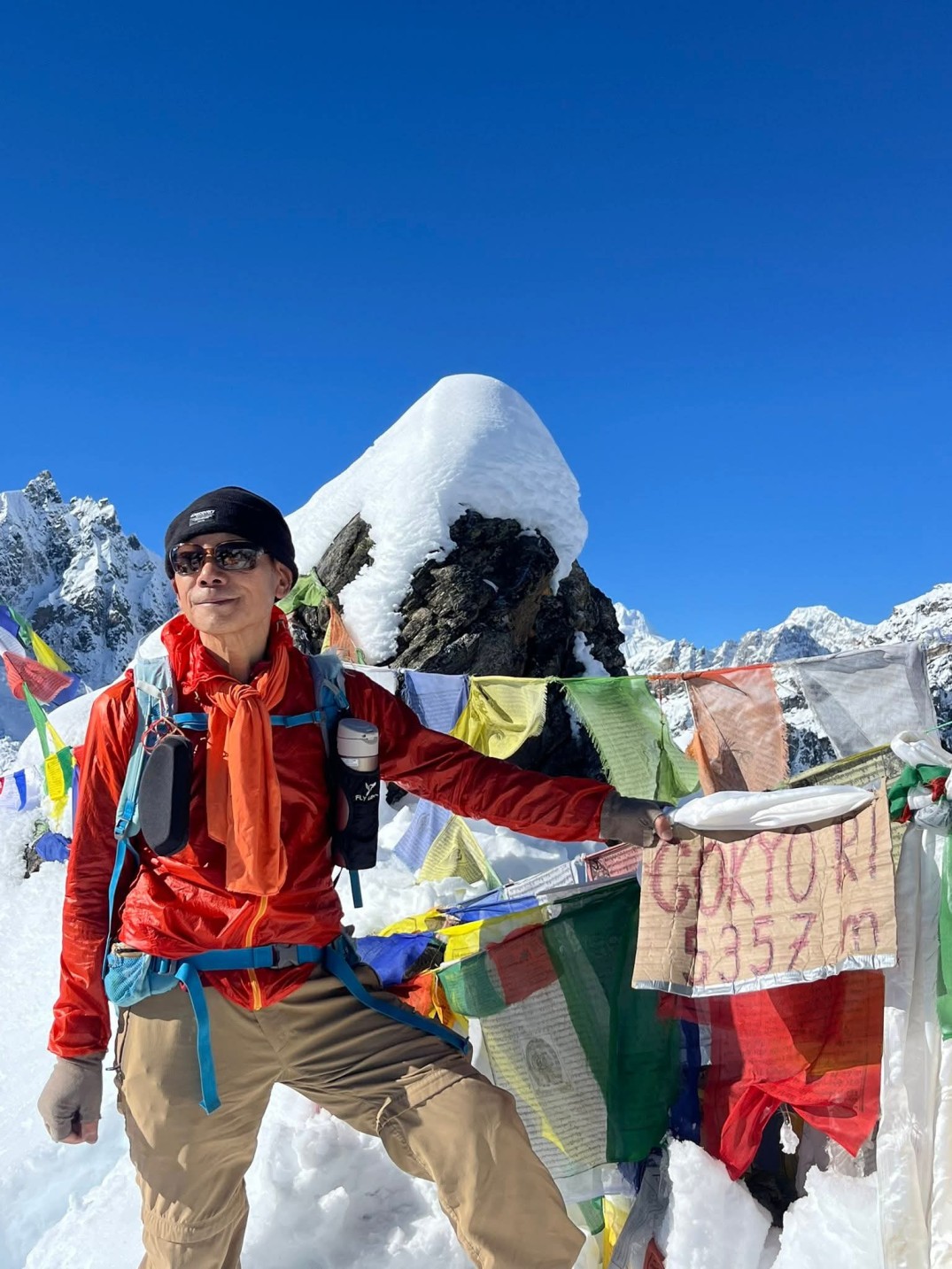
- Gokyo Ri at 5,357 Meters
The climb to Gokyo Ri is optional, but most trekkers consider it one of the highlights of the journey.
You normally start early in the morning to reach the viewpoint around sunrise.
The climb is steep in places and can take several hours depending on your pace and conditions.
At this altitude, every step can feel harder than expected.
But when you reach the top and see the Himalayan panorama, the effort feels worthwhile.
On a clear day, you can see magnificent peaks including Everest, Lhotse, Makalu and Cho Oyu, together with the Gokyo Valley and surrounding glaciers.
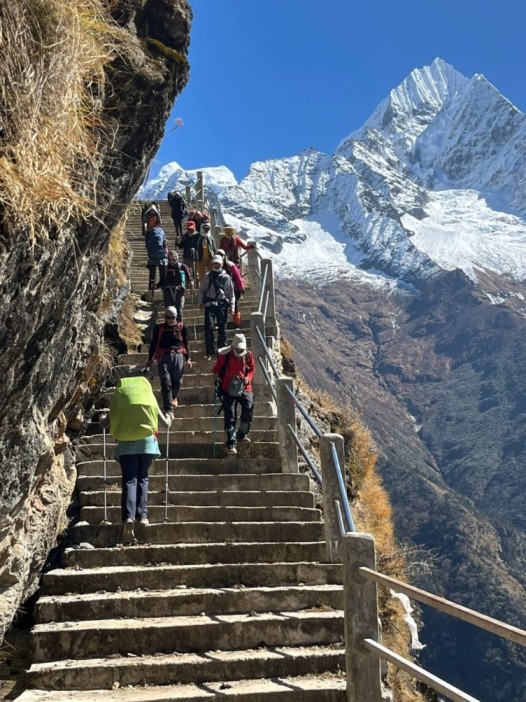
Gokyo Lakes Trek Altitude Profile
Understanding the altitude makes it easier to understand the difficulty of the trek.
| Location | Approximate Altitude |
| Lukla | 2,860 m |
| Phakding | 2,610 m |
| Namche Bazaar | 3,440 m |
| Dole | 4,200 m |
| Machhermo | 4,470 m |
| Gokyo | 4,790 m |
| Gokyo Ri | 5,357 m |
The numbers show why acclimatization is so important.
You begin in the lower Everest region and gradually move higher instead of trying to reach Gokyo in only a few days.
Gokyo Lakes Trek Walking Hours
The exact walking time depends on your itinerary, fitness, weather and walking pace.
A typical day can involve approximately 4–7 hours of walking, although some days can be shorter or longer.
The important thing to remember is that trekking hours in the Himalayas are not the same as walking hours on a flat road.
The trail may include:
- Uphill climbs
- Rocky paths
- Stone steps
- Descents
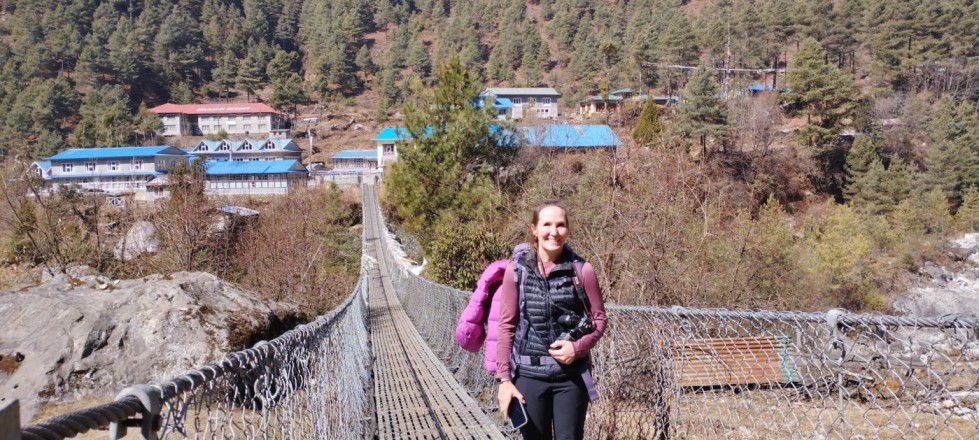
- Suspension bridges
- Uneven ground
- High-altitude terrain
Our guides encourage trekkers to walk at a comfortable and steady pace.
We would rather have you arrive at the teahouse feeling comfortable than push yourself too hard early in the day.
Is Gokyo Lakes Trek Suitable for Beginners?
Yes, the Gokyo Lakes Trek can be suitable for beginners who are physically prepared and have enough time for proper acclimatization.
You do not need previous high-altitude trekking experience to complete the standard route.
However, we would not describe it as an easy beginner trek.
There is a big difference between a beginner who regularly exercises and a person who rarely walks.
If this is your first Himalayan trek, you should prepare several weeks or months before arriving in Nepal.
A beginner should be comfortable with:
- Walking for several hours
- Walking uphill
- Walking several days in a row
- Carrying a small daypack
- Getting up early
- Walking on uneven trails
- Dealing with cold weather
- Being patient at high altitude
If you can manage these things and follow your guide’s advice, you have a good foundation for the trek.
Can Someone With No Trekking Experience Do Gokyo?
Yes.
We have seen many people discover Himalayan trekking for the first time.
You don’t need to arrive in Nepal with years of trekking experience.
What matters more is your physical preparation and attitude.
A person who has never trekked but regularly hikes, walks, cycles or exercises may be better prepared than an experienced trekker who arrives without training.
Your first high-altitude trek should not be treated like a race.
Walk slowly.
Drink enough water.
Eat properly.
Rest when necessary.
Tell your guide if you feel unwell.
And most importantly, allow your body time to adjust.
Gokyo Lakes Trek and Altitude Sickness
Altitude sickness is one of the most important things to understand before starting the trek.
It can affect anyone, regardless of age, fitness or previous trekking experience.
Common symptoms can include:
- Headache
- Tiredness
- Dizziness
- Loss of appetite
- Nausea
- Difficulty sleeping
- Shortness of breath
Mild symptoms can sometimes occur as your body adjusts to increasing altitude.
The most important thing is to tell your guide as soon as you feel something is wrong.
Do not hide symptoms because you are worried about slowing down your group.
Your health is more important than reaching Gokyo on a particular day.
Our trekking team monitors guests throughout the trek and can adjust the walking pace or itinerary when necessary.
In serious cases, descending to a lower altitude is an important part of dealing with altitude-related illness.
Travel insurance that covers high-altitude trekking and emergency evacuation is strongly recommended.
Why Acclimatization Matters on the Gokyo Lakes Trek
Acclimatization is one of the biggest factors affecting the difficulty of the trek.
A good itinerary does not simply try to get you to Gokyo as quickly as possible.
Your body needs time to adapt.
Namche Bazaar is an important acclimatization point on the route. Rather than spending the entire day inside the teahouse, you can take a short hike around the area and return to Namche to sleep.
The same principle applies as you continue toward the higher elevations.
A slower trek can actually be a more enjoyable trek.
You have more time to look around, take photographs, talk with local people and enjoy the mountains instead of constantly thinking about reaching the next destination.
What Is the Hardest Day of the Gokyo Lakes Trek?
There is no single hardest day for everyone.
However, many trekkers find the Gokyo Ri climb to be the most physically demanding part.
The climb starts early and gains significant elevation in a relatively short period.
The altitude makes the climb feel harder than it might at home.
Another challenging section is the journey through the higher valley toward Gokyo, where the landscape becomes more exposed and the air becomes thinner.
Your experience can also depend on weather.
Cold temperatures, wind, snow or poor visibility can make a normal trekking day feel much harder.
This is why our guides always consider the actual mountain conditions rather than following the itinerary blindly.
Gokyo Lakes Trek Difficulty Compared With Everest Base Camp
Many travelers ask us:
“Is Gokyo harder than Everest Base Camp?”
There is no simple yes or no answer.
Both are high-altitude treks in the Everest region and require good acclimatization.
The difficulty depends on the itinerary, walking pace, weather and your own response to altitude.
The Gokyo route has the demanding climb to Gokyo Ri at 5,357 meters.
The Everest Base Camp route also reaches high elevations and usually includes Kala Patthar for an even higher viewpoint.
If you compare standard itineraries, both should be considered moderate to challenging high-altitude treks rather than easy walks.
If you are physically prepared, either trek can be achievable.
Gokyo Lakes Trek vs Annapurna Base Camp Difficulty
The Gokyo Lakes Trek is generally more demanding than the Annapurna Base Camp Trek because of the higher altitude.
Annapurna Base Camp is around 4,130 meters, while Gokyo village is approximately 4,790 meters and Gokyo Ri reaches 5,357 meters.
That difference matters.
You should therefore prepare more carefully for Gokyo, especially if this is your first trek above 4,000 meters.
How Fit Do You Need to Be for Gokyo Lakes Trek?
You do not need to be extremely athletic.
But you should have a reasonable level of cardiovascular fitness and leg strength.
Before your trip, focus on activities such as:
Walking
Try to walk regularly and gradually increase the amount of time you spend on your feet.
Hiking
If possible, include uphill and downhill hikes.
Stair Training
Stairs are a simple way to strengthen your legs and improve endurance.
Cardio Exercise
Cycling, jogging, swimming or other cardiovascular exercise can help improve your general fitness.
Strength Training
Focus on your legs and core with exercises such as squats, lunges and step-ups.
You don’t need an expensive gym membership.
Regular walking and hiking can make a significant difference.
How Long Should I Train Before the Gokyo Lakes Trek?
Ideally, start preparing several weeks before your trek.
If you already exercise regularly, your preparation may be easier.
If you have a sedentary lifestyle, give yourself more time.
A simple training goal is to become comfortable with walking for several hours without feeling completely exhausted.
Try to include longer walks on weekends.
For example:
Week 1–2: Regular 45–60 minute walks
Week 3–4: Longer walks and stair training
Week 5–6: Weekend hikes of several hours
Final weeks: Maintain fitness without exhausting yourself before departure
This is only a general example. Your training should match your own fitness level.
Do I Need to Carry a Heavy Backpack?
No.
With a porter-supported trek, you normally carry only the things you need during the day.
Your main luggage is carried between teahouses by the porter.
A lighter daypack makes a big difference, especially on steep uphill sections.
We recommend carrying essentials such as:
- Water
- Camera
- Sunglasses
- Sunscreen
- Warm layer
- Rain protection
- Snacks
- Personal medication
- Small first-aid items
- Important documents
Try not to put unnecessary weight in your daypack.
Weather and Its Effect on Gokyo Trek Difficulty
Weather can change quickly in the Himalayas.
A clear morning can become cloudy, windy or snowy later in the day.
Spring and autumn are generally popular trekking seasons because conditions are often favorable.
Winter can bring very cold temperatures and snow at higher elevations.
The monsoon season can bring rain and cloud at lower elevations and possible travel disruption.
Weather is another reason not to make your itinerary too tight.
Having some flexibility can make your trip much less stressful.
Is Gokyo Lakes Trek Difficult for Older Trekkers?
Age alone does not determine whether someone can complete the trek.
We have seen people of different ages enjoy Himalayan trekking.
What matters more is your health, fitness, previous experience, preparation and ability to adapt to altitude.
Older trekkers should prepare carefully and discuss the trek with their doctor before traveling, particularly if they have any health concerns.
A slower private itinerary can also be a good option because it allows more flexibility with walking pace and rest.
Can Children Do the Gokyo Lakes Trek?
This depends greatly on the child’s age, fitness, previous experience and ability to cope with high altitude.
Gokyo is a high-altitude trek, so it should not be treated like a normal family holiday.
Parents should carefully consider the altitude and length of the trek before deciding.
For families, we recommend discussing the child’s age and experience with our trekking team before booking so we can suggest an appropriate itinerary.
How Can I Make the Gokyo Lakes Trek Easier?
There are several simple things you can do.
Walk Slowly
Do not try to match the pace you use at home.
Stay Hydrated
Drink regularly throughout the day.
Eat Enough
Your body needs energy at altitude.
Sleep Properly
Use your rest days properly.
Pack Light
A lighter daypack makes walking easier.
Listen to Your Guide
Your guide knows the route and can recognize changes in your condition.
Don’t Ignore Symptoms
Tell your guide immediately if you feel unwell.
Allow Enough Days
Trying to shorten the itinerary simply to save one or two days can make the trek unnecessarily difficult.
What Should I Pack for the Gokyo Lakes Trek?
The right equipment can make a major difference to your comfort.
Some important items include:
- Good trekking boots
- Warm trekking clothes
- Down jacket
- Thermal layers
- Waterproof jacket
- Trekking trousers
- Warm hat
- Gloves
- Sunglasses
- Sunscreen
- Water bottles
- Headlamp
- Trekking poles
- Sleeping bag
- Personal medicines
- Small first-aid kit
- Power bank
- Comfortable daypack
At high altitude, mornings and evenings can be very cold, so proper layering is important.
With Igloo Himalaya Treks, a sleeping bag, down jacket and duffel bag are provided for use during the trek according to the current package details.
Why Trek the Gokyo Lakes Route With Igloo Himalaya Treks?
At Igloo Himalaya Treks, we understand that every trekker arrives with a different level of fitness and experience.
Some of our guests have completed many Himalayan treks.
Others are visiting Nepal for their first high-altitude adventure.
Our job is not to make everyone walk at the same speed.
Our guides focus on maintaining a comfortable pace, allowing appropriate rest and paying attention to how guests are adapting to the altitude.
The Gokyo Lakes Trek is about enjoying the journey, not racing to the destination.
You will walk through Sherpa villages, forests and high alpine landscapes before reaching the turquoise Gokyo Lakes. From Gokyo, the climb to Gokyo Ri offers an incredible Himalayan panorama.
If you are prepared and patient, the difficulty becomes part of the adventure rather than something to fear.
So, Is the Gokyo Lakes Trek Worth the Difficulty?
Absolutely — if you prepare for it.
The Gokyo Lakes Trek is challenging, but that is also what makes the experience special.
You are not simply walking from one village to another.
You are gradually entering a high Himalayan landscape where the mountains become larger, the valleys become quieter and the air becomes thinner.
You eventually reach the turquoise Gokyo Lakes and have the opportunity to climb Gokyo Ri at 5,357 meters.
The effort is real.
But so is the reward.
For trekkers who want spectacular mountain scenery, high-altitude adventure and a quieter alternative to the classic Everest Base Camp route, Gokyo Lakes Trek is one of the best choices in Nepal.
Final Advice From Igloo Himalaya Treks
If you are worried about the Gokyo Lakes Trek difficulty, don’t focus only on whether you are “fit enough.”
Focus on whether you are prepared enough.
Train before coming to Nepal.
Choose enough days for acclimatization.
Bring appropriate clothing and footwear.
Walk at a steady pace.
Listen to your body.
And communicate with your guide.
You don’t need to be the strongest person in the group.
You simply need to take the trek one day at a time.
If you are planning the Gokyo Lakes Trek in 2027, contact Igloo Himalaya Treks with your preferred dates and group size. We can help you choose an itinerary that matches your experience, fitness and available time.
Gokyo is challenging, but with the right preparation and a good local team, it is an adventure that many prepared trekkers can achieve.


