
Everest Base Camp Trek Guide Tips From Our Experienced Guide
An Everest Base Camp trek is not a race. It is a journey where patience, preparation, and listening to your body matter more than walking fast. After guiding trekkers through the Khumbu region, we have learned that small decisions can make a big difference, especially as you gain altitude.
Everest Base Camp Trek Guide Tips can make the difference between a successful journey and a difficult trekking experience in the Himalayas. Many trekkers spend months preparing for the adventure, but they often underestimate the importance of acclimatization, hydration, pacing, and proper planning.
After guiding trekkers to Everest Base Camp for many years, the team at Igloo Himalaya Treks has learned that reaching Base Camp is not about walking the fastest. It is about understanding the mountain, listening to your body, and making smart decisions throughout the journey.
In this guide, we share 8 essential Everest Base Camp Trek Tips based on our real experiences on the trail. From avoiding common mistakes to understanding the challenges of high altitude, these practical tips will help you prepare for a safer, more enjoyable, and more successful trek to the foot of Mount Everest.
Here are eight honest pieces of advice we want every trekker to know before starting the journey to Everest Base Camp Trek.
- Don’t Judge the Trek by Your First Two Days
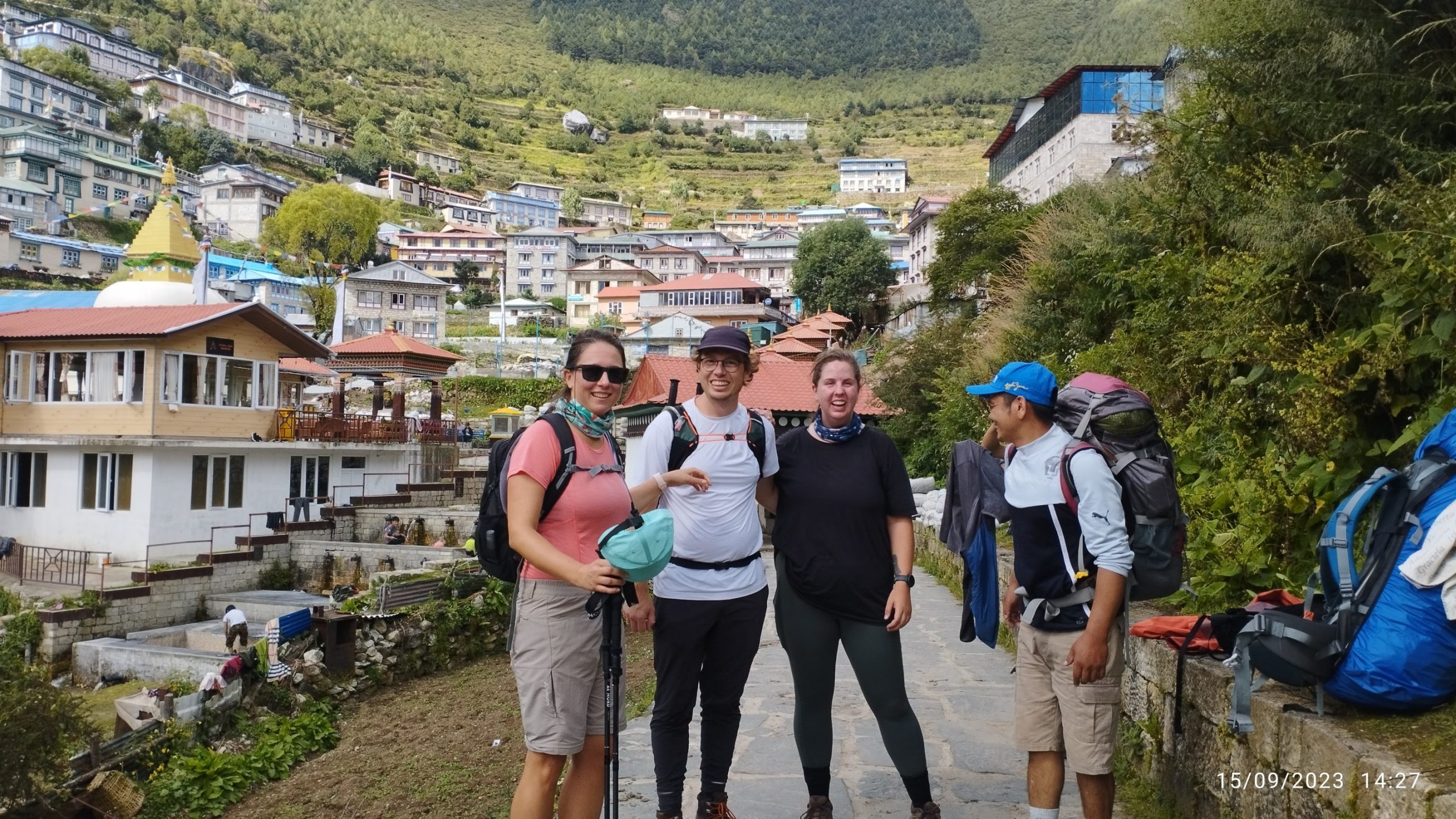
The first couple of days can feel easier than you expected. You may arrive in Lukla, walk through beautiful villages, cross suspension bridges, and reach your lodge feeling strong and excited.
But the Everest Base Camp trek changes as you gain altitude.
The air becomes thinner, the trails become more demanding, and your walking pace naturally becomes slower. A trekker who feels very strong in the lower Khumbu should not assume the same pace will be possible near Lobuche or Gorak Shep.
Our advice: Enjoy the beginning, but don’t use your first two days to measure how difficult the entire trek will be. Save your energy for the higher elevations.
- Don’t Race Other Trekkers
You will meet trekkers from all over the world on the Everest trail. Some will walk faster than you. Others will walk much slower.
Don’t turn the trail into a competition.
At high altitude, walking too quickly can leave you exhausted and make it harder for your body to adjust. Our guides encourage a comfortable, steady pace that allows you to breathe naturally and enjoy the surroundings.
There is no prize for reaching the lodge first.
The person walking beside you is not your competitor. The mountain sets the pace.
- Drink Before You Feel Thirsty
At altitude, staying hydrated is part of your daily trekking routine.
Cold weather can make you forget to drink because you may not feel as thirsty as you would during a hot-weather hike. But you are still losing fluids through breathing, sweating, and physical activity.
We encourage our trekkers to drink regularly throughout the day rather than waiting until they become very thirsty.
Keep your water bottle accessible and make hydration a habit, not an afterthought.
- Tell Your Guide Immediately If You Feel Unwell
This is one of the most important things we tell our guests.
If you develop a headache, unusual tiredness, dizziness, nausea, difficulty breathing, or simply feel that something is not right, tell your guide immediately.
Do not try to hide symptoms because you are worried about slowing the group down or missing Everest Base Camp.
Our guides would much rather know about a small problem early than discover a serious problem later.
Your guide is there not only to show you the trail but also to help you make sensible decisions throughout the journey.
Never be embarrassed to say, “I don’t feel well.” Your safety comes first.
- Your Goal Is Not to Walk Fast; Your Goal Is to Reach Base Camp Safely
The Everest Base Camp trek is a journey of patience.
You don’t need to prove how fast you can walk. You need to give your body enough time to adapt as you climb higher.
Some days may feel easy. Other days may feel surprisingly difficult even though the distance is shorter. That’s normal on a high-altitude trek.
We focus on a steady pace, appropriate rest, hydration, acclimatization, and listening to your body.
Reaching Everest Base Camp safely is the achievement—not reaching it quickly.
- The Cold at Gorak Shep Feels Very Different From the Lower Villages
Many trekkers understand that Everest Base Camp will be cold, but experiencing the cold at Gorak Shep is different from simply reading about it.
As you approach Gorak Shep, the landscape becomes harsher and the temperature can drop significantly, particularly in the morning, evening, and overnight.
This is where good clothing and preparation become especially important.
Keep your warm layers accessible rather than buried at the bottom of your duffel bag. A warm hat, gloves, insulated jacket, thermal layers, and suitable sleeping equipment can make a significant difference to your comfort.
At high altitude, being prepared for the cold is not about luxury—it is about being comfortable enough to continue safely.
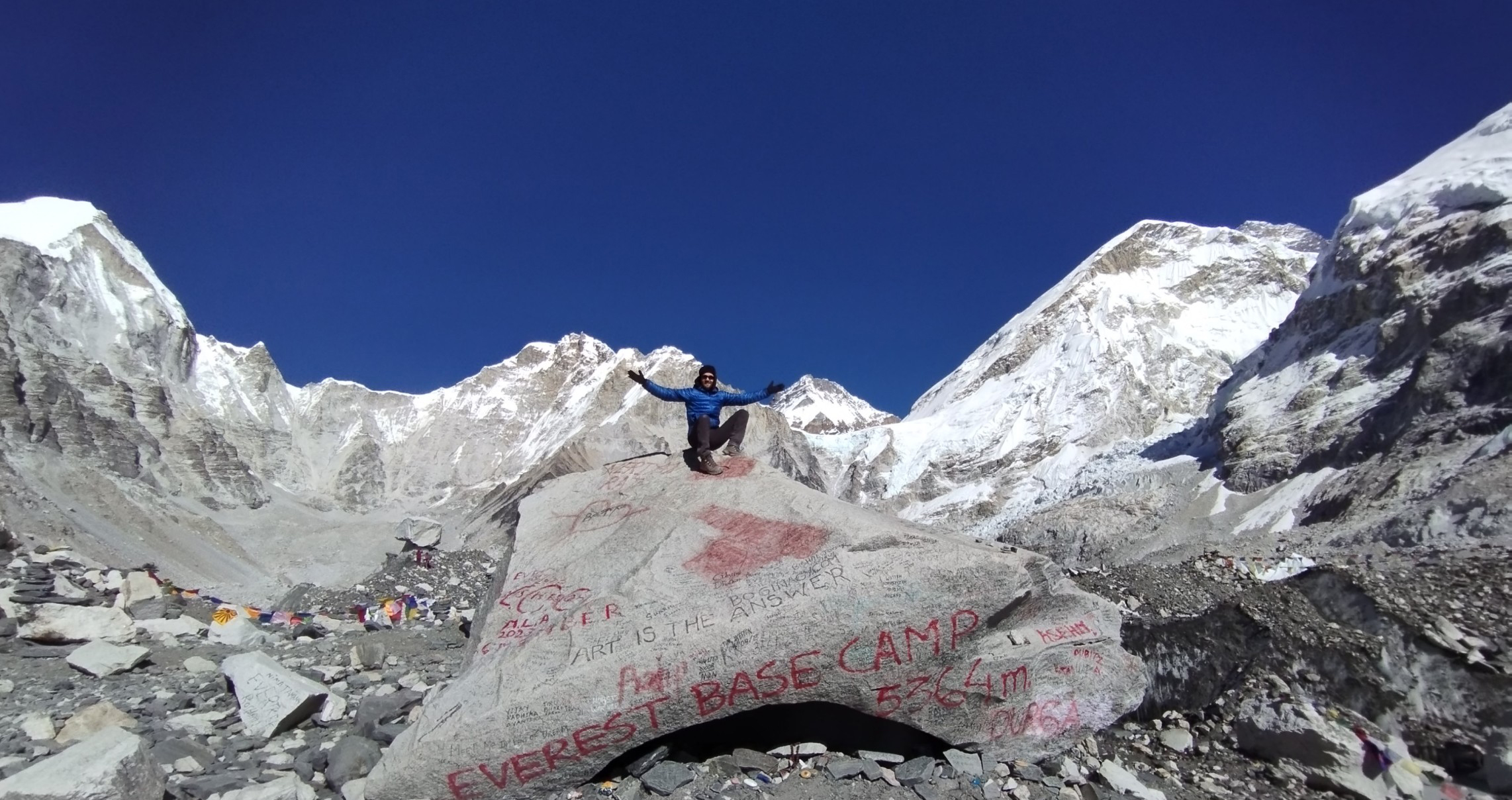
- Don’t Underestimate the Walk Back From Everest Base Camp to Gorak Shep
One of the biggest surprises for first-time trekkers is that reaching Everest Base Camp does not mean the walking is finished for the day.
After the excitement of reaching Base Camp, you still have to walk back to Gorak Shep.
You may already be tired from the early start, the altitude, and the journey toward Base Camp. The return can therefore feel more demanding than expected.
This is why we tell our trekkers to keep some energy in reserve.
Celebrate reaching Base Camp—but remember that you still have a journey back to the lodge.
- Keep One Buffer Day Because Mountain Transportation Can Change
The mountains do not always follow our schedules.
Weather conditions can affect flights between Kathmandu and Lukla, and transportation arrangements in the Himalayas can sometimes change unexpectedly.
That is why we recommend keeping a buffer day whenever your overall travel schedule allows.
A buffer day gives you flexibility if your mountain flight is delayed or cancelled and can prevent unnecessary stress before an important international flight.
Our philosophy is simple: in the Himalayas, a little extra time is much better than a rushed schedule.
A Final Word From Our Guides
Everest Base Camp Trek is not only about reaching a famous destination. It is about how you travel through the Himalayas.
Walk patiently. Listen to your body. Trust your guide. Respect the altitude. Enjoy the villages, people, mountains, and quiet moments along the trail.
And when you finally stand at Everest Base Camp, you will know that the achievement was not simply reaching 5,364 metres.


