
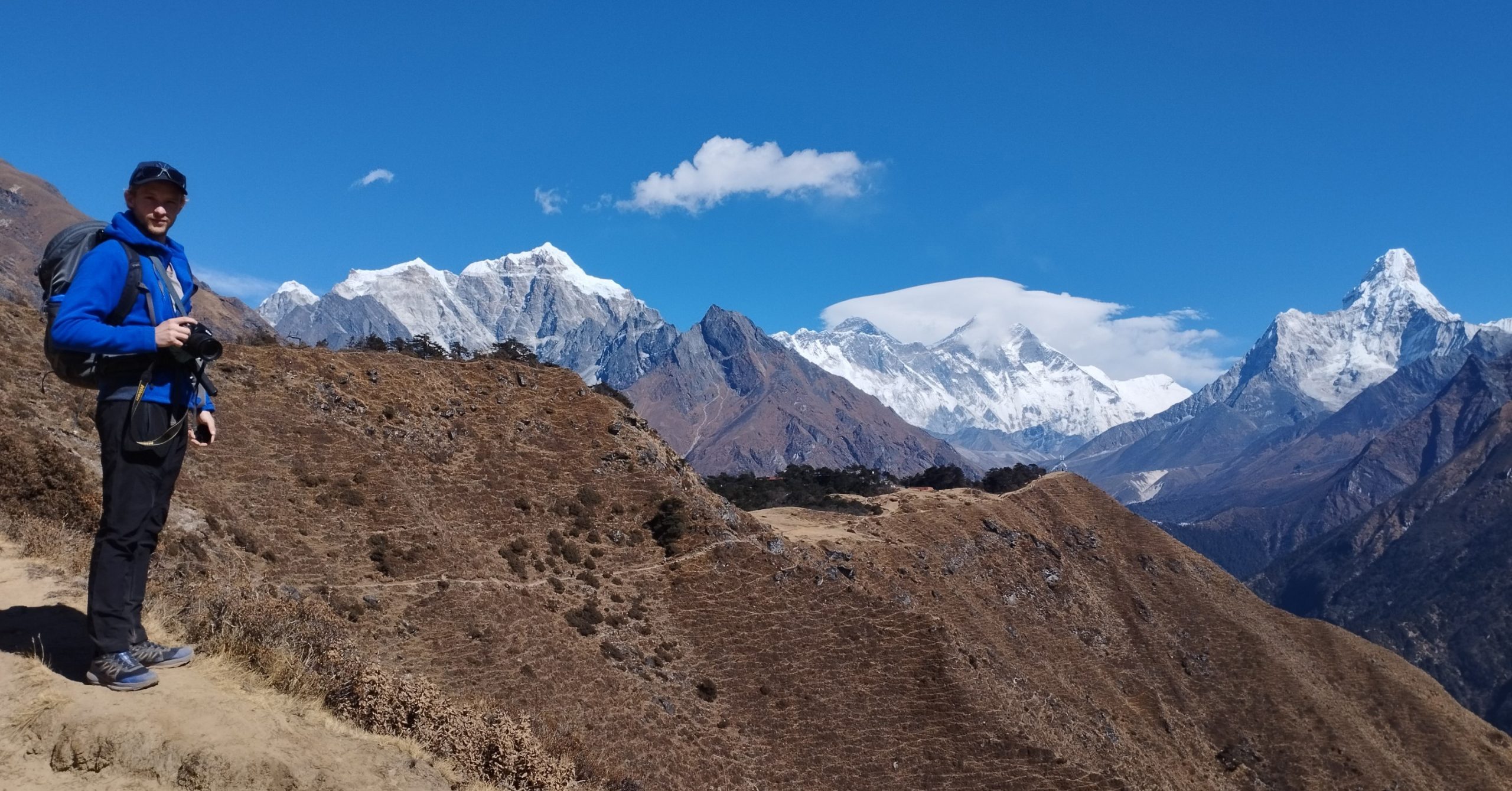
The Everest Base Camp Trek elevation is one of the most important things to understand before starting your journey in the Khumbu region of Nepal. The trek takes you from the lower valleys near Lukla to the foot of Mount Everest at a very high altitude, with the highest point of the standard trek usually being Kala Patthar.
Everest Base Camp itself stands at approximately 5,364 meters (17,598 feet) above sea level. Kala Patthar, which is commonly included in the trek for its spectacular Everest views, reaches around 5,550 meters (18,209 feet).
Because the altitude increases gradually over several days, proper acclimatization is essential. Understanding the elevation at each major stop can help you prepare physically and mentally for the trek.
How High Is Everest Base Camp?
Everest Base Camp is approximately 5,364 meters (17,598 feet) above sea level.
At this elevation, the air contains considerably less oxygen than at sea level. Reaching Everest Base Camp is therefore not simply a matter of walking distance. Your body needs time to adjust as you climb higher.
The trail passes through several famous Sherpa villages, including Namche Bazaar, Tengboche, Dingboche, Lobuche and Gorak Shep before reaching Everest Base Camp.
The gradual increase in elevation is one of the main reasons a well-planned itinerary is so important.
Everest Base Camp Trek Elevation From Lukla
The classic Everest Base Camp Trek usually begins at Lukla, which sits at approximately 2,860 meters (9,383 feet).
From Lukla, the trail climbs progressively toward Everest Base Camp.
Here are the approximate elevations of the major places along the route:
| Place | Approx. Elevation |
| Lukla | 2,860 m / 9,383 ft |
| Phakding | 2,610 m / 8,563 ft |
| Namche Bazaar | 3,440 m / 11,286 ft |
| Tengboche | 3,865 m / 12,664 ft |
| Dingboche | 4,410 m / 14,469 ft |
| Lobuche | 4,900 m / 16,109 ft |
| Gorak Shep | 5,165 m / 16,942 ft |
| Everest Base Camp | 5,364 m / 17,598 ft |
| Kala Patthar | 5,545 m / 18,209 ft |
Everest Base Camp Trek Elevation Gain
One of the biggest challenges of the Everest Base Camp Trek is the total elevation gain.
You begin around 2,860 meters at Lukla and eventually reach 5,364 meters at Everest Base Camp. If you climb Kala Patthar, you go even higher, to approximately 5,545 meters.
However, the trek does not involve climbing directly from Lukla to Base Camp. The route takes several days and includes rest and acclimatization stops.
This gradual approach gives your body valuable time to adjust to the decreasing oxygen levels.
That is why choosing a sensible itinerary is more important than simply trying to complete the trek as quickly as possible.
Namche Bazaar Elevation – 3,440 Meters
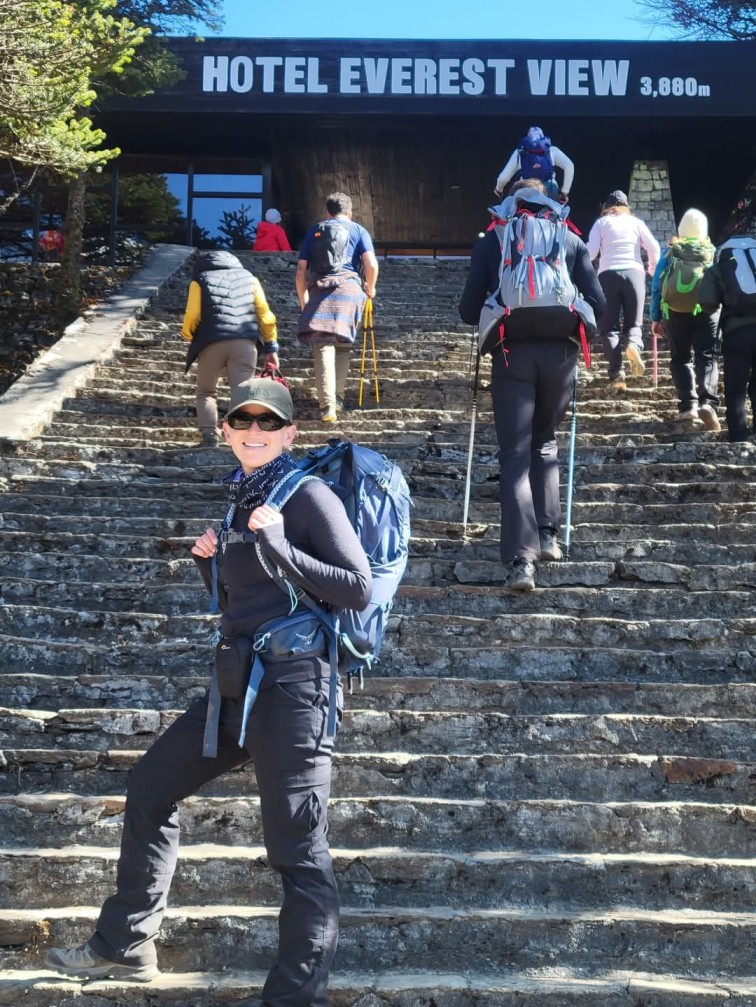
Namche Bazaar is one of the most important stops on the Everest Base Camp Trek.
At approximately 3,440 meters (11,286 feet), Namche is where many trekkers begin to notice the effects of altitude.
The town is surrounded by spectacular mountain scenery and is also a major trading and tourism center in the Khumbu region.
Most well-planned Everest Base Camp itineraries include an acclimatization day in Namche. Rather than remaining completely inactive, trekkers can take a short hike to higher elevations and return to Namche to sleep.
This helps the body gradually adapt to the altitude.
Tengboche Elevation – 3,860 Meters
After Namche, the trail continues toward Tengboche at approximately 3,860 meters (12,664 feet).
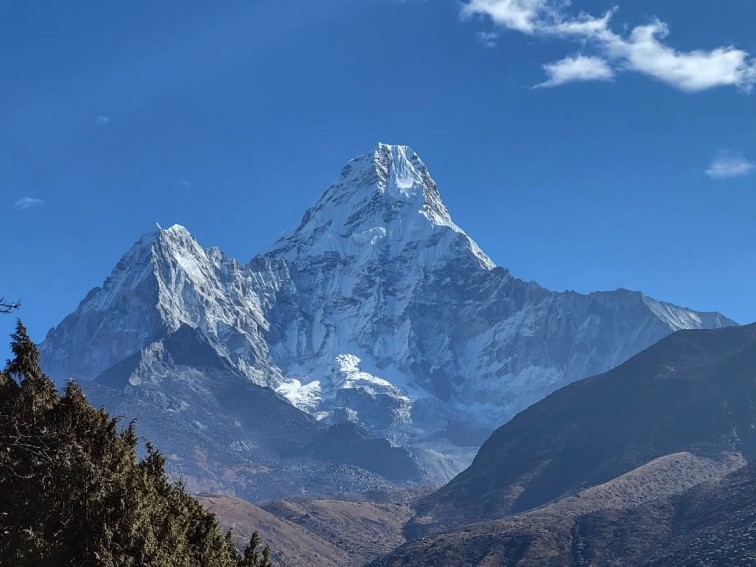
Tengboche is famous for its Buddhist monastery and outstanding mountain views. From here, trekkers can enjoy views of peaks such as Ama Dablam, Everest and surrounding Himalayan mountains.
The elevation is noticeably higher than Namche, so walking at a comfortable pace and staying properly hydrated becomes increasingly important.
Dingboche Elevation – 4,410 Meters
Dingboche sits at approximately 4,410 meters (14,469 feet).
This is another major acclimatization point on the Everest Base Camp route.
At this altitude, the air is much thinner, and you may notice that ordinary activities require more effort. Walking slowly is normal. There is no need to rush.
Most standard itineraries include an additional acclimatization day around Dingboche. Trekkers can take a short hike toward higher ground and then return to Dingboche to sleep.
Lobuche Elevation – 4,900 Meters
Lobuche is located at approximately 4,900 meters (16,170 feet).
By this stage, the effects of high altitude can become more noticeable. The landscape also changes dramatically as you move deeper into the high Himalayas.
The vegetation becomes sparse, temperatures drop and the trail becomes increasingly rugged.
From Lobuche, trekkers continue toward Gorak Shep before making the final journey to Everest Base Camp.
Gorak Shep Elevation – 5,165 Meters
Gorak Shep is approximately 5,165 meters (17,044 feet) above sea level.
It is the final settlement on the classic Everest Base Camp route.
Many trekkers stay here before walking to Everest Base Camp and then return to Gorak Shep for the night.
At more than 5,000 meters, even a short walk can feel difficult because of the thin air. Maintaining a slow and steady pace is essential.
Everest Base Camp Elevation – 5,364 Meters
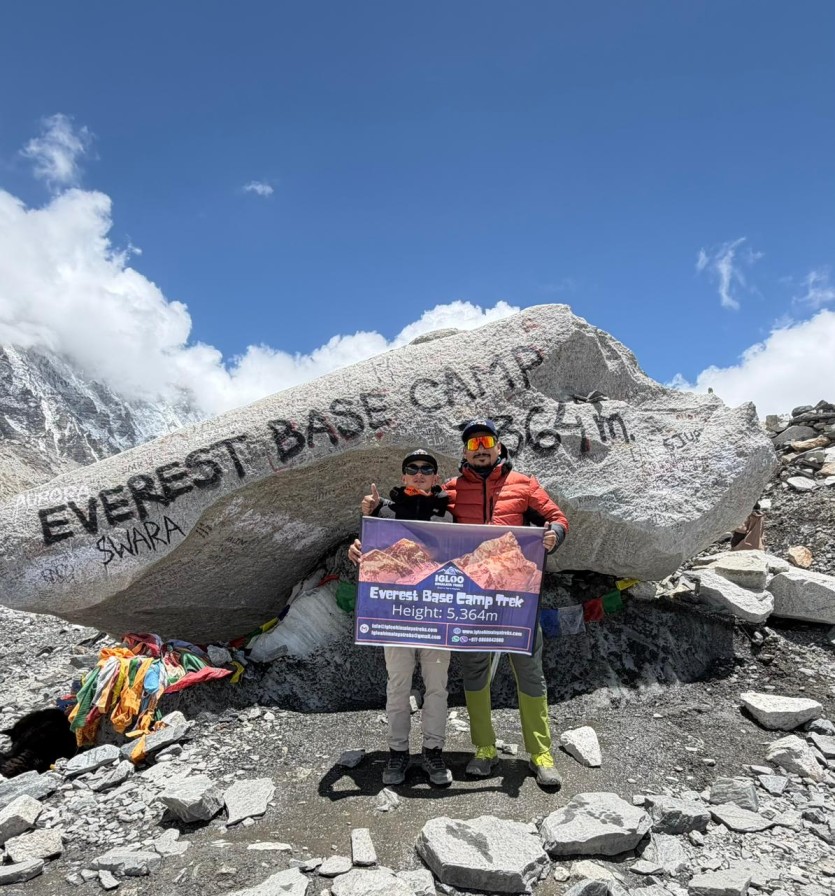
Finally, you reach Everest Base Camp at approximately 5,364 meters (17,701.2 feet).
This is the destination that trekkers around the world dream of reaching.
Standing at Base Camp, surrounded by massive Himalayan peaks, glaciers and the Khumbu landscape, is an unforgettable experience.
Interestingly, Mount Everest itself is not always visible from Everest Base Camp because of the surrounding mountains. This is one reason many trekkers also climb Kala Patthar.
Kala Patthar Elevation – 5,545 Meters
The highest point of the standard Everest Base Camp Trek is generally Kala Patthar, at approximately 5,545 meters (18,298.5 feet).
Although Kala Patthar is not Everest Base Camp, it provides one of the best panoramic viewpoints of Mount Everest.
Trekkers commonly start early in the morning to reach the viewpoint around sunrise. On a clear morning, you can see Everest along with Nuptse, Lhotse, Pumori and other Himalayan peaks.
For many people, the Kala Patthar sunrise becomes one of the most memorable moments of the entire trek.
Why Is Elevation Important on the Everest Base Camp Trek?
Altitude is one of the biggest factors that makes the Everest Base Camp Trek different from an ordinary hiking trip.
As you climb higher, atmospheric pressure decreases and there is less oxygen available with each breath. Your body needs time to adapt.
You may experience:
- Shortness of breath
- Headache
- Tiredness
- Difficulty sleeping
- Reduced appetite
- Mild dizziness
These symptoms can sometimes be associated with acute mountain sickness (AMS).
Not everyone experiences altitude sickness in the same way, and physical fitness alone does not guarantee that you will avoid it.
The best approach is to ascend gradually, allow sufficient acclimatization time, stay hydrated, avoid overexertion and pay attention to how you feel.
If symptoms become severe or worsen, descending to a lower elevation is an important safety measure.
Does Everest Base Camp Trek Elevation Make the Trek Difficult?
The high elevation definitely makes the Everest Base Camp Trek more challenging, but you do not need to be an elite athlete to complete it.
The trek is more about endurance, preparation, pacing and acclimatization than speed.
You will walk for several hours on many trekking days, often over uneven mountain trails. The higher you go, the slower your pace naturally becomes.
A good training routine before your trip can include:
- Long-distance walking
- Hiking on hills
- Stair climbing
- Cardiovascular exercise
- Leg-strengthening exercises
- Regular weekend hikes
The goal is to arrive in Nepal with enough endurance to walk comfortably for several hours each day.
How Does the Elevation Affect Your Walking Pace?
At lower elevations, you may be able to walk quickly without much effort.
That changes dramatically above 4,000 meters.
At high altitude, even a gentle uphill section can leave you breathing heavily. This is completely normal.
A slow, steady pace is generally better than trying to maintain the speed you use at lower elevations.
On the high-altitude sections of the Everest Base Camp Trek, the journey is not a race. Taking regular short breaks, drinking water and maintaining a comfortable rhythm can make a significant difference.
Everest Base Camp Trek Acclimatization
Acclimatization is one of the most important parts of a successful Everest Base Camp Trek.
A good itinerary should not simply focus on reaching Base Camp as quickly as possible. It should allow enough time for your body to adjust to increasing elevation.
The most important acclimatization stops are generally Namche Bazaar and Dingboche.
During acclimatization days, trekkers often hike to a higher elevation during the day and then return to sleep at the lower elevation.
This approach is commonly described as “climb high, sleep low.”
Your guide should monitor your condition throughout the trek and help determine whether it is safe to continue ascending.
What Is the Highest Elevation on the Everest Base Camp Trek?
If you are asking about the highest point of the standard route:
Kala Patthar – approximately 5,545 meters (18,298.5 feet).
If you are asking about Everest Base Camp itself:
Everest Base Camp – approximately 5,364 meters (17,701.2 feet).
These are two different locations, and both are important to understand when planning your trek.
Can Beginners Handle the Elevation?
Yes, many first-time Himalayan trekkers successfully reach Everest Base Camp.
However, beginners should not underestimate the altitude.
You may have excellent fitness and still experience altitude-related symptoms. Conversely, someone with average fitness may adapt well.
The key factors are:
- A properly designed itinerary
- Gradual ascent
- Acclimatization days
- Good hydration
- Appropriate pacing
- Listening to your body
- Experienced trekking support
For first-time trekkers, choosing a reputable local trekking company and an experienced guide can make the journey more comfortable and safer.
Best Way to Prepare for Everest Base Camp Elevation
Preparation should begin several weeks before your trek.
Try to build your walking endurance gradually rather than suddenly doing very long hikes immediately before departure.
If possible, include regular hikes carrying a light backpack. This helps your legs, shoulders and back become accustomed to trekking conditions.
You should also prepare mentally.
There will be days when the trail feels difficult, especially at higher elevations. Progress can be slow, and the weather can change quickly.
The reward, however, is reaching one of the world’s most famous trekking destinations on foot.
Everest Base Camp Elevation: Key Numbers to Remember
For quick reference:
Lukla: 2,860 m
Namche Bazaar: 3,440 m
Tengboche: 3,865 m
Dingboche: 4,410 m
Lobuche: 4,910 m
Gorak Shep: 5,165 m
Everest Base Camp: 5,364 m
Kala Patthar: 5,545 m
The numbers tell only part of the story. What matters most is how gradually you gain elevation and how well your itinerary allows your body to adapt.
Trek to Everest Base Camp With Igloo Himalaya Treks
At Igloo Himalaya Treks, we understand that altitude is one of the most important considerations when planning an Everest Base Camp adventure.
Our experienced local guides focus on a comfortable trekking pace, proper acclimatization and responsible decision-making throughout the journey.
We do not believe in rushing trekkers to Base Camp. The Himalayan experience should be enjoyed one step at a time.
From the trails around Namche Bazaar to the dramatic landscapes of the Khumbu Glacier and the final approach to Everest Base Camp, our goal is to help you experience the trek safely and comfortably.
If Everest Base Camp is on your bucket list, proper preparation and a well-planned itinerary can turn a challenging high-altitude trek into an unforgettable adventure.
Final Thoughts on Everest Base Camp Trek Elevation
The Everest Base Camp Trek elevation is one of the biggest challenges of the journey, but it is also part of what makes the trek so special.
Starting from Lukla at around 2,860 meters and climbing to Everest Base Camp at approximately 5,364 meters is a remarkable change in altitude. Reaching Kala Patthar at around 5,545 meters makes the achievement even more impressive.
Take your time, acclimatize properly, walk at a comfortable pace and listen to your guide and your body.
With the right preparation and itinerary, you can enjoy the incredible landscapes, Sherpa culture and mountain views that make the Everest Base Camp Trek one of the world’s greatest trekking adventures.


