
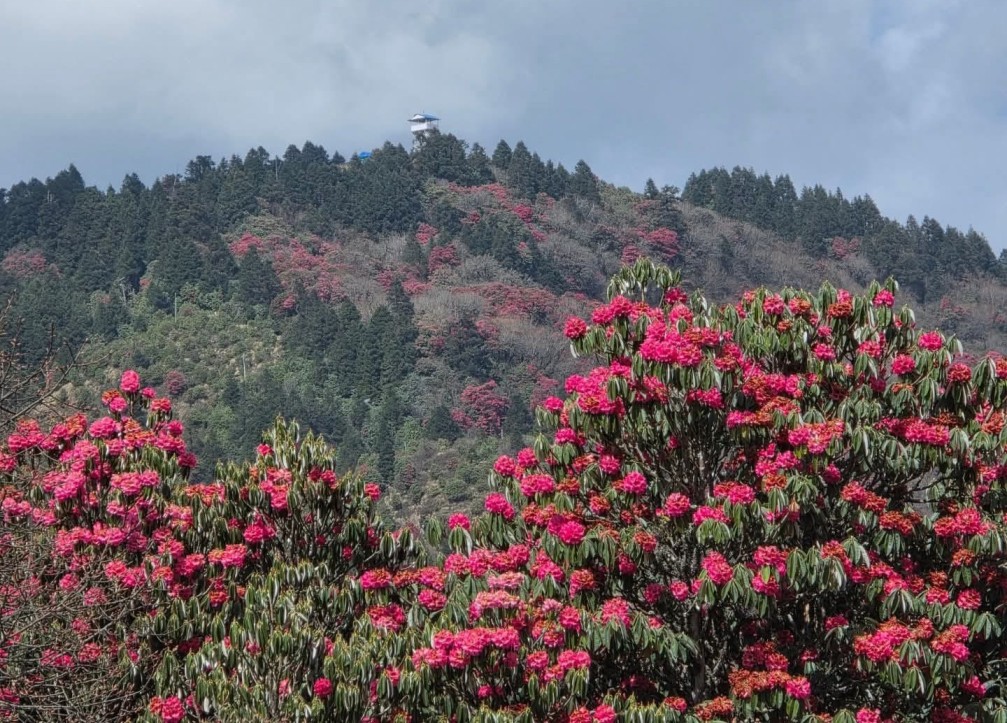
The best time to trek Annapurna Base Camp is generally during spring (March to May) and autumn (September to November). These months bring clearer skies, comfortable daytime temperatures, better mountain views, and good trekking conditions. However, Annapurna Base Camp can be visited in other months too, and each season has something different to offer.
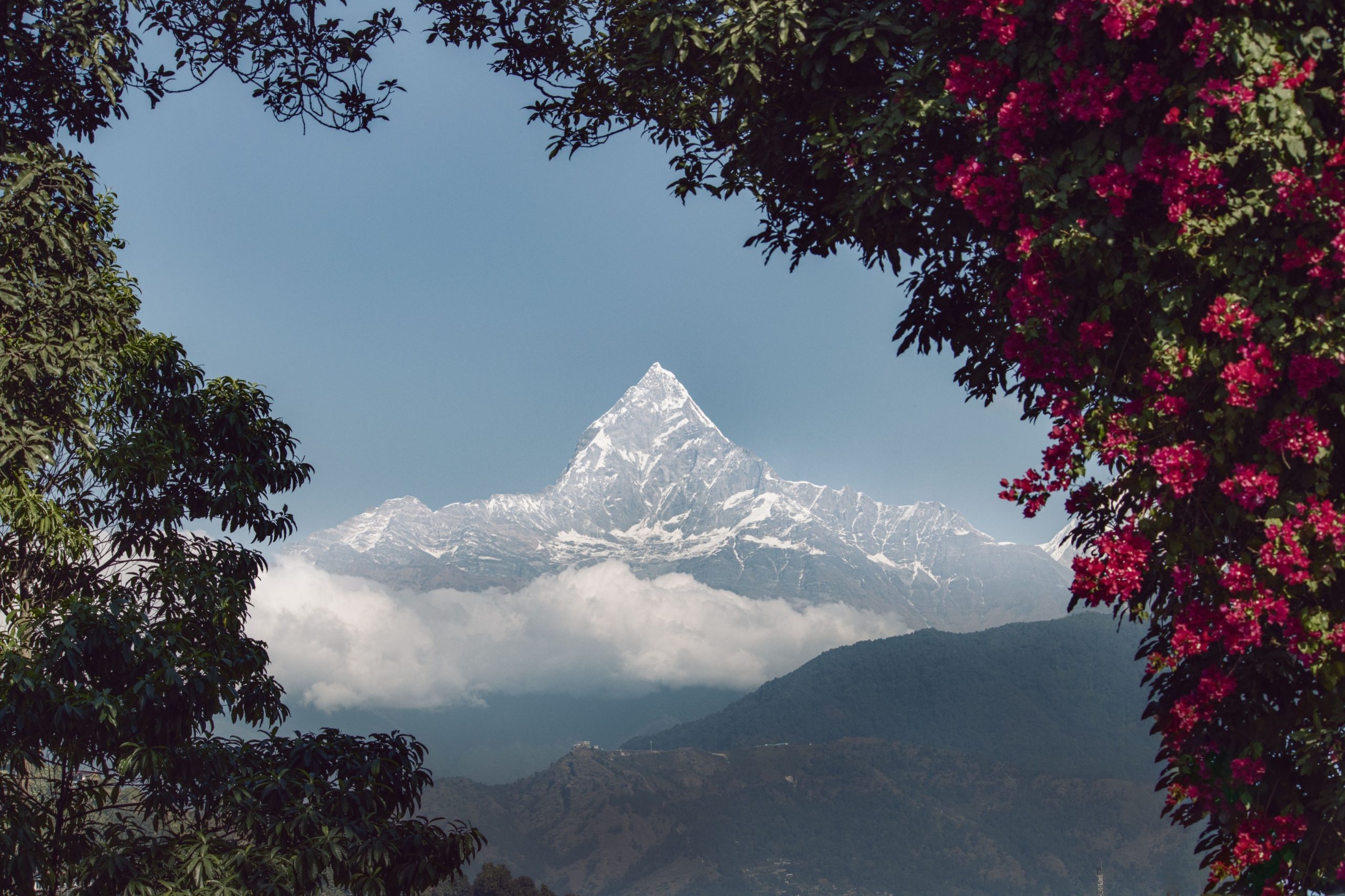
The Annapurna Base Camp Trek takes you from the lower hills and villages into a dramatic mountain landscape surrounded by peaks such as Annapurna I, Annapurna South, Hiunchuli, Machapuchare (Fishtail), and Gangapurna. Because the trail climbs to Annapurna Base Camp at around 4,130 meters, weather and trail conditions can change considerably as you gain altitude. Choosing the right month can make your trek more comfortable and give you a better chance of enjoying clear Himalayan views.
At Igloo Himalaya Treks, we recommend choosing your trekking month based not only on the weather but also on what kind of experience you want. Some travelers want crystal-clear mountain views, while others prefer quieter trails and fewer people.
Annapurna Base Camp Weather Throughout the Year
The weather on the Annapurna Base Camp Trek trail changes with altitude and season. Lower villages can feel warm during the day, while the higher parts of the trail are much colder, particularly in the early morning and at night.
Rain, snow, clouds, sunshine, and temperature can all affect the trekking experience. This is why knowing the seasonal conditions before starting your trek is important.Here is a simple month-by-month guide to help you choose the best time for Annapurna Base Camp Trek.
January – Cold and Snowy but Peaceful
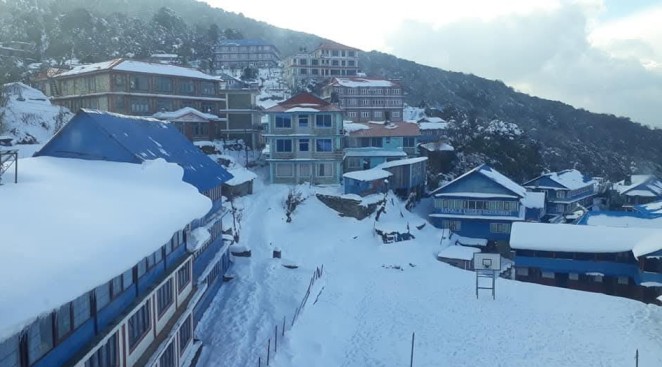
January is one of the coldest months for the Annapurna Base Camp Trek. Temperatures drop significantly at higher elevations, and snow can cover parts of the trail around Machapuchare Base Camp and Annapurna Base Camp.
The cold can be challenging, especially during the early morning and nighttime. However, January has an advantage for trekkers who enjoy peaceful mountain trails. There are fewer people compared with the busy spring and autumn seasons.
If you are properly prepared for winter conditions and comfortable trekking in cold weather, January can provide a quiet Himalayan experience. You should have warm clothing, good trekking boots, gloves, a sleeping bag suitable for cold temperatures, and appropriate winter gear.
February – Winter Continues
February is still a cold month in the Annapurna region, especially at higher elevations. Snow is possible around the upper sections of the trail, and the weather can change quickly.
Lower sections of the trek may be more comfortable during sunny days, but the temperature becomes much colder as you climb higher. The benefit is that the trails are generally quieter. For experienced trekkers who want fewer people and do not mind cold conditions, February can be an interesting time to trek. Good preparation is essential because winter weather at high altitude should always be taken seriously.
March – One of the Best Months for Annapurna Base Camp
March marks the beginning of the spring trekking season and is one of the best months to trek Annapurna Base Camp. The weather gradually becomes warmer, the days become longer, and the chances of clear mountain views improve. Snow may still be present at higher elevations early in the month, but conditions generally become more comfortable as March progresses.
Another beautiful part of trekking in March is the changing landscape. Rhododendron forests begin to bloom, adding color to the hills and villages along the trail.If you want a combination of pleasant trekking conditions, mountain views, and beautiful spring scenery, March is an excellent choice.
April – Excellent Weather and Rhododendron Season
April is considered one of the best times to trek Annapurna Base Camp. The weather is generally stable, temperatures are comfortable for walking, and the mountain scenery can be spectacular.The famous rhododendron forests are often at their best during spring. The trail becomes especially beautiful as colorful flowers appear throughout the hills.
At higher elevations, mornings and evenings remain cold, but daytime trekking conditions are usually comfortable. The skies are often clear enough to enjoy impressive views of Machapuchare, Annapurna South, Hiunchuli, and the surrounding peaks. April is popular, so expect more trekkers on the trail and more activity in the teahouses.
May – Warm Days Before the Monsoon
May is the final month of the main spring trekking season. The lower parts of the Annapurna region become warmer, while temperatures remain much cooler at higher elevations.
Early May can still offer good trekking conditions and clear mountain views. As the month continues, clouds can become more common, especially later in the day, as the monsoon season approaches.
If you are planning to trek in May, starting earlier in the day is a good idea. Morning hours often provide better visibility before clouds build up.May can be a good option if your schedule does not allow you to travel in March or April.
June – Start of the Monsoon Season
June brings the beginning of the monsoon season to Nepal. Rain becomes more frequent, particularly in the lower parts of the Annapurna region. Wet trails, muddy sections, slippery stone steps, and cloudy mountain views can make the trek more challenging. Leeches can also appear in the lower and greener sections of the trail during periods of heavy rain.
Annapurna Base Camp is still possible in June, but it is not usually the first choice for travelers looking for dry trails and clear views. If June is your only available month, proper rain protection and flexible planning are important.
July – Wet and Less Predictable
July falls within the main monsoon season. Rainfall can be heavy, and clouds often cover the mountain views.
The trail becomes greener and more peaceful, but wet and slippery conditions can make walking more difficult. Landslides or road disruptions can occasionally affect transportation in the lower region during periods of heavy rain. For most travelers, July is not the best time for Annapurna Base Camp Trek. However, trekkers who do not mind rain and want a quieter experience may still choose this season.
August – Monsoon Conditions Continue
August remains a wet month in the Annapurna region. Rain can continue throughout the month, particularly in the lower elevations.The forests and hills are extremely green during this time, creating a different kind of beauty. However, clouds can hide the mountain peaks, and trails may be muddy or slippery.
If you are considering Annapurna Base Camp in August, you should be prepared for changing weather and possible delays. A waterproof jacket, rain cover, waterproof bags, and good footwear are especially useful.
For clear Himalayan views, however, spring and autumn are much better choices.
September – Monsoon Starts to Clear
September is a transition month between monsoon and autumn. The first part of the month can still receive rain, but conditions usually improve as September progresses.
By the later part of September, the skies often become clearer and trekking conditions become much better. The trails are also generally less crowded than during the peak autumn weeks. For travelers who want to avoid the busiest period but still hope for good weather, late September can be a good choice.
October – The Best Overall Month
October is widely considered one of the best months for Annapurna Base Camp Trek.
The monsoon has normally cleared, the skies are often bright and clear, and the mountain views can be outstanding. Daytime temperatures are comfortable for trekking, while the higher elevations remain cold in the mornings and evenings.
This is also one of the busiest periods on the Annapurna trail. Teahouses and popular sections of the route can become busy, particularly around major trekking stops.If your priority is clear mountain views, comfortable trekking weather, and excellent trail conditions, October is an excellent month to choose.
November – Clear Skies and Comfortable Trekking
November is another excellent month for the Annapurna Base Camp Trek. The weather is generally dry, stable, and clear, making it easier to enjoy the surrounding mountains. The temperatures become colder as winter approaches, particularly at Annapurna Base Camp, but daytime conditions are usually very pleasant for walking.
November is also a popular month, although the atmosphere can become quieter toward the end of the month.
For many trekkers, October and November provide the best combination of weather, scenery, and comfortable trail conditions.
December – Cold but Quiet
December marks the beginning of winter in the Annapurna region. Temperatures become much colder at higher elevations, and snowfall is possible around Annapurna Base Camp.The number of trekkers decreases, making December attractive for people who prefer quieter trails. On clear days, the winter landscape can be beautiful, with snow-covered mountains and crisp Himalayan air.However, you need to be prepared for cold conditions and possible snow on the higher sections of the trail.
Best Season for Annapurna Base Camp Trek
If you are still unsure about which season to choose, the following simple guide can help.
Spring (March to May): Excellent for comfortable weather, clear views, and rhododendron flowers.
Summer/Monsoon (June to August): Wet and cloudy, with fewer trekkers. Not the preferred season for most visitors.
Autumn (September to November): Excellent weather, clear skies, and some of the best mountain views of the year.
Winter (December to February): Cold and potentially snowy, but quieter and beautiful for travelers prepared for winter conditions.
What Is the Best Month to Trek Annapurna Base Camp?
If you want us to choose just one month, October is one of the safest overall choices for the Annapurna Base Camp Trek. The weather is generally stable after the monsoon, mountain visibility is often excellent, and the trail conditions are usually favorable.
April is another excellent choice if you want spring scenery and blooming rhododendrons.That said, there is no single perfect month for everyone. Your available vacation time, tolerance for cold or rain, preference for quiet trails, and interest in flowers or snow should all be considered before choosing your trekking dates.
Best Time for Annapurna Base Camp Trek for Clear Mountain Views
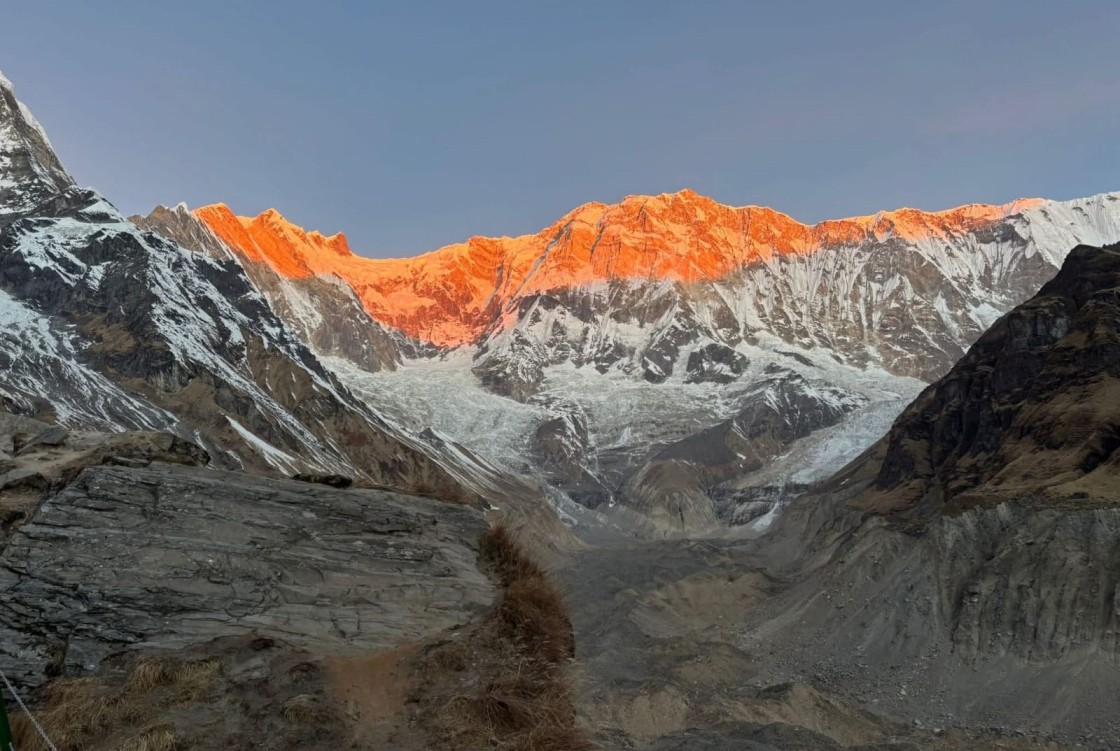
Clear mountain views are one of the biggest reasons people choose the Annapurna Base Camp Trek. The mountains look completely different when the sky is clear, and the early morning views from the higher sections can be unforgettable.
For the best chance of clear views, October, November, March, and April are among the strongest choices.
Early mornings are usually the best time to enjoy the mountains. Even during good trekking seasons, clouds can sometimes develop later in the day, so starting your walk early gives you a better chance of seeing the peaks clearly.
Best Time for Annapurna Base Camp Trek With Fewer Crowds
If you prefer a quieter trail, you may want to avoid the busiest parts of October and November.
Winter months such as January, February, and December generally have fewer trekkers. Late February and early March can also provide a quieter experience before the spring season becomes busy.
The trade-off is simple: fewer people usually means colder or less predictable weather.
At Igloo Himalaya Treks, we can help you choose your trekking dates according to your priorities instead of simply recommending the busiest season.
Is Annapurna Base Camp Trek Possible During Monsoon?
Yes, the Annapurna Base Camp Trek is possible during the monsoon, but it requires more preparation and flexibility.
June, July, and August can bring frequent rain, muddy trails, slippery steps, leeches, and cloudy mountain views. Travel conditions on the lower roads can also be affected by heavy rainfall.
For travelers with flexible schedules, we normally recommend spring or autumn instead. But if monsoon is the only time you can travel, the trek can still be arranged with appropriate equipment and careful planning.
Annapurna Base Camp Weather at 4,130 Meters
Annapurna Base Camp sits at approximately 4,130 meters above sea level, so the weather there is much colder than in Kathmandu or the lower villages.
Even during spring and autumn, you should expect cold mornings and nights. At this elevation, weather can change quickly, so having warm layers and proper trekking equipment is important.
The temperature is not the only thing to consider. Wind, snow, cloud, and altitude can all affect how the conditions feel. This is why your packing list should be based on the highest point of the trek rather than the weather you experience when you first arrive in Nepal.
What Should You Pack for Annapurna Base Camp?
Your packing list should change slightly depending on the season, but some items are useful throughout the year.
Bring comfortable trekking boots, warm layers, a waterproof jacket, trekking trousers, thermal clothing, gloves, a warm hat, sunglasses, sunscreen, a water bottle, and a good sleeping bag.
During the monsoon, give extra attention to waterproof protection. During winter, you need additional warm clothing because temperatures at the higher elevations can become very cold.
You do not need to carry everything you own. A well-planned packing list keeps your backpack manageable while still giving you the protection you need on the trail.
Why Choose Igloo Himalaya Treks for Annapurna Base Camp?
Choosing the right trekking company can make a big difference, especially when weather and mountain conditions change.
At Igloo Himalaya Treks, we focus on making the Annapurna Base Camp Trek comfortable, safe, and enjoyable from the moment you arrive in Nepal. We are a local Nepal trekking company and understand the trail, the villages, the changing conditions, and the practical details that can make a trekking trip easier.
We do not believe every traveler needs exactly the same itinerary. Some people prefer a relaxed pace, while others want to complete the trek in fewer days. We can help plan the trek around your available time, fitness level, preferred season, and interests.
Our goal is simple: you should spend your time enjoying the Annapurna Region rather than worrying about the details of the journey.
Final Thoughts: When Should You Trek to Annapurna Base Camp?
The best time to trek Annapurna Base Camp depends on the experience you want.
For the best overall weather and mountain views, October and November are excellent choices. For spring scenery and rhododendron flowers, choose March, April, or early May. If you want fewer people and do not mind colder conditions, winter can be rewarding. Monsoon trekking is possible, but rain and cloud make it less predictable.
Whenever you decide to go, Annapurna Base Camp is more than simply reaching a destination. The journey takes you through mountain villages, forests, stone steps, suspension bridges, and changing landscapes until the huge peaks of the Annapurna Sanctuary rise around you.
If you are planning your Annapurna Base Camp Trek and are not sure which month is right for you, Igloo Himalaya Treks can help you choose the best dates and prepare your trip according to the season and your travel plans.


