
Annapurna Base Camp Trek Difficulty is one of the most common questions asked by trekkers planning to visit the Annapurna region of Nepal. The Annapurna Base Camp Trek is considered a moderately difficult Himalayan trek, but it does not require technical climbing experience. With good physical preparation, a comfortable walking pace, proper acclimatization, and an experienced local guide, beginners with reasonable fitness can successfully complete the trek.
The Annapurna Base Camp Trek is considered moderately difficult. You do not need technical climbing experience to complete the trek, but you should have a reasonable level of fitness because the trail includes long walking days, steep stone staircases, uphill climbs, downhill sections, and high-altitude terrain.
The highest point of the classic trek is Annapurna Base Camp at 4,130 meters (13,550 feet). The altitude, combined with several consecutive days of walking, is what makes the trek challenging for some people.
However, with proper preparation, a comfortable pace, suitable equipment, and an experienced local guide, many first-time trekkers can successfully complete the Annapurna Base Camp Trek.
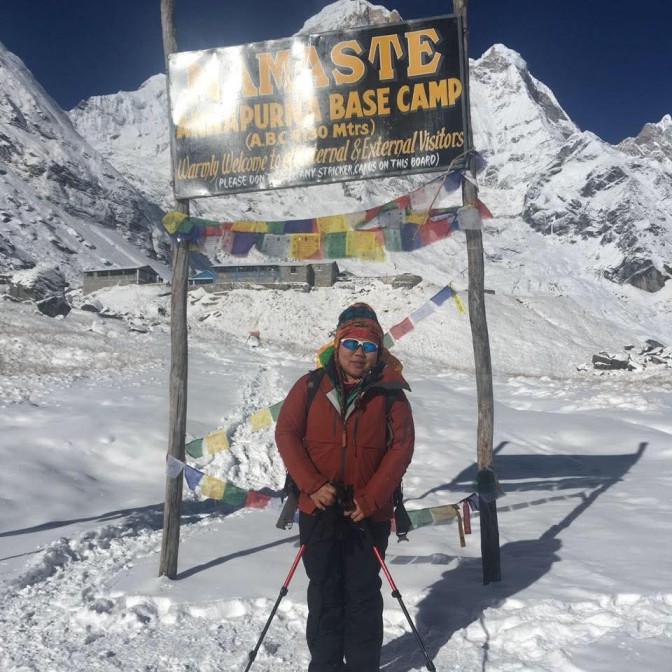
Is Annapurna Base Camp Trek Difficult?
For most people, ABC is a moderate-level Himalayan trek rather than an extremely difficult expedition.
You do not need:
- Mountaineering experience
- Technical climbing skills
- Ropes
- Ice climbing experience
- Previous Himalayan trekking experience
You do need:
- Good general fitness
- Stamina for several hours of walking
- Comfortable hiking shoes
- Mental determination
- Proper preparation
- A willingness to walk uphill and downhill
The difficulty varies from person to person. Someone who regularly hikes may find the trek manageable, while someone who rarely exercises may find the same trail considerably more challenging.
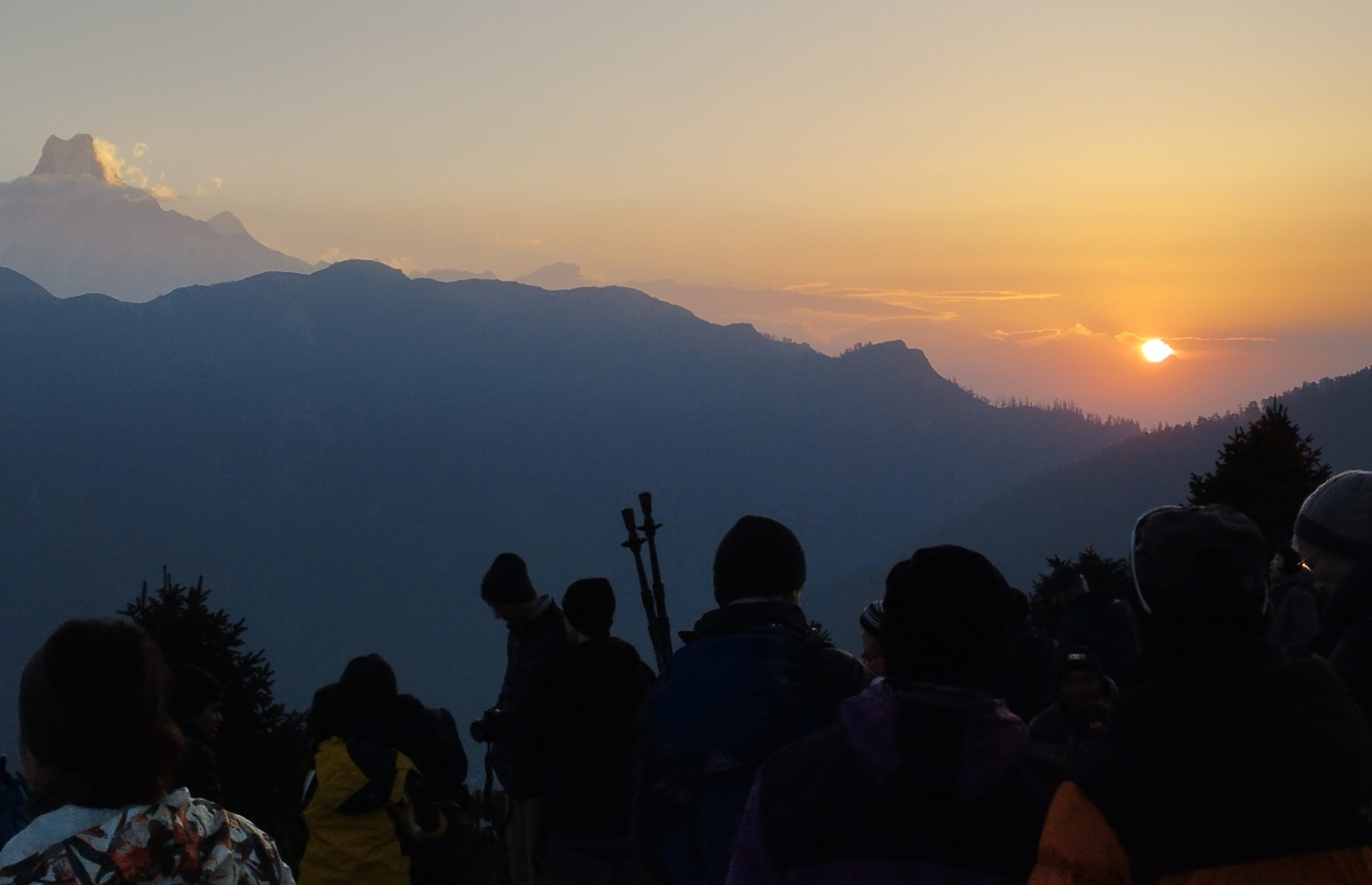
Annapurna Base Camp Trek Difficulty Level
The overall difficulty can be described as moderate.
Several factors contribute to the difficulty:
- Long Walking Days
You will generally walk for several hours each day.
The number of hours depends on the itinerary, trail conditions, walking pace, and rest stops.
- Stone Staircases
The Annapurna trail contains many stone steps.
The section around Tikhedhunga and Ulleri is particularly well known for its long staircase.
- Altitude
The trek reaches 4,130 meters at Annapurna Base Camp.
Although this is not an extreme expedition altitude, the reduced oxygen level can make walking harder than it feels at lower elevations.
- Consecutive Trekking Days
The challenge is not just one difficult climb.
You need to maintain your energy over multiple days.
- Weather
Mountain weather can change quickly, particularly at higher elevations.
Rain, cold, snow, wind, and cloudy conditions can make the trail more demanding.
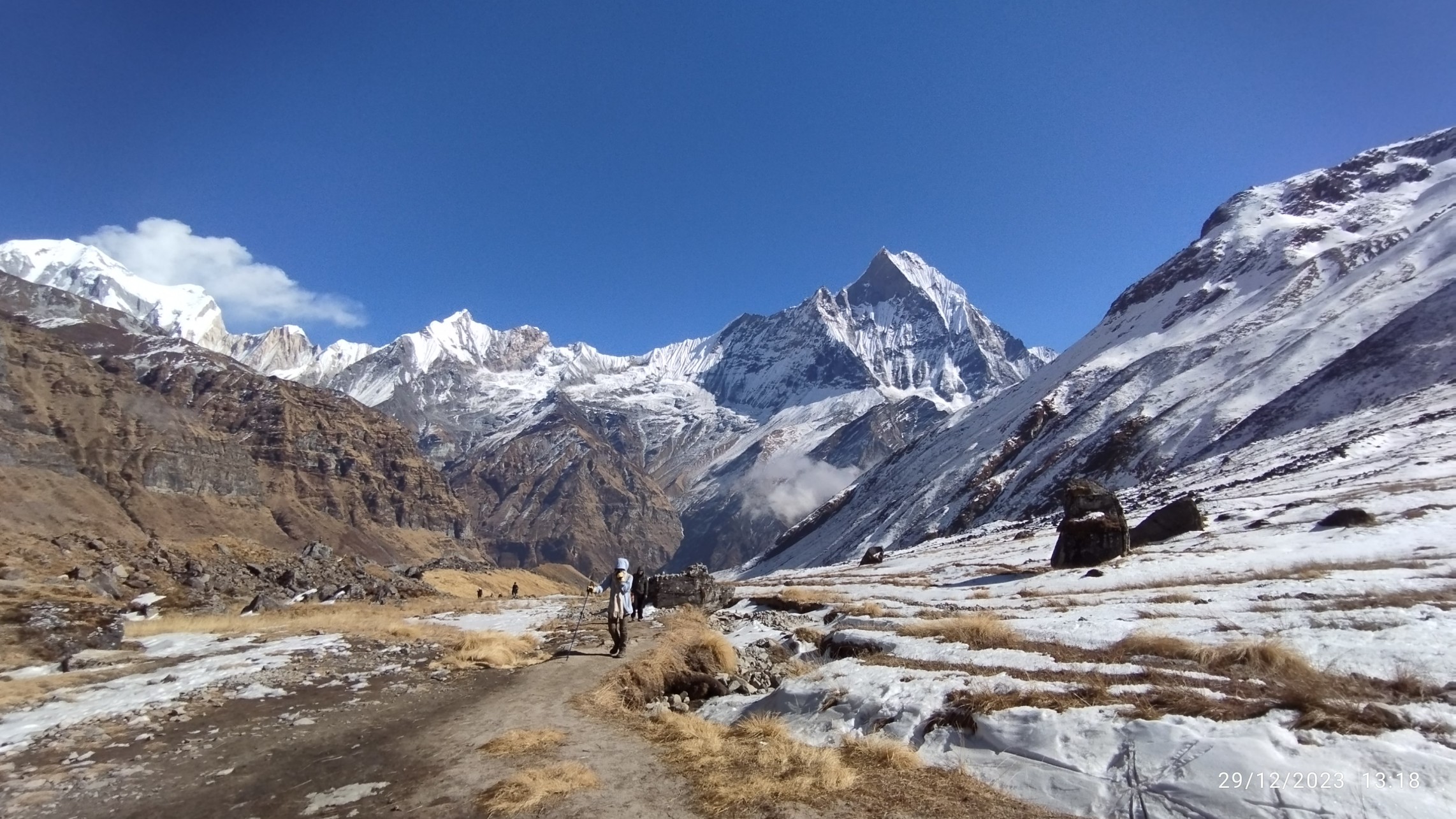
What Is the Hardest Part of Annapurna Base Camp Trek?
Different trekkers experience different sections as the hardest.
Tikhedhunga to Ulleri
This section is famous for its long stone staircase.
It can be tiring, especially on the first major trekking day.
The best approach is to walk slowly and maintain a steady rhythm rather than trying to climb quickly.
Chhomrong Staircase
Chhomrong is another section where trekkers encounter substantial uphill and downhill walking.
The stairs can feel challenging after several days on the trail.
Machhapuchhre Base Camp to Annapurna Base Camp
The final approach takes you higher into the Annapurna Sanctuary.
At this altitude, the thinner air can make even relatively easy walking feel more difficult.
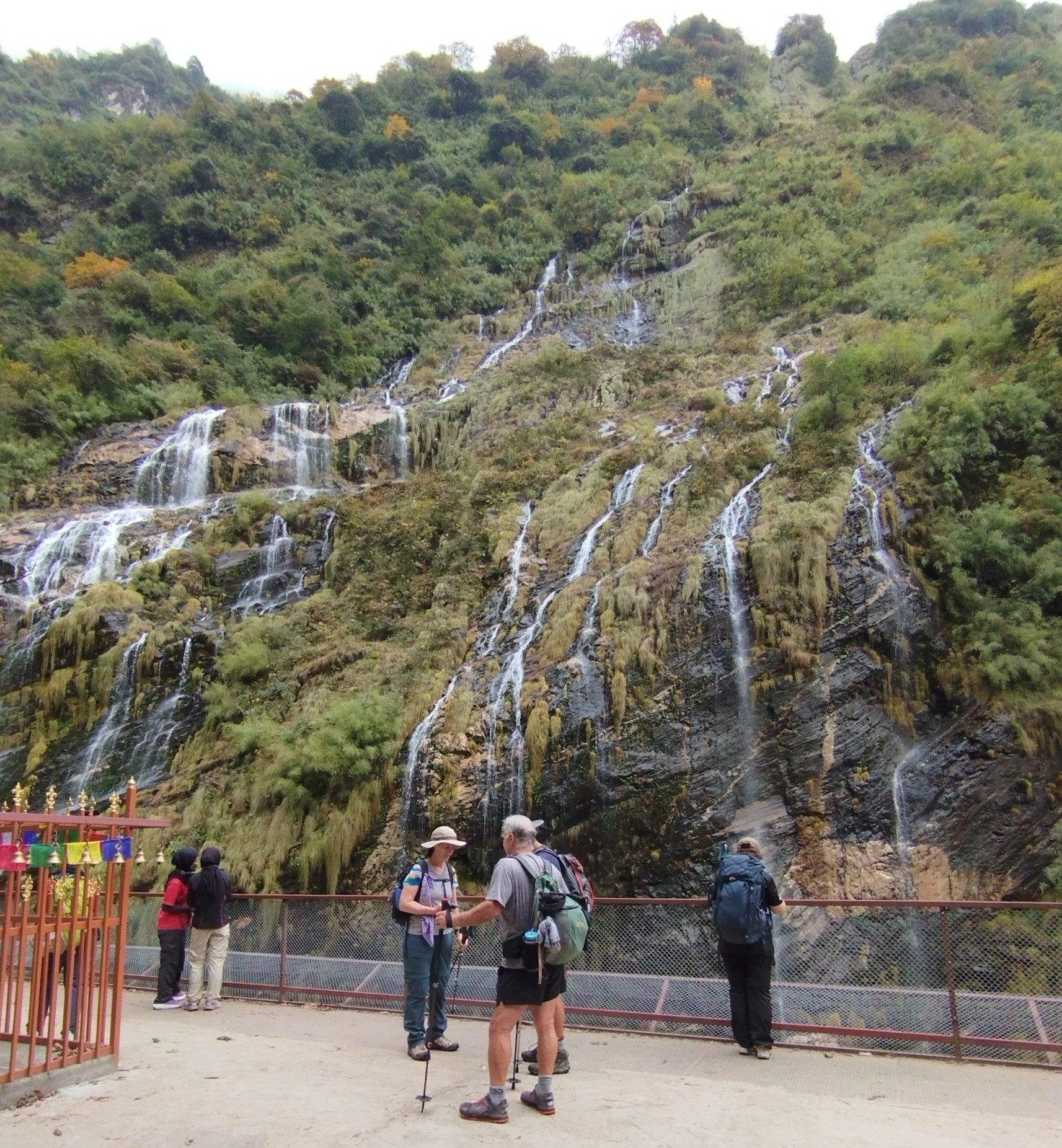
How Many Hours Do You Walk Each Day?
Walking time varies according to the itinerary.
A typical trekking day may involve approximately 4–7 hours of walking, although some days can be shorter or longer.
Your guide should adjust the pace according to the group rather than trying to reach the destination as quickly as possible.
The goal is not to race to Annapurna Base Camp.
The goal is to reach it safely and enjoy the journey.
What Is the Highest Altitude of Annapurna Base Camp Trek?
The highest point of the classic route is:
Annapurna Base Camp – 4,130 meters / 13,550 feet
Machhapuchhre Base Camp is also above 3,700 meters.
Because the trek reaches more than 4,000 meters, altitude awareness is important.
Is Annapurna Base Camp Trek Suitable for Beginners?
Yes.
The Annapurna Base Camp Trek can be suitable for beginners who are reasonably fit and properly prepared.
You don’t need years of trekking experience.
However, beginners should understand that moderate does not mean easy.
You should be comfortable walking for several hours and climbing stairs.
If you can regularly walk, hike, climb stairs, and exercise before your trip, you will be much better prepared.
What Fitness Level Do You Need?
You don’t need to be an athlete.
A good preparation program should focus on:
Walking
Start with regular walks and gradually increase the duration.
Hiking
Weekend hikes are excellent preparation.
Stair Training
Because the ABC route has many stairs, stair climbing is particularly useful.
Cardio
Running, cycling, swimming, or brisk walking can improve cardiovascular fitness.
Strength Training
Strengthen your:
- Legs
- Glutes
- Core
- Calves
You should ideally begin preparing several weeks before the trek.
How to Prepare for Annapurna Base Camp Trek
Good preparation can significantly reduce the perceived difficulty.
Walk Regularly
Try to build up your walking distance gradually.
Practice Uphill Hiking
Incline walking or hill hiking prepares your legs for the trail.
Train With a Backpack
Practice carrying the daypack you will use during the trek.
Break in Your Hiking Boots
Never start a multi-day Himalayan trek with brand-new boots.
Build Stamina
Focus on consistent exercise rather than exhausting yourself with occasional intense workouts.
Sleep and Hydrate Well
Good rest and hydration are important throughout the trek.
Altitude Sickness During Annapurna Base Camp Trek
Altitude is one of the most important considerations on the ABC route.
Some trekkers experience symptoms such as:
- Headache
- Tiredness
- Loss of appetite
- Dizziness
- Nausea
- Difficulty sleeping
Mild symptoms should be taken seriously.
Your guide should monitor the group’s condition and recommend appropriate action if someone develops concerning symptoms.
The most important rule is:
Never ignore serious altitude symptoms.
If symptoms worsen, descending to a lower elevation may be necessary.
Is Annapurna Base Camp Harder Than Everest Base Camp?
The answer depends on the individual and the itinerary.
Both treks have challenging sections, but they have different characteristics.
Annapurna Base Camp reaches 4,130 meters, while Everest Base Camp is higher.
However, ABC has significant stair climbing and steep sections, while Everest Base Camp involves longer trekking at high altitude.
For many beginners, ABC can be an excellent introduction to Himalayan trekking.
Annapurna Base Camp Trek Difficulty in Different Seasons
Spring
Spring is one of the best seasons for the trek. The weather is generally favorable, and rhododendron forests can be spectacular.
Autumn
Autumn is another excellent trekking season, with generally clear mountain views and comfortable conditions.
Winter
Winter brings colder temperatures and the possibility of snow at higher elevations. This can make the upper trail more challenging.
Monsoon
Rain can make lower sections muddy and slippery. Clouds can also reduce mountain visibility.
Can You Complete Annapurna Base Camp Trek Without Previous Experience?
Yes.
Many people complete ABC without previous Himalayan trekking experience.
The key is preparation and pacing.
A beginner should not compare their walking speed with experienced trekkers. Walk at a comfortable pace, take regular short breaks, eat properly, stay hydrated, and communicate with your guide.
How to Make Annapurna Base Camp Trek Easier
Follow these practical tips:
- Train before your trek.
- Start walking slowly.
- Don’t rush uphill.
- Carry only what you need.
- Wear comfortable trekking boots.
- Stay hydrated.
- Eat enough food.
- Follow your guide’s advice.
- Take altitude seriously.
- Get enough sleep.
- Prepare for changing weather.
- Enjoy the journey instead of focusing only on reaching ABC.
Local Guide’s Advice for First-Time Trekkers
As a local trekking company, we often see first-time trekkers make the same mistake: walking too fast during the first few days.
There is no benefit to exhausting yourself early in the trek.
A steady pace is much more effective.
The Annapurna Base Camp Trek is not a race. The goal is to arrive at Annapurna Base Camp safely while enjoying the villages, forests, mountain scenery, and local culture along the way.
Why Trek Annapurna Base Camp With Igloo Himalaya Treks?
A local trekking company can provide practical support throughout the journey.
With Igloo Himalaya Treks, trekkers receive:
- Experienced local guides
- Carefully planned itineraries
- Trekking permits and logistics support
- Accommodation arrangements
- Transportation arrangements
- Local trail knowledge
- Support throughout the trek
- Customized trekking options
Our guides understand the Annapurna route and can help trekkers maintain a comfortable pace while responding to changing trail and weather conditions.
Frequently Asked Questions
Is Annapurna Base Camp Trek hard?
ABC is moderately difficult. It requires good fitness but does not require technical climbing experience.
Can beginners do Annapurna Base Camp Trek?
Yes. Beginners with reasonable fitness and proper preparation can complete the trek.
How high is Annapurna Base Camp?
Annapurna Base Camp is at 4,130 meters (13,550 feet).
How many hours do you walk each day?
Most trekking days involve approximately 4–7 hours of walking, depending on the itinerary and trail conditions.
Is Annapurna Base Camp harder than Everest Base Camp?
Neither trek is simply “harder” for everyone. They have different challenges. ABC has substantial stairs and reaches 4,130 meters, while Everest Base Camp involves longer periods at higher altitude.
Do I need previous trekking experience?
No. Previous Himalayan trekking experience is not required, but good preparation is strongly recommended.
Do I need a guide for Annapurna Base Camp Trek?
A knowledgeable local guide can provide navigation, logistics, safety support, local knowledge, and assistance throughout the trek.
Ready for Annapurna Base Camp Trek?
If you are physically prepared and looking for a rewarding Himalayan adventure, the Annapurna Base Camp Trek is an excellent choice.
From the traditional villages around Ghorepani and Chhomrong to the spectacular mountain amphitheater of the Annapurna Sanctuary, the journey offers much more than simply reaching a destination.
Contact Igloo Himalaya Treks to plan your Annapurna Base Camp Trek with an experienced local team in Nepal.


