
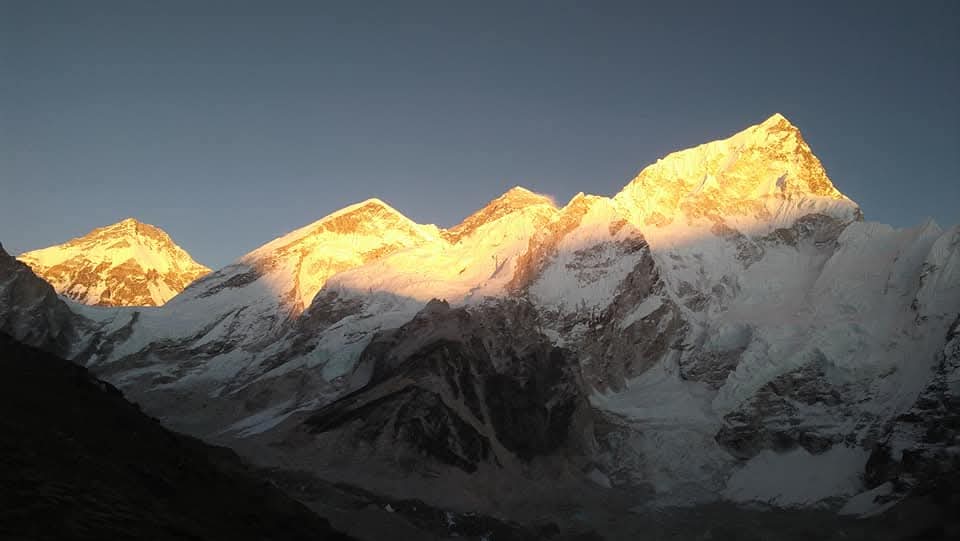
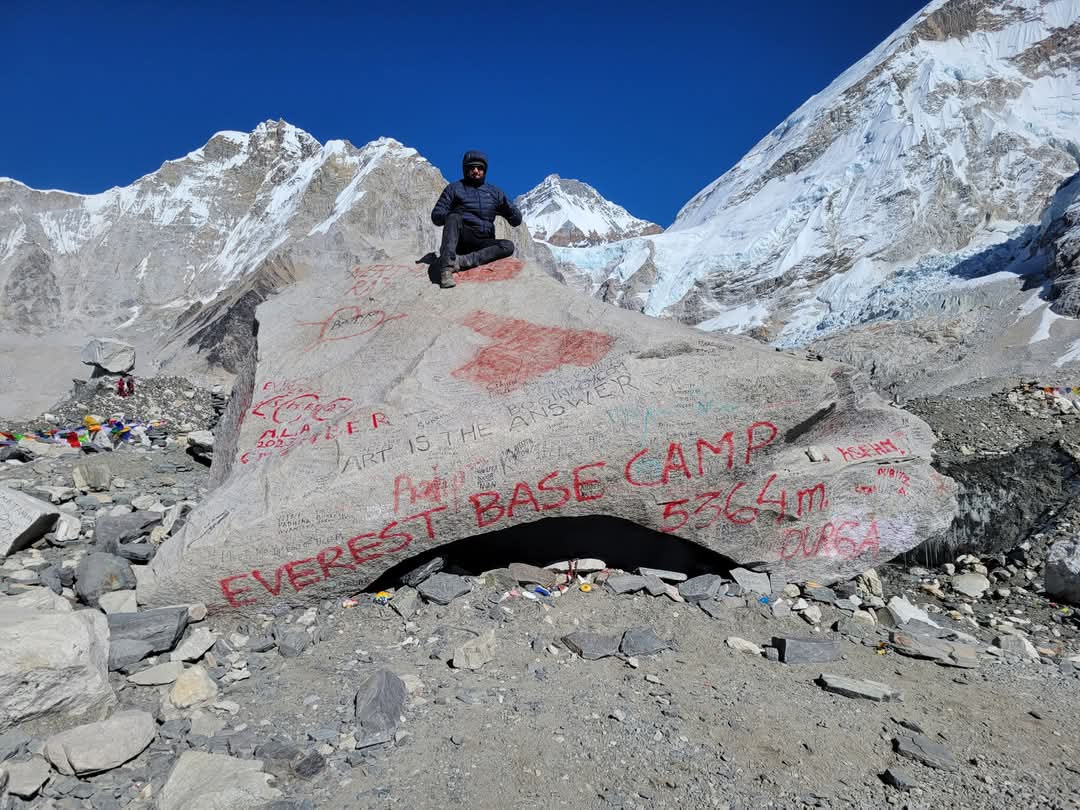
How hard is Everest Base Camp Trek? This is one of the first questions people ask before deciding to walk into the Everest region. The honest answer is simple, the Everest Base Camp Trek is challenging, but it is not a technical mountain climb. You do not need mountaineering experience or special climbing skills, but you do need reasonable fitness, patience, preparation, and enough time to allow your body to adjust to increasing altitude. The trail takes you through Sherpa villages, forests, suspension bridges, rocky paths and long uphill sections before reaching Everest Base Camp at 5,364 meters. Some days may feel comfortable, while others can test your legs and your patience. The real challenge is not simply walking to Everest Base Camp; it is learning to walk slowly, breathe patiently, and let the mountain set your rhythm.
What Makes the Everest Base Camp Trek Difficult?
The biggest difference between the Everest Base Camp Trek and an ordinary hiking holiday is altitude. When you leave Lukla, the trail begins at a much lower elevation, but you gradually climb toward the high Himalayas. Your body has to adapt as the air becomes thinner, which is why acclimatization days are an important part of a responsible Everest Base Camp itinerary. You may also encounter stone steps, rocky paths, steep uphill sections, suspension bridges and long descents. Most trekking days involve approximately 5 to 8 hours of walking, although the exact time depends on the route, weather, walking pace and itinerary. Some days may feel comfortable, while another day with fewer kilometres can feel surprisingly hard because of the elevation. This is why we tell our trekkers not to compete with the mountain. The goal is not to walk fast; the goal is to keep a steady pace and arrive safely.
Is Everest Base Camp Difficult for Beginners?
For beginners, the Everest Base Camp Trek can be possible with proper preparation, even if you have never completed a high-altitude trek before. You do not need to be an experienced mountaineer, but you should have a reasonable level of fitness and be comfortable walking for several hours. Before coming to Nepal, it helps to build your endurance through regular walking, hiking, stairs or uphill training. Try some longer walks while carrying the daypack you will use during the trek. It is also important to break in your trekking shoes before arriving in Nepal. More importantly, beginners should choose an itinerary that allows enough time for acclimatization instead of trying to complete the journey as quickly as possible. Your previous trekking experience matters, but your attitude toward the mountains matters too. Being patient, listening to your guide and understanding that some days will be harder than others can make a major difference.
Everest Base Camp Trek Difficulty by Day
The difficulty of the Everest Base Camp Trek changes throughout the journey. The early section from Lukla toward Phakding and Namche Bazaar introduces you to the trail, while the climb toward Namche can feel more demanding because of the elevation gain. After Namche, the landscape changes dramatically as you continue toward Tengboche, Dingboche, Lobuche and eventually Everest Base Camp. The higher you go, the more important it becomes to maintain a slow and comfortable pace. Acclimatization in places such as Namche Bazaar and Dingboche gives your body valuable time to adjust to the altitude. The final approach toward Everest Base Camp can be physically demanding, particularly because you are already several days into the trek. The return journey also requires energy because trekking is not finished simply because you have reached Base Camp. Every person’s experience will be different, so there is no single “hardest day” that applies to everyone.
How Many Hours Do You Walk Each Day?
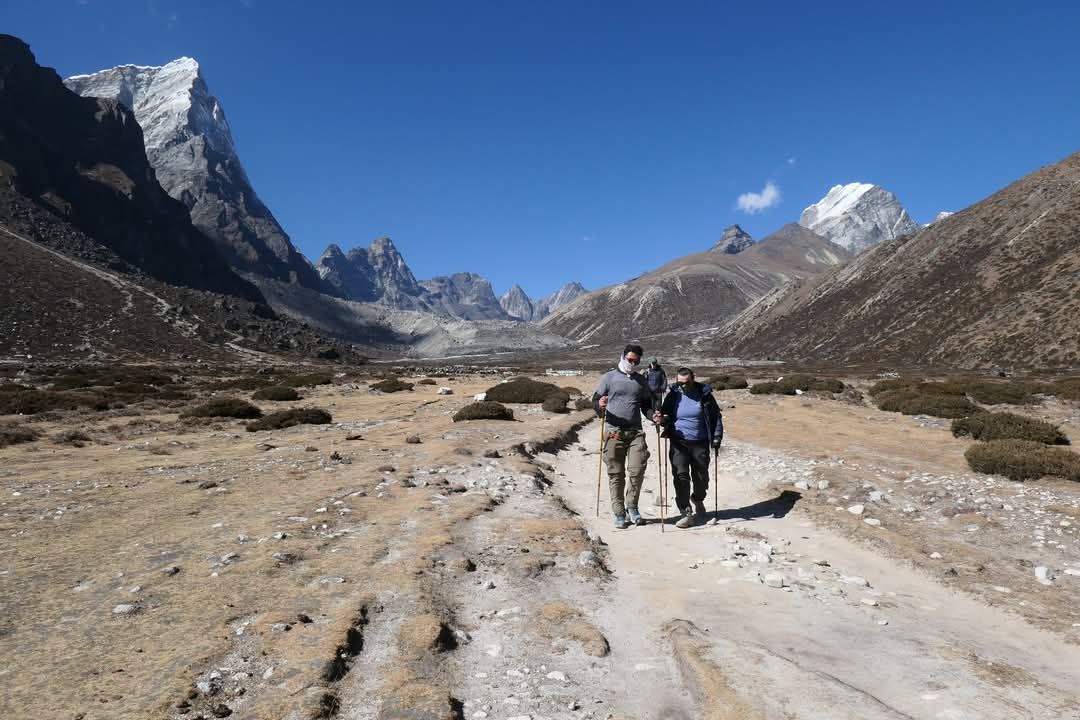
Walking hours are one of the most common concerns when planning the Everest Base Camp Trek. Most days involve around 5 to 8 hours of trekking, but this is an approximate range rather than a fixed schedule. Walking time depends on your pace, trail conditions, elevation, weather, rest stops and the exact itinerary. A shorter distance at high altitude can sometimes take longer than a longer distance at a lower elevation. The trail is also not flat. You will regularly gain and lose elevation, cross suspension bridges, climb stone steps and walk over uneven ground. Instead of focusing only on kilometres, it is better to think about the overall effort required each day. At Igloo Himalaya Treks, we encourage trekkers to walk at a comfortable pace, take proper breaks and communicate with their guide rather than feeling pressured to keep up with someone else.
Altitude and Acclimatization on the Everest Base Camp Trek
Altitude is the part of the Everest Base Camp Trek that deserves the most respect. As you climb higher, your body needs time to adjust to the lower oxygen availability. A good itinerary therefore includes acclimatization rather than simply trying to cover the route in the fewest possible days. During acclimatization days, you may take a shorter hike to a higher viewpoint and then return to your accommodation, giving your body some activity while allowing you to sleep at a lower elevation. You should tell your guide if you experience symptoms that concern you, rather than hiding them because you want to continue. There is no shame in taking altitude seriously. The Himalayas will still be there tomorrow, and your safety should always come before reaching a particular point on the trail.
Do You Need to Be Very Fit for Everest Base Camp?
You do not need to be an elite athlete, but good preparation makes the trek much more enjoyable. The most useful training is consistent walking and hiking rather than trying to become extremely strong in the gym a few weeks before departure. Start several weeks or months before your trek and gradually increase the length of your walks. Include hills, stairs or uneven terrain when possible. Practice walking with a daypack so your shoulders and legs become familiar with the weight. Cardiovascular fitness, leg strength and endurance are all useful, but mental preparation is equally important. There will be mornings when you feel tired and would rather stay in your sleeping bag. There will also be moments when you look around and realize that you are walking beneath some of the highest mountains on Earth. The ability to keep a steady mindset can be just as valuable as physical strength.
The Hardest Part May Not Be What You Think
People often imagine that the final walk to Everest Base Camp must automatically be the hardest part. In reality, the experience varies from person to person. One trekker may struggle with a steep climb near Namche, while another may find the higher-altitude days more difficult. Someone who is physically strong may still find altitude challenging, while another person with moderate fitness may adapt well by walking slowly and following a sensible itinerary. This is why we do not tell our clients that Everest Base Camp is “easy.” It is a challenging trek, but challenging does not mean impossible. With preparation, acclimatization, appropriate equipment, a sensible itinerary and good local support, many trekkers can enjoy the journey without needing to be experienced mountaineers.
Why Your Local Guide Matters
A local guide is an important part of the Everest Base Camp experience, particularly when the altitude and changing mountain conditions begin to affect your daily routine. Your guide can help you understand the pace of the trek, point out places to rest, explain local customs and communicate with you when you are tired or concerned. At Igloo Himalaya Treks, we want our trekkers to feel comfortable speaking honestly with their guide. If you are struggling, tell us. If you need a slower pace, tell us. If you have questions about altitude, food, accommodation or the trail, ask us. We do not believe a successful Everest Base Camp Trek is measured by how quickly you reach Base Camp. We believe it is measured by reaching the destination safely and remembering the journey for the right reasons.
So, How Hard Is Everest Base Camp Trek Really?
The Everest Base Camp Trek is challenging because of altitude, long walking days, uneven terrain and changing weather, but it is not a technical climb. You do not need previous mountaineering experience, but you should prepare your body for several days of walking and choose an itinerary with proper acclimatization. For many beginners, the trek is achievable when they prepare properly, walk slowly, listen to their bodies and have experienced local support.
The mountains will test your patience more than your ego.
You may have tired legs. You may walk more slowly than you expected. You may wake up one morning and wonder how you are going to walk for several more hours. Then you step outside, see the mountains in the morning light and take another step.
One step becomes another. Another becomes a kilometre. A kilometre becomes a village. And eventually, the trail takes you to Everest Base Camp.
That is the real difficulty of Everest—not conquering the mountain, but having the patience to keep moving through the journey.
Planning Your Everest Base Camp Trek?
If you are unsure whether you are ready for the Everest Base Camp Trek, you do not have to make the decision alone. Tell Igloo Himalaya Treks your preferred travel month, number of people, previous trekking experience and available days. Our local team can discuss the itinerary, preparation, altitude and practical details with you before you book.
Your Everest journey can begin with a simple conversation.


