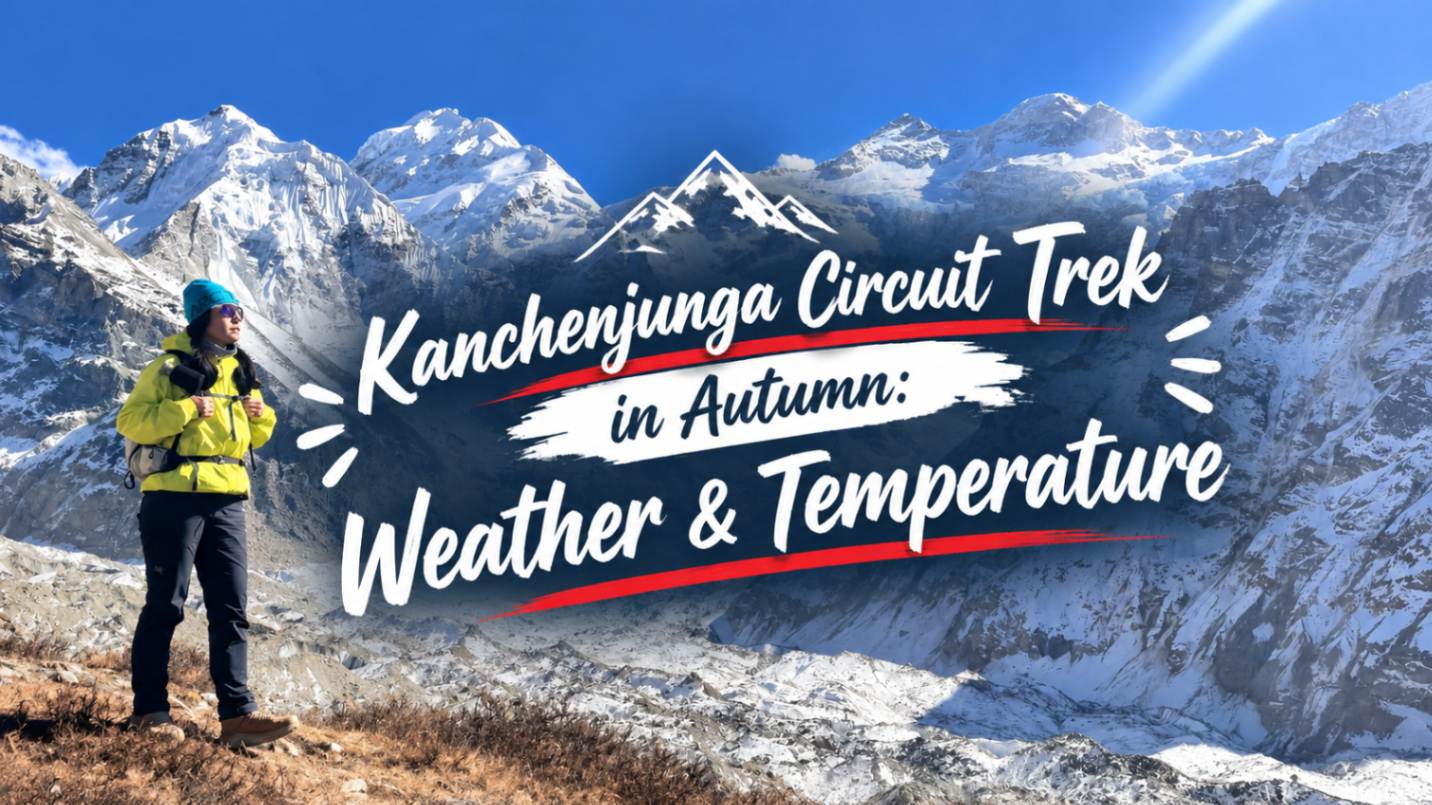
Kanchenjunga Circuit Trek in Autumn: Weather & Temperature
Planning the Kanchenjunga Circuit Trek in autumn means preparing for one of the widest temperature ranges of any trek in Nepal, simply because the route runs from subtropical hill villages near Taplejung all the way up to Pangpema at 5,143 meters.
Autumn covers September, October, and November, and each month brings a genuinely different feel to this remote eastern route: September still carries traces of monsoon cloud, October delivers the clearest and most stable conditions of the year, and November turns cold fast at the high camps while staying reliably dry.
This guide breaks down the actual weather and temperature you can expect at each stage of the Kanchenjunga Circuit Trek across the autumn season, by month and by altitude.
Kanchenjunga Circuit Trek Autumn Weather at a Glance
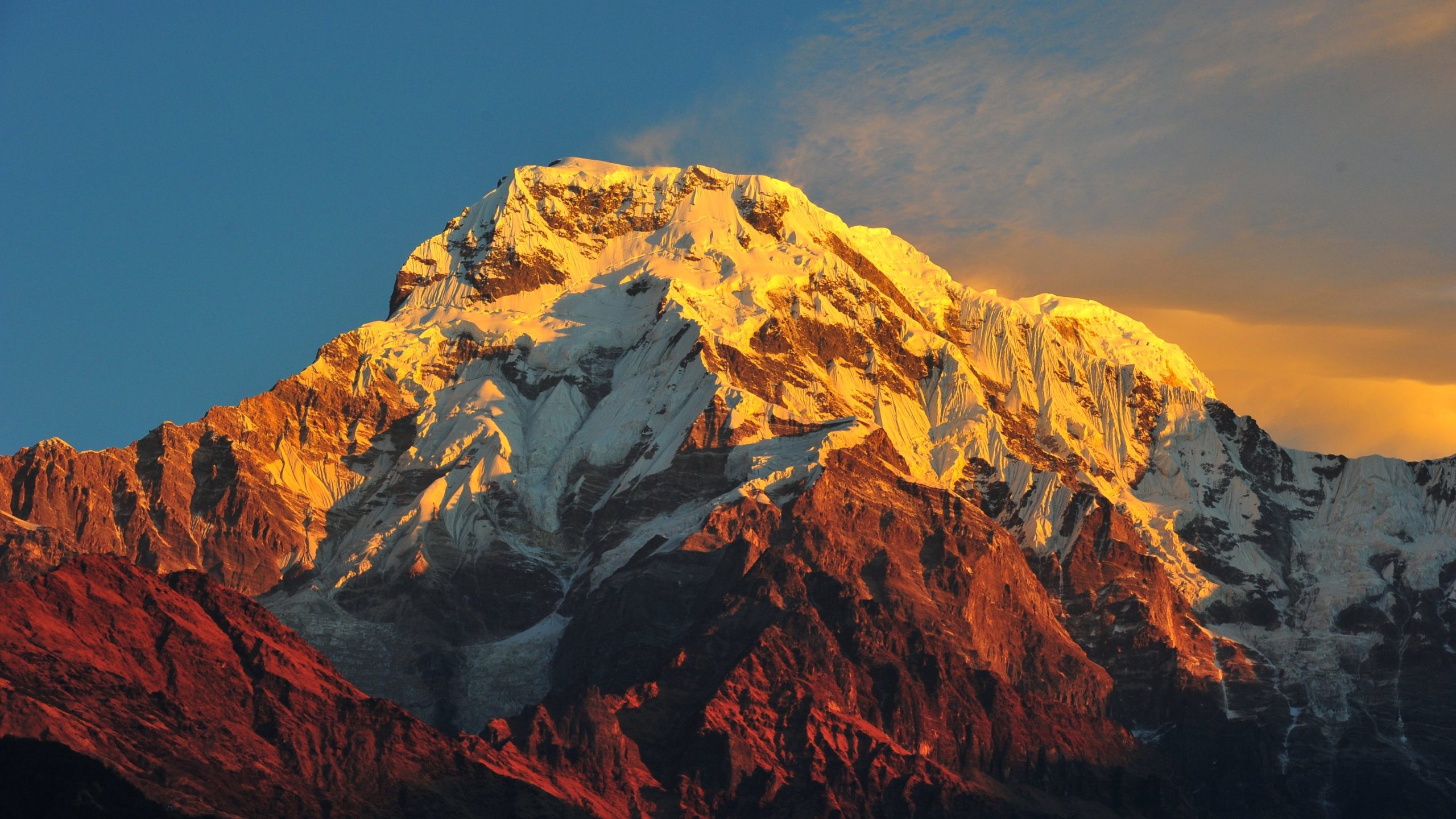
Because this trek gains so much elevation over its 20-day route, from around 1,820 meters at Taplejung to 5,143 meters at the North Base Camp, autumn weather here behaves less like a single season and more like several climate zones stacked on top of each other.
At the lower villages near Taplejung and Sekathum, autumn days stay warm and pleasant right through the season. By the time you reach Ghunsa (3,595 m), the trek’s main acclimatization stop, temperatures already feel noticeably alpine.
Above that, at Lhonak, Oktang, and Pangpema, autumn nights regularly fall well below freezing, even in September.
As with most Himalayan treks, October is generally the most stable month for weather here, while September carries more residual cloud and November brings the coldest but often clearest conditions.
Kanchenjunga Weather and Temperature in September
September marks the shift out of the monsoon, and on a remote eastern route like Kanchenjunga, that transition can take a little longer to settle than in more westerly regions like Annapurna.
-
Early vs Late September
Early September still sees occasional afternoon cloud and rain, particularly on the lower forested stretches between Taplejung and Sekathum. By the final week of the month, skies clear more consistently and the higher sections of the trail become easier to judge for a summit-style push toward Pangpema or Oktang.
-
Day and Night Temperatures
| Location | Approx. Elevation | Daytime Temperature | Nighttime Temperature |
| Taplejung & Mitlung | 900–1,800 m | 15°C to 25°C | — |
| Ghunsa | 3,595 m | 8°C to 16°C | 0°C to 5°C |
| Lhonak & Oktang | 4,700–4,800 m | 2°C to 10°C | -5°C or lower |
| Pangpema | 5,143 m | 0°C to 8°C | -8°C or below |
Quick takeaway: Temperatures drop significantly as you gain altitude, with freezing conditions becoming common around Ghunsa and much colder nights at Lhonak, Oktang, and Pangpema.
-
Trail Conditions
The lower trail sections, particularly between Mitlung and Chirwa, can still be muddy in early September, with a real chance of leeches in the forested river valley stretches.
-
Mountain Visibility
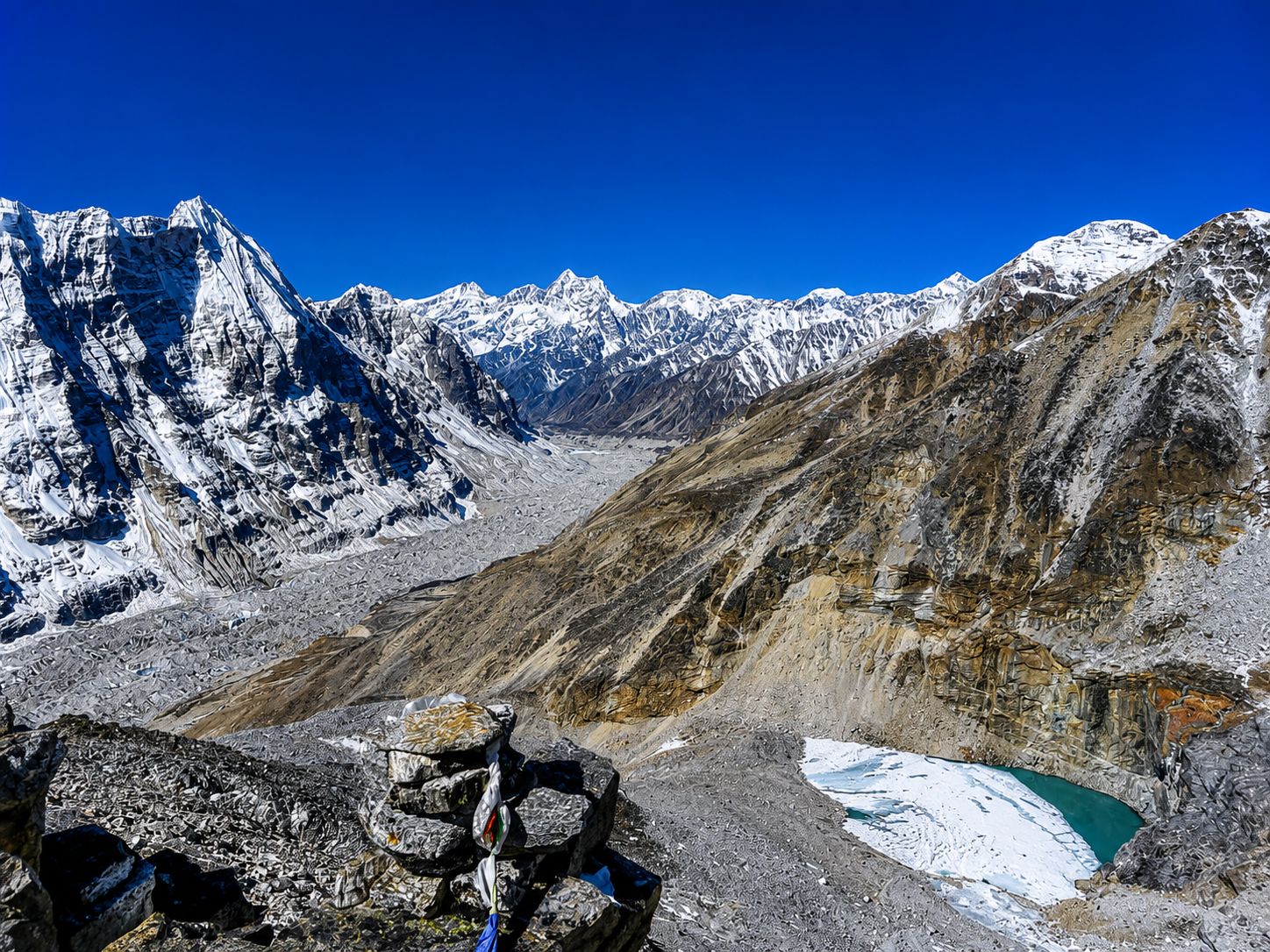
September can still have some lingering monsoon cloud, especially in the lower valleys. Visibility usually improves toward the end of the month. On clear days, trekkers can see Kanchenjunga (8,586 m), Jannu (Kumbhakarna), and surrounding peaks from the higher sections. Pangpema offers views toward the dramatic Kanchenjunga North Face.
-
Who Should Choose September?
September suits trekkers with a flexible schedule who don’t mind a few unpredictable days early in the trek, in exchange for lush, green lower valleys and thinner crowds than October.

Kanchenjunga Weather and Temperature in October
October is the month most guides recommend for this trek, largely because the combination of dry air and stable high pressure produces the clearest views of Kanchenjunga (8,586 m) and its surrounding peaks all year.
-
Why October Is the Preferred Month
By October, monsoon moisture has fully cleared from the eastern hills, rainfall becomes rare, and the trail dries out considerably, which matters more here than on most treks given how remote and difficult evacuation becomes on Kanchenjunga’s higher passes.
Day and Night Temperatures
| Location | Approx. Elevation | Daytime Temperature | Nighttime Temperature |
| Taplejung / Mitlung | 900–1,820 m | 12–22°C | 5–15°C |
| Ghunsa | 3,595 m | 5–13°C | -3 to 2°C |
| Lhonak / Oktang | 4,700–4,800 m | 0–8°C | -8 to -3°C |
| Kanchenjunga Base Camp – Pangpema | 5,143 m | -2 to 6°C | -12 to -6°C |
Quick takeaway: As the trek approaches Kanchenjunga Base Camp at Pangpema, temperatures drop sharply. October usually brings dry conditions and clear mountain views, but nights at Pangpema can still fall well below freezing.
-
Clear Skies and Mountain Visibility
October generally offers the clearest mountain visibility on the circuit. Dry air and stable weather create sharp views of Kanchenjunga (8,586 m), Jannu (Kumbhakarna), and surrounding Himalayan peaks.
From Pangpema, the massive Kanchenjunga North Face is a major highlight, while Oktang provides views toward the southern side of the massif.
-
Crossing the High Passes
The Sele La, Mirgin La, and Sinelapcha La crossings, some of the most demanding sections of the entire circuit, are generally at their safest and most predictable in October, before any early-season snow can complicate the route.
-
Who Should Choose October?
October is the right choice for trekkers whose main priority is dependable weather for both base camps and a safer window for crossing the high passes.
Kanchenjunga Weather and Temperature in November
November brings the coldest temperatures of the autumn season, but the trade-off is often the sharpest, driest air of the year, along with noticeably quieter trails on one of Nepal’s least-crowded major circuits.
-
Day and Night Temperatures
| Location | Approx. Elevation | Daytime Temperature | Nighttime Temperature |
| Taplejung / Mitlung | 900–1,820 m | 10–18°C | 5–15°C |
| Ghunsa | 3,595 m | 2–10°C | -8 to -3°C |
| Lhonak / Oktang | 4,700–4,800 m | -3 to 5°C | -12 to -6°C |
| Kanchenjunga Base Camp – Pangpema | 5,143 m | -5 to 2°C | -15°C or below |
Quick takeaway: November is considerably colder, especially around Lhonak, Oktang, and Pangpema. Clear skies can give excellent Kanchenjunga views, but early snow and freezing nights become more likely toward the end of the month.
-
Colder Mornings at the High Camps
Frost becomes a near-daily feature above Ghunsa in November, and early starts from Lhonak toward Pangpema require genuinely cold-weather gear rather than just a warm layer.
-
Possibility of Early Snow at the High Passes
By mid-to-late November, the Sele La, Mirgin La, and Sinelapcha La crossings carry a higher chance of fresh snow than in October, which can affect footing and, in some years, timing around the passes.
-
Clear Mountain Views
November’s cold, dry conditions can produce exceptionally sharp mountain views. Clear mornings around Lhonak and Pangpema reveal Kanchenjunga, Yalung Kang, and surrounding peaks.
Views toward Jannu and the southern Kanchenjunga range are also possible from Oktang, although early snow can affect higher sections later in the month.
-
Who Should Choose November?
November suits well-prepared trekkers who want the quietest possible experience on this already remote route and are equipped for genuinely cold high-camp conditions.
Kanchenjunga Circuit Trek Temperature by Altitude in Autumn
Because this trek covers such a large altitude range, elevation affects your daily comfort more than the specific autumn month you choose.
| Location | Altitude | Autumn Day Temp | Autumn Night Temp |
| Taplejung / Mitlung | 900–1,820 m | 10°C to 25°C | 5°C to 15°C |
| Ghunsa | 3,595 m | 2°C to 16°C | -8°C to 5°C |
| Lhonak / Oktang | 4,700–4,800 m | -3°C to 10°C | -12°C to 0°C |
| Pangpema (North Base Camp) | 5,143 m | -5°C to 8°C | -15°C to -3°C |
Why the Temperature Swings So Much
As a general rule, temperature drops roughly 6°C to 7°C for every 1,000 meters of elevation gained, which is why a mild afternoon at Ghunsa can turn into a genuinely harsh night by the time you reach Lhonak two days later. On the Kanchenjunga Circuit specifically, this effect is more pronounced than on shorter treks like Annapurna Base Camp, simply because the trail spends more consecutive days above 4,000 meters, at Lhonak, Pangpema, and around the Oktang side trip, without dropping back down in between.
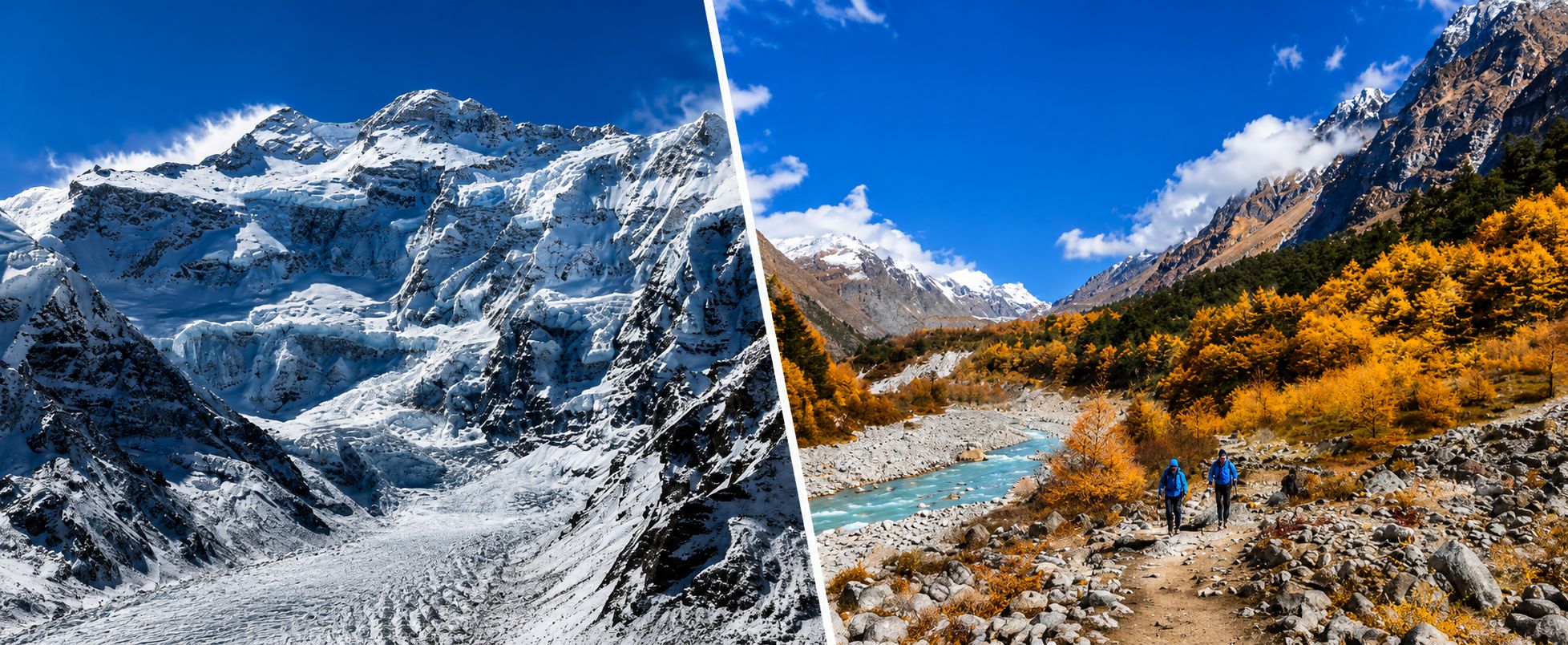
September vs October vs November: Which Autumn Month Is Best?
Each month suits a slightly different type of trekker on this route, largely because of how remote and pass-dependent the itinerary is.
| Factor | September | October | November |
| Weather stability | Improves through the month | Most stable | Stable but very cold |
| Pangpema daytime temp | 0°C to 8°C | -2°C to 6°C | -5°C to 2°C |
| Pangpema nighttime temp | -8°C or lower | -12°C to -6°C | -15°C or lower |
| Rainfall | Possible early on | Rare | Very rare |
| High-pass conditions | Generally clear | Safest window | Higher snow risk late month |
| Trail crowds | Light | Moderate (still quiet by Nepal standards) | Very light |
| Best for | Flexible trekkers, greener valleys | Most trekkers, dependable weather | Cold-hardy trekkers wanting solitude |
What Is the Weather Like During the Kanchenjunga Circuit Trek?
Beyond the monthly breakdown, it helps to understand how a typical autumn day tends to unfold on this route, since the same rough pattern repeats throughout the season.
Morning, Afternoon, and Evening Conditions
Mornings are almost always the clearest part of the day, particularly around Ghunsa and the high camps. Cloud can build along the ridgelines by early-to-mid afternoon, before clearing again as temperatures drop in the evening.
Why Mornings Matter More Here Than on Other Treks
Given how remote this route is and how much elevation separates each stop, guides generally time the push to Pangpema and the side trip to Oktang for early morning, both for visibility and because afternoon winds at these exposed high camps can pick up noticeably.
How Quickly Weather Can Change at the High Passes
Conditions at Sele La, Mirgin La, and Sinelapcha La can shift faster than lower on the trail, and a clear morning crossing can turn windy or cloudy within a couple of hours, which is part of why these sections are typically tackled early and without long breaks at the top.
What Trekkers Should Expect Instead of Relying Only on a Forecast
General weather forecasts for eastern Nepal don’t reflect conditions at 5,000 meters with any real accuracy.
It is more realistic to expect the daily pattern described above, pack for a wide temperature swing every single day, and rely on your guide’s on-the-ground reading of the sky, particularly before a pass crossing.
What to Pack for the Kanchenjunga Circuit Trek in Autumn
Given the altitude range on this trek, packing needs to cover conditions from warm, humid lower valleys to genuinely harsh high-camp cold, often within the same week.
- Layered clothing: a moisture-wicking base layer, an insulating mid-layer, and a windproof/waterproof shell you can adjust throughout the day.
- A high-quality down jacket: essential from Ghunsa upward, and non-negotiable at Lhonak, Oktang, and Pangpema.
- Thermal base layers: particularly important for November mornings and any pre-dawn starts toward the high passes.
- A four-season sleeping bag rated to at least -15°C: teahouses and basic shelters above Ghunsa are unheated, and this is one piece of gear worth not compromising on for this specific trek.
- Gloves, a warm hat, and a neck gaiter or buff: needed daily from Ghunsa onward, especially at the exposed high passes.
- Sturdy, broken-in trekking boots: the Sele La to Sinelapcha La stretch involves uneven, sometimes icy terrain that punishes poor footwear.
- Sun protection: sunglasses and high-SPF sunscreen, since UV exposure at 4,000+ meters is intense even on cold days.
- Trekking poles: genuinely useful for the steep ascents and descents around the high passes, and for stability on any early-season ice in November.
Not sure what to pack or having trouble arranging everything you need? Don’t worry.
The Igloo Himalaya Treks team can help arrange essential trekking gear according to your needs and budget.
We can also guide you on what to bring, what to expect, and how to prepare, so your Kanchenjunga journey feels comfortable, well-planned, and smooth from start to finish.
Tips for Trekking Kanchenjunga in Autumn
A few practical habits matter more on this route than on shorter, better-supported treks, simply because help is further away if something goes wrong.
- Start early, especially before pass crossings. Given how quickly weather can shift at Sele La, Mirgin La, and Sinelapcha La, an early departure gives you the best chance of a clear, calm crossing.
- Build in your acclimatization days at Ghunsa properly. This isn’t optional on Kanchenjunga; the jump from Ghunsa to the high camps is significant, and skipping rest days here carries real risk given how remote evacuation options are.
- Travel with a registered guide, since it’s required. Independent trekking isn’t permitted in this restricted region, and a licensed guide also matters practically for route-finding around the passes in poor visibility.
- Prepare for genuinely cold nights, not just cool ones. A mild afternoon at Ghunsa can still be followed by a night well below -5°C, and the jump gets more severe at Lhonak and Pangpema.
- Keep some schedule flexibility in early September and late November. Early September can bring lingering cloud, and late November raises the chance of early snow at the high passes.
- Carry proper insurance with high-altitude and helicopter evacuation coverage. This matters on every Himalayan trek, but especially here, given how far Kanchenjunga sits from the nearest hospital.
Conclusion
Autumn remains the best overall window for the Kanchenjunga Circuit Trek, but the three months genuinely differ in what they offer.
September rewards trekkers willing to accept a little early-month unpredictability in exchange for green valleys and thin crowds.
October delivers the most dependable weather of the year and the safest conditions for crossing Sele La, Mirgin La, and Sinelapcha La.
November trades a significant drop in temperature for exceptionally clear air and the quietest trail experience of the season.
Whichever month you choose, altitude will affect your day far more than the calendar does, and packing for a 20°C to 30°C swing within a single day is simply part of planning this trek properly.
If you are planning your Kanchenjunga Circuit Trek for this autumn season, Igloo Himalaya Treks can help you choose the right month and prepare properly for the altitude and pass crossings involved.
As one of the best trekking companies in Nepal, our guides hold the required permits and licenses for this restricted region and run this route regularly through September, October, and November.
Visit our Kanchenjunga Circuit Trek page to check current departure dates, or read our full Kanchenjunga Circuit Trek permit, cost, and difficulty guide for everything else you need to plan the trip.
FAQ
What is the temperature at Kanchenjunga Base Camp in autumn?
Daytime temperatures at the high camps near Kanchenjunga’s base camps generally range from -5°C to 10°C depending on the month, while nighttime temperatures fall between -3°C and -15°C, with the coldest nights occurring at Pangpema in late November.
Is October the best month for the Kanchenjunga Circuit Trek?
October is generally considered the best month, since it offers the most stable weather, the safest conditions for crossing the trek’s three high passes, and the clearest views of Kanchenjunga’s North and South faces.
How cold is it at Pangpema in November?
Pangpema (North Base Camp, 5,143 m) typically sees daytime temperatures between -5°C and 2°C in November, with nighttime lows commonly dropping to -15°C or lower by the second half of the month.
Does it rain during the Kanchenjunga Circuit Trek in September?
Yes, early September can still bring rain and cloud from the tail end of the monsoon, particularly on the lower forested trail between Mitlung and Chirwa, though conditions generally clear by late September.
Can it snow at the high passes in autumn?
Light snow is uncommon at Sele La, Mirgin La, and Sinelapcha La in September and October but becomes more possible by mid-to-late November, which is one reason October is generally preferred for pass crossings.
Do I need a guide for the Kanchenjunga Circuit Trek in autumn?
Yes, a licensed guide is mandatory year-round on this trek, since it runs through a restricted border region and independent trekking is not permitted regardless of season.
Do I need a guide for the Kanchenjunga Circuit Trek?
Yes. The Kanchenjunga Circuit is a remote high-altitude trek, and trekkers are required to travel with a registered guide in the Kanchenjunga region. A guide also helps with navigation, accommodation, permits, and changing trail conditions. For official trekking regulations and information, visit the Nepal Tourism Board’s trekking information.


