
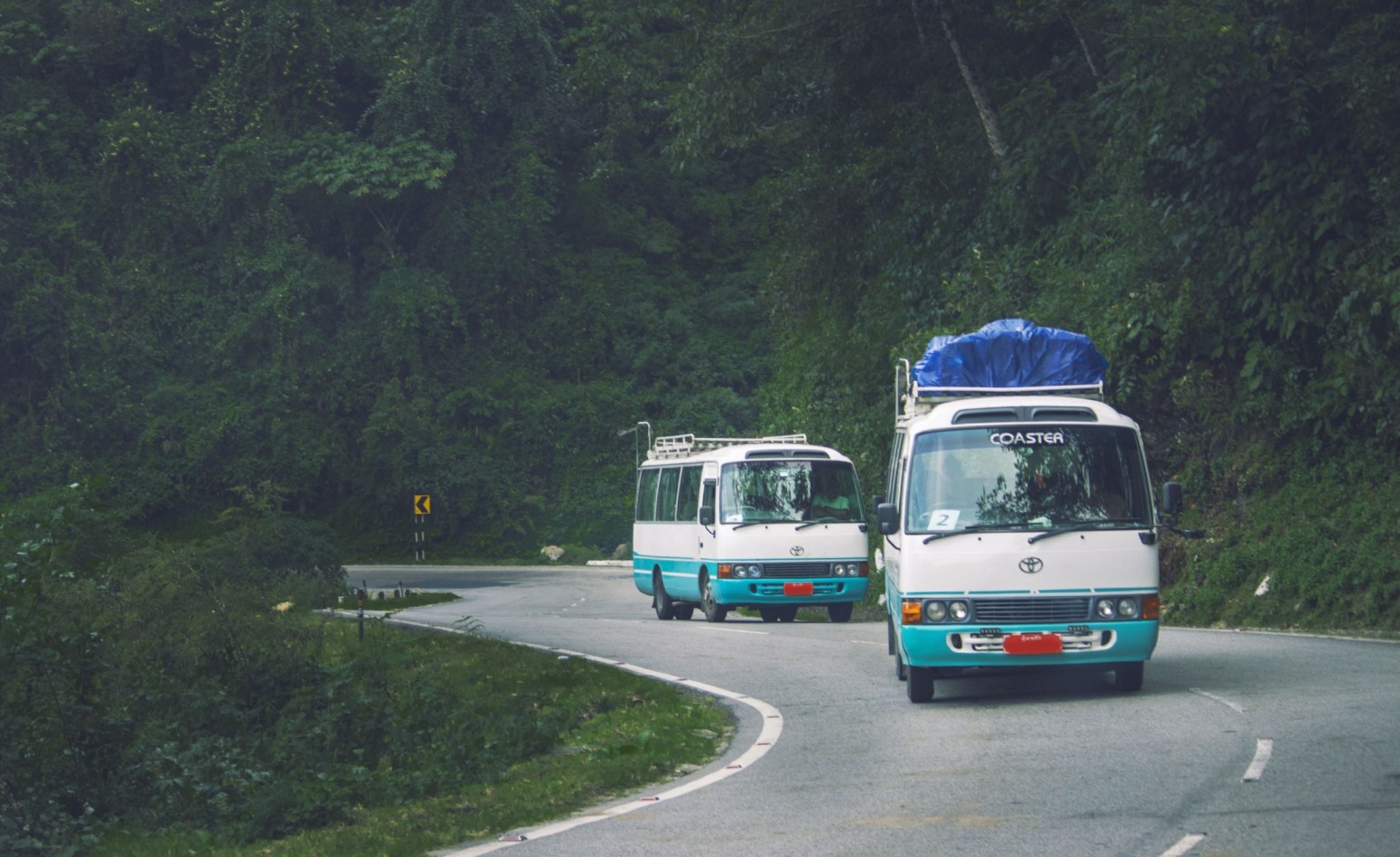
Did you Book for an Annapurna Base Camp trek for September or Autumn season 2026? Before starting your journey, it is important to understand the current road conditions between Kathmandu, Pokhara, Birethanti and Jhinu Danda.
Annapurna Base Camp Trek after flood is still possible in autumn 2026, and travelers can continue planning their journey to one of Nepal’s most popular Himalayan destinations. The massive floods and landslides that affected parts of Nepal have caused road damage and transportation difficulties in some areas, but this does not mean that the entire Annapurna trekking region is closed.
If you are planning an Annapurna Base Camp Trek after flood, the most important thing is to understand the current road and transportation situation before starting your journey. Conditions can change quickly during and after the monsoon season, so your transportation plan should remain flexible.
For trekkers coming from Kathmandu, flying from Kathmandu to Pokhara can be a practical alternative to traveling by road. From Pokhara, transportation can then be arranged toward Birethanti and Jhinu Danda according to the latest road conditions.
For trekkers traveling with Igloo Himalaya Treks, we carefully monitor the road and adjust the transportation plan according to the conditions on the ground. Safety is always our first priority.
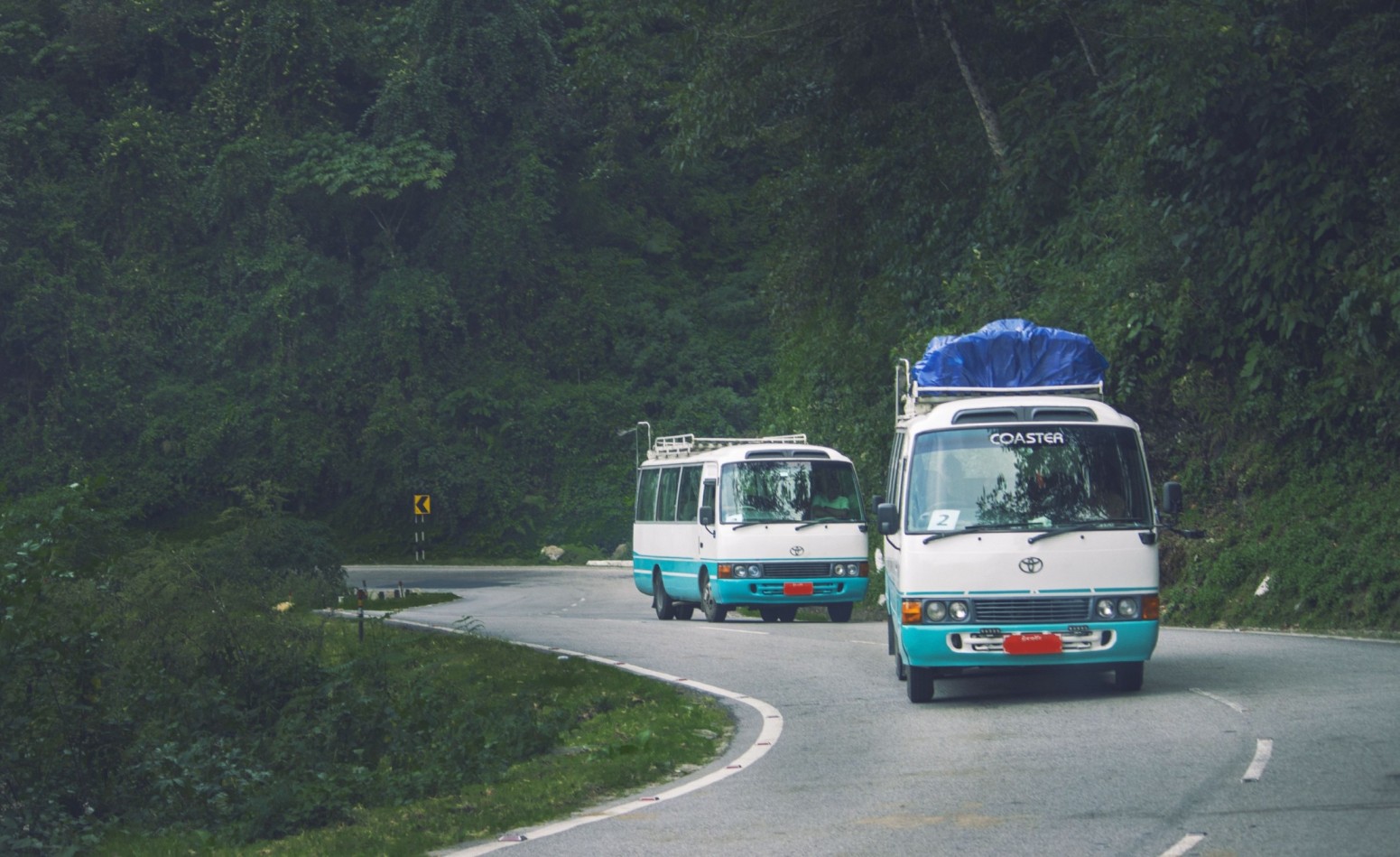
Kathmandu to Pokhara: Current Ground Transportation Situation
The road distance between Kathmandu and Pokhara is approximately 200–210 km. Under normal conditions, the journey by private vehicle usually takes around 6–8 hours, although traffic, road construction, weather and monsoon conditions can make the journey considerably longer.
The main route follows the Prithvi Highway, passing through areas such as Muglin and the Trishuli River corridor before reaching Pokhara.
Important Monsoon Road Update
Following recent heavy rainfall and flooding, several sections of the Kathmandu–Pokhara highway have been affected by landslides and road damage.
The Krishna Bhir section has experienced a major road collapse. Recent reporting states that approximately 70 metres of the road completely collapsed toward the Trishuli River, while another section of around 120 metres is not developed serious cracks. Repair and alternative transportation arrangements are therefore important considerations for travelers using this route.
There have also been landslide and flood-related disruptions around the Muglin–Kathmandu section.
Because of this situation, travelers should not expect the Kathmandu–Pokhara journey to always take the normal 6–8 hours during periods of heavy rainfall.
Our recommendation: allow extra travel time and check the road condition immediately before departure.
Kathmandu to Pokhara by Jeep or Private Vehicle
For trekkers beginning an Annapurna Base Camp journey, traveling by private vehicle or tourist bus from Kathmandu to Pokhara is convenient because it allows more flexibility.
Approximate information
- Distance: 200–210 km
- Normal driving time: 6–8 hours
- Now travel time: Can be longer depending on road conditions
- Main highway: Prithvi Highway
- Recommended vehicle: Private car, SUV or jeep depending on group size
- Important: Road conditions can change after heavy rainfall
During difficult road conditions, the driver may need to stop temporarily, wait for clearance, or use an alternative section of the road.
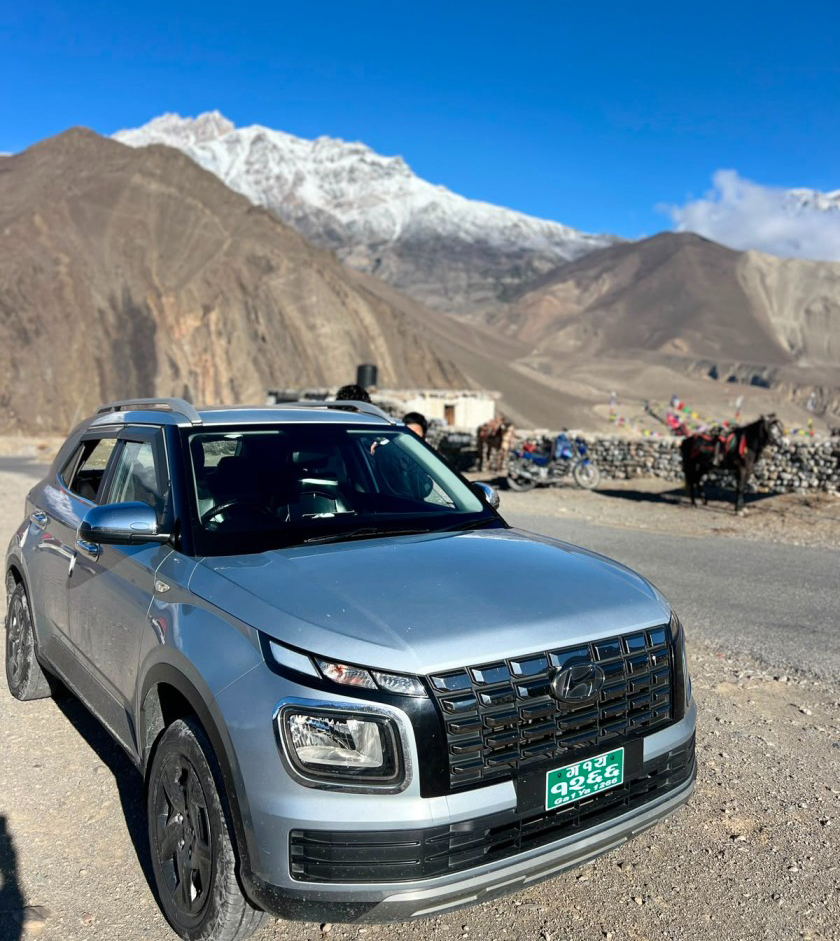
Pokhara to Birethanti Transportation
After reaching Pokhara, trekkers heading toward Annapurna Base Camp normally continue toward the Annapurna trekking area through Nayapul and Birethanti.
The road in Birethanti is much more manageable than some of the major landslide problems, but rainfall can still cause landslides, muddy sections and temporary road damage.
Under normal conditions, a jeep can take trekkers toward Birethanti and continue farther depending on the condition of the local road.
However, recent flooding has affected road sections around Birethanti –Ghandruk area, so the exact point where a vehicle can travel should be confirmed locally before starting the journey.
Birethanti to Jhinu Danda: Why Two Jeeps May Be Needed
This is particularly important for trekkers planning to start the Annapurna Base Camp Trek from Jhinu Danda.
Following heavy rainfall and flooding, some sections of the road beyond Birethanti have been damaged. In places where the road has been washed away or become unsafe for vehicles, a jeep may not be able to drive continuously from Birethanti all the way to Jhinu Danda.
The practical arrangement can therefore be:
Pokhara → Birethanti by jeep → walk across the damaged road section → change to another 4WD jeep → Jhinu Danda
This means trekkers may need to change vehicles once on the way to Jhinu Danda.
The exact location of the vehicle change depends on the condition of the road on the day of travel.
Why 4WD Jeeps Are Used
The road toward Jhinu Danda is narrower and rougher than the main highway. During the monsoon, sections can become muddy, slippery and uneven.
A 4WD jeep is therefore more suitable than a normal car for this part of the journey.
The road from Pokhara toward Jhinu Danda is commonly described as roughly 23–27 km, depending on the exact road access point, and can take approximately 3–5 hours when conditions are normal. During monsoon conditions, it can take longer.
Can You Still Start the Annapurna Base Camp Trek From Jhinu Danda?
Yes, when road access permits.
Even when the road is partially damaged, the Annapurna Base Camp Trek can continue by adjusting the transportation arrangement.
If the road is accessible up to a certain point, trekkers can travel by jeep, walk across the damaged section and then continue by another jeep toward Jhinu Danda.
Once you reach Jhinu Danda, you can begin your trek toward the Annapurna Sanctuary.
A typical route is:
Jhinu Danda → Chhomrong → Sinuwa → Bamboo → Dovan → Deurali → Machhapuchhre Base Camp → Annapurna Base Camp
Jhinu Danda is also famous for its natural hot springs, making it a pleasant place to relax either before or after the trek.
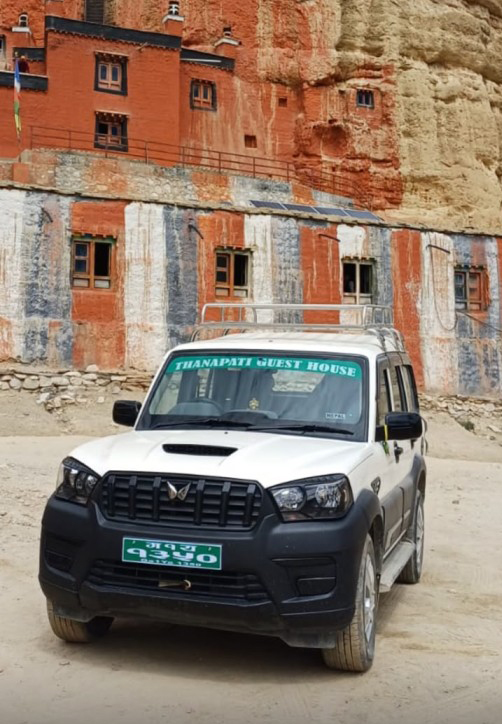
Alternative Annapurna Base Camp Route: Birethanti to Ghorepani
There is another excellent option for trekkers who do not want to depend on the road all the way to Jhinu Danda.
Instead of traveling directly to Jhinu Danda, you can begin walking from Birethanti and follow the classic Annapurna route through:
Birethanti → Tikhedhunga → Ulleri → Ghorepani → Poon Hill → Tadapani → Chhomrong → Sinuwa → Bamboo → Deurali → Annapurna Base Camp
This route has the advantage of combining the Ghorepani–Poon Hill section with the Annapurna Base Camp trek.
The walk from Birethanti to Ulleri is approximately 9 km and usually takes around 4–5 hours, depending on your holiday and itinerary.
The route then continues toward Ghorepani and Poon Hill before joining the main Annapurna Base Camp trail.
Which Route Is Better During Difficult Road Conditions?
Both options can work, but the better choice depends on the road situation, your available time and your trekking goals.
Option 1: Start From Jhinu Danda
Pokhara → Birethanti → damaged section → 4WD jeep → Jhinu Danda → ABC
This is a good option if:
- You have limited trekking days
- You want to reach the Annapurna Sanctuary quickly
- The road toward Jhinu Danda is sufficiently accessible
- You want to enjoy the Jhinu hot springs
- You prefer a shorter ABC trekking route
A direct Jhinu Danda-based ABC route is commonly around 48–50 km of trekking, although the exact distance depends on the itinerary and road access.
Option 2: Walk From Birethanti Through Ghorepani
Birethanti → Ulleri → Ghorepani → Poon Hill → Tadapani → Chhomrong → ABC
This is a better choice if:
- You want a longer Himalayan experience
- You want to visit Poon Hill
- You enjoy village and forest walking
- You want to reduce dependence on the damaged road toward Jhinu Danda
- You have enough days for the extended route
The classic ABC route through Ghorepani and Poon Hill can be approximately 90–95 km round trip, depending on the exact itinerary.
Returning From Annapurna Base Camp
After completing the Annapurna Base Camp Trek, trekkers can descend through:
Annapurna Base Camp → Machhapuchhre Base Camp → Deurali → Bamboo → Sinuwa → Chhomrong → Jhinu Danda → Birethanti
From Birethanti, transportation can then be arranged back to Pokhara.
If the road conditions are favorable, a jeep can take you from Birethanti toward Pokhara. If there is temporary damage or a road blockage, the transportation arrangement may again require walking across a damaged section or changing vehicles.
This is why we recommend keeping some flexibility in your itinerary during the september season.
Annapurna Base Camp Trek Distance and Walking Hours
The total distance of the Annapurna Base Camp Trek depends heavily on the starting point.
A shorter route beginning around Jhinu Danda can be approximately 70 km or less depending on the exact route, while longer itineraries incorporating Birethanti, Ghorepani and Poon Hill can approach 90–95 km.
Most trekkers walk approximately 5–7 hours per day, although some days can be longer or shorter depending on elevation, trail conditions and the itinerary.
The highest point is:
Annapurna Base Camp – 4,130 metres (13,550 feet)
The trail includes forests, stone steps, suspension bridges, traditional villages, waterfalls, rivers and spectacular mountain scenery.
Approximate Transportation and Trekking Overview
| Section | Approx. Distance | Approx. Time |
| Kathmandu → Pokhara | 200–210 km | 6–8+ hours normally |
| Pokhara → Birethanti | Approx. 40–45 km | Around 2–3 hours, depending on road |
| Birethanti → Jhinu Danda | Varies with road access | Around 2–4+ hours by jeep when accessible |
| Birethanti → Ulleri | Approx. 9 km walking | 4–5 hours |
| Jhinu Danda → Chhomrong | Approx. 5–6 km | 2–3 hours |
| Chhomrong → Sinuwa | Approx. 7 km | 3–4 hours |
| Sinuwa → Bamboo | Approx. 6 km | 2–3 hours |
| Bamboo → Deurali | Approx. 10 km | 5–6 hours |
| Deurali → ABC | Approx. 7 km | 5–6 hours |
| ABC → Lower villages | Depends on itinerary | 5–7 hours/day |
Note: Distances and driving times are approximate. Monsoon rainfall, landslides, road repairs and local traffic can significantly change travel time.
Road Conditions After the Monsoon Floods: What Trekkers Should Know
The most important thing to understand is that road conditions in the Himalayas are not fixed.
A road that is open in the morning can become difficult or temporarily blocked after several hours of heavy rain. Likewise, a damaged section may be repaired sufficiently for 4WD vehicles to pass.
For this reason, we do not recommend relying on an old road-condition report when planning an Annapurna trek.
At Igloo Himalaya Treks, we check the situation before transportation and arrange the vehicle according to the actual condition of the road.
If a section is not safe for a vehicle, we do not force the journey. Instead, we arrange the safest practical solution, which may include:
- Changing from one jeep to another
- Walking across a short damaged section
- Waiting for the road to clear
- Adjusting the departure time
- Using a 4WD vehicle
- Changing the trekking starting point if necessary
Our priority is to make sure that transportation does not compromise the safety of our guests.
Why Choose Igloo Himalaya Treks for Annapurna Base Camp?
At Igloo Himalaya Treks, we understand that an Annapurna Base Camp Trek is not only about walking on the mountain trail. Transportation is an important part of the journey.
During difficult weather conditions, our team follows the road situation and communicates with drivers and local contacts before sending trekkers toward the mountain.
If the road from Birethanti toward Jhinu Danda requires a vehicle change, we organize the transportation accordingly.
If walking across a damaged road section is necessary, our team helps coordinate the transfer safely.
And if the road is temporarily unsafe, we can recommend an alternative trekking starting point.
Our goal is simple:
Safe transportation, a well-organized trek and a memorable Annapurna Base Camp experience.
Final Travel Advice for Annapurna Base Camp Trekkers
If you are traveling from Kathmandu to Pokhara and then continuing toward Annapurna Base Camp during the monsoon, do not plan your journey too tightly.
Allow additional time for the Kathmandu–Pokhara road because recent flood and landslide damage has affected parts of the route.
For the Pokhara–Birethanti–Jhinu Danda section, be prepared for the possibility of 4WD jeep changes and short walks across damaged road sections.
If road conditions make Jhinu Danda difficult to reach, another excellent option is to begin walking from Birethanti and follow the classic route through Ulleri, Ghorepani, Poon Hill, Tadapani and Chhomrong before continuing to Annapurna Base Camp.
Most importantly, road conditions can change quickly. The exact transportation arrangement should therefore be confirmed shortly before departure.


