
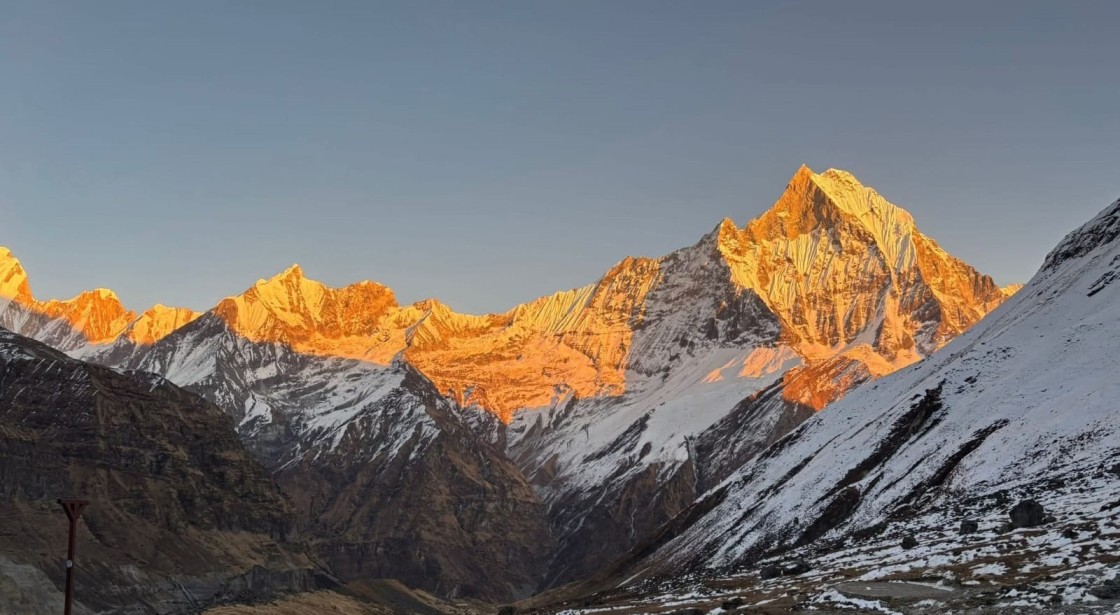
Autumn is widely considered one of the best seasons for the Annapurna Base Camp Trek. From September to November, the weather in the Annapurna region is generally stable, the skies become clearer, mountain views are impressive, and the trails are in excellent condition after the summer monsoon.
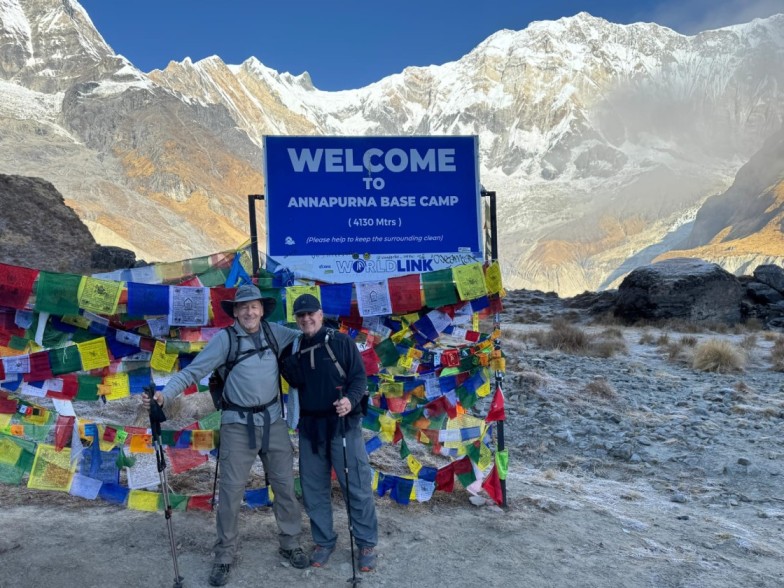
For trekkers planning to reach Annapurna Base Camp, autumn offers a great combination of comfortable trekking conditions, spectacular Himalayan scenery, and clear views of the Annapurna range. You can walk through green hills, traditional Gurung villages, rhododendron forests, waterfalls, and high mountain landscapes before finally reaching Annapurna Base Camp at 4,130 meters.
Among the autumn months, October is usually the most popular, while September can still have some effects from the monsoon and November brings colder mornings and evenings at higher elevations. If you are planning your Annapurna Base Camp Trek in autumn, this guide explains everything you need to know, including weather, temperature, crowds, trail conditions, what to pack, the best month to trek, and useful tips for a safe and enjoyable journey.
Why Trek to Annapurna Base Camp in Autumn?
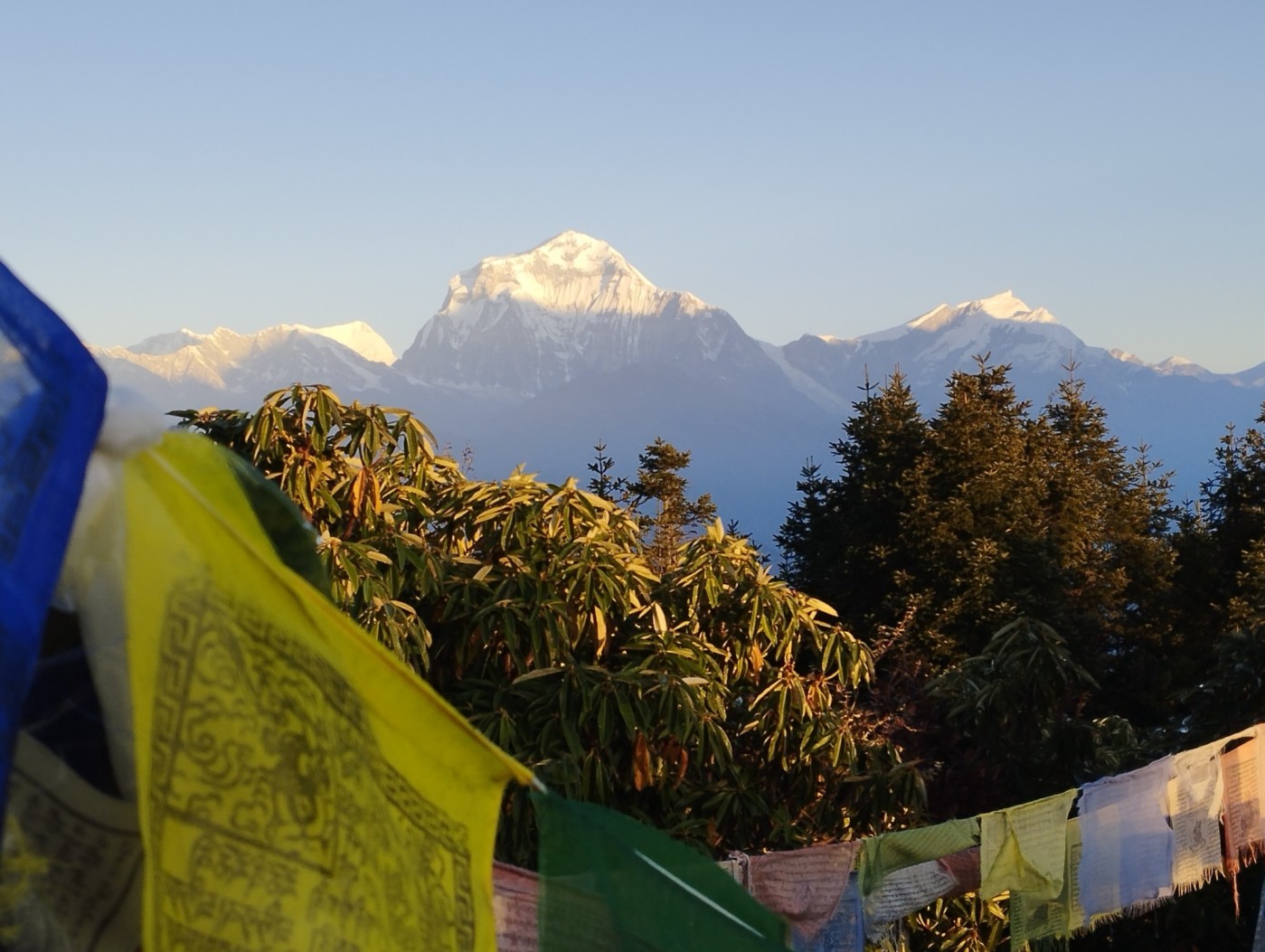
Autumn is an excellent time for the Annapurna Base Camp Trek because the weather is generally more predictable than during the monsoon season. After the summer rains begin to disappear, the mountain atmosphere becomes clearer. On good days, you can see spectacular peaks such as Annapurna South, Annapurna I, Hiunchuli, Machapuchare (Fishtail), Gangapurna, and other surrounding mountains.
There are several reasons why autumn is so popular.
-
Clear Himalayan Mountain Views
One of the biggest reasons trekkers choose autumn is the mountain scenery.
When the sky is clear, the enormous peaks around the Annapurna Sanctuary become particularly impressive. The final approach to Annapurna Base Camp is one of the highlights of the trek, with mountains rising dramatically on almost every side.
Early mornings are often especially rewarding because the air is calm and visibility can be excellent.
-
Comfortable Trekking Weather
Autumn generally provides pleasant conditions for walking at lower and middle elevations.
The daytime temperatures are usually comfortable for hiking, although conditions become significantly colder as you approach Annapurna Base Camp.
This makes autumn a good balance between warm lower valleys and cold high-altitude environments.
-
Better Trail Conditions
The monsoon season can bring rain, muddy paths and slippery sections to the Annapurna region.
By October, the trails generally become drier and more comfortable.
However, occasional rain is still possible, especially in September, so trekkers should not completely ignore waterproof clothing.
-
Beautiful Landscapes
Autumn transforms the Annapurna region into a beautiful mixture of green forests, mountain scenery and traditional villages.
Depending on the exact timing of your trek, you may also see rhododendron forests beginning to change their appearance as the season progresses.
-
Excellent Photography Conditions
If photography is one of your priorities, autumn can be an excellent choice.
Clear mountain backgrounds, dramatic landscapes, traditional villages and sunrise views provide countless opportunities for photographs.
For the best mountain photographs, early morning is often the ideal time.
Annapurna Base Camp Trek in September
September marks the beginning of autumn in Nepal, but the weather can be somewhat unpredictable because the monsoon season may still influence the region during the early part of the month.
If you trek in late September, conditions are generally more favorable than at the beginning of September.
September Weather
September can bring a mixture of sunny periods, clouds and occasional rain.
The lower sections of the Annapurna region may still experience rainfall, particularly during the first weeks of September.
As the month progresses, the weather usually becomes more stable.
Is September Good for Annapurna Base Camp?
Yes, late September can be a good time for the Annapurna Base Camp Trek.
If you have flexibility, choosing the second half of September can give you a better chance of experiencing improved weather and clearer mountain views.
The advantage of September is that it can be somewhat less busy than October.
Annapurna Base Camp Trek in October
October is generally the most popular month for the Annapurna Base Camp Trek.
The monsoon has usually ended, the skies are often clearer, and the trekking trails are generally in excellent condition.
This combination makes October particularly attractive to international trekkers.
October Weather
October normally brings stable trekking weather, clear mornings and excellent mountain visibility.
Daytime conditions at lower elevations can be pleasant for hiking, while temperatures become colder as you climb toward the Annapurna Sanctuary.
At higher elevations, mornings and nights can be freezing, so warm clothing is essential.
Why Is October So Popular?
October offers many of the conditions trekkers want:
- Clear mountain views
- Relatively stable weather
- Dry trails
- Comfortable daytime hiking conditions
- Excellent sunrise and sunset opportunities
- Beautiful landscapes
- Good visibility
The main disadvantage is that October can be busy.
Tea houses and popular trekking trails can become crowded during the busiest periods, particularly around major trekking stops.
If you prefer quieter trails, consider early October, late November, or another trekking season.
Annapurna Base Camp Trek in November
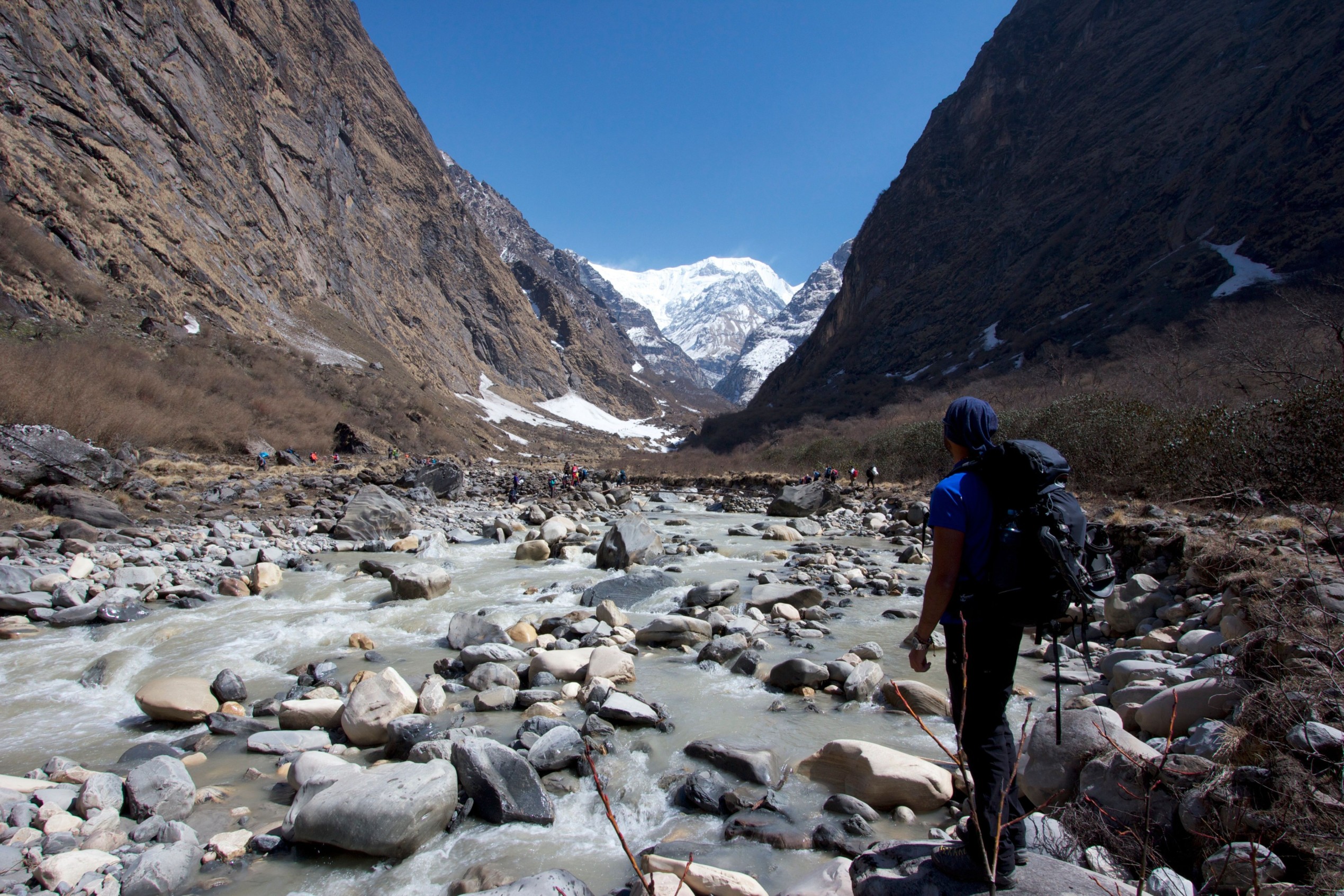
November is another excellent month for trekking to Annapurna Base Camp.
The weather is generally dry and stable, but temperatures begin to drop as winter approaches.
The first half of November is often particularly attractive for trekkers who want good visibility without the peak October crowds.
November Weather
November generally provides clear skies and dry conditions.
However, the mornings and evenings become colder, especially at higher elevations.
At Annapurna Base Camp, temperatures can fall below freezing at night.
Proper layers, a warm sleeping bag and suitable winter trekking clothing are important.
Is November Better Than October?
It depends on your priorities.
If you want warmer conditions and the classic peak-season atmosphere, October is an excellent choice.
If you prefer cooler weather, clear skies and potentially fewer trekkers, November can be a great alternative.
Annapurna Base Camp Autumn Temperature
Temperature varies considerably depending on altitude.
The lower part of the trek can feel warm during the day, while Annapurna Base Camp is considerably colder.
A rough guide is:
| Location | Approx. Autumn Day Temperature | Approx. Night Temperature |
|---|---|---|
| Pokhara | 20–28°C | 12–18°C |
| Ghorepani | 10–18°C | 2–8°C |
| Poon Hill | 8–15°C | 0–5°C |
| Chhomrong | 12–20°C | 5–10°C |
| Deurali | 5–15°C | 0–5°C |
| Annapurna Base Camp | 0–10°C | Below 0°C |
These are approximate temperature ranges, not guaranteed temperatures. Mountain weather can change quickly, especially at higher elevations.
At higher elevations, strong winds can make the temperature feel much colder than the actual reading. If you are trekking to Annapurna Base Camp in autumn, warm layers, gloves, a hat, and a good sleeping bag are recommended.
What Is the Weather Like at Annapurna Base Camp in Autumn?
The weather changes as you gain altitude.
At lower elevations, you may experience warm afternoons and comfortable walking conditions.
Higher up, the temperature drops quickly.
At Annapurna Base Camp, the environment is alpine, and conditions can change rapidly.
You should be prepared for:
- Cold mornings
- Cold nights
- Strong sunlight
- Wind
- Occasional cloud
- Possible snowfall at high elevations
- Rapid weather changes
Even during the best trekking season, mountain weather should never be underestimated.
Is Annapurna Base Camp Trek Difficult in Autumn?
The Annapurna Base Camp Trek is considered a moderate-level Himalayan trek.
You do not need technical mountaineering skills, but you should have reasonable fitness and be comfortable walking several hours a day.
The difficulty comes mainly from:
- Long walking days
- Steep uphill and downhill sections
- Stone staircases
- High altitude
- Changing weather
- Repeated elevation gain and loss
Autumn can make the trek more comfortable because the trails are generally drier and weather conditions are more favorable.
However, good weather does not eliminate altitude-related risks.
You should walk at a comfortable pace and give your body enough time to adjust to increasing elevation.
How Many Days Do You Need for Annapurna Base Camp in Autumn?
The number of days depends on your route and starting point.
A typical Annapurna Base Camp itinerary can take around 7 to 14 days, depending on transportation, acclimatization, walking distances and whether you combine the trek with other destinations.
For many trekkers, a well-planned itinerary includes:
Kathmandu → Pokhara → trekking starting point →Birethanti → Ulleri → Ghorepani → Tadapani → Chhomrong → Himalaya/Deurali → Annapurna Base Camp → Bamboo → Jhinu Danda → Pokhara
Some itineraries are shorter, while others Exclude places such as Ghorepani and Poon Hill.
The most important thing is not simply making the itinerary as short as possible. A good itinerary should provide reasonable walking days and enough time to enjoy the scenery.
Annapurna Base Camp Trek Crowds in Autumn
Autumn is peak trekking season in Nepal, so you should expect more people on the Annapurna Base Camp trail.
October is generally the busiest period.
You may encounter groups from different countries, independent trekkers, guides and porters along the route.
Popular villages and tea houses can become particularly busy.
If you prefer a quieter experience, consider:
- Late September
- Early November
- Late November
- Starting your walking day early
- Choosing a less crowded itinerary
Despite the crowds, autumn remains popular for a good reason: the weather and mountain views can be excellent.
What Should You Pack for Annapurna Base Camp in Autumn?
Packing correctly is important because temperatures vary significantly throughout the trek.
You don’t need to carry your entire wardrobe, but you should prepare for both warm afternoons and freezing conditions at high altitude.
Essential Clothing
Bring:
- Moisture-wicking trekking shirts
- Fleece jacket
- Down jacket
- Waterproof jacket
- Trekking trousers
- Thermal base layers
- Warm hat
- Gloves
- Warm socks
- Comfortable trekking boots
Trekking Equipment
You should also consider:
- Backpack
- Sleeping bag suitable for cold temperatures
- Trekking poles
- Headlamp
- Sunglasses
- Water bottles
- Water purification tablets or filtration system
- Sunscreen
- Personal first-aid supplies
Documents
Carry:
- Passport
- Required trekking permits
- Travel insurance documents
- Emergency contact information
- Copies of important documents
A waterproof bag or cover is useful because weather can still change unexpectedly.
Is Annapurna Base Camp Safe in Autumn?
The Annapurna Base Camp Trek is a popular trekking route, and autumn generally provides favorable trekking conditions.
However, no Himalayan trek is completely risk-free.
Altitude, weather, steep terrain and fatigue can all create challenges.
To make your trek safer:
Walk Slowly
There is no prize for reaching the next village first.
Maintain a comfortable pace and take regular breaks.
Drink Enough Water
Staying hydrated is important while walking at altitude.
Listen to Your Body
If you experience symptoms such as severe headache, unusual dizziness, vomiting, difficulty breathing or serious weakness, inform your guide immediately.
Check Weather Conditions
Mountain weather can change quickly, even during autumn.
Use an Experienced Guide
A knowledgeable local guide can help with route conditions, accommodation, altitude management and emergencies.
Autumn Festivals During the Annapurna Base Camp Trek
Autumn is also an important festival season in Nepal.
Depending on the year and your trekking dates, you may experience major Nepalese festivals such as Dashain and Tihar.
These festivals create a unique cultural atmosphere throughout Nepal.
Trekking during festival periods can also mean changes in local business hours, transportation and accommodation availability, so planning ahead is useful.
For international visitors, experiencing Nepal’s mountain landscapes while also seeing local traditions can make the journey even more memorable.
Is There Snow at Annapurna Base Camp in Autumn?
Snow conditions vary from year to year.
Early autumn can have relatively mild conditions after the monsoon, while colder weather can develop later in November. Snowfall is more likely at higher elevations when temperatures fall.
You should not assume that autumn means completely snow-free conditions.
This is another reason why proper cold-weather equipment is important.
Annapurna Base Camp Trek Safety in Autumn
Autumn is generally a favorable season for trekking, but good weather does not eliminate mountain risks.
Altitude is one of the main concerns.
Although Annapurna Base Camp is not an extreme altitude compared with some Himalayan destinations, you should still allow your body enough time to adjust.
Watch for symptoms such as:
- Headache
- Dizziness
- Unusual tiredness
- Loss of appetite
- Nausea
- Difficulty sleeping
If symptoms become serious or worsen, tell your guide immediately and follow their advice.
Walking slowly, staying hydrated, eating properly, and following a sensible itinerary can make a significant difference.
Annapurna Base Camp Trek: September vs October vs November
Which autumn month should you choose?
September
Best for: Travelers who want the beginning of autumn and potentially fewer crowds.
Advantages:
- Fewer trekkers than October
- Increasingly improving weather
- Green landscapes
- Good trekking conditions later in the month
Disadvantage:
- Early September can still receive monsoon rain.
October
Best for: First-time trekkers who want the classic autumn trekking experience.
Advantages:
- Excellent visibility
- Generally stable weather
- Dry trails
- Excellent mountain views
Disadvantage:
- More crowded.
November
Best for: Trekkers who prefer cooler conditions and clear mountain views.
Advantages:
- Dry weather
- Excellent visibility
- Potentially fewer trekkers than October
- Beautiful autumn atmosphere
Disadvantage:
Colder temperatures, especially at night.
Best Time for Annapurna Base Camp Trek in Autumn
If you want the best overall autumn experience, October and early November are excellent choices.
For a quieter experience, late September or late November may be worth considering.
However, there is no single perfect month for everyone.
Your ideal month depends on whether you prioritize:
Best weather: October
Fewer crowds: Late November
Warmer conditions: October
Cooler temperatures and clear skies: November
Lower-season atmosphere: Late September
Tips for a Successful Annapurna Base Camp Trek in Autumn
Here are some practical tips that can make your trek easier.
Start Your Walking Day Early
Morning usually provides some of the best mountain visibility.
Starting early also gives you plenty of time to reach your destination before afternoon weather changes.
Don’t Underestimate the Cold
The lower elevations may feel warm, but Annapurna Base Camp can be extremely cold at night.
Carry proper warm layers.
Protect Yourself From the Sun
The sun can be strong at high altitude.
Use sunglasses, sunscreen and a hat.
Book Accommodation in Advance
October is one of the busiest trekking months.
If you are traveling with a group or have a fixed schedule, arranging accommodation in advance can make your trip easier.
Carry Enough Cash
ATMs are limited or unavailable in many remote areas.
Carry enough Nepalese currency for meals, accommodation, drinks, charging and other personal expenses.
Get Proper Travel Insurance
Make sure your insurance covers trekking at the altitude you will reach and includes emergency evacuation if necessary.
Why Choose Igloo Himalaya Treks for Annapurna Base Camp?
Choosing the right trekking company can make a major difference to your experience in the Himalayas.
Igloo Himalaya Treks is a local Nepal trekking company providing guided trekking experiences across Nepal.
Our approach is focused on practical planning, local knowledge and personalized service.
When you trek with us, we help you with:
- Trek planning and itinerary preparation
- Experienced local guides
- Porters
- Transportation arrangements
- Accommodation
- Trekking permits
- Route information
- Altitude and safety guidance
- Local cultural experiences
- Support throughout the trek
We understand that every traveler is different. Some trekkers want a faster itinerary, while others prefer a slower journey with more time to enjoy the villages and mountains.
Our goal is to make your Annapurna Base Camp Trek comfortable, safe and memorable from the moment you arrive in Nepal until you return to Pokhara or Kathmandu.
Final Thoughts: Should You Trek to Annapurna Base Camp in Autumn?
The Annapurna Base Camp Trek in autumn offers an excellent combination of Himalayan scenery, generally stable weather, beautiful landscapes, and comfortable trekking conditions.
September brings the transition from monsoon to dry weather. October usually offers some of the most reliable trekking conditions but also attracts more visitors. November brings clear skies and cooler temperatures, making it another excellent choice for experienced and well-prepared trekkers.
If seeing the Annapurna mountains in clear autumn conditions is your main goal, October and November are excellent months to consider.
With the right preparation, suitable clothing, a sensible itinerary, and an experienced local team, the journey to Annapurna Base Camp can become one of the most memorable trekking experiences in Nepal.
Ready to explore Annapurna Base Camp this autumn? Plan your trek with Igloo Himalaya Treks and start preparing for your Himalayan adventure.


