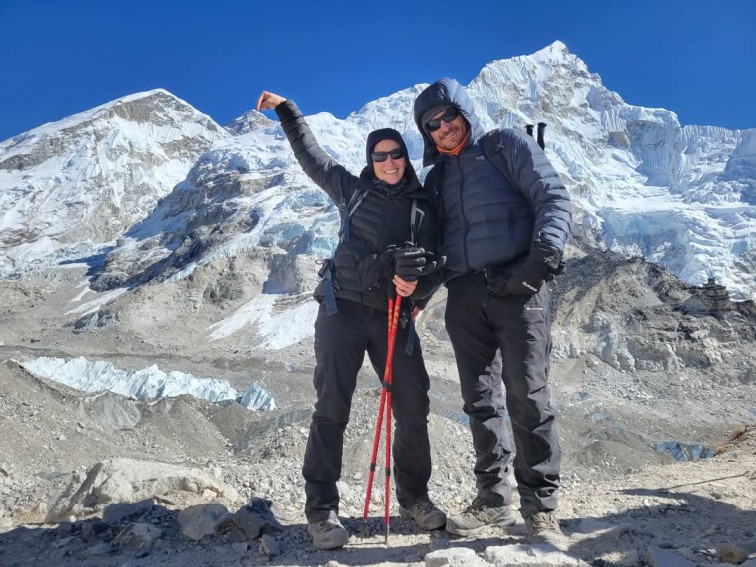
The Everest Base Camp Trek Itinerary 2027 is designed for trekkers who want to experience the breathtaking Everest region of Nepal while allowing enough time for proper acclimatization and enjoying the journey. This 14-day Everest Base Camp Trek takes you from Kathmandu to Lukla and through the beautiful Khumbu Valley, passing Namche Bazaar, Tengboche, Dingboche, Lobuche and Gorak Shep before reaching Everest Base Camp at 5,364 meters.
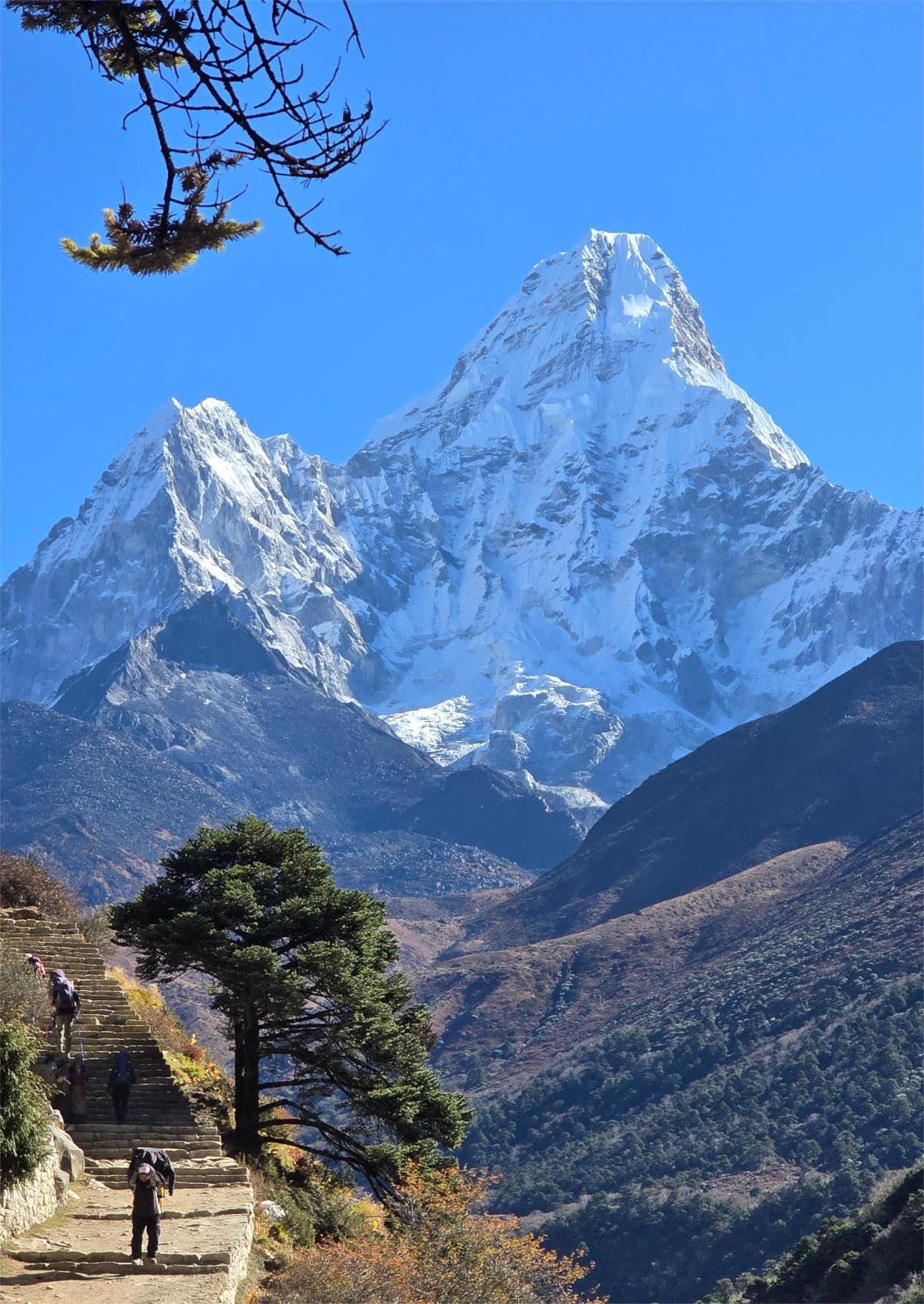
The Everest Base Camp Trek Itinerary 2027 includes important acclimatization days in Namche Bazaar and Dingboche, giving your body time to adjust as you gradually gain altitude. Along the trail, you will experience Sherpa villages, Buddhist monasteries, suspension bridges, glaciers and spectacular views of Mount Everest, Ama Dablam, Lhotse, Nuptse and other Himalayan peaks.
Whether you are planning your first trek in Nepal or looking for a once-in-a-lifetime Himalayan adventure, this complete Everest Base Camp Trek Itinerary 2027 explains the day-by-day route, trekking cost, difficulty, altitude, best time to visit, packing list, accommodation and everything you should know before starting your journey with Igloo Himalaya Treks.
The Everest Base Camp Trek is one of the most famous mountain journeys in the world. It takes you deep into Nepal’s Khumbu region, through Sherpa villages, Buddhist monasteries, high mountain valleys and some of the most impressive Himalayan scenery on earth.
You do not need to be a professional mountaineer to reach Everest Base Camp. You need good preparation, a sensible walking pace and enough time for your body to adjust to the increasing altitude.
Our recommended 14-day Everest Base Camp Trek itinerary is designed to give you enough time to enjoy the trail without rushing. The route passes through Lukla, Phakding, Namche Bazaar, Tengboche, Dingboche, Lobuche and Gorak Shep before reaching Everest Base Camp at 5,364 meters.
The journey also includes time for acclimatization, which is one of the most important parts of a safe and enjoyable high-altitude trek.
Whether you are planning your first Himalayan adventure or have already trekked in Nepal, this guide explains the Everest Base Camp Trek route, day-by-day itinerary, cost, difficulty, altitude, best seasons, accommodation, preparation and what you should know before booking.
Everest Base Camp Trek at a Glance
| Trek Details | Information |
| Trek Name | Everest Base Camp Trek |
| Duration | 14 Days |
| Country | Nepal |
| Trek Region | Everest / Khumbu |
| Starting Point | Lukla |
| Trek Ends | Lukla |
| Everest Base Camp Altitude | 5,364 m |
| Kala Patthar Altitude | 5,545 m approx. |
| Difficulty | Moderate to challenging |
| Accommodation | Teahouses/lodges |
| Trekking Style | Guided teahouse trek |
| Best Seasons | Spring and autumn |
| Average Walking | Around 5–8 hours per day |
| Main Highlights | Namche, Tengboche, Everest Base Camp, Kala Patthar |
Why Choose the Everest Base Camp Trek?
Standing at the foot of Mount Everest is the obvious highlight, but the trek is about much more than reaching one location.The trail takes you through the homeland of the Sherpa people and gives you the chance to experience mountain culture, Buddhist traditions and everyday life in villages surrounded by enormous peaks.
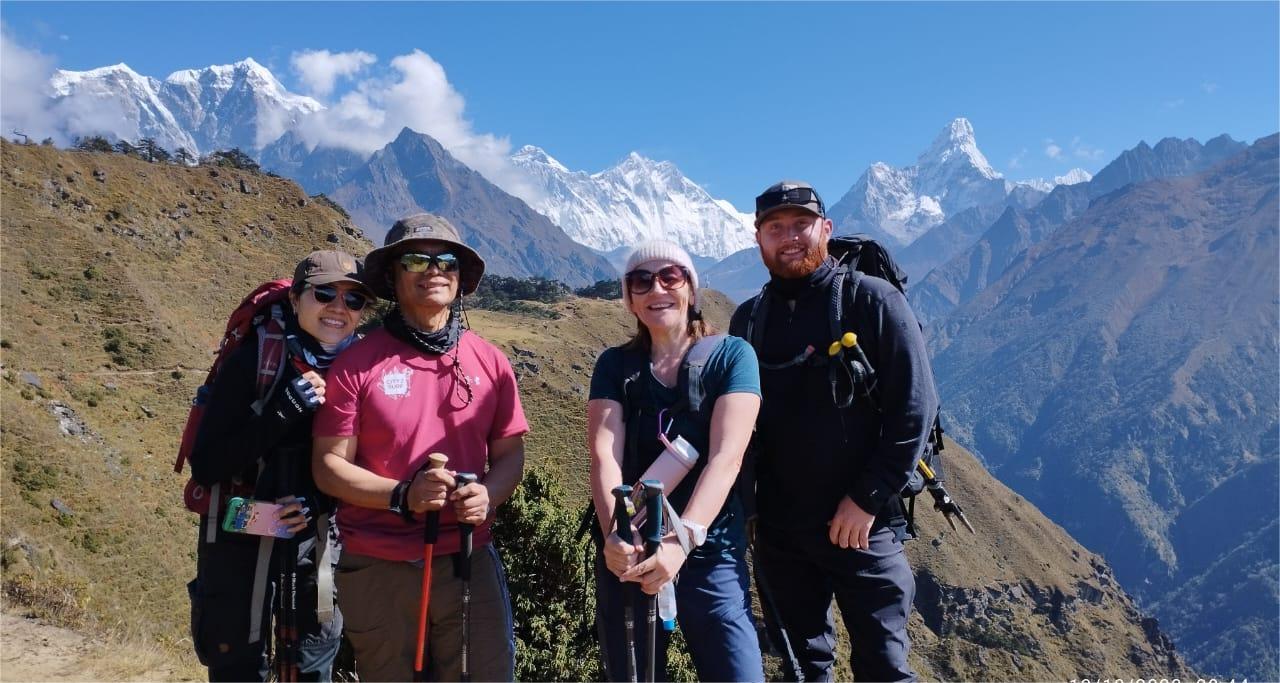
Along the way, you can see mountains such as Everest, Lhotse, Nuptse, Ama Dablam, Thamserku and Kongde.
You will cross suspension bridges decorated with prayer flags, walk beside the Dudh Koshi River, pass Buddhist monasteries and climb through changing landscapes as the altitude increases.For many trekkers, Namche Bazaar becomes one of the most memorable stops. Later, the landscape becomes more rugged and dramatic as you approach Dingboche, Lobuche and Gorak Shep.
Finally, you reach Everest Base Camp and stand beneath the world’s highest mountain.That combination of scenery, culture, challenge and personal achievement is what makes the Everest Base Camp Trek so special.
Everest Base Camp Trek 14-Day Itinerary
Day 1: Arrival in Kathmandu
Your Everest adventure begins when you arrive in Kathmandu, the capital city of Nepal.
After completing immigration and collecting your luggage, our representative will meet you at Tribhuvan International Airport and take you to your hotel.Depending on your arrival time, you can relax and explore the surrounding area.
Later, you will meet your trekking guide for a briefing about the journey. Your guide will check your trekking equipment and help you prepare for the following days.
Overnight: Kathmandu
Day 2: Kathmandu to Lukla and Trek to Phakding
The real adventure begins with the flight from Kathmandu to Lukla.The flight itself is an experience, with views of the Himalayan landscape appearing as you approach the small mountain airport.
After landing in Lukla, you meet the rest of the trekking team and begin walking.The trail passes through small villages and follows the Dudh Koshi River toward Phakding.This is a relatively short first walking day, allowing your body to begin adjusting to the Himalayan environment.
Walking: Approximately 3–4 hours
Overnight: Phakding
Day 3: Phakding to Namche Bazaar
Today is one of the first important walking days of the trek. You continue along the Dudh Koshi Valley, crossing several suspension bridges and passing through villages before entering Sagarmatha National Park.
The trail gradually becomes steeper as you approach Namche Bazaar.The final climb can feel challenging, but reaching Namche is rewarding.Namche is the main trading and tourist center of the Khumbu region and is surrounded by spectacular mountain scenery.
Walking: Approximately 5–7 hours
Overnight: Namche Bazaar
Day 4: Acclimatization Day in Namche Bazaar
This is not a day to simply stay in bed.Your body needs time to adapt to the increasing altitude, so we spend an additional night in Namche.
A common acclimatization walk takes you toward the Everest View Hotel and nearby viewpoints.
From higher ground, you can enjoy views of Everest, Ama Dablam, Lhotse, Nuptse and other Himalayan peaks.
You can also explore Namche Bazaar, visit local shops or simply rest and prepare for the higher sections of the trek.
The principle is simple:Climb higher during the day and sleep lower.A proper acclimatization schedule can make a major difference to how you feel during the rest of the trek.
Overnight: Namche Bazaar
Day 5: Namche Bazaar to Tengboche
After breakfast, the trail leaves Namche and continues toward Tengboche.The route offers excellent views of the surrounding mountains.You will walk through forests and along mountain paths before gradually reaching Tengboche. Tengboche is famous for its Buddhist monastery and its spectacular mountain setting.
If the weather is clear, the views of Ama Dablam from this area are particularly impressive.
Walking: Approximately 5–6 hours
Overnight: Tengboche
Day 6: Tengboche to Dingboche
The landscape begins to change as you gain altitude.You descend through the forest before crossing the river and continuing toward Pangboche and Dingboche.The trees become less dense and the surrounding landscape becomes increasingly open and rugged.Dingboche is an important acclimatization stop and one of the main settlements before the trail moves into the higher Khumbu region.
Walking: Approximately 5–6 hours
Overnight: Dingboche
Day 7: Acclimatization Day in Dingboche
Another acclimatization day is essential before going higher.You can take a short hike around Dingboche and climb to a nearby viewpoint depending on your guide’s recommendation and your physical condition.The purpose isn’t to exhaust yourself.
The purpose is to help your body adapt to the altitude while staying active.Drink enough water, eat properly, move slowly and tell your guide if you experience unusual symptoms.This is one of the reasons we do not recommend rushing the Everest Base Camp Trek.
Overnight: Dingboche
Day 8: Dingboche to Lobuche
Today you enter the higher-altitude section of the trek.The trail climbs gradually toward the Khumbu Glacier area.
You will pass through an increasingly barren landscape where trees become scarce and the mountains seem much closer.
The trail eventually reaches the memorial area near the path to Lobuche, where memorials remember climbers and Sherpas who lost their lives in the Everest region.From here, Lobuche is not far away.
Walking: Approximately 5–6 hours
Overnight: Lobuche
Day 9: Lobuche to Everest Base Camp and Gorak Shep
This is the day many trekkers have been waiting for.You leave Lobuche early and follow the trail toward Gorak Shep.
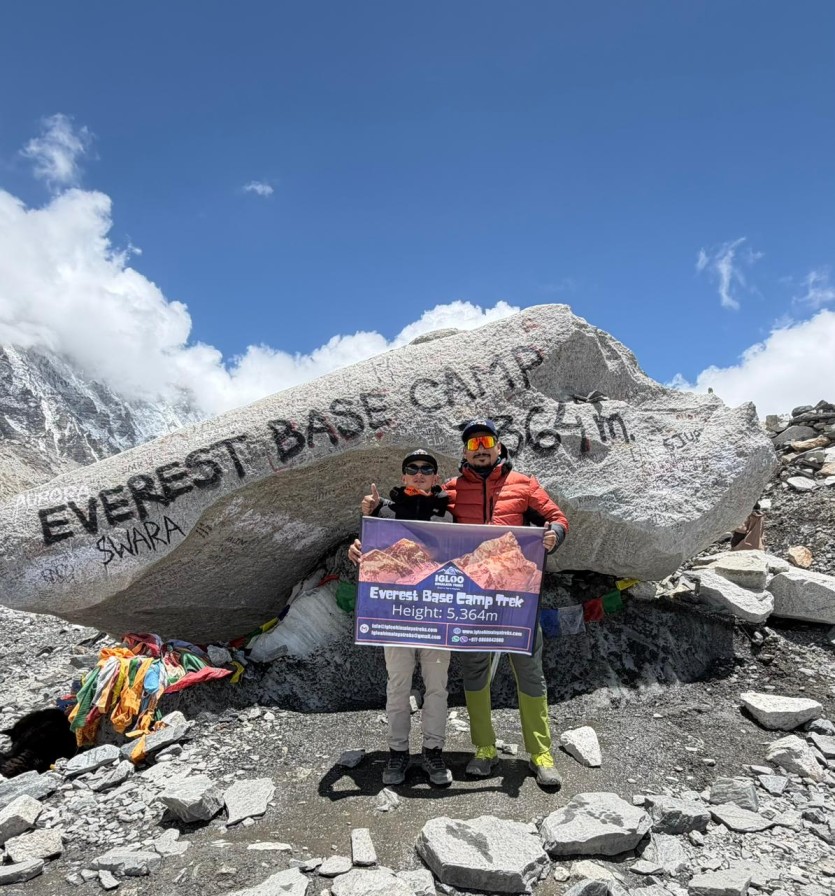
After a short rest and lunch, you continue toward Everest Base Camp.The trail becomes rocky and the surrounding landscape is dominated by glaciers, moraines and enormous Himalayan peaks.Reaching Everest Base Camp is a major personal achievement.
Take your time to enjoy the moment, take photographs and appreciate how far you have walked.After spending some time at Base Camp, return to Gorak Shep for the night.
Walking: Approximately 7–9 hours
Everest Base Camp: 5,364 m
Overnight: Gorak Shep
Day 10: Kala Patthar Sunrise and Trek to Pheriche
For many trekkers, this is actually one of the most spectacular days of the entire journey.You wake early and climb toward Kala Patthar, one of the best viewpoints in the Everest region.As the sun rises, the mountains begin to change color.Everest, Nuptse, Lhotse and surrounding peaks appear above the landscape.
After enjoying the sunrise, you return to Gorak Shep for breakfast and begin descending toward Pheriche.Going downhill may feel easier physically, but you still need to take care of your knees and maintain a steady pace.
Walking: Approximately 6–8 hours
Highest point: Kala Patthar, approximately 5,545 m
Overnight: Pheriche
Day 11: Pheriche to Namche Bazaar
The return journey begins.You retrace part of the trail through the Khumbu Valley and continue toward Namche Bazaar.As you descend, the air becomes thicker and walking generally feels easier.
The landscape also becomes greener. After several days at high altitude, arriving back in Namche can feel surprisingly comfortable.
Walking: Approximately 6–7 hours
Overnight: Namche Bazaar
Day 12: Namche Bazaar to Lukla
This is your final full trekking day.You descend through the familiar trail toward Lukla, crossing suspension bridges and passing through villages along the Dudh Koshi Valley.
The trail is still beautiful, but there is often a different feeling today—you know the trekking adventure is coming to an end. After reaching Lukla, you can relax with your guide and trekking team.
Walking: Approximately 6–7 hours
Overnight: Lukla
Day 13: Lukla to Kathmandu
After breakfast, you take the flight back to Kathmandu.
The flight depends on weather and operational conditions, so it is always wise to keep some flexibility in your Nepal travel schedule.
Once you arrive in Kathmandu, you can relax at your hotel or explore the city.You have now completed your Everest Base Camp adventure.
Overnight: Kathmandu
Day 14: Departure From Nepal
Your Everest Base Camp journey comes to an end.Depending on your flight schedule, you can enjoy some final time in Kathmandu before our representative transfers you to the airport.
We hope you leave Nepal with great memories, photographs and a story you will remember for years.
Everest Base Camp Trek Route
The route follows:
Kathmandu → Lukla → Phakding → Namche Bazaar → Tengboche → Dingboche → Lobuche → Gorak Shep → Everest Base Camp → Kala Patthar → Pheriche → Namche → Lukla → Kathmandu
The route is not simply about reaching Base Camp as quickly as possible.
The itinerary is designed around gradual altitude gain and acclimatization.
That is why a 14-day itinerary can be a better choice than trying to complete the trek in the shortest possible time.
How Difficult Is the Everest Base Camp Trek?
The Everest Base Camp Trek is generally considered moderate to challenging.
You do not need technical climbing skills to reach Base Camp, but you should be prepared to walk for several hours on consecutive days.
The biggest challenge is usually altitude, not technical climbing.
You will walk uphill and downhill over uneven terrain, cross suspension bridges and spend nights at high elevations.
Good preparation before your trek can make the experience much easier.
You should prepare for:
• Long walking days
• Steep uphill sections
• Rocky trails
• Cold temperatures
• High altitude
• Changing weather
• Basic mountain accommodation
If you can regularly walk, hike or exercise before your trip, you will be in a much better position to enjoy the trek.
Everest Base Camp Trek Altitude
Altitude is one of the most important things to understand before booking the trek.
You start around the lower Khumbu region and gradually climb to more than 5,000 meters.
Some important elevations include:
- Lukla – approximately 2,860 m
- Namche Bazaar – approximately 3,440 m
- Tengboche – approximately 3,860 m
- Dingboche – approximately 4,410 m
- Lobuche – approximately 4,910 m
- Gorak Shep – approximately 5,164 m
- Everest Base Camp – 5,364 m
- Kala Patthar – approximately 5,545 m
Because the altitude increases significantly, acclimatization is not something you should skip.
What Is the Best Time for Everest Base Camp Trek?
The best trekking seasons are generally spring and autumn.
Spring: March to May
Spring brings relatively stable trekking conditions and excellent mountain scenery.
April and May are particularly popular.
The rhododendron forests also add color to the lower sections of the trail.
Autumn: September to November
Autumn is another excellent season.
The monsoon has usually cleared the atmosphere, creating good mountain visibility.
October and November are especially popular months for trekking.
Winter: December to February
Winter is possible, but temperatures at high altitude can be very cold.
Snow and weather can also make parts of the route more challenging.
Monsoon: June to August
Rain affects the lower parts of the route, while cloud and weather conditions can affect mountain visibility and flights.
For most first-time trekkers, spring and autumn are the easiest seasons to recommend.
How Much Does the Everest Base Camp Trek Cost in 2027?
The price depends on the itinerary, group size, accommodation, guide and porter services, transportation and what is included in your package.
Rather than choosing a trekking company based only on the cheapest price, check exactly what you are paying for.
A good EBC package should clearly explain:
Usually included
- Airport transfers
- Kathmandu accommodation according to the package
- Domestic flights
- Licensed trekking guide
- Porter service
- Trekking permits
- Teahouse accommodation
- Meals according to the package
- Ground transportation where applicable
- Trekking arrangements
Usually not included
- International flights
- Nepal visa
- Travel insurance
- Personal expenses
- Extra hotel nights
- Alcoholic and bottled drinks
- Personal trekking equipment
- Tips
- Expenses caused by unforeseen delays
For the latest Igloo Himalaya Treks price, travelers should check the current package rather than relying on an old article because domestic flights, accommodation and operating costs can change.
What Is Included in the Everest Base Camp Trek With Igloo Himalaya Treks?
At Igloo Himalaya Treks, we want our guests to understand what they are paying for before they start their journey.
We arrange the important trekking logistics so you can concentrate on enjoying the Himalayas.
Our local team can assist with:
- Airport pickup and drop-off
- Trek preparation
- Experienced local trekking guide
- Porter arrangements
- Domestic flights
- Trekking permits
- Teahouse accommodation
- Trekking itinerary
- Kathmandu assistance
- Route information
- Emergency support and coordination
If you have specific requirements, such as a private trek, different duration or customized itinerary, you can discuss them with our team before booking.
What Should You Pack for Everest Base Camp?
You don’t need to carry your entire house to Everest.
The key is to bring the right equipment.
Clothing
- Base layers
- Fleece jacket
- Down jacket
- Waterproof jacket
- Trekking trousers
- Thermal layers
- Warm hat
- Gloves
- Trekking socks
Footwear
- Comfortable trekking boots
- Camp shoes or sandals
- Extra socks
Equipment
- Sleeping bag suitable for cold conditions
- Backpack/daypack
- Water bottle
- Headlamp
- Sunglasses
- Sunscreen
- Trekking poles
Personal items
- Passport
- Travel insurance documents
- Cash
- Personal medication
- Toiletries
- Phone and charging equipment
- Power bank
Your guide can also advise you about what is necessary based on the season you choose.
Is Everest Base Camp Safe?
For most prepared trekkers, the Everest Base Camp Trek can be completed safely with proper planning.
However, high-altitude trekking always involves risks.
The most important thing is to take altitude seriously.
Never hide symptoms because you want to reach Base Camp.
If you feel unwell, tell your guide immediately.
Your guide can help determine whether you should rest, descend or seek further assistance.
Weather is another important factor. Mountain conditions can change quickly, and domestic flights to Lukla can be delayed or cancelled because of weather.
This is why we recommend keeping some flexibility in your overall Nepal travel schedule.
Can Beginners Do the Everest Base Camp Trek?
Yes.
You do not need previous Himalayan trekking experience or mountaineering experience to complete the standard Everest Base Camp route.
However, “beginner-friendly” does not mean easy.
You should be comfortable walking several hours a day and be prepared for altitude.
A slower pace, proper acclimatization and an experienced guide can make a big difference.
If you have never completed a multi-day trek before, start training several weeks or months before arriving in Nepal.
Do You Need a Guide for Everest Base Camp?
A guide provides much more than navigation.
A good local guide understands the trail, weather, altitude, accommodation and local conditions.
Your guide can also communicate with teahouse owners, help manage the daily schedule and recognize when a trekker may be struggling with altitude.
For international travelers visiting Nepal for the first time, having a local trekking team can make the entire experience much easier.
Can You Do Everest Base Camp Without Flying to Lukla?
Yes.
There are alternative road-based approaches to the Everest region, and some trekkers choose to avoid the Lukla flight.
However, these routes require additional trekking days and follow a different itinerary.
If you are interested in avoiding the flight, you can explore our Everest Base Camp Trek Without Flight option and choose the route that best fits your travel plans.
Everest Base Camp Trek vs Annapurna Base Camp
If you are deciding between Everest Base Camp and Annapurna Base Camp, both are excellent—but they offer different experiences.
Everest Base Camp is ideal if your dream is to stand beneath Mount Everest and experience the Khumbu/Sherpa region.
Annapurna Base Camp is often a better choice for travelers who want a shorter Himalayan trek with lush landscapes, villages and a different mountain environment.
If Mount Everest is the reason you are coming to Nepal, EBC is the obvious choice.
Why Trek Everest Base Camp With a Local Nepal Company?
Booking directly with a local trekking company can give you direct access to the people who actually operate the trek in Nepal.
At Igloo Himalaya Treks, we are a Nepal-based trekking company.
Our team understands the routes, local communities, mountain conditions and practical challenges involved in organizing Himalayan treks.
We don’t want your trip to be just another booking number.
From the moment you arrive in Kathmandu until you finish your trek, our goal is to make your journey organized, comfortable and memorable.
You can contact Igloo Himalaya Treks before booking if you have questions about the itinerary, price, group size, Lukla flights, accommodation or preparation.
Everest Base Camp Trek FAQs
How many days does the Everest Base Camp Trek take?
A standard itinerary takes around 14 days, including Kathmandu, the trek to Base Camp, acclimatization days and the return journey.
How high is Everest Base Camp?
Everest Base Camp is at approximately 5,364 meters (17,598 feet) above sea level.
What is the highest point of the trek?
Kala Patthar is approximately 5,545 meters (18,192 feet) and is higher than Everest Base Camp.
How difficult is Everest Base Camp?
It is generally considered a moderate-to-challenging trek because of the long walking days, uneven terrain and high altitude.
Can beginners trek to Everest Base Camp?
Yes. Beginners who are physically prepared and follow a sensible acclimatization schedule can complete the trek.
What is the best month for Everest Base Camp?
April, May, October and November are among the most popular months because of generally favorable trekking conditions.
Do I need a guide?
A guide is highly recommended, particularly for international travelers and first-time Himalayan trekkers.
How much does Everest Base Camp Trek cost?
The cost varies depending on group size, itinerary, accommodation, transportation and included services. Check the current Igloo Himalaya Treks package for the latest price.
Is travel insurance necessary?
Yes. You should have travel insurance that specifically covers high-altitude trekking and emergency evacuation where appropriate.
What happens if my Lukla flight is cancelled?
Flights can be affected by mountain weather. If a flight is delayed or cancelled, your trekking company can help arrange the next available option or discuss alternatives depending on the circumstances.
Can I trek to Everest Base Camp without flying?
Yes. Road-based alternatives are available, although they require additional days and a different itinerary.
How many hours do you walk each day?
Most trekking days involve approximately 5–8 hours of walking, depending on the route, altitude and individual pace.
Start Your Everest Base Camp Adventure With Igloo Himalaya Treks
Reaching Everest Base Camp is not just about checking a destination off your travel list.
It is about walking through the heart of the Himalayas, meeting the people of the Khumbu, watching the mountains change around you and pushing yourself beyond what you thought you could do.
From your first arrival in Kathmandu to the moment you stand at Everest Base Camp, every day brings something different.
If Mount Everest has always been on your bucket list, 2027 can be the year you finally make the journey.
Contact Igloo Himalaya Treks to check the latest departure dates, group options, itinerary and price for your Everest Base Camp Trek.


