
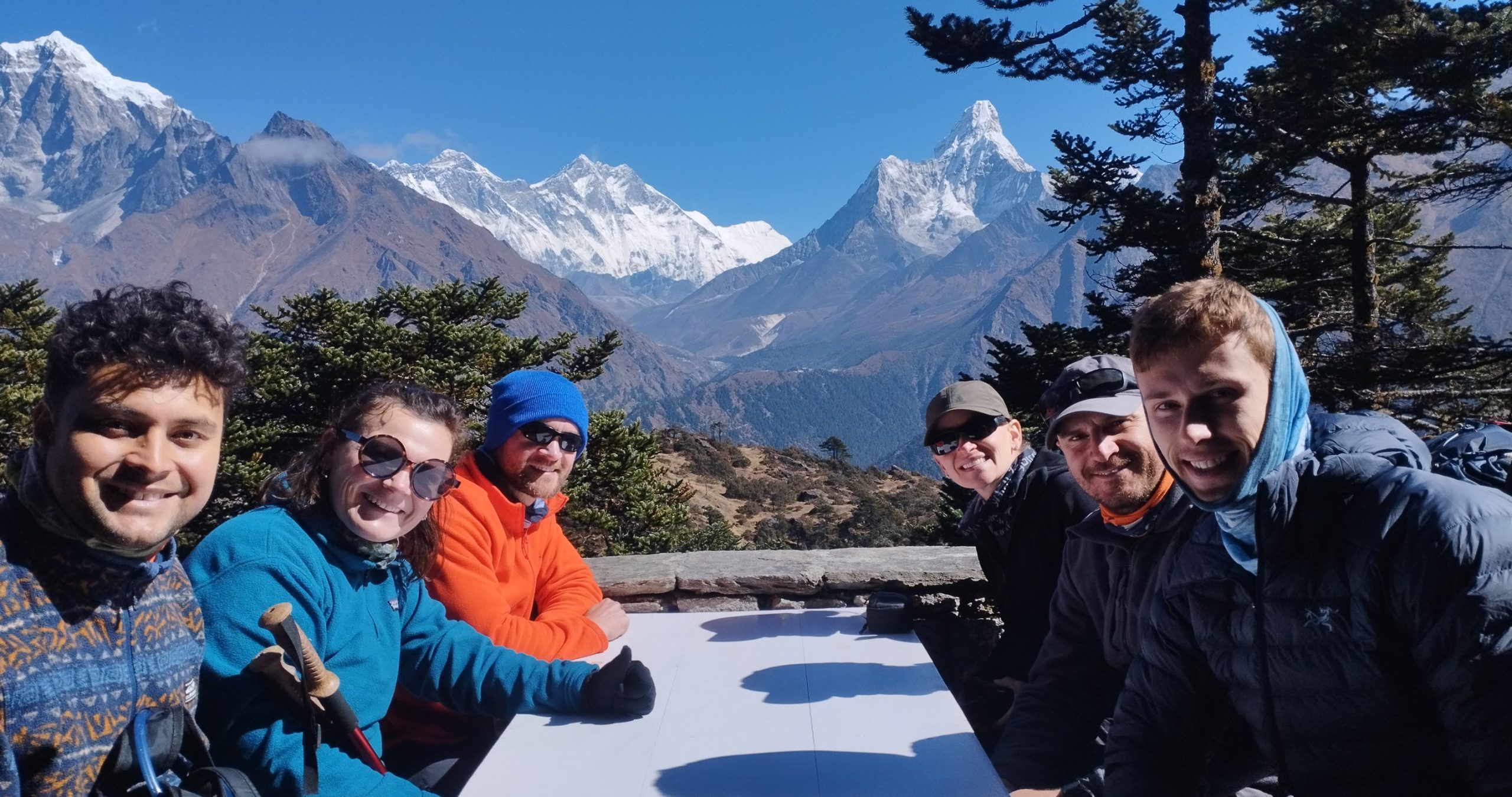
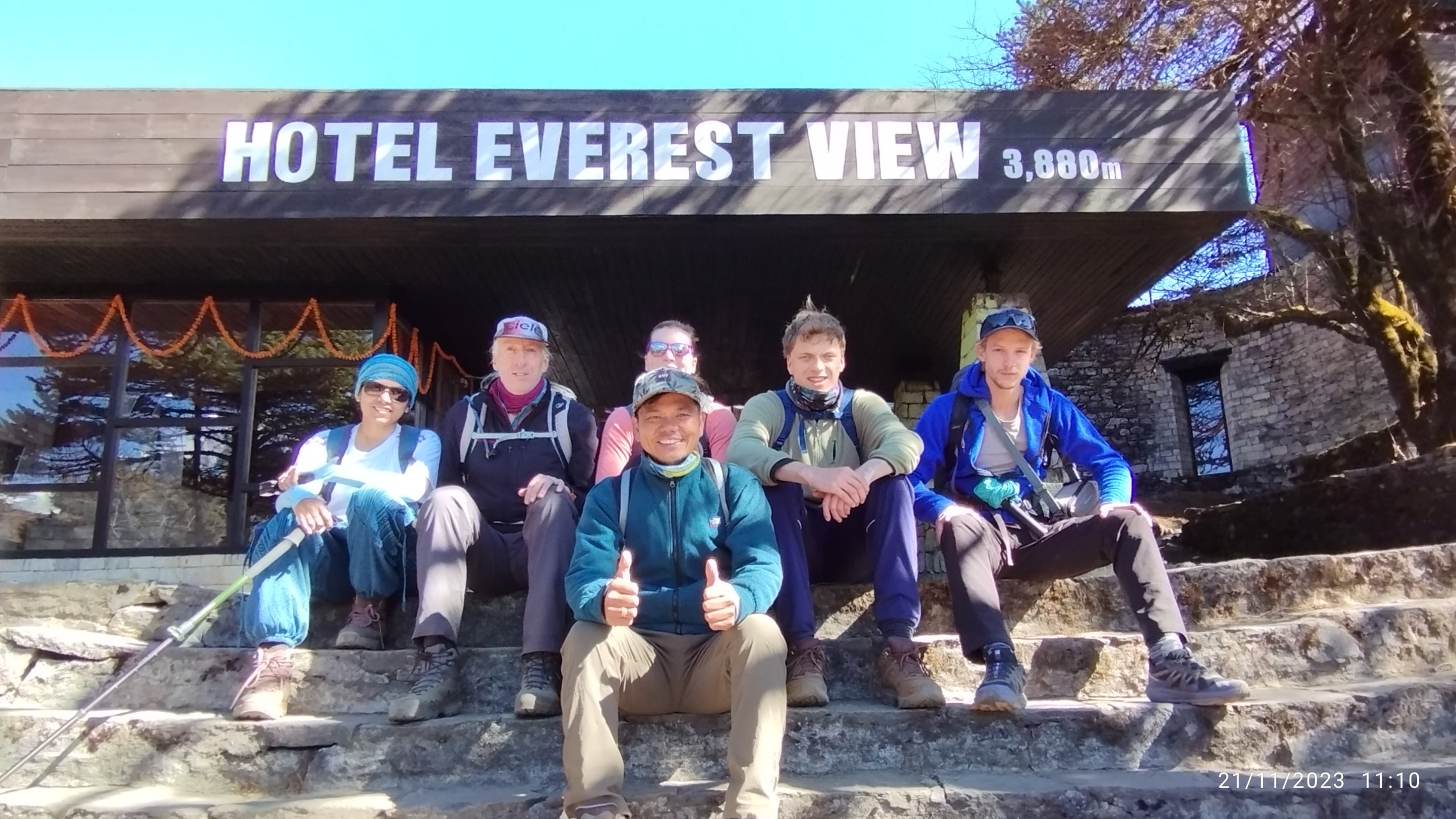
Everest View Trek Difficulty is generally considered moderate, making it a good choice for travelers who want to explore the Everest region without taking on the longer Everest Base Camp trek. You do not need technical climbing skills or previous high-altitude trekking experience, but you should be comfortable walking uphill and downhill for several hours each day. The highest point of the trek is around 3,880 meters at the Hotel Everest View, so altitude is one of the main factors to consider. With a steady pace, proper acclimatization, and basic fitness, most healthy and prepared beginners can enjoy this beautiful Himalayan adventure.
The Everest View Trek is one of the best short treks in Nepal for trekkers who want to experience the Everest region without committing to the longer Everest Base Camp trek. Although the trail takes you into the Khumbu Region of high Himalayas, the trek is considered moderate in difficulty and is suitable for many first-time trekkers with a reasonable level of fitness.
The main challenge is not technical climbing. You do not need mountaineering skills, ropes, or previous high-altitude trekking experience. Instead, the difficulty comes from walking uphill and downhill for several hours, reaching an altitude of around 3,880 meters at Hotel Everest View, and dealing with thinner air as you gain elevation.
For most people, the Everest View Trek is very manageable when done at a comfortable pace with proper acclimatization. Taking your time, drinking enough water, eating well, and listening to your body can make a big difference.
How Difficult Is the Everest View Trek?
The Everest View Trek is generally rated as a moderate trek. It is harder than an easy village walk but considerably shorter and less demanding than the Everest Base Camp trek. You normally walk for around 5 to 6 hours a day, depending on the itinerary, walking speed, trail conditions, and stops.
The trail includes stone steps, forest paths, suspension bridges, rocky sections, and several uphill climbs. Some parts can feel tiring, especially after leaving Namche Bazaar and walking toward Khumjung and the Hotel Everest View .
The good thing is that there is no need to rush. The purpose of this trek is to enjoy the scenery and experience the Everest region, not to compete against the clock. With a steady walking pace and enough breaks, most reasonably fit travelers can complete the trek comfortably.
Is Everest View Trek Suitable for Beginners?
Yes, the Everest View Trek is suitable for beginners. You do not need to be an experienced trekker to join this journey. Many people choose this trek precisely because they want their first Himalayan trekking experience without taking on a long and demanding route.
However, being a beginner does not mean you should underestimate the trek. You will still be walking in a mountain environment, and the altitude can make the same distance feel harder than it would at sea level. If you can regularly walk, climb stairs, or exercise for a few weeks before your trip, you will be in a much better position to enjoy the trek.
Everest View Trek Difficulty by Day
The difficulty changes from day to day. Some walking days are relatively easy, while others involve longer uphill and downhill sections.
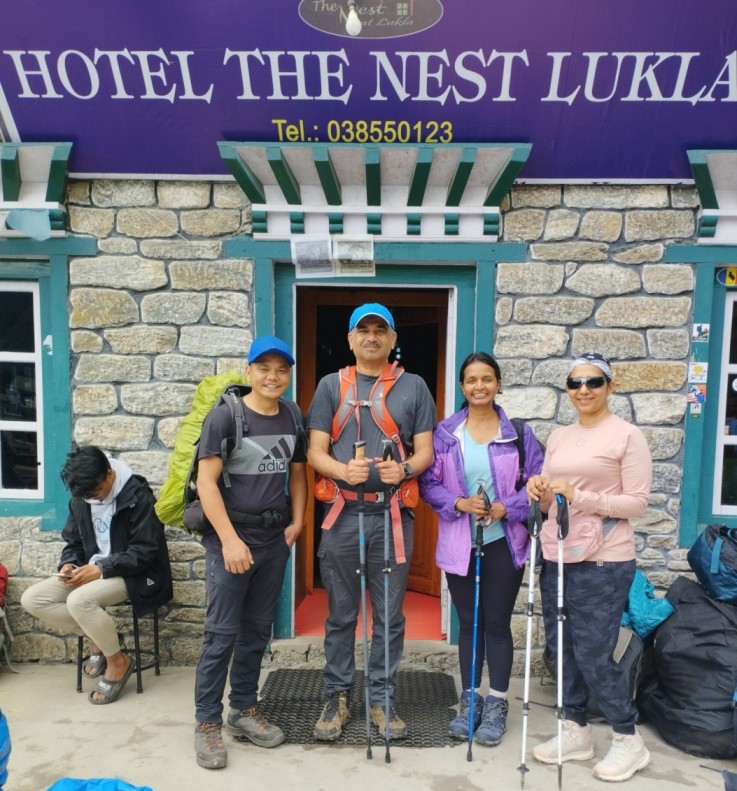
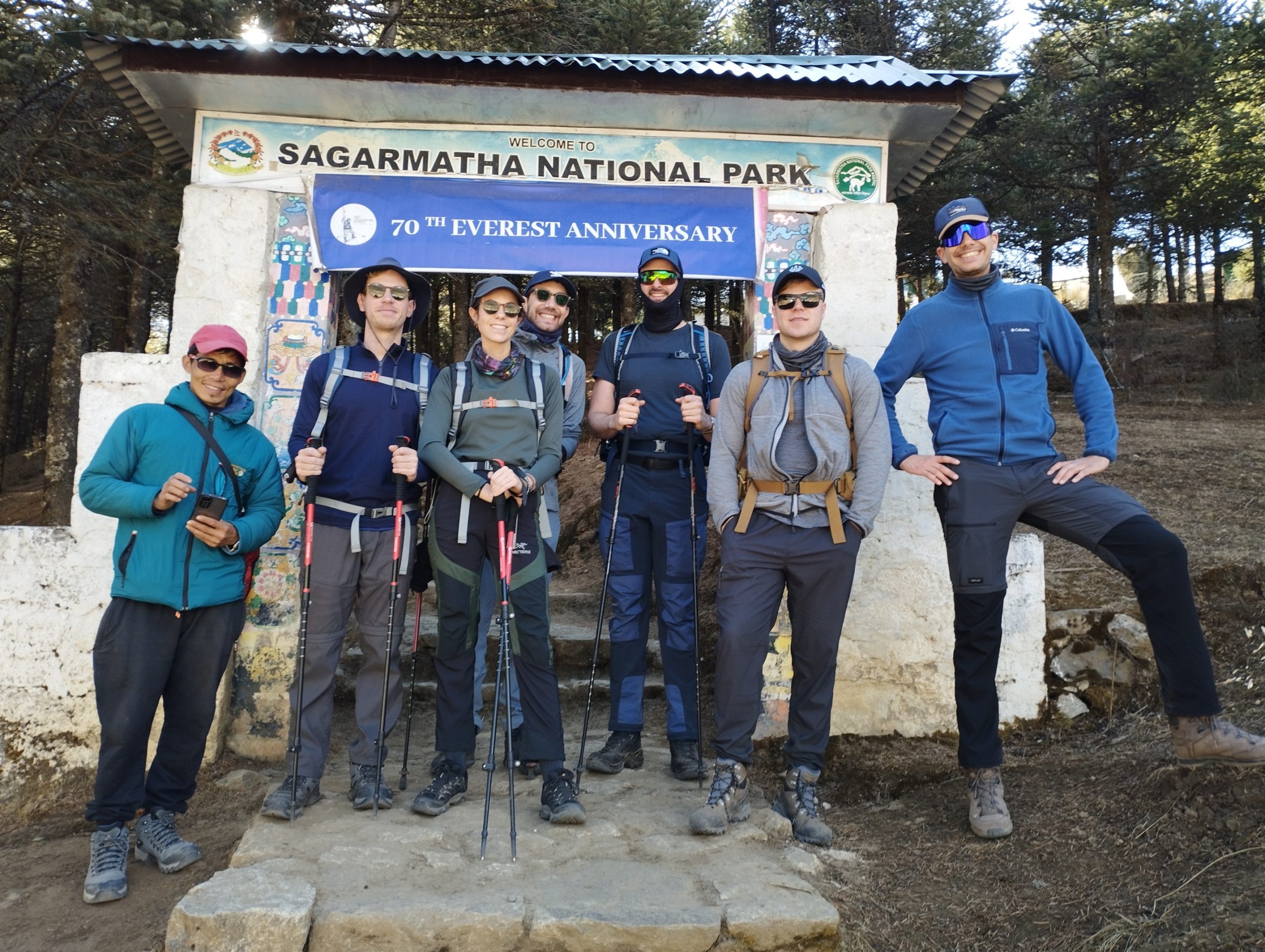
The journey normally begins with a flight from Kathmandu to Lukla. The flight itself is short, but the real trekking begins after arriving in Lukla. From there, you gradually walk through villages, forests, and mountain trails toward Phakding and next day Namche Bazaar.
The walk from Lukla toward Phakding is generally an easier introduction to the trek. The trail passes through small settlements and follows the Dudh Koshi River, giving your body time to adjust to the walking and the changing altitude.
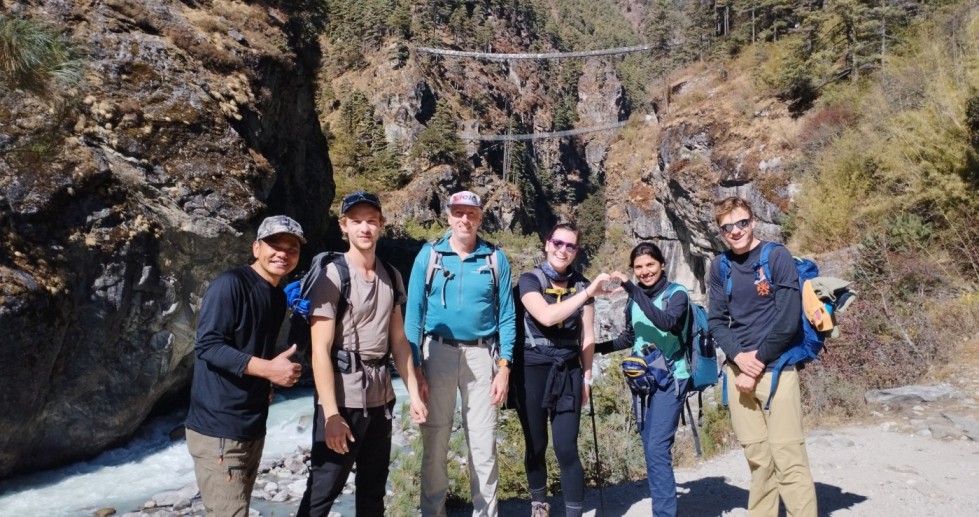
The following days become more challenging as you approach Namche Bazaar. The trail includes several uphill sections and suspension bridges. after crossing the Hillary bridge The final climb toward Namche can feel tiring, but regular breaks and a slow pace make it much easier.
How Hard Is the Lukla to Namche Bazaar Walk?
The walk from Lukla to Namche Bazaar is one of the more physically demanding parts of the Everest View Trek. The trail gradually gains altitude and includes several uphill sections. One of the memorable parts of this section is crossing suspension bridges over the Dudh Koshi River. After crossing the bridges, you eventually begin the climb toward Namche Bazaar.
The climb to Namche can be tiring because you are gaining altitude at the same time as you are walking uphill. This is why it is important not to walk too fast. A slow and consistent pace is usually better than trying to reach Namche quickly.
How Difficult Is the Namche to Everest View Hotel Hike?
The hike from Namche Bazaar toward the Everest View Hotel is another important part of the trek. The trail climbs above Namche and provides spectacular views of the surrounding mountains.The uphill sections can make your legs work, but the distance is manageable for most trekkers. As you climb higher, you may notice that breathing becomes slightly more difficult because of the thinner air.
The reward is worth the effort. On a clear day, you can enjoy impressive views of Mount Everest, Ama Dablam, Lhotse, Nuptse, Thamserku, and other Himalayan peaks. The Hotel Everest View area is one of the main highlights of the trek, allowing you to enjoy high-altitude mountain scenery without having to continue all the way to Everest Base Camp.
Is Altitude a Major Challenge on the Everest View Trek?
Altitude is one of the most important factors affecting Everest View Trek difficulty. The trek reaches approximately 3,880 meters, which is high enough for some travelers to experience symptoms of altitude sickness. You may notice a headache, tiredness, reduced appetite, dizziness, or shortness of breath.
Not everyone experiences altitude sickness, and physical fitness alone does not completely prevent it. That is why a sensible itinerary and gradual ascent are important. The best approach is simple: walk slowly, stay hydrated, avoid unnecessary rushing, and tell your guide if you feel unwell. If symptoms become serious or continue to worsen, descending to a lower altitude is the safest response.
Does Fitness Matter for the Everest View Trek?
You do not need to be extremely athletic for the Everest View Trek, but a basic level of fitness is helpful. You should be comfortable walking for several hours, including walking uphill and downhill. You should also be prepared for uneven stone paths and stairs.
Before your trek, activities such as walking, hiking, cycling, jogging, and stair climbing can help prepare your body. You do not need an intense gym program. Consistent walking and cardiovascular exercise are usually enough for many trekkers. A good way to prepare is to gradually increase your walking distance before traveling to Nepal.
How Many Hours Do You Walk Each Day?
The walking time depends on your itinerary and route, but most trekking days involve approximately 4 to 6 hours of walking. You should not look at the number of hours alone. Mountain walking is different from walking on a flat road. A short uphill section can take more effort than a much longer flat walk.
Your guide will normally adjust the pace according to the group. Taking short breaks along the way allows you to recover and enjoy the scenery rather than becoming exhausted.
Are There Steep Sections on the Everest View Trek?
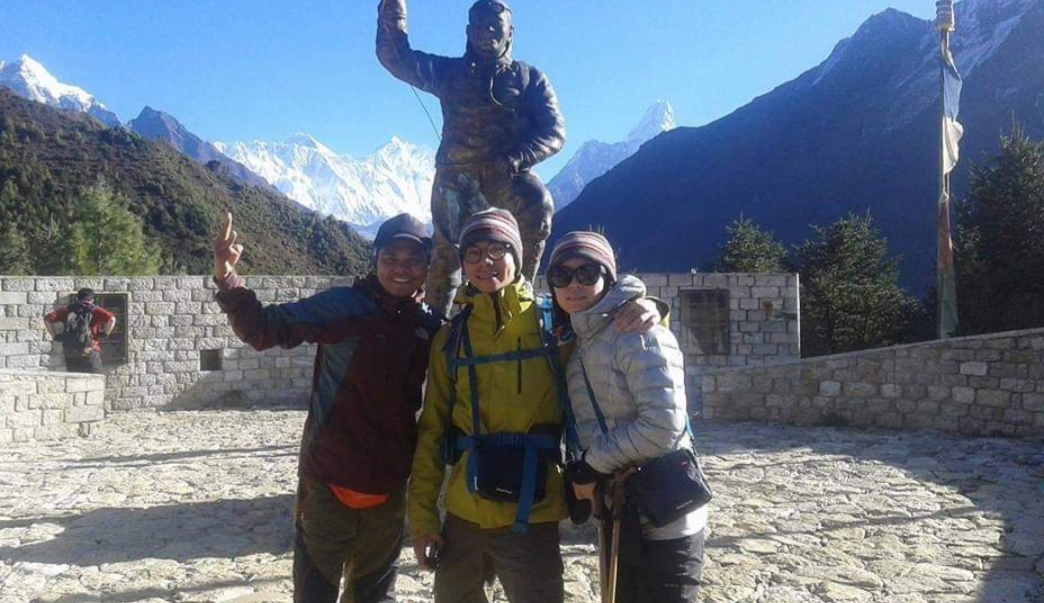
Yes, there are some steep sections. The trail between Lukla, Phakding, and Namche includes several climbs and descents. The approach to Namche Bazaar is particularly noticeable because of the long uphill section.
The hike above Namche toward the Hotel Everest View also includes uphill walking. However, these are trekking trails rather than technical climbing routes.
You may need to walk up many stone steps, and some sections can become slippery during rain or snow. Good trekking shoes with a strong grip are therefore important.
Is Everest View Trek Harder in Winter?
Winter can make the Everest View Trek more challenging because of cold temperatures, snow, icy trails, and shorter daylight hours.
December, January, and February can be very cold at higher elevations. The advantage is that winter often brings clear mountain views and fewer trekkers on the trail.
If you trek in winter, warm clothing, gloves, a good sleeping system, and suitable trekking shoes are especially important. Your guide can also adjust the walking plan according to the weather and trail conditions.
Is Everest View Trek Difficult During the Monsoon?
The monsoon season can also increase the difficulty of the trek. Rain can make trails wet and slippery, while clouds may reduce mountain visibility. The lower sections of the route can be muddy, and rainfall may affect transportation and flights to and from Lukla.
For this reason, spring and autumn are generally considered the best seasons for the Everest View Trek. These seasons usually offer more favorable trekking conditions and good mountain visibility.
What Makes Everest View Trek Difficult?
Several factors can make the trek challenging, but none of them require technical climbing skills.
Altitude: Reaching nearly 3,900 meters means you are walking in thin mountain air.
Uphill walking: The route has plenty of climbs, particularly around Namche Bazaar.
Long walking days: Even moderate distances can feel tiring at altitude.
Stone steps: Parts of the trail contain many uneven stone steps.
Weather: Mountain weather can change quickly, especially at higher elevations.
Cold temperatures: Higher sections can become very cold in the morning and evening.
Uneven trails: Rocky and uneven surfaces require comfortable, supportive trekking shoes.
Understanding these challenges before the trek helps you prepare both physically and mentally.
Can Older Travelers Do the Everest View Trek?
Age alone does not determine whether someone can complete the Everest View Trek. What matters more is overall fitness, walking ability, previous experience, and how well the person responds to altitude.
Older travelers who regularly walk and maintain good fitness can enjoy the trek. However, it is important to choose a comfortable itinerary rather than trying to complete the route too quickly. A private or small-group trek can also make the journey more comfortable because the walking pace can be adjusted to suit the individual.
Do You Need Previous Trekking Experience?
No, previous trekking experience is not essential.If you have never trekked in the Himalayas before, the Everest View Trek can be a good introduction to mountain trekking. The route is established, villages and teahouses are available along the trail, and experienced local guides can help you throughout the journey.The most important thing is to arrive prepared for several days of walking and to respect the altitude.
How Can You Prepare for Everest View Trek Difficulty?
The easiest way to prepare is to start walking regularly before your trip.Try to include longer walks, uphill walking, stairs, or hiking in your routine. If possible, take some weekend hikes before traveling to Nepal. This will help your legs become stronger and give you an idea of how your body feels after several hours of walking.
You should also bring comfortable trekking shoes, warm layers, rain protection, a good backpack, sunglasses, sunscreen, and a reusable water bottle. Most importantly, do not try to walk too quickly. A slow pace is one of the best ways to make a high-altitude trek easier.
Everest View Trek Difficulty Compared With Everest Base Camp Trek
The Everest View Trek is easier and shorter than the Everest Base Camp trek. The Everest Base Camp trek takes you much higher and involves more walking days, longer distances, and greater exposure to altitude. The Everest View Trek allows you to experience the Everest region, Sherpa villages, Buddhist culture, and spectacular Himalayan scenery while returning before reaching the higher elevations of the EBC route.
For travelers who have limited time or are unsure about committing to a two-week high-altitude trek, Everest View is an excellent alternative.
Tips to Make Everest View Trek Easier
There are several simple things you can do to make the trek more enjoyable.
Walk slowly: Do not try to match someone else’s pace.
Take regular breaks: Short breaks help you recover without losing too much time.
Drink enough water: Staying hydrated is especially important at altitude.
Sleep well: Your body needs time to recover after each walking day.
Eat properly: Regular meals provide the energy needed for uphill walking.
Wear good shoes: Comfortable footwear can prevent unnecessary pain and blisters.
Listen to your body: Tell your guide immediately if you feel unwell.
Keep your backpack light: Carry only what you really need.
Prepare before the trek: Regular walking and stair climbing can make the trek much easier.
Is Everest View Trek Worth the Difficulty?
Yes. For many travelers, the small amount of physical effort is well worth the experience. You get to fly into Lukla, walk through beautiful Sherpa villages, explore Namche Bazaar, visit the Everest region, and see some of the world’s highest mountains without spending as many days on the trail as the Everest Base Camp trek.
The trail can certainly make you tired, but that is part of the adventure. Every uphill section brings you closer to the Himalayan views that make the Everest region so special.
Final Verdict: Is Everest View Trek Difficult?
The Everest View Trek is moderately difficult, but it is not a technical or extreme trek. You need reasonable fitness, patience, and the ability to walk for several hours on uneven mountain trails.For beginners, the biggest concern is usually altitude rather than technical difficulty. With a sensible itinerary, gradual walking pace, proper preparation, and an experienced guide, many first-time trekkers can complete the journey successfully.
If you want to experience the beauty of the Everest region but do not have enough time for Everest Base Camp, the Everest View Trek offers a shorter and rewarding Khumbu Himalayan adventure.
Everest View Trek Difficulty at a Glance
| Factor | Difficulty |
| Overall difficulty | Moderate |
| Suitable for beginners | Yes |
| Technical climbing required | No |
| Maximum altitude | Around 3,880 m |
| Average walking | Around 4–6 hours/day |
| Main challenge | Altitude and uphill walking |
| Previous trekking experience | Not required |
| Best preparation | Walking, hiking and stair climbing |
| Best seasons | Spring and autumn |


