The Langtang Valley Trek is one of the best short treks in Nepal of Langtang Region for trekkers who want beautiful Himalayan scenery, traditional Tamang villages about Langtang is its flexibility. You can complete the trek in around 7 days, take a more comfortable 8-day itinerary, or choose a 10-day itinerary if you want more time for walking, exploring, and acclimatization.
If you are searching for the best Langtang Valley Trek itinerary, this guide explains the differences between 7, 8, and 10 days and helps you choose the right option for your trip.
The trek takes you through the beautiful Langtang region north of Kathmandu, close to the Tibetan border. The trail passes through green forests, mountain villages, rivers, suspension bridges, yak pastures, Buddhist monasteries, and high Himalayan landscapes.
For many trekkers, the highlight is reaching Kyanjin Gompa, one of the most beautiful places in the Langtang Valley. From here, you can enjoy spectacular views of mountains including Langtang Lirung and explore nearby viewpoints and valleys.
At Igloo Himalaya Treks, we organize Langtang Valley Trek packages with local guides, comfortable accommodation, transportation, permits, and support throughout the journey.
Langtang Valley Trek Itinerary at a Glance
There are several ways to organize the Langtang Valley Trek. The right itinerary depends on your walking speed, fitness, available time, and whether you want extra time around Kyanjin Gompa.
| Trek Option | Trekking Days | Best For |
| 7-Day Langtang Trek | Short and active | Experienced or fit trekkers |
| 8-Day Langtang Trek | Balanced | Most trekkers |
| 10-Day Langtang Trek | Relaxed | Travelers wanting more time |
The basic route is similar for all three options:
Kathmandu → Syabrubesi → Lama Hotel → Langtang Village → Kyanjin Gompa → Syabrubesi → Kathmandu
The difference is mainly how much time you spend on the trail and around Kyanjin Gompa.
7-Day Langtang Valley Trek Itinerary
The 7-day Langtang Valley Trek is the shortest option. It is suitable for travelers who have limited time but still want to experience the main highlights of the Langtang Valley.
This itinerary involves longer walking days, so you should be comfortable walking for several hours in the mountains.
Day 1: Kathmandu to Syabrubesi
Your Langtang adventure begins with a drive from Kathmandu to Syabrubesi, the main starting point of the trek.
The journey takes you away from the busy Kathmandu Valley and into the hills of northern Nepal. Along the way, you pass through countryside, small settlements, rivers, and mountain roads.
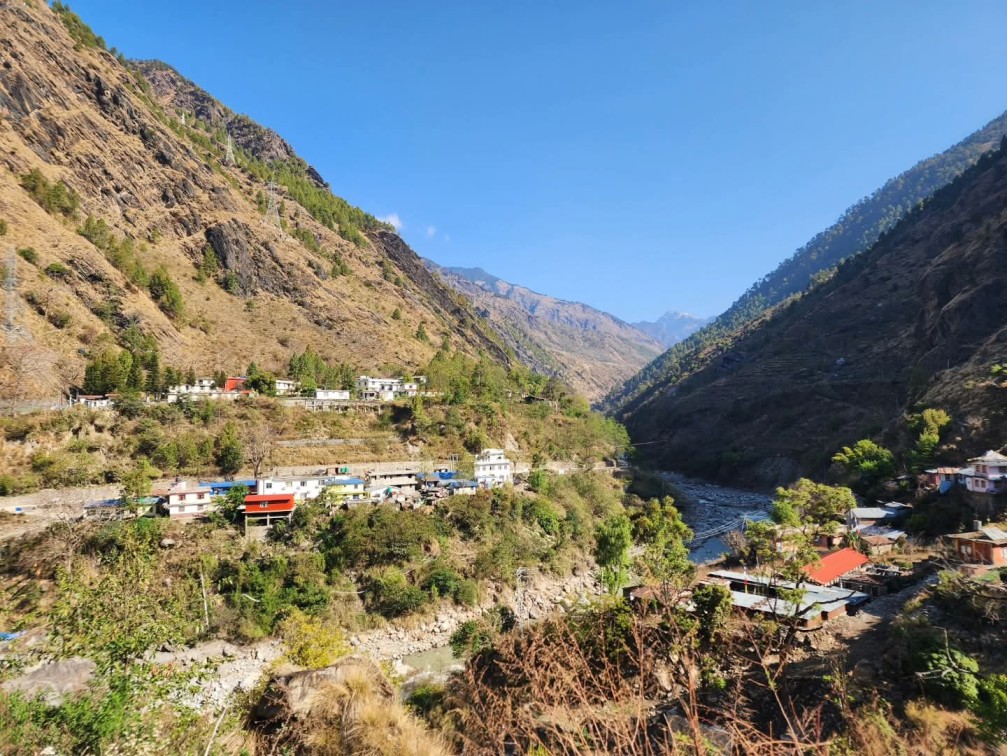
Syabrubesi is a lively mountain village and an important gateway to the Langtang region.
Driving time: Approximately 6–8 hours
Overnight: Syabrubesi
Altitude: Around 1,550 m
Day 2: Syabrubesi to Lama Hotel
Today is your first full day of trekking.
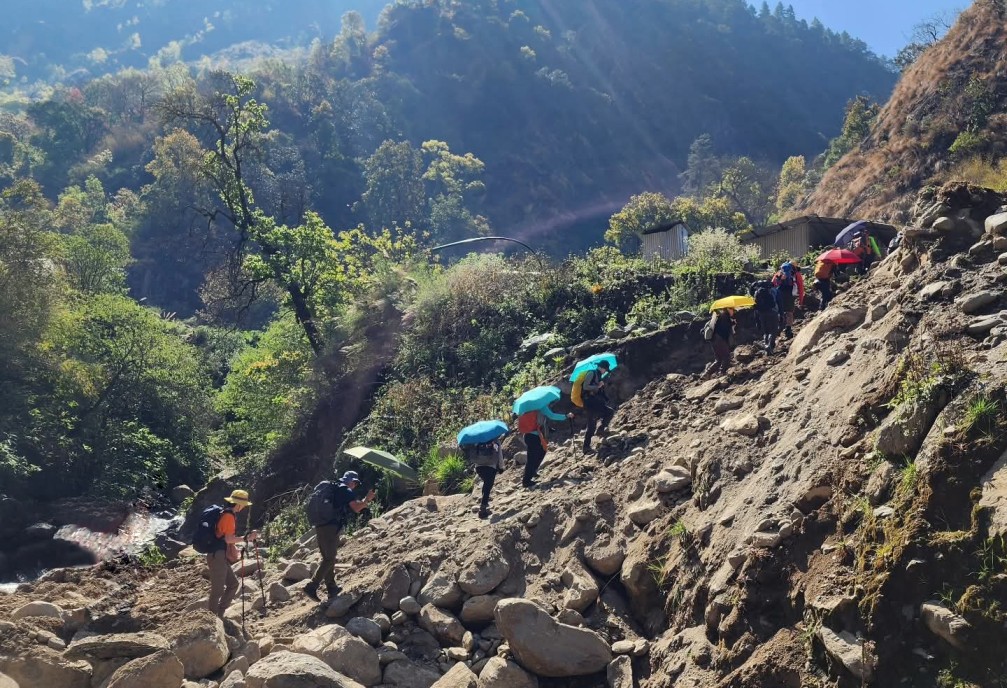
The trail follows the river and enters a beautiful forest. You will walk through areas covered with oak, rhododendron, bamboo, and other Himalayan vegetation.
The trail gradually climbs toward Lama Hotel. You will cross several small bridges and pass through peaceful forest sections.
The walking is not extremely technical, but there are many uphill sections.
Walking time: Approximately 5–6 hours
Overnight: Lama Hotel
Altitude: Around 2,380 m
Day 3: Lama Hotel to Langtang Village
After breakfast, you continue deeper into the Langtang Valley.
The trail gradually climbs through the forest before opening into wider mountain landscapes. As you gain altitude, the scenery changes and the mountains become more visible.
You eventually reach the Langtang area, where traditional stone houses, prayer flags, Buddhist culture, and mountain scenery become part of the journey.
Walking time: Approximately 5–6 hours
Overnight: Langtang Village
Altitude: Around 3,430 m
Day 4: Langtang Village to Kyanjin Gompa
Today is one of the most exciting days of the trek.
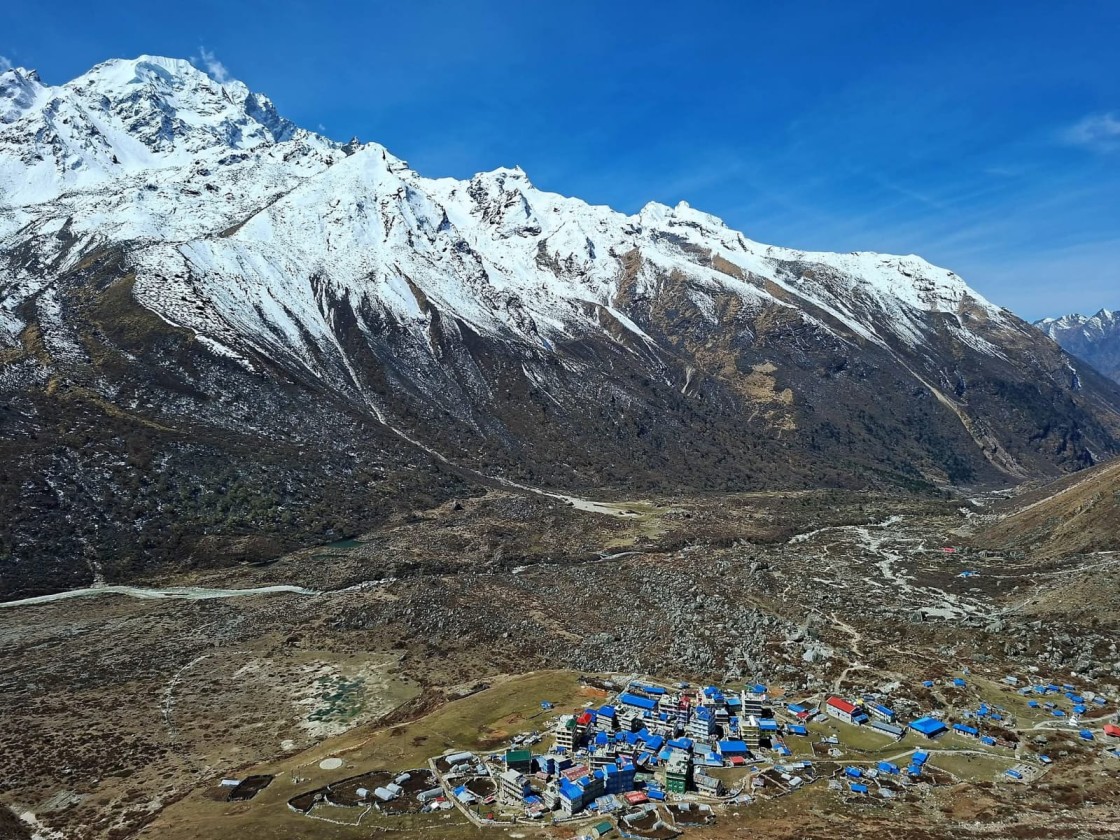
The trail continues toward Kyanjin Gompa, passing through beautiful Himalayan scenery. You will see yak pastures, prayer wheels, Buddhist monuments, and spectacular mountain views.
Kyanjin Gompa is the final major settlement on the classic Langtang Valley route.
After reaching Kyanjin Gompa, you can relax and enjoy the surrounding mountains.
Walking time: Approximately 3–4 hours
Overnight: Kyanjin Gompa
Altitude: Around 3,870 m
Day 5: Kyanjin Gompa to Lama Hotel
If you are following a short 7-day itinerary, you may not have a separate acclimatization day at Kyanjin Gompa.
After enjoying the morning views, you begin the return journey.
The trail follows the same valley back toward Lama Hotel. The downhill sections can feel easier than the ascent, but you should still walk carefully because of uneven terrain.
Walking time: Approximately 6–7 hours
Overnight: Lama Hotel
Day 6: Lama Hotel to Syabrubesi
Today you retrace the trail through the forest and gradually descend toward Syabrubesi.
After several days in the mountains, reaching Syabrubesi gives you time to rest and enjoy a comfortable evening.
Walking time: Approximately 5–6 hours
Overnight: Syabrubesi
Day 7: Syabrubesi to Kathmandu
After breakfast, you drive back to Kathmandu.
The journey gives you another chance to enjoy the changing landscape of Nepal, from mountain villages and hills to the Kathmandu Valley.
Your Langtang Valley Trek ends when you arrive in Kathmandu.
Driving time: Approximately 6–8 hours
Is the 7-Day Langtang Trek Right for You?
The 7-day option is best for people who:
- Have limited time in Nepal
- Are physically fit
- Are comfortable with longer walking days
- Want to see the main highlights of Langtang
- Do not need a slow trekking schedule
If you prefer a more relaxed experience, the 8-day or 10-day itinerary may be a better choice.
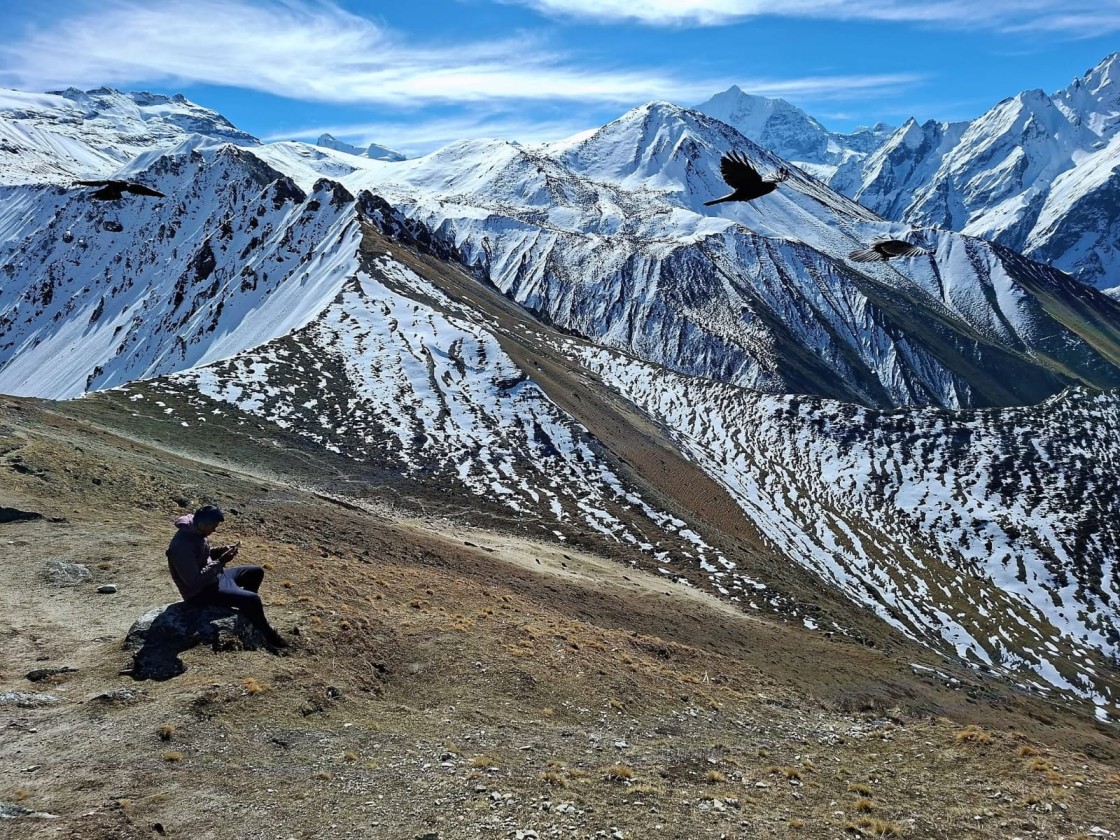
8-Day Langtang Valley Trek Itinerary
The 8-day Langtang Valley Trek is a good middle option. It gives you more time than the 7-day itinerary without making the trip too long.
For many travelers, this is one of the best choices because the walking days can be more comfortable.
Day 1: Kathmandu to Syabrubesi
Drive from Kathmandu to Syabrubesi.
Drive: Approximately 6–8 hours
Overnight: Syabrubesi
Spend the evening preparing for the trek and enjoying the mountain atmosphere.
Day 2: Syabrubesi to Lama Hotel
Start your trek after breakfast.
The trail follows the river and climbs through beautiful forests. You will cross bridges and walk through peaceful Himalayan surroundings before reaching Lama Hotel.
Walking: Approximately 5–6 hours
Overnight: Lama Hotel
Altitude: Around 2,380 m
Day 3: Lama Hotel to Langtang Village
Continue along the Langtang Valley.
The trail climbs gradually and eventually opens into wider landscapes. The mountain scenery becomes more impressive as you approach Langtang Village.
Walking: Approximately 5–6 hours
Overnight: Langtang Village
Altitude: Around 3,430 m
Day 4: Langtang Village to Kyanjin Gompa
Today you walk toward Kyanjin Gompa.
The distance is shorter than previous days, giving you time to enjoy the scenery and take photographs.
Kyanjin Gompa is surrounded by spectacular Himalayan peaks and is one of the most memorable places on the trek.
Walking: Approximately 3–4 hours
Overnight: Kyanjin Gompa
Altitude: Around 3,870 m
Day 5: Explore Kyanjin Gompa
This extra day is one of the main advantages of the 8-day itinerary.
Instead of immediately descending, you have time to explore the area around Kyanjin Gompa.
Depending on weather, fitness, and local conditions, you can take a hike toward nearby viewpoints such as Kyanjin Ri or Tserko Ri.
The views from higher points can include impressive Himalayan peaks and glaciers.
You can also spend time around the village, visit the monastery, and enjoy the mountain landscape.
Walking: Approximately 3–7 hours depending on the hike
Overnight: Kyanjin Gompa
Day 6: Kyanjin Gompa to Lama Hotel
After enjoying the morning around Kyanjin Gompa, begin your descent.
The trail takes you back through the Langtang Valley toward Lama Hotel.
Walking: Approximately 6–7 hours
Overnight: Lama Hotel
Day 7: Lama Hotel to Syabrubesi
Continue downhill through the forest.
You will eventually reach Syabrubesi, where you can relax after completing the main section of the trek.
Walking: Approximately 5–6 hours
Overnight: Syabrubesi
Day 8: Syabrubesi to Kathmandu
Drive from Syabrubesi back to Kathmandu.
Your Langtang Valley adventure officially comes to an end when you arrive in Kathmandu.
Drive: Approximately 6–8 hours
Why Choose the 8-Day Itinerary?
The 8-day itinerary is a great choice if you want:
- A balanced trekking schedule
- More time at Kyanjin Gompa
- An opportunity for a higher viewpoint
- Less pressure than the shortest itinerary
- Time to enjoy the mountains instead of rushing
- A good combination of adventure and relaxation
For first-time trekkers, the 8-day option can be easier to manage than a very fast itinerary.
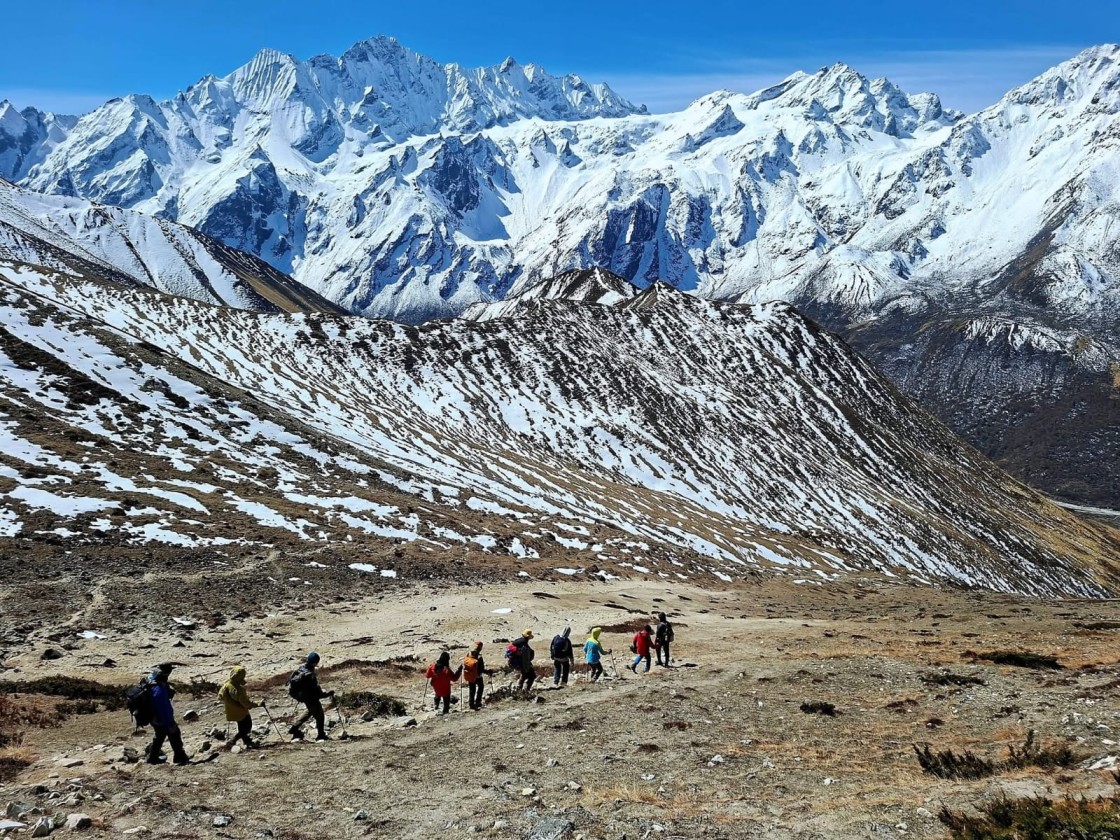
10-Day Langtang Valley Trek Itinerary
The 10-day Langtang Valley Trek is the most relaxed option of the three.
It is a good choice if you want to enjoy the journey slowly, spend more time in the mountains, and have extra flexibility for acclimatization and weather.
A 10-day trip also gives you more time to appreciate local culture and villages instead of focusing only on reaching the final destination.
Day 1: Kathmandu to Syabrubesi
Drive from Kathmandu to Syabrubesi.
Drive: Approximately 6–8 hours
Overnight: Syabrubesi
Day 2: Syabrubesi to Lama Hotel
Begin trekking through forests along the river.
Walking: Approximately 5–6 hours
Overnight: Lama Hotel
Day 3: Lama Hotel to Langtang Village
Continue toward Langtang Village through forest and mountain landscapes.
Walking: Approximately 5–6 hours
Overnight: Langtang Village
Day 4: Langtang Village to Kyanjin Gompa
Walk toward Kyanjin Gompa.
The trail becomes more open as you move deeper into the high valley.
Walking: Approximately 3–4 hours
Overnight: Kyanjin Gompa
Day 5: Explore Kyanjin Gompa
Spend a full day exploring Kyanjin Gompa and the surrounding area.
You can choose a suitable hike depending on your fitness and weather conditions.
Possible activities include:
- Hiking toward Kyanjin Ri
- Hiking toward Tserko Ri
- Exploring the valley
- Visiting the monastery
- Enjoying views of Langtang Lirung
- Photographing the Himalayan landscape
- Resting and enjoying the mountain environment
Overnight: Kyanjin Gompa
Day 6: Kyanjin Gompa to Langtang Village
Instead of making a long descent in one day, the 10-day itinerary can break the return journey into shorter sections.
This allows you to enjoy the trail without rushing.
Walking: Approximately 3–4 hours
Overnight: Langtang Village
Day 7: Langtang Village to Lama Hotel
Continue descending through the valley and forests.
Walking: Approximately 5–6 hours
Overnight: Lama Hotel
Day 8: Lama Hotel to Syabrubesi
Continue downhill toward Syabrubesi.
Walking: Approximately 5–6 hours
Overnight: Syabrubesi
Day 9: Syabrubesi to Kathmandu
Drive back to Kathmandu.
You can use this day as a flexible travel day depending on road and weather conditions.
Drive: Approximately 6–8 hours
Overnight: Kathmandu
Day 10: Departure or Extra Day in Kathmandu
The final day can be used as your departure day or as an extra day in Kathmandu.
If you have a late flight, you can enjoy some free time in the city before heading to the airport.
This extra day can also provide useful flexibility if road conditions or weather cause delays during the trek.
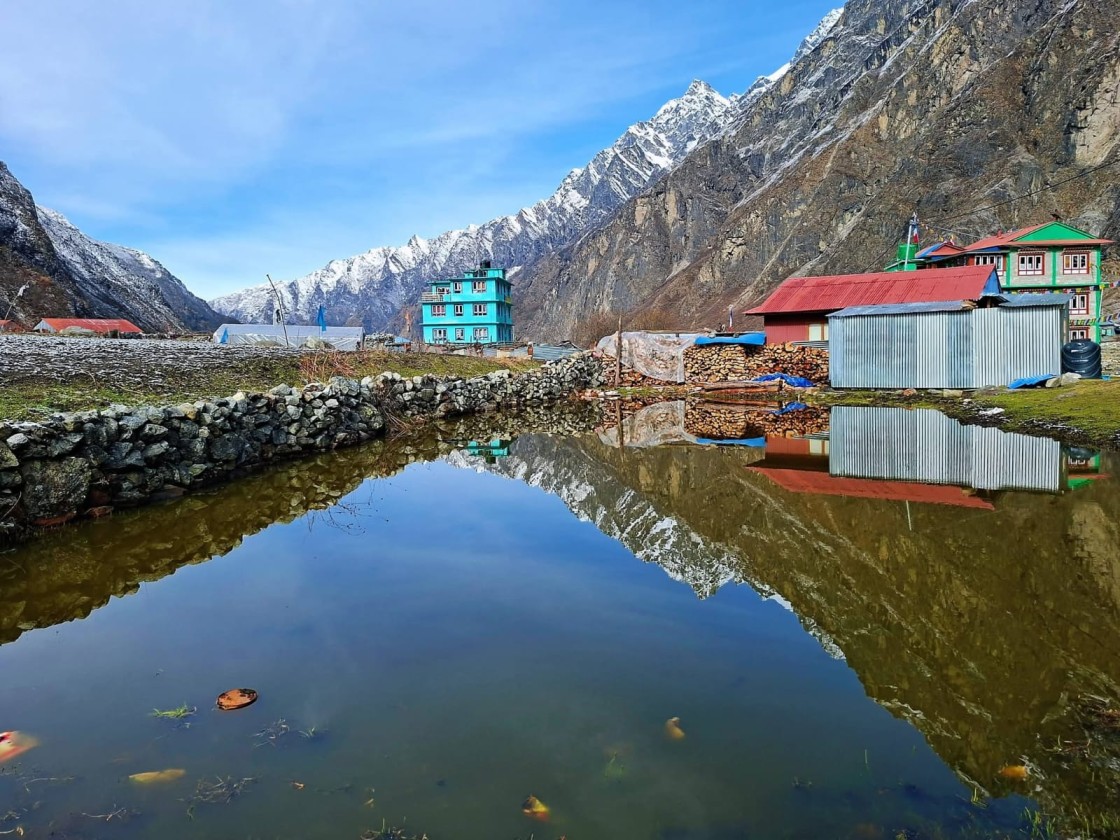
7 Days vs 8 Days vs 10 Days: Which Langtang Itinerary Is Best?
Choosing the right itinerary depends on your travel style.
Choose 7 Days If You Have Limited Time
The 7-day itinerary is ideal when you want to experience Langtang but have only a short holiday.
It covers the major highlights but requires a more active pace.
Choose 8 Days for a Balanced Trek
The 8-day itinerary is a good choice for most travelers.
You have enough time to reach Kyanjin Gompa and explore the area without making the entire trip too long.
Choose 10 Days for a Relaxed Experience
The 10-day itinerary is best if you do not want to rush.
It gives you more flexibility and allows you to spend more time enjoying villages, landscapes, and mountain views.
What Makes the Langtang Valley Trek Special?
The Langtang Valley Trek is different from some of Nepal’s more famous trekking routes.
It is relatively close to Kathmandu, yet the landscape changes dramatically once you enter the valley.
Within a few days, you can move from lower green forests to high Himalayan landscapes.
Beautiful Mountain Views
The Langtang region offers impressive views of snow-covered mountains.
Langtang Lirung is one of the most recognizable peaks in the valley, and the surrounding mountains create a spectacular backdrop throughout the trek.
Traditional Villages
The trek passes through mountain communities where you can experience local Himalayan life.
The villages, stone houses, prayer flags, monasteries, and traditional Buddhist culture make the journey more than just a mountain walk.
Forests and Wildlife
Lower sections of the trail pass through beautiful forests.
Depending on the season and conditions, you may see different birds and wildlife in the region.
Kyanjin Gompa
Kyanjin Gompa is one of the major highlights of the trek.
The settlement sits in a spectacular mountain environment and provides access to several nearby hiking opportunities.
Close to Kathmandu
One major advantage of Langtang is its accessibility.
You do not need to take a domestic flight to start the classic trek. The journey begins with a road trip from Kathmandu toward Syabrubesi.
How Difficult Is the Langtang Valley Trek?
The Langtang Valley Trek is generally considered a moderate trek, but it should not be treated as an easy walk.
You will walk uphill and downhill for several hours on multiple days.
The biggest challenge is not technical climbing. The main challenges are:
- Long walking days
- Steep sections
- Uneven trails
- Increasing altitude
- Cold weather at higher elevations
- Possible changes in weather
You do not need mountaineering experience for the classic Langtang Valley Trek.
However, regular walking and basic fitness will make the journey much more enjoyable.
What Is the Highest Point of the Langtang Valley Trek?
The highest overnight settlement on the classic route is Kyanjin Gompa, at approximately 3,870 meters.
If you hike higher from Kyanjin Gompa, the altitude increases considerably.
For example, Tserko Ri is around 5,000 meters, depending on the route and exact measurement used.
You do not have to climb Tserko Ri to complete the Langtang Valley Trek.
Your guide can help you decide which viewpoint is suitable based on your fitness, weather, and conditions.
Is Langtang Valley Trek Suitable for Beginners?
Yes, the Langtang Valley Trek can be suitable for beginners who are reasonably fit and properly prepared.
You do not need previous high-altitude trekking experience, but you should understand that this is a mountain trek.
Beginners should:
- Train before the trek
- Walk at a comfortable pace
- Stay hydrated
- Eat regular meals
- Follow the guide’s advice
- Avoid rushing to higher altitudes
- Tell the guide if they feel unwell
A slower itinerary can be a better choice for first-time trekkers.
Best Time for Langtang Valley Trek
The best seasons for the Langtang Valley Trek are generally spring and autumn.
Spring: March to May
Spring brings warmer temperatures, clearer mountain views, and blooming rhododendrons.
This is a beautiful time to trek through the forests.
Autumn: September to November
Autumn is another popular trekking season.
The weather is generally favorable and mountain views are often excellent.
Winter: December to February
Winter brings colder temperatures and possible snow at higher elevations.
Experienced trekkers can still visit Langtang in winter, but preparation is more important.
Monsoon: June to August
The monsoon season brings rain, clouds, muddy trails, and possible road difficulties.
Trekking is still possible, but conditions can be less predictable.
Langtang Valley Trek Cost
The cost of the Langtang Valley Trek depends on several factors.
Your total price may include:
- Transportation
- Trekking permits
- Guide
- Porter
- Accommodation
- Meals
- Staff wages
- Insurance
- Government fees
- Equipment
- Personal expenses
The price can also change depending on whether you choose a private trek or join a group.
A 7-day itinerary may cost less than a 10-day trip because of fewer trekking days, although the final price depends on the package and inclusions.
When comparing trekking companies, do not look only at the cheapest price.
Check what is actually included.
A very cheap package may exclude important services that you later need to pay for separately.
What Is Included in a Langtang Valley Trek Package?
Igloo Himalaya Treks we provide
Include :
- Kathmandu to Syabrubesi transportation
- Syabrubesi to Kathmandu transportation
- Kathmandu Hotel
- Breakfast Lunch Dinner During the trek seasonal fruits with Dinner
- 3 Cups Tea or Coffee in a day
- Licensed trekking guide
- Porter service if included in your package
- Sleeping Bag Duffel Bag, Down Jacket you have to return after trek
- Accommodation during the trek
- Required trekking permits
- Guide and porter insurance
- Guide and porter food and accommodation
- Trekking support
- Basic first-aid support
- Trip Complete Certificate Company Hat
Always confirm the exact inclusions with your trekking company before booking.
What Is Not Included?
Common personal expenses include:
- International flights
- Nepal visa fees
- Travel insurance
- Personal drinks
- Snacks
- Hot showers
- Wi-Fi
- Phone charging
- Personal shopping
- Tips
- Emergency evacuation costs
Travel insurance with high-altitude trekking coverage is strongly recommended.
What Should You Pack for Langtang Valley Trek?
You do not need to bring everything you own.
The best approach is to pack light but prepare for changing mountain weather.
Important items include:
Clothing
- Trekking T-shirts
- Warm fleece
- Down jacket
- Waterproof jacket
- Trekking trousers
- Thermal layers
- Warm hat
- Gloves
- Hiking socks
Footwear
A comfortable pair of trekking boots is important.
Wear your boots before the trek so you know they fit properly.
Personal Items
- Sunglasses
- Sunscreen
- Water bottle
- Headlamp
- Personal medicine
- Small first-aid items
- Toiletries
- Power bank
- Passport and required documents
A good backpack and comfortable daypack can also make the trek easier.
Do You Need a Guide for Langtang Valley Trek?
A guide is highly recommended for the Langtang Valley Trek.
A local guide can help with:
- Navigation
- Accommodation
- Trekking permits
- Communication
- Local information
- Safety
- Altitude awareness
- Emergency situations
A guide also helps you understand the culture and communities you meet along the trail.
Traveling with a local trekking company gives you the advantage of having someone who understands the region and the trail.
Langtang Valley Trek With Igloo Himalaya Treks
At Igloo Himalaya Treks, we focus on providing a comfortable and well-organized trekking experience in Nepal.
As a local Nepal trekking company, our team understands the trails, local communities, transportation, accommodation, and practical challenges that can happen during a Himalayan trek.
We do not want your Langtang trek to feel like you are simply following a schedule.
We want you to enjoy the journey.
From your arrival in Nepal to transportation, trekking, accommodation, and your return to Kathmandu, our team can help organize the important parts of your trip.
We can also customize the itinerary according to your available time and walking ability.
If 7 days feels too fast, we can recommend a longer itinerary.
If you have more time and want to explore the valley slowly, we can organize a 10-day option.
Our goal is simple: safe trekking, honest service, experienced local support, and a memorable experience in the Himalayas.
Frequently Asked Questions About Langtang Valley Trek
How many days do I need for the Langtang Valley Trek?
Most trekkers can complete the classic Langtang Valley Trek in around 7–10 days, depending on the itinerary and transportation schedule.
An 8-day itinerary is a good balanced option for many travelers.
Is 7 days enough for Langtang Valley?
Yes. Seven days can be enough to visit the main Langtang Valley highlights, but the itinerary will be more active.
Is 8 days enough for Langtang?
Yes. An 8-day itinerary gives you a good balance between trekking time and exploration.
Is 10 days too long for Langtang Valley?
No. Ten days can be ideal if you prefer a relaxed pace and want additional time around Kyanjin Gompa.
Can I trek Langtang Valley without flying?
Yes. The classic Langtang Valley Trek starts with a road journey from Kathmandu to Syabrubesi, so there is no need for a domestic flight.
Can beginners do the Langtang Valley Trek?
Yes. Beginners with reasonable fitness can complete the trek with proper preparation and a suitable itinerary.
What is the highest point of Langtang Valley Trek?
Kyanjin Gompa is around 3,870 meters. Optional hikes from Kyanjin Gompa can take you significantly higher.
Is Langtang Valley Trek safe?
The trek is generally suitable for prepared trekkers, but mountain conditions can change quickly. Altitude, weather, trail conditions, and road travel all need to be considered.
A qualified local guide can help manage these challenges.
Which is better: 7, 8, or 10 days?
There is no single answer.
Choose 7 days if you are short on time.
Choose 8 days if you want a balanced itinerary.
Choose 10 days if you prefer a slower and more flexible journey.
Final Thoughts: Which Langtang Valley Trek Itinerary Should You Choose?
The Langtang Valley Trek is a great choice if you want to experience the Himalayas without committing to a very long trek.
The 7-day itinerary is best for travelers with limited time.
The 8-day itinerary offers a comfortable balance between adventure and relaxation.
The 10-day itinerary is best for travelers who want to slow down, explore more, and enjoy the mountains without feeling rushed.
Whichever itinerary you choose, Langtang offers something special: beautiful Himalayan scenery, peaceful forests, traditional villages, Buddhist culture, and the unforgettable mountain environment around Kyanjin Gompa.
If you are planning your Langtang trek from Kathmandu, Igloo Himalaya Treks can help you choose an itinerary based on your time, fitness, budget, and travel plans.
Your Langtang adventure does not have to be rushed. Choose the right number of days, walk at your own pace, and enjoy the journey into the Himalayas.


