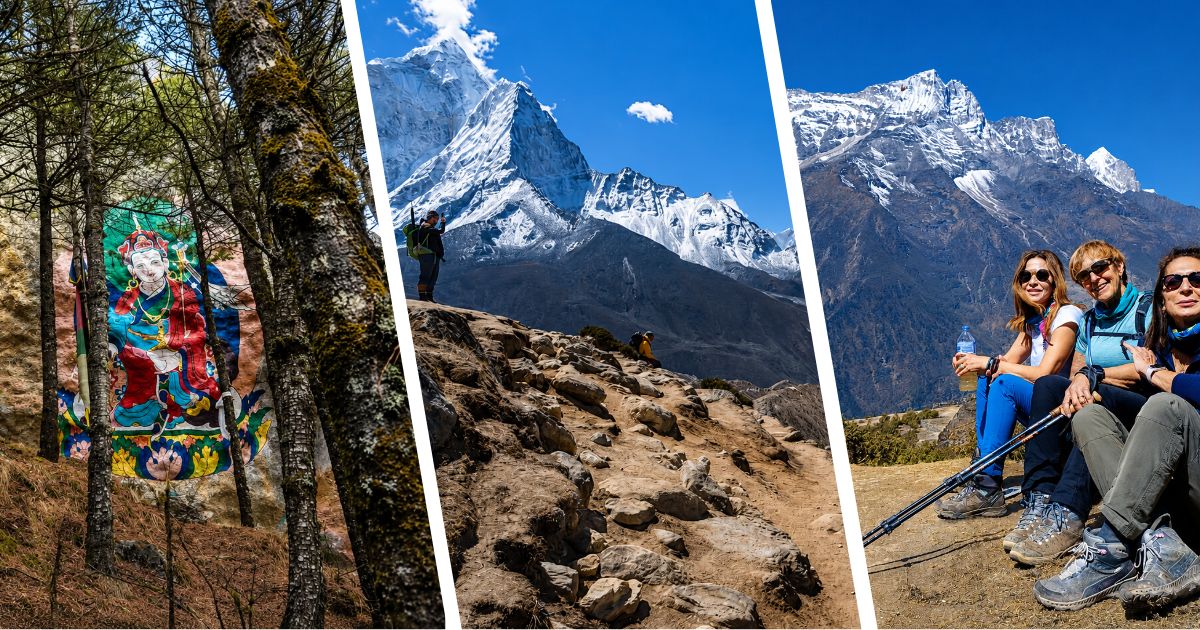
Climbing in Nepal doesn’t always mean an 8,000-meter expedition with months of preparation and a six-figure budget. Since 1978, the Nepal Mountaineering Association has classified a specific category of 33 mountains as “trekking peaks,” summits that require a guide and a permit but not the full expedition infrastructure of Everest or Annapurna I. These peaks, ranging from 5,500 to 6,584 meters, are how most climbers get their first real taste of Himalayan mountaineering, using crampons, fixed ropes, and an ice axe on routes that are graded, guided, and genuinely achievable with the right preparation.
In this guide we will walk you through the most popular trekking peaks available in Nepal today, along with the real permit costs, difficulty ratings, and seasonal details that actually matter when you’re deciding where to start.
Climbing in Nepal: Quick Comparison of Popular Peaks
Before looking at each peak individually, here’s how the four most climbed trekking peaks in Nepal compare on the numbers that shape a decision.
| Peak | Height | Region | Difficulty | Duration | NMA Permit Fee |
|---|---|---|---|---|---|
| Yala Peak | 5,500–5,732 m | Langtang | Beginner-friendly | 12 Days | No NMA permit required |
| Mera Peak | 6,476 m | Everest (Hinku Valley) | Non-technical, moderate | 17–18 Days | USD 350 (spring/autumn) |
| Island Peak | 6,189 m | Everest (Khumbu) | Moderate to technical | 16 Days | USD 350 (spring), USD 175 (autumn) |
| Lobuche Peak | 6,119 m | Everest (Khumbu) | Technical | 16 Days (with EBC) | Similar NMA bracket to Island Peak |
What Counts as “Climbing” in Nepal?
Not every Himalayan summit in Nepal falls under the same rules, and understanding the difference between a trekking peak and a full expedition peak changes how you plan, budget, and train for a climb.
Here is how the classification actually works.
Trekking Peaks vs Expedition Peaks
The Nepal Mountaineering Association (NMA) governs a specific list of trekking peaks under 7,000 meters, mostly non-technical or moderately technical climbs that require a licensed guide but not a full Department of Tourism expedition permit. Mountains above this range, including all 8,000-meter giants like Everest, Manaslu, and Annapurna I, fall under a separate, far more expensive expedition permit system.
The Alpine Grading System
Trekking peaks in Nepal are graded using the Alpine system, most falling under “F” (facile/easy) to “PD” (peu difficile/somewhat difficult). Yala Peak and Mera Peak are both generally rated non-technical to PD, while Island Peak’s summit headwall pushes it toward the more demanding end of the PD range, involving fixed ropes and a genuine climbing pitch rather than just glacier walking.
Why Trekking Peaks Are the Right Starting Point
Trekking peaks let climbers experience real glacier travel, crampon use, fixed-rope ascents, and pre-dawn summit pushes without the extreme cost or multi-month commitment of an 8,000-meter expedition, making them the standard entry point for anyone serious about Himalayan mountaineering.
Permits and Rules for Climbing in Nepal
Permit structure is one of the most misunderstood parts of climbing in Nepal, since fees vary by season, peak, and group size, and the rules around independent climbing are strict.
Here is what every climber needs to know.
NMA Climbing Permits
Most trekking peaks require an NMA Climbing Permit, priced by season and typically covering a group of one to four climbers as a base rate, with additional climbers costing extra. For Mera Peak, this runs USD 350 in spring and autumn, and USD 200 for winter or monsoon groups of one to four. Island Peak follows a similar bracket, at USD 350 in spring and USD 175 in autumn and the off-seasons.
National Park and Conservation Fees
On top of the NMA fee, every trekking peak sits inside a national park or conservation area, which adds its own entry permit. Mera Peak requires the Makalu Barun National Park Entry Permit (USD 30), while both Mera and Island Peak require the Khumbu Pasang Lhamu Rural Municipality Permit (roughly USD 20 to 23), since both routes pass through the Khumbu.
Garbage Deposits and Local Rules
The NMA also requires a refundable garbage deposit on most peaks, generally USD 250 to 500 per expedition, returned once your team carries its waste back down. Independent or solo climbing is not permitted on any NMA trekking peak; every team must be accompanied by a licensed guide from a registered agency, and permits can only be issued through that agency, not directly to individual climbers.
The Exception: Yala Peak
Yala Peak in the Langtang region is one of the few popular trekking peaks that does not require an NMA climbing permit at all, since its route and technical demands fall under a simpler classification. Climbers there only need the Langtang National Park Entry Permit (NPR 3,000, about USD 25) and a TIMS card (NPR 2,000, about USD 16), which is part of why it’s often recommended as the easiest entry point into Himalayan climbing.
Yala Peak: The Best Beginner Climb in Nepal
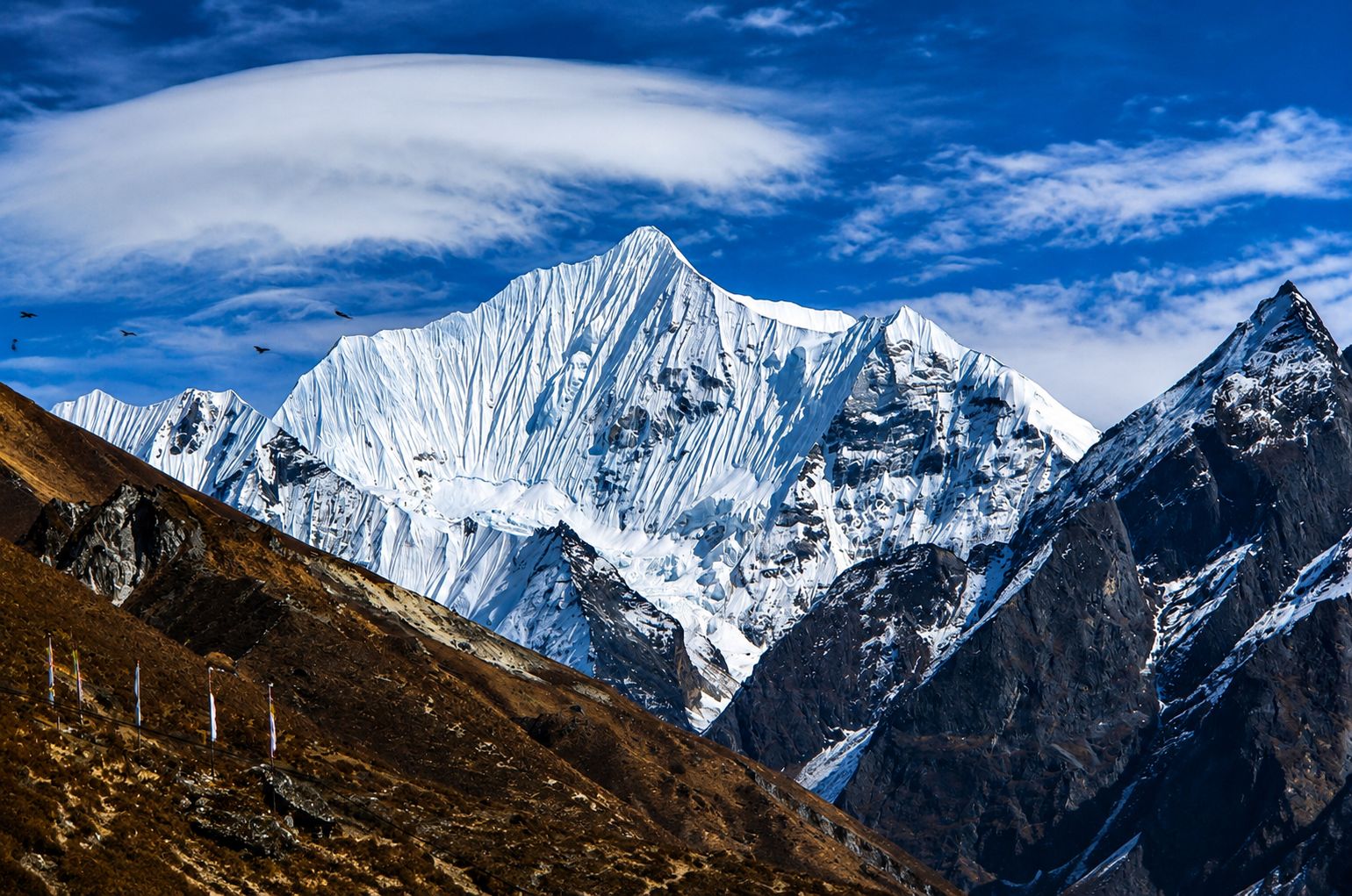
For climbers who want a genuine summit experience without heavy technical demands, Yala Peak in the Langtang region is generally considered the most accessible trekking peak in Nepal.
Here’s what makes it a strong starting point.
Route and Altitude
The climb begins with the standard Langtang Valley Trek through Lama Hotel and Langtang Village to Kyanjin Gompa (3,870 m), where climbers spend an acclimatization day, often hiking to Kyanjin Ri (4,773 m) or Tserko Ri (4,984 m) beforehand. From Kyanjin Gompa, the route continues to Yala Base Camp at Yala Kharka (4,600 m), before a summit push along the Southeast face to the top at approximately 5,500 to 5,732 meters, depending on the exact route taken.
Why It Suits First-Time Climbers
The Southeast face requires no fixed ropes on most ascents, though crampons are recommended for icy sections, and no Nepal Mountaineering Association (NMA) Climbing Permits is needed at all. From the summit, climbers see Shishapangma (8,013 m), Langtang Lirung, Ganesh Himal, Dorje Lakpa, and Gangchempo in a single panorama. Full details are on our Yala Peak Climbing page.
Mera Peak: Nepal’s Highest Trekking Peak
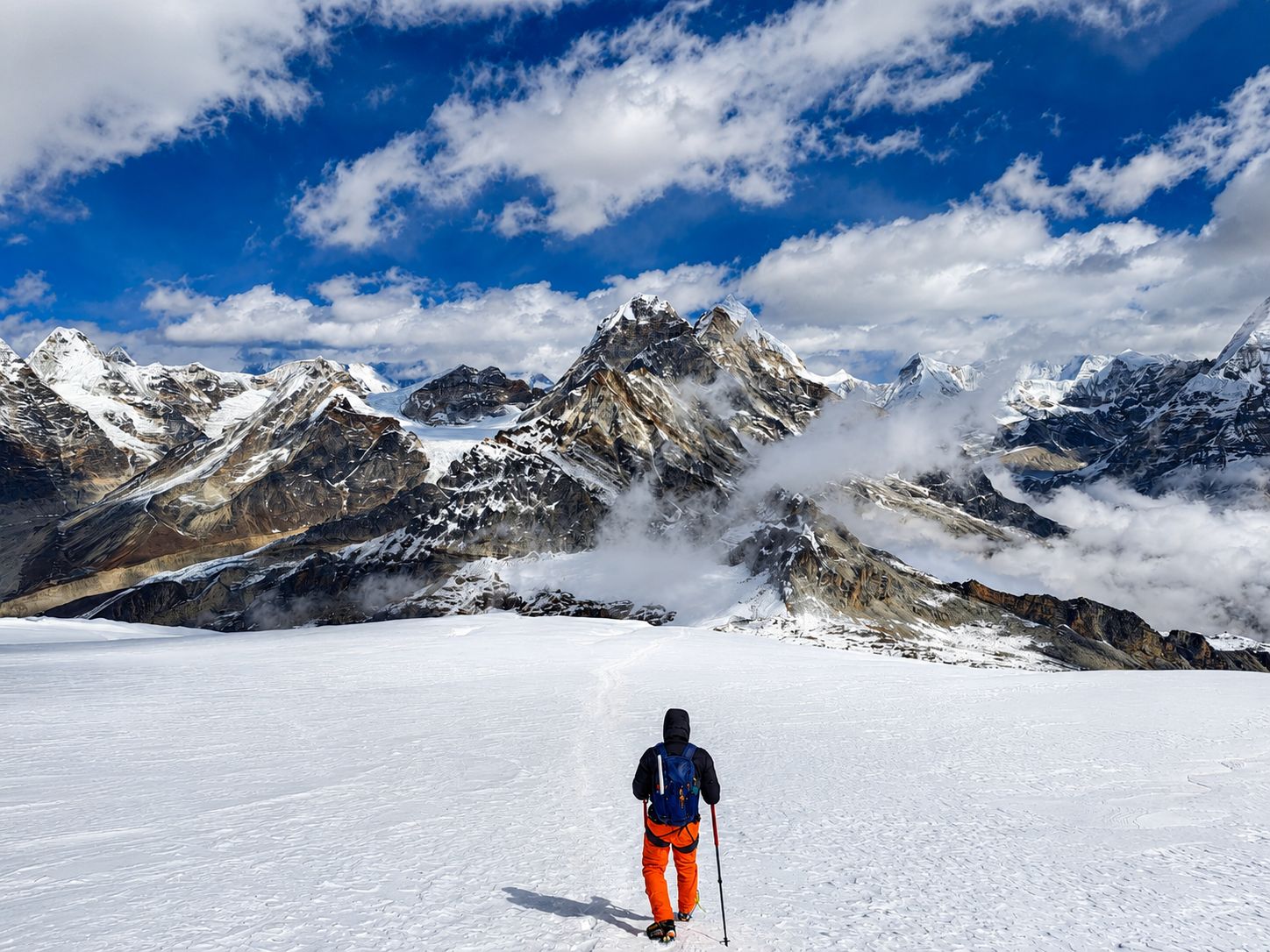
Mera Peak holds the title of Nepal’s highest trekking peak at 6,476 meters, and it’s widely known among guides as the “practice peak” for climbers preparing for bigger Himalayan objectives.
Here’s what defines this climb.
Route and Base Camps
The route departs from the main Everest Base Camp trail almost immediately after Lukla, heading instead toward Paiya, Panggom, and the remote Hinku Valley, reaching Khare (4,900–5,045 m) before Mera Base Camp (5,780 m) and High Camp (5,800 m). The final ascent involves a steady glaciated climb with short sections up to 35–40° steepness.
Why Climbers Choose Mera Peak
Despite requiring crampons, an ice axe, and rope work, Mera Peak is officially classified as non-technical, making it achievable for climbers with good fitness and basic mountaineering training rather than advanced technical skill. Its summit rewards climbers with views of five 8,000-meter peaks at once: Everest, Lhotse, Makalu, Kangchenjunga, and Cho Oyu. It’s worth noting that success isn’t guaranteed purely on paper. A commonly cited figure puts Mera Peak’s overall success rate at just above 50% in a recent season, mostly due to insufficient acclimatization or fitness, which is why longer 18-day itineraries with proper rest days matter. Full details are on our Mera Peak Climbing page.
Island Peak: Nepal’s Most Popular Technical Climb
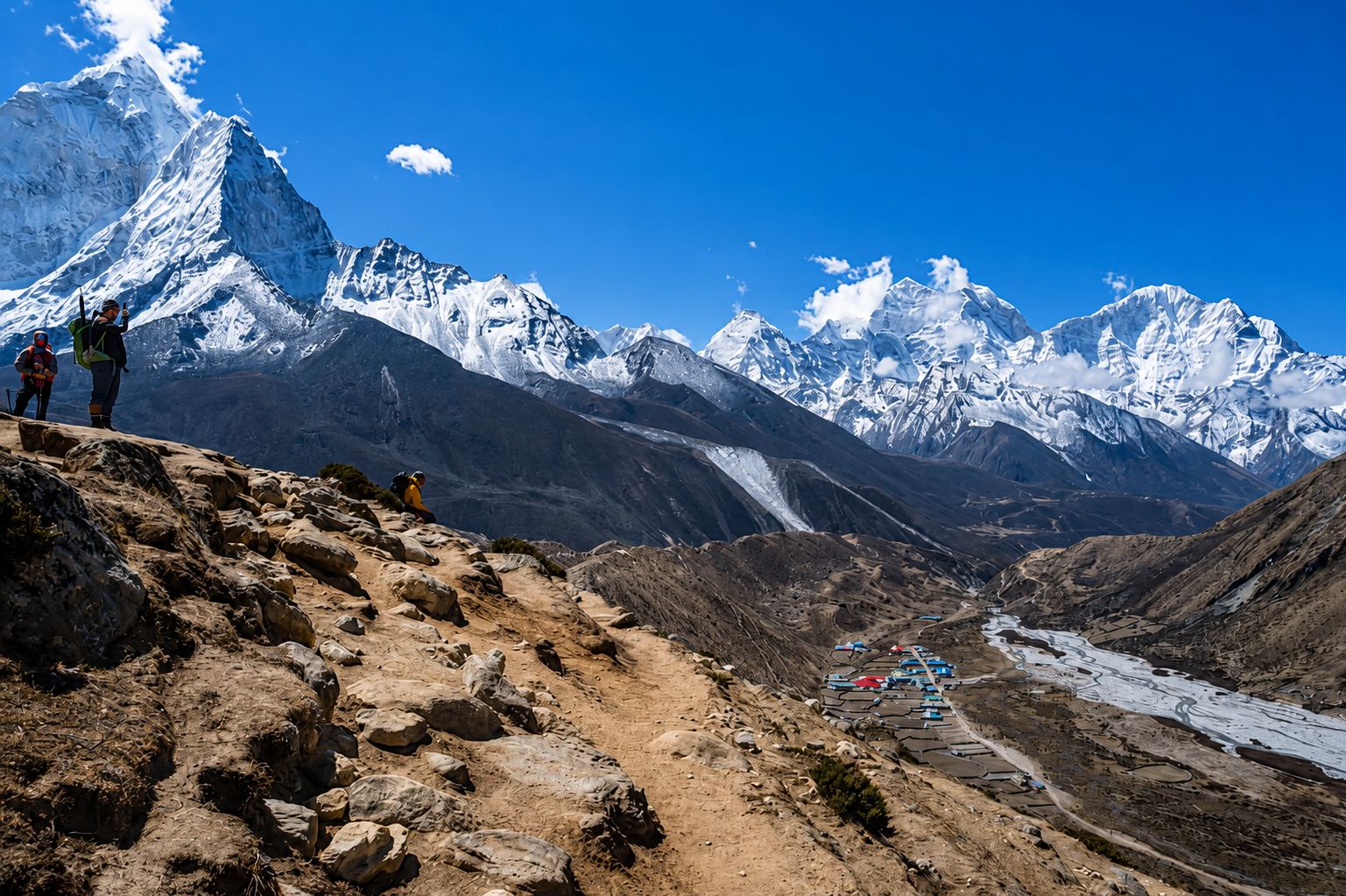
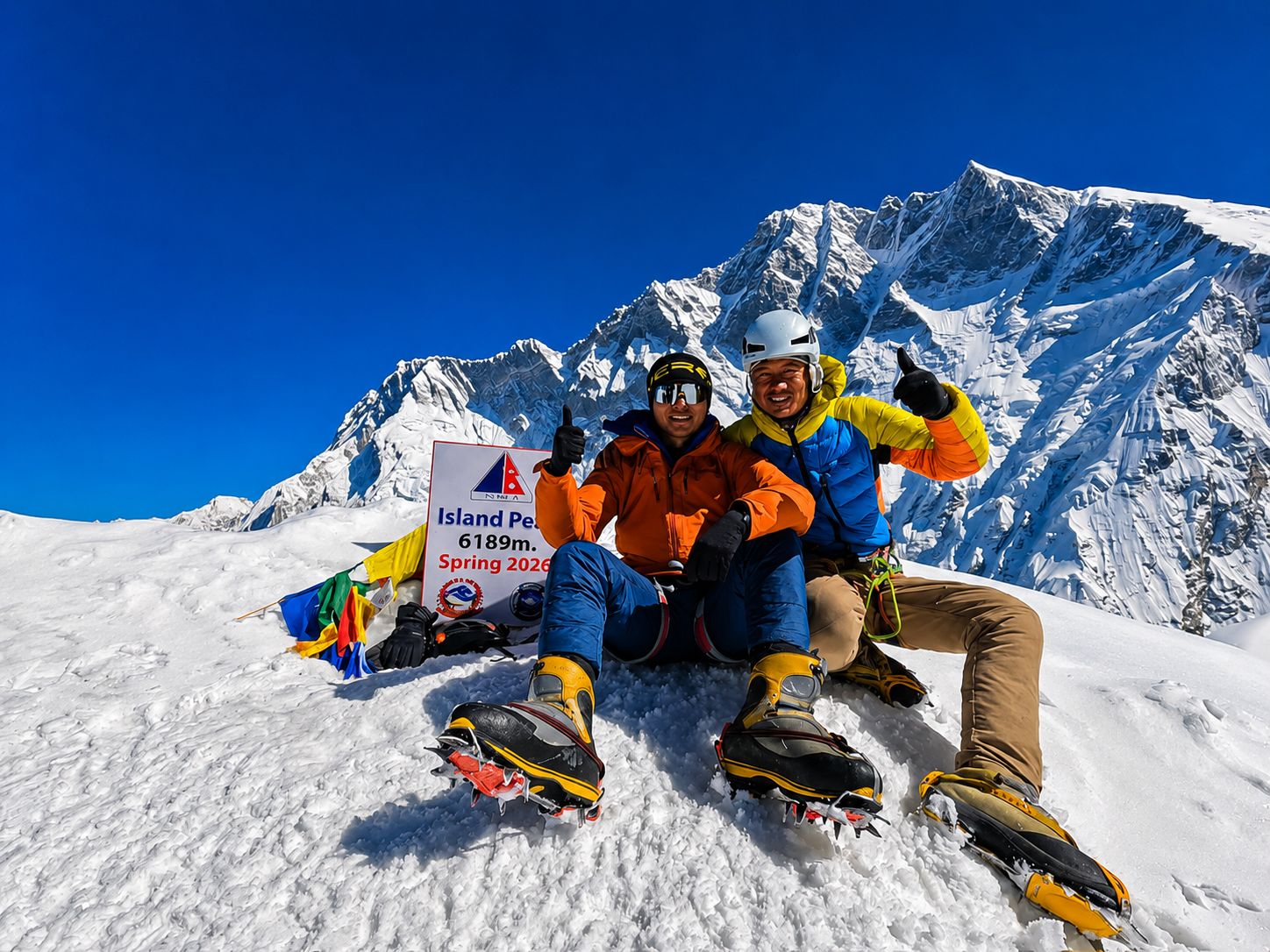
Island Peak, known locally as Imja Tse, is the most attempted technical trekking peak in Nepal, with an estimated 2,000 climbers taking it on every year.
Here is what makes it different from Mera and Yala.
Route and the Headwall
The standard route follows the Everest Base Camp trail through Namche Bazaar, Tengboche, and Dingboche before reaching Chhukung (4,730 m) and Island Peak Base Camp (roughly 5,100 m). Summit day begins around midnight, crossing the Imja Glacier before hitting the fixed-rope headwall, a roughly 150-meter stretch of steep terrain climbed using jumars, that most guides consider the crux of the route.
Why It Is Rated More Technical
Unlike Mera or Yala, Island Peak’s summit ridge is a genuine knife-edge with exposure on both sides, and the headwall demands real upper-body strength alongside crampon and rope technique. From the 6,189-meter summit, climbers see Everest, Lhotse, Makalu, and Ama Dablam laid out across the Khumbu. Full details are on our Island Peak Climbing page.
Lobuche Peak: A Quieter Technical Alternative
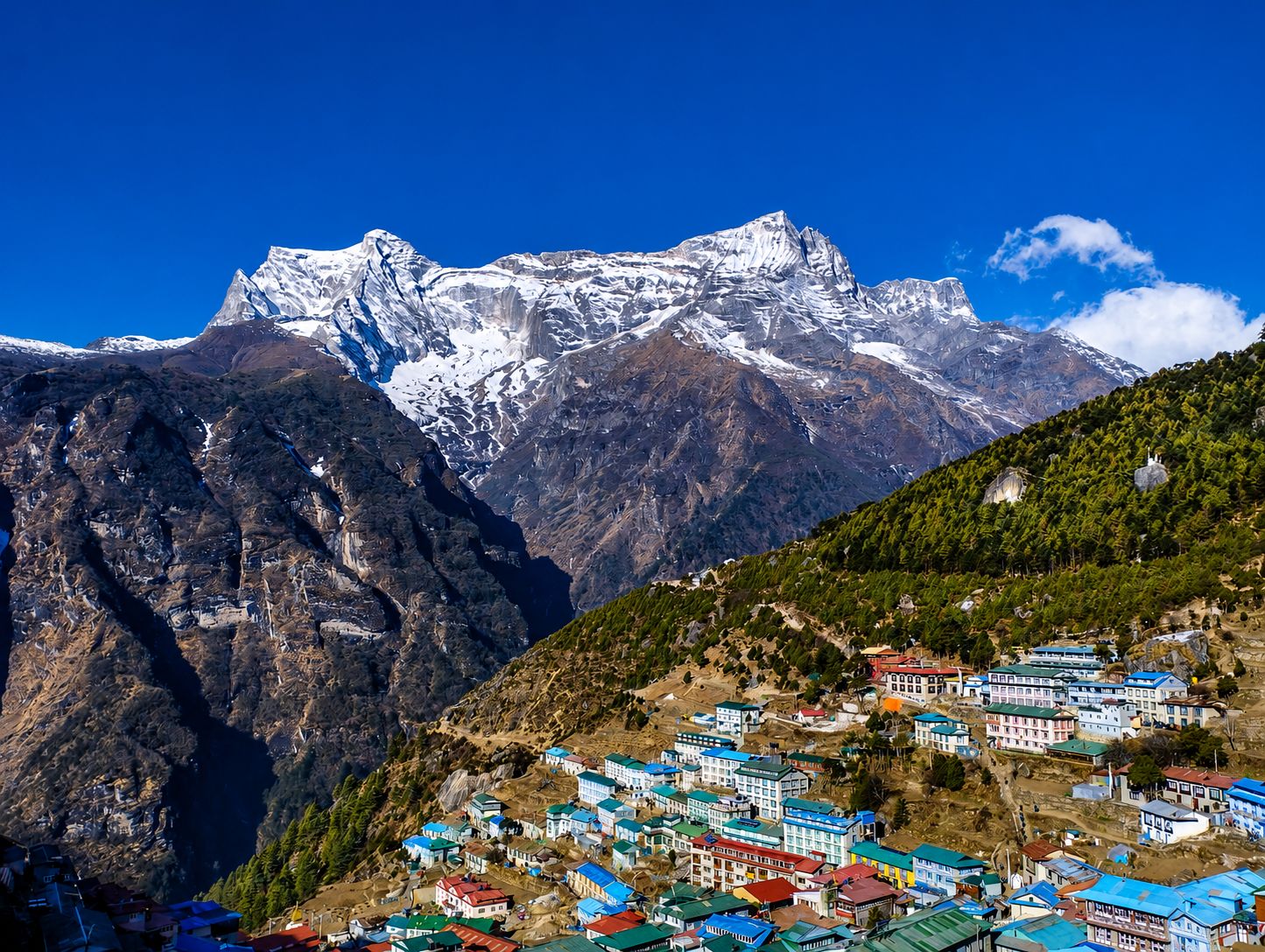
Lobuche Peak (6,119 m) sits close to Island Peak on the difficulty scale but sees considerably fewer climbers, making it a solid alternative for climbers who want a comparable technical challenge on a quieter route.
Since the standard approach to Lobuche follows the same Everest Base Camp corridor before branching toward its own base camp, it’s commonly combined directly with an Everest Base Camp itinerary rather than climbed as a standalone trip. Our EBC Trek with Lobuche Peak Climbing package covers both destinations in a single 16-day itinerary.
Why Climbers Choose Lobuche Peak climbing
Lobuche Peak is a popular choice for climbers seeking a more technical challenge than Mera Peak while avoiding the larger crowds often found on Island Peak. The climb involves steeper terrain, fixed ropes, and glacier travel, making it well suited to those with good fitness and basic mountaineering skills. Its location near Everest Base Camp also makes it an excellent option for climbers wanting to combine a classic Khumbu trek with a rewarding Himalayan summit.
Combining Climbing With Everest Base Camp
Many climbers don’t want to choose between trekking to Everest Base Camp and attempting a summit, and several combined itineraries solve that directly.
Here are the main combined options available.
-
Everest Base Camp with Island Peak Climbing
This 18-day itinerary takes climbers to Everest Base Camp and Kala Patthar first, then continues to Chhukung and Island Peak Base Camp for the summit attempt, combining the region’s two most iconic objectives in one trip. Details are on our Everest Base Camp Trek with Island Peak Climbing page.
-
Everest Three High Passes with Island Peak Climbing
For climbers who want the most complete version of the Khumbu, this 20-day itinerary adds all three major passes, Kongma La, Cho La, and Renjo La, to the Island Peak summit attempt, making it one of the most demanding combined itineraries in the region.
Physical Preparation and Gear for Climbing in Nepal
Trekking peaks are far more approachable than full expeditions, but they still demand real preparation, and underestimating this is one of the most common reasons climbers turn back before the summit.
-
Building Fitness Before You Arrive
Most guides recommend starting training three to four months before departure, focusing on cardio, stair climbing with a weighted pack, and long hikes rather than pure gym work, since summit day on peaks like Island Peak or Mera Peak typically runs 10 to 12 hours at altitude.
-
Technical Skills You will Actually Use
Crampon walking, ice axe self-arrest, jumar (ascender) use on fixed ropes, and basic harness and carabiner handling are taught on-site by your climbing guide, usually with a full training session at base camp before the summit push, so prior technical experience helps but isn’t always mandatory.
-
Travel Insurance Is Non-Negotiable
Standard trekking insurance does not cover mountaineering above 6,000 meters. Climbers need a policy that specifically covers high-altitude climbing and helicopter evacuation, since rescue operations in this terrain can run into thousands of dollars if you’re not covered.
Best Season for Climbing in Nepal
Timing affects both summit safety and visibility across nearly every trekking peak in the country.
-
Spring and Autumn
Spring (March to May) and autumn (September to November) are considered the best seasons for climbing in Nepal, offering the most stable weather windows and clearest summit views, though NMA permit fees are typically highest during these two seasons since demand peaks alongside them.
-
Winter and Monsoon Considerations
Winter and monsoon climbs are possible on some peaks at a lower permit cost, but they come with real trade-offs: colder temperatures and higher avalanche risk in winter, and poor visibility with unstable trail conditions during the monsoon months.
Which Climbing Peak Is Right for You?
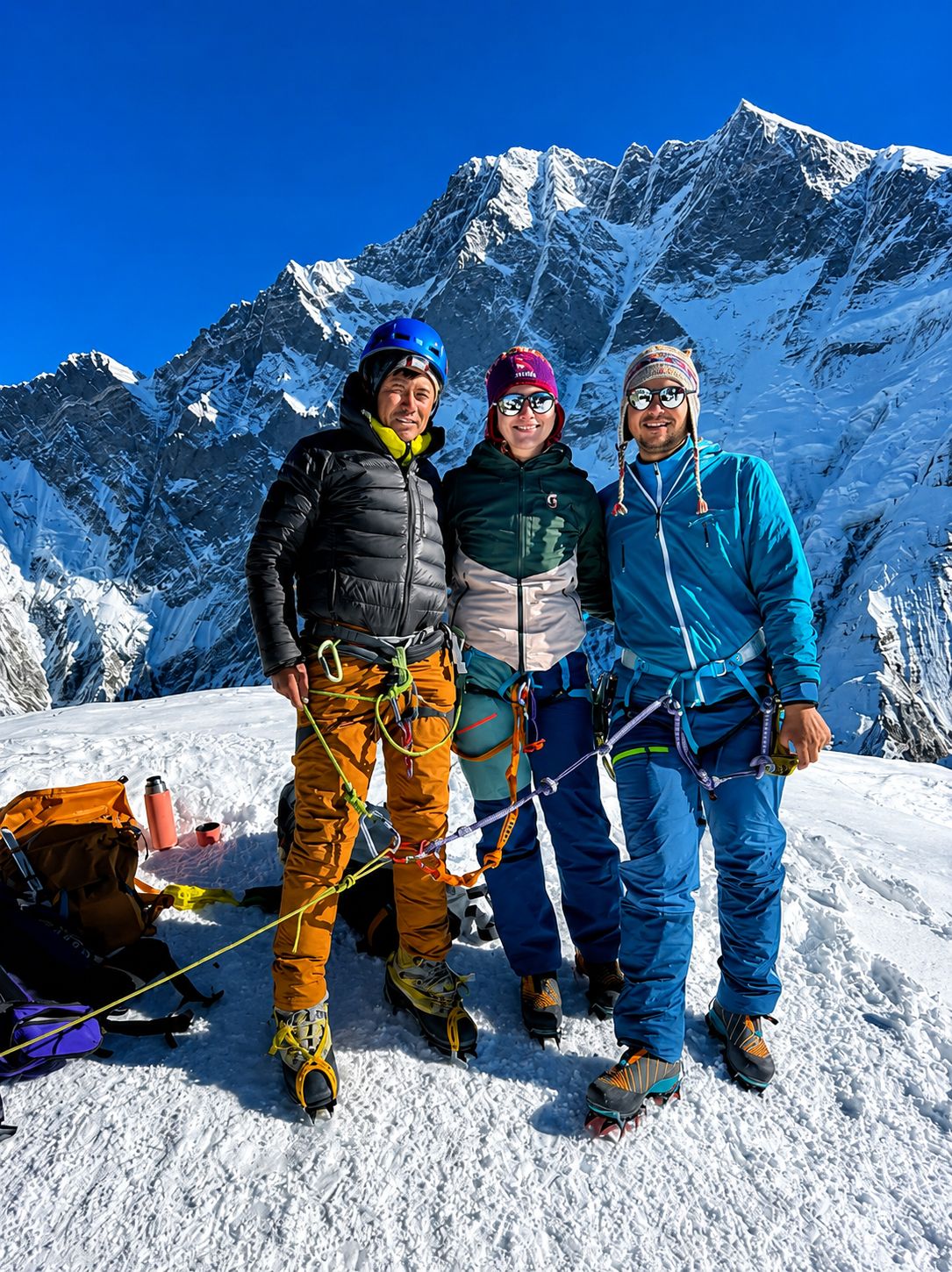
Choosing the right climbing peak depends on your previous trekking/climbing experience, fitness level, and how much technical climbing you want to take on. While all four peaks offer a rewarding Himalayan summit experience, each is suited to a different type of climber.
| If you are… | Recommended Peak | Why It Suits You |
| A complete beginner looking for a first Himalayan summit | Yala Peak | The least technical option, requiring no NMA climbing permit and only basic mountaineering skills taught by your guide. |
| An experienced trekker wanting to climb above 6,000 meters | Mera Peak | Nepal’s highest trekking peak, offering a high-altitude challenge without demanding advanced technical climbing experience. |
| Looking to learn technical mountaineering skills | Island Peak | Involves glacier travel, fixed ropes, and a steep summit headwall, making it ideal for climbers ready to move beyond non-technical peaks. |
| Already comfortable with basic mountaineering and seeking a quieter technical climb | Lobuche Peak | A more demanding ascent than Mera Peak, with fewer crowds and a route that rewards climbers looking for greater technical challenge. |
If you’re still unsure which peak is the best fit, think about your goal rather than simply choosing the highest mountain. Yala Peak is ideal for building confidence, Mera Peak is best for experiencing extreme altitude, Island Peak introduces more technical climbing, and Lobuche Peak suits climbers looking to further develop their mountaineering skills on a less crowded route.
Conclusion
Climbing in Nepal covers a wide range of experiences, from Yala Peak’s beginner-friendly, permit-light ascent in the Langtang region to Island Peak’s technical headwall in the heart of the Khumbu. Choosing the right peak comes down to your fitness level, prior experience, and how much technical exposure you’re genuinely comfortable with, rather than simply picking the most famous name on the list.
If you are planning your first climb in Nepal, or want to combine a summit attempt with a trek to Everest Base Camp, Igloo Himalaya Treks can help you choose the right peak and prepare properly for it. As one of the best trekking companies in Nepal, our climbing guides carry NMA licenses and firsthand summit experience across Yala, Mera, and Island Peak. Visit our Peak Climbing page to see current departure dates and get a personalized recommendation for your first Himalayan summit.
FAQs
What is the easiest peak to climb in Nepal?
Yala Peak in the Langtang region is generally considered the easiest peak to climb in Nepal, since it requires no NMA climbing permit and involves no fixed ropes on most ascents.
Do I need climbing experience to climb in Nepal?
Not for peaks like Yala or Mera, which are classified as non-technical. Basic mountaineering skills such as crampon use and rope handling are taught on-site by your guide before the summit push.
How much does it cost to climb a trekking peak in Nepal?
Costs vary by peak, but NMA permit fees alone typically range from USD 175 to 350 depending on the season, on top of national park fees, guide costs, and the overall trek package price.
Which is harder, Island Peak or Mera Peak?
Island Peak is generally considered more technical due to its fixed-rope headwall and exposed summit ridge, while Mera Peak, despite its higher altitude, is officially classified as non-technical.
Can beginners climb in Nepal?
Yes, peaks like Yala Peak and Mera Peak are specifically suited to beginners with good fitness, since technical training is provided on-site and neither requires prior climbing experience.
What is the best season for climbing in Nepal?
Spring (March to May) and autumn (September to November) are the best seasons for climbing in Nepal, offering the most stable weather and clearest summit visibility.
Can I climb solo in Nepal?
No, independent or solo climbing is not permitted on any NMA-regulated trekking peak. Every climbing team must be accompanied by a licensed guide from a registered trekking agency.


