Packing for the Langtang Valley Trek isn’t about bringing more gear—it’s about bringing the right gear.
Every year, we meet trekkers in Kathmandu who either arrive with backpacks full of unnecessary equipment or forget essential items they wish they had once the trail begins. After guiding hundreds of trekkers through the Langtang region, we’ve noticed the same mistakes happen again and again.
The Langtang Valley Trek climbs from around 1,400 meters in Syabrubesi to nearly 5,000 meters at Tserko Ri, where the weather can change dramatically within a few hours. You may start your morning wearing a fleece, hike comfortably in a T-shirt under warm sunshine, and finish the day bundled in a down jacket as temperatures drop below freezing.
Unlike the Everest region, Langtang has fewer gear shops once you leave Kathmandu. If you forget something important, replacing it on the trail can be difficult and expensive. That’s why packing smart before your trek is one of the easiest ways to stay comfortable, safe, and fully enjoy the journey.
This complete Langtang Valley Trek packing list is based on real guiding experience in every trekking season. Whether you’re visiting during spring, autumn, winter, or the monsoon, you’ll learn exactly:
- What clothing is essential for changing mountain weather
- Which trekking gear is worth carrying and what you can skip
- How to pack lighter without sacrificing comfort
- What first-time trekkers often forget
- Seasonal packing tips for spring, autumn, winter, and monsoon
- A printable checklist you can use before your departure
By the end of this guide, you’ll know exactly what belongs in your backpack—and what should stay at home—so you can focus on enjoying one of Nepal’s most beautiful Himalayan adventures instead of worrying about your gear.
Langtang Valley Trek Packing List (2026 )
Packing smart starts with understanding the mountain climate. The Langtang Valley Trek takes you from lush forests and raditiontal Tamang villages to alpine landscapes above 3,800 meters. As you gain altitude, the temperature drops quickly, and the weather can change within hours. A warm morning in Syabrubesi can become a freezing evening in Kyanjin Gompa.
Unlike city travel, trekking in the Himalayas requires clothing that can adapt to changing conditions throughout the day. The key is to pack light while making sure you stay warm, dry, and comfortable.
Dress in Layers Instead of Packing Heavy Clothes
Experienced Himalayan trekkers never rely on one thick jacket. Instead, they wear several lightweight layers that can be added or removed as the temperature changes.
Moisture-Wicking Base Layer
The first layer keeps sweat away from your skin. Staying dry is essential because damp clothing loses warmth quickly at high altitude.
Pack:
- 2–3 quick-dry trekking shirts
- One thermal long-sleeve top
- One lightweight hiking shirt with UV protection
Synthetic or merino wool fabrics work much better than cotton, which absorbs moisture and dries very slowly.
Insulating Mid Layer
The middle layer traps body heat while allowing excess moisture to escape. This layer is usually worn during chilly mornings, lunch breaks, and evenings inside the tea houses.
Recommended items include:
- A lightweight fleece jacket
- An insulated synthetic jacket
- A warm down jacket for higher elevations
Once you reach Kyanjin Gompa, nighttime temperatures often fall below freezing, even during spring and autumn. A quality down jacket becomes one of the most valuable items in your backpack.
At Igloo Himalaya Treks, we also provide clean, high-quality down jackets for trekkers who prefer renting instead of buying expensive gear.
Waterproof Outer Layer
Mountain weather is unpredictable. Sunshine can quickly give way to rain, snow, or strong winds.
Always carry:
- Waterproof hiking jacket
- Windproof shell
- Lightweight rain cover or poncho during the monsoon season
Choose breathable waterproof clothing so you remain comfortable during long hiking days.
Comfortable Trekking Pants for Every Condition
Your legs work hard every day on the trail, so comfortable clothing makes a noticeable difference.
A practical clothing combination includes:
- Two pairs of lightweight trekking pants
- One thermal base layer for cold nights
- Waterproof over-trousers for rain or snowfall
- Three pairs of quick-drying underwear
Avoid denim jeans because they become heavy when wet and restrict movement on steep trails.
Protect Your Head from Sun, Wind and Cold
Many first-time trekkers focus only on warm clothing but forget how intense the Himalayan sun can be. At higher elevations, UV exposure is much stronger than at sea level.
Pack these essentials:
- Warm wool or fleece beanie
- Wide-brim trekking hat or baseball cap
- Neck gaiter or buff
- Polarized sunglasses with UV protection
These small accessories improve comfort throughout the trek and help prevent sunburn and windburn.
Gloves You’ll Actually Use
Cold hands can make trekking uncomfortable, especially during early morning hikes to viewpoints such as Tserko Ri.
Carry two pairs of gloves:
- Thin fleece gloves for everyday trekking
- Insulated waterproof gloves for freezing conditions
This combination provides flexibility without adding unnecessary weight.
Choosing the Right Trekking Boots
Your footwear can make or break your Langtang adventure. Comfortable boots reduce fatigue, improve stability, and protect your ankles on rocky mountain trails.
Look for boots that provide:
- Waterproof construction
- Firm ankle support
- Deep, non-slip grip
- Cushioned soles for long walking days
Most importantly, break your boots in before arriving in Nepal. Never attempt the Langtang Valley Trek wearing brand-new hiking boots.
Extra Footwear for Evenings
After spending six to eight hours on the trail, your feet deserve a rest.
Many trekkers enjoy changing into:
- Lightweight trekking sandals
- Running shoes
- Comfortable camp slippers
These are especially useful around tea houses and during meal times.
Socks Matter More Than Most Trekkers Think
Healthy feet are essential for an enjoyable trek. Wearing clean, dry socks each day helps prevent blisters, keeps your feet warm, and improves overall comfort.
A good packing list includes:
- Three to four pairs of merino wool trekking socks
- Two pairs of lightweight hiking socks
- One pair of thick sleeping socks for cold nights
Changing into dry socks before bed is a simple habit that keeps your feet warm and ready for the next day’s adventure.
Trekking Equipment That Makes Every Step Easier
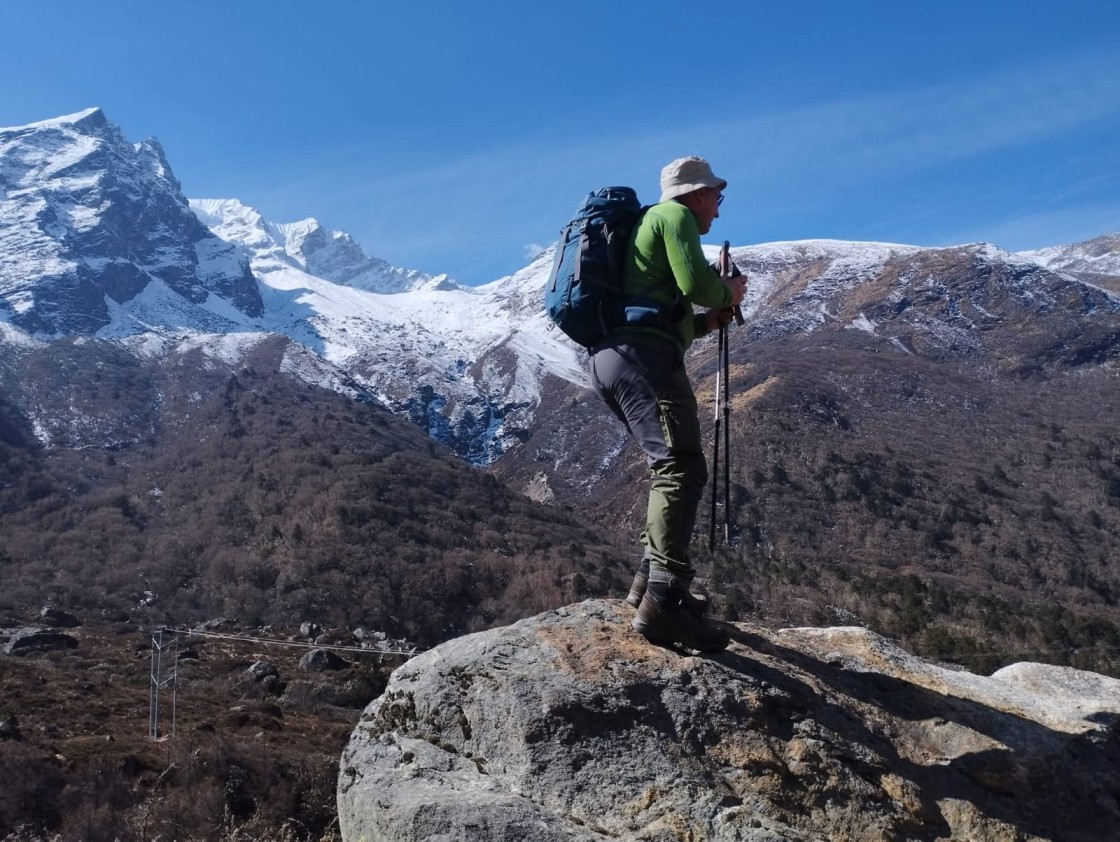
Trekking Poles: Your Best Friend on Mountain Trails
Many first-time trekkers think trekking poles are optional. After the first long downhill section, most wish they had brought them.
Quality trekking poles help you:
- Reduce pressure on your knees during steep descents.
- Improve stability on loose rocks and uneven trails.
- Maintain better balance while crossing suspension bridges and streams.
- Save energy by sharing the workload between your arms and legs.
Our guides recommend adjustable poles because they can be shortened for uphill climbs and lengthened for descents, making every section of the trail more comfortable.
Sleeping Bag: Stay Warm Even Inside the Tea Houses
Tea houses along the Langtang Valley Trek provide blankets, but temperatures above 3,800 metres can fall well below freezing during the night.
A sleeping bag rated between -10°C and -20°C provides enough warmth for spring, autumn, and most winter treks.
If you’re travelling light, don’t worry about purchasing one. Igloo Himalaya Treks offers clean, professionally maintained sleeping bags for you before your trek begins.
Choosing the Right Backpack
Your backpack should carry everything you need without becoming a burden.
For independent trekkers, a 40–50 litre backpack is usually enough for the entire journey.
If you’re trekking with a porter, a 25–35 litre daypack is ideal for carrying daily essentials while your larger duffel bag is transported separately.
Your daypack should always include:
- Water
- Snacks
- Rain jacket
- Warm layer
- Camera
- Personal medication
- Passport
- Cash
- Sunscreen
Everything else can stay inside your duffel bag.
Protect Your Backpack from Mountain Weather
Even during the dry trekking seasons, Langtang weather can change quickly.
A lightweight waterproof rain cover protects:
- Extra clothing
- Sleeping bag
- Electronics
- Important travel documents
One unexpected shower can soak your backpack, so this small item is worth carrying on every trek.
Staying Hydrated at High Altitude
Altitude increases water loss, even when you don’t feel thirsty.
We recommend carrying enough bottles to hold at least two litres of drinking water throughout the day.
Reusable bottles are the best option because they reduce plastic waste in the Himalayas. During winter, an insulated bottle helps prevent water from freezing during early morning hikes.
Many trekkers also carry water purification tablets or a portable filter so they can safely refill bottles along the route instead of buying single-use plastic bottles.
Why Every Trekker Should Carry a Headlamp
Electricity is available in most tea houses, but charging points can be limited and occasional power cuts still occur.
A reliable headlamp becomes invaluable when:
- Hiking before sunrise to Tserko Ri
- Walking around the lodge after dark
- Visiting outdoor toilets at night
- Packing before an early departure
Rechargeable models with a long battery life are the most practical choice.
A Smart First Aid Kit for the Himalayas
You don’t need to carry a hospital in your backpack, but a small medical kit can save your trek.
We recommend bringing:
- Personal prescription medicines
- Pain relief tablets
- Blister treatment
- Elastic bandage
- Antiseptic cream
- Oral rehydration salts
- Water purification tablets
- Motion sickness medication if needed
Many trekkers also carry Diamox to help reduce the risk of altitude sickness. Always consult your doctor before using it, and remember that medication never replaces proper acclimatization.
Our professional trekking guides continuously monitor guests for symptoms of Acute Mountain Sickness and follow safe altitude practices throughout the journey.
Electronics Worth Bringing to Langtang
The Langtang Valley offers some of Nepal’s most spectacular mountain scenery. You’ll probably take hundreds of photos, so keeping your devices powered is important.
Your electronics checklist should include:
- Smartphone
- Power bank (10,000–20,000 mAh)
- Charging cables
- Universal travel adapter
- Camera (optional)
- Spare batteries
- Extra memory cards
Cold mountain temperatures drain batteries much faster than normal. Keep spare batteries inside your jacket overnight to extend their performance.
High-Energy Snacks That Keep You Moving
Although tea houses provide hearty meals, carrying lightweight snacks helps maintain energy between villages.
Excellent trail snacks include:
- Mixed nuts
- Protein bars
- Energy bars
- Dark chocolate
- Dried fruit
- Peanut butter sachets
- Electrolyte tablets
Small, frequent snacks help maintain energy levels and reduce fatigue during long climbing days.
The Langtang Valley offers some of Nepal’s most spectacular mountain scenery. You’ll probably take hundreds of photos, so keeping your devices powered is important.
Your electronics checklist should include:
- Smartphone
- Power bank (10,000–20,000 mAh)
- Charging cables
- Universal travel adapter
- Camera (optional)
- Spare batteries
- Extra memory cards
Cold mountain temperatures drain batteries much faster than normal. Keep spare batteries inside your jacket overnight to extend their performance.
How Much Cash Should You Carry?
Once you leave Kathmandu, banking facilities become extremely limited.
Bring enough Nepalese Rupees to cover:
- Accommodation
- Meals
- Hot showers
- Device charging
- Wi-Fi
- Drinks
- Snacks
- Tips for guides and porters
- Unexpected expenses
Cash remains the most reliable payment method throughout the Langtang Valley.
Langtang Valley Weather by Season
Every season offers a different trekking experience, and your packing list should reflect the time of year you plan to visit.
| Season | Daytime Temperature | Night Temperature | Weather Conditions |
| Spring (March–May) | 10°C–20°C | -5°C to 5°C | Clear skies, blooming rhododendrons, pleasant trekking weather |
| Summer (June–August) | 15°C–25°C | 5°C–10°C | Warm with regular rainfall and humid conditions |
| Autumn (September–November) | 10°C–18°C | -5°C to 5°C | Stable weather, crystal-clear mountain views, peak trekking season |
| Winter (December–February) | 5°C–10°C | -15°C to -5°C | Cold, dry days with possible snowfall at higher elevations |
No matter when you trek, expect colder temperatures above Langtang Village, especially during the early morning and after sunset.
Local Packing Advice from Igloo Himalaya Treks
The happiest trekkers are rarely the ones carrying the biggest backpacks.
After leading countless groups through Langtang, we’ve learned one simple rule:
Pack lighter than you think you need.
Every unnecessary kilogram feels heavier after several hours of climbing.
Focus on versatile clothing, quality footwear, reliable waterproof gear, and essential safety equipment. Leave unnecessary luxury items behind and save your energy for enjoying the breathtaking landscapes, rich Tamang culture, and unforgettable Himalayan views.
If you’re unsure about what to bring, our team is always happy to review your packing list before your trek. We can also arrange high-quality rental gear—including down jackets, sleeping bags, trekking poles, and duffel bags—so you don’t have to purchase expensive equipment for a single adventure.
That’s the advantage of trekking with a local company that knows the Langtang Valley trail inside and out.


