Where is Mount Everest
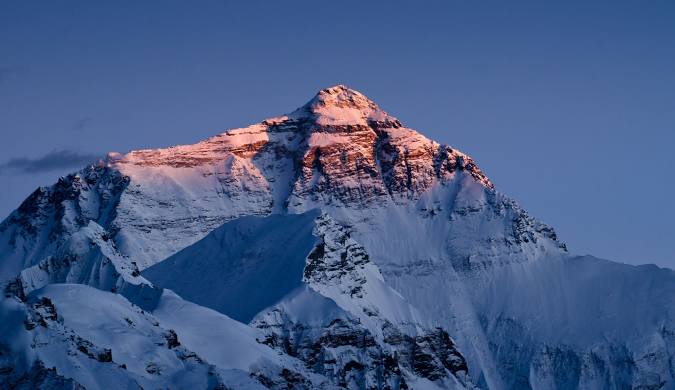
Mount Everest is the highest mountain in the world, standing at 8,848 meters above sea level. If you are wondering where is Mount Everest, it is located in Nepal, along the border with Tibet, which is part of China. The mountain is part of the Himalayan range, which stretches across several countries in South Asia, but Everest itself is mostly in the Solukhumbu District of Nepal. This area is known for its rugged mountains, deep valleys, and stunning natural beauty.
The Solukhumbu District is famous for its trekking routes, villages, and cultural richness. One of the most popular starting points for trekkers is the town of Lukla. From here, you can begin the journey toward Everest Base Camp or other high mountain trails. If you look at a map of Nepal, you will see Mount Everest in the northeastern part of the country, surrounded by other famous peaks such as Lhotse, Nuptse, and Cho Oyu. These peaks form part of the Khumbu region, which is the gateway for most trekking adventures in the area.
When thinking about where is Mount Everest, it is also helpful to know that the region is home to the Sherpa people, who are well-known for their mountaineering skills and hospitality. The villages along the trekking routes, like Namche Bazaar, Dingboche, and Tengboche, are culturally rich and provide an insight into the lives of people who have lived in the high Himalayas for generations. These villages are not only resting points for trekkers but also offer unique cultural experiences, including monasteries, traditional houses, and local foods.
Mount Everest’s height makes it a challenge even for the most experienced climbers, but the surrounding trails allow trekkers of different skill levels to enjoy the views. The trekking paths lead through rhododendron forests, glacial rivers, and high-altitude landscapes that look almost untouched. Knowing where is Mount Everest helps trekkers plan their journey better, choose the right routes, and prepare for the altitude and weather conditions they will face along the way.
For those planning an Everest adventure, understanding where is Mount Everest is the first step. It is important to plan the trip starting from Kathmandu, the capital of Nepal, and then take a short flight to Lukla. From Lukla, trekkers begin their ascent through the scenic Khumbu valley, passing through various villages, forests, and viewpoints. The journey gives travelers both natural beauty and cultural experiences, making it more than just a trekking trip.
Overall, the question of where is Mount Everest is not just about the physical location. It is also about understanding the region, its people, and the paths that lead to one of the most famous mountains in the world. For anyone looking to experience Everest trekking, knowing this location and the surrounding area is an essential first step in planning a safe and enjoyable adventure.
Understanding the Everest Region
When learning about where is Mount Everest, it is important to also understand the Everest region itself. This area, often called the Khumbu region, is a high mountain zone in northeastern Nepal. It is filled with towering peaks, deep valleys, and rushing rivers. The landscape is dramatic and changes with the altitude. Lower areas have forests and green valleys, while higher areas are rocky with glaciers and snow-covered peaks. The region is part of the Himalayan range and is known for its unique geography and natural beauty.
The Everest region is dotted with several key villages that trekkers usually pass through. Namche Bazaar is one of the most important towns. It serves as a hub for supplies and rest for trekkers heading to Everest Base Camp. The town has markets, guesthouses, and small cafes, and it is known for its lively atmosphere. Further up the trail, you will find Dingboche, a smaller village surrounded by mountains. This village is an important stop for acclimatization before climbing higher. Tengboche is another significant village, famous for its monastery, which is one of the largest in the region. These villages show the daily life of the people living in the high Himalayas.
The people in the Everest region are mainly Sherpas, who are known for their strength and mountaineering skills. Sherpa culture is very rich and unique. They follow Tibetan Buddhism, and you will see prayer flags, mani walls, and monasteries along the trekking paths. Sherpas are very welcoming to trekkers and offer support as guides, porters, and hosts. Learning about Sherpa culture gives trekkers a deeper understanding of the local lifestyle and traditions. Visiting these villages is not just about resting; it is also about experiencing a culture that has adapted to high-altitude living for generations.
The natural beauty of the Everest region is breathtaking. Trekking paths pass through rhododendron forests, pine trees, and alpine meadows. In spring, the forests bloom with colorful flowers, while in autumn, the skies are clear, showing the snow-capped peaks. Rivers and streams run through the valleys, fed by melting glaciers. Wildlife is also part of the region, including snow leopards, Himalayan tahrs, and red pandas in lower forests. Even the small flora, like mosses and wildflowers, make the trails more vibrant and lively.
Understanding where is Mount Everest is not just about knowing its exact location. It is also about appreciating the region around it, which is full of natural wonders, cultural richness, and high-altitude life. The Everest region offers trekkers an opportunity to see both the tallest mountain in the world and the life that surrounds it. Each village, monastery, and landscape tells a story of how humans and nature coexist in one of the most extreme environments on Earth.
For anyone planning Everest trekking, knowing about the region is very helpful. It helps with planning stops, preparing for altitude, and respecting local customs. Trekking in this region is not just a physical journey but also a journey to understand the mountains, rivers, valleys, and the people who call this place home. Knowing where is Mount Everest and learning about the surrounding region adds meaning to the trek and makes the experience unforgettable.
Understanding Mount Everest
When people ask where is Mount Everest, they often want to know more than its location. Mount Everest is not just the tallest mountain in the world at 8,848 meters, it is also a symbol of adventure and challenge. The first successful ascent of Everest was made in 1953 by Sir Edmund Hillary from New Zealand and Tenzing Norgay, a Sherpa from Nepal. This achievement made the mountain famous worldwide and inspired generations of climbers and trekkers.
Mount Everest is known for many unique features. Its snow-covered peaks and huge glaciers make it stand out in the Himalayan range. From the low valleys to the top, the mountain is full of dramatic landscapes. Knowing where is Mount Everest helps trekkers plan their journey and understand the challenges they might face along the way. The mountain rises sharply from the surrounding hills, which makes the trek both exciting and demanding.
Climbing or trekking near Everest is not easy. The high altitude can cause altitude sickness, so proper acclimatization is very important. The cold weather and strong winds at higher elevations add to the difficulty. The terrain is rugged with steep slopes, rocky paths, and glaciers that require careful navigation. Even for trekkers who do not go to the summit, these conditions make Everest trekking a serious adventure. Guides and porters from the local region help trekkers navigate these challenges safely.
There are many interesting facts about Mount Everest that beginners enjoy. The mountain has several glaciers, such as the Khumbu Glacier, which slowly moves down the valleys. Snowfall can happen any time of the year, and the views from the trails show multiple peaks surrounding Everest. The region is also home to unique wildlife and alpine plants, which survive in extreme conditions. Learning these facts makes the journey more exciting and helps trekkers appreciate the natural world around them.
Mount Everest is famous worldwide not only because of its height but also because of the human stories connected to it. Each year, climbers and trekkers come from all over the world to see the mountain, challenge themselves, and explore the culture of the Sherpa people who live nearby. Knowing where is Mount Everest is the first step for anyone planning to visit, but understanding the mountain itself helps people respect its power and beauty.
For those interested in trekking, understanding Mount Everest also means knowing the difference between climbing the summit and trekking to nearby areas like Everest Base Camp. The base camp offers breathtaking views of the mountain without the extreme risks of climbing. Along the trails, trekkers can see glaciers, icefalls, and rocky ridges that make Everest so unique. Simple observations, like spotting prayer flags fluttering in the wind or watching the sun rise over the peaks, show why this mountain is loved by people around the world.
Learning about where is Mount Everest and its features helps travelers prepare for a safe and memorable trek. The mountain is not just a tall peak; it is a part of the Himalayas that has inspired explorers, photographers, and adventure lovers. Every trekker who visits the region experiences a small part of the mountain’s grandeur, from its snow and ice to the trails that wind through the villages and forests below.
Understanding Everest Base Camp Trekking
When people ask where is Mount Everest, many are curious about visiting the area through trekking. One of the most popular ways to experience Everest is the Everest Base Camp (EBC) trek. This trek allows travelers to get close to the world’s highest mountain without climbing its summit. It is a journey through beautiful landscapes, traditional villages, and Himalayan culture, making it one of the most famous treks in the world.
The Everest Base Camp trek usually starts from Lukla, a small town with a busy airport in the Khumbu region. From there, trekkers follow trails that pass through forests, rivers, and hills before reaching higher villages. The trek generally takes about 12 to 14 days for a round trip, depending on the pace and rest days for acclimatization. The trail covers around 130 kilometers round trip, with altitudes rising from about 2,800 meters in Lukla to 5,364 meters at the base camp itself. The trek is considered moderate to challenging, so proper preparation and fitness are important.
Along the way, trekkers pass through several scenic spots. Namche Bazaar, often called the gateway to Everest, is a lively village with shops and markets. Further along, villages like Dingboche and Pangboche offer resting points and stunning views of mountains like Ama Dablam and Thamserku. Tengboche Monastery, one of the largest in the region, is a highlight for many travelers, showing the rich Sherpa culture. The trails also pass glaciers, high ridges, and rivers, giving trekkers breathtaking views of the Himalayas at almost every step.
The EBC trek is suitable for different kinds of travelers. Beginner trekkers can enjoy the journey with proper guides, gradual acclimatization, and support from porters. Experienced trekkers may challenge themselves with side treks to peaks like Kala Patthar, which offers panoramic views of Mount Everest and surrounding mountains. Regardless of experience, the trek provides a sense of achievement, beautiful scenery, and a chance to learn about the culture and life of people living at high altitudes.
Understanding where is Mount Everest helps travelers plan the trek better. It gives them an idea of the altitude changes, weather conditions, and what kind of preparation is needed. Trekkers should know that higher elevations bring colder temperatures, strong winds, and thinner air, so acclimatization days are important to prevent altitude sickness. Along the route, there are tea houses and lodges where travelers can rest, eat, and meet other trekkers from around the world.
The Everest Base Camp trek is also popular because it combines natural beauty with cultural experiences. Trekkers can see colorful prayer flags, traditional stone houses, and Buddhist monasteries along the way. They may also spot wildlife, including Himalayan birds, marmots, and even rare species like snow leopards in distant valleys. The trek allows travelers to feel close to nature while also understanding the lives of people who live in one of the most extreme regions on Earth.
For anyone asking where is Mount Everest and wanting to experience it without climbing, the EBC trek is the ideal choice. It offers a journey through the Khumbu region, providing adventure, culture, and spectacular Himalayan landscapes. Every step brings travelers closer to the base of the world’s tallest peak while allowing them to enjoy a safe and memorable trekking experience.
Best Time to Visit Everest
When travelers ask where is Mount Everest, one of the most common questions is about the best time to visit. The region around Everest has a high mountain climate, which means the weather changes with the seasons. The most popular times for trekking are Autumn, from September to November, and Spring, from March to May. These seasons are considered ideal because the skies are usually clear, the weather is stable, and the trails are safe for trekking.
During Autumn, the monsoon rains have passed, leaving clean air and bright skies. The views of Mount Everest and surrounding peaks are spectacular during this time. The temperatures are mild in the lower areas, and higher regions are cold but manageable with proper clothing. Autumn is also the busiest season for trekkers because the weather conditions are very favorable. For those planning a trek, understanding where is Mount Everest helps in preparing for altitude, clothing, and gear needed for these months.
Spring is another excellent time to visit. In this season, the snow begins to melt in the lower regions, and rhododendron forests bloom with colorful flowers. The weather is warmer than in autumn, and the skies are often clear, providing beautiful views of Everest and other Himalayan peaks. Spring treks offer a combination of comfortable temperatures and vibrant landscapes, making it a favorite season for nature lovers and photographers.
While autumn and spring are the best seasons, travelers should also know about the challenges of monsoon and winter trekking. The monsoon season, from June to August, brings heavy rainfall to the lower and mid regions. The trails can become muddy, rivers may swell, and landslides are possible. This makes trekking dangerous and less enjoyable, although some trekkers still visit to see the lush green valleys. Winter, from December to February, is cold and often brings snow to higher altitudes. While it is possible to trek during winter, the temperatures can drop very low, and strong winds can make the journey harder. Only experienced trekkers with proper gear usually attempt winter trips.
Knowing where is Mount Everest and the seasonal differences is important for planning a successful trek. Clear skies and mild weather during autumn and spring provide not only safety but also the best experience for trekking, photography, and enjoying the mountain views. Trekkers can plan rest days and acclimatization properly in these seasons, which is important to prevent altitude sickness and make the trek enjoyable.
The weather conditions also affect accessibility to key villages along the Everest route. Towns like Namche Bazaar, Dingboche, and Tengboche are easier to reach and more hospitable during the best seasons. Tea houses and lodges are open, and services are fully available for travelers. During monsoon or winter, some lodges may close, and the trek can be more challenging due to snow, ice, or slippery trails.
Understanding where is Mount Everest helps travelers choose the right time to visit. By selecting the best season, trekkers can enjoy clear mountain views, safe trails, and comfortable temperatures. Autumn and spring offer a balance of natural beauty, weather stability, and trekking convenience, making them the most recommended seasons for Everest adventures.
How to Reach Everest Region
When travelers ask where is Mount Everest, they often want to know the easiest ways to reach the Everest region. The journey begins in Kathmandu, the capital of Nepal, which serves as the main hub for flights, permits, and trekking preparations. From Kathmandu, there are two common ways to start the trek: by flight to Lukla or by road travel to nearby points before trekking. Both options have advantages depending on time, budget, and comfort.
The most popular and convenient way to reach the Everest region is by taking a flight to Lukla. Lukla has a small airport, often called the gateway to Everest. The flight takes about 30 to 40 minutes from Kathmandu and offers incredible views of mountains, rivers, and valleys along the way. Flying to Lukla saves time and allows trekkers to start their journey at a higher altitude. Most Everest Base Camp treks begin from Lukla because it is close to important villages like Namche Bazaar, which is the first major stop for acclimatization. Knowing where is Mount Everest and the location of Lukla helps travelers plan this part of their trip efficiently.
Some travelers choose road travel to reach the Everest region, which involves driving to towns like Jiri or Salleri. This option takes longer, sometimes 8 to 12 hours or more, depending on road conditions, but it allows trekkers to see more of the countryside and local villages. Road travel can be combined with trekking from lower altitudes, providing more time for gradual acclimatization before reaching higher regions. Understanding where is Mount Everest and the geography along the route helps travelers prepare for this longer journey and enjoy the scenic drive through forests, rivers, and hills.
Travelers should also consider practical tips for reaching the Everest region safely. Flights to Lukla can be affected by weather, especially in the morning when fog or strong winds occur. Booking flights in advance and allowing flexibility for delays is important. For road travel, vehicles may take time to navigate narrow or rough roads, so it is wise to plan extra hours for travel. Understanding where is Mount Everest helps trekkers judge distances, travel times, and accommodation options along the route.
Acclimatization is another key factor when reaching the Everest region. After arriving in Lukla or trekking from lower towns, travelers need to rest in villages like Namche Bazaar to adjust to the higher altitude. Spending a day or two at moderate elevations helps prevent altitude sickness and makes the trek safer. This is especially important for anyone planning to go to Everest Base Camp or higher viewpoints. Knowing where is Mount Everest and the altitudes along the route allows trekkers to plan acclimatization days effectively.
For most trekkers, the journey to the Everest region combines travel, adventure, and preparation. Kathmandu offers flights, permits, and gear, while Lukla or road access marks the start of the trekking adventure. Understanding where is Mount Everest and the practical options to reach the region helps travelers save time, plan for safety, and enjoy the natural beauty and culture along the way.
Everest Trekking Packages
When travelers ask where is Mount Everest, many are also curious about how to experience the region safely and comfortably. Trekking packages provide a convenient way to explore the Everest area without worrying about logistics. These packages are designed to help travelers focus on the adventure while guides and support staff take care of the planning, accommodation, and safety.
Most Everest trekking packages include several important services. A professional guide accompanies the trek, helping with navigation, safety, and information about the mountains, villages, and culture. Trekkers often have the option of a porter to carry luggage, which makes walking long distances easier. Meals are usually included in tea houses and lodges along the trekking route, providing local and familiar food. Accommodation is arranged in guesthouses or lodges, giving trekkers a comfortable place to rest after a day on the trail. Safety support, such as first aid and advice on altitude sickness, is also part of most packages. Understanding where is Mount Everest helps travelers choose the right package with the support they need for a successful trek.
Everest trekking packages often come in different levels depending on budget and comfort. Luxury packages offer private rooms, high-quality meals, experienced guides, and sometimes even additional services like hot showers and Wi-Fi. Standard packages provide comfortable accommodation and meals, professional guides, and reliable support at a more affordable price. Budget packages are designed for travelers who want to experience Everest trekking with basic lodging and meals while still having a guide and safety support. Knowing where is Mount Everest helps travelers select the right package that matches their comfort level, time, and budget.
Many trekking companies offer customized packages for special needs or interests. Some travelers want longer treks with cultural tours in Sherpa villages, while others prefer shorter trips focused on scenic views and Everest Base Camp. Packages can also include extra services such as trekking permits, airport transfers, and gear rental. Understanding where is Mount Everest helps trekkers plan their journey so they can choose a package that fits their goals and preferences.
Booking with a trusted operator is important for safety and convenience. Experienced companies have guides who know the trails well, staff trained in high-altitude safety, and connections with local communities. Reliable operators also ensure that permits, accommodations, and transportation are handled properly, giving trekkers peace of mind throughout the journey. Knowing where is Mount Everest and booking through a trustworthy company makes the trek more enjoyable and secure.
Everest trekking packages make it possible for travelers of all experience levels to explore the Himalayas. Beginners can take advantage of guided support and porters, while experienced trekkers can choose packages that focus on longer treks or additional viewpoints. These packages allow travelers to fully enjoy the adventure of seeing the world’s highest mountain without worrying about logistics. Choosing the right package and understanding where is Mount Everest ensures that every trekker can have a safe, memorable, and inspiring journey through the Everest region.
What to Pack for Everest Trekking
When travelers ask where is Mount Everest, they also want to know what to take for a safe and comfortable trekking experience. Packing the right gear is very important because the Everest region has high altitudes, cold weather, and rugged trails. Knowing what to bring makes the trek easier and more enjoyable. It is important to pack smart and not carry too much weight, while still having all the essentials.
Warm clothes are one of the most important things for Everest trekking. The temperature can drop significantly, especially at higher altitudes. Trekkers should have a down jacket, thermal layers, fleece jackets, gloves, and a hat. Wearing layers is useful because it allows you to adjust to changing temperatures along the trail. Trekking boots are another essential item. They should be comfortable, waterproof, and strong enough to handle rocky paths and icy areas. Wearing proper boots helps prevent injuries and keeps your feet warm and dry.
A sleeping bag is necessary for resting in lodges or tea houses, especially if it is very cold at night. Trekkers should choose a sleeping bag suitable for low temperatures, usually rated for minus degrees Celsius. A water bottle or hydration system is also very important. Staying hydrated helps prevent altitude sickness and keeps energy levels up during long walks. Some trekkers also bring a small water filter to ensure safe drinking water along the route.
There are also optional items that make the trek more comfortable or enjoyable. Trekking poles can help with balance and reduce strain on knees during steep climbs or descents. A camera is useful to capture the stunning views of the Himalayas, glaciers, and villages along the trail. Sunscreen, sunglasses, and lip balm protect against strong UV rays at high altitudes. Some trekkers carry a small first-aid kit, a headlamp, or a travel towel to make daily life on the trail easier.
While packing, it is important to carry light but smart. Too much weight makes trekking harder, especially at higher altitudes. Trekkers should prioritize essential gear, clothing layers, and personal items while leaving unnecessary things at home. Understanding where is Mount Everest and the weather conditions along the route helps travelers decide which items are most needed and which can be left behind.
Packing smart also includes organizing items in a way that is easy to access during the trek. A daypack can carry water, snacks, camera, and extra layers, while the main bag can be carried by a porter or packed for lodging stops. Choosing durable, lightweight, and versatile gear makes the trek more enjoyable and reduces fatigue.
For anyone planning a trek in the Everest region, knowing where is Mount Everest is the first step, but packing the right gear is the next most important step. With proper clothing, boots, sleeping bag, and essential items, trekkers can enjoy the beauty of the Himalayas safely and comfortably. By packing smart and preparing for the conditions, every step toward Everest Base Camp or surrounding trails becomes more enjoyable and safe.
Health and Safety Tips
When travelers ask where is Mount Everest, they often want to know how to stay safe while trekking in the high Himalayas. The Everest region is beautiful, but it is also challenging because of the high altitude, cold weather, and rugged trails. Understanding health and safety tips helps trekkers enjoy the journey and avoid problems along the way.
One of the main concerns for trekkers is altitude sickness. This happens when the body cannot adjust to the lower oxygen levels at high altitudes. Symptoms include headache, nausea, dizziness, and shortness of breath. The best way to prevent altitude sickness is to climb gradually and allow time for acclimatization. Trekkers should rest for at least one day in villages like Namche Bazaar or Dingboche before going higher. Following guides’ advice on pace and acclimatization is very important. Knowing where is Mount Everest and the altitudes along the trek helps travelers plan their rest days properly.
Staying hydrated is another important part of staying healthy. The high altitude and dry air can cause dehydration, even if it does not feel hot. Trekkers should drink plenty of water throughout the day. Eating balanced meals and taking breaks for rest are also important. Proper sleep in guesthouses and lodges helps the body recover from the physical effort of trekking. Guides and porters are there to assist, so following their instructions regarding rest, hydration, and trekking pace keeps everyone safer.
Trekkers should also be prepared for emergencies. Carrying a small first-aid kit, medicines for common problems like headache or upset stomach, and items like a flashlight can help in unexpected situations. Many trekking companies provide guides who are trained in first aid and can respond quickly if a problem arises. Knowing where is Mount Everest helps trekkers plan emergency contacts and evacuation routes in case of serious illness or injury.
Travel insurance is essential for anyone trekking in the Everest region. It should cover medical emergencies, evacuation, and high-altitude trekking. This gives trekkers confidence that help is available if something goes wrong. Even simple precautions like wearing proper boots, dressing in layers, and using sun protection reduce risks. Trekkers should also pay attention to weather changes and avoid taking unnecessary risks on icy or steep paths.
For anyone planning to trek, understanding where is Mount Everest is important not only for navigation but also for preparing for health and safety challenges. By taking altitude seriously, drinking enough water, resting properly, following guides’ instructions, and having travel insurance, trekkers can enjoy the Everest region more safely. These precautions make the trek more comfortable and reduce the chance of serious problems, letting travelers focus on the stunning landscapes and the experience of being near the world’s tallest mountain.
Experience the Local Culture
When travelers ask where is Mount Everest, they often think about the mountains and trekking trails, but the local culture in the Everest region is just as special. The area is home to the Sherpa people, who are known for their skills in high-altitude trekking and climbing. Visiting villages along the trail gives travelers a chance to learn about their daily life, traditions, and hospitality.
Buddhist monasteries are an important part of the culture in the Everest region. Villages like Tengboche and Thame have monasteries where monks live and practice their religion. Visitors can see colorful prayer flags, watch morning rituals, and sometimes hear the sound of traditional horns and drums. These monasteries are not only spiritual centers but also a place to understand how the Sherpa people connect with nature and the mountains. Knowing where is Mount Everest and the location of these monasteries helps travelers plan their visit and enjoy cultural experiences safely and respectfully.
Food is another way to experience the local culture. Sherpa cuisine includes dishes like dal bhat (rice and lentil soup), momo (dumplings), and butter tea. Many tea houses along the trekking route serve these dishes, allowing travelers to try authentic local meals. Eating local food also helps trekkers adapt to the high-altitude climate because it is usually warm, nourishing, and easy to digest. Learning about local food gives a deeper understanding of life in the Everest region and the traditions that have been followed for generations.
Festivals are an exciting part of Sherpa culture. Depending on the time of year, trekkers may witness celebrations with music, dancing, and traditional rituals. These events are an opportunity to see the vibrant community life and how the Sherpa people honor their history and religion. Participating respectfully, observing customs, and asking questions in a polite way enriches the travel experience. Understanding where is Mount Everest and the timing of local festivals helps travelers plan to enjoy these cultural highlights during their trek.
Hospitality is very important in the Everest region. Trekkers are often welcomed warmly into homes, tea houses, and lodges. Sherpa people are known for helping visitors, sharing stories, and giving advice about the trails. Learning about local traditions, bowing respectfully, and being polite helps build trust and friendships. These interactions make the trekking experience more meaningful and provide a sense of connection to the people who live in one of the highest and most remote regions of the world.
For anyone planning a trek, experiencing the local culture adds a unique dimension to the adventure. It is not only about seeing the mountains but also about understanding the way people live, their beliefs, and how they interact with nature. Knowing where is Mount Everest and visiting villages, monasteries, and festivals helps travelers respect and appreciate the culture while enjoying the beauty of the Himalayas. By learning and observing traditions, trekkers can make their journey richer and more rewarding.
FAQs About Everest Trekking
When travelers ask where is Mount Everest, they also want to know details about trekking, costs, safety, and preparations. Here are the most common questions and answers for anyone planning a trip to the Everest region.
Where is Mount Everest located?
Mount Everest is in Nepal, near the border with Tibet. It is part of the Khumbu region, which includes villages like Lukla, Namche Bazaar, and Tengboche.
What is the best time to trek to Everest?
The best seasons are Autumn (September to November) and Spring (March to May) because the skies are clear, and the weather is stable.
How difficult is Everest Base Camp trekking?
The trek is considered moderate to challenging. It involves walking for several hours daily at high altitude, but beginners can do it with proper guidance and acclimatization.
How long does the trek take?
A typical round trip from Lukla to Everest Base Camp and back takes about 12 to 14 days. Additional days may be needed for acclimatization.
What level of fitness is required?
Trekkers should be physically fit for walking long distances on steep trails. Regular exercise before the trip is recommended.
Do I need a guide or porter?
While it is possible to trek independently, a guide is highly recommended for safety, navigation, and cultural guidance. Porters can help carry luggage and reduce physical strain.
What permits are needed for Everest trekking?
Trekkers require TIMS (Trekkers’ Information Management System) card and Sagarmatha National Park permit. These are arranged in Kathmandu before the trek.
How much does the trek cost?
Costs vary depending on the package. Budget packages may start around $1,000, while luxury packages with private accommodation and additional services can cost more than $3,000.
What should I pack for the trek?
Essential items include warm clothes, trekking boots, sleeping bag, water bottle, and optional items like trekking poles, camera, and sunscreen. Packing light but smart is important.
What is the altitude along the trek?
The trek starts from Lukla at about 2,800 meters and reaches Everest Base Camp at 5,364 meters. Proper acclimatization is necessary to prevent altitude sickness.
Can beginners do Everest trekking?
Yes, beginners can trek with guides, porters, and acclimatization days. It is important to follow safety instructions and maintain a steady pace.
How is the food and accommodation along the trail?
Tea houses provide local meals, dal bhat, momos, and simple lodges. Food is warm and nourishing, and accommodations are basic but safe and comfortable.
How do I stay healthy on the trek?
Drink plenty of water, rest properly, follow the guide’s advice, and monitor for altitude sickness. Travel insurance is also recommended for emergencies.
Can I see Mount Everest from villages along the trail?
Yes, villages like Namche Bazaar and Tengboche offer beautiful views of Mount Everest. For closer views, trekkers often climb Kala Patthar.
How do I choose a trekking package?
Packages depend on budget, comfort, and services included. Trusted operators provide guides, porters, accommodation, meals, and emergency support, ensuring a safer and smoother trek.
Travel with Us – Igloo Himalaya Treks
When travelers ask where is Mount Everest, many also wonder how to explore it safely and comfortably. Igloo Himalaya Treks is here to provide a professional and enjoyable trekking experience in the Everest region. Our company was founded in 2025 by a group of passionate trekkers who wanted to make every journey memorable, safe, and adventurous.
We focus on safety and professionalism. All our guides are trained in first aid, high-altitude trekking, and emergency handling. They know the trails, local culture, and nature, including the flora and fauna of the Everest region. Travelers can ask questions about the mountains, villages, and traditions while following a safe pace. Knowing where is Mount Everest helps our team plan itineraries that allow proper acclimatization and rest along the trek, reducing the risks of altitude sickness.
Our equipment is well-maintained and suitable for the Himalayan terrain. Trekkers are provided with essential gear and support during the journey. Accommodation and meals are arranged in safe and comfortable lodges along the trail. For anyone asking where is Mount Everest, we make sure that every step toward the base camp or surrounding peaks is supported by professional guidance and preparation.
We provide well-organized itineraries that show the schedule for each day, the distance to be covered, and the highlights along the route. Trekkers can enjoy views of villages like Namche Bazaar, monasteries, and natural landscapes while knowing that the route is planned for safety and enjoyment. Our itineraries are flexible and can be adjusted for weather conditions or personal preferences. Understanding where is Mount Everest helps us choose the best paths and rest points for an enjoyable and smooth trekking experience.
At Igloo Himalaya Treks, we also promote eco-friendly tourism. We encourage responsible travel by respecting local traditions, minimizing waste, and supporting local communities. Trekkers not only experience the beauty of Mount Everest but also contribute positively to the environment and culture of the region.
Traveling with us allows trekkers of all levels to experience Everest safely and confidently. From beginners to experienced adventurers, our team ensures that every trek is well-supported, informative, and memorable. Knowing where is Mount Everest helps our guides provide accurate advice, plan rest days, and make the trek enjoyable while keeping safety as the top priority.
By choosing Igloo Himalaya Treks, travelers can focus on enjoying the landscapes, local culture, and adventure of the Himalayas. Our combination of safety, professionalism, and eco-consciousness ensures that every trek is not only an adventure but also a meaningful and enriching experience.


