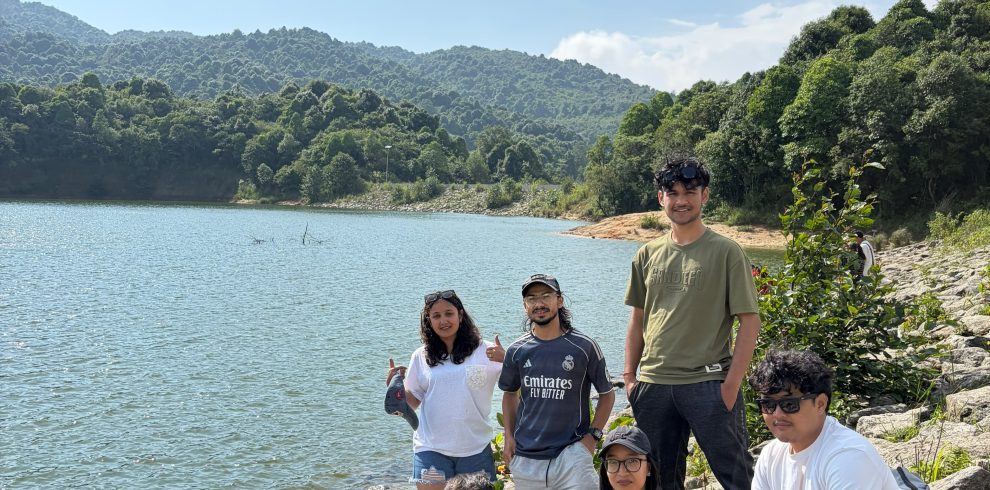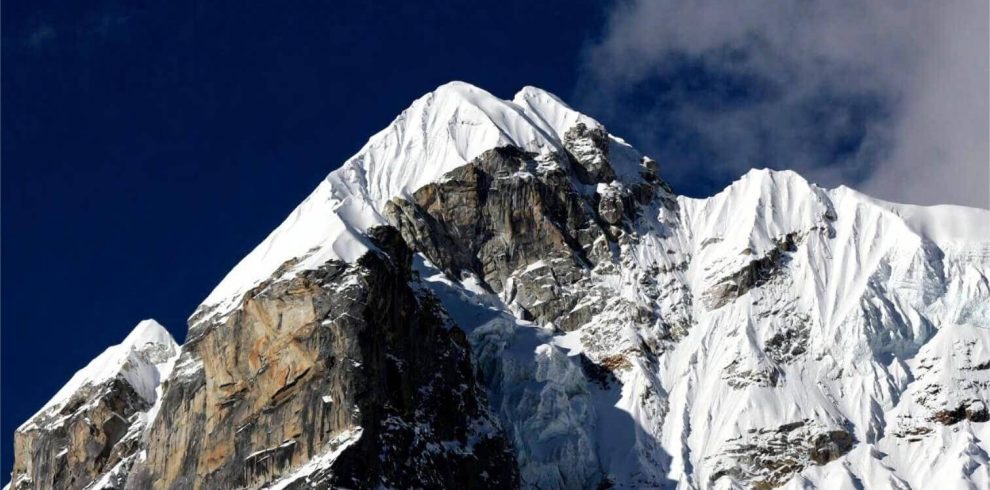

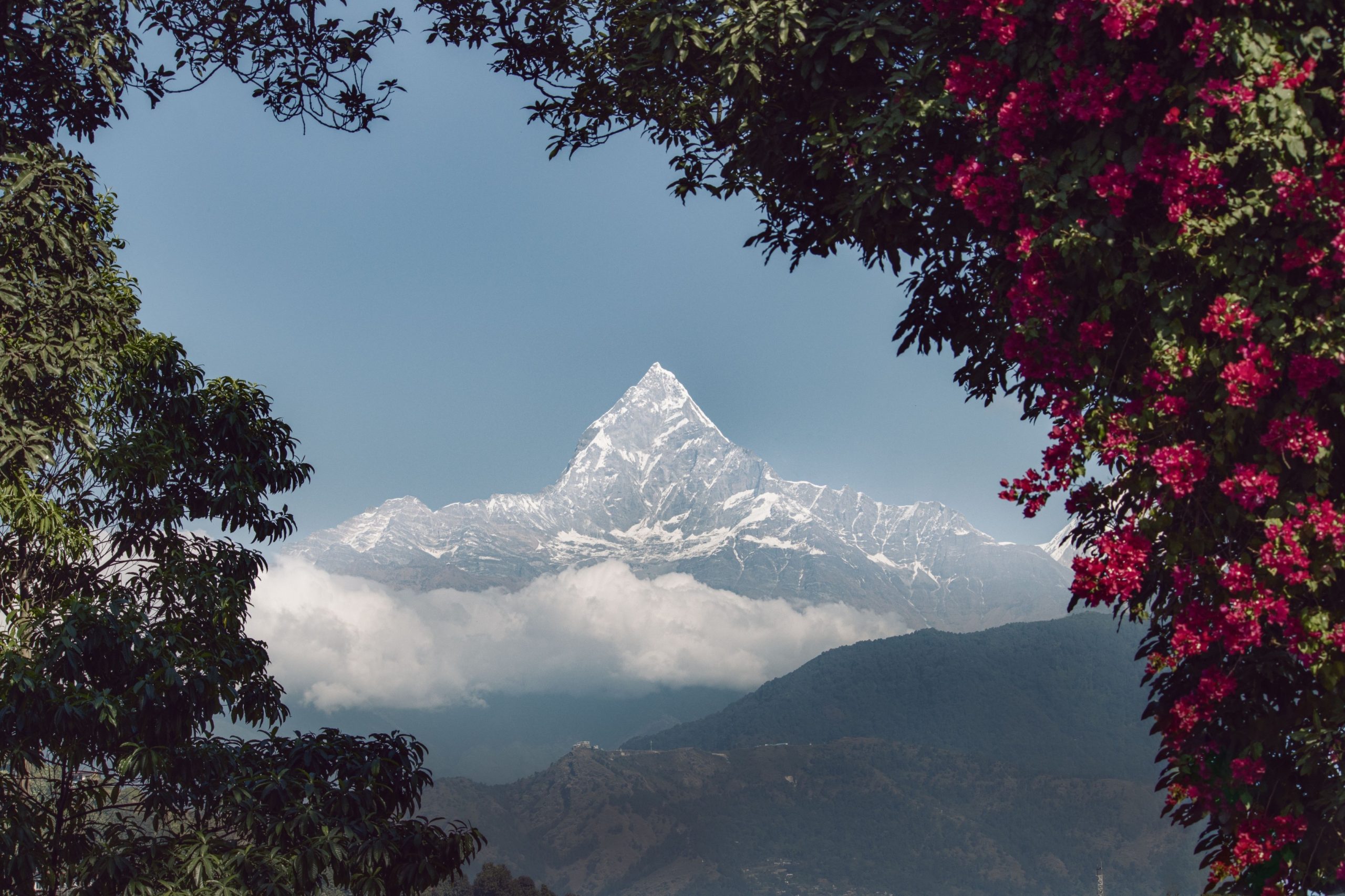
Let’s immerse ourselves in Nepal’s diverse landscapes, from lush forests and traditional Gurung villages to alpine meadows and towering Himalayan peaks with Igloo Himalaya Treks and Explore Annapurna Base Camp Trek.
Trip Informatiom
-
3-Star Hotel - Teahouses - Lodges
-
4130 m.
-
Kathmandu/Pokhara-Breakfast, Mountain - Breakfast - Lunch - Dinner
-
Private Vehicle / Tourist Bus - Airplane
-
9
-
85
Trip Overview
Welcome to the Annapurna Sanctuary
This 13-day Annapurna Base Camp Trek is a journey through Nepal’s Annapurna region, north of Pokhara. Combining mountain scenery, cultural encounters, and rewarding trails, this classic Nepal trekking adventure takes you from lush foothills to the dramatic alpine environment of the Himalayas.
Along the way, you will pass through traditional Gurung and Magar communities, walk through rhododendron and bamboo forests, and follow the Modi Khola valley toward the spectacular Annapurna Sanctuary. Surrounded by some of Nepal’s most impressive peaks, the Sanctuary offers a powerful sense of remoteness and adventure.
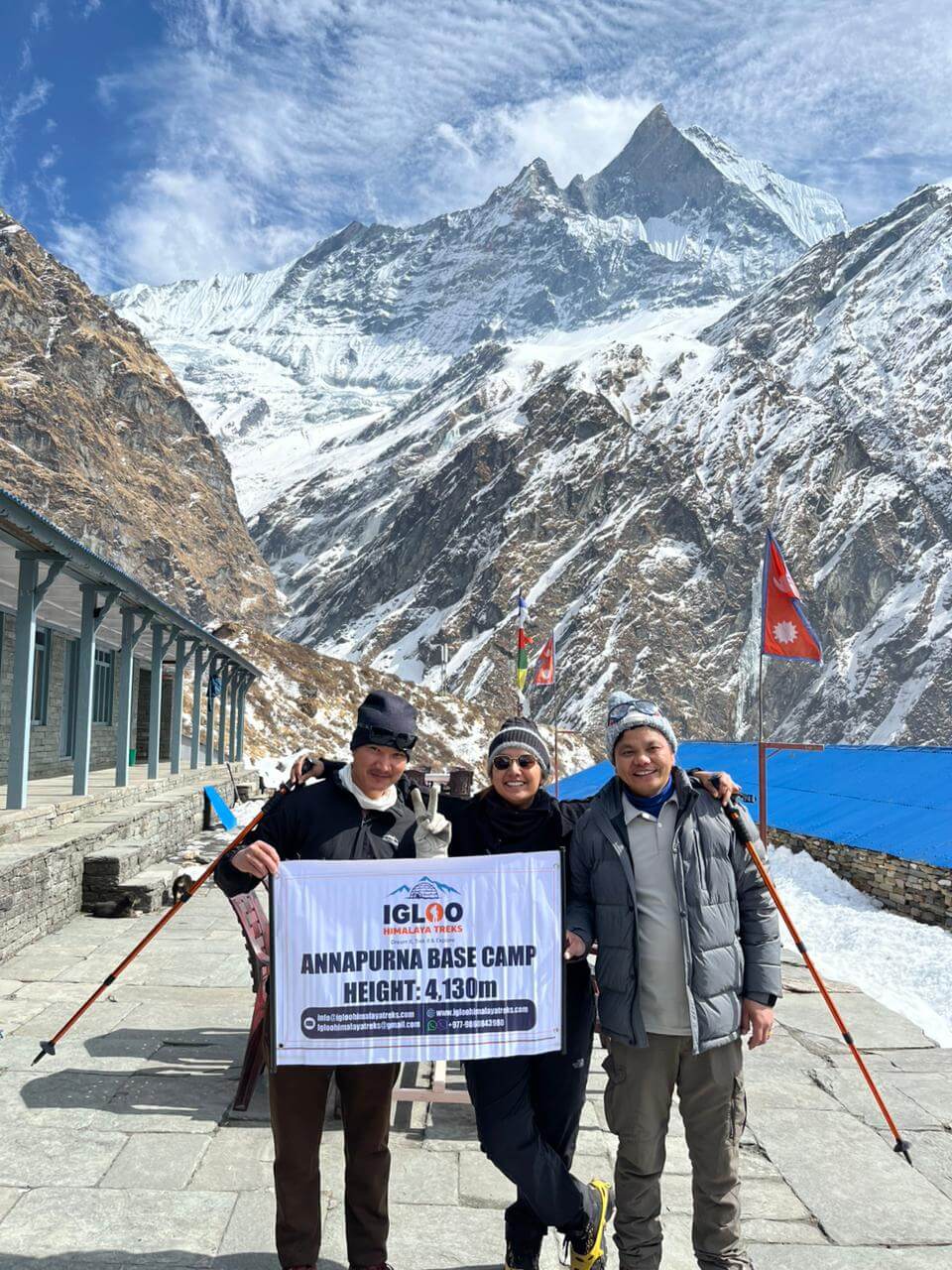
The trek reaches its high point at Annapurna Base Camp (4,130 m), where towering mountains rise in every direction. With a scenic route, comfortable teahouse accommodation, and the support of an experienced local guide, this Annapurna Sanctuary Trek offers an unforgettable way to explore the Himalayas.
Note: Our Annapurna Base Camp Trek is fully customizable. We can adjust the itinerary to include shorter walking days, additional acclimatization, rest days, or a more relaxed pace based on your preferences and travel plans.
Annapurna Base Camp Trek 13 days Quick facts
| Trek Information | Details |
| Trek Name | Annapurna Base Camp Trek |
| Duration | 13 Days |
| Maximum Altitude | 4,130 m / 13,550 ft |
| Trek Region | Annapurna Region, Nepal |
| Starting Point | Pokhara |
| Trek Route | Tikhedhunga – Ulleri – Ghorepani – Poon Hill – Tadapani – Chhomrong – Bamboo – ABC |
| Difficulty | Moderate |
| Daily Walking | About 4–7 hours |
| Accommodation | Hotels and teahouses |
| Meals | Breakfast, Lunch and Dinner during the trek |
| Best Seasons | Spring ,Autumn and Winter |
| Trek Type | Teahouse Trek |
| Technical Climbing | Not required |
| Suitable For | Beginners with good fitness to experienced trekkers |
| Highest Overnight Stay | Annapurna Base Camp, 4,130 m |
Trip Hightlights
- Poon Hill sunrise viewpoint: Enjoy an early-morning hike to Poon Hill (3,210 m), with spectacular views of Dhaulagiri, Annapurna, Machhapuchhre, and the surrounding Himalayan range.
- Traditional mountain communities: Visit culturally rich villages such as Ulleri, Ghorepani, Chhomrong, Sinuwa, and Bamboo, and experience the welcoming hospitality of local Gurung and Magar communities.
- Changing scenery throughout the trek: Walk through terraced hillsides, dense rhododendron forests, bamboo groves, river valleys, alpine meadows, and rugged mountain terrain.
- Annapurna Base Camp experience: Stand beneath the towering peaks of Annapurna I, Annapurna South, Hiunchuli, and Machhapuchhre at one of Nepal’s most iconic trekking destinations.
- Jhinu Danda natural hot springs: Take an optional break at the hot springs in Jhinu Danda, an ideal place to relax after several days on the trail.
- Well-planned teahouse itinerary: Stay in comfortable, family-run mountain lodges and enjoy a balanced schedule with manageable walking stages and carefully planned altitude gain.
- Local guide and trek support: Travel with an experienced trekking guide who assists with route navigation, permits, accommodation, logistics, altitude awareness, and trail safety.
Annapurna Base Camp Trek Itinerary
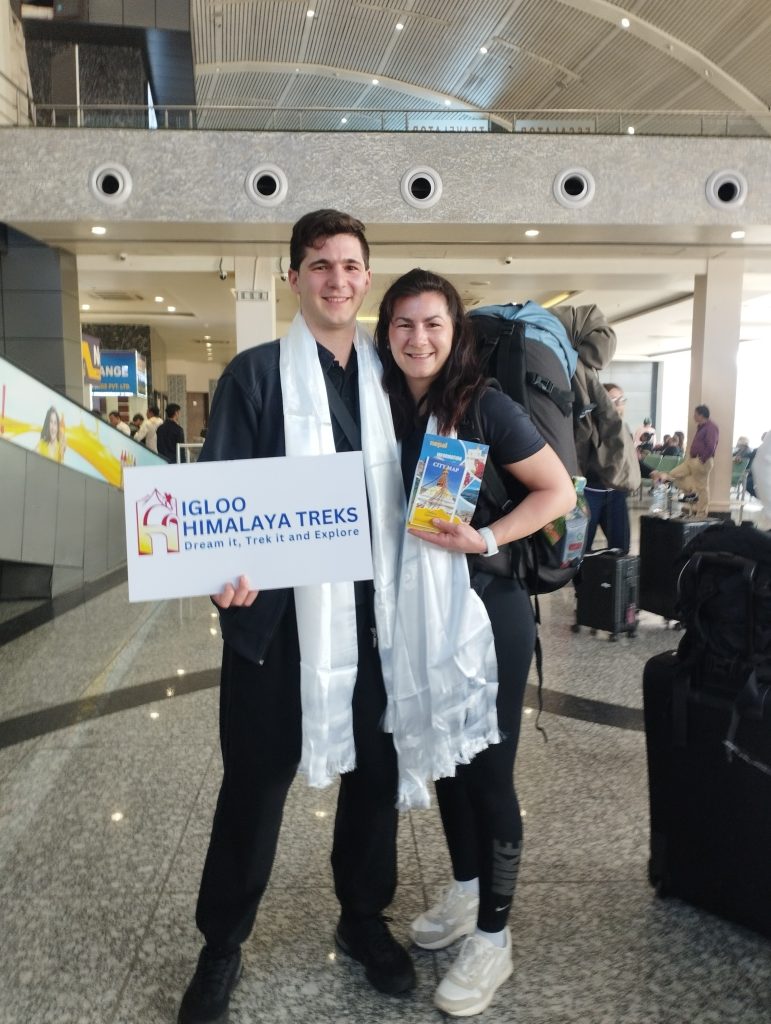
Welcome to Nepal! After you land at Tribhuvan International Airport, we meet you outside and drive you to your hotel. Kathmandu is busy, noisy, and full of life, and the drive itself is a bit of an adventure. Once you check in, the day is yours. Rest of the jet lag, or take a short walk around Thamel, the tourist quarter, where you can pick up any last trekking gear. In the evening, we go through the trek plan together and check your equipment.
Accommodation: Hotel in Kathmandu
Distance: 203 km (Drive ~7 hrs) / Flight (~25 min)
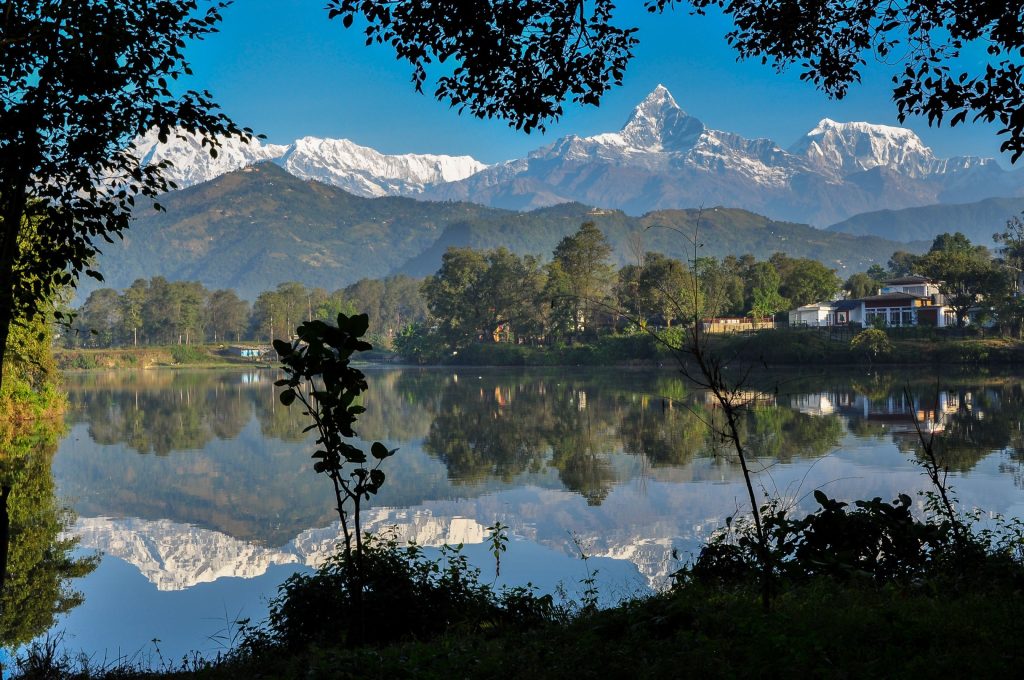
Today is a travel day. We leave Kathmandu in the morning and drive about 200 kilometers west to Pokhara, which takes 6 to 8 hours depending on traffic. The road follows the Trishuli River through hills, farmland, and small roadside towns, so keep your camera handy. Pokhara is Nepal's laid-back lake city and the gateway to the Annapurna region. In the evening, stroll along the shore of Phewa Lake and enjoy a relaxed dinner. If the sky is clear, you will get your first view of Machhapuchhre, the fishtail-shaped peak you will soon be walking toward. your trek.
Meals: Breakfast
Accommodation: Hotel in Pokhara
Distance: ~10.5 km • Time: 5 hrs
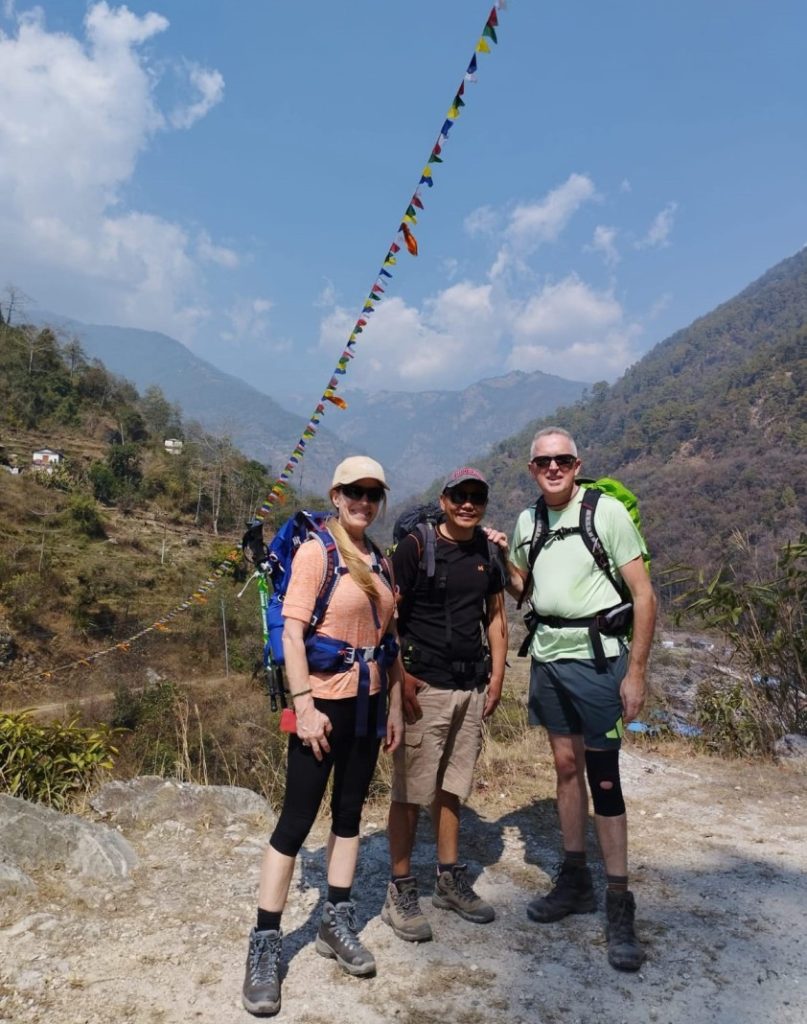
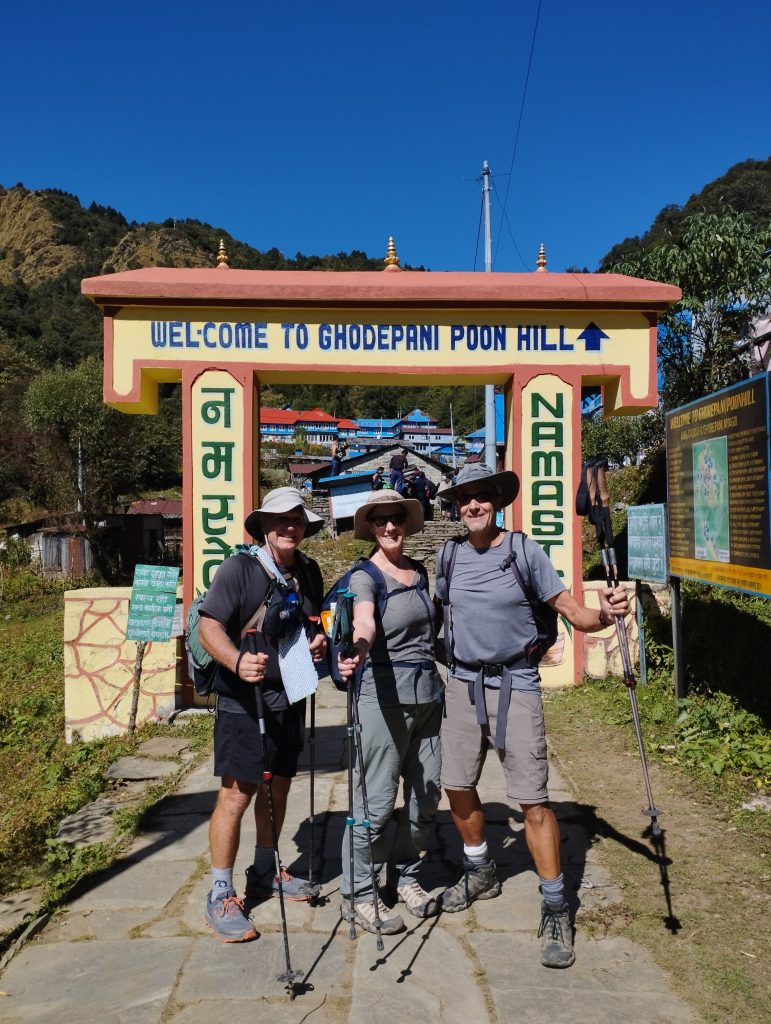
The trekking starts today. A morning drive of about an hour and a half brings us to Nayapul, where we shoulder our packs and set off. The first stretch is a gentle riverside walk through Birethanti and small farming villages. After lunch at Tikhedhunga, the real work begins: the famous stone staircase to Ulleri, with more than 3,000 steps. Take it slow, rest often, and don't worry when local porters glide past you. Everyone finds this climb tough. The reward is Ulleri village and a well-earned dinner with views back down the valley. About 5 to 6 hours of walking.
Meals: Breakfast, Lunch, Dinner
Accommodation: Teahouse in Ulleri
Distance: ~10 km • Time: 5 hrs
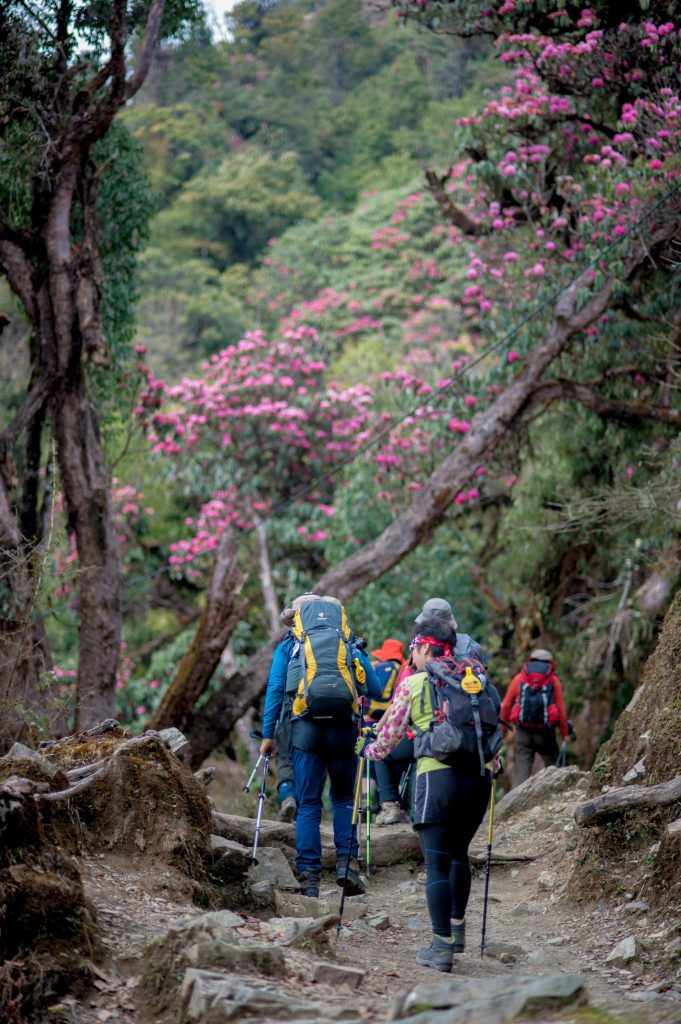
A shorter and gentler day, and a beautiful one. The trail climbs steadily through forests of rhododendron and oak, past streams and small waterfalls. In spring, this section is one big flower display. We stop for tea in the village of Banthanti before the final climb into Ghorepani, a pretty mountain village with big views of Dhaulagiri and the Annapurnas. The evening is cold up here, so grab a seat by the dining room stove, order a hot drink, and get to bed early. Tomorrow starts before dawn. About 4 to 5 hours of walking.
Meals: Breakfast, Lunch, Dinner
Accommodation: Teahouse in Ghorepani
Distance: ~13 km • Time: 6 hrs
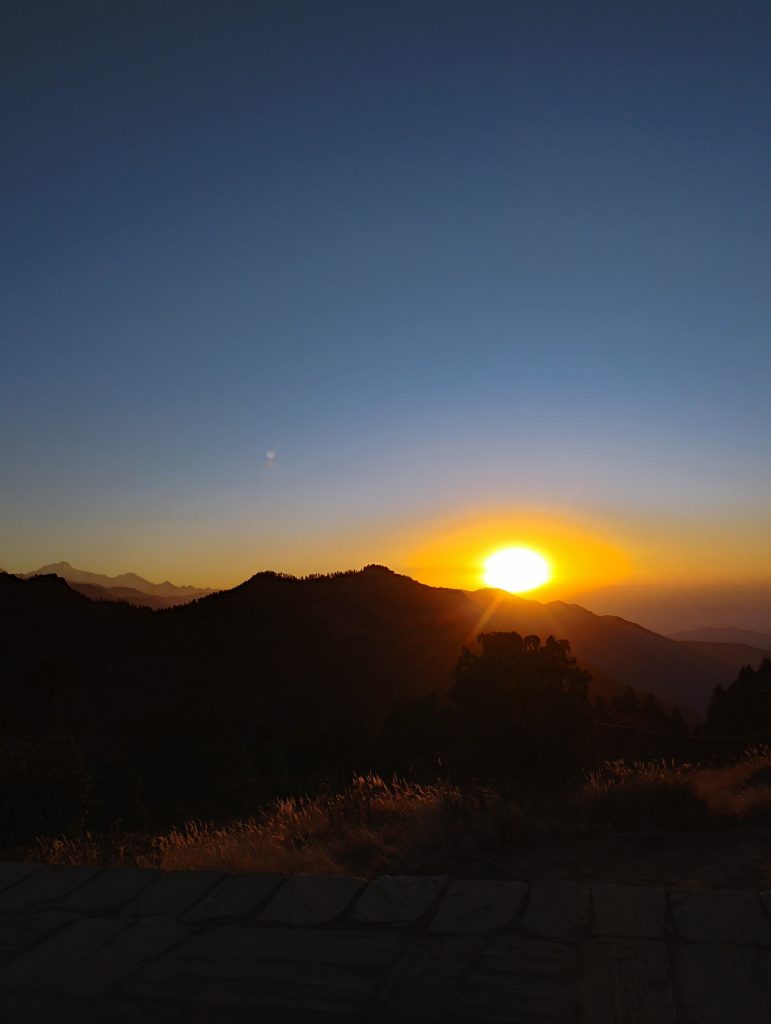
Your alarm goes off at around 4:30 am and it is worth it. By headlamp, we climb about an hour to the top of Poon Hill. Then the show begins. The sun rises and lights up Dhaulagiri (8,167 m), Annapurna South, Machhapuchhre, and a whole line of snowy peaks, turning them pink, then gold, then blazing white. It is one of the best sunrises anywhere in the Himalayas. We head back to Ghorepani for a big breakfast, then trek east through mossy forest, over a ridge, and down to the quiet village of Tadapani. About 6 to 7 hours of walking in total.
Meals: Breakfast, Lunch, Dinner
Accommodation: Teahouse in Tadapani
Distance: ~9 km • Time: 6 hrs
Today we leave the Poon Hill trail behind and turn toward the Sanctuary. The morning is a long descent through lush forest to the Kimrong Khola river. Keep an eye out for langur monkeys in the trees. After crossing the river, we climb steadily up the other side of the valley to Chhomrong, a large Gurung village built into a steep hillside. Chhomrong is the last big village before base camp, and it is a lovely place to spend the night. Machhapuchhre fills the view from almost every teahouse window. About 5 to 6 hours of walking.
Meals: Breakfast, Lunch, Dinner
Accommodation: Teahouse in Chhomrong
Distance: ~11 km • Time: 7 hrs
We start the day by walking down Chhomrong's famous stone staircase, around 2,500 steps, to a suspension bridge over the Chhomrong Khola. Then it is up the other side to Sinuwa and into the Modi Khola valley, the deep gorge that leads to the Sanctuary. From here there is one way in and one way out. The trail rises and falls through bamboo and rhododendron forest, past the small settlements of Bamboo and Dovan, before we stop for the night at Himalaya or Deurali. The valley walls tower above you now, and you can feel the mountains getting closer. About 6 to 7 hours of walking.
Meals: Breakfast, Lunch, Dinner
Accommodation: Teahouse in Himalaya
Distance: ~11 km • Time: 7 hrs
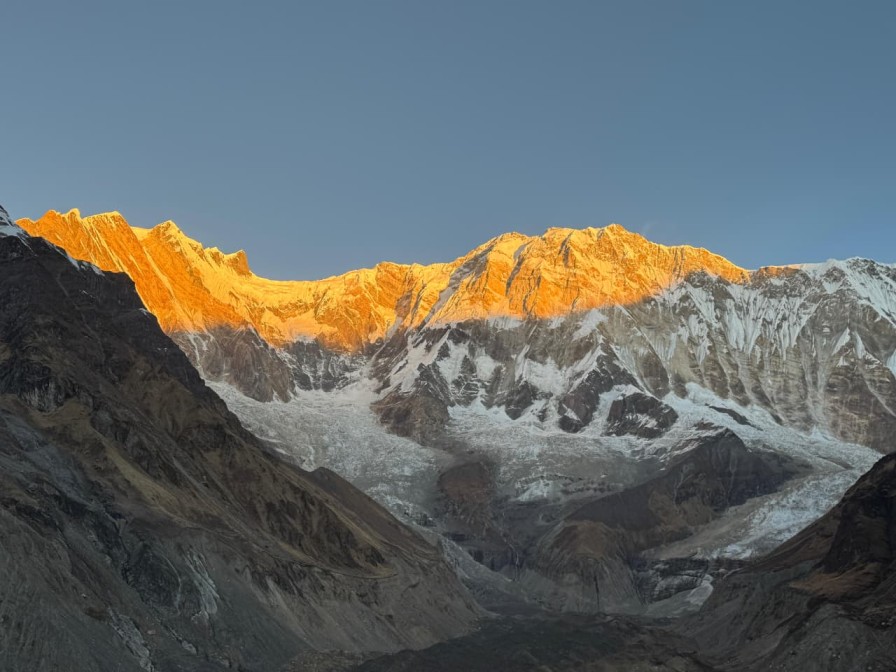
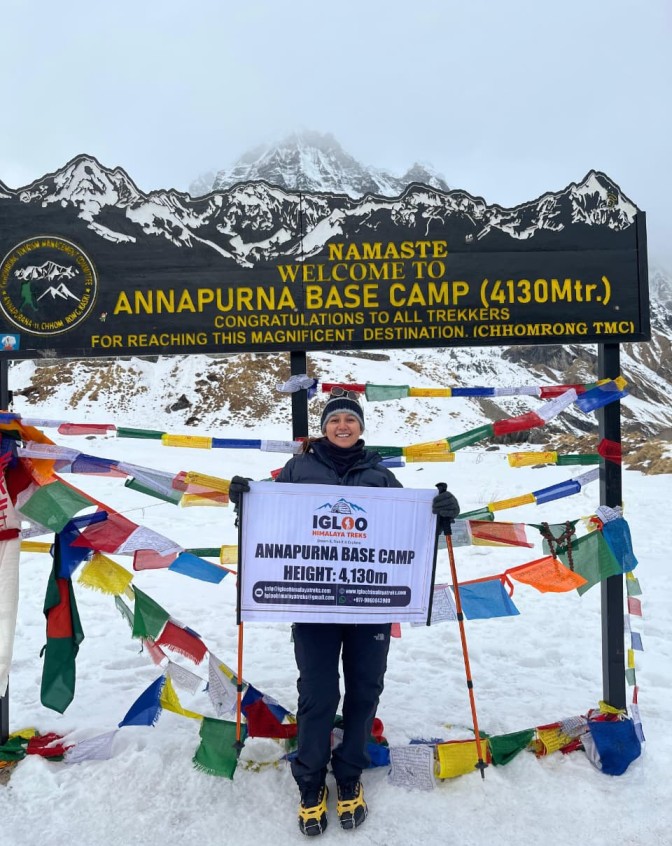
The big day. We climb out of the gorge and above the tree line, walking through open alpine meadows to Machhapuchhre Base Camp at 3,700 meters. Take a good break here, because the views are already superb. Then comes the final two-hour walk into the Sanctuary itself. The valley opens up, and suddenly mountains surround you on every side: Annapurna I, Annapurna South, Hiunchuli, Machhapuchhre, and more. Standing at base camp feels like standing in the middle of a frozen amphitheater. We arrive by early afternoon, walking slowly because of the altitude. Watch the sunset paint the peaks, then bundle up. It is a cold night, and an unforgettable one. About 5 to 6 hours of walking.
Meals: Breakfast, Lunch, Dinner
Accommodation: Teahouse at Annapurna Base Camp
Distance: ~17 km • Time: 7 hrs
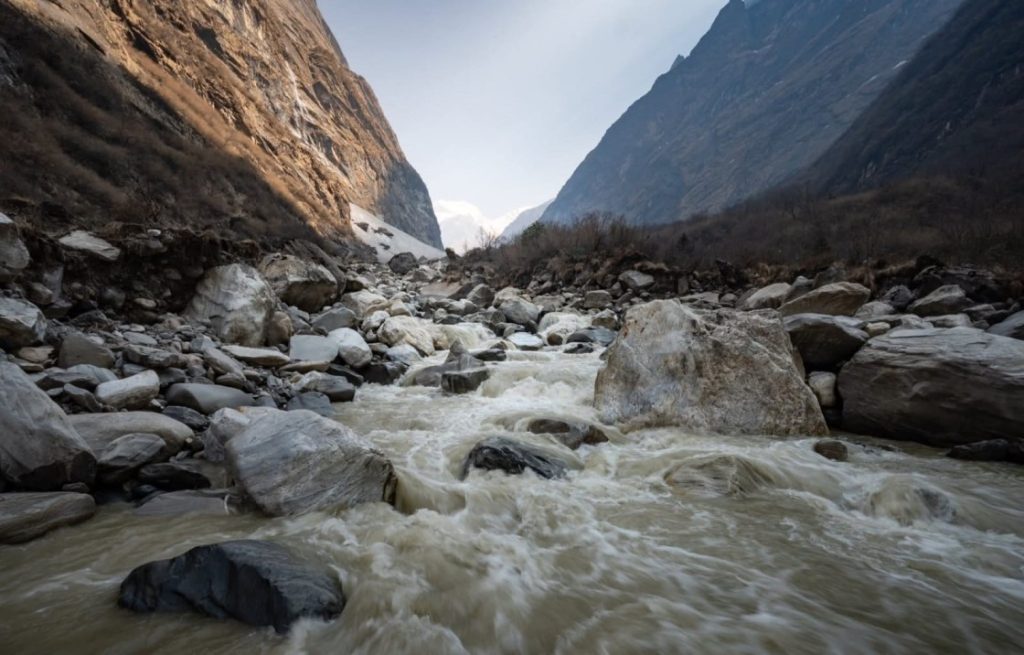
Wake early and step outside. Sunrise inside the Sanctuary is something you will remember for the rest of your life, as the first light creeps down the face of Annapurna I and the whole bowl of peaks glows. After breakfast and plenty of photos, we start the long walk back down the valley. Going down is faster, and every hour the air feels thicker and warmer. We retrace our steps past Machhapuchhre Base Camp, Deurali, and Dovan, and stop for the night at Bamboo, back among the forests. Your legs will be tired, but your heart will be full. About 6 to 7 hours of walking
Meals: Breakfast, Lunch, Dinner
Accommodation: Teahouse in Bamboo
Distance: ~11 km • Time: 6 hrs
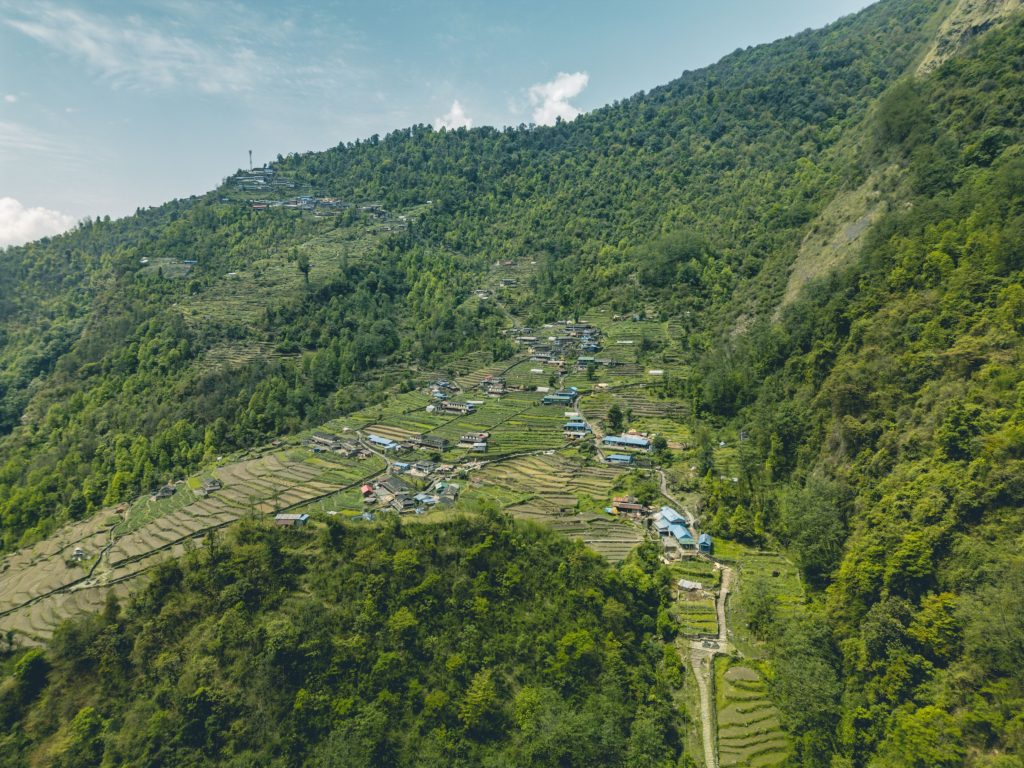
A shorter day with a wonderful reward at the end. We climb back up to Sinuwa, cross the river, and tackle the Chhomrong staircase one more time. From Chhomrong it is a steep descent to Jhinu Danda, a small village perched above the Modi Khola. Twenty minutes below the village are natural hot spring pools right beside the river. Sinking into that warm water after a week of trekking might be the single best moment of the whole trip. Soak, relax, and let your muscles recover. About 4 to 5 hours of walking.
Meals: Breakfast, Lunch, Dinner
Accommodation: Teahouse in Jhinu Danda
Walk ~25 min to the road point and drive ~3–4 hrs
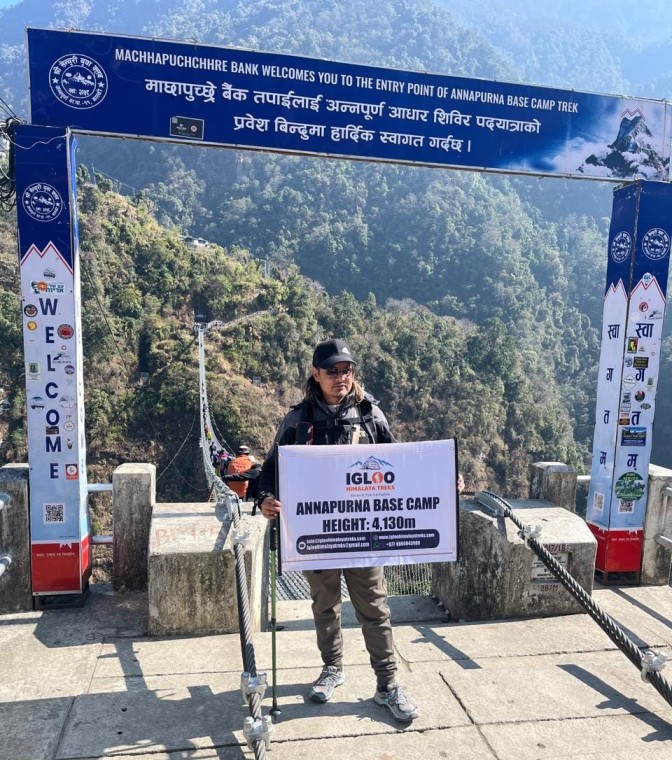
The last walking day. From Jhinu Danda, we cross one of the area's long suspension bridges and follow an easy trail along the Modi Khola through farmland and small villages. The mountains slowly slip behind the hills as we descend. At the road, our vehicle is waiting to drive us back to Pokhara, which takes a couple of hours. Then comes the moment every trekker dream about: a long hot shower and a soft bed. In the evening, celebrate with your group at one of Pokhara's lakeside restaurants. You have earned it. About 4 to 5 hours of walking.
Meals: Breakfast
Accommodation: Hotel in Pokhara
Drive: ~7 hrs / Flight: ~25 min
We say goodbye to Pokhara and take the tourist bus back to Kathmandu, following the same scenic river road we came in on. The drive takes 6 to 8 hours, so sit back, doze, and watch Nepal roll past the window. In Kathmandu, the evening is free. Most people head to Thamel for souvenir shopping: pashmina scarves, singing bowls, prayer flags, and tea all make great gifts. A farewell dinner with your guide and group is the perfect way to end the trip.
Meals: Breakfast
Accommodation: Hotel in Kathmandu
Time to head home. Depending on your flight time, you might squeeze in a last breakfast in Thamel or a bit of final shopping. We pick you up from your hotel and drive you to Tribhuvan International Airport about three hours before your flight. You leave Nepal with tired legs, a camera full of mountains, and, if you are like most of our trekkers, a plan already forming for your next Himalayan adventure. Namaste, and see you on the trail again soon.
Meals: Breakfast
Accommodation: — (departure)
Includes and Excludes
What’s Included
- All ground transportation in a private vehicle, including airport transfers.
- Ground transport: (Kathmandu–Pokhara - Kathmandu by tourist Bus) (Pokhara-Birethanti -JhinuDanda -Pokhara by Jeep)
- 3★ hotel stays in Kathmandu (2 nights) and Pokhara (2 nights) with breakfast Twin-sharing Room
- Breakfast, Lunch, Dinner and complimentary tea/coffee on trek
- Seasonal fruits and snickers chocolate with dinner
- Farewell dinner in Kathmandu
- English-speaking guide and insured porters (1 porter per 2 trekkers)
- Equipment provided: duffel bag, down jacket, sleeping bag (Return after trip)
- Trekking map and achievement certificate
- First aid kit carried by guide.
- All trek permits (ACAP) and government fee
What’s Not Included
- International flights and airport departure taxes
- Nepal entry visa fee
- Travel insurance (mandatory, must include high-altitude and evacuation)
- Personal meals & drinks in Kathmandu/Pokhara
- Beverages and extras during trek (water, snacks, hot shower, Wi-Fi)
- Gratuities for guide, porter, driver
- Personal gear (e.g., jackets, boots)—bring your own or rent
Frequently Asked Questions
General
Our Annapurna Base Camp Trek is a 13-day journey, including the travel days and trekking route from Pokhara through Poon Hill and the Annapurna Sanctuary to Annapurna Base Camp.
Annapurna Base Camp is at an elevation of 4,130 meters (13,550 feet) above sea level. The trek gradually gains altitude as you move from the lower valleys toward the Annapurna Sanctuary.
The trek is considered moderately difficult. It involves several hours of walking each day, stone steps, uphill sections, and increasing altitude. However, no technical climbing or mountaineering experience is required. With reasonable fitness and proper preparation, beginners with trekking experience can complete the route.
Yes. The trek can be suitable for first-time trekkers with a good level of fitness. You should be comfortable walking for several hours a day and be prepared for uphill and downhill sections. If you are unsure whether the trek matches your fitness or experience, you can contact our team for personalized advice.
The highest point of our itinerary is Annapurna Base Camp at 4,130 meters. The route also takes you to Poon Hill at 3,210 meters, one of the major highlights of the journey.
Yes. Poon Hill is included in our 13-day Annapurna Base Camp Trek itinerary. You hike to the viewpoint early in the morning to enjoy sunrise and panoramic views of the surrounding Himalayan peaks before continuing toward Tadapani and the Annapurna Sanctuary.
Our route passes through Tikhedhunga, Ulleri, Ghorepani, Poon Hill, Tadapani, Chhomrong, Bamboo, Machhapuchhre Base Camp, and Annapurna Base Camp, before descending toward the lower Annapurna region.
The trek offers views of several major Himalayan peaks, including Annapurna I, Annapurna South, Machhapuchhre (Fishtail), Hiunchuli, and Dhaulagiri, depending on the location and weather conditions. The Annapurna Sanctuary provides particularly impressive close-up mountain scenery. Nepal Tourism Board also identifies Annapurna Base Camp as a route into the Annapurna Sanctuary surrounded by major Himalayan peaks.
You stay in local teahouses and lodges along the trekking route. These provide a comfortable place to rest and experience the hospitality of mountain communities throughout the journey.
The package includes breakfast, lunch, and dinner during the trekking days. You can choose from the available meals at the teahouses along the route.
Yes. The Poon Hill–ABC route is among the Annapurna routes covered by Nepal's current TIMS and licensed-guide requirements. Our package includes a professional trekking guide to lead and support you throughout the journey.
The trek requires an Annapurna Conservation Area entry permit and TIMS registration. These are arranged as part of our trekking service. The Annapurna region is a designated conservation area, and Nepal Tourism Board provides current information on its entry requirements and fees.
Yes. We can tailor the itinerary according to your available time, fitness level, interests, and travel preferences. If you want to change the pace, add rest days, or combine the trek with other experiences, contact our team to discuss the available options.
Igloo Himalaya Treks brings more than 20 years of experience in Nepal's trekking and tourism industry. Our experienced guides and support team have extensive knowledge of the Himalayan trails, while our itineraries are designed around practical trekking experience. We can also customize your trek to suit your needs and provide local support throughout the journey.
The trek is organized from Pokhara, the main gateway to the Annapurna region. The trekking route begins with the drive toward the trailhead and takes you through the Annapurna villages and Sanctuary before returning toward Pokhara.
Yes. Depending on your available time, the Annapurna Base Camp Trek can be combined with other experiences in Nepal. Contact our team and we can help design a suitable itinerary around your interests and schedule.
For updated information about trekking regulations, TIMS, permits, and protected areas, you can refer to the Nepal Tourism Board's official trekking information. Nepal Tourism Board – Trekking Information
For current information about the Annapurna Conservation Area, you can also refer to the Nepal Tourism Board's official destination page. Nepal Tourism Board – Annapurna Conservation Area
Map

Local culture and villages you will explore in this Annapurna Base Camp trek
The Annapurna Base Camp trek passes through the heart of Gurung and Magar country, where traditional stone villages, terraced fields, and warm mountain hospitality define the experience. Along this route, you’ll explore some of Nepal’s most iconic rural settlements while walking beneath Annapurna, Machhapuchhre, and Hiunchuli.
Key villages on the ABC trail
- Ghandruk: A large, famous Gurung village with slate-roofed houses, narrow stone lanes, a small cultural museum, and panoramic views of Annapurna South and Hiunchuli.
- Chhomrong: A scenic hillside settlement above the Modi Khola valley, known for its teahouses, traditional architecture, and gateway views into the Annapurna Sanctuary.
- Sinuwa, Bamboo, Deurali: Forest-edge villages and hamlets that serve as essential overnight stops on the climb toward Machhapuchhre Base Camp.
- Machhapuchhre Base Camp (MBC) and Annapurna Base Camp (ABC): High-altitude seasonal settlements with family-run teahouses offering close-up views of the sanctuary’s towering peaks.
Culture and daily life
In these villages, life still moves at walking pace. You’ll see terraced farms of maize and millet, mule caravans on the trail, elders spinning wool, and children greeting trekkers with “Namaste!” Many teahouses are family-run, with hosts cooking your meals, pouring your tea, and sharing stories about local festivals like Dashain, Tihar, and Losar.
Community-based tourism and conservation
The entire ABC route lies inside the Annapurna Conservation Area (ACA). Your ACAP permit fees support local schools, trail maintenance, and conservation projects, so your trek directly benefits the Gurung and Magar communities you walk through.
Fitness and preparation for Annapurna Base Camp Trek
The Annapurna Base Camp (ABC) trek is achievable for most active travelers, but it is not a casual walk. As for this trek, you can expect to trek 4–7 hours a day for around 9 days, with long sections of steep stone steps and uneven trails.
The climb to Ulleri alone includes over 3,000 steps, and Chhomrong has its own famous staircase. Your legs and especially your knees on the descent will feel the effort.
You do not need to be an athlete, but it is recommended to be reasonably fit and comfortable walking uphill for several hours, and prepared to take it slow and steady.
How you can prepare
- Start training 1–2 months before your trip.
- Walk or hike 2–3 times a week, gradually building up to 4–5 hours at a time.
- Include stairs in your training: office buildings, stadiums, or local hill trails.
- Do a few practice hikes with the daypack you plan to carry.
- Use trekking poles to reduce strain on your knees, especially on descents.
If you can comfortably hike uphill for a few hours at home, you can complete the ABC trek. Trekkers from age 10 to 70+ finish this route every season, and the slow, steady walkers often enjoy it the most.
Altitude and staying safe during Annapurna Base Camp Trek
Annapurna Base Camp sits at 4,130 m, which is high but noticeably lower than Everest Base Camp (5,364 m). This makes the ABC trek a popular choice: there’s more oxygen in the air, nights are less extreme, and the overall risk of serious altitude problems is lower.
What to expect at altitude
On Annapurna treks, most people start feeling the effects of altitude above 3,000 m. Common, mild symptoms can include:
- Headache
- Loss of appetite
- Trouble sleeping
- Dizziness or unusual tiredness
These symptoms can affect anyone, regardless of fitness level. The key is to walk slower than you think you need to, stay well hydrated, and take regular breaks. There are no prizes for rushing; the trekkers who pace themselves, drink enough water, and enjoy the scenery usually feel best at base camp.
How this itinerary helps
This ABC itinerary is designed for gradual altitude gain, with longer acclimatization time built in before the biggest climbs. Most days involve steady walking with short, manageable ascents, giving your body time to adjust as you go higher.
What if you do not feel well
If you start to feel unwell, tell your guide immediately. Our guides are trained to recognize early signs of altitude issues and will:
- Monitor your condition closely
- Adjust your pace and rest schedule
- Arrange extra rest days or a lower sleeping altitude if needed
- Organize a safe descent if symptoms worsen
In almost all cases, mild symptoms improve with rest, fluids, and a slower pace.
If needed, the simplest and most effective treatment is to descend to a lower altitude, and our guide will make sure this is done safely and calmly.
You are never alone on this trek; our team is with you every step of the way to keep you safe and comfortable while you enjoy the mountains.
Food and teahouses during the Annapurna Base Camp Trek
On this trek, you will stay in teahouses, small, family-run mountain lodges that are simple, clean, and cozy rather than fancy. A typical room has two wooden beds with foam mattresses, a pillow, and a blanket.
We provide a warm sleeping bag for each trekker, so you do not need to bring your own.
Bathrooms are usually shared, and hot showers are available in most teahouses for a small fee. Higher up, the “shower” may be a bucket of hot water, but after a long day on the trail, it feels wonderful.
What you will eat in this 13 days annapurna base camp treks
The food is better than many trekkers expect. The classic meal is dal bhat—rice, lentil soup, vegetable curry, and pickles often with free refills. There is a popular saying on the trail that “dal bhat power” lasts 24 hours, and after a few days of walking, you will likely agree.
Menus also include:
- Noodles and fried rice
- Momos (Nepali dumplings)
- Pasta and potatoes
- Eggs, porridge, pancakes, and toast
- Garlic soup, a trail favorite that many believe helps with altitude
Tea, coffee, hot chocolate, and soft drinks are available at most stops.
Your accommodation is pre-arranged
Once you confirm your trek with us, we immediately book your teahouses and arrange all accommodation along the route.
By the time you arrive in the Annapurna region, everything is already set. Our guide will take you from village to village, and when you reach each teahouse, your rooms will be ready and waiting.
No searching for lodges, no last‑minute hassles—just a smooth, comfortable trek from start to finish.
Best months to go for the Annapurna Base Camp Trek
The Annapurna Base Camp (ABC) trek is best enjoyed during Nepal’s two main trekking seasons: spring and autumn.
Both offer excellent weather, clear mountain views, and a vibrant trail atmosphere, but each season has its own character.
Spring (March to May)
Spring is the season of color and renewal in the Annapurna region. From March to May, the rhododendron forests between Ghorepani, Tadapani, and Chhomrong burst into bloom, painting whole hillsides in shades of red, pink, and white. Daytime temperatures are pleasantly warm, making long walking days comfortable, while mornings are often clear with spectacular mountain views.
Afternoons can bring some cloud build-up, especially later in the season, but this rarely affects the trek. Spring is ideal if you love flowers, green landscapes, and slightly warmer days, and it’s a great time for photography in the lower valleys and forested sections of the trail.
Autumn (late September to November)
Autumn is the most popular and reliable season for the ABC trek. From late September through November, the monsoon rains have just washed the dust out of the sky, leaving crisp air and some of the clearest mountain views of the year. The weather is stable, with sunny days, cool nights, and minimal rain.
Temperatures are comfortable for trekking, and the trails are lively with trekkers from around the world. This is the best time if your priority is big Himalayan panoramas, long clear days, and classic postcard views of Annapurna, Machhapuchhre, and Hiunchuli.
Winter (December to February)
Winter trekking to Annapurna Base Camp is possible and offers a quiet, peaceful experience with far fewer people on the trail.
Days can be clear and sunny, especially in December and early January, but nights at higher altitude (MBC and ABC) become very cold, and snowfall can occasionally block the upper sections of the route.
Winter is suitable for experienced trekkers who are well equipped for cold conditions and flexible with their itinerary. If you do not mind the chill and love serene, snow-dusted landscapes, winter can be a magical time to visit the sanctuary.
Monsoon (June to August)
The monsoon months bring frequent rain, leeches on the lower trails, and thick clouds that often hide the mountain views.
Paths can be slippery, and flight delays to/from Pokhara are more common. For these reasons, most trekkers avoid the Annapurna Base Camp trek during the monsoon unless they have specific reasons or prefer very quiet trails.
For the classic ABC experience, choose spring for flowers and green valleys or autumn for the clearest skies and biggest mountain views. Either season will give you an unforgettable trek.
How Difficult Is the Annapurna Base Camp Trek?
The 13-day Annapurna Base Camp Trek via Poon Hill is a moderately difficult trek that combines long walking days, uphill and downhill sections, and a gradual rise in altitude.
The route takes you through Tikhedhunga, Ulleri, Ghorepani, Poon Hill, Chhomrong, and the Annapurna Sanctuary before reaching Annapurna Base Camp at 4,130 meters.
The trail is physically demanding in places, particularly on the stone steps around Ulleri and during the climb toward the Sanctuary.
However, it does not involve technical climbing or mountaineering skills. With reasonable fitness, proper pacing, and regular breaks, most active trekkers can complete this trek comfortably.
The main factors affecting the difficulty are daily walking distance, elevation gain, steep sections, weather, trail conditions, and your overall fitness.
Trail Conditions of Annapurna Base Camp Trek
The Annapurna Base Camp Trek via Poon Hill follows a well-established Himalayan trail with a mix of stone steps, forest paths, village trails, and mountain tracks.
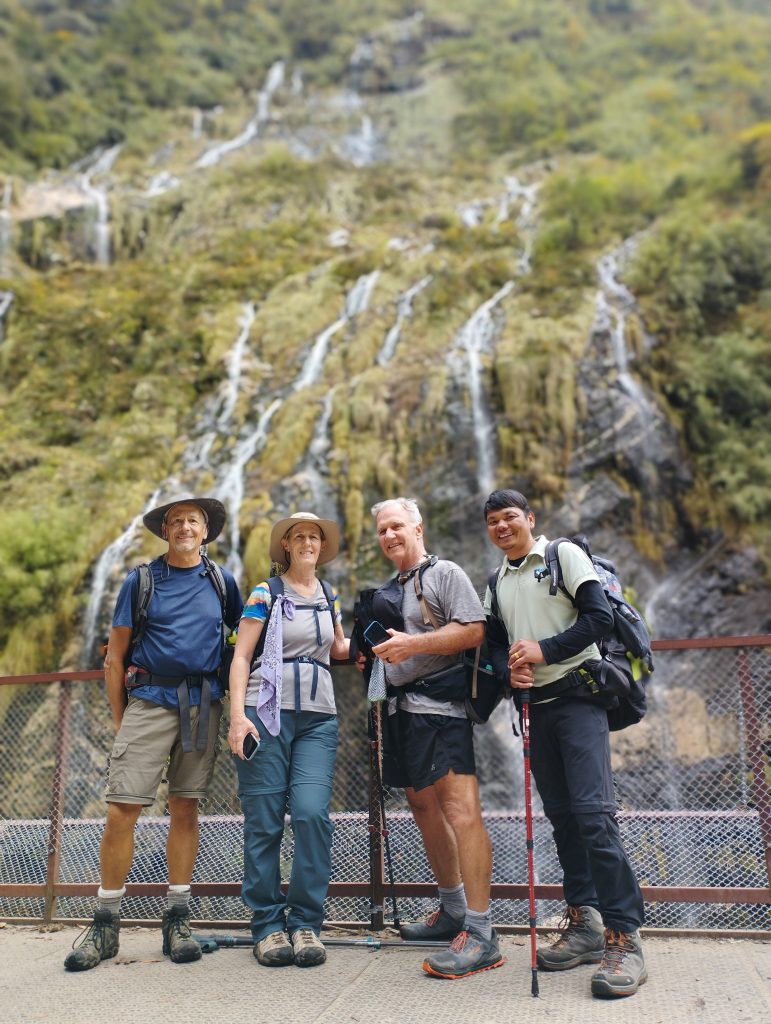
The trail gradually becomes more mountainous as you approach Annapurna Base Camp, with beautiful views of surrounding peaks, waterfalls, rivers, and lush forests along the way.
The well-defined route makes it easy to enjoy the journey while experiencing the diverse landscapes of the Annapurna region.
Is the Annapurna Base Camp Trek Suitable for Beginners?
Yes, the Annapurna Base Camp Trek is suitable for beginners with a reasonable level of fitness. No previous trekking or mountaineering experience is required, but you should be comfortable walking for several hours each day. With a steady pace and proper preparation, first-time trekkers can enjoy this 13-day Himalayan adventure.
Not sure if this trek is right for you? Feel free to consult with us for further information and personalized guidance at Igloo Himalaya Treks.
Packing List for Annapurna Base Camp Trek
Packing the right gear makes the 13-day Annapurna Base Camp Trek more comfortable and enjoyable. The trail passes through warm lower valleys, rhododendron forests, stone steps, and colder alpine areas before reaching Annapurna Base Camp at 4,130 meters. Pack according to the season and keep your personal luggage as light as possible.
Our package already provides a duffel bag, down jacket, and sleeping bag, so you do not need to bring these from home unless you prefer to use your own.
Head and Sun Protection
- Sun hat or cap
- Warm woolen beanie
- Buff or neck gaiter
- UV-protected sunglasses
- Sunscreen
- SPF lip balm
- Headlamp with spare batteries
Upper Body
- Moisture-wicking trekking T-shirts
- Full-sleeve trekking shirt
- Thermal base layer
- Fleece jacket
- Warm down jacket
- Waterproof and windproof outer jacket
- Lightweight rain jacket or poncho
Lower Body
- Comfortable trekking pants
- Thermal leggings or innerwear
- Waterproof trekking pants
- Quick-drying underwear
- Comfortable socks
- Extra pairs of warm and trekking socks
Footwear
- Comfortable, well-broken-in trekking boots
- Lightweight sandals or slippers for the teahouse
- Warm trekking socks
- Gaiters, especially for winter or snowy conditions
- Microspikes if trekking during periods of snow or ice
Toiletries and Personal Care
- Toothbrush and toothpaste
- Face wash or soap
- Toilet paper
- Quick-dry towel
- Hand sanitizer
- Wet wipes
- Lip balm
- Moisturizer
- Nail cutter
- Personal hygiene products
Trekking Accessories
- Day backpack
- Trekking poles
- Reusable water bottle or hydration bladder
- Water purification tablets or filter
- Power bank
- Phone and camera
- Universal travel adapter
- Dry bags or waterproof backpack cover
- Small personal lock
First Aid and Personal Medication
- Basic bandages
- Antiseptic wipes or cream
- Blister treatment
- Pain-relief medicine
- Personal prescribed medicines
- Basic medication for common stomach problems
- Cough lozenges
- Any medication recommended by your doctor
Our guide also carries a first-aid kit, which is included in the package.
Documents and Important Items
- Valid passport
- Passport photocopies
- Passport-size photographs
- Travel insurance documents
- Nepal visa or visa details
- Emergency contact information
- Some Nepali cash for personal expenses
Other Useful Items
- Energy bars and personal snacks
- Lightweight thermos flask
- Notebook or journal
- Small binoculars or camera
- Extra batteries
- Small daypack rain cover
For Women Trekkers
- Comfortable sports bra
- Thermal leggings
- Comfortable undergarments
- Sanitary pads, tampons, or menstrual products
- Personal feminine hygiene products
- Moisturizer and skincare products
- Sunscreen and lip balm
- Hair ties
- Personal grooming items
- Travel-size shampoo and conditioner
Tip: You do not need to overpack for the ABC trek. Focus on warm, comfortable, lightweight, and season-appropriate gear. Our porters carry the main duffel, while you can keep your daily essentials in your daypack.
Documents Required for Annapurna Base Camp Trek
A few documents are important for a smooth and hassle-free Annapurna Base Camp Trek. Our package includes the required Annapurna Conservation Area Permit (ACAP) and government fees, while trekkers need to provide their personal travel documents.
- Passport: Carry your original passport for identification and permit processing.
- Passport-Size Photos: Keep a few recent photos available for trekking documentation.
- Nepal Entry Visa: Foreign travelers need a valid Nepal visa unless exempt under applicable regulations.
- Travel Insurance: Travel insurance is mandatory for this trek and should cover high-altitude trekking and emergency evacuation, including helicopter evacuation.
- ACAP Permit: The Annapurna Conservation Area Permit is required for this route and is arranged by our team.
- TIMS Registration: TIMS registration is required for the trek and is arranged as part of the trekking preparation.
- Emergency Contact Details: Keep your emergency contact and insurance information easily accessible.
With your documents, essential personal gear, and the equipment provided by Igloo Himalaya Treks, you will be well prepared to enjoy the journey from Pokhara through Poon Hill and the Annapurna Sanctuary to Annapurna Base Camp.
Why Book the Annapurna Base Camp Trek With Igloo Himalaya Treks?
Choosing the right trekking company can make a big difference to your experience in the Himalayas. At Igloo Himalaya Treks, we focus on providing well-planned, safe, and memorable journeys backed by years of experience in Nepal’s trekking industry.
- 20+ Years of Experience: Our itineraries are developed and refined through more than 20 years of experience in Himalayan trekking and tourism.
- Experienced Trekking Team: Our professional guides and support staff have years of experience on the Annapurna trails and understand the terrain, weather, altitude, and local communities.
- Tailored Trekking Experience: We can customize the itinerary according to your time, fitness level, interests, and travel preferences, allowing you to enjoy the trek at a comfortable pace.
- Well-Planned Itineraries: Every itinerary is designed with practical walking days, acclimatization, comfortable stops, and enough time to enjoy the landscapes and local culture.
- Safety Comes First: We prioritize your safety throughout the journey, with experienced guides, proper trekking preparation, and support in case of unexpected situations.
- Local Knowledge and Support: As a Nepal-based trekking company, our team brings firsthand knowledge of the trails, villages, culture, and changing mountain conditions.
Whether you are a first-time trekker or an experienced hiker, Igloo Himalaya Treks is here to help you experience the Annapurna Base Camp Trek with confidence, comfort, and genuine local support.