Trip Informatiom
-
3-star hotel -Tea House - Lodge
-
Kathmandu-Breakfast, Mountain-Breakfast - Lunch - Dinner
-
Private / Sharing Vehicle / Bus
-
5,033 meters (16,510 feet)
-
9
-
85
Langtang Valley Trek Overview
The Langtang Valley Trek is one of Nepal’s most rewarding Himalayan adventures, offering a perfect blend of spectacular mountain scenery, rich Tamang culture, peaceful forests, alpine meadows, glacial landscapes, and warm local hospitality. Located just north of Kathmandu within the beautiful Langtang National Park, this trek provides an authentic Himalayan experience without the crowds found on Nepal’s more popular trekking routes.
The journey begins with a scenic drive from Kathmandu to Syabrubesi, the gateway to the Langtang region. From there, the trail follows the Langtang River through lush forests of rhododendron, bamboo, pine, and oak, home to diverse wildlife including red pandas, Himalayan black bears, langur monkeys, musk deer, and numerous bird species. As the elevation gradually increases, the landscape transforms into open alpine valleys surrounded by towering snow-capped peaks.
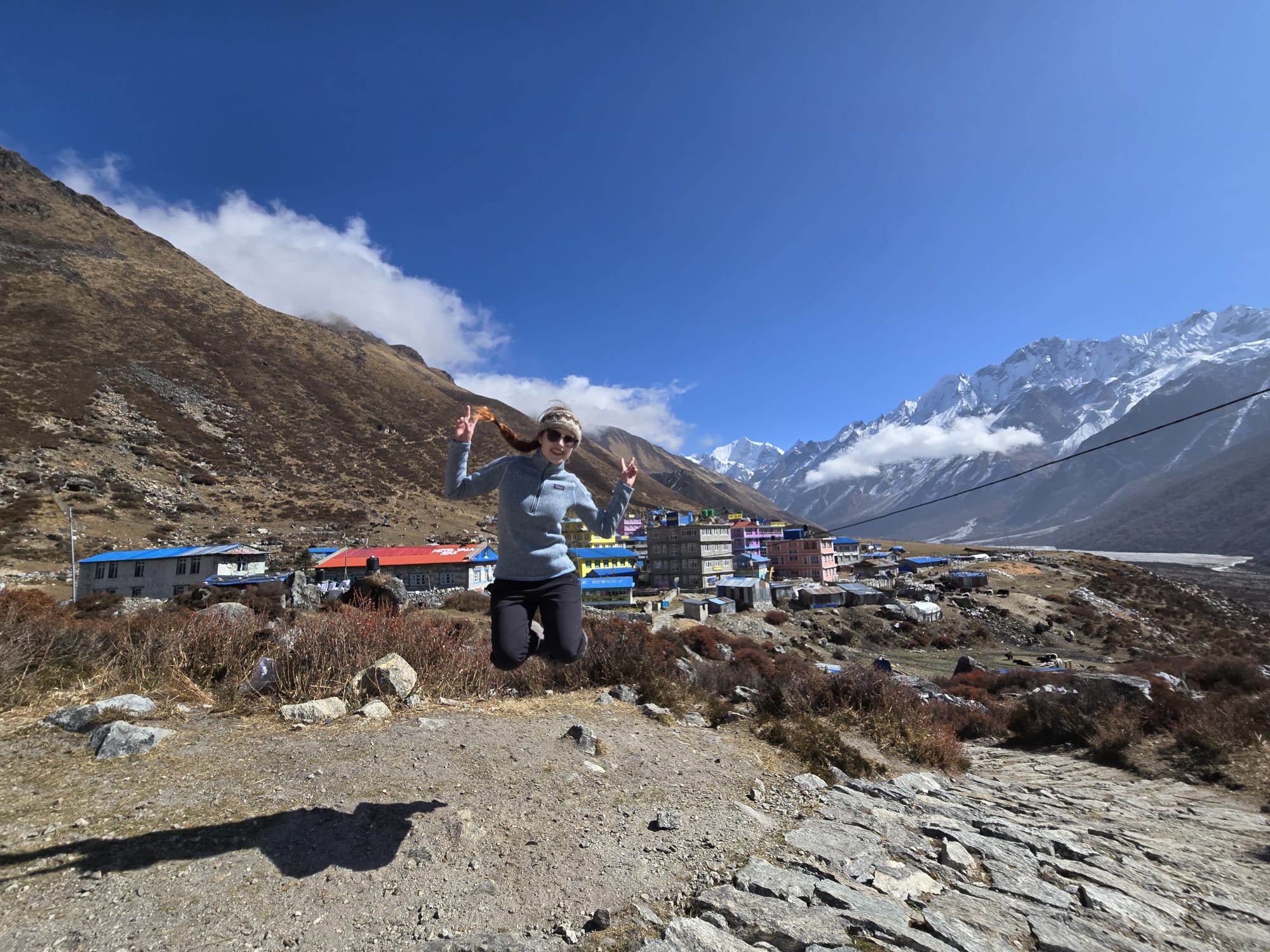
One of the highlights of the trek is reaching Kyanjin Gompa (3,870 m), a centuries-old Buddhist monastery nestled beneath the majestic Langtang Lirung (7,227 m). This picturesque village is the cultural and spiritual heart of the valley, where trekkers can experience traditional Tamang hospitality, visit the famous yak cheese factory, and explore ancient monasteries while enjoying breathtaking Himalayan panoramas.
For those seeking even more spectacular views, optional hikes to Kyanjin Ri (4,773 m) and Tserko Ri (4,984 m) reward trekkers with unforgettable sunrise vistas over Langtang Lirung, Dorje Lakpa, Gangchempo, Yala Peak, Naya Kang, and countless other Himalayan summits stretching toward the Tibetan Plateau.
Unlike the Everest Base Camp Trek, which requires domestic flights, or the Annapurna Circuit, which attracts large numbers of trekkers, the Langtang Valley Trek offers a quieter and more intimate experience. The moderate difficulty level makes it suitable for both first-time trekkers with good fitness and experienced hikers looking for a peaceful Himalayan escape.
The Langtang region also tells a powerful story of resilience. Following the devastating 2015 earthquake, local communities rebuilt their villages, teahouses, and trails with remarkable determination. By trekking in Langtang today, visitors directly support these mountain communities and contribute to sustainable tourism that preserves local traditions while creating economic opportunities.
At Igloo Himalaya Treks, we are committed to delivering more than just a trekking holiday. Our experienced local guides, carefully planned itineraries, personalized service, and dedication to responsible tourism ensure that every traveler enjoys a safe, memorable, and authentic adventure in one of Nepal’s most beautiful mountain valleys.
Whether you dream of walking beneath towering glaciers, experiencing centuries-old Buddhist culture, photographing pristine Himalayan landscapes, or simply escaping into nature, the Langtang Valley Trek offers an unforgettable journey that captures the true spirit of the Himalayas.
Why Choose the Langtang Valley Trek with Igloo Himalaya Treks?
Imagine entering a quiet Himalayan valley, where clouds brush ancient monasteries and snow peaks rise like silent guardians. You’re not a tourist—you’re a soul-seeker, guided by our team who breathe these mountains. Choose Igloo Himalayan Treks agency to scoop out the best experience on a trek in Nepal, as we provide:
- A Personal, Heartfelt Journey
This trek isn’t just about mountains—it’s about connecting. With our expert local guides, you’ll go beyond the trail and into the stories, traditions, and lives of the Langtang people.
- Small Groups, Big Experience
We keep our groups small so you get personal attention, space to reflect, and real moments of connection with the landscape and culture.
- Sustainability First
Every trek contributes to rebuilding efforts, education, and health initiatives in the Langtang region. Your journey helps uplift the communities you walk through.
- Deep Local Expertise
Our guides are from Langtang. They know every turn of the trail, every prayer flag, and every viewpoint. You won’t just see Langtang—you’ll feel it.
Requirements & Preparation
- Trek Difficulty: Moderate (5–7 hours trekking daily)
- Best Season for Langtang Valley Trek: March–May and September–November
- Group Size Requirement: 1+ trekkers with licensed guide
- Gear Checklist: Trekking boots, warm layers, water bottle, daypack, sleeping bag, rain gear (full list provided after booking)
Where Is the Langtang Valley?
The Langtang Valley is located in the northern part of Nepal, within Langtang National Park in the Rasuwa District of Bagmati Province. Nestled along the border with Tibet (China), the valley lies approximately 80 kilometers (50 miles) north of Kathmandu, making it one of the closest Himalayan trekking destinations to Nepal’s capital. Despite its proximity to the city, Langtang offers an extraordinary wilderness experience with snow-covered peaks, ancient forests, glacial rivers, and traditional mountain villages that feel far removed from modern life.
The trekking route begins with a scenic drive from Kathmandu to Syabrubesi (around 1,460 m), a small riverside village that serves as the gateway to the Langtang region. From here, well-established trails follow the Langtang Khola (river) through dense forests of rhododendron, oak, bamboo, and pine before gradually climbing into alpine meadows and high mountain landscapes. The journey passes charming settlements such as Lama Hotel, Ghodatabela, Langtang Village, and finally reaches Kyanjin Gompa (3,870 m), the cultural and spiritual heart of the valley.
One of the unique advantages of the Langtang Valley Trek is its accessibility. Unlike trekking routes in the Everest region, which require a domestic flight, the Langtang Valley is reached entirely by road. This not only reduces travel costs but also minimizes the risk of weather-related flight cancellations, making it a convenient choice for trekkers with limited time.
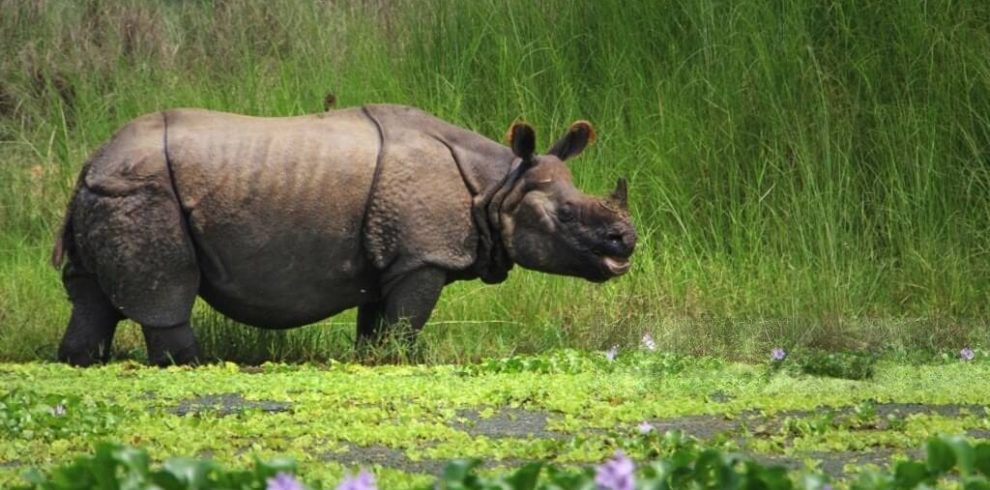
The valley lies within Langtang National Park, Nepal’s first Himalayan national park, established in 1976 to protect the region’s exceptional biodiversity and fragile mountain ecosystems. Covering over 1,700 square kilometers, the park is home to rare wildlife such as the endangered red panda, Himalayan black bear, musk deer, Himalayan tahr, langur monkeys, and more than 250 species of birds. As you trek through the park, you’ll experience a remarkable transition from subtropical forests to alpine grasslands, glacial moraines, and rugged high-altitude terrain.
Geographically, the Langtang Valley is surrounded by some of Nepal’s most spectacular Himalayan peaks. The dominant mountain is Langtang Lirung (7,227 m), which rises dramatically above the valley floor. Other impressive peaks visible during the trek include Dorje Lakpa (6,966 m), Gangchempo (6,387 m), Yala Peak (5,520 m), Naya Kanga (5,844 m), and the remote summits of the Langshisa range. These mountains create breathtaking panoramic views, especially from popular viewpoints such as Kyanjin Ri (4,773 m) and Tserko Ri (4,984 m).
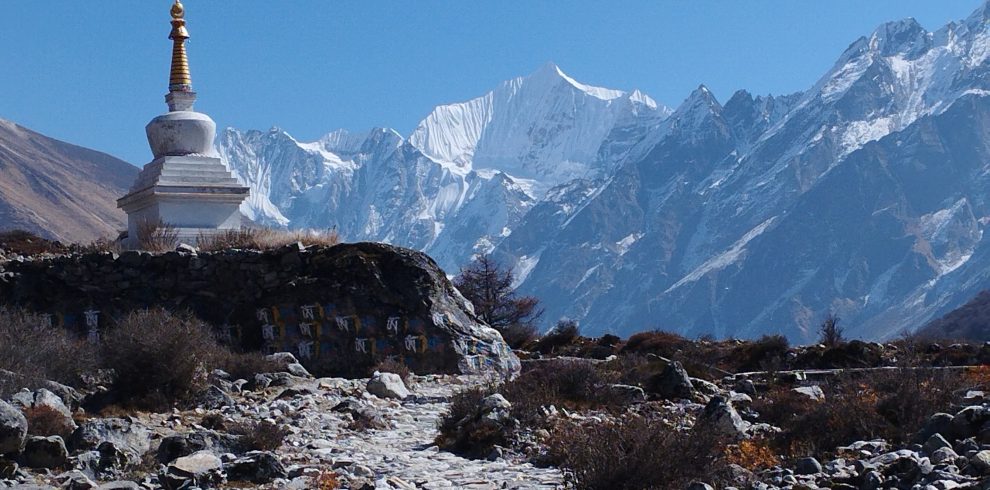
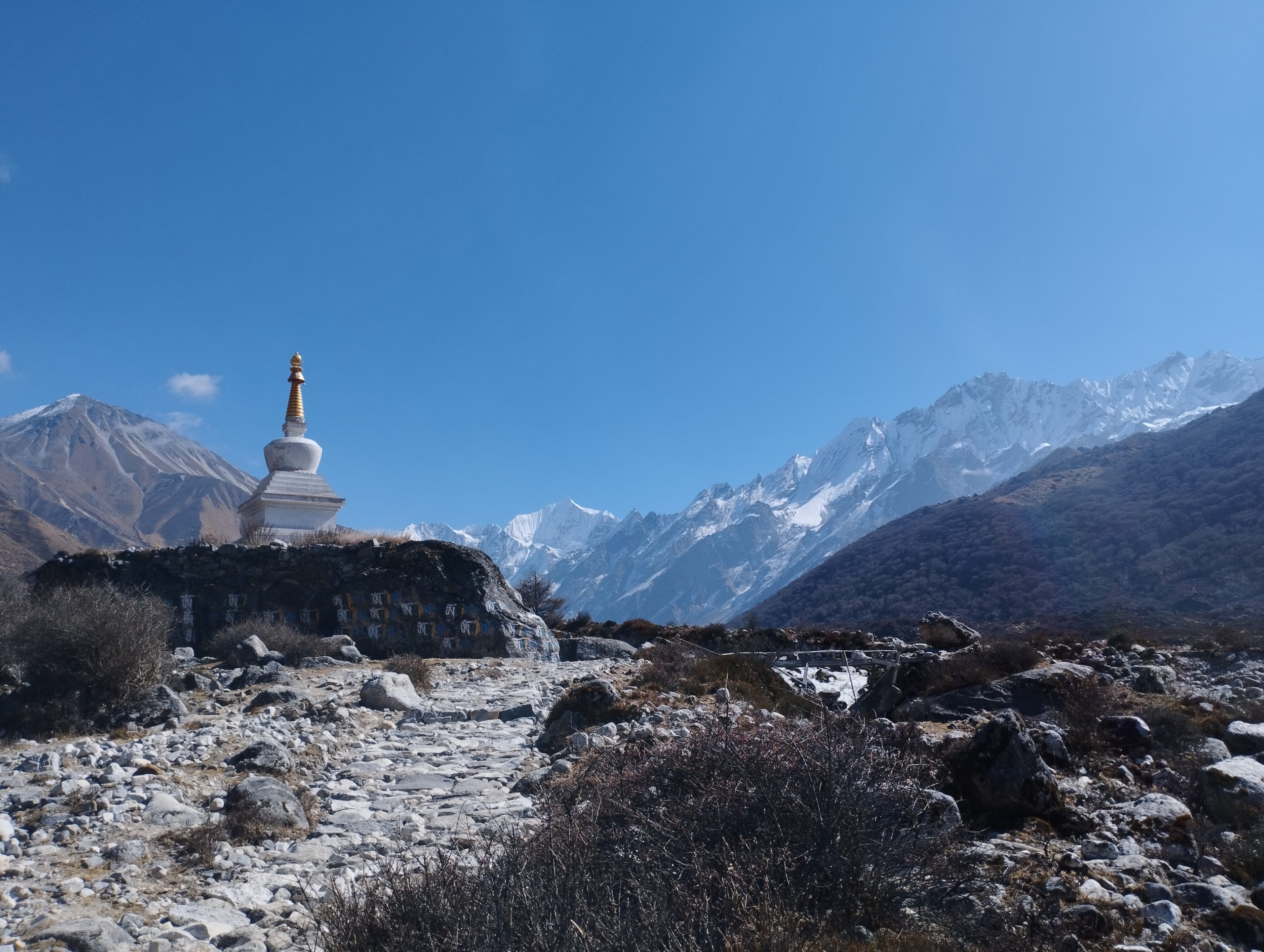
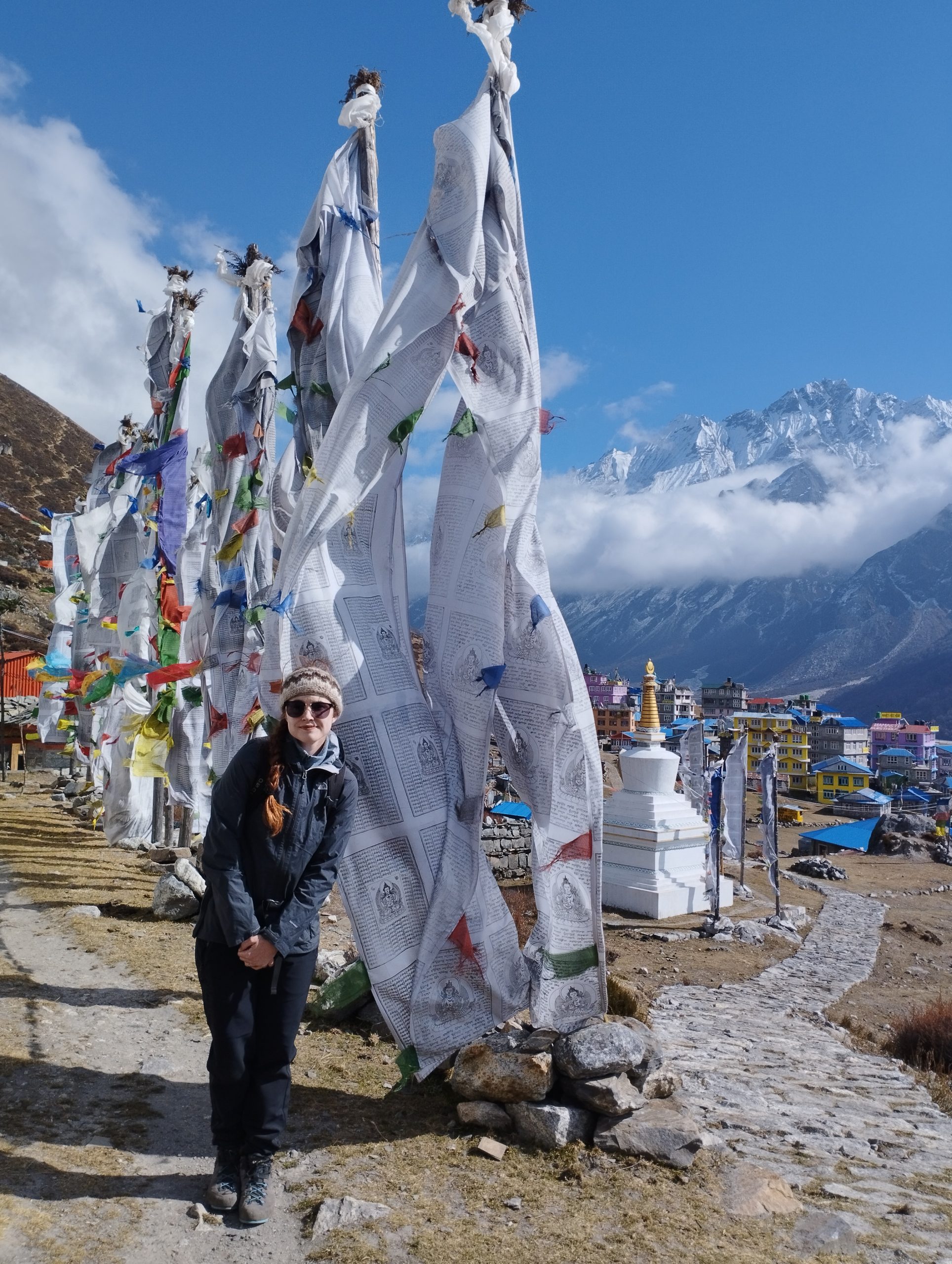
Beyond its natural beauty, the Langtang Valley is also a region of profound cultural significance. It is home to the Tamang people, an Indigenous Himalayan community whose traditions, language, architecture, and Tibetan Buddhist heritage have been preserved for generations. Along the trekking route, visitors encounter ancient monasteries, colorful prayer flags, chortens, mani walls, and welcoming teahouses that offer a genuine glimpse into mountain life.
The Langtang Valley also symbolizes resilience and hope. Following the devastating 2015 earthquake, which severely affected the region, local communities rebuilt their homes, lodges, and trails with remarkable determination. Today, trekking in Langtang not only rewards visitors with unforgettable Himalayan scenery but also directly supports local families and contributes to the sustainable development of one of Nepal’s most inspiring mountain regions.
Whether you are looking for dramatic mountain landscapes, rich cultural experiences, abundant wildlife, or a peaceful alternative to Nepal’s busier trekking routes, the Langtang Valley offers an authentic Himalayan adventure just a day’s drive from Kathmandu. With Igloo Himalaya Treks, you’ll explore this remarkable region alongside experienced local guides who share deep knowledge of its history, culture, and natural wonders, ensuring a safe, meaningful, and unforgettable trekking experience.
Responsible Trekking in Langtang National Park
The Langtang Valley Trek is more than a journey through breathtaking Himalayan landscapes—it’s an opportunity to travel responsibly and help preserve one of Nepal’s most treasured mountain regions. Every trekker plays a role in protecting the fragile environment, respecting local traditions, and supporting the communities that call Langtang National Park home.
Established in 1976, Langtang National Park protects over 1,710 square kilometers of forests, alpine meadows, glaciers, rivers, and high Himalayan peaks. It is home to rare wildlife, unique ecosystems, and centuries-old Tamang villages. Responsible trekking helps ensure that these natural and cultural treasures remain intact for future generations.
At Igloo Himalaya Treks, sustainable tourism is at the heart of everything we do. We believe that every adventure should leave a positive impact on both the environment and local communities.
How We Practice Responsible Tourism
Support Local Communities
Our treks directly benefit the people of the Langtang region by employing experienced local guides and porters, staying in family-run teahouses, purchasing locally produced food, and encouraging visitors to experience authentic Tamang hospitality. Your visit contributes to local livelihoods and helps strengthen the mountain economy.
Minimize Plastic Waste
Single-use plastic bottles create significant waste in remote mountain areas. We encourage trekkers to carry reusable water bottles or hydration systems and refill them with boiled or purified drinking water available at teahouses.
Leave No Trace
We follow the internationally recognized Leave No Trace principles. Everything brought into the mountains should be carried out whenever possible. We encourage trekkers to dispose of waste responsibly, avoid littering, and respect the natural beauty of the trails.
Respect Wildlife
Langtang National Park is home to many sensitive species that thrive in undisturbed habitats. Observe wildlife quietly from a distance, avoid feeding animals, and never disturb their natural environment.
Stay on Designated Trails
Walking only on established trekking routes helps prevent soil erosion, protects fragile alpine vegetation, and reduces environmental damage.
Respect Local Culture
Visitors are guests in the mountain communities of Langtang. Dressing modestly, asking permission before photographing local people, walking clockwise around stupas and mani walls, and showing respect inside monasteries demonstrate appreciation for local customs and Buddhist traditions.
Reduce Your Carbon Footprint
Choosing locally sourced meals, carrying reusable equipment, minimizing unnecessary packaging, and traveling with environmentally conscious operators all contribute to more sustainable tourism.
Why Responsible Trekking Matters
The Langtang region has demonstrated remarkable resilience following the devastating 2015 earthquake. Tourism remains one of the primary sources of income for local families. By trekking responsibly, you not only enjoy an unforgettable Himalayan adventure but also contribute to conservation efforts, cultural preservation, and the long-term well-being of the communities that make Langtang such a special destination.
With Igloo Himalaya Treks, your journey becomes more than a trek—it becomes a meaningful contribution to protecting Nepal’s Himalayan heritage.
Flora and Fauna of Langtang National Park
One of the greatest attractions of the Langtang Valley Trek is the extraordinary biodiversity found within Langtang National Park, Nepal’s first Himalayan national park. Stretching from subtropical valleys to towering Himalayan peaks above 7,000 meters, the park contains an incredible variety of ecosystems rarely experienced on a single trekking route.
As you ascend through the valley, the landscape changes dramatically. Lower elevations are covered with lush forests of oak, pine, maple, alder, bamboo, and magnificent rhododendrons that burst into vibrant reds, pinks, and whites during the spring trekking season. Higher elevations gradually transform into alpine meadows, rocky slopes, glacial moraines, and snow-covered terrain where only hardy mountain plants survive.
Rich Plant Diversity
Langtang National Park is home to more than 1,000 species of flowering plants, making it one of Nepal’s richest botanical regions. During spring, blooming rhododendron forests create spectacular natural displays, while colorful wildflowers cover alpine meadows throughout the summer months.
Visitors will encounter:
- Rhododendron forests
- Himalayan pine
- Oak forests
- Bamboo groves
- Juniper shrubs
- Birch trees
- Alpine grasses
- Medicinal herbs
- Rare Himalayan orchids
- High-altitude wildflowers
Wildlife of Langtang National Park
The park supports an impressive variety of wildlife despite its rugged mountain environment. Lucky trekkers may spot some of the Himalayas’ most elusive animals.
Wildlife found in Langtang National Park includes:
- Red Panda (the park’s most iconic resident)
- Himalayan Black Bear
- Snow Leopard (extremely rare)
- Himalayan Tahr
- Musk Deer
- Goral
- Wild Boar
- Yellow-throated Marten
- Langur Monkey
- Himalayan Serow
Bird enthusiasts will also enjoy excellent birdwatching opportunities, with over 250 bird species recorded in the park, including Himalayan Monal, Blood Pheasant, Snow Partridge, Golden Eagle, and numerous colorful mountain songbirds.
Every season offers unique opportunities to experience the park’s remarkable biodiversity, making the Langtang Valley Trek an unforgettable destination for nature lovers, photographers, and wildlife enthusiasts.
Tamang Culture and Local Traditions
The Langtang Valley Trek is not only a spectacular mountain adventure but also a fascinating cultural journey through the homeland of the Tamang people, one of Nepal’s oldest Indigenous Himalayan communities. Their traditions, language, customs, and deep-rooted Buddhist beliefs have shaped the identity of the Langtang region for centuries.
The Tamang people are believed to have Tibetan origins, and their close cultural connection with Tibet is reflected in their architecture, clothing, religious practices, cuisine, and daily lifestyle. Throughout the trek, visitors pass traditional stone-built villages adorned with colorful prayer flags, intricately carved mani walls, spinning prayer wheels, and ancient chortens that illustrate the region’s rich spiritual heritage.
Hospitality is one of the defining characteristics of Tamang culture. Trekkers are warmly welcomed into family-operated teahouses where homemade meals, local stories, and genuine kindness create unforgettable memories.
Buddhist Heritage
Buddhism is deeply woven into everyday life in the Langtang Valley. Along the trail, you’ll encounter:
- Ancient monasteries (Gompas)
- Prayer wheels
- Mani walls
- Chortens
- Colorful prayer flags
- Sacred Buddhist symbols
The historic Kyanjin Gompa, located at 3,870 meters, remains one of the valley’s most important spiritual landmarks and offers visitors an opportunity to observe local religious traditions in a peaceful mountain setting.
Traditional Lifestyle
Life in Langtang remains closely connected to nature. Many local families continue traditional livelihoods that include:
- Yak and cattle herding
- Cheese production
- Farming potatoes, barley, and buckwheat
- Weaving woolen clothing
- Operating mountain teahouses
Despite modern development, these traditions continue to define daily life and preserve the cultural identity of the region.
Festivals
If your trek coincides with local celebrations, you may witness colorful Buddhist festivals featuring traditional dances, prayers, music, and communal gatherings that strengthen the bonds within mountain communities.
By trekking with Igloo Himalaya Treks, visitors gain meaningful cultural insights through experienced local guides who help interpret local customs and encourage respectful interactions with the communities along the trail.
Mountains Seen During the Langtang Valley Trek
One of the greatest rewards of the Langtang Valley Trek is the opportunity to witness an extraordinary panorama of snow-covered Himalayan peaks. From the forests of Langtang National Park to the high viewpoints above Kyanjin Gompa, trekkers are surrounded by dramatic mountain scenery that changes with every stage of the journey.
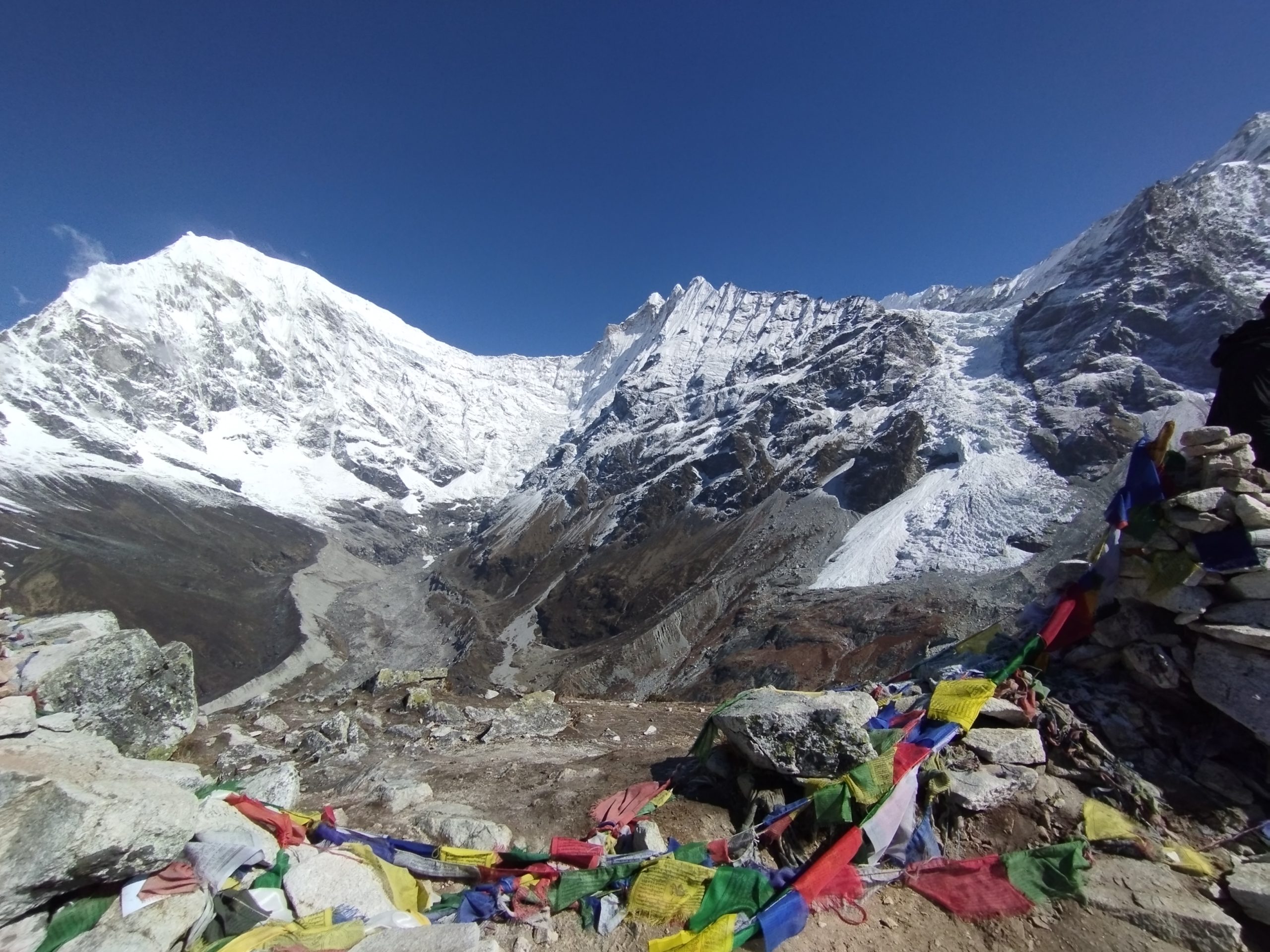
The undisputed centerpiece of the region is Langtang Lirung (7,227 m), the highest mountain in the Langtang Himal. Its massive ice-covered face towers above the valley and dominates the skyline from many sections of the trail.
As you continue toward Kyanjin Gompa and climb to Kyanjin Ri or Tserko Ri, the panoramic views become even more spectacular, revealing a vast chain of Himalayan giants stretching across northern Nepal and the Tibetan border.
Major Mountains Visible During the Trek
Langtang Lirung (7,227 m)
The highest and most iconic peak in the Langtang region, Langtang Lirung rises dramatically above glaciers and dominates the valley with its impressive ice-covered summit.
Dorje Lakpa (6,966 m)
A beautifully shaped pyramid peak visible from several viewpoints, Dorje Lakpa is one of Nepal’s most recognizable mountains.
Gangchempo (6,387 m)
Located close to Kyanjin Gompa, Gangchempo forms a dramatic backdrop to the upper Langtang Valley.
Naya Kanga (5,844 m)
Also known as Ganja La Chuli, Naya Kanga is a popular trekking peak for climbers seeking their first Himalayan mountaineering experience.
Yala Peak (5,520 m)
Yala Peak is one of Nepal’s most accessible trekking peaks and is often combined with the Langtang Valley Trek. It offers panoramic views of both the Langtang Himal and the Tibetan Plateau.
Langshisa Ri
This beautiful Himalayan summit rises above the remote Langshisa Valley and adds to the dramatic scenery surrounding Kyanjin Gompa.
Best Viewpoints
The finest mountain panoramas can be enjoyed from:
- Kyanjin Ri (4,773 m) – A relatively short but steep climb with sweeping views over glaciers, valleys, and surrounding peaks.
- Tserko Ri (4,984 m) – The highest viewpoint on the standard Langtang Valley Trek, offering one of the most breathtaking sunrise experiences in Nepal.
- Kyanjin Gompa – Surrounded by towering mountains, this peaceful village is an ideal place to admire the grandeur of the Langtang Himal.
Whether you are an avid photographer, a passionate mountaineer, or simply someone who appreciates the beauty of nature, the mountains of Langtang create unforgettable memories at every step. With Igloo Himalaya Treks, you’ll enjoy these remarkable landscapes with knowledgeable local guides who share fascinating stories about the region’s geography, culture, and climbing history, making your journey even more meaningful.
Photography Tips for the Langtang Region
The Langtang Valley Trek is a paradise for photographers, offering an incredible variety of landscapes, wildlife, cultural moments, and towering Himalayan peaks. From the lush forests of Langtang National Park to the dramatic glaciers surrounding Kyanjin Gompa, every day presents new opportunities to capture unforgettable images.
Whether you’re using a professional DSLR, a mirrorless camera, or simply a smartphone, the Langtang region rewards patience, creativity, and an appreciation for changing mountain light.
Capture the Best Light
The best photographs are usually taken during the golden hours—shortly after sunrise and just before sunset. During these times, the soft light enhances the textures of snow-covered peaks, forests, and traditional villages while creating warm colors that make your images more vibrant.
Early mornings are also ideal because the mountains are often clearer before clouds begin to build later in the day.
Don’t Miss the Sunrise from Kyanjin Ri
One of the most memorable photography experiences in the Langtang region is hiking to Kyanjin Ri (4,773 m) before dawn. As the first rays of sunlight illuminate Langtang Lirung, Gangchempo, Dorje Lakpa, and the surrounding glaciers, the valley transforms into a spectacular panorama of golden peaks and deep alpine shadows.
For experienced trekkers seeking even wider views, Tserko Ri (4,984 m) offers one of Nepal’s finest mountain photography locations.
Tell the Story of the Journey
The best travel photography goes beyond landscapes. Capture the full experience by photographing:
- Traditional Tamang villages
- Stone-built teahouses
- Prayer flags fluttering in the mountain wind
- Ancient monasteries and chortens
- Suspension bridges over glacial rivers
- Yak caravans on mountain trails
- Local people carrying out their daily activities
- Forest paths and waterfalls
- Colorful wildflowers during spring
- Fresh snowfall in winter
These moments help tell the story of the Langtang Valley Trek and create lasting memories of your adventure.
Respect Local Culture
The Tamang communities of Langtang are known for their hospitality, but respectful photography is essential.
Before taking close-up portraits, always ask for permission with a smile or a simple gesture. Most people are happy to be photographed when approached politely.
Inside monasteries, always follow your guide’s advice regarding photography, as flash photography or photographing sacred ceremonies may not be permitted.
Protect Your Camera Equipment
Mountain weather changes quickly. Carry your camera in a waterproof bag or padded case to protect it from rain, dust, and snow.
Extra batteries are essential because cold temperatures reduce battery life much faster than at lower elevations. Since charging facilities become limited at higher villages, carrying a power bank or spare batteries is highly recommended.
Useful accessories include:
- Lightweight tripod for sunrise and night photography
- Polarizing filter to reduce glare
- Lens cleaning cloth
- Waterproof camera cover
- Spare memory cards
- Portable power bank
Capture the Night Sky
On clear nights, the Langtang Valley offers remarkably dark skies with minimal light pollution. Around Kyanjin Gompa, photographers can capture breathtaking images of the Milky Way arching above snow-covered Himalayan peaks.
A sturdy tripod, wide-angle lens, and clear weather are all you need to create unforgettable astrophotography images.
Best Seasons for Photography
Every season offers unique photographic opportunities.
Spring (March to May) brings blooming rhododendron forests, green valleys, and crystal-clear mountain views.
Autumn (September to November) is considered the best season for landscape photography due to stable weather, excellent visibility, and vibrant blue skies.
Winter (December to February) transforms the region into a peaceful wonderland with snow-covered villages and dramatic mountain scenery.
Monsoon (June to August) creates lush forests, waterfalls, misty landscapes, and fewer crowds, although clouds may limit long-distance mountain views.
At Igloo Himalaya Treks, our experienced guides know the region’s best viewpoints, hidden photo locations, and ideal times for sunrise, sunset, and wildlife photography. Whether you’re a professional photographer or simply want unforgettable holiday memories, we’ll help you capture the beauty of the Langtang Himal.
Trek Highlights
- Sacred visit to Kyanjin Gompa and ancient Buddhist traditions
- Wildlife sightings in Langtang National Park
- Snowy vistas of Langtang Lirung, Dorje Lakpa, and Gangchenpo
- Authentic Tamang and Sherpa culture
- Optional hikes to Tserko Ri and Kyanjin Ri with views above 5,000m
- Insight into post-earthquake resilience and rebuilding