If you are researching Yala Peak climbing cost, you already know the number changes a lot depending on who you ask. One website quotes $999, another quotes $2,000, and a third only lists the permit fees. This guide breaks the real cost down into its actual parts: government permits, visa fees, gear, package price, and daily on-trail spending, so you can build your own budget instead of guessing.
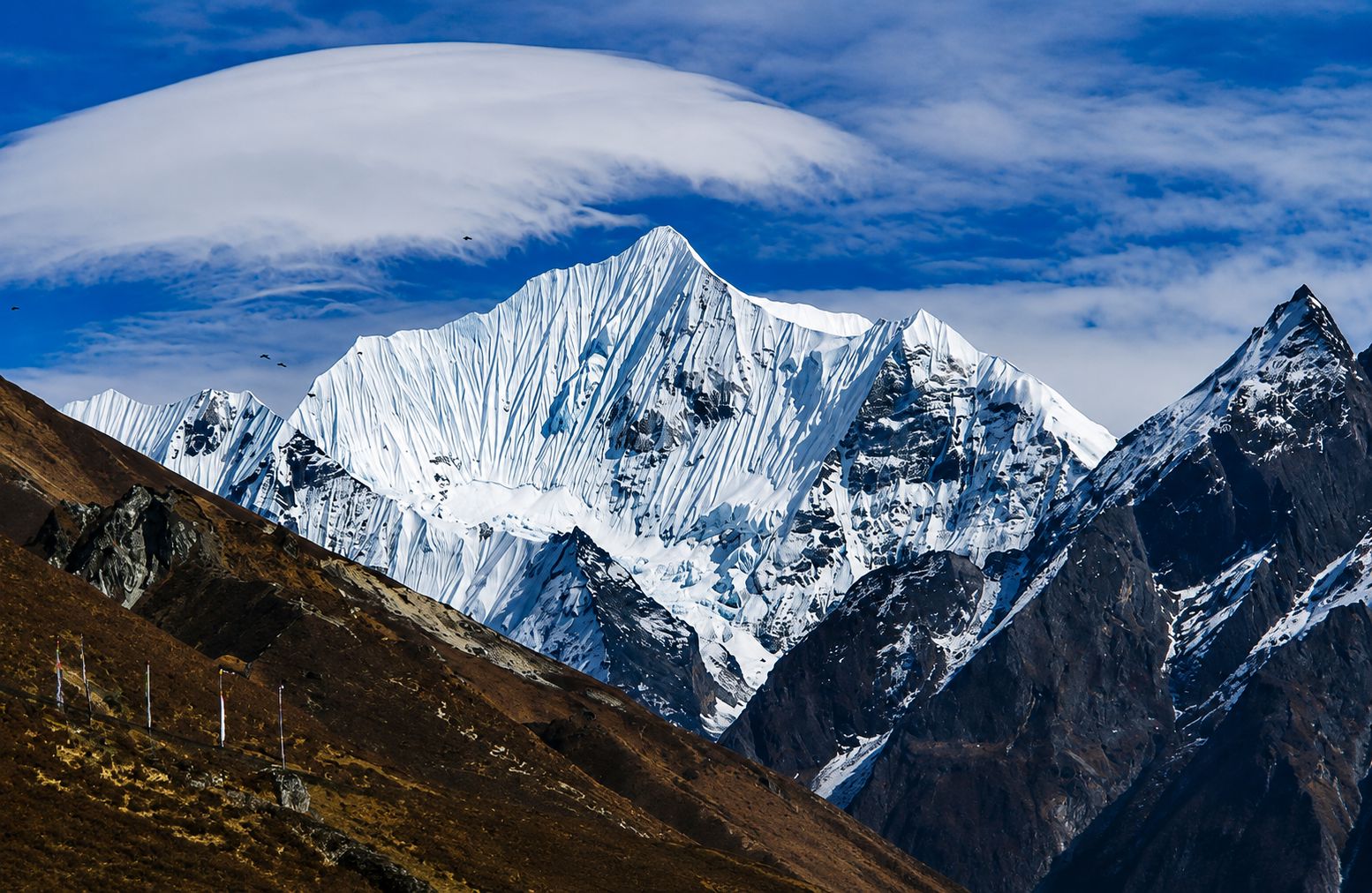
Yala Peak sits at 5,500–5,732 m in Langtang National Park, about 60 km north of Kathmandu. It is one of the few Himalayan summits that does not require a technical climbing permit from the Nepal Mountaineering Association, which is one reason it is priced lower than peaks like Island Peak or Mera Peak. The rest of the cost comes from 10–12 days of trekking, guiding, food, and lodging through the Langtang Valley before the summit push.
What Determines the Cost of Yala Peak Climbing
Before looking at numbers, it helps to know what actually drives the price up or down. Five factors matter most:
Group size changes the per-person rate the most. A guide, porter, and jeep cost roughly the same whether one person or eight people are on the trip, so larger groups split those fixed costs and pay less each.
Season matters too; spring and autumn departures cost more because demand for guides, porters, and teahouse rooms is highest.
The trip duration you choose (10, 11, or 12 days) affects how many nights of food and lodging are included. The operator’s service level, meaning hotel category in Kathmandu, tent quality at base camp, and staff ratios, also shifts the price.
Finally, whether you buy or rent your personal gear in Kathmandu can swing your total cost by a few hundred dollars.
Here’s what you should know about each cost category in detail.
Permits and Government Fees for Yala Peak Climbing (2026)
Yala Peak climbing requires only two official documents, and both are inexpensive compared to what many climbers expect.
-
Langtang National Park Entry Permit
Every trekker entering Langtang National Park must pay an entry fee of NPR 3,000, which is roughly USD 25 at current exchange rates. This fee funds trail maintenance and wildlife conservation inside the park, including habitat protection for red pandas and snow leopards that live in the region. The permit is checked at the park entry checkpoint near Syabrubesi and again at points along the trail.
-
TIMS Card (Trekkers’ Information Management System)
The TIMS card costs NPR 2,000, about USD 16, and is required for all independent and guided trekkers in Nepal outside a handful of restricted areas. It records your basic details and itinerary with Nepal’s tourism authorities, which helps rescue teams locate trekkers in an emergency. You will need your passport and a passport-sized photo to process it.
-
Do You Need an NMA Climbing Permit for Yala Peak?
No. Yala Peak is classified by the Nepal Mountaineering Association as a peak that does not require a separate climbing permit, unlike Island Peak or Mera Peak, which fall under NMA’s Group A/B peak permit system with seasonal fees. This is one of the main reasons Yala Peak is popular with first-time climbers — it removes a permit cost that can otherwise run from USD 125 to 250 depending on season. Total government permit cost for Yala Peak climbing is therefore around USD 41, covering only the national park fee and TIMS card.
Both permits are arranged directly by your trekking company once you book, so you will not need to visit government offices yourself. You can verify current rates on the Nepal Tourism Board website before you travel.
-
Nepal Visa Cost for Yala Peak Climbing
Most nationalities can get a visa on arrival at Tribhuvan International Airport in Kathmandu. As of 2026, the fees are:
- 15 days: USD 30
- 30 days: USD 50
- 90 days: USD 125
For a 12-day Yala Peak Climbing itinerary, a 15-day visa is enough if you land and depart within that window, but a 30-day visa gives you a buffer for flight delays or an extra day in Kathmandu, which is worth the extra USD 20. Payment is in cash, and immigration staff prefers clean, undamaged US dollar notes. You can check current requirements on the Department of Immigration, Nepal website, since fees are occasionally revised.
Yala Peak Climbing Package Cost: What’s Included
Most climbers book Yala Peak as an all-inclusive package rather than arranging permits, guides, and lodging separately, since the base camp night requires camping equipment that is impractical to source independently.
-
What a Full Package Typically Covers
Most Yala Peak Climbing packages are designed to include nearly everything you need for the trek and summit, making it easier to plan your budget in advance. A standard 12-day package typically includes:
| Included in the Package | Usually Not Included |
| Airport transfers | International flights |
| Hotel accommodation in Kathmandu | Nepal visa fee |
| Bus or jeep transportation to and from Syabrubesi | Personal trekking gear (boots, sleeping bag, clothing, etc.) |
| Teahouse accommodation during the trek | Meals in Kathmandu (except the farewell dinner, if included) |
| One night of tented camping at Yala Peak Base Camp | Travel insurance |
| Three meals per day during the trek | Tips for guides and porters |
| Licensed trekking guide | |
| Certified climbing guide from Kyanjin Gompa onward | |
| Porter service | |
| Group climbing equipment (ropes, ice screws, etc.) | |
| Personal climbing gear (crampons, harness, helmet, etc.) | |
| Langtang National Park Entry Permit and TIMS card |
-
Typical Price Range by Group Size
Package prices vary by operator and group size, but for a full-service 12-day itinerary with a certified climbing guide, expect a range of roughly USD 1,200 to 2,000 per person. As an example, Igloo Himalaya Treks’ 12-day Yala Peak Climbing package is priced from USD 1,825 for a solo traveler, USD 1,715 per person for groups of two to four, and USD 1,599 per person for groups of five to nine. The price drops as group size grows because fixed costs like the jeep, base camp tent setup, and climbing guide fee are shared.
Budget operators offering shorter 10-day itineraries sometimes advertise packages closer to USD 999–1,300, but these usually cut a rest day at Kyanjin Gompa or use a smaller support team, which increases altitude sickness risk. It is worth checking the day-by-day itinerary rather than comparing headline prices alone.
Gear and Equipment Cost for Yala Peak Climbing
Technical climbing gear rope, ice screws, harness, crampons, and helmet is usually included in your package and supplied at base camp. What you need to budget for separately is personal clothing and camping gear.
-
Buying vs Renting in Kathmandu
Thamel, Kathmandu’s trekking district, has hundreds of gear shops where you can rent or buy almost everything on a packing list. Renting makes sense for bulky items you will only use once, like a four-season sleeping bag or a heavy down jacket. Buying makes more sense for items you will reuse, like trekking poles, a headlamp, or gloves.
Rental Price List (Thamel)
- Four-season sleeping bag (-15°C to -20°C rating): USD 1.50–2.50 per day
- Down jacket: USD 1–2 per day
- Waterproof trekking trousers: USD 2–4 per day
- Trekking boots: USD 4–7 per day (buying your own broken-in boots is strongly recommended instead)
Over a 12-day trip, renting a sleeping bag and down jacket typically costs USD 30–55 combined, far less than buying new gear for a single trip.
Personal Climbing and Trekking Gear Cost
If you prefer to buy rather than rent, budget approximately:
- Trekking backpack (40–50L): USD 50–150
- Base layers and mid layers: USD 30–100
- Waterproof shell jacket: USD 50–150
- Wool trekking socks (3–4 pairs): USD 15–30
- Sunglasses with UV protection, sunscreen, and lip balm: USD 20–40
- Trekking poles: USD 15–50
- Headlamp with spare batteries: USD 15–30
A climber outfitting themselves entirely from scratch in Kathmandu, buying rather than renting the bulk items, should budget USD 250–500 for personal gear. Bringing your own broken-in boots, thermal layers, and a rain shell from home and renting only the sleeping bag and down jacket locally usually brings this down to under USD 150.
Need Help Choosing Your Gear?
If you are unsure what to buy or rent for Yala Peak Climbing, you can contact Igloo Himalayan Treks for personalized advice. Our team can help you choose the right gear based on your trek itinerary, climbing requirements, and budget, so you can avoid unnecessary expenses while still being properly equipped.
Daily Budget for Yala Peak Climbing
Once permits, visa, package, and gear are accounted for, the remaining cost is day-to-day personal spending items not covered by a standard package.
-
Cost in Kathmandu (Before and After the Trek)
Expect USD 15–40 per day in Kathmandu for meals outside your hotel breakfast, bottled water, souvenirs, and local transport. A simple meal in Thamel costs USD 4–8, while a nicer restaurant runs USD 10–20.
-
Cost on the Trail (Teahouse Days)
Meals are included in most packages, but extras add up. Wi-Fi in teahouses typically costs USD 2–5 per day, hot showers USD 2–5, battery charging USD 1–3 per device, and bottled water USD 1–3 per bottle, which rises as you gain altitude since everything is carried up by porters or mules. Budget USD 10–20 per day on the trail for these extras. Carrying water purification tablets, which are often included in your package, cuts the bottled water cost significantly.
Cost at Base Camp
At Yala Peak Base Camp (4,600–4,800 m), there is no Wi-Fi, charging, or shop access. Costs here are already covered by your package’s camping arrangement, so daily out-of-pocket spending drops close to zero, aside from any tips you choose to give at the end of the climb.
Additional Costs to Plan For
A few costs are easy to forget when comparing package prices:
Travel insurance with high-altitude and helicopter evacuation coverage up to 6,000 m typically costs USD 60–150 for a two-week trip, depending on your provider and age. This is not optional for a climb involving altitudes above 5,500 m.
Tips for your guide, climbing guide, and porters are customary in Nepal, though not mandatory.
A common guideline is USD 10–15 per day for a guide and USD 6–10 per day for a porter, shared among the group if you are trekking together.
International airfare to Kathmandu varies widely by origin, typically USD 600–1,500 round trip.
Extra hotel nights in Kathmandu, if your flight schedule requires an early arrival or delayed departure, cost roughly USD 25–60 per night for a 3-star hotel.
Sample Total Cost Breakdown for 12 Days
Here is a realistic total for one climber joining a group of two to four people, buying minimal new gear and renting the rest:
| Item | Cost (USD) |
|---|---|
| Package (Igloo Himalaya Treks, 2–4 pax rate) | 1,715 |
| Nepal visa (30 days) | 50 |
| Gear rental (sleeping bag, down jacket, 12 days) | 45 |
| Additional personal gear (poles, layers, sunscreen) | 100 |
| Travel insurance (high-altitude coverage) | 90 |
| On-trail extras (Wi-Fi, charging, showers, water) | 150 |
| Kathmandu meals and extras (3 days) | 75 |
| Tips for guide and porter | 150 |
| Estimated total (excluding international flight) | ~2,375 |
Add your international airfare on top of this figure. A solo traveler on the same itinerary would see the package cost rise to USD 1,825, pushing the total closer to USD 2,485.
How to Reduce Your Yala Peak Climbing Cost
There are several practical ways to keep your Yala Peak Climbing cost manageable without compromising your safety or overall trekking experience.
- Join a group or travel with friends: Joining a group of five or more people, or traveling with your own friends, can significantly reduce the per-person cost. Fixed expenses such as transportation, guides, climbing support, and other logistics can be shared among more climbers.
- Choose your travel dates wisely: Spring and autumn are the most popular climbing seasons, but traveling during the shoulder weeks can sometimes offer better availability and more flexible pricing while still providing favorable conditions.
- Rent instead of buying: You do not need to purchase every piece of technical or cold-weather equipment for a single climb. Renting items such as sleeping bags and down jackets in Kathmandu can save around USD 150–300 compared with buying everything new.
- Book directly with a trusted trekking agency: Booking your Yala Peak Climbing package directly with an established trekking company allows you to discuss your itinerary, group size, inclusions, and budget before confirming your trip. It also gives you a direct point of contact for personalized advice and trip preparation.
- Use gear you already own: If you already have good-quality, broken-in trekking boots, a suitable sleeping bag, thermal layers, or other cold-weather clothing from previous trips, bringing them from home can significantly reduce your overall gear expenses.
Best Time to Climb Yala Peak and How It Affects Cost
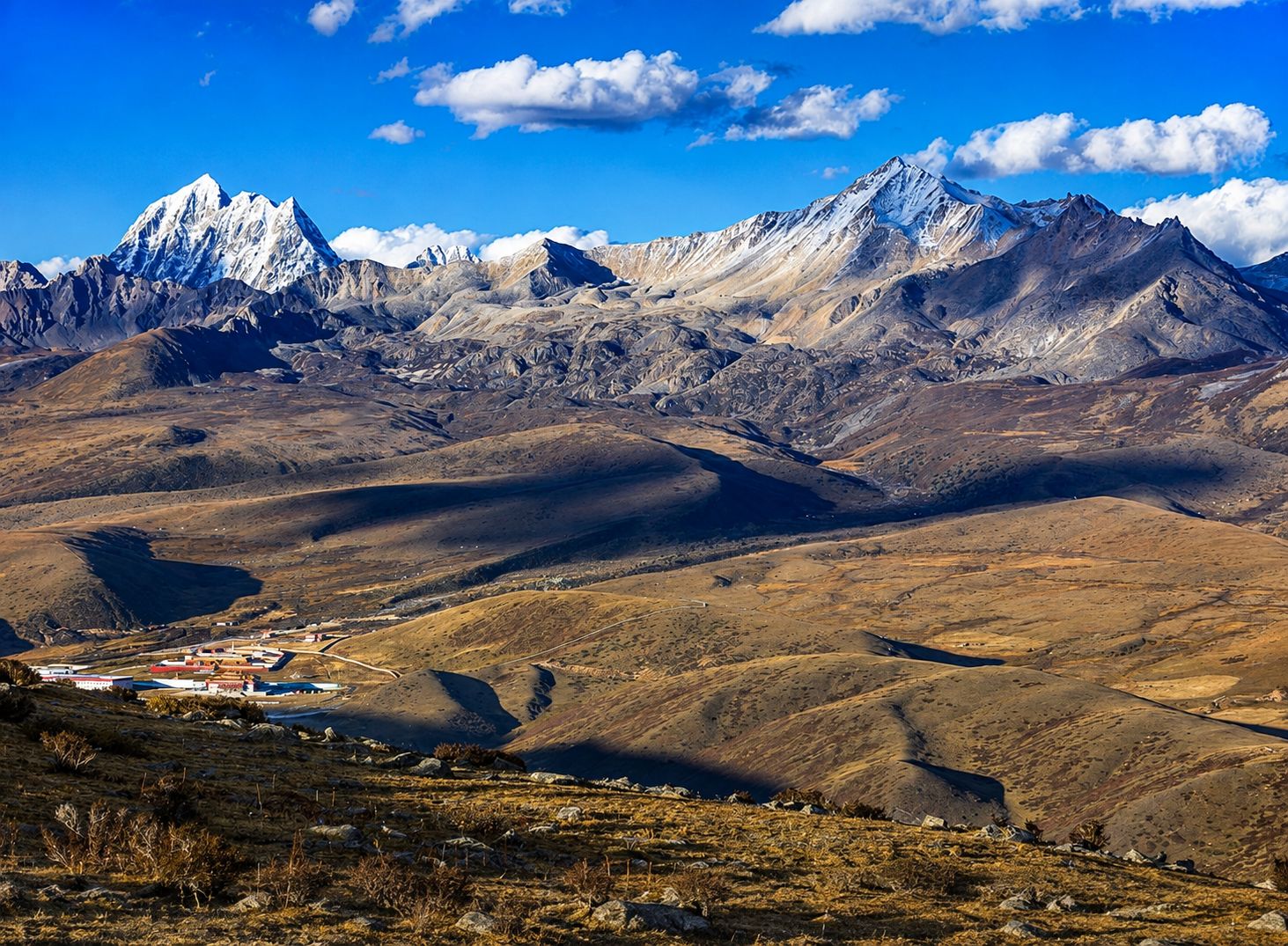
Yala Peak can be climbed in all four seasons, and the season you pick affects both trail conditions and price. Spring and autumn are generally rated the best overall for a summit attempt, offering the clearest skies and the most stable weather, though they are also the busiest and most expensive months to book. Here’s what each season offers.
Spring (March to May)
Spring brings warming daytime temperatures, rhododendron forests in bloom through the lower Langtang Valley, and long daylight hours, which gives extra margin for the early start on summit day. Trail and teahouse conditions are well established, since this is peak trekking season.
Autumn (September to November)
Autumn is widely considered Nepal’s clearest season, with crisp air, minimal cloud cover, and strong mountain visibility, including sharp views of Shishapangma and Langtang Lirung from the summit. Stable weather patterns make summit-day planning more predictable.
Winter (December to February)
Winter departures mean a much quieter trail, with fewer trekkers at teahouses and more availability for last-minute bookings. Package rates are typically lower in this off-season window, which appeals to climbers comfortable with colder temperatures.
Summer / Monsoon (June to August)
The monsoon months bring the Langtang Valley to its greenest, with full waterfalls and fewer crowds on the lower trail. This is usually the lowest-cost season for a Yala Peak package, since demand for guides and porters drops.
For most first-time climbers, the spring or autumn rate is worth paying for the more reliable weather window on summit day, but winter and monsoon departures are worth considering if a lower price matters more than peak-season conditions.
Conclusion
The full cost of Yala Peak climbing comes down to a package price of roughly USD 1,200–2,000 depending on group size, government permits totaling about USD 41, a visa fee of USD 30–50, gear costs of USD 50–300 depending on how much you rent versus buy, and daily extras of USD 10–20 on the trail. Together with travel insurance and tips, most solo climbers should budget USD 2,000–2,600 excluding international flights for a well-supported 12-day trip.
If you are planning this trek, Igloo Himalaya Treks can help you with experienced local guides, permits, transportation, and itinerary planning, so you know your full cost upfront with no hidden fees on the mountain. As a Nepal trekking company based in the Langtang region, the team can also help you plan a longer trip combining Yala Peak with the Langtang Valley Trek or connect you with other guided trekking in Nepal, such as the Everest Base Camp Trek, Annapurna Base Camp Trek, or Manaslu Circuit Trek, if you’re deciding between Himalayan objectives.
FAQs
How much does it cost to climb Yala Peak in total?
Most climbers spend USD 2,000–2,600 in total, including the package price, permits, visa, gear, insurance, and tips, excluding international airfare.
Do I need a special climbing permit for Yala Peak?
No. Yala Peak does not require an NMA climbing permit. You only need the Langtang National Park entry permit and a TIMS card, totaling around USD 41.
Is Yala Peak cheaper than Island Peak or Mera Peak?
Yes. Because Yala Peak has no NMA permit fee, it is generally USD 200–500 cheaper than Island Peak or Mera Peak packages of similar length and service level.
Can I rent all my climbing gear in Kathmandu?
Technical climbing gear like crampons, harness, and ice axe is usually included in your package. Personal items like a sleeping bag and down jacket can be rented in Thamel for USD 1–2.50 per day each.
How much should I budget per day on the trek?
Beyond your package, budget USD 10–20 per day for Wi-Fi, charging, hot showers, and bottled water on the trail.
Is travel insurance required for Yala Peak climbing?
It is not legally required, but strongly recommended, since the climb reaches above 5,500 m. Look for a policy that covers high-altitude trekking and helicopter evacuation, typically USD 60–150 for a two-week trip.
Does the Yala Peak Climbing cost include the Kathmandu hotel?
Most standard packages include two hotel nights in Kathmandu with breakfast, one before the trek and one after. Extra nights due to flight delays are not included.
What is the cheapest time of year to climb Yala Peak?
Winter and the summer monsoon season are typically the lowest-cost windows, but they carry higher risk from cold, snow, or poor visibility, so most climbers still choose the spring or autumn season despite the higher price.


