-
Kathmandu
-
3-star hotel -Tea House - Lodge
-
City = Breakfast, Mountain = Breakfast, Lunch, Dinner
-
5-6 hrs.
-
5,360 m
-
Private Car, Flight
Overview
A remote sacred place only few know and go to, The Upper Dolpo Trek (3,600 to 4,200 meters) is nature’s one of the most stunning trekking destinations. Tucked away in the Himalayan region of northwestern Nepal, Upper Dolpo is one of the most least visited trekking destinations in the country. This restricted area, made famous by Peter Matthiessen’s The Snow Leopard, offers a rare glimpse into a landscape and culture that closely mirror the Tibetan plateau. Trekkers wind through the dramatic terrain of Shey Phoksundo National Park, past turquoise glacial lakes, ancient Bon and Buddhist monasteries, and windswept high altitude passes exceeding 5,000 meters. The route passes through isolated villages such as Ringmo, Saldang, and Shey Gompa, where Tibetan Buddhist traditions have remained largely untouched by modern influence for centuries.
Because of its restricted status and demanding altitude, Upper Dolpo attracts trekkers seeking solitude, cultural immersion, and true wilderness rather than crowded trails. The journey typically takes 20 to 25 days, crossing high passes like Kang La and Baga La, and requires a special permit along with an organized trekking arrangement. Along the way, travelers encounter dramatic arid valleys, snow capped peaks, and a chance to spot rare wildlife including the elusive snow leopard and blue sheep. For those craving an authentic, off the beaten path Himalayan adventure, Upper Dolpo Trek delivers an unmatched blend of raw natural beauty and living cultural heritage.
About Upper Dolpo Trek
Upper Dolpo is a restricted trekking region located in northwestern Nepal, tucked behind the towering Dhaulagiri and Kanjiroba mountain ranges along the Tibetan border. Due to its position in the rain shadow of the Himalaya, the region has a stark, high-altitude desert landscape that closely resembles the Tibetan plateau rather than the lush hills typically associated with Nepal. This isolation has helped preserve a way of life largely unchanged for centuries, with ancient Bon-po and Tibetan Buddhist monasteries scattered across remote valleys and clifftops. The region remains one of the least-visited areas in the Himalaya, largely due to its restricted status and the logistical challenges of reaching it. Travelers require a special restricted-area permit, along with a licensed guide and organized trekking arrangement, to enter the region legally.
This controlled access has protected Upper Dolpo from mass tourism, keeping its trails, villages, and cultural sites remarkably authentic. The region gained international recognition through Peter Matthiessen’s book The Snow Leopard, which documented a journey through this same remote wilderness. As a result, Upper Dolpo continues to attract trekkers seeking a genuine, undiluted Himalayan experience.
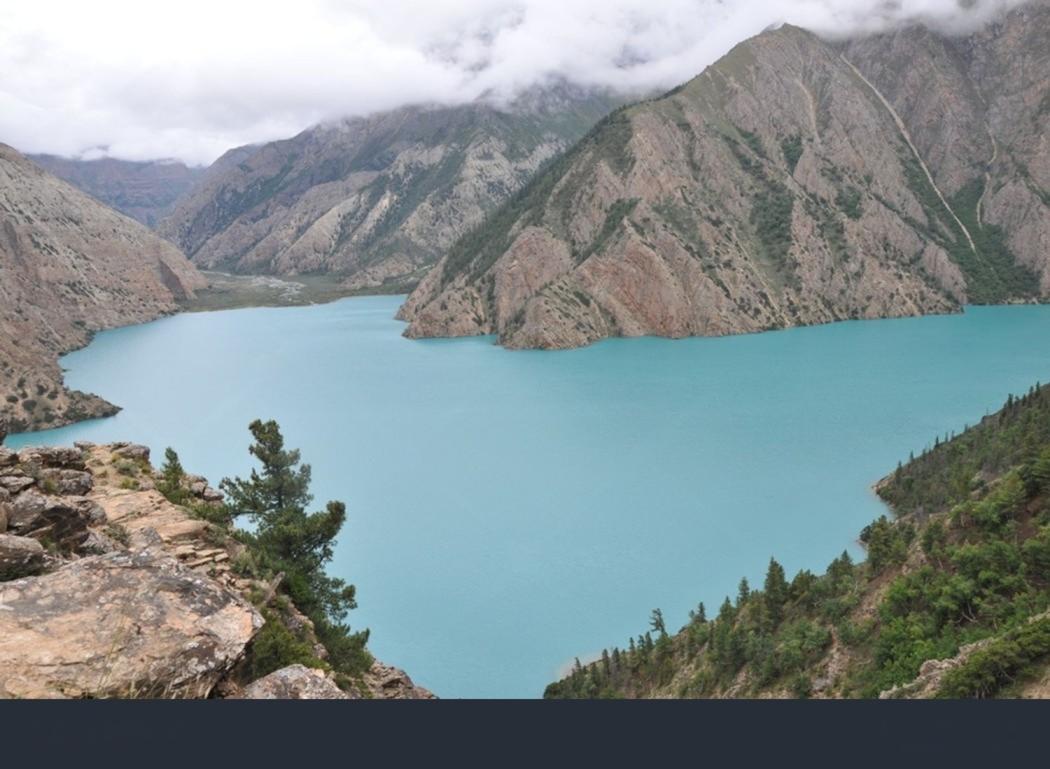
The journey through Upper Dolpo typically spans 20 to 25 days, making it one of the longer and more demanding treks in Nepal. The route passes through Shey Phoksundo National Park, home to Phoksundo Lake, Nepal’s deepest lake, known for its striking turquoise-blue waters. Trekkers cross several high-altitude passes exceeding 5,000 meters, including Kang La and Baga La, which test both physical endurance and altitude tolerance. Along the way, the trail winds through remote settlements such as Ringmo, Saldang, and Shey Gompa, where centuries-old monasteries and traditional Dolpo-pa communities still thrive.
The region is also known for its rich biodiversity, offering trekkers a rare chance to spot elusive wildlife such as the snow leopard and blue sheep. Combined with its dramatic high-desert scenery and living Tibetan Buddhist culture, Upper Dolpo Trek offers a trekking experience unlike anywhere else in Nepal. It is best suited for experienced trekkers who are well-prepared for high altitude, remoteness, and extended time away from modern amenities. For those seeking authenticity over convenience, Upper Dolpo Trek delivers one of the most rewarding journeys in the Himalaya.
Upper Dolpo Trek Route
The journey starts from Kathmandu where we take a ride/flight to Nepalgunj then another ride/flight to Juphal. The Upper Dolpo trek typically begins in Juphal, a small airstrip town reached by a short flight from Nepalgunj, serving as the gateway to the region. From Juphal, the trail follows the Suli Gad and Phoksundo rivers, winding through pine and birch forests before reaching the stunning Phoksundo Lake, Nepal’s deepest lake and one of the trek’s most iconic highlights. From here, the route heads deeper into the restricted zone, crossing the challenging Kang La Pass (5,360m) to reach the remote village of Shey Gompa, home to the famous Crystal Mountain Monastery. The trail continues through the high Tibetan-style plateau villages of Namgung and Saldang, considered the cultural heart of Dolpo, before crossing the second major pass, Baga La (5,190m), leading toward Yangze Gompa and the remote settlement of Sepka. The final stretch descends back toward Ringmo village near Phoksundo Lake, before retracing the path to Juphal for the return flight to Nepalgunj.
This route can also be extended or varied depending on itinerary length and permit arrangements, with some treks incorporating additional passes, side valleys, or a loop through Lower Dolpo for a more comprehensive experience. Given the altitude and remoteness, the trek demands proper acclimatization days, particularly around Phoksundo Lake and Saldang, along with a support crew experienced in high-altitude trekking. Most itineraries range between 20 to 25 days depending on the exact route, weather conditions, and rest days built in for safety. Because the trail passes through uninhabited high-desert terrain for extended stretches, full camping support with porters, guides, and supplies is essential, as teahouses are scarce or nonexistent in many sections. The route’s blend of dramatic mountain passes, sacred monasteries, and untouched Tibetan-influenced villages makes it one of the most rewarding and remote trekking routes in the entire Himalaya.
Key Things to Know Before You Go To Upper Dolpo Trek
Best Time to Visit
- The Upper Dolpo Trek falls in May the perfect excuse to plan your trip in spring
- Spring (March-May) and autumn (September-November) offer the best trekking conditions for Upper Dolpo Trek like clear skies, warm days, and great visibility
Power & Charging
- Reliable electricity is not available along most of the trail
- Many teahouses run on solar panels helpful but not guaranteed
- Always carry extra batteries and a fully charged power bank
- Be sure to take necessary electronics like : Phone, GoPro or camera, flash or flood lights and backup batteries etc
Accommodation
- Expect ordinary, no-frills teahouse stays for most of the Upper Dolpo trek twin bed sharing and common toilets are standard
- Proper rest is very necessary before heading deeper into the region so don’t be shy to ask if there is any requests our guide will help give the best we can
- In some places we have to stay in a tent so expect it to be ordinary.
Travel Insurance
- Travel insurance is a must .
- While emergencies are rare in Upper Dolpo Trek, the remote nature of the region means that being unprepared is simply not an option
- Make sure your policy covers high-altitude trekking and emergency evacuation
Physical Preparation
- Upper Dolpo Trek is moderate for regular trekkers
- Start preparing a month in advance with stamina-building exercises, hiking, and running to not feel difficult.
- A strong body and a prepared mind will make huge contribution on surviving the trek and truly enjoying it
- Watch videos of Upper Dolpo Trek to understand the difficulties and physical strength needed to enjoy the trek.
Gear & Equipment
- Upper Dolpo Trek requires minimal but specific gear
- Essential items include trek/snow boots, thermals, windproof outwear, a down jacket, sunglasses, sun protection, a headlamp, and trekking poles.
- You can easily purchase or rent all necessary gear duffel bag, down jacket, sleeping bag on Igloo Himalaya Treks before your departure at very reasonable prices
Fees, Permits and rules for Upper Dolpo Trek
To complete the full Upper Dolpo Trek, you need three distinct permits. Foreign nationals must budget significantly for these fees:
- Upper Dolpo Restricted Area Permit (RAP):
- Cost: USD 500 per person for the first 10 days.Extension: USD 50 per person, per day for any days spent in the region after the 10th day.
- Note: For a standard 22-to-25-day itinerary, the RAP alone will total roughly USD 1,000 to USD 1,250 per trekker.
- Shey Phoksundo National Park Entry Permit:
- Cost: NPR 3,000 (approx. USD 25–30) plus 13% VAT per person.
- This covers your transit through Nepal’s largest national park and entry to Phoksundo Lake.
- Lower Dolpo Restricted Area Permit (RAP):
- Cost: USD 20 per person, per week (plus USD 5 per additional day).
- Required because: Almost all itineraries start at the Juphal Airstrip or pass through Dunai, which sit inside the Lower Dolpo zone before crossing the boundary into Upper Dolpo.
Mandatory Rules & Regulations
The Department of Immigration enforces strict conditions on who can enter Upper Dolpo. You cannot bypass these rules:
- No Solo Trekkers: You must be part of a group consisting of at least two trekkers. Single-person permits are strictly denied by immigration authorities.
- Authorized Agency Only: You cannot buy these permits yourself. Applications must be processed on your behalf by a government-registered trekking agency based in Nepal.
- Mandatory Licensed Guide: Your group must be accompanied by a licensed Nepali guide or a full support crew arranged by your agency.
- Environmental & Logistic Rule (Fully Camping): Because Upper Dolpo lacks standard lodge infrastructure (tea houses), your agency must supply a full crew, including a guide, cook, and porters/mules to haul all food, fuel, and tents
Permits for Upper Dolpo Trek it will be managed by Igloo Himalaya Treks. These fees go toward protecting the wildlife and maintaining the trekking trails in the national park area.
Why Choose Upper Dolpo Trek with Igloo Himalaya Treks?
Imagine entering a quiet Himalayan valley, where clouds brush ancient monasteries, sceneries so grand that you never forget and snow peaks rise like silent guardians. You’re not a tourist, you’re an explorer, guided by our team who breathe these mountains. Choose Igloo Himalayan Treks to scoop out the best experience on a trek in Nepal, as we provide:
- A Personal, Heartfelt Journey
This trek isn’t just about mountains, it’s about connecting. With our experienced guides, you’ll go beyond the trail and into the stories, traditions and lives of the Dolpo people. The guide will ask if you need any assistance from time to time, please don’t be hesitant to ask or tell if you are feeling unwell.
- Small Groups, Big Experience
We keep our groups small so you get personal space to reflect, and real moments of connection with the landscape and culture.
- Sustainability First
Every trek contributes to rebuilding efforts, education, and health initiatives in the Dolpo region. Your journey helps uplift the communities you walk through.
- Deep Local Expertise
Our guides have years of experience. They know every turn of the trail, every prayer flag, and every viewpoint. You won’t just see Everest, you’ll feel it.
Highlights of Upper Dolpo Trek
- Phoksundo Lake Nepal's deepest lake, renowned for its brilliant turquoise waters set against dramatic cliffs inside Shey Phoksundo National Park.
- Shey Gompa & Crystal Mountain An ancient, sacred monastery considered the spiritual heart of Dolpo, central to both Bon and Tibetan Buddhist traditions.
- High Himalayan Passes Crossing Kang La (5,360m) and Baga La (5,190m) rewards trekkers with sweeping views of the remote trans-Himalayan landscape.
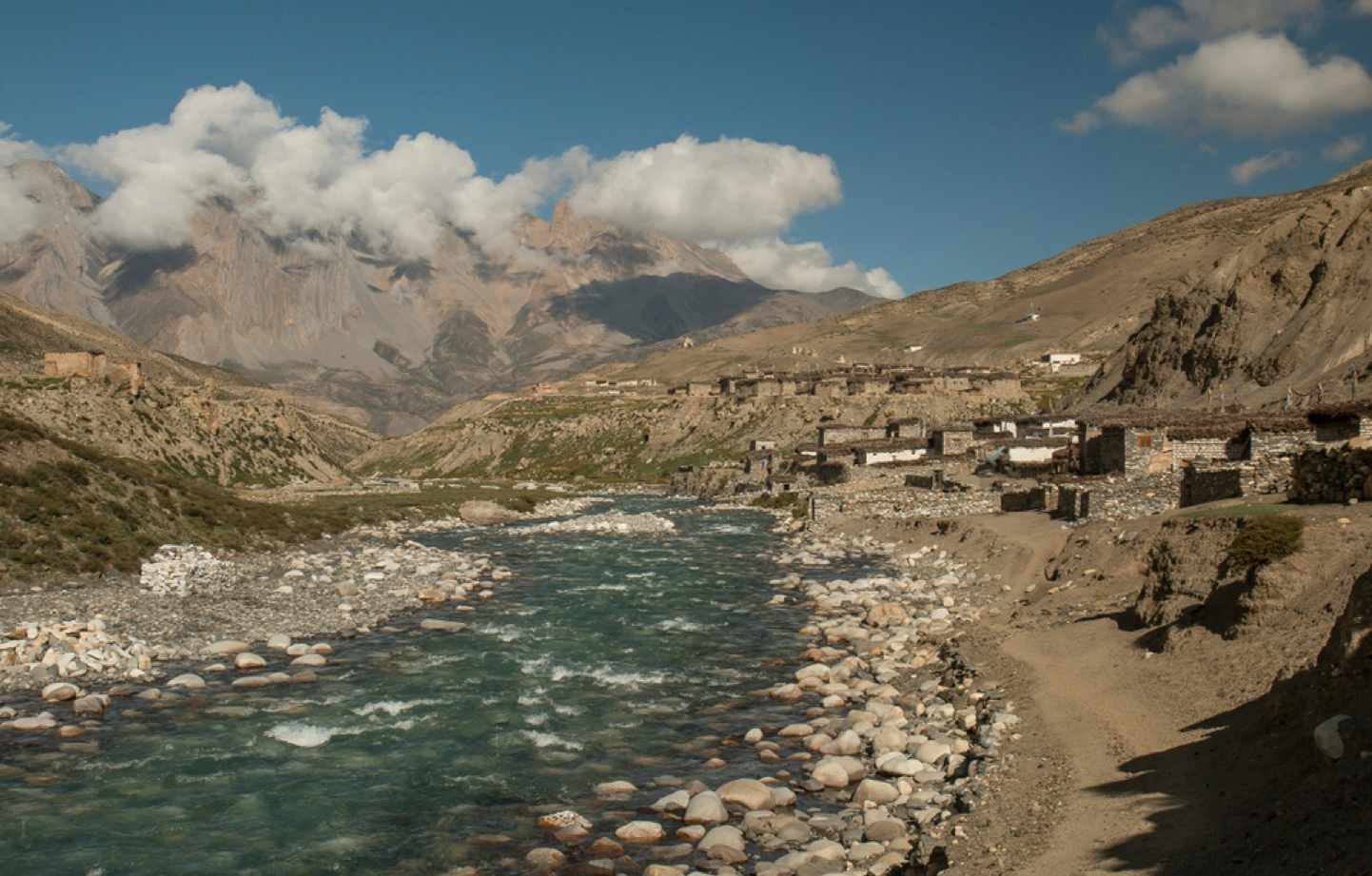
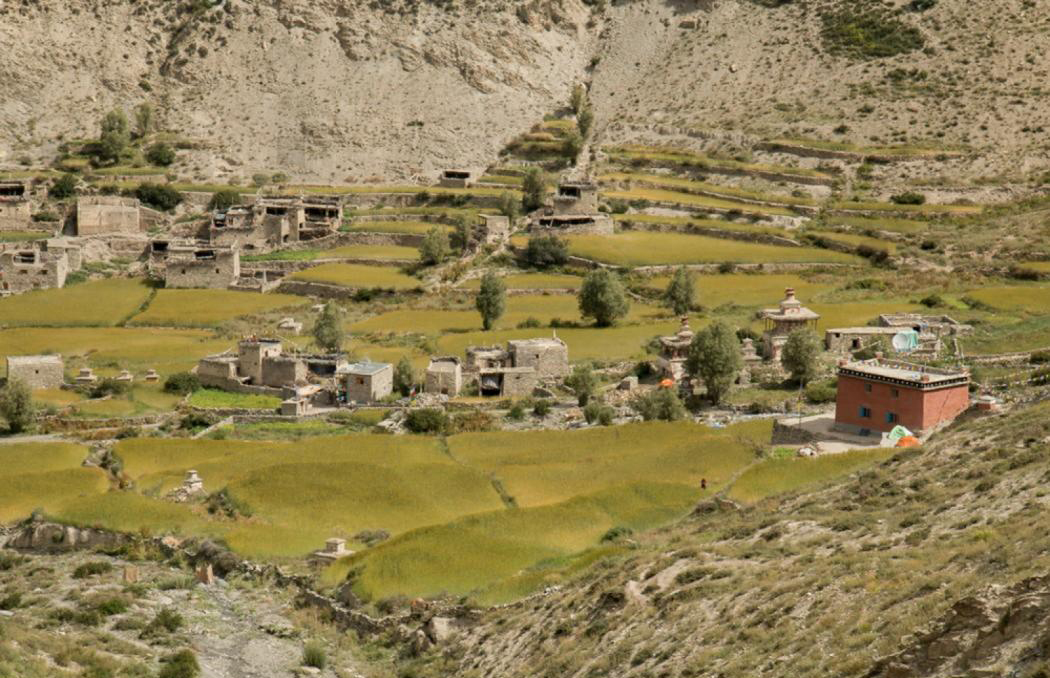
- Preserved Tibetan Culture Villages like Saldang and Ringmo offer a rare, living glimpse into centuries-old Dolpo-pa traditions and the ancient Bon religion.
- True Wilderness & Solitude As a restricted region with limited access, Upper Dolpo remains one of the last truly untouched, uncrowded trekking destinations in the Himalaya.
- Rich Biodiversity Shey Phoksundo National Park is home to rare and elusive wildlife, including the snow leopard, blue sheep, and Himalayan tahr, making it a haven for wildlife enthusiasts.
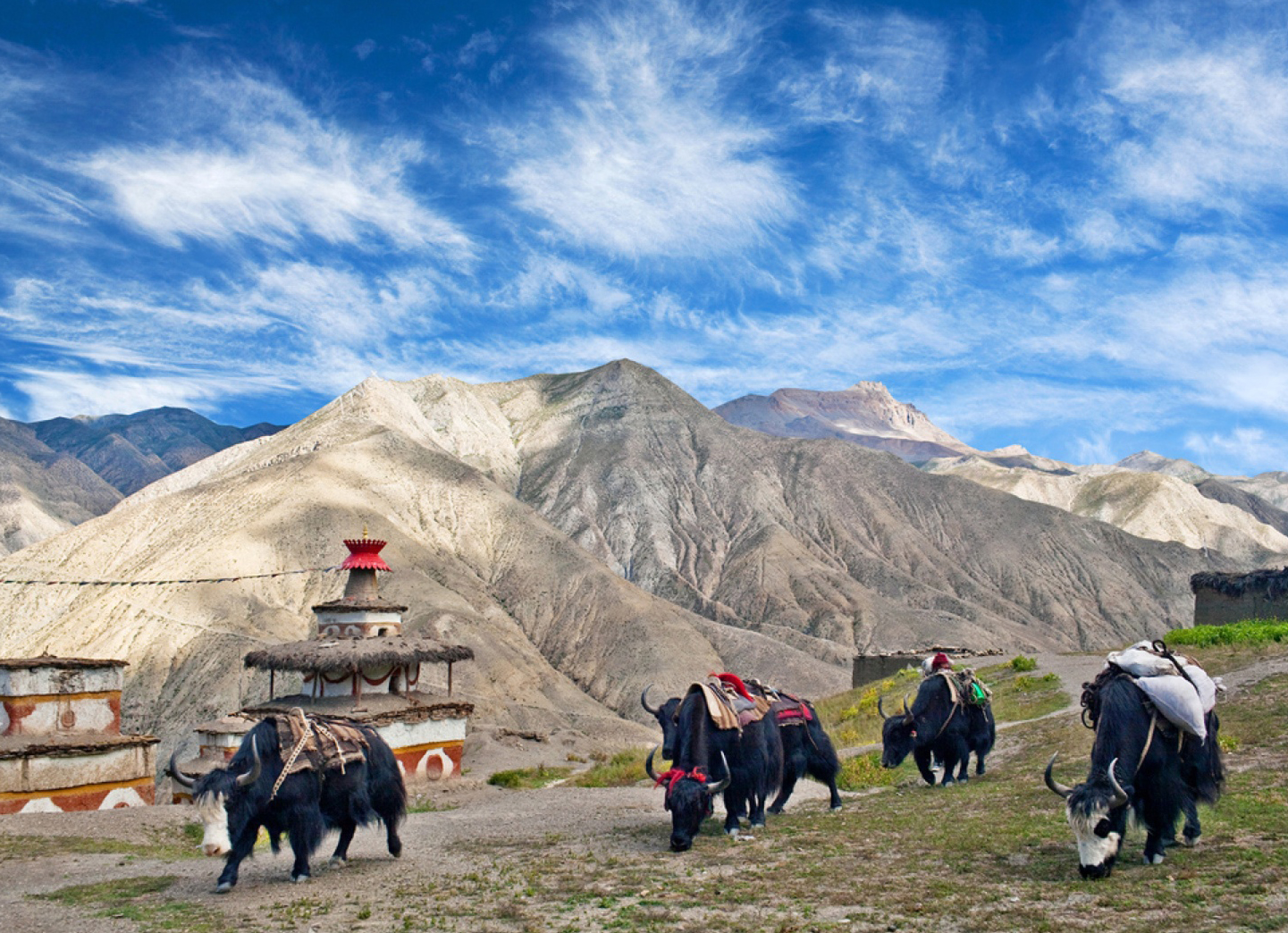
- Ancient Salt Trade Route Trekkers follow centuries-old paths once used by yak caravans transporting salt between Tibet and Nepal, offering a tangible connection to the region's historic trade heritage