-
Kathmandu
-
Bus, Private Car
-
5-6 Hrs
-
Hotel - Tea Houses
-
Breakfast, Lunch, Dinner = Trek, Breakfast = Kathmandu
-
4380m.
Overview of Gosaikunda Trek
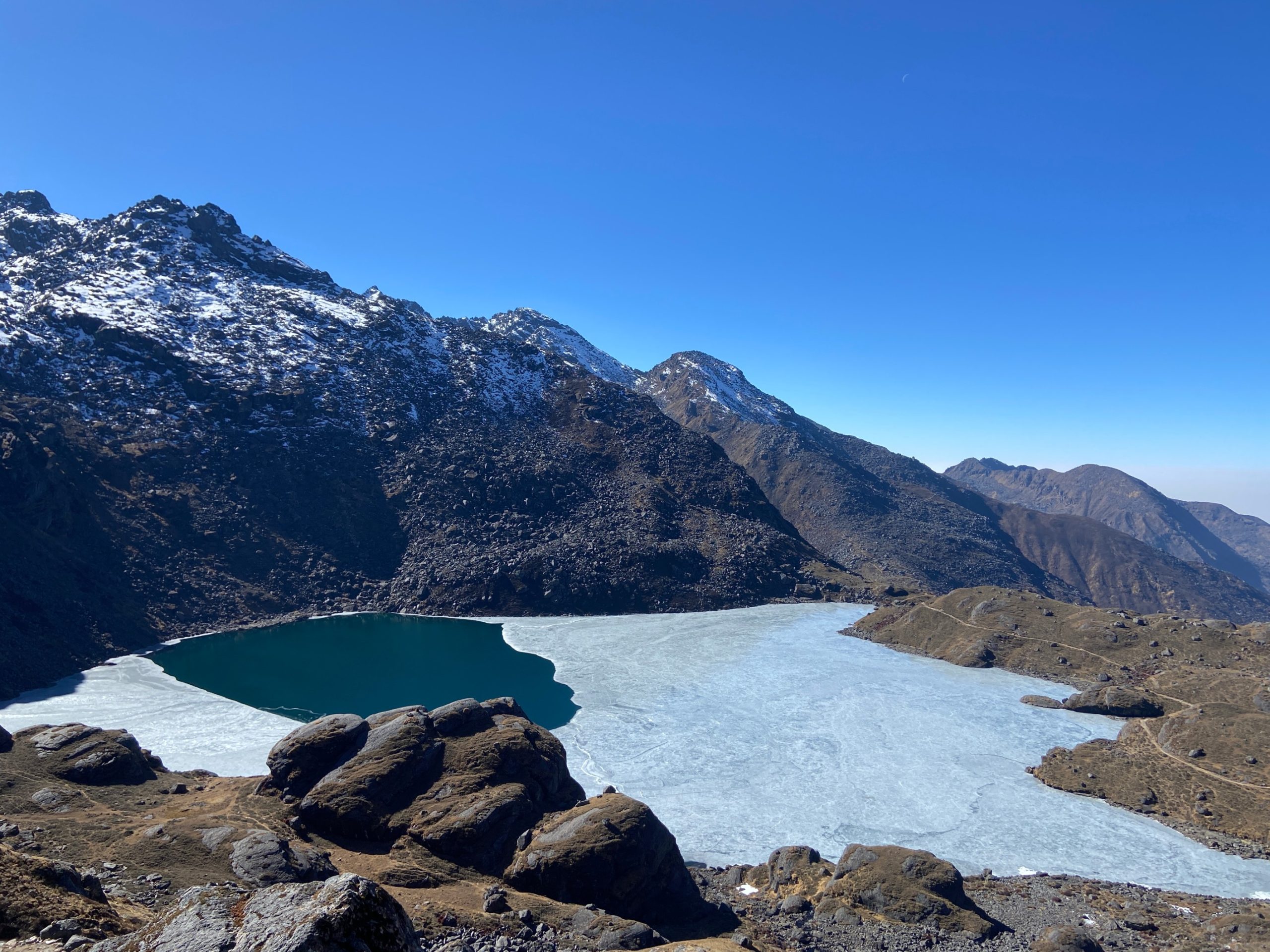
The Gosaikunda Trek is a scenic and spiritually significant journey in the Langtang region of Nepal, leading to the sacred alpine lake of Gosaikunda at an altitude of around 4,380 meters. The trek usually begins from Dhunche, passing through beautiful rhododendron and pine forests, traditional Tamang villages, and terraced farmlands before climbing into the high alpine zone. Along the way, trekkers pass through popular stops like Chisapani, Kutumsang, and Ghopte, gradually gaining altitude while enjoying views of the Langtang and Ganesh Himal ranges. The lake itself holds deep religious importance for Hindus, who believe it was created by Lord Shiva, and thousands of pilgrims visit during the Janai Purnima festival every August.
This trek typically takes about 4 to 5 days round trip, depending upon pace, and can be extended into the Langtang Valley or Helambu region for a longer circuit. It offers a good mix of natural beauty, cultural immersion, and moderate physical challenge, making it suitable for trekkers with reasonable fitness and some high altitude trekking experience. Since the trail crosses high passes like Laurebina La (around 4,610 meters), proper acclimatization is important to avoid altitude sickness. The best seasons are spring (March–May) and autumn (September–November), when the weather is stable and views are clearest.
About Gosaikunda Trek
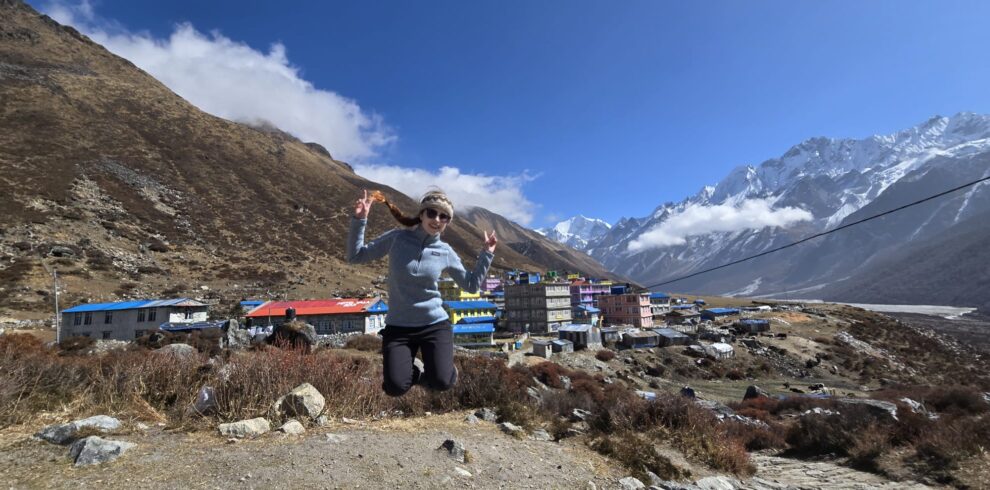
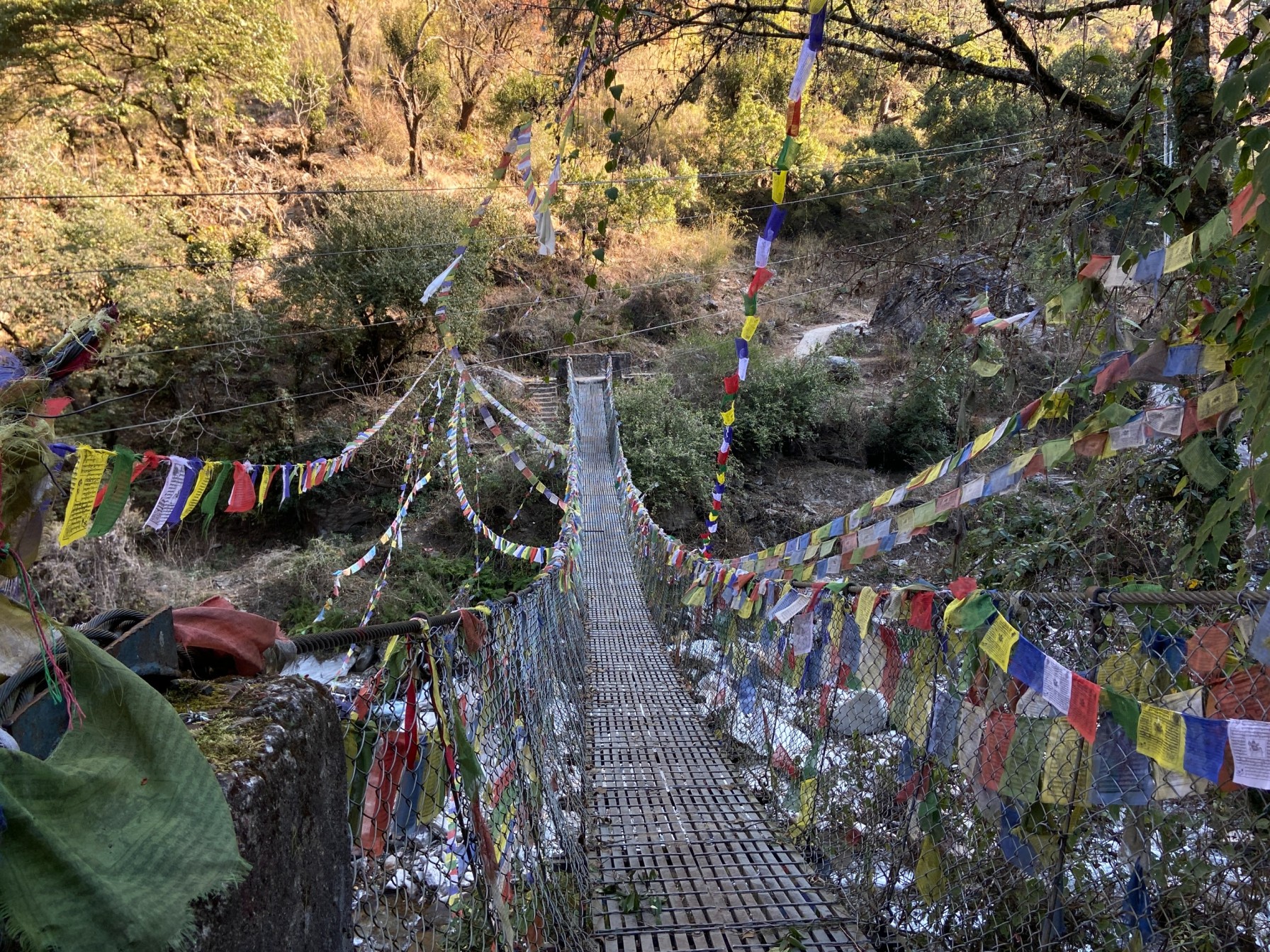
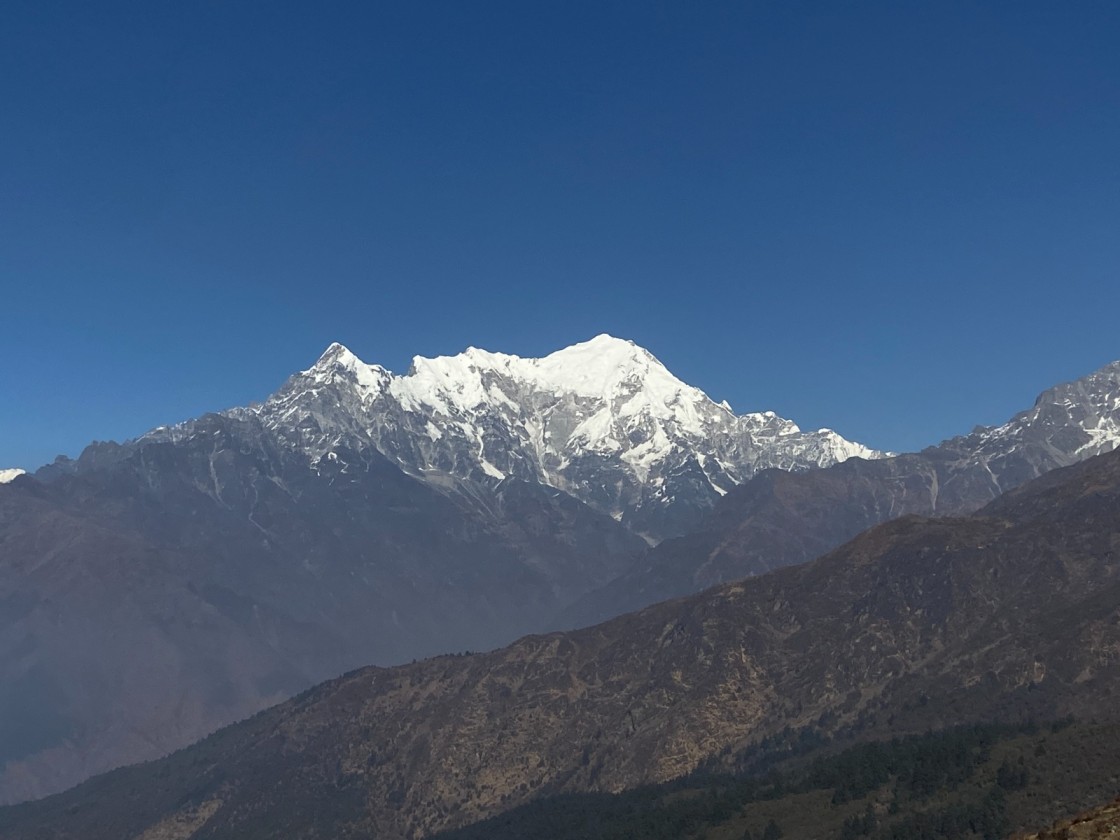
Imagine standing at 4,380 meters beside a lake so still it mirrors the peaks around it, knowing pilgrims have walked here for centuries believing Shiva himself struck this ground to bring forth water. That’s Gosaikunda, not just a trek, but a walk through Tamang villages where prayer flags snap in the wind, past monasteries tucked into hillsides, and through forests that shift from lush rhododendron blooms in spring to frost dusted pines as you climb higher. The trail from Dhunche rewards you early with views of Langtang Lirung and the jagged Ganesh Himal skyline, but it’s the final push over Laurebina La, a windswept pass at 4,610 meters, that tests you. Locals will tell you the surrounding cluster of 108 alpine lakes each hold their own quiet stories, though Gosaikunda remains the crown jewel pilgrims travel days to reach, especially during Janai Purnima in August when thousands descend for a ritual dip believed to cleanse sins.
What makes this trek stand out isn’t just the altitude, it’s how much roasted corn and butter tea to teahouses where yak wool blankets change in just a handful of days. You go from warm lowland villages selling kets and steaming dal bhat feel like luxury after a cold ascent. Altitude sickness is a real risk here, not a footnote, so most trekkers build in a night at Sing Gompa or Chandanbari to adjust before pushing higher. Spring brings wildflowers and clearer trails, while autumn offers crisp air and the sharpest mountain views of the year. Whether you do the fast 4-day version or extend it into Langtang Valley or Helambu, Gosaikunda delivers a rare mix of physical grit, cultural immersion, and a genuinely sacred atmosphere that lingers well after you’ve descended.
Gosaikunda Trek Route
The Gosaikunda trek begins with a 6–7 hour drive from Kathmandu to Dhunche (1,960m), the Rasuwa district headquarters, where you’ll complete permit checks for the Langtang National Park entry and TIMS card. From here, the trail continues on foot through dense oak, hemlock, and rhododendron forest up to Sing Gompa, also called Chandanbari (3,330m), a 4–5 hour walk known for its cheese factory and quiet monastery, where you rest overnight to begin acclimatizing. The climb then continues through Cholang Pati (3,584m) and Laurebina Yak (3,920m) as the forest gradually gives way to open, rocky alpine terrain. After 5–6 hours of steady ascent, you reach Gosaikunda Lake (4,380m), the sacred glacial lake where you’ll spend the night surrounded by barren peaks, prayer flags, and high-altitude silence.
From Gosaikunda, the descent retraces the trail through Laurebina Yak and Cholang Pati down to Sing Gompa, continuing further to Dhunche if time and energy allow, making for a long descent stretch of 6–7 hours. The trek then wraps up with the drive from Dhunche back to Kathmandu, completing the loop. This condensed route skips the longer Helambu extension and sticks to the direct Dhunche–Gosaikunda path, making it ideal for trekkers with limited time but reasonable fitness and prior high-altitude experience, since the pace leaves little room for extended acclimatization. You can easily extend the trek for a slow paced and relaxing trek enjoying every place too and know more about the trek by directly contacting us from the information given below.
Key Things to Know Before You Go To Gosaikunda Trek
Best Time to Visit
- The Gosainkunda Trek falls in May the perfect excuse to plan your trip in spring
- Spring (March–May) and autumn (September–November) offer the best trekking conditions for Gosainkunda Trek like clear skies, warm days, and great visibility
Power & Charging
- Reliable electricity is not available along most of the trail
- Many teahouses run on solar panels helpful but not guaranteed
- Always carry extra batteries and a fully charged power bank
Accommodation
- Expect ordinary, no-frills teahouse stays for most of the Gosaikunda Trek twin bed sharing and common toilets are standard
- Proper rest is very necessary before heading deeper into the region so don’t be shy to ask if there is any requests our guide will help give the best we can
Travel Insurance
- Travel insurance is a must .
- While emergencies are rare in Gosainkunda Trek, the remote nature of the region means that being unprepared is simply not an option
- Make sure your policy covers high-altitude trekking and emergency evacuation
Physical Preparation
- Gosaikunda trek is easy for regular trekkers
- Start preparing a month in advance with stamina-building exercises, hiking, and running to not feel difficult.
- A strong body and a prepared mind will make huge contribution on surviving the trek and truly enjoying it
Gear & Equipment
- Gosaikunda requires minimal but specific gear
- Essential items include trek boots, thermals, windproof outwear, a down jacket, sunglasses, sun protection and trekking poles.
- Duffel bag, down jacket, sleeping bag provide on Igloo Himalaya Treks but you have to return after completing the trek.
Fees, Permits and rules for Gosaikunda Trek
- Langtang National Park Entry Permit : NPR 3,000 for foreign nationals (~USD 22–26)
- Shivapuri–Nagarjun Permit : NPR 1,000, only needed if starting from Sundarijal
Permits for Gosaikunda Trek and it will be managed by Igloo Himalaya Treks. Children under 10 are exempt from the park entry fee and SAARC nationals get a discounted park permit rate. These fees go toward protecting the wildlife and maintaining the trekking trails in the national park area.
Rules:
- Licensed guide is mandatory for foreign trekkers since 2023 solo trekking not allowed
- Permits are strictly checked at Dhunche checkpoint; no permit means no entry
- Carry permits at all times (waterproof pouch recommended)
- Stick to marked trails, no littering
- Avoid single-use plastics
- Respect local customs, monasteries, and villages
- No special permit needed to visit the lake itself
Why Choose Gosaikunda Trek with Igloo Himalaya Treks?
Imagine entering a quiet Himalayan valley, where clouds brush ancient monasteries, sceneries so grand that you never forget and snow peaks rise like silent guardians. You’re not a tourist, you’re an explorer, guided by our team who breathe these mountains. Choose Igloo Himalayan Treks to scoop out the best experience on a trek in Nepal, as we provide:
- A Personal, Heartfelt Journey
This trek isn’t just about mountains, it’s about connecting. With our experienced guides, you’ll go beyond the trail and into the stories, traditions and lives of the Solukhumbu people.
- Small Groups, Big Experience
We keep our groups small so you get personal space to reflect, and real moments of connection with the landscape and culture.
- Sustainability First
Every trek contributes to rebuilding efforts, education, and health initiatives in the Solukhumbu region. Your journey helps uplift the communities you walk through.
- Deep Local Expertise
Our guides have years of experience. They know every turn of the trail, every prayer flag, and every viewpoint. Our guide will try to give you the best information on all the views you could see.
Highlights
- 1.Sacred Alpine Lake : Gosaikunda (4,380m) is one of Nepal's most revered pilgrimage sites, believed to have been created by Lord Shiva, and it's surrounded by a cluster of over 100 smaller high-altitude lakes.
- 2.Laurebina La Pass : Crossing this dramatic high pass at 4,610m offers sweeping views and a genuine sense of high-altitude adventure without needing technical climbing skills.
- 3.Himalayan Panoramas : Clear views of the Langtang range, Ganesh Himal, and on some days even the Annapurna range in the distance, especially from viewpoints near Cholang Pati.
- 4.Rich Tamang Culture : The trail passes through traditional Tamang villages, monasteries, mani walls, and prayer flags, offering an authentic glimpse into Tibetan-influenced mountain culture.
- 5.Diverse Landscapes : A short trek that packs in dramatic variety, from lush rhododendron and pine forests at lower elevations to stark alpine terrain and glacial lake scenery up top.