If you are planning your first trek in Nepal, there is something you should know before you book your flight, the photos you see online are real, but they don’t tell the whole story.
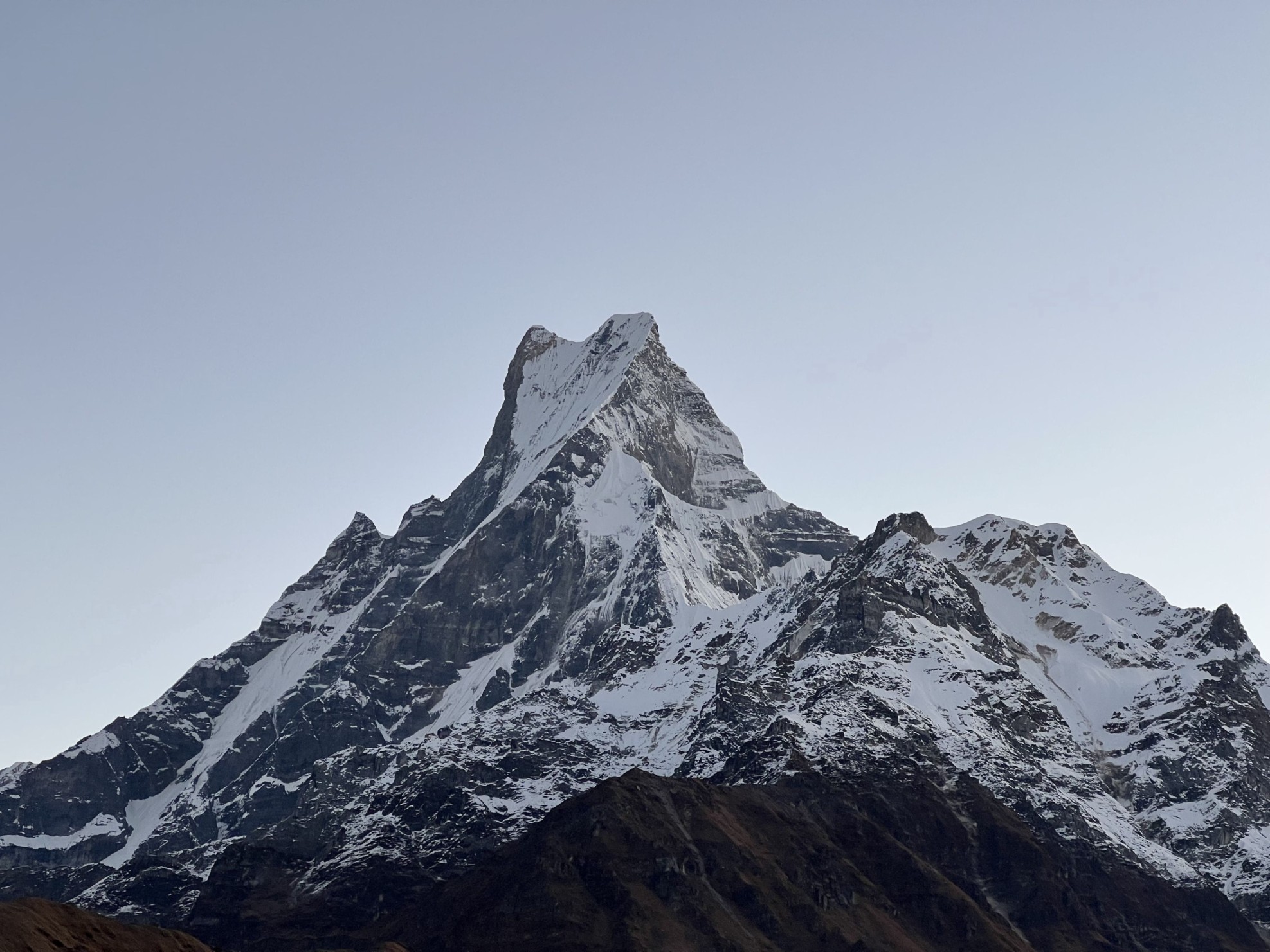
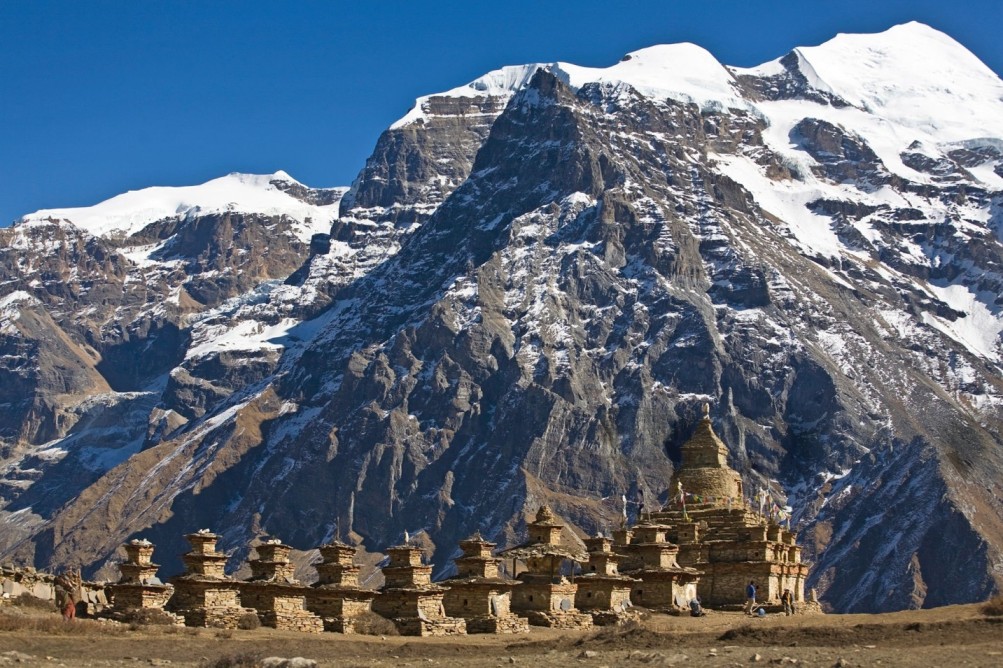
You will see beautiful pictures of snow-covered mountains, prayer flags moving in the wind, small villages surrounded by giant peaks, and trekkers standing proudly at Everest Base Camp or Annapurna Base Camp.
But a photograph cannot show you everything.
It cannot show the moment you wake up early in a cold mountain lodge and look outside to see the first sunlight touching the peaks. It cannot show the tiredness in your legs after several hours of walking. It cannot show the cup of hot tea that suddenly feels like the best thing you have ever tasted.
And it certainly cannot show you how different the Himalayas can make you feel.
After years of taking trekkers through the mountains of Nepal, we have learned that the things people remember most are often not the things they expected before coming here.
So before you choose a trekking package, book your flights, and start packing your backpack, here are some things nobody tells you about trekking in Nepal.
Nepal Trekking Looks Easy in Photos. It Is Different on the Trail.
Let’s start with the obvious.
Trekking in Nepal is beautiful.
But it is not always easy.
You may look at a trekking photograph and think, “That doesn’t look too difficult.”
Then you arrive on the trail.
There are stone steps. There are uphill sections. There are downhill sections. There are long suspension bridges. There are days when the trail feels easy and days when your legs ask you why you decided to do this.
That is completely normal.
A Himalayan trek is not a competition.
You don’t need to walk faster than everyone else. You don’t need to prove anything to your guide or other trekkers. What matters is walking at a comfortable pace, drinking enough water, eating properly, resting when necessary, and allowing your body time to adjust to the altitude.
This is one of the biggest differences between trekking in Nepal and simply going on a normal holiday.
On a normal holiday, you can rush from one place to another.
In the Himalayas, rushing is rarely the answer.
The mountains teach you to slow down.
Your First Few Days May Feel Completely Different
Many international visitors arrive in Nepal with excitement, energy, and a full list of places they want to see.
Then the trek begins.
The first few days can feel surprisingly different from what you imagined.
You may walk for several hours and feel tired. You may sleep differently. You may notice that your appetite changes. You may find yourself drinking more water than usual.
And when you begin gaining altitude, your body starts responding to a completely different environment.
This is why a good trekking itinerary is not simply about reaching the destination as quickly as possible.
For example, on popular Himalayan routes such as the Everest Base Camp Trek, acclimatization is an important part of the journey.
You do not simply fly toward the mountains and keep walking higher every day without thinking about your body.
You need time.
You need patience.
And sometimes you need to listen to your guide when they tell you to slow down.
That can be difficult for people who are used to busy schedules.
But in the Himalayas, your body decides the pace.
Altitude Is Not Something You Can Simply “Push Through”
This is one of the most important things I want first-time trekkers to understand.
Altitude is different from normal physical tiredness.
You can train for months before coming to Nepal. You can run, cycle, hike, go to the gym, and become very fit.
But altitude can still affect you.
That is why trekking itineraries need to be planned carefully.
As you go higher, the amount of oxygen available in the air decreases. Your body needs time to adapt.
You may experience a headache, tiredness, difficulty sleeping, or other symptoms.
This is why acclimatization days are not wasted days.
They are part of the trek.
On routes such as Everest Base Camp, Gokyo Lakes, Manaslu Circuit and other high-altitude treks, a responsible itinerary should give your body enough time to adjust.
At Igloo Himalaya Treks, we believe that reaching a destination is important, but reaching it safely is more important.
The mountain will still be there tomorrow.
The Hardest Part Is Sometimes Not the Walking
People often ask:
“How difficult is the trek?”
That is a good question.
But sometimes the hardest part has nothing to do with walking.
It can be waking up when you are tired.
It can be sleeping in a simple mountain lodge.
It can be missing your normal shower.
It can be having limited internet connection.
It can be dealing with changing weather.
It can be walking for hours when the destination still looks far away.
And sometimes it can simply be being away from home.
But this is also what makes trekking special.
When everything is comfortable and familiar, you don’t always notice the small things.
In the mountains, you do.
A warm meal becomes special.
A hot shower becomes a luxury.
A good night’s sleep feels like a gift.
A conversation with another trekker can become a memory you keep for years.
The Himalayas have a way of making simple things important again.
Teahouse Life Is Part of the Adventure
If you have never trekked in Nepal before, you may imagine that every night you will stay in a modern hotel.
The reality is different.
On many trekking routes, you stay in local teahouses and mountain lodges.
They are simple, comfortable places where trekkers eat, sleep, talk, charge their devices when possible, and warm themselves after a long day.
Your room may be basic.
The walls may be thin.
The bathroom may not have the same facilities you are used to at home.
But then you sit in the dining room.
Someone is drinking tea.
Another trekker is talking about the day’s walk.
A guide is checking tomorrow’s route.
Outside, the mountains are getting dark.
And suddenly you realize that you don’t need a five-star hotel to have a memorable evening.
This is mountain life.
And for many trekkers, it becomes one of their favorite parts of Nepal.
Weather Can Change Your Plans
Another thing people don’t always understand before trekking in Nepal is that the mountains control the schedule more than you do.
You may have a perfect itinerary on paper.
But the weather does not care about your itinerary.
Flights can be delayed.
Clouds can appear.
Rain can arrive.
Snow can change the trail.
Mountain conditions can sometimes require adjustments.
This is particularly important on routes involving flights to mountain airports such as Lukla.
If you are travelling to the Everest region, it is wise to keep some flexibility in your overall Nepal travel plan.
Don’t schedule your international flight immediately after a mountain flight if you can avoid it.
Give yourself some extra time.
It is much better to have an extra day in Kathmandu than to spend your final night worrying about whether you will make your international flight.
Experienced local planning can make a big difference here.
You Don’t Need to Be an Athlete to Trek in Nepal
One of the most common questions we hear is:
“Am I fit enough?”
The answer depends on the trek, your preparation, your health, and the itinerary.
But you do not need to be a professional athlete.
People from different countries and different backgrounds come to Nepal to trek.
Some are experienced hikers.
Some have never completed a Himalayan trek before.
Some are young.
Some are older.
Some train regularly.
Others simply prepare with regular walking before their trip.
The important thing is choosing a trek that matches your ability and preparing properly.
For example, a shorter lower-altitude trek such as Mardi Himal, Ghorepani Poon Hill, or Khopra Ridge can offer a very different experience from a high-altitude adventure such as Everest Base Camp or the Everest Three High Passes Trek.
There is no single “best” trek for everybody.
The right trek is the one that fits you.
A Good Guide Does More Than Show You the Way
This is something that is difficult to understand until you actually trek with a guide.
A guide is not simply someone walking in front of you.
A good local guide watches.
They notice when you are unusually tired.
They know the trail.
They understand the local villages.
They communicate with teahouses.
They help manage unexpected situations.
They know when a group should slow down.
And sometimes, they simply know when you need a cup of tea and a short rest.
The mountains are not a place where you want to feel like you are completely alone.
A professional local trekking team can make the experience more organized while still allowing you to enjoy the freedom and adventure of the trail.
At Igloo Himalaya Treks, our goal is not to make you feel like you are following a tour timetable.
We want you to experience Nepal.
The People You Meet Can Become Part of Your Trek
You may come to Nepal for the mountains.
But you may leave remembering the people.
You might meet a porter carrying an incredible load up a steep trail.
You might share a table with trekkers from another country.
You might speak with a local family in a mountain village.
You might spend an evening talking with your guide about life in Nepal.
These moments are not always included in an itinerary.
They are simply part of the journey.
And sometimes they become the stories you tell your friends when you return home.
Everest Is Not the Only Trek Worth Doing in Nepal
Many people first hear about Nepal because of Everest.
That makes sense.
Everest is one of the world’s most famous mountains.
But Nepal is much bigger than Everest Base Camp.
If you want spectacular mountain views without following the most famous route, there are many other possibilities.
The Annapurna Base Camp Trek takes you deep into the Annapurna Sanctuary, surrounded by enormous Himalayan peaks.
The Annapurna Circuit Trek offers changing landscapes, mountain villages, valleys, and the dramatic crossing of Thorong La.
The Langtang Valley Trek takes you into a beautiful valley relatively close to Kathmandu, with a strong combination of mountain scenery, local culture, and Himalayan walking.
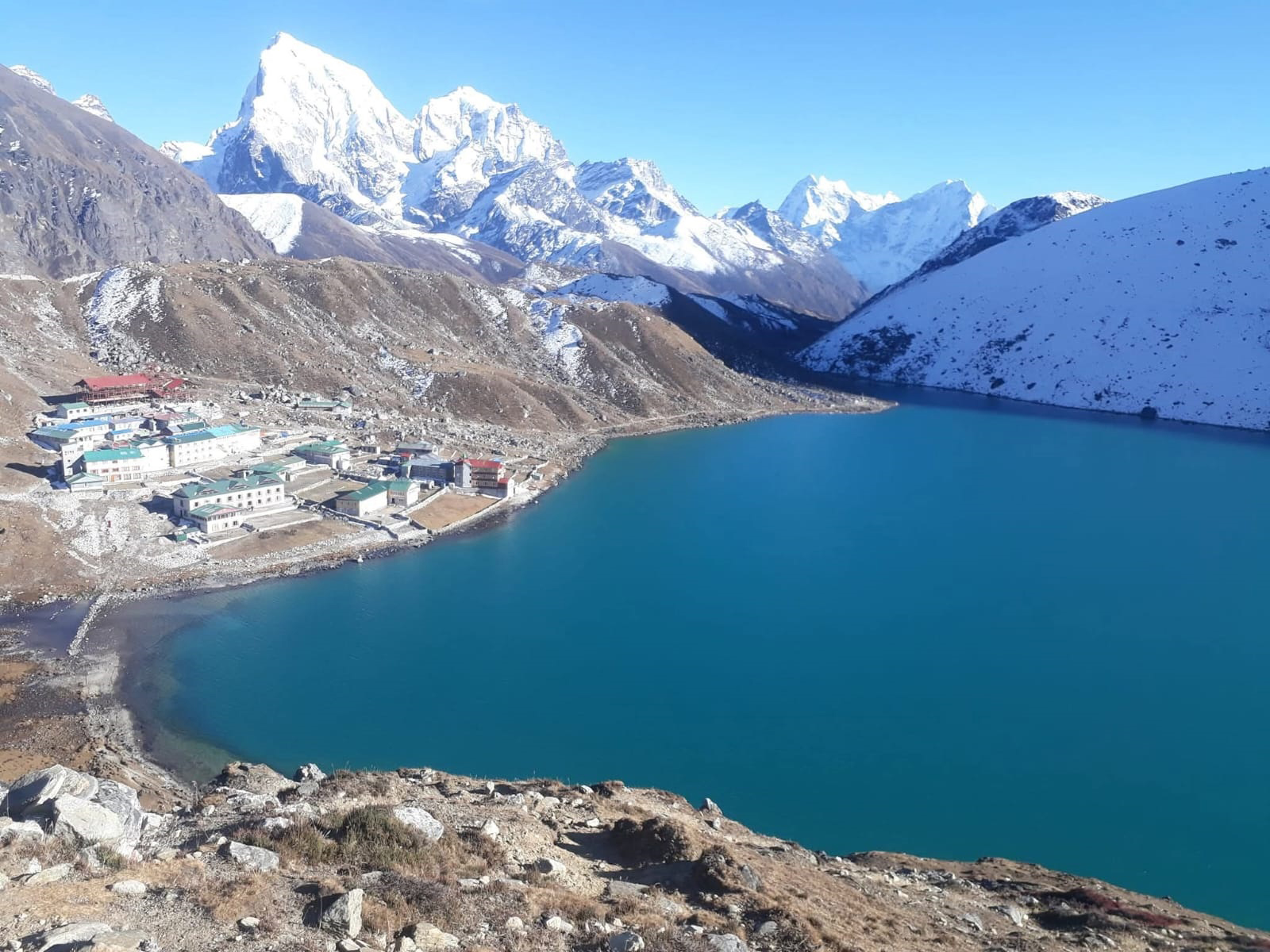
The Gokyo Lakes Trek offers turquoise glacial lakes, Gokyo Ri, and spectacular views in the Everest region.
The Manaslu Circuit Trek provides a more remote Himalayan experience with dramatic scenery and high mountain passes.
And for trekkers looking for something shorter, routes such as Mardi Himal, Ghorepani Poon Hill, and Khopra Ridge can provide an unforgettable mountain experience without requiring the same itinerary as Everest Base Camp.
The question should not always be:
“Which is the most famous trek?”
A better question is:
“Which trek is right for me?”
You Will Probably Miss Something From Home
This might sound strange, but it is part of the experience.
After several days in the mountains, you may start thinking about things you normally don’t even notice.
Your own bed.
A long hot shower.
Fast Wi-Fi.
Your favorite food.
A quiet room.
Maybe even a normal road.
And then something interesting happens.
When you finally return to Kathmandu, those things feel different.
You appreciate them more.
That is one of the unexpected gifts of trekking.
The mountains take some comforts away for a while, and when you get them back, you appreciate them differently.
Your Trek May Not Go Exactly According to the Plan
This is something I always recommend travellers accept before arriving in Nepal.
Your itinerary is a plan.
It is not a promise that every single day will happen exactly as written.
Mountain travel involves weather, trail conditions, flight schedules, local conditions, and the physical condition of the group.
Sometimes a small change makes the journey better.
Sometimes a change is necessary for safety.
This is why choosing a trekking company is not only about comparing prices.
Ask questions.
Who will be your guide?
How does the company handle altitude?
What happens if your flight is delayed?
What is included?
What happens if you become sick?
How flexible is the itinerary?
Who will actually be looking after you during the trek?
These questions can tell you much more than a beautiful website.
Don’t Choose a Trek Only Because It Is Cheap
Price matters.
We understand that.
Travellers have budgets.
But when comparing trekking packages in Nepal, don’t compare only the final number.
Look at what is included.
Look at the quality and experience of the guide.
Look at accommodation.
Look at transportation.
Look at permits.
Look at meals where applicable.
Look at emergency support.
Look at the company’s communication before you arrive.
A cheap trekking package may look attractive when you are sitting at home comparing websites.
But once you are thousands of kilometres away from home and standing at high altitude, the quality of the support around you matters much more.
Your trek is not just a product.
It is an experience that you may remember for the rest of your life.
What Should You Do Before Coming to Nepal?
You don’t need to become a professional mountaineer.
But preparation helps.
Start walking regularly before your trek.
Include some uphill walking if possible.
Build your endurance gradually.
Learn about the altitude of your chosen trek.
Understand the itinerary.
Pack appropriately.
Bring comfortable trekking shoes that you have already used.
Don’t arrive with brand-new boots and expect them to magically become comfortable on the trail.
And most importantly, don’t be afraid to ask questions before booking.
A good trekking company should be happy to answer them.
What Nobody Tells You About the Last Day
There is one more thing.
Nobody really prepares you for the end.
During the trek, you may spend days thinking about reaching your destination.
A mountain village.
A high pass.
You imagine how you will feel when you finally arrive.
But then the trek ends.
You return to Kathmandu.
You take a shower.
You put on clean clothes.
You connect to fast Wi-Fi.
You eat something familiar.
And suddenly you realize that you miss the trail.
You miss the mountains.
You miss your guide.
You miss the people you met.
You miss waking up early.
You even miss being tired.
That is when you understand something.
You didn’t simply visit the Himalayas.
You became part of a journey.
Why We Believe Local Experience Matters
At Igloo Himalaya Treks, we are a local Nepal trekking company.
We know that international travellers have many choices when deciding who to trek with.
You can compare companies.
You can compare prices.
You can compare itineraries.
You should.
But we also want you to know the people behind your trek.
Our work is not finished when you make a booking.
It starts when you begin asking questions.
What trek should you choose?
How difficult will it be?
What should you pack?
What will the weather be like?
What happens if you need an extra acclimatization day?
What happens if a flight is delayed?
These are real questions, and they deserve real answers.
We don’t want to sell you a trek that simply looks good on a webpage.
We want to help you choose a trek that makes sense for your time, fitness, interests, and expectations.
Because when the trek is right for you, the experience becomes much more meaningful.
So, Should You Trek in Nepal?
If you are looking for a holiday where everything is predictable, comfortable, and convenient every minute of the day, a Himalayan trek may not be what you are looking for.
But if you want something different…
If you want to wake up surrounded by mountains…
If you want to walk through villages where life moves at a different pace…
If you want to challenge yourself…
If you want to meet people from around the world…
If you want to experience a part of Nepal that cannot be understood from a photograph…
Then perhaps it is time to start thinking seriously about trekking in Nepal.
You don’t need to know everything before you come.
You don’t need to be an expert trekker.
You don’t need to have climbed a mountain before.
You simply need to choose the right journey and prepare for it honestly.
The Himalayas will take care of the rest.
Your Nepal Trek Starts Before You Arrive
The best trekking experiences usually begin long before the first step on the trail.
They begin when you start asking questions.
Maybe you are dreaming about standing at Everest Base Camp.
Maybe you want to see the turquoise lakes of Gokyo.
Maybe you want to cross Thorong La on the Annapurna Circuit.
Maybe you want the quieter trails of Langtang or Manaslu.
Or perhaps you simply want to spend a few days walking through the mountains and seeing a side of Nepal that you cannot experience from a tour bus.
Whatever your idea is, don’t feel that you have to decide everything alone.
Tell us what you are looking for, how many days you have in Nepal, and what kind of experience you want.
At Igloo Himalaya Treks, we can help you look at the options and choose an itinerary that fits your trip.
No pressure.
No need to book immediately.
Just start with a conversation.
Because sometimes the most memorable journey begins with a very simple question:
“Which trek in Nepal is right for me?”
And maybe, one day soon, we will meet you on the trail.
Welcome to Nepal. The mountains are waiting.


