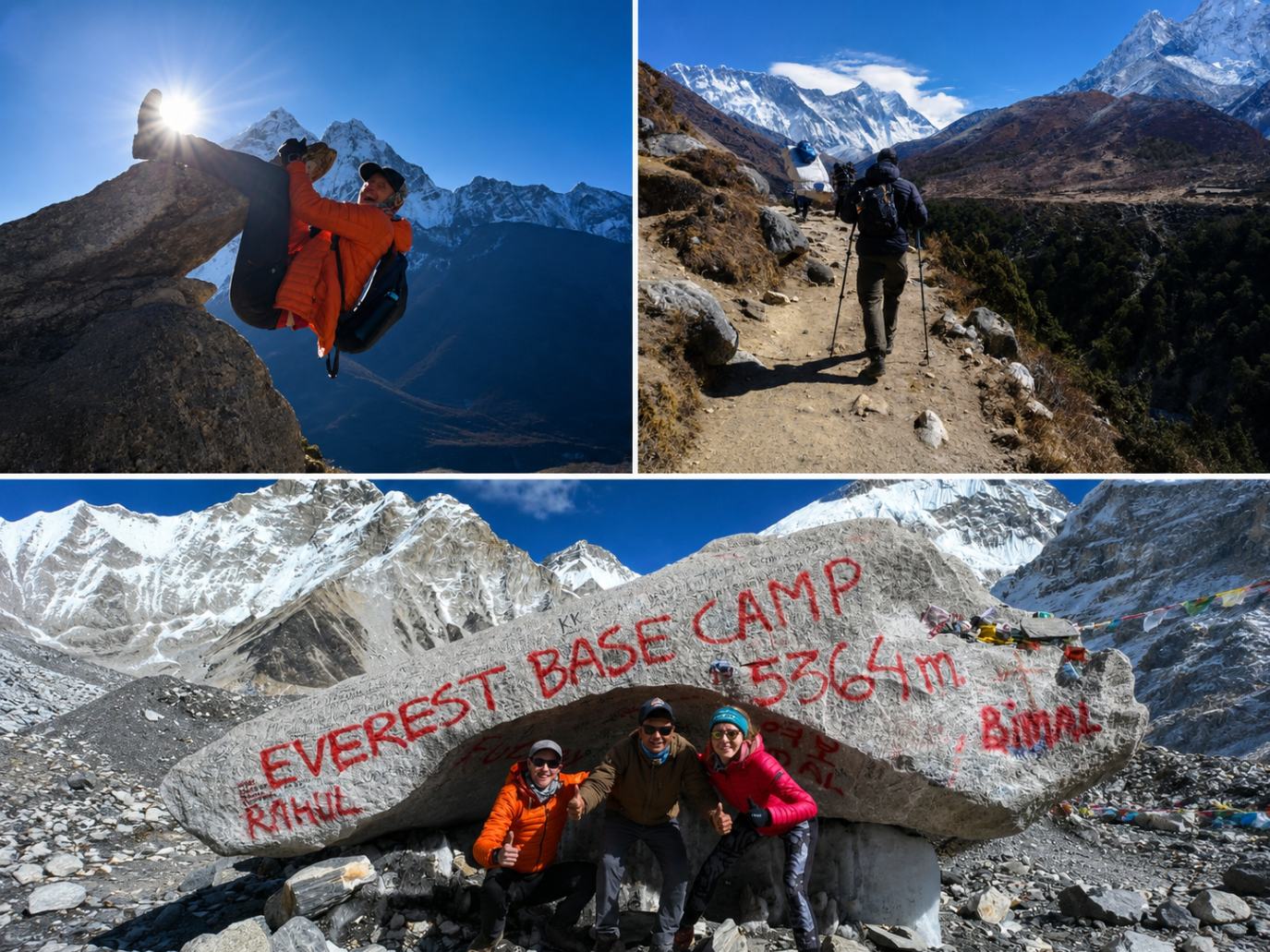
Everest Base Camp Trek Cost 2027: Complete Budget Breakdown
The Everest Base Camp Trek is one of the most popular treks in Nepal, and the total cost depends on several factors, including group size, flight routing, season, and the level of service you choose. On average, a fully guided 14-day Everest Base Camp Trek costs between US$1,235 and US$1,525 per person when booked through a local trekking company in Nepal. This price generally covers flights, permits, meals, accommodation, and a licensed guide, though it can vary based on group size and the time of year you travel. This guide breaks down every cost involved in the Everest Base Camp Trek in 2026, so you know exactly what to expect before you book.
Everest Base Camp Trek Cost: Quick Overview
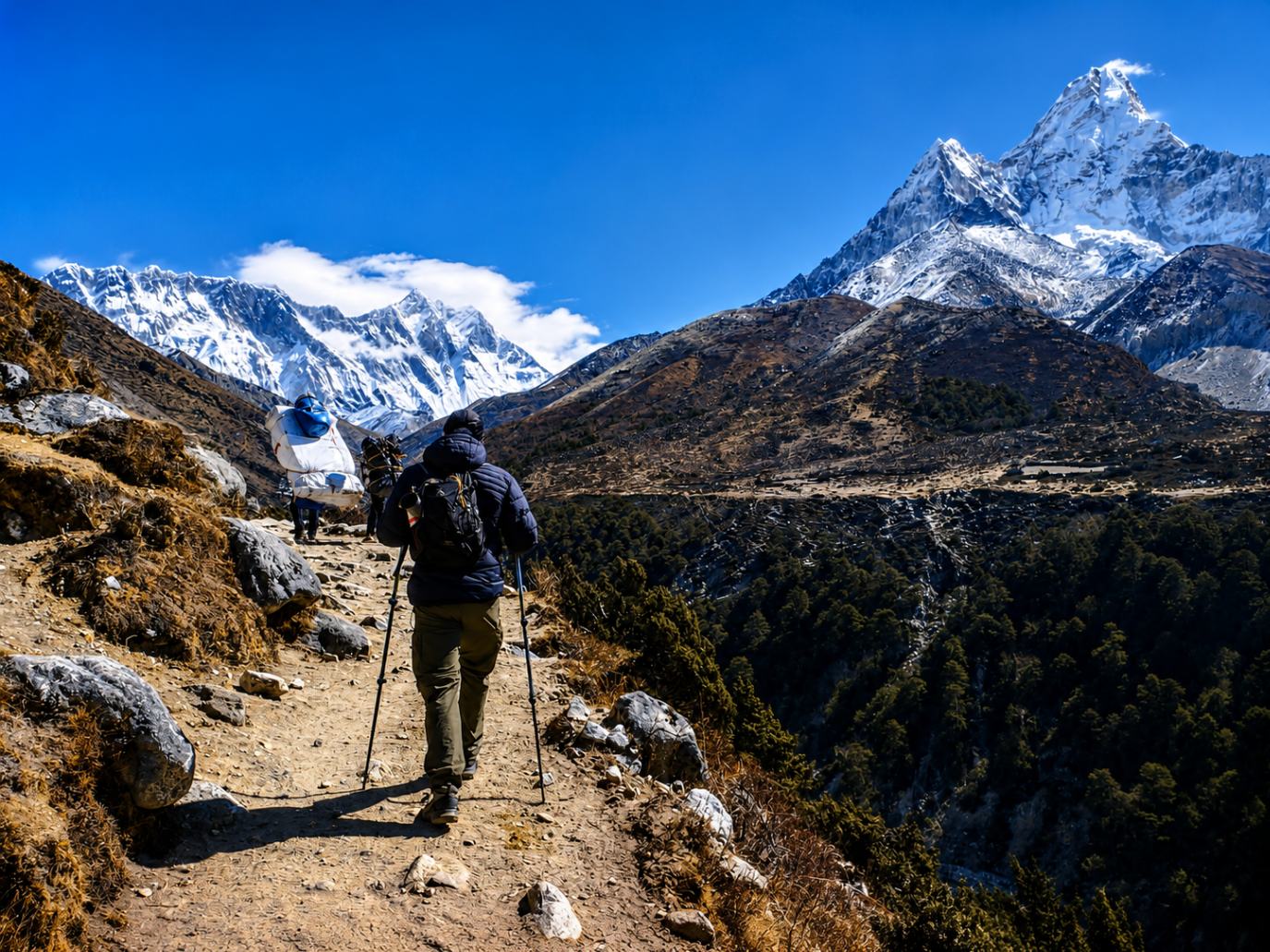
Before looking at each cost category in detail, it helps to see the full price range at a glance. Group size has the biggest effect on price, since fixed costs like the Lukla flight and permits are shared among the group, while a solo trekker pays a higher per-person rate.
Here is a quick summary of what you can expect to pay:
| Group Size | Cost Per Person | Duration | Flight Included | Accommodation |
|---|---|---|---|---|
| Solo (1 trekker) | US$1,435 | 14 Days | Yes (Kathmandu–Lukla–Kathmandu) | Hotel + Teahouse |
| Small group (2–4 people) | US$1,345 | 14 Days | Yes | Hotel + Teahouse |
| Standard group (5–9 people) | US$1,265 | 14 Days | Yes | Hotel + Teahouse |
| Large group (10–20 people) | US$1,175 | 14 Days | Yes | Hotel + Teahouse |
These figures are based on the standard 14-day Everest Base Camp Trek package offered by Igloo Himalaya Treks, which reaches a maximum altitude of 5,545 meters at Kala Patthar.
Fixed Costs for Everest Base Camp Trek
Fixed costs are the expenses that stay the same no matter when you trek or how long you stay at each stop. These are mostly government fees and flight tickets, and they form the base of your total trek cost.
Here are the main fixed costs to plan for:
Permit Fees
Every trekker on the Everest Base Camp route needs two permits: a Sagarmatha National Park entry permit and a Khumbu Rural Municipality entry fee. Both are checked at checkpoints along the trail, including at Monjo when entering the national park. These fees support park conservation and local infrastructure in the Khumbu region. You can verify the latest permit requirements and trekking regulations through the Nepal Tourism Board (NTB) before planning your trip.
Flight Costs (Kathmandu to Lukla and Return)
The round-trip flight between Kathmandu and Lukla is one of the larger fixed costs in the package. During peak trekking months (spring and autumn), flights are usually routed through Manthali Airport in Ramechhap due to heavy air traffic at Kathmandu, which adds a 5 to 7-hour drive before or after the 17 to 25-minute flight. During quieter months, flights run directly from Kathmandu’s domestic terminal and take about 35 minutes.
TIMS/Local Area Fees
In place of the older TIMS card system, the Khumbu region now uses a local entry permit issued through the Khumbu Pasang Lhamu Rural Municipality. This is arranged by your trekking agency and is included in most standard packages.
Variable Costs for Everest Base Camp Trek
Variable costs change depending on how many days you spend on the trail, what you order at each teahouse, and personal habits like charging devices or taking hot showers. These add up gradually and are worth budgeting for separately from the fixed package price.
Here is what typically falls under variable costs:
Accommodation Costs
Teahouse accommodation is included in most standard packages, with attached bathrooms available in lower villages like Phakding, Namche Bazaar, and Lukla. At higher elevations, rooms are more basic, usually with shared facilities, since supplies have to be carried in by porters and mules.
Food and Drinking Water Costs
Meals are included in most standard packages, covering breakfast, lunch, and dinner during the trek days, along with fresh fruit and a small chocolate snack at dinner. If you want extra snacks, desserts, or specific drinks beyond the standard menu, these are paid separately and get more expensive at higher altitudes due to transport costs.
Wi-Fi, Charging, and Hot Shower Costs
These services are available at most teahouses for an extra fee, typically ranging from US$2 to US$5 depending on altitude. They are not included in standard packages and should be budgeted separately, especially if you plan to stay connected throughout the trek.
Guide and Porter Costs
A licensed, English-speaking guide and a porter are included in most full-service packages, with one porter typically assigned to every two trekkers. This arrangement lets you carry only a light daypack while your main duffel bag is carried for you.
Everest Base Camp Trek Cost by Package Type
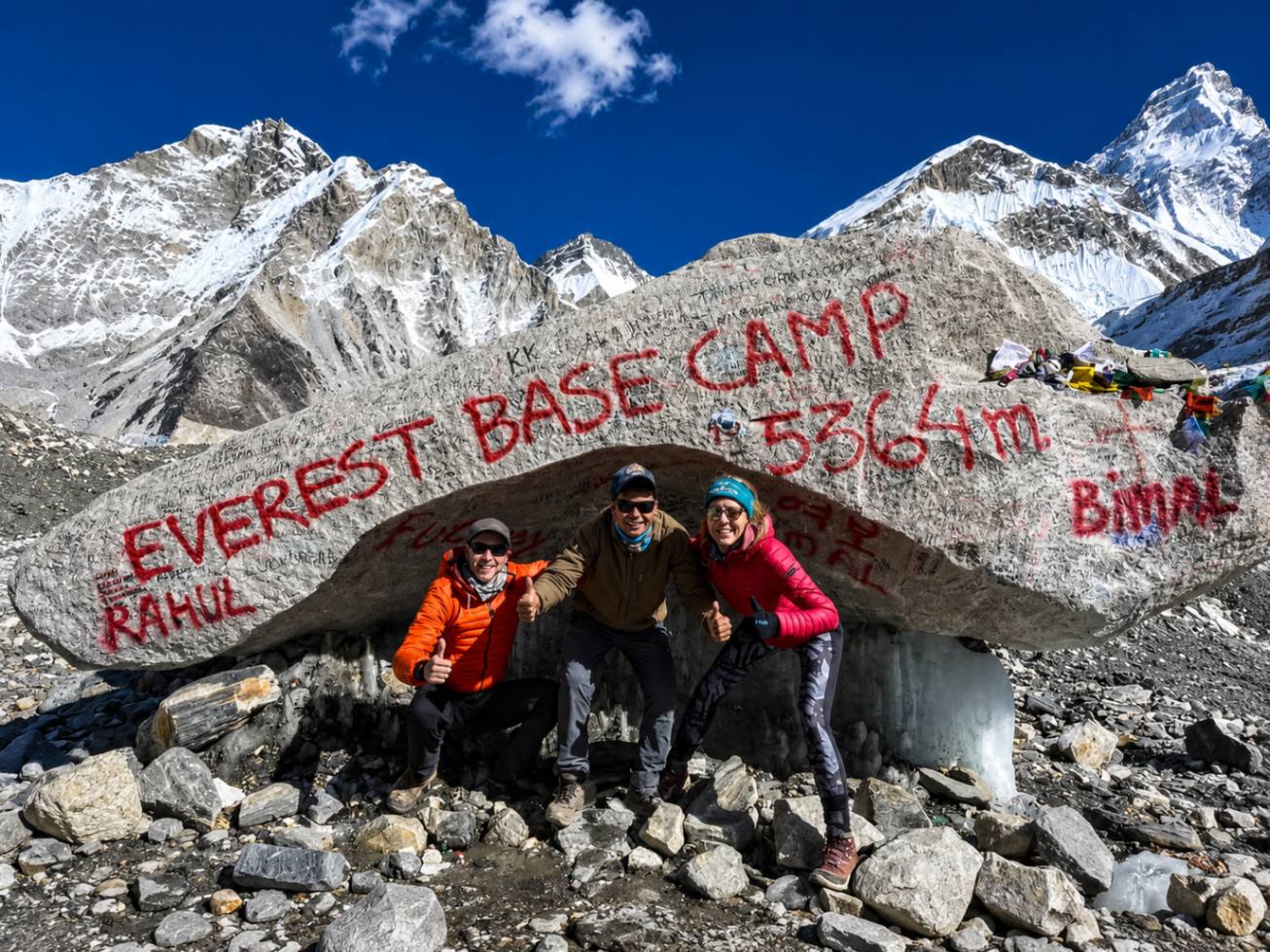
The type of package you choose affects your total cost more than almost any other factor. A basic teahouse trek costs less than a luxury version with private lodges and additional comforts.
Here is how the main package types compare:
Budget Trek Cost
A budget-style Everest Base Camp Trek, done in a larger group with standard teahouse accommodation, generally costs between US$1,235 and US$1,315 per person for the standard 14-day itinerary.
Standard Guided Trek Cost
A standard guided trek with a small group of two to four trekkers, including all meals, permits, guide, and porter services, typically costs around US$1,375 per person.
Luxury/Private Trek Cost
Solo trekkers or those wanting more flexibility with their schedule usually pay a higher per-person rate, closer to US$1,525, since fixed costs like the guide and permits are not split among a larger group. A separate Everest Base Camp Luxury Trek package, with upgraded lodges, is also available for trekkers wanting extra comfort.
Additional Expenses to Consider
Beyond the package price, trekkers should budget for a few extra costs that are not included in most standard itineraries. These are easy to overlook when planning a first budget.
Here are the additional expenses to plan for:
Travel Insurance
Travel insurance is compulsory for the Everest Base Camp Trek and must cover high-altitude trekking up to at least 6,000 meters, along with emergency helicopter evacuation. This is not included in the trek package and should be arranged before arriving in Nepal.
Tipping for Guides and Porters
Tipping is voluntary but common practice at the end of the trek. Many trekkers set aside roughly US$100 to US$150 per person for guides and porters combined, though this varies based on personal budget and service satisfaction.
Personal Gear and Equipment
Trekking gear such as down jackets, sleeping bags, and hiking boots is not included in the package. Trekkers can bring their own gear or rent and buy quality equipment in Kathmandu’s Thamel district at reasonable prices.
Emergency Evacuation Costs
While helicopter rescue coordination is included as a service in most Igloo Himalaya Treks packages, the actual cost of an evacuation must be covered by your travel insurance. Confirming this coverage before departure is an important step that is often missed.
Ways to Reduce Everest Base Camp Trek Cost
There are a few practical ways to lower your total trek cost without cutting corners on safety or comfort. Most of these come down to timing and group planning.
Here are the main ways to save money on this trek:
Trekking in a Group
Joining a larger group reduces your per-person cost significantly, since fixed costs like permits, guide fees, and Lukla flights are shared. As shown in the cost table above, a group of 10 to 20 trekkers pays around US$1,235 per person, compared to US$1,525 for a solo trekker.
Choosing the Right Season
Trekking during shoulder seasons or slightly less busy weeks within spring and autumn can help you avoid peak-season price increases on flights and teahouse accommodation.
Booking Through a Local Operator vs Foreign Agency
Booking directly with a Nepal-based trekking company instead of an international agency generally costs less, since foreign agencies often add a significant markup for the same services on the ground.
Everest Base Camp Trek Cost vs Other Popular Treks
Comparing the Everest Base Camp Trek cost with other well-known treks in Nepal gives a clearer sense of where your budget goes and helps with planning if you are considering more than one route.
Here is how it compares to two other major treks:
EBC vs Annapurna Base Camp Cost
The Annapurna Base Camp Trek is generally the more affordable option, mainly because it does not require a mountain flight and involves a shorter overall itinerary. For a full breakdown of that trek’s costs, see our guide on Annapurna Base Camp Trek cost in 2026.
EBC vs Manaslu Circuit Cost
The Manaslu Circuit Trek involves restricted-area permits that add to its base cost, but it does not require an internal flight in most itineraries, which can offset some of the price difference. Read our full Manaslu Circuit Trek guide for more details on its permit structure and costs.
Sample Budget Breakdown for a 12–14 Day Everest Base Camp Trek
Looking at the package price alone does not show the full cost of an Everest Base Camp Trek. In addition to the trek package, you should budget for travel insurance, personal expenses, optional services, and tips for your guide and porter. The examples below provide a realistic estimate of what most trekkers spend in 2026 based on different travel styles. Actual costs may vary depending on your spending habits, group size, and the trekking company you choose.
Low-Budget Estimate
This option is ideal for trekkers who join a large group (10–20 people) and keep additional spending to a minimum.
- Standard package: Approximately US$1,235
- Travel insurance: US$50–US$100
- Personal expenses (Wi-Fi, charging, snacks, drinks): US$50–US$80
- Tips: Optional or minimal
Estimated total: US$1,350–US$1,450
By limiting optional purchases along the trail and taking advantage of group pricing, many trekkers successfully complete the Everest Base Camp Trek within this budget while still enjoying a safe and memorable experience.
Mid-Range Estimate
This is the most common budget for international trekkers, offering a comfortable balance between cost and convenience.
- Standard package (small group): Approximately US$1,375
- Travel insurance: US$50–US$100
- Extra spending (Wi-Fi, hot showers, charging devices, snacks, drinks): US$100–US$150
- Tips for guide and porter: Around US$100
Estimated total: US$1,650–US$1,750
This budget provides enough flexibility to enjoy additional comforts throughout the trek while keeping your overall expenses predictable. For most first-time trekkers, this is a practical and realistic budget to plan for.
High-End Estimate
Trekkers who prefer smaller groups, private departures, or upgraded services should expect a higher overall budget.
- Private or premium package: US$1,435 or higher
- Travel insurance: US$50–US$100
- Personal expenses and premium services: US$150–US$200+
- Tips for guide and porter: Around US$150
Estimated total: US$1,900–US$2,000 or more
A higher budget allows for greater flexibility throughout the trek, including upgraded accommodation where available, more personal spending, and a more customized trekking experience.
Igloo Himalaya Treks’ Recommendation
Based on our experience organizing Everest Base Camp Treks, we recommend planning a total budget of around US$1,600 to US$1,800 per person for a standard 14-day itinerary. This budget generally covers your trekking package, travel insurance, personal expenses, and a reasonable tip for your guide and porter without leaving you short on the trail.
If you’re looking to save money, joining a larger group is one of the most effective ways to reduce the overall package cost while still receiving the same route, permits, and professional guiding services. If you prefer a more personalized experience, a smaller group or private trek may be worth the additional investment.
Before booking with any trekking company, carefully compare what is included in the package. Check whether permits, Lukla flights, accommodation, meals, guide and porter services, airport transfers, and emergency assistance are covered. Understanding these inclusions will help you compare packages fairly, avoid unexpected expenses, and choose the option that offers the best value for your Everest Base Camp adventure.
Conclusion
The Everest Base Camp Trek cost in 2026 depends mainly on your group size, the season you travel in, and how much you spend on optional extras like Wi-Fi, hot showers, and tipping. A standard 14-day package with flights, permits, guide, porter, meals, and teahouse accommodation generally falls between US$1,235 and US$1,525 per person, with travel insurance and personal spending money as the main additions outside the package. Planning your budget around these categories in advance helps avoid surprises once you’re on the trail.
If you are looking for the best trekking company in Nepal to help plan your Everest Base Camp journey with transparent pricing and experienced local guides, Igloo Himalaya Treks offers full support from arrival in Kathmandu to your farewell dinner after the trek. You can also read more about Mount Everest, the world’s highest mountain, or explore the Ultimate Everest Base Camp Trek guide for a closer look at the full itinerary before you book.
FAQs for Everest Base Camp Trek Cost 2027
How much does the Everest Base Camp Trek cost in 2026?
The Everest Base Camp Trek cost in 2027 typically ranges from US$1,235 to US$1,525 per person for a standard 14-day guided package, depending on group size and the trekking company. This price usually covers permits, Lukla flights, accommodation, meals during the trek, guides, porters, and ground transportation. Personal expenses, travel insurance, tips, and optional services are generally not included.
Is the Everest Base Camp Trek expensive compared to other treks?
Yes, the Everest Base Camp Trek is generally more expensive than popular alternatives such as the Annapurna Base Camp Trek. The higher cost is mainly due to the round-trip Kathmandu–Lukla flight, higher food and accommodation prices in the Everest region, and the longer itinerary. Despite the price, many trekkers consider it worthwhile for its iconic scenery and world-famous destination.
What is included in a standard Everest Base Camp Trek package?
A standard Everest Base Camp Trek package typically includes airport transfers, hotel accommodation in Kathmandu, round-trip domestic flights to Lukla, national park and local permits, teahouse accommodation, three daily meals during the trek, a licensed trekking guide, porter support, and a farewell dinner. Always confirm the inclusions with your trekking company before booking, as package details can vary.
Do I need to tip guides and porters?
Tipping guides and porters is not mandatory, but it is a long-standing trekking tradition in Nepal and is greatly appreciated for good service. Most trekkers budget US$100 to US$150 per person for tips, depending on group size and service quality. Carrying small denominations in cash makes tipping easier at the end of the trek.
Can I trek to Everest Base Camp on a low budget?
Yes, it is possible to reduce your Everest Base Camp Trek cost by joining a larger group, choosing a standard package instead of a private trek, and limiting personal spending on Wi-Fi, charging, hot showers, snacks, and drinks. Planning carefully can keep your total expenses close to US$1,235–US$1,450 without compromising safety or the overall trekking experience.
How much does travel insurance cost for the Everest Base Camp Trek?
Travel insurance for the Everest Base Camp Trek generally costs US$50 to US$100, depending on your age, nationality, trip duration, and coverage. Choose a policy that specifically covers high-altitude trekking above 5,000 meters and includes emergency helicopter evacuation, as these are essential for trekking safely in the Everest region and are often required by trekking operators.


