
Everest Base Camp vs Annapurna Base Camp: Which Trek Is Best? 2026
Everest Base Camp and Annapurna Base Camp are the two most searched trekking routes in Nepal, and for good reason. Whether you think of it as Everest Base Camp vs Annapurna Base Camp or Annapurna Base Camp vs Everest Base Camp, the underlying question trekkers are asking is the same: EBC or ABC, which one fits me best? Both lead trekkers into the heart of the Himalayas, but the two trails differ in almost every practical way that matters when planning a trip. Everest Base Camp sits in the Khumbu region below the world’s highest mountain, while Annapurna Base Camp lies inside a natural amphitheater of peaks in central Nepal.
The right choice between them depends on your available time, budget, fitness level, and what kind of mountain scenery you want to walk through. This guide compares both treks point by point so you can decide which one matches your travel goals for 2025-2026.
Everest Base Camp Trek vs Annapurna Base Camp Trek: Quick Comparison
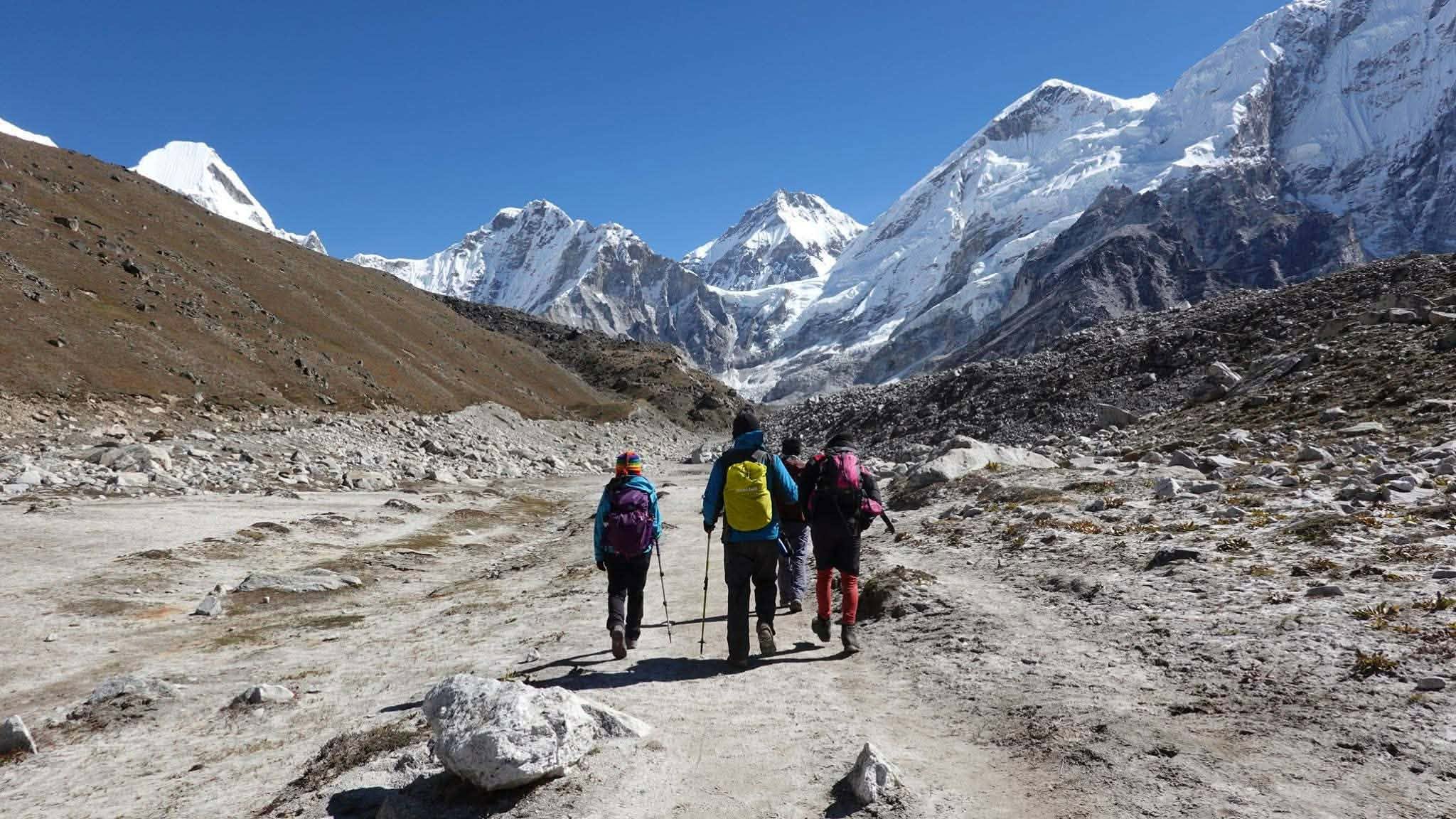
Before going into the details, it helps to see both treks side by side. The table below lists the core figures trekkers usually compare first, including altitude, duration, cost, and difficulty. Use this as a quick reference, then read the sections below for the reasoning behind each number.
Here is how the two treks compare at a glance:
| Factor | Everest Base Camp Trek | Annapurna Base Camp Trek |
| Maximum Altitude | 5,364 m (Kala Patthar) | 4,130 m (ABC) |
| Trek Duration | 12–14 days | 7–12 days |
| Trek Distance | Approx. 130 km round trip | Approx. 60–70 km round trip |
| Difficulty Level | Strenuous | Moderate |
| Best For | Experienced trekkers, high-altitude seekers | Beginners, short-holiday trekkers |
| Estimated Cost | US$1,200–1,700 | US$700–1,200 |
| Accommodation | Teahouses, more basic at higher altitude | Teahouses, generally more comfortable |
| Transportation | Flight to Lukla or drive + trek | Drive from Pokhara to the trailhead |
| Scenic Highlights | Everest, Lhotse, Nuptse, Khumbu Icefall | Annapurna I, Machapuchare, Hiunchuli |
| Overall Experience | High-altitude, Sherpa culture, longer commitment | Varied landscape, shorter commitment, easier access |
Overview of the Everest Base Camp Trek
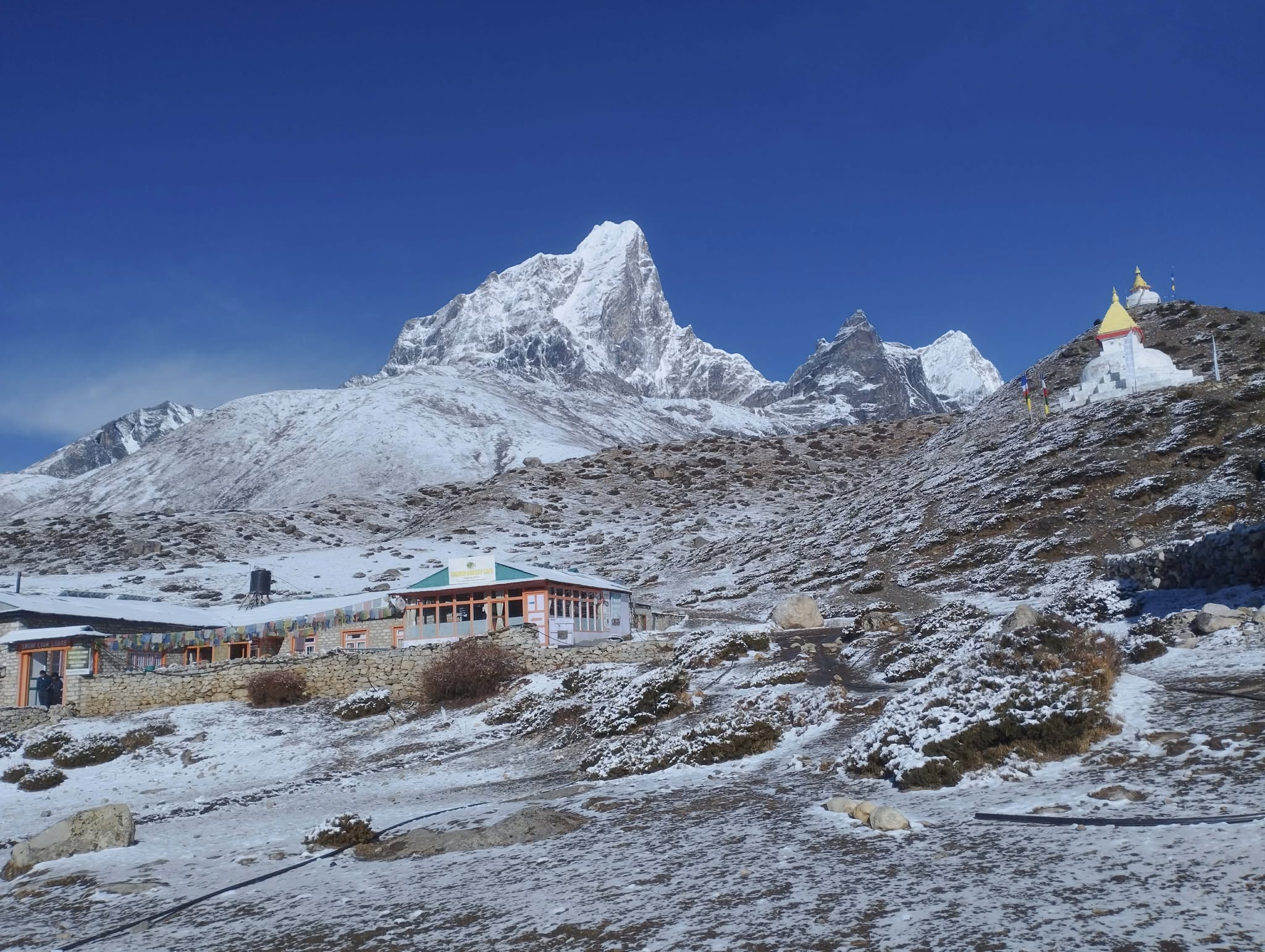
The Everest Base Camp Trek takes trekkers through the Khumbu region of northeastern Nepal, inside Sagarmatha National Park. It is the more demanding of the two treks in terms of altitude and duration, and it remains the standard choice for anyone who wants to stand near the base of the world’s highest mountain.
Here is what the trek involves:
Where is Everest Base Camp?
Everest Base Camp sits at approximately 5,364 meters in the Khumbu region, at the foot of Mount Everest (8,849 m). The trek begins with a flight from Kathmandu to Lukla, followed by several days of walking through Sherpa villages such as Namche Bazaar, Tengboche, and Dingboche before reaching the base camp itself.
Trek Highlights
- Close-up views of Mount Everest, Lhotse, Nuptse, and Ama Dablam
- The Sherpa town of Namche Bazaar and its weekly market
- Tengboche Monastery, one of the largest monasteries in the Khumbu region
- The Khumbu Glacier and Khumbu Icefall near base camp
- Sunrise views from Kala Patthar, the highest point most trekkers reach
Who is this trek best suited for?
This trek is best suited for those trekkers who have some prior hiking experience or at least a solid base level of fitness, since the trail involves consecutive days above 4,000 meters. It is a good match for those with 12 to 14 days available and a genuine interest in reaching the base of Everest rather than simply trekking through the Himalayas.
Overview of the Annapurna Base Camp Trek
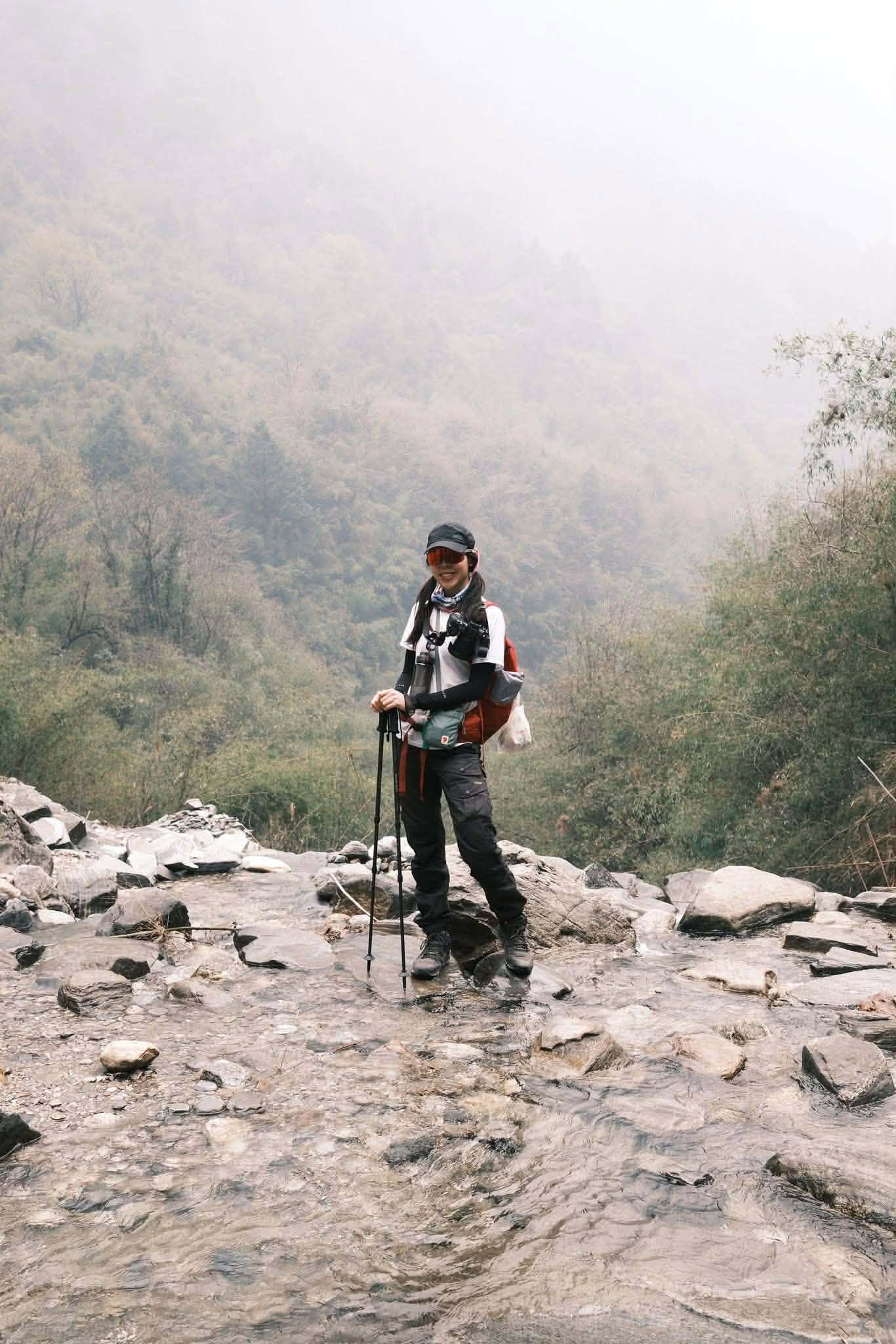
The Annapurna Base Camp Trek is located in central Nepal and is generally considered bit more accessible than Everest Base Camp. The trail passes through a mix of terraced farmland, rhododendron forest, and high alpine terrain before reaching the base camp, which sits inside a natural bowl surrounded by peaks.
Here is what the trek involves:
Where is Annapurna Base Camp?
Annapurna Base Camp sits at around 4,130 meters, enclosed by the Annapurna range and Machapuchare (Fishtail). The trek starts with a drive from Pokhara to a trailhead such as Nayapul or Kimche, followed by a walk through Gurung and Magar villages before ascending into the Annapurna Sanctuary.
Trek Highlights
- Direct views of Annapurna I, Machapuchare, Hiunchuli, and Gangapurna
- Walking through Gurung villages such as Ghandruk and Chhomrong
- Rhododendron forests, especially colorful during the spring season
- The Annapurna Sanctuary itself, a base camp enclosed on most sides by mountains
- Natural hot springs at Jhinu Danda, often visited on the return route
Who is this trek best suited for?
This trek works well for trekkers with limited time, first-time high-altitude trekkers, and those who want strong mountain views without committing to two full weeks. It is also a reasonable option for families or groups with a wider range of fitness levels, since the daily walking hours are generally shorter than on the Everest route, and it’s often cited as the easiest base camp trek in Nepal for someone attempting high altitude for the first time.
Everest Base Camp vs Annapurna Base Camp: Key Differences
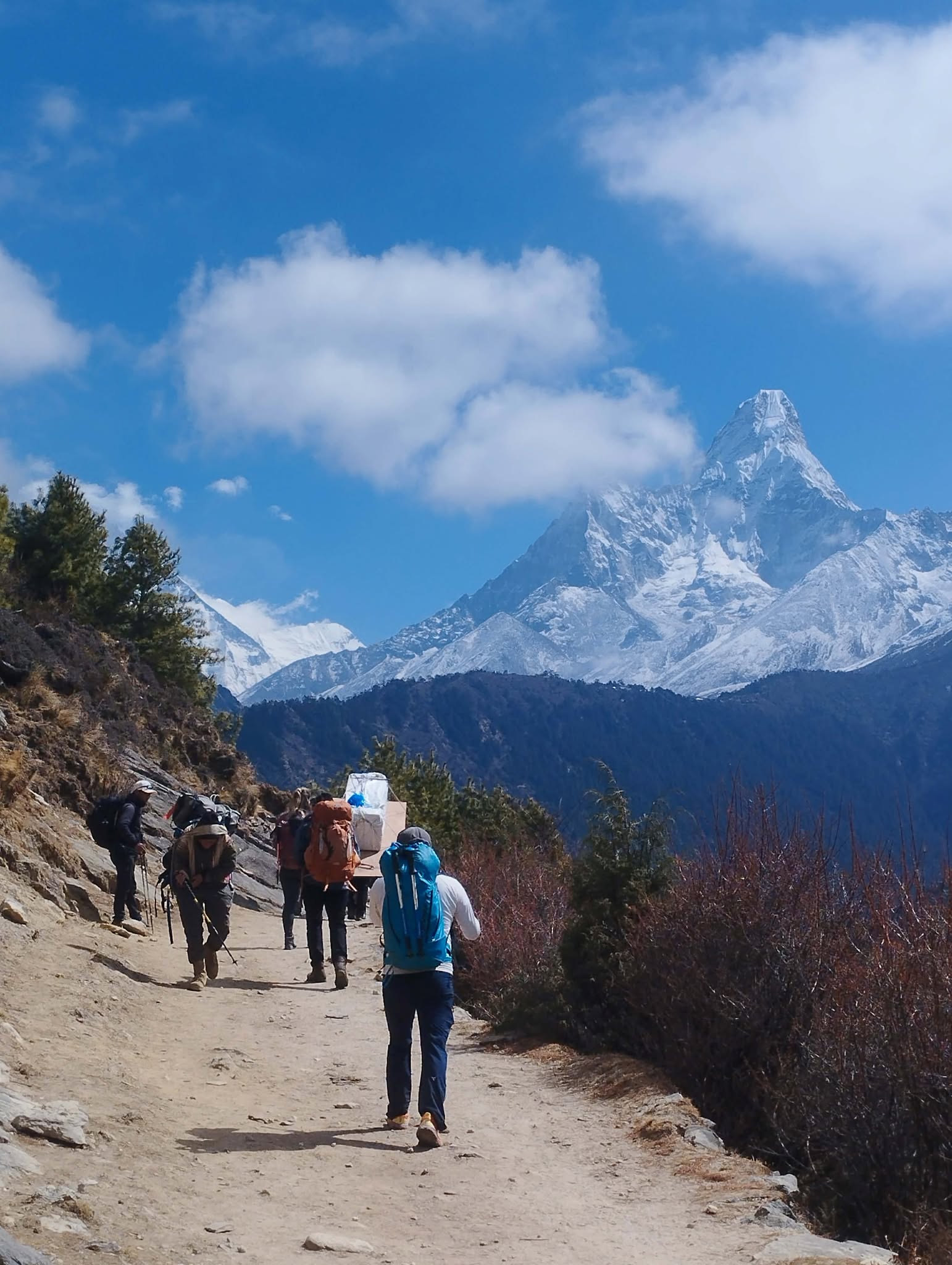
The two treks differ in several measurable ways beyond scenery. Trekkers often assume the treks are similar in effort since both are called “base camp treks,” but the numbers show a clear gap in altitude, distance, and physical demand, which is usually what settles the question of which is better, Everest Base Camp or Annapurna Base Camp, for a given trekker.
The main differences are outlined below:
Trek Duration
Everest Base Camp typically takes 12 to 14 days, including acclimatization days, while Annapurna Base Camp can be completed in 7 to 12 days depending on the route and starting point.
Trek Distance
The Everest Base Camp round trip covers roughly 130 kilometers, compared to approximately 60 to 70 kilometers for Annapurna Base Camp.
Maximum Altitude
Everest Base Camp trekkers usually go as high as 5,364 meters at Kala Patthar, while Annapurna Base Camp tops out at around 4,130 meters, a difference of over 1,200 meters.
Difficulty Level
Everest Base Camp is rated strenuous due to the sustained high altitude and longer daily walking distances, while Annapurna Base Camp is rated moderate and is achievable by trekkers with average fitness and some walking experience.
Physical Fitness Requirements
Everest Base Camp requires consistent stamina over multiple days above 4,000 meters, along with prior long-distance walking experience. Annapurna Base Camp requires reasonable fitness but does not demand the same sustained high-altitude endurance.
Risk of Altitude Sickness
The risk of altitude sickness is higher on Everest Base Camp because of the greater elevation gain and the extended time spent above 4,000 meters. Annapurna Base Camp carries a lower but still present risk, since altitude sickness can occur above 2,500 meters regardless of the trek.
Accessibility and Transportation Comparison
Getting to the start of each trek is one of the most practical differences between the two routes, and it affects both cost and trip planning. One trek starts with a short mountain flight, while the other starts with a road journey.
Here is how access to each trailhead compares:
Getting to Everest Base Camp
Most trekkers fly from Kathmandu to Lukla, a flight of about 30 minutes that is known for being weather-dependent and occasionally delayed. An alternative is driving to Jiri or Salleri and trekking in, which adds several extra days to the itinerary.
Getting to Annapurna Base Camp
Trekkers drive from Pokhara to a trailhead such as Nayapul, Kimche, or Ghandruk, a journey that typically takes one to two hours by private vehicle or local bus. This road access removes the flight-delay risk associated with the Everest route.
Which Trek is Easier to Access?
Annapurna Base Camp is easier to access overall, since it relies on road transport rather than a mountain flight. Everest Base Camp requires more advance planning around flight schedules, particularly during peak season when Lukla flights can be delayed by weather.
Cost Comparison: Which Trek Fits Your Budget?
Cost is often the deciding factor between the two treks, and the difference is notable. Longer duration, flight costs, and higher-altitude logistics make Everest Base Camp the more expensive option in most cases. If you’re planning the trek, Igloo Himalayan offers an Everest Base Camp package starting from just USD 1,235 per person for larger groups, with private departures available from USD 1,525 per person.
The main cost categories are broken down below:
Transportation Costs
Everest Base Camp includes a round-trip Lukla flight, which typically costs more than the road transport used for Annapurna Base Camp.
Permit Fees
Everest Base Camp requires a Sagarmatha National Park entry permit and a Khumbu Pasang Lhamu Rural Municipality entry fee. Annapurna Base Camp requires an Annapurna Conservation Area Permit (ACAP) and a TIMS card, which are generally lower in combined cost than the Everest region permits.
For the latest permit requirements, conservation fees, and trekking regulations, trekkers should always verify the information with the Nepal Tourism Board before starting their trip.
Accommodation Costs
Teahouse prices rise with altitude and remoteness on both treks, but Everest Base Camp’s higher elevation and longer supply chain make lodging and meal prices somewhat higher at the upper stages of the trail.
Food and Daily Expenses
Food costs increase the higher you go on both treks, since supplies are carried in by porters or mules. This effect is more pronounced on Everest Base Camp due to the greater distance from road access.
Guide and Porter Costs
Guide and porter rates are broadly similar between the two regions, though a longer Everest Base Camp itinerary means more trekking days to pay for, which raises the total guide and porter cost compared to the shorter Annapurna Base Camp trek.
Overall Budget Comparison
All-inclusive packages for Everest Base Camp generally range from US$1,200 to US$1,700, while Annapurna Base Camp packages typically range from US$700 to US$1,200, depending on group size, season, and services included.
Scenery and Landscape Comparison
Both treks are known for strong mountain views, but the type of scenery differs. Everest Base Camp is defined by high alpine and glacial terrain, while Annapurna Base Camp moves through a wider range of landscapes in a shorter distance.
The scenic differences are described below:
Mountain Views
Everest Base Camp offers close views of Everest, Lhotse, Nuptse, and Ama Dablam, all above 6,000 meters. Annapurna Base Camp offers close views of Annapurna I, Machapuchare, Hiunchuli, and Gangapurna from within the Annapurna Sanctuary itself.
Forests, Rivers, and Natural Beauty
Annapurna Base Camp passes through denser forest, particularly rhododendron and bamboo groves at lower elevations, along with terraced farmland near the villages. Everest Base Camp’s landscape is drier and more alpine for most of the route, with fewer forested sections at higher elevation.
Sunrise and Photography Opportunities
Kala Patthar is the standard sunrise viewpoint on the Everest Base Camp trek, offering a direct view of Everest’s summit. Poon Hill, often added to the Annapurna Base Camp itinerary, is a well-known sunrise viewpoint over the Annapurna and Dhaulagiri ranges.
Overall Scenic Experience
Everest Base Camp offers a more consistently high-altitude, glacial landscape, while Annapurna Base Camp offers greater variety within a shorter trek, moving from subtropical forest to high alpine terrain in fewer days.
Cultural Experience Along the Trails
Both treks pass through inhabited villages, and the cultural background of each region is distinct. This is one of the areas where personal interest can influence the decision more than physical difficulty.
The main cultural elements of each trek are outlined below:
Sherpa Culture in the Everest Region
The Everest Base Camp trail passes through Sherpa villages including Namche Bazaar, Khumjung, and Pangboche, where Tibetan Buddhist traditions and mountaineering history are closely tied to daily life.
Gurung and Magar Communities in the Annapurna Region
The Annapurna Base Camp trail passes through Gurung and Magar villages such as Ghandruk and Chhomrong, known for their own distinct customs, architecture, and involvement in the Gurkha regiments.
Monasteries, Traditions, and Local Lifestyle
Tengboche Monastery is a central cultural stop on the Everest route, while smaller village shrines and prayer walls appear throughout the Annapurna route. Both regions maintain active local traditions, though the Everest region’s culture is more directly linked to mountaineering history.
Accommodation, Food, and Trekking Comfort
Teahouse standards vary by altitude and location on both treks. Trekkers should expect basic but functional facilities, with some differences in comfort level between the two routes.
Here is how accommodation and food compare:
Tea Houses and Lodges
Both routes are served by teahouses offering private or shared rooms with shared bathrooms in most cases. Lodges on the Annapurna route tend to be slightly more developed at lower and mid elevations due to easier road access for supplies.
Food Variety
Both treks offer similar teahouse menus, including dal bhat, noodle dishes, soups, and basic Western options. Prices increase with altitude on both routes, though the effect is more noticeable on the Everest side due to longer supply routes.
Facilities and Connectivity
Wi-Fi and charging services are available on both treks for an additional fee, though connectivity becomes less reliable at higher elevations, particularly above Dingboche on the Everest route and above Deurali on the Annapurna route.
Best Time to Trek Everest Base Camp and Annapurna Base Camp
Seasonal timing affects trail conditions, visibility, and overall trekking comfort on both routes. The two most recommended seasons apply to both treks, though winter and monsoon require different planning for each.
Here is how each season affects the two treks:
Spring Season
March to May offers stable weather and rhododendron blooms on both treks, making it one of the most recommended periods for both Everest Base Camp and Annapurna Base Camp.
Autumn Season
September to November is considered peak season for both routes, with clear skies and consistent mountain visibility, along with higher trail traffic and teahouse demand.
Winter and Monsoon Considerations
Winter treks are possible on both routes but involve colder temperatures and a higher chance of snow at altitude on Everest Base Camp specifically. Monsoon season brings rain and limited visibility to both treks, along with a higher leech presence on the Annapurna route due to its denser forest sections.
Everest Base Camp vs Annapurna Base Camp for Different Types of Trekkers
Trekker background and travel priorities often matter more than general popularity when choosing between the two routes. The sections below match each trek to specific trekker profiles.
Here is how each trek suits different types of trekkers:
Best for Beginners
Annapurna Base Camp is generally the better starting point for beginners due to its lower altitude and shorter daily walking distances, which is why it’s frequently ranked as the best base camp trek in Nepal for beginners.
Best for Experienced Trekkers
Everest Base Camp suits trekkers who have completed at least one high-altitude trek previously and want a longer, more demanding route.
Best for Budget Travelers
Annapurna Base Camp is the more budget-friendly option due to lower permit costs, road-based access, and a shorter overall itinerary.
Best for Adventure Seekers
Everest Base Camp appeals to trekkers seeking a longer high-altitude commitment and the specific goal of reaching the base of the world’s highest mountain.
Best for Short Holidays
Annapurna Base Camp fits better into a shorter holiday window, since it can be completed in as few as 7 days including buffer days.
Best for Photographers and Nature Lovers
Both treks offer strong photography opportunities, though Annapurna Base Camp provides more landscape variety within a shorter distance, while Everest Base Camp offers larger, closer mountain subjects.
Pros and Cons of Each Trek
Weighing the advantages and drawbacks of each trek side by side can make the final decision clearer, particularly when time and budget are limited.
Everest Base Camp Trek Pros and Cons
Pros:
- Close views of Mount Everest and neighboring peaks above 8,000 meters
- Strong Sherpa cultural experience along the route
- Well-established teahouse infrastructure despite the remote location
Cons:
- Higher overall cost due to flights and permit fees
- Longer duration requiring 12 to 14 days
- Greater altitude sickness risk due to elevation above 5,000 meters
Annapurna Base Camp Trek Pros and Cons
Pros:
- Lower cost and shorter duration
- Road access removes flight-delay risk
- Varied landscape from forest to alpine terrain in a shorter distance
- Suitable for a wider range of fitness levels
Cons:
- Lower maximum altitude, which may not suit trekkers specifically seeking an 8,000-meter mountain view
- Higher trail traffic during peak season due to shorter, more accessible itinerary
- Denser forest sections mean more leeches and humidity during monsoon
Which Trek Should You Choose?
The decision comes down to a combination of time, budget, fitness, and personal priorities. The two lists below outline which circumstances point toward each trek.
Choose Everest Base Camp If…
- You have 12 to 14 days available for the trek
- You have prior high-altitude trekking experience
- Standing near Mount Everest itself is a specific goal
- Your budget allows for US$1,200 to US$1,700
Choose Annapurna Base Camp If…
- You have 7 to 12 days available
- You are trekking for the first time at altitude
- You want varied scenery within a shorter route
- Your budget is between US$700 and US$1,200
Conclusion
Everest Base Camp and Annapurna Base Camp both lead to genuine high-altitude experiences in the Nepal Himalaya, but they suit different circumstances. Everest Base Camp demands more time, a higher budget, and prior trekking experience, while Annapurna Base Camp offers a shorter, more accessible route with strong mountain views of its own. Neither trek is objectively better than the other; the right choice depends on your fitness level, the time you can set aside, and what you want to see and experience in the mountains.
For trekkers weighing both options, working with an experienced local operator makes trip planning easier on either route. Igloo Himalaya Treks, recognized as one of the best trekking companies in Nepal, arranges both Everest Base Camp and Annapurna Base Camp treks with experienced guides, clear cost breakdowns, and support throughout the trip.
To suit different travel styles and schedules, Igloo Himalaya Treks offers multiple itinerary options. Trekkers can choose the 9-Day Annapurna Base Camp Trek for a shorter adventure or the 13-Day Annapurna Base Camp Trek for a more relaxed pace with additional time to enjoy the mountain scenery. For the Everest region, popular choices include the 14-Day Everest Base Camp Trek, the 16-Day Everest Base Camp Trek, and the 14-Day Everest Base Camp Luxury Trek for those seeking greater comfort. If none of these itineraries perfectly match your plans, the team can also customize the trek to fit your schedule, fitness level, and travel preferences.
Other recommended blogs
FAQs
Which Is Harder: Everest Base Camp or Annapurna Base Camp Trek?
The Everest Base Camp (EBC) Trek is generally more challenging than the Annapurna Base Camp (ABC) Trek due to its higher altitude, longer itinerary, and increased risk of altitude sickness. EBC reaches 5,364 meters, while ABC tops out at 4,130 meters, making Everest a better choice for experienced trekkers or well-prepared beginners.
Is the Annapurna Base Camp Trek Suitable for Beginners?
Yes, the Annapurna Base Camp Trek is considered one of Nepal’s best high-altitude treks for beginners. With a lower elevation, shorter trekking duration, and well-established trails, it is achievable for anyone with good physical fitness and proper preparation. Hiring an experienced guide further enhances safety and the overall trekking experience.
Which Trek Is More Expensive: Everest Base Camp or Annapurna Base Camp?
The Everest Base Camp Trek typically costs more than the Annapurna Base Camp Trek because it includes flights to Lukla, higher accommodation and food prices, and a longer itinerary. Most trekkers spend US$1,200–1,700 for EBC, while ABC generally ranges between US$700–1,200, depending on the itinerary and services selected.
Which Trek Offers Better Mountain Views: Everest Base Camp or Annapurna Base Camp?
Both treks offer spectacular Himalayan scenery, but the experience differs. Everest Base Camp rewards trekkers with iconic views of Mount Everest, Lhotse, Nuptse, and Ama Dablam, while Annapurna Base Camp surrounds you with the dramatic peaks of the Annapurna Sanctuary, including Annapurna I, Machhapuchhre, and Hiunchuli. The better choice depends on your personal preference.
Which Trek Has a Higher Risk of Altitude Sickness?
The Everest Base Camp Trek carries a higher risk of altitude sickness because trekkers spend more time above 4,000 meters and reach significantly higher elevations. Proper acclimatization, hydration, and a gradual ascent are essential for both treks, but altitude-related issues are generally less common on the Annapurna Base Camp Trek.
Can Beginners Successfully Complete the Everest Base Camp Trek?
Yes, beginners can successfully complete the Everest Base Camp Trek with adequate physical training, realistic expectations, and sufficient acclimatization. Although it is more demanding than Annapurna Base Camp, many first-time trekkers reach EBC each year by following a well-planned itinerary and trekking with experienced guides.
What Is the Best Time to Trek Everest Base Camp and Annapurna Base Camp?
The best seasons for both the Everest Base Camp and Annapurna Base Camp treks are spring (March to May) and autumn (September to November). These months offer stable weather, clear mountain views, comfortable temperatures, and excellent trail conditions, making them ideal for a safe and enjoyable trekking experience.
Should You Choose Everest Base Camp or Annapurna Base Camp If You Have Limited Time?
If your schedule is limited, the Annapurna Base Camp Trek is usually the better option. Many itineraries can be completed in 7–10 days, while the Everest Base Camp Trek generally requires 12–14 days due to its longer route and necessary acclimatization days. ABC offers an unforgettable Himalayan experience within a shorter timeframe.


