Trip Info
-
Kathmandu
-
Private Car, Bus
-
3-star hotel -Tea House - Lodge -Tent - Basecamp
-
Mountain - Breakfast - Lunch - Dinner
-
Spring (March to May) Autumn (September to November)
-
5,500m
Overview
Embark on an unforgettable Yala Peak Climbing in Nepal with Igloo Himalaya Treks. Standing at 5,500meters in Nepal’s beautiful Langtang region is a almost anyone can climb but almost no one knows. Yala Peak in Nepal’s Langtang National Park is one of the most popular trekking peaks in Nepal, offering a very approachable climbing experience for first time climbers. It is located in Langtang National Park in the Rasuwa District of Bagmati Province right here in Nepal just north of Kathmandu.
The best 12 days you will ever experience in your life, for beginners peak experience is guaranteed. The trekking starts from Syabru Besi, viewing many flora fauna on the journey, climbing challenging terrains, walking on snowy mountains and even the chance to see rare animals.
After this raw himalayan experience it will make you a peak conqueror!.
About Yala Peak Climbing
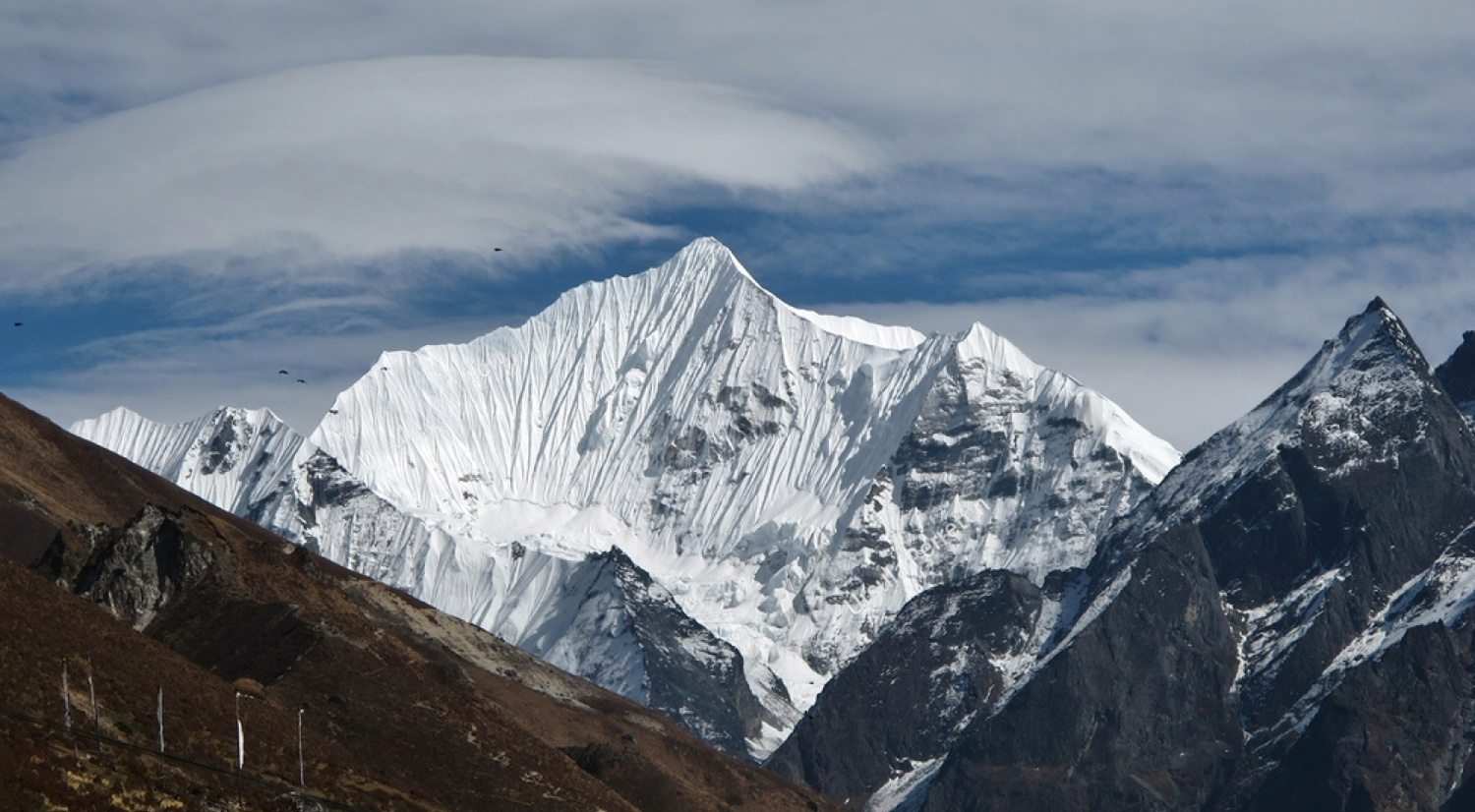
Yala Peak stands (5,500m) above sea level in Nepal’s Langtang National Park. It is classified as a trekking peak by the Nepal Mountaineering Association, making it a relatively simple, non-technical climb that requires no special climbing permit from the government.
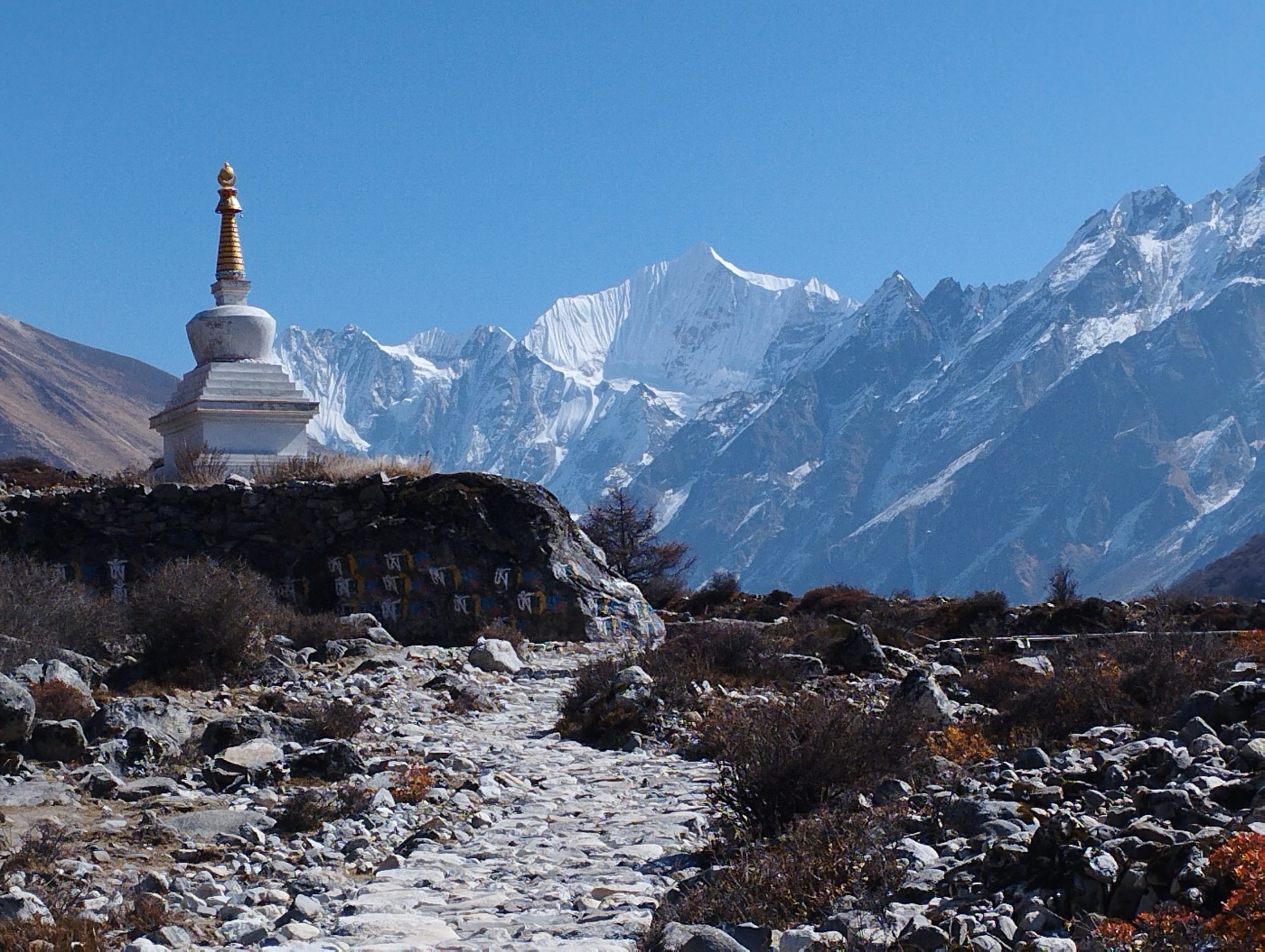
The climbing route follows the Southeast face from Kyanjin Gompa, starting with an acclimatization stop at Kyanjin Monastery (3,900 m), a renowned Buddhist pilgrimage site. Climbers then move to the base camp at Yala Kharka (4,600 m), from where the summit hike is 9 km and takes roughly 5–6 hours. The Southwest face requires no fixed ropes, though crampons are recommended.
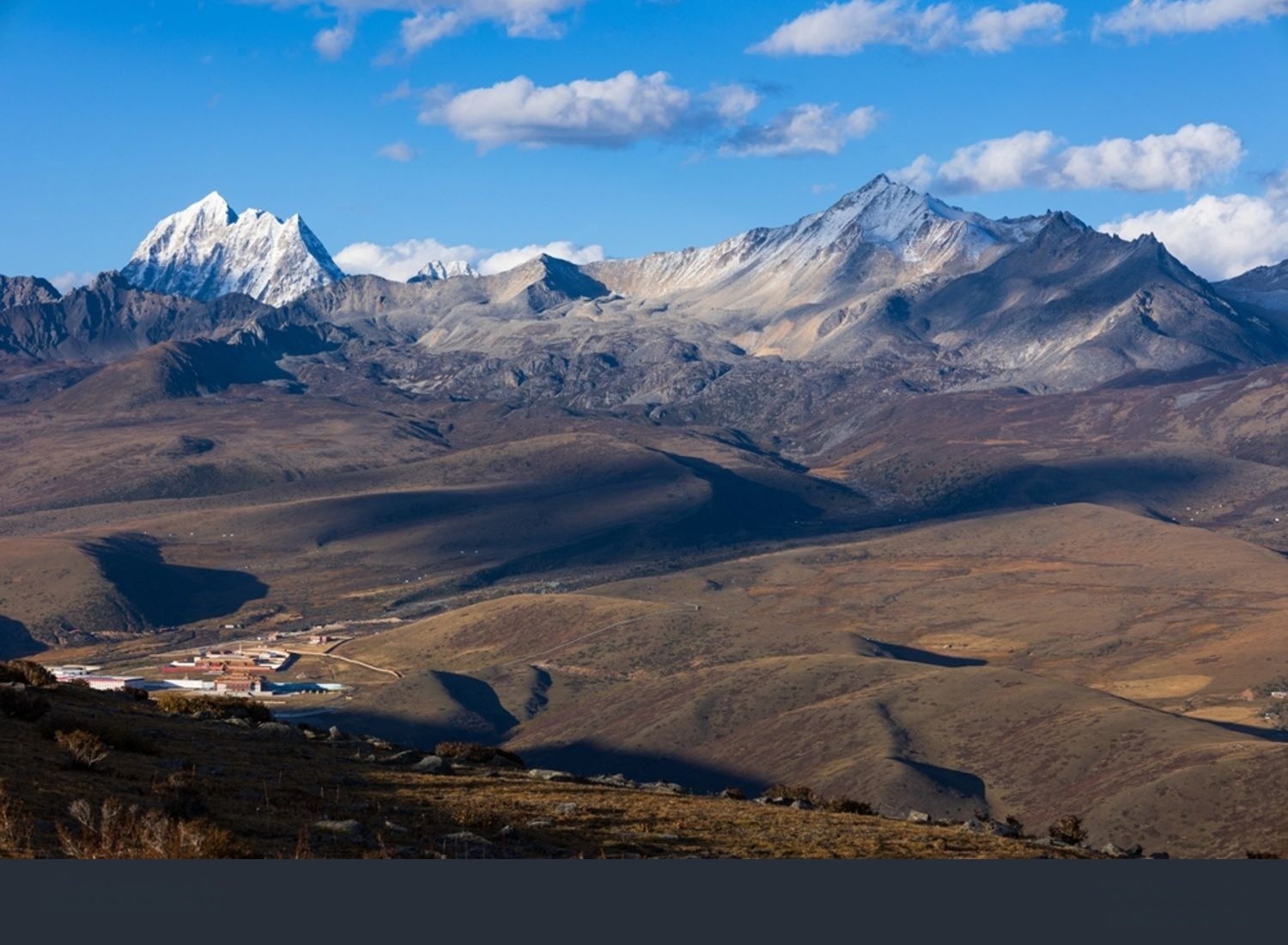
From the summit, climbers are rewarded with panoramic views of some of the Himalaya’s finest peaks Shishapangma (8,013 m), Langtang Lirung, Ganesh, Dorje Lukpa, and Gangchempo. The Tsergo Ri giant landslide site also lies in close proximity to the peak.
It is important to keep in mind that weather conditions in the high mountains can be unpredictable, necessitating preparedness for sudden changes. Stay updated on the weather conditions in the Langtang region. Regular forecasts and consulting with experienced local guides and expedition companies are crucial for determining the best time for a Yala Peak Climbing and ensuring the implementation of proper safety measures.
The surrounding area is rich in natural beauty, with flora and fauna including rhododendron forests, snow leopards, and red pandas, making the approach trek as rewarding as the climb itself. Contact us for inquiries.
Yala Peak Climbing Route
Yala Peak Climbing starts with a long drive out of Kathmandu about 7 to 8 hours to the small town of Syabrubesi. The road twists and turns through terraced hillsides, quiet villages, and open valleys. It’s a bumpy ride, but an honest one. By the time you step out, the mountains feel close.
From Syabrubesi, the trek begins in earnest. You move up through Lama Hotel and Langtang Village, day by day, the altitude slowly creeping up with you. It doesn’t feel rushed. The valley is beautiful, the villages are welcoming, and by the time you reach Kyanjin Gompa at 3,900 m, your body has had time to adjust. As we will spend a day exploring Kyanjin. It is a special place, a quiet Buddhist settlement sitting right beneath towering peaks. Most people spend an extra day there, and it’s easy to see why.
Once rested, you push on to base camp at Yala Kharka, 4,600 m. The air is noticeably thinner here. Steps feel a little heavier. But the meadow opens up around you, snow capped summits in every direction, and somehow that makes it all feel worth it.
Summit day starts before the sun does. You leave camp in the dark, headlamp on, one foot in front of the other. The Southeast face is rocky and icy in the upper sections crampons earn their keep here. But step by step, the sky begins to lighten, the horizon turns orange, and before long you’re standing at 5,500 m watching the Himalayas wake up around you. Shishapangma, Langtang Lirung, Ganesh, Dorje Lukpa, Gangchempo all of them, right there.
The way down is the same path, but it feels different. Lighter. You pass back through base camp, through Kyanjin, back down the valley carrying something with you that wasn’t there before.
Key Things to Know Before You Go To Yala Peak Climbing
Best Time to Visit
- The Yala Peak Climbing falls in May the perfect excuse to plan your trip in spring
- Spring (March – June) and Autumn (September – December) offer the best trekking conditions for Yala Peak Climbing like clear skies, warm days, and great visibility
Power & Charging
- Reliable electricity is not available along most of the trail
- Many teahouses run on solar panels helpful but not guaranteed
- Always carry extra batteries and a fully charged power bank your camera will thank you
Accommodation
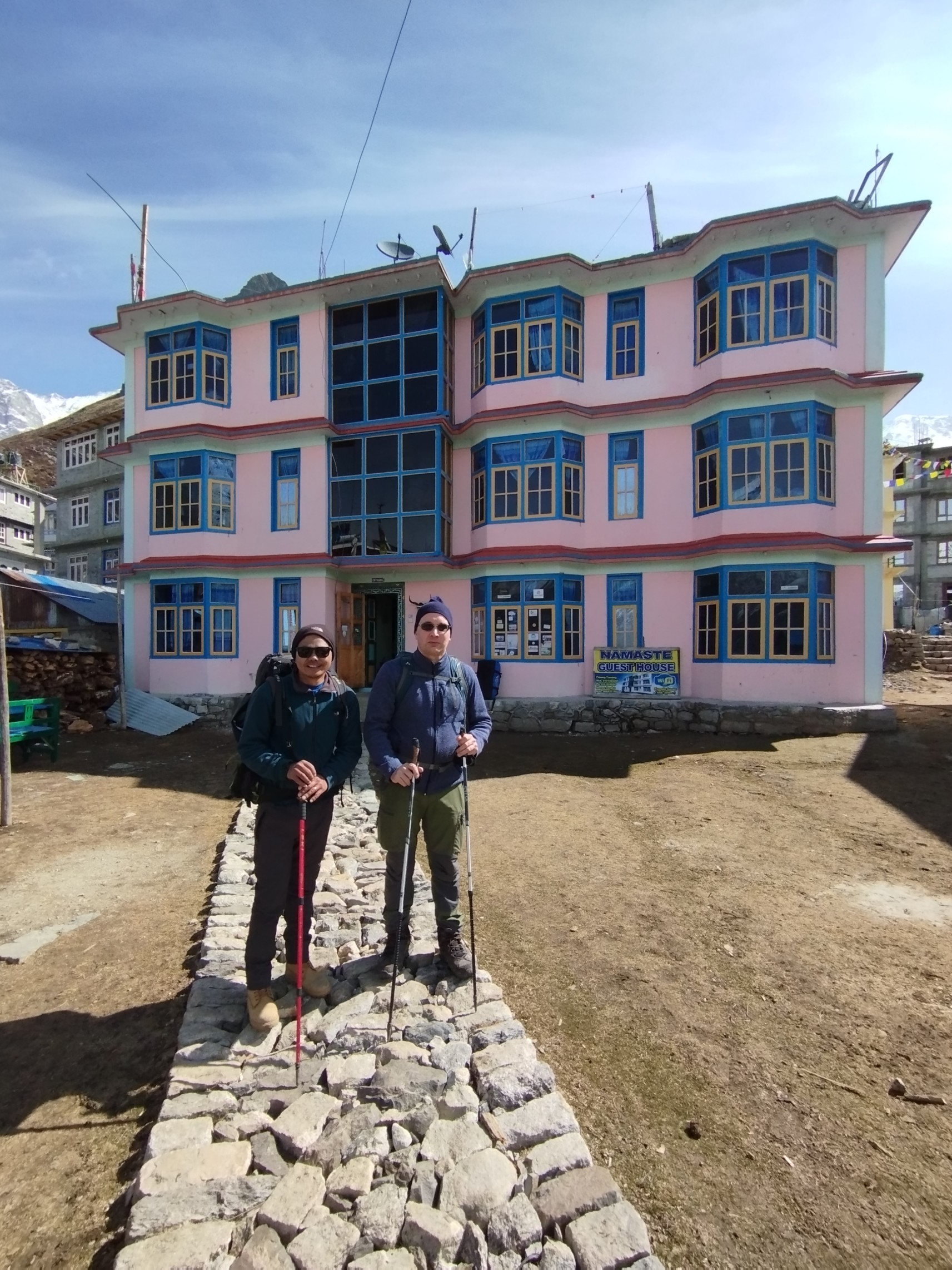
- Expect simple, no-frills teahouse stays for most of the trek twin bed sharing and common toilets are standard
- Proper rest is very necessary before heading deeper into the region so don’t be shy to ask if there is any requests our guide will help
Travel Insurance
- Travel insurance is a must .
- While emergencies are rare in Yala Peak Climbing, the remote nature of the region means that being unprepared is simply not an option
- Make sure your policy covers high-altitude trekking and emergency evacuation
Physical Preparation
- Yala Peak Climbing is easy for regular trekkers
- Start preparing a month in advance with stamina-building exercises, hiking, and running
- A strong body and a prepared mind will make huge contribution on surviving the trek and truly enjoying it
- Acquire and hone the necessary mountaineering skills and techniques required for Yala Peak Climbing. This includes proficiency in using crampons and ice axes, rope management, glacier travel, crevasse rescue, and navigation. Watch videos of experienced guides to enhance your technical abilities.
Gear & Equipment
Proper gear plays a vital role in ensuring a successful Yala Peak climb. Temperatures can fall well below freezing, especially during early morning summit attempts.
Clothing
- Base layers (thermal top and bottom)
- Fleece jacket
- Down jacket
- Waterproof and windproof shell jacket
- Waterproof trekking pants
- Insulated gloves
- Lightweight inner gloves
- Warm hat or beanie
- Sun hat or cap
- Neck gaiter or buff
- Wool trekking socks (3–4 pairs)
Footwear
- Sturdy waterproof trekking boots
- Camp shoes or sandals
- Gaiters (optional during snowy conditions)
Climbing Equipment
Although Yala Peak is a non-technical trekking peak, basic climbing equipment is often required, particularly when snow or ice is present.
- Climbing harness
- Helmet
- Crampons
- Ice axe
- Locking carabiners
- Climbing rope (provided by most operators)
- Ascender and descender (if required by your guide)
Most trekking companies provide shared technical climbing gear as part of the package.
Sleeping Equipment
- Four-season sleeping bag (-15°C to -20°C rating)
- Sleeping bag liner (optional)
Backpack & Accessories
- 40–50L trekking backpack
- Duffel bag (usually provided by trekking companies)
- Trekking poles
- Headlamp with spare batteries
- Water bottles or hydration bladder
- Water purification tablets or filter
- Sunglasses with UV protection
- Sunscreen (SPF 50+)
- Lip balm with SPF
- Quick-dry towel
- Power bank
- Camera
Personal First Aid Kit
Carry a small medical kit containing:
- Personal medications
- Altitude sickness medication (consult your doctor)
- Pain relievers
- Bandages
- Blister treatment
- Antiseptic cream
- Oral rehydration salts
- Hand sanitizer
Note: All climbing equipment arranged by Igloo Himalaya Treks is carefully selected to ensure your comfort, safety, and convenience throughout your journey. We provide high-quality, well-maintained gear to make your trekking experience enjoyable and worry-free. If you have any specific equipment requirements, please let us know in advance, and we will do our best to accommodate your needs.
Fees, Permits and rules for Yala Peak Climbing
- Langtang National Park Entry Permit = NPR 3,000 (≈ USD 25)
- TIMS(Trekkers’ Information Management System) Card = NPR 2,000 (≈ USD 16)
There are only two permits for Yala Peak Climbing and it will be managed by Igloo Himalaya Treks. These fees go toward protecting the wildlife and maintaining the trekking trails in the national park area.
Why Choose the Yala Peak Climbing with Igloo Himalaya Treks?
Imagine entering a quiet Himalayan valley, where clouds brush ancient monasteries and snow peaks rise like silent guardians. You’re not a tourist, you’re a soul-seeker, guided by our team who breathe these mountains. Choose Igloo Himalayan Treks agency to scoop out the best experience on a trek in Nepal, as we provide:
- A Personal, Heartfelt Journey :This trek isn’t just about mountains, it’s about connecting. With our expert local guides, you’ll go beyond the trail and into the stories, traditions and lives of the Langtang and helambu people.
- Small Groups, Big Experience :We keep our groups small so you get personal attention, space to reflect, and real moments of connection with the landscape and culture.
- Sustainability First :Every trek contributes to rebuilding efforts, education, and health initiatives in the Langtang region. Your journey helps uplift the communities you walk through.
- Deep Local Expertise :Our guides are from Langtang. They know every turn of the trail, every prayer flag, and every viewpoint. You won’t just see Langtang, you’ll feel it.
Highlights of Yala Peak Climbing
- Easy graded on the Alpine Grading System which makes it doable for almost everyone
- Langtang valley filled will settlement rich in Tibetan culture
- Breathtaking view of the himalayan mountains like Langtang Lirung, Shisha Pangma, Naya Kanga, Yala peak, Dorje Lakpa, and so on
- Experience directly Traditions, culture, and hospitality of Tamang and Gurung community
- Adventure and Mountain climbing experience guaranteed.
- Walking through natures well kept raw beauty, lush rhododendron forest, bamboo forest, majestic waterfalls, monasteries


