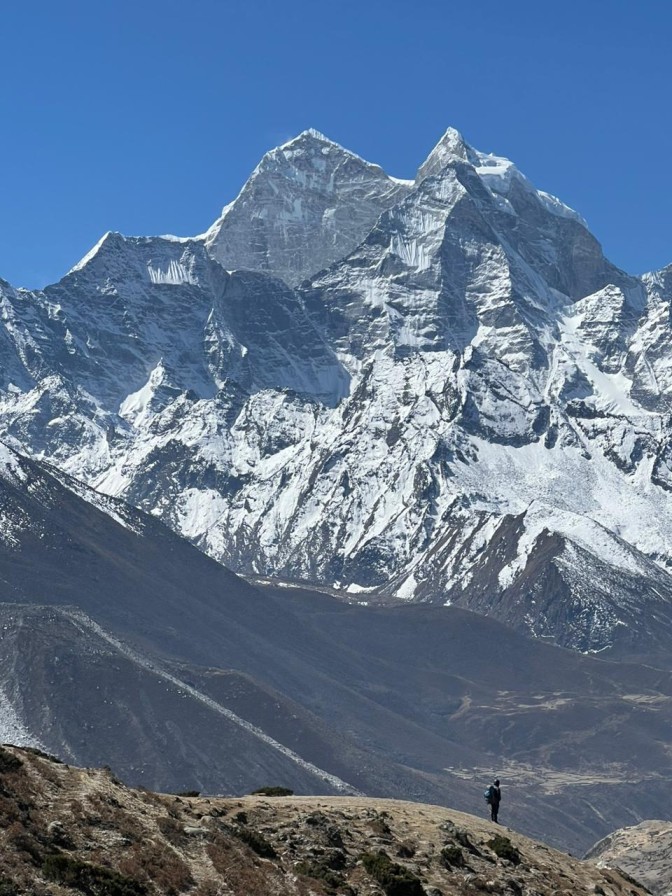
Mount Everest is the highest mountain on Earth and one of the most iconic natural landmarks in human history. Rising to an astonishing 8,848.86 meters (29,031.7 feet) above sea level, Everest towers above every other peak on the planet, attracting adventurers, trekkers, mountaineers, scientists, photographers, and spiritual seekers from around the world.
Known as Sagarmatha in Nepal and Chomolungma in local Sherpa mother tongue , Mount Everest is much more than a mountain. It represents the ultimate challenge for climbers, a sacred landscape for local communities, and a symbol of human determination. Nestled within the mighty Himalayas, Everest dominates the skyline of the Khumbu region and stands as the crown jewel of Nepal’s tourism industry.
For centuries, Everest remained hidden behind remote valleys and rugged mountain terrain. Today, it has become a global icon, inspiring countless expeditions, scientific discoveries, and life-changing journeys. Whether you dream of reaching Everest Base Camp, climbing to the summit, or simply learning about the world’s highest mountain, Everest offers a fascinating story that spans geology, history, culture, adventure, and environmental conservation.
Introduction to Mount Everest:World’s Highest Mountain
Mount Everest is located on the border between Nepal and Tibet (China) within the Mahalangur Himal sub-range of the Himalayas. It forms part of the spectacular Himalayan mountain system, which stretches across several countries and contains the highest peaks on Earth.
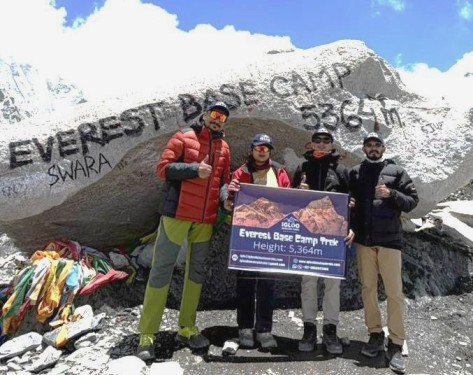
Every year, thousands of travelers visit the Everest region to witness its breathtaking landscapes, explore Sherpa villages, and experience the unique culture of the Himalayas. While only a small percentage attempt to climb the summit, many more undertake the famous Everest Base Camp Trek, one of the world’s most celebrated trekking adventures.
Everest’s influence extends far beyond tourism. The mountain serves as a natural laboratory for climate research, a sacred destination for Buddhist communities, and a source of livelihood for thousands of people living in the Khumbu region.
Why Mount Everest Captivates the World
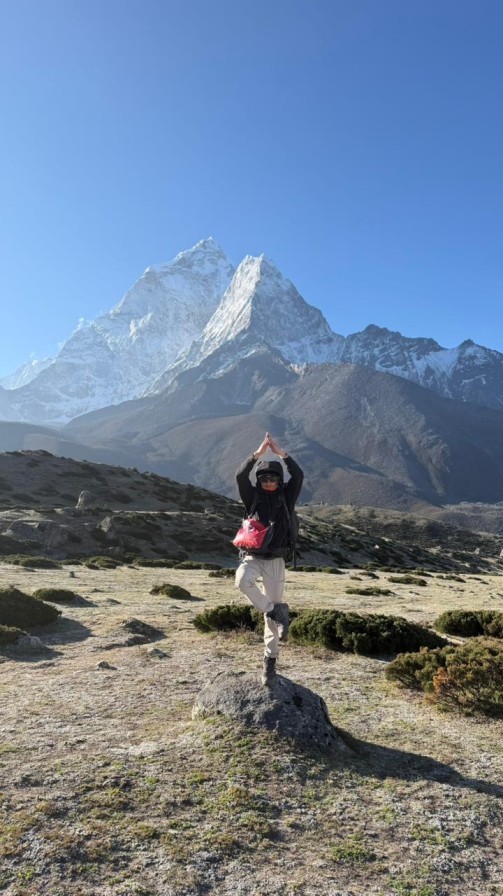
Few places on Earth capture human imagination quite like Mount Everest. Its immense height, extreme environment, and rich history create a sense of mystery and fascination that attracts people from every corner of the globe.
For climbers, Everest represents the ultimate mountaineering achievement. For trekkers, it offers unforgettable Himalayan scenery and cultural experiences. For scientists, it provides valuable insights into climate change, geology, and high-altitude physiology.
The mountain’s legendary status has been reinforced by countless books, documentaries, films, and expedition stories, making Everest one of the most recognized natural landmarks in the world.
The Significance of Everest in Modern Adventure
Mount Everest has become the global benchmark for adventure travel. Reaching its summit is widely considered one of the greatest achievements in mountaineering, while trekking to Everest Base Camp remains a bucket-list experience for travelers worldwide.
The mountain symbolizes perseverance, determination, and the pursuit of extraordinary goals. Every successful ascent and every completed trek tells a story of personal growth, resilience, and adventure.
Everest’s Role in Nepal’s Tourism Industry
Everest plays a vital role in Nepal’s economy and tourism sector. The Everest region attracts hundreds of thousands of visitors annually, generating employment opportunities for guides, porters, lodge owners, helicopter operators, and local businesses.
The popularity of Everest has transformed the Khumbu region into one of Nepal’s most important tourism destinations while helping preserve local traditions and supporting community development.
What Is Mount Everest?
Mount Everest is the highest mountain above sea level on Earth. Its official elevation of 8,848.86 meters was jointly confirmed by Nepal and China in 2020 following an extensive survey using advanced satellite technology and precise geological measurements.
Everest belongs to the Mahalangur Himal range and is surrounded by several other giant Himalayan peaks, including Lhotse, Nuptse, Makalu, and Cho Oyu.
The mountain is composed primarily of sedimentary and metamorphic rock layers that were uplifted millions of years ago during the collision of the Indian and Eurasian tectonic plates.
Why Is Mount Everest the Highest Mountain on Earth?
Mount Everest holds the title of the world’s highest mountain because its summit reaches the greatest elevation above mean sea level. While other mountains may rise higher from their base or extend farther from the Earth’s center due to the planet’s shape, Everest remains the highest point above sea level.
Its position within the Himalayan mountain range, combined with ongoing tectonic activity, has allowed Everest to achieve a height unmatched by any other peak on Earth.
Official Height of Mount Everest
The officially recognized height of Mount Everest is 8,848.86 meters (29,031.7 feet).
This measurement was announced jointly by Nepal and China in December 2020 after years of scientific surveying. The figure includes the snow cap covering the summit and represents the most accurate measurement ever recorded.
How Everest Compares to Other High Mountains
Although Everest is the tallest mountain above sea level, it shares the Himalayan skyline with several other remarkable peaks.
K2, located on the Pakistan-China border, stands at 8,611 meters and is widely regarded as a more technically difficult climb. Kangchenjunga rises to 8,586 meters, while Lhotse, Everest’s closest neighbor, reaches 8,516 meters.
Despite these impressive elevations, none surpass Everest’s height, securing its place as the highest mountain on Earth.
Where Is Mount Everest Located?
Mount Everest is situated in northeastern Nepal along the border with Tibet Autonomous Region of China. The summit lies directly on the international boundary, making Everest a mountain shared by two nations.
The southern side of Everest falls within Nepal’s Solukhumbu District, while the northern side extends into Tibet. Both countries manage climbing activities on their respective sides of the mountain.
Mount Everest’s Geographic Location
Everest is positioned at approximately 27.9881° North latitude and 86.9250° East longitude. It forms part of the Mahalangur Himal section of the Himalayas and dominates the landscape of the Khumbu region.
Its remote location contributes to the mountain’s sense of grandeur and adventure. Despite modern transportation, reaching Everest still requires significant travel through rugged Himalayan terrain.
Which Countries Share Mount Everest?
Nepal and China share Mount Everest. Nepal controls the southern face and the famous South Base Camp route, while China controls the northern face and North Base Camp route.
Both countries issue climbing permits, regulate expeditions, and maintain infrastructure supporting mountaineering and tourism activities.
The Khumbu Region of Nepal
The Khumbu region is one of Nepal’s most spectacular mountain destinations and serves as the gateway to Everest. Home to the Sherpa people, the region features picturesque villages, ancient monasteries, suspension bridges, and breathtaking Himalayan landscapes.
Popular destinations include Lukla, Namche Bazaar, Tengboche, Dingboche, Lobuche, Gorakshep, Kala Patthar, and Everest Base Camp.
Everest’s Position Within the Himalayas
Everest belongs to the Mahalangur Himal sub-range of the greater Himalayan mountain system. This region contains four of the world’s fourteen peaks above 8,000 meters, making it one of the most impressive high-altitude landscapes on Earth.
The surrounding peaks, glaciers, and valleys create an awe-inspiring environment that continues to attract explorers and adventurers from around the globe.


