Everest Base Camp Trek: A Journey to the Roof of the World
The Everest Base Camp (EBC) Trek is more than just a trek—it’s a pilgrimage for adventurers, dreamers, and mountain lovers from around the globe. Set in the heart of the Khumbu region of Nepal, this legendary journey takes you deep into the Himalayas, beneath the towering presence of Mount Everest (8,848.86 m), alongside giants like Lhotse, Nuptse, and the strikingly beautiful Ama Dablam.
Every step along the trail feels steeped in history, challenge, and awe. From fluttering prayer flags to ancient monasteries and ice-carved glaciers, the EBC Trek is a once-in-a-lifetime experience that perfectly blends natural beauty, cultural richness, and high-altitude adventure.
Why Choose the Everest Base Camp Trek?
The EBC Trek is the ultimate introduction to Himalayan trekking. It offers a balanced mix of adventure and accessibility—challenging enough to feel like a true accomplishment, yet achievable for trekkers with good fitness and determination.
Highlights of the Journey
Unmatched Mountain Scenery: Walk through dramatic valleys and glacial moraines with nonstop views of Everest, Lhotse, Nuptse, and Ama Dablam.
Vibrant Sherpa Culture: Experience the warm hospitality of the Sherpa people, whose lives and traditions are deeply connected to the mountains.
Historic Monasteries: Visit sacred sites like the famous Tengboche Monastery, a spiritual heart of the Khumbu region.
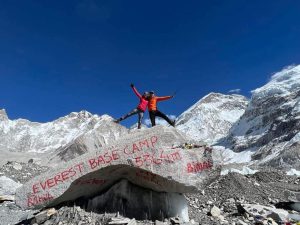
Everest Base Camp Itself: Stand at the foot of the world’s highest mountain, where legendary climbers begin their summit attempts.
Kala Patthar Viewpoint: Witness one of the best sunrise views of Mount Everest, glowing gold against the Himalayan sky.
The Trekking Experience
The adventure typically begins with a thrilling flight from Kathmandu to Lukla, one of the world’s most iconic mountain airstrips. From there, the trail winds through charming villages such as Phakding, Namche Bazaar, Dingboche, and Lobuche.
Acclimatization days are carefully built into the itinerary, allowing your body to adapt to the altitude while exploring local surroundings. The pace is steady, the terrain varied, and the sense of achievement grows with every passing day.
While the trek is physically demanding—especially at higher altitudes—it does not require technical climbing skills. Mental resilience, preparation, and a positive attitude are just as important as physical fitness.
Best Time to Trek
The best seasons for the Everest Base Camp Trek are:
Spring (March–May): Clear skies, blooming rhododendrons, and active climbing season at base camp.
Autumn (September–November): Stable weather, crisp mountain views, and ideal trekking conditions.
Who Is This Trek For?
Best For: First-time Himalayan trekkers
Duration: 12–14 days
Difficulty: Moderate to Hard
The EBC Trek is perfect for adventurers looking to push their limits while experiencing one of the most iconic trekking routes on Earth. With proper preparation and guidance, it’s an achievable dream for many.
Final Thoughts
The Everest Base Camp Trek isn’t just about reaching a destination—it’s about the journey, the people you meet, and the mountains that change how you see the world. Whether it’s your first trek in the Himalayas or the start of a lifelong passion for high-altitude adventures, EBC delivers an experience that stays with you forever.
Annapurna Base Camp (ABC) Trek: A Journey into the Heart of the Himalayas
If you’re dreaming of a Himalayan trek that delivers jaw-dropping scenery without requiring weeks on the trail, the Annapurna Base Camp (ABC) Trek might be your perfect match. Short, scenic, and deeply rewarding, this classic trek takes you straight into a natural amphitheater of towering peaks, including Annapurna I (8,091 m) and the iconic Machhapuchhare (Fishtail).
Why Choose the Annapurna Base Camp Trek?
The ABC Trek is one of Nepal’s most popular routes—and for good reason. In just 7–13 days, trekkers experience an incredible variety of landscapes: terraced farmlands, lush rhododendron forests, cascading waterfalls, alpine valleys, and finally, a dramatic high-mountain sanctuary surrounded by snow-capped giants.
Unlike longer expeditions, ABC offers a rich Himalayan experience without extreme altitude risks, making it ideal for moderate hikers with reasonable fitness levels.
The Trekking Experience
The journey usually begins from Pokhara, Nepal’s adventure capital. From there, the trail winds through traditional Gurung and Magar villages, where warm hospitality and cultural charm add depth to the adventure.
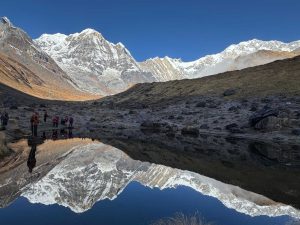
As you ascend, the scenery shifts dramatically. Dense forests give way to open alpine terrain, and the mountains begin to dominate the skyline. Reaching Annapurna Base Camp (4,130 m) is a truly unforgettable moment—standing in a vast bowl of peaks, surrounded on all sides by some of the world’s highest mountains.
Sunrise at ABC is pure magic. As the first light touches Annapurna I, Annapurna South, Hiunchuli, and Machhapuchhare, the entire sanctuary glows gold—a reward that makes every step worth it.
Trek Difficulty and Fitness Level
Level: Moderate
Duration: 7–10 days
Max Altitude: 4,130 meters
This trek does not require technical climbing skills, but daily hikes of 5–7 hours are common, often involving stone staircases and steady ascents. A basic level of fitness, regular walking, and some prior hiking experience will go a long way.
Best Time to Trek
The best seasons for the ABC Trek are:
Spring (March–May): Blooming rhododendrons and clear mountain views
Autumn (September–November): Stable weather and excellent visibility
Winter treks are possible for experienced hikers, while monsoon season brings rain and leeches, though the landscape becomes intensely green.
Accommodation and Food
The ABC Trek follows a well-established teahouse route, meaning you’ll stay in cozy mountain lodges and enjoy freshly cooked meals along the way. Expect hearty Nepali dishes like dal bhat, noodles, soups, and even the occasional apple pie at higher altitudes.
Final Thoughts
The Annapurna Base Camp Trek is proof that you don’t need a long expedition to experience the magic of the Himalayas. It’s scenic, culturally rich, physically rewarding, and emotionally unforgettable. Whether you’re a first-time trekker or a seasoned hiker looking for a shorter adventure, ABC delivers a perfect balance of challenge and beauty.
Annapurna Circuit Trek – A Journey Through Every Landscape
The Annapurna Circuit Trek is often described as a walk through multiple worlds—and once you experience it, you’ll understand why. Few treks on Earth offer such dramatic variety in landscapes, cultures, and climates over a single route. In just two to three weeks, you journey from lush lowland forests to stark Himalayan deserts, all while circling one of the most legendary mountain ranges in the world.
A Trail of Constant Change
The trek begins in the subtropical lowlands of Nepal, where rice terraces, waterfalls, and green forests dominate the scenery. As you move higher, the landscape slowly transforms. Villages become more remote, pine forests replace jungle, and the air grows cooler and thinner.
Each day feels completely different from the last. One morning you may be walking past churning rivers and farmland, and a few days later you’re trekking through windswept alpine valleys framed by snow-covered peaks. This constant change is what makes the Annapurna Circuit so endlessly fascinating.
Crossing Thorong La Pass: The Ultimate Highlight
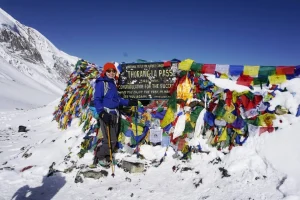
The defining moment of the trek is the crossing of Thorong La Pass (5,416 meters)—one of the highest trekking passes in the world. It’s a physically demanding day, often starting before sunrise to avoid high winds, but the reward is unforgettable.
From the top, you’re greeted with sweeping panoramic views of the Annapurna and Dhaulagiri ranges, a sight that makes every challenging step worth it. For many trekkers, this is a once-in-a-lifetime achievement and the emotional peak of the journey.
Culture at Every Step
Beyond the landscapes, the Annapurna Circuit is deeply rich in culture. As you ascend, you’ll notice strong Tibetan-influenced traditions, reflected in monasteries, prayer flags, chortens, and daily life.
Staying in local teahouses allows you to experience genuine Nepali hospitality—warm meals, friendly conversations, and cozy evenings by the fire. These small human moments often become just as memorable as the mountains themselves.
Who Is This Trek For?
The Annapurna Circuit is ideal for culture lovers and variety seekers—travelers who want more than just mountain views. While the trek is considered moderate to hard, it’s achievable for anyone with good fitness, proper acclimatization, and a sense of adventure.
Duration: Approximately 10–20 days
Difficulty: Moderate to hard
Best For: Trekkers seeking diverse landscapes and cultural depth
Final Thoughts
The Annapurna Circuit Trek isn’t just a hike—it’s a complete journey through Nepal’s natural and cultural heart. Every bend in the trail brings something new, whether it’s a dramatic change in scenery, a quiet village, or a breathtaking Himalayan vista.
Manaslu Circuit Trek: Nepal’s Wild, Soulful Alternative to the Crowded Classics
If you’re craving a Himalayan trek that still feels raw, remote, and deeply cultural, the Manaslu Circuit Trek might just be your perfect match. Circling Mount Manaslu (8,163 m)—the world’s eighth-highest peak—this trek delivers jaw-dropping mountain scenery, Tibetan-influenced villages, and a sense of solitude that’s becoming increasingly rare in Nepal.
Often described as “what the Annapurna Circuit used to be 20 years ago,” Manaslu is not for the casual hiker—but for experienced trekkers, it’s pure magic.
Why Choose the Manaslu Circuit?
Unlike Everest or Annapurna, Manaslu remains relatively untouched thanks to its restricted area status. Fewer trekkers, mandatory guides, and special permits all contribute to a quieter, more intimate experience.
What makes it special:
Dramatic landscapes ranging from subtropical forests to high alpine terrain
Authentic Buddhist culture and ancient monasteries
Minimal crowds and a strong sense of wilderness
A challenging high mountain pass that rewards effort with epic views
This is trekking stripped back to its essence—nature, culture, and endurance.
Cultural Immersion Along the Trail
One of Manaslu’s biggest highlights is its deep Tibetan influence. As you trek northward, villages like Samagaon and Samdo feel more Himalayan Plateau than central Nepal.
Expect:
Prayer wheels spinning in the wind
Mani walls carved with ancient mantras
Monks, monasteries, and centuries-old traditions
Locals dressed in traditional clothing
Because tourism is limited, interactions feel genuine—not commercialized—and that makes the experience especially meaningful.
The Route at a Glance
Duration: ~14–18 days
Maximum Elevation: 5,160 m (Larkya La Pass)
Difficulty Level: Hard
Best Season: March–May and September–November
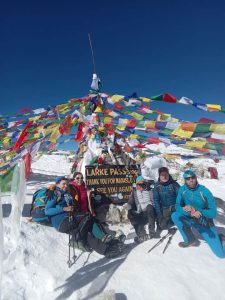
The trek typically starts in the lowlands of Soti Khola, following the Budhi Gandaki River before climbing steadily into alpine terrain. The highlight—and toughest challenge—is crossing Larkya La Pass, a long, demanding day that rewards you with panoramic views of Manaslu, Himlung, Cheo Himal, and Annapurna II.
Who Is This Trek For?
Best suited for:
Experienced trekkers with good fitness
Those comfortable with long days and high altitude
Adventurers seeking solitude over social trails
Travelers interested in culture as much as scenery
If you’ve already done Everest Base Camp or Annapurna and want something more remote and challenging, Manaslu is a natural next step.
Langtang Valley Trek: The Perfect First Himalayan Adventure
If you’ve been dreaming of the Himalayas but don’t want to jump straight into extreme altitude or long expeditions, the Langtang Valley Trek might be your perfect match. Just a short drive from Kathmandu, this trek delivers breathtaking mountain scenery, welcoming villages, and peaceful trails—without the crowds of Everest or Annapurna.
Often called “the valley of glaciers”, Langtang offers an authentic Himalayan experience that’s ideal for beginners, first-time trekkers, or travelers short on time.
Why Choose the Langtang Valley Trek?
What makes Langtang special is how much it offers in such a compact journey. In less than two weeks, you’ll walk through lush forests, cross roaring rivers, pass yak pastures, and arrive at stunning alpine viewpoints surrounded by snow-capped peaks.
Highlights include:
Traditional Tamang villages with rich Tibetan-influenced culture
Peaceful trails through rhododendron and bamboo forests
Close-up views of Langtang Lirung (7,227 m)
Sacred lakes and viewpoints like Kyanjin Gompa and Tserko Ri
Fewer crowds compared to Nepal’s more famous trekking routes
Trek Overview
Best For: Beginners, first-time trekkers, short Himalayan trips
Duration: ~7–10 days
Difficulty Level: Easy to Moderate
Maximum Elevation: ~3,870 m (Kyanjin Gompa)
Starting Point: Syabrubesi (approx. 7–8 hours drive from Kathmandu)
The gradual ascent makes altitude adjustment manageable, and the trail is well-marked with comfortable teahouses along the way.
A Day on the Langtang Trail
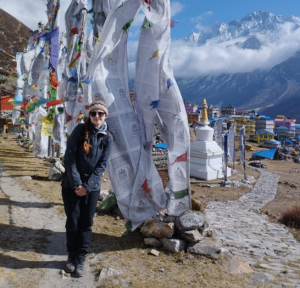
A typical trekking day starts with warm tea and mountain air. As you walk, prayer flags flutter overhead and yaks wander across the path. You’ll hear rivers rushing below suspension bridges and catch glimpses of icy peaks through the trees.
Evenings are spent in cozy teahouses—sharing dal bhat, sipping ginger tea, and watching the sun dip behind the mountains. It’s simple, peaceful, and deeply grounding.
Culture & People
The Tamang people of Langtang are known for their warmth and resilience. Many villages were rebuilt after the 2015 earthquake, and trekking here directly supports local communities. Visiting monasteries, spinning prayer wheels, and hearing local stories adds a meaningful cultural layer to the journey.
Best Time to Go
Spring (March–May): Blooming rhododendrons, clear skies
Autumn (September–November): Best visibility, stable weather
Winter: Cold but quiet, great for solitude seekers
Monsoon: Lush landscapes, but slippery trails and clouds
Final Thoughts
The Langtang Valley Trek proves that you don’t need extreme altitude or long expeditions to experience the magic of the Himalayas. It’s scenic, culturally rich, and perfectly paced—making it one of Nepal’s best treks for beginners.If you’re looking for a journey that’s beautiful, accessible, and deeply rewarding, Langtang might just steal your heart.
Gokyo Lakes & Cho La Pass Trek: A Complete Guide to Nepal’s Most Dramatic Himalayan Journey
If you’re searching for a Himalayan trek that delivers jaw-dropping scenery without Everest Base Camp crowds, the Gokyo Lakes & Cho La Pass Trek might be the most rewarding adventure in Nepal.
This trek is a photographer’s dream and a nature lover’s paradise—turquoise glacial lakes, massive ice fields, quiet valleys, and one of the most dramatic high-mountain passes in the Everest region. It’s challenging, yes—but deeply unforgettable.
Why Choose the Gokyo Lakes & Cho La Pass Trek?
Unlike the classic Everest Base Camp route, this trek ventures into quieter terrain while still offering world-class mountain views. You’ll stand face-to-face with Everest, Cho Oyu, Lhotse, and Makalu—often without the crowds.
Highlights include:
The stunning Gokyo Lakes, a sacred high-altitude lake system
Panoramic views from Gokyo Ri (5,357 m)
The thrilling Cho La Pass (5,420 m)
A perfect blend of solitude and iconic Everest scenery
Trek Overview
Region: Everest (Khumbu)
Duration: 12–15 days
Maximum Elevation: 5,420 m (Cho La Pass)
Difficulty Level: Moderate to Hard
Best For: Nature lovers, photographers, experienced trekkers
Accommodation: Teahouses
Permit Required: Sagarmatha National Park Permit, Khumbu Pasang Lhamu Rural Municipality Permit
The Magic of the Gokyo Lakes
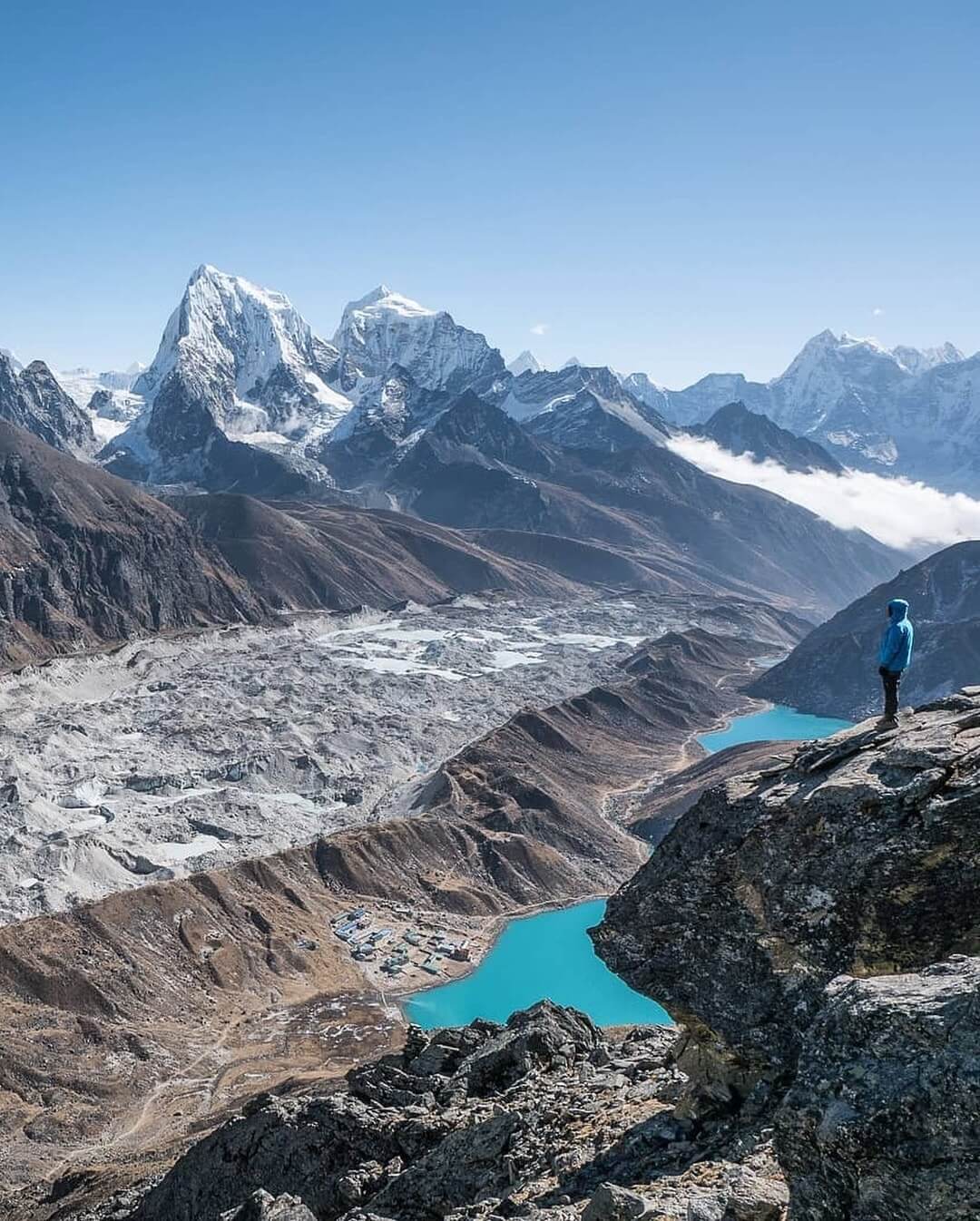
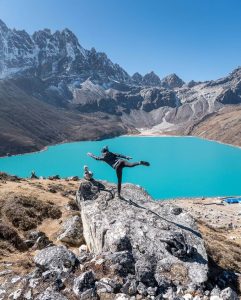
The heart of this trek lies in the Gokyo Valley, home to six pristine glacial lakes fed by the Ngozumpa Glacier—the longest glacier in the Himalayas.
The lakes glow in unreal shades of turquoise and emerald, especially under clear skies. Early mornings here feel otherworldly: icy air, prayer flags fluttering, and snowy giants reflected perfectly on still water.
Gokyo Ri Viewpoint
A sunrise hike up Gokyo Ri is one of the most rewarding climbs in Nepal. From the summit, you’ll see:
Mount Everest (8,848 m) ,Cho Oyu (8,188 m), Lhotse (8,516 m) ,Makalu (8,485 m)
All in one sweeping panorama.
Crossing the Cho La Pass: The Ultimate Challenge
The Cho La Pass is what transforms this trek from scenic to legendary.
This high mountain pass involves:
Steep ascents
Rocky terrain
Glacier crossings (sometimes icy)
Long, demanding trekking days
While it’s non-technical, good fitness and prior trekking experience are essential. Weather conditions can change quickly, making early starts and proper preparation critical.
The reward? Standing at the top of the pass, surrounded by towering Himalayan peaks, knowing you’ve crossed one of the Everest region’s most dramatic routes.
Best Time to Trek
The best seasons for the Gokyo Lakes & Cho La Pass Trek are:
Spring (March–May)
Stable weather
Clear mountain views
Rhododendron blooms at lower elevations
Autumn (September–November)
Best visibility
Crisp air
Ideal trekking conditions
Winter is possible but very cold, and the pass may be closed due to snow. Monsoon season is not recommended.
Photography & Nature Highlights
This trek is often considered the most photogenic route in the Everest region. Expect:
Glacier textures and icefalls
Reflections of 8,000-meter peaks in alpine lakes
Golden sunrise and sunset light
Minimal human traffic in upper Gokyo Valley
If photography is your passion, this trek delivers endlessly.
Is This Trek Right for You?
Choose the Gokyo Lakes & Cho La Pass Trek if you:
Prefer dramatic scenery over busy trails
Have prior high-altitude trekking experience
Want a challenge that feels truly earned
Love alpine landscapes and remote environments
If comfort and ease are your priorities, this route may feel demanding—but for adventure seekers, it’s pure magic.
Final Thoughts
The Gokyo Lakes & Cho La Pass Trek is one of Nepal’s most spectacular and underrated adventures. It combines serene beauty with high-altitude challenge, offering a deeper, quieter connection to the Himalayas than the standard Everest routes.
Mardi Himal Trek: A Hidden Gem in the Annapurna Region
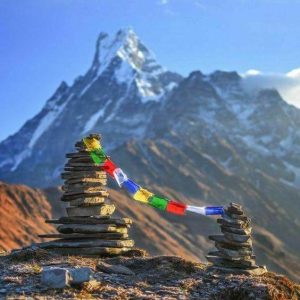
If you’re dreaming of a Himalayan trek that’s peaceful, scenic, and not overly crowded, the Mardi Himal Trek might just be your perfect match. Nestled in Nepal’s Annapurna region, this short yet rewarding trek offers jaw-dropping mountain views, charming villages, lush forests, and a sense of raw adventure—all without the hustle of more commercial routes.
Where Is Mardi Himal?
Mardi Himal lies east of the famous Annapurna Base Camp trail and below the towering Machhapuchhre (Fishtail) mountain. Despite its proximity to popular trekking routes, it remained relatively unknown until recent years, making it a favorite for trekkers seeking solitude and unspoiled landscapes.
Why Choose the Mardi Himal Trek?
Less crowded than Annapurna Base Camp or Ghorepani
Spectacular close-up views of Machhapuchhre, Annapurna South, and Hiunchuli
Short duration (perfect for limited time travelers)
Ideal for both beginners and experienced trekkers
Rich biodiversity and authentic village life
Trek Overview
Duration: 5–7 days
Maximum Elevation: 4,500 m (Mardi Himal Base Camp)
Difficulty: Moderate
Best Seasons: March–May and September–November
Starting Point: Kande or Phedi (near Pokhara)
The Journey Begins
The trek usually starts with a scenic drive from Pokhara, followed by a gentle hike through terraced fields and traditional Gurung villages. As you ascend, the landscape transforms into dense rhododendron forests—especially stunning in spring when the flowers bloom in shades of red and pink.
Into the Wilderness
From Forest Camp to High Camp, the trail becomes narrower and more dramatic. The forest gradually gives way to alpine terrain, and suddenly the mountains feel incredibly close. Machhapuchhre dominates the skyline, its sharp peak glowing during sunrise and sunset.
Mardi Himal Base Camp: The Highlight
Reaching Mardi Himal Base Camp is the ultimate reward. Standing at 4,500 meters, you’re surrounded by giants—Annapurna I, Annapurna South, Hiunchuli, and Machhapuchhre. The silence, broken only by the wind, makes this moment truly magical.
Accommodation and Food
The trek follows a teahouse system with basic but comfortable lodges. Meals are simple yet filling—dal bhat, noodles, soups, potatoes, and pancakes are common. As altitude increases, menu options become limited, but the warmth of local hospitality never fades.
Best Time to Trek
Spring (March–May): Clear skies, blooming rhododendrons
Autumn (September–November): Stable weather and crisp mountain views
Winter: Possible but cold and snowy
Monsoon: Lush landscapes but slippery trails and cloudy views
Final Thoughts
The Mardi Himal Trek is proof that you don’t need weeks or extreme difficulty to experience the Himalayas at their best. It’s quiet, beautiful, and deeply rewarding—a perfect blend of adventure and serenity. Whether you’re trekking solo, with friends, or on your first Himalayan journey, Mardi Himal will leave you with memories that linger long after the trail ends.


