-
Kathmandu
-
3-Star Hotel - Teahouses - Lodges
-
5357m
-
Private Vehicle / - Airplane
-
Kathmandu-Breakfast, Mountain - Breakfast - Lunch - Dinner
Overview
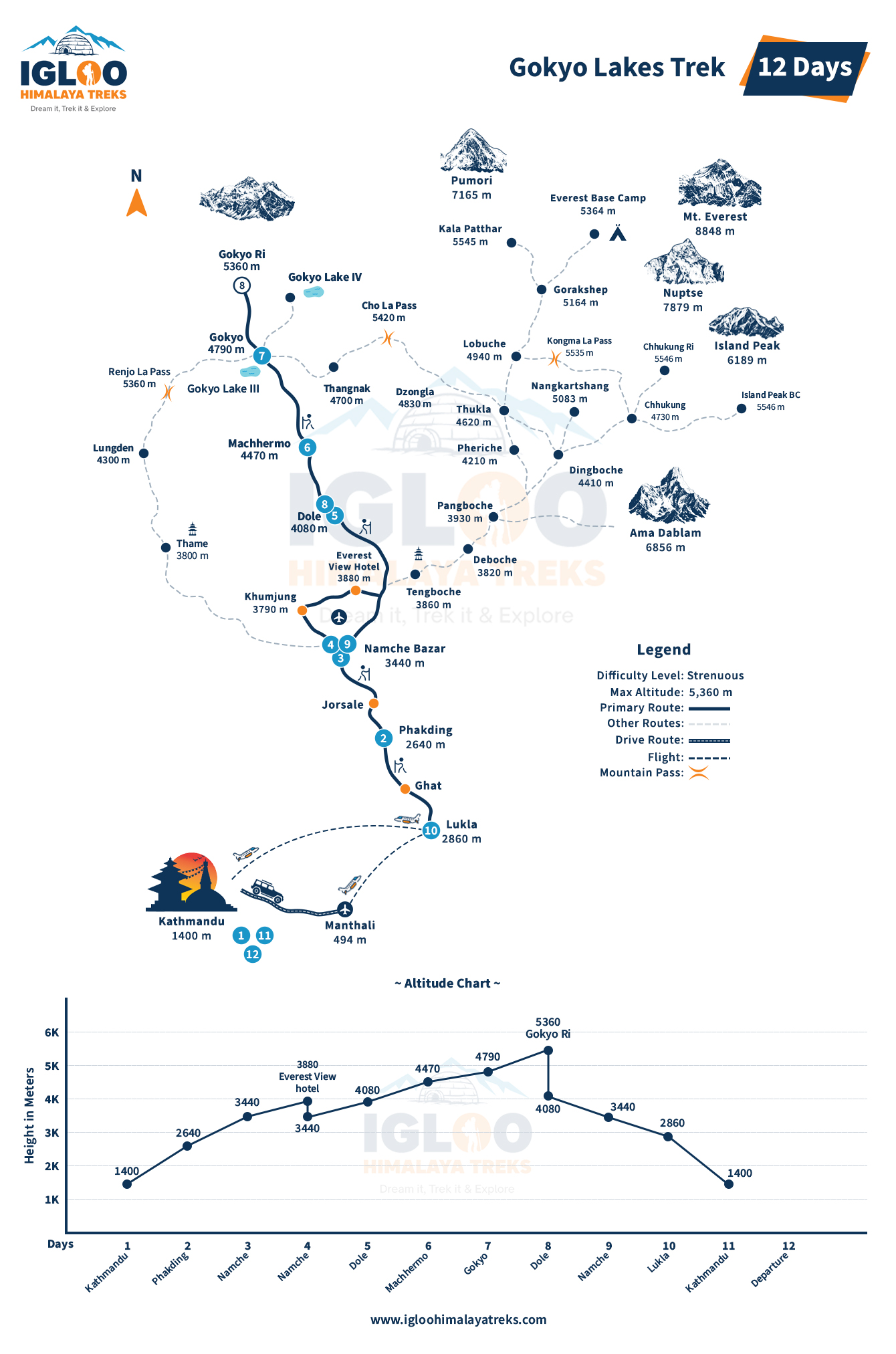
12 Days Gokyo Lakes Trek is a carefully designed itinerary that allows proper acclimatization while exploring the pristine Gokyo Valley.
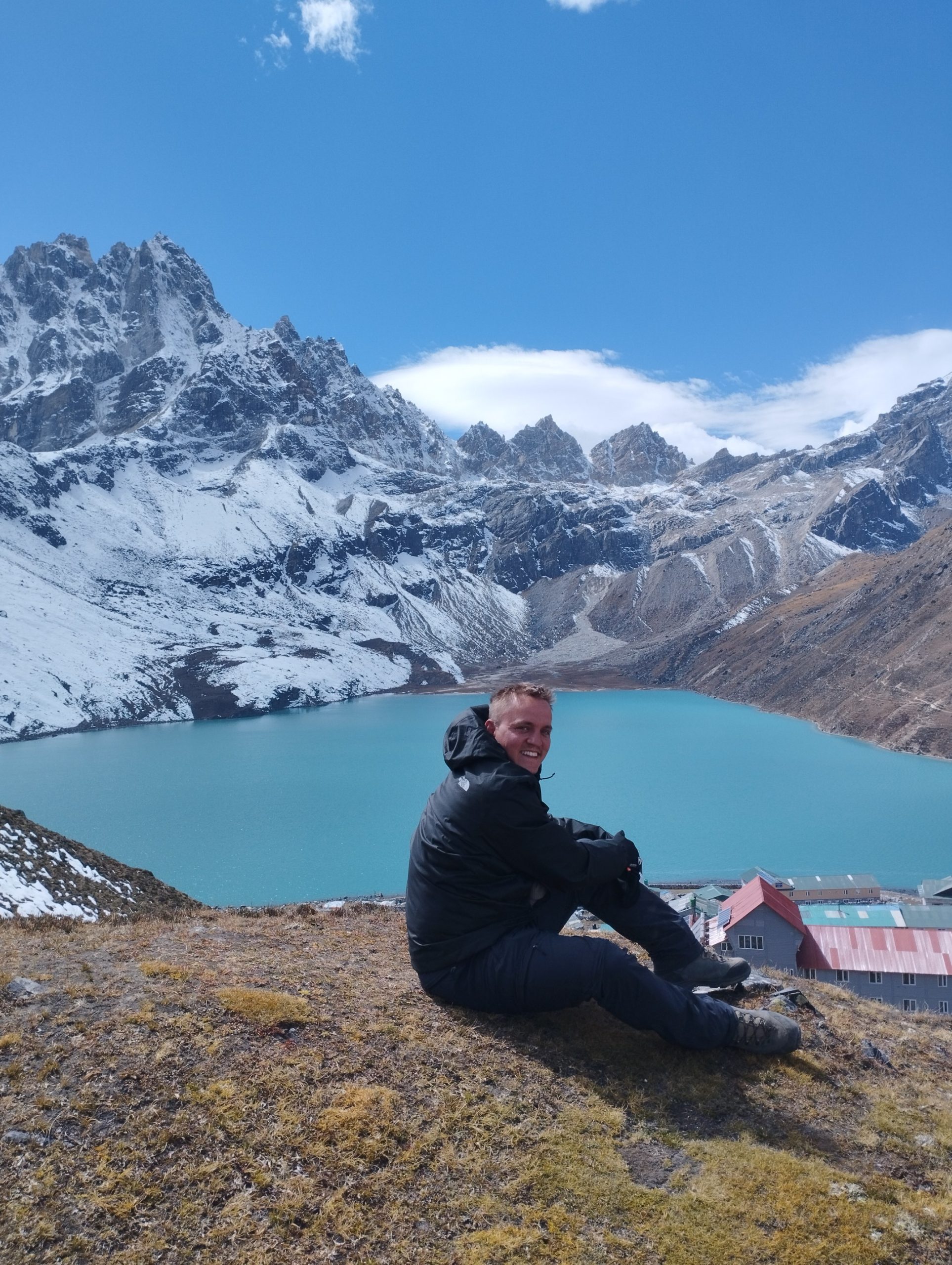
Gokyo Lakes Trek is one of the most beautiful alternatives to the Everest Base Camp Trek. The journey takes you through the Sherpa villages of the Everest region to the turquoise Gokyo Lakes, with a sunrise climb of Gokyo Ri at 5,357 meters. From the summit, trekkers can see Everest, Lhotse, Makalu and Cho Oyu in one spectacular Himalayan panorama.
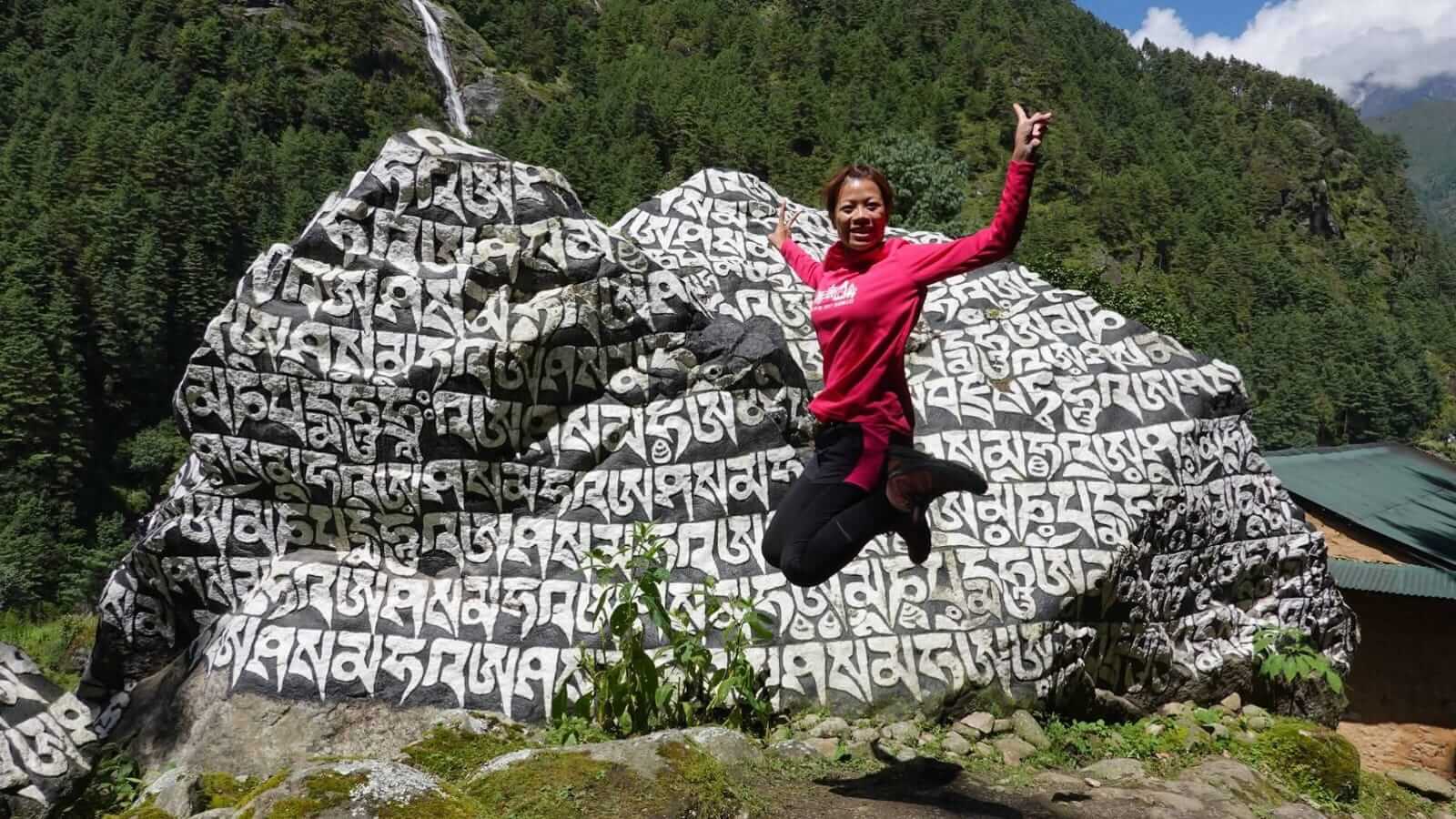
The small aircraft fly to Lukla is exhilarating and breathtaking, with a glimpse of the Himalayan range. The actual trekking journey begins from here itself, with the first day’s journey from Lukla to Phakding along the Dudh Kosi River, with pine and rhododendron forests lining the route. The experience is enhanced with the use of suspension bridges, prayer wheels, and typical Sherpa villages.
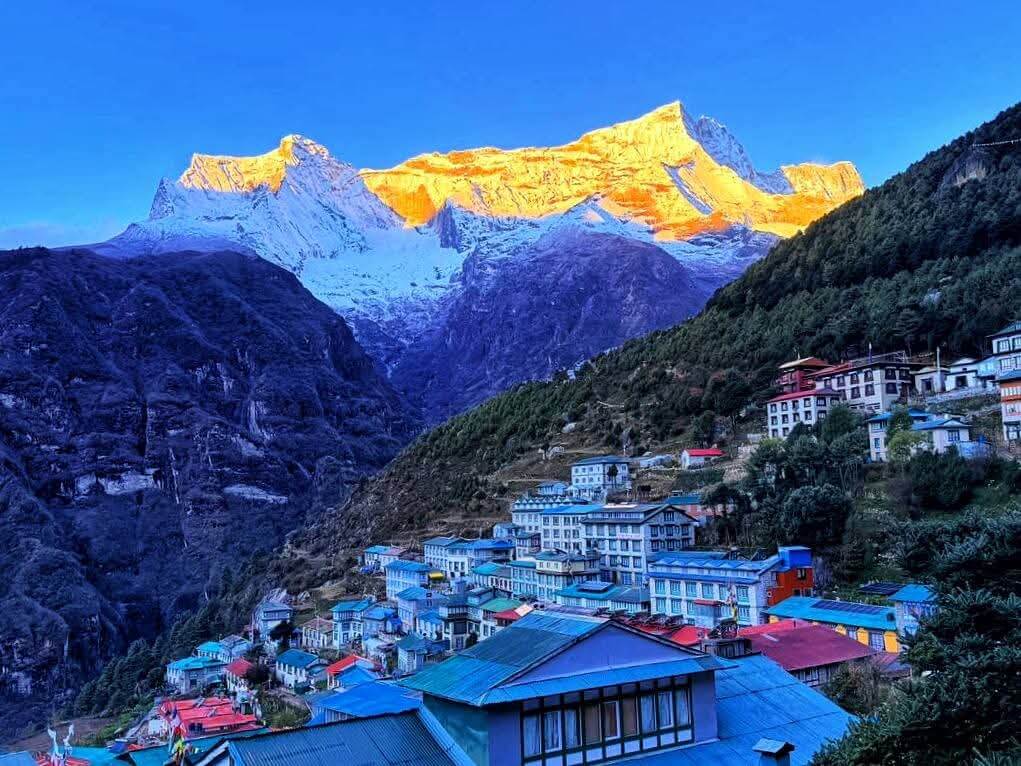
From this point, the trail moves further to Namche Bazaar. It is essentially the economic center of the Everest area. The trail takes you through the renowned Hillary Suspension Bridge. As you cross this bridge, you will enter the Sagarmatha National Park. It is a UNESCO World Heritage Site. Namche Bazaar is a major trading center as well as a point for acclimatization.
The Gokyo Lakes Trek you will acclimate for two nights at Namche Bazaar. During acclimatization treks, you will see fantastic views of Mt. Everest, Ama Dablam, Lhotse, Nuptse, Thamserku, and Kangtega peaks from Hotel Everest View and Khumjung Village. During these treks, you will experience Sherpa culture and their monasteries which reflect their strong Buddhist culture.
Continuing from Namche, the trek branches off from the Everest Base Camp trek and moves towards the less frequented Gokyo Valley. On a trek towards Dole, there is a gradual change in the environment. The forests open up into wide spaces covered with low-growing bushes, offering a large amount of mountain vistas. The serene environment makes this part of the trek rather enjoyable. Our next destination is Machhermo, a peaceful village set amidst towering peaks of snow. In this place, we get our first glimpses of Kusum Kangri, called Chobutse or Cho You, an 8,188-meter mountain that ranks the sixth-highest mountain in the world. This trek is relatively easier.
The Gokyo Lakes Trek system covers about 7,770 hectares and was declared a Ramsar Wetland Site in 2007 due to its ecological importance. These lakes are not only vital for the region’s water system but also hold deep spiritual significance for the Sherpa people. They are considered sacred and are closely connected to Buddhist and Hindu beliefs.
A highlight of The Gokyo Lakes Trek is the early morning hike to Gokyo Ri (5,483 m). Reaching the summit at sunrise offers one of the best panoramic views in the Himalayas. From the top, you can see four of the world’s highest peaks—Everest, Lhotse, Makalu, and Cho Oyu—glowing in the morning light. After enjoying this unforgettable moment, you descend back to Machhermo for the night.
The Gokyo Lakes Trek return journey follows the same scenic route back to Namche Bazaar. After several days on the trail, Namche feels like a lively mountain town where you can relax, enjoy fresh bakery items, visit local shops, or unwind at a spa.
From Namche, you trek back to Lukla, completing the walking portion of the journey. The next morning, you take an early flight back to Kathmandu. Upon arrival, the friendly team from Igloo Himalaya Treks will transfer you to your hotel, The Gokyo Lakes Trek marking the end of an extraordinary Himalayan adventure.
Quick Facts
| Gokyo Lakes Trek | Details |
| Duration | 12 Days |
| Region | Everest / Khumbu |
| Starting Point | Lukla |
| Highest Point | Gokyo Ri – 5,357m |
| Gokyo Village | Approx. 4,750m |
| Difficulty | Moderate to Challenging |
| Accommodation | Teahouses / Lodges |
| Best Seasons | March–May & September–November |
| Starting Price | USD 1,399 |
| 2–4 People | From USD 1,255/person |
| 5–9 People | From USD 1,165/person |
Best Time for the Gokyo Lakes Trek
In Nepal, two seasons are ideal for trekking in general, and these are known to be the best periods for carrying out the The Gokyo Lakes Trek: the spring season (March to May), which is full of blossoming flowers and an ideal time for nature lovers, and the September to November autumn season.
The Gokyo Lakes Trek spring season is more beautiful while trekking the Gokyo trail. The forests are set ablaze by the rhododendron flowers, and the sights of the mountains covered in snow are breathtaking. The Namche Bazaar to Dole to Machhermo trek is colorful with the presence of trekkers and the sights of the Himalayas. The days are warm, and the nights are cool.
The Gokyo Lakes Trek Autumn is the most preferred time to go to Everest because of the clear and dry climate, along with the incredible peaks and landscapes. After the monsoon, the mountains and landscapes are rejuvenated and cleansed, and the lakes of Gokyo are magnificent under the bright blue sky. This time of the year is also best to enjoy the cultural part ofNamche Bazaar, which is the hub of the Khumbu region.
Gokyo Lakes Trek in winter season
The Gokyo Lakes Trek during the winter season, that is, from December to February, the trek offers spectacular views of the mountains and a serene experience while trekking. The environment is usually clear, and the Gokyo Lakes may freeze partially. However, the major issue to consider during this season is the low temperatures that may go as low as -20°C.
Gokyo Lakes Trek Packing List
Clothing Essentials (Upper & Lower Body)
• Moisture-wicking base layer top (merino wool or synthetic)
• Thermal base layer bottom
• Insulating mid-layer (fleece or down jacket)
• Waterproof and windproof outer shell jacket
• Lightweight, quick-drying trekking pants
• Comfortable shorts for warmer sections
• Breathable long-sleeve trekking shirt
• Wide-brim sun hat or cap
• Warm fleece or wool hat for cold conditions
• Insulated, waterproof gloves
• Neck gaiter or buff for wind and dust protection
Footwear
• Durable, waterproof trekking boots (well broken-in)
• Lightweight camp shoes (sandals or slippers)
• 4–6 pairs of moisture-wicking socks (plus liner socks recommended)
Backpack & Hydration
• Main backpack (70–80L) with a rain cover
• Reusable water bottles (2–3 liters total capacity) or hydration bladder
• Water purification tablets or filtration system
Sleeping Gear
• Four-season sleeping bag (rated to at least -15°C)
• Compact, inflatable pillow for added comfort
Trekking Equipment
• Adjustable trekking poles
• Headlamp with spare batteries
• UV-protection sunglasses
• Camera or smartphone for capturing memories
Personal Care & Health
• Basic first aid kit (bandages, pain relief, altitude medication, etc.)
• Personal toiletries and hygiene products
• Hand sanitizer, wet wipes, and tissues
• Quick-dry travel towel
• Insect repellent
• High SPF sunscreen (SPF 50+)
• Lip balm with sun protection
Important Documents
• Valid passport (minimum 6 months validity remaining)
• Khumbu Pasang Lhamu Rural Municipality Permit
• Sagarmatha National Park Entry Permit
• Travel insurance (strongly recommended for safety and emergency coverage)
Electronics & Miscellaneous
• Solar power bank or portable charger
• Universal travel adapter
• Duct tape for quick gear repairs
• High-energy snacks (energy bars, nuts, dried fruits, chocolates)
Tips
Carry both a main backpack (for porters or bulk gear) and a small daypack or waist pouch to keep essentials like water, documents, and valuables within easy reach at all times.
Highlights of the Gokyo Lakes Trek
- Fly over the hills and mountains with a thrilling mountain flight to Lukla, with breath-taking scenery over the Himalayan range.
- Explore the emerald and blue Gokyo Lakes, which are identified as the highest freshwater lake arrangement on Earth.
- Early morning climb to Gokyo Ri to enjoy the spectacular sunrise view of Everest, Lhotse, Makalu, and other giants such as Cho Oyu and Ama Dablam.
- Walk alongside the gigantic Ngozumpa Glacier, which is the longest glacier in the country of Nepal.
- Take treks through calm and relatively less-crowded trails that show you the unexplored natural beauty and serene environment of the Gokyo area.
- Experience the real Sherpa culture while staying at traditional villages like Dole, Machhermo, and Gokyo, away from the trekking crowd.
- Enjoy the reflected images of the snow-capped mountains in the crystal-clear waters of the Gokyo Lakes
- Pass through the Sagarmatha National Park, where you could get a chance to spot Himalayan tahr, musk deer, or some of the mountain birds.
- Trek through unique landscapes that range from rhododendron forests to alpine pastures, yak grazing grounds, to very high altitudes.
- Acclimatize: Namche Bazaar is a bustling entrance to the Everest region, famous for its Sherpa culture, mountainous landscape, coffee shops, and busy marketplaces.