
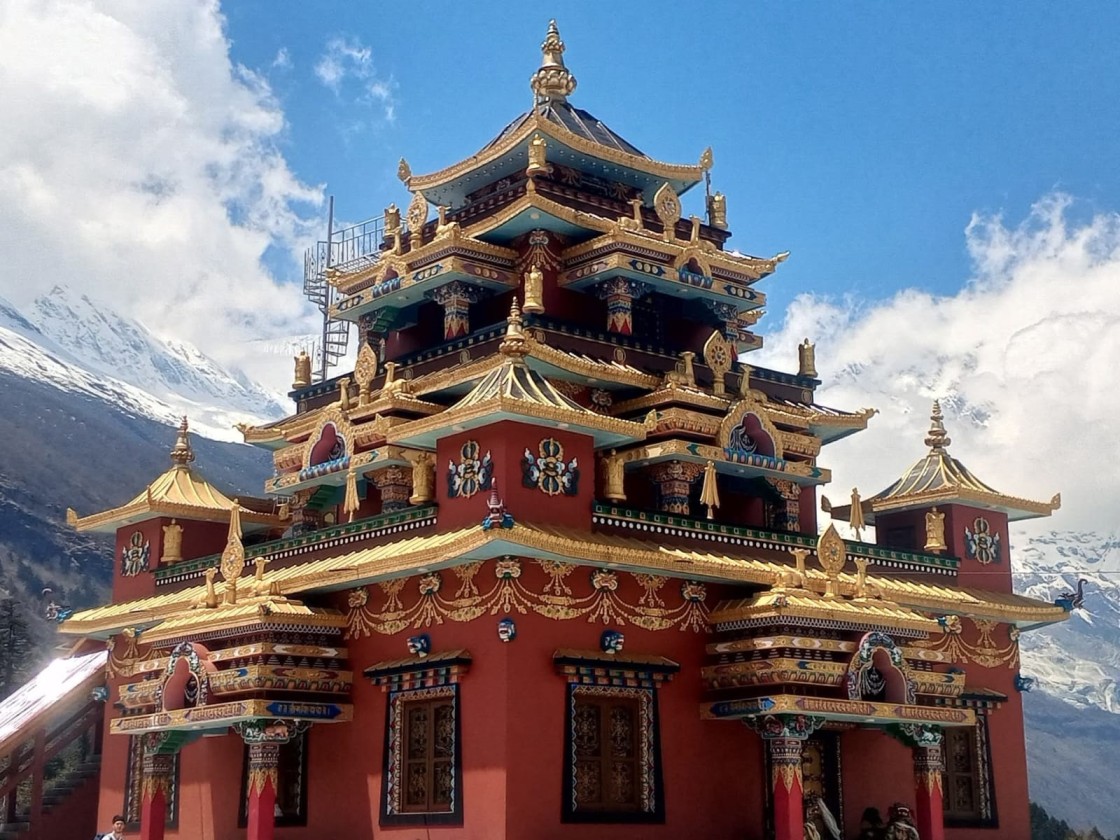
The majestic Manaslu Region is one of the most thrilling trekking destinations in Nepal. Igloo Himalaya Treks loves to provide information about the Manaslu Circuit Trek permits, including costs, rules, and solo trekking regulations. Home to remote Himalayan villages, ancient Tibetan Buddhist culture, dramatic landscapes, and the world’s eighth-highest mountain Mount Manaslu, the region has become one of the top choices for trekkers seeking an authentic Himalayan adventure.
With the latest trekking updates introduced by the Government of Nepal in 2026, there has been huge excitement among international travelers. The revised regulation now allows solo trekkers to visit several restricted trekking regions including Upper Mustang and the Manaslu area. However, many rules related to permits, guides, and restricted area management still remain important.
Because the Manaslu trail passes through government-designated restricted zones near the Tibetan border, trekkers must obtain multiple permits before beginning the journey. Many travelers often ask:
What permit is required for the Manaslu Circuit Trek?
This detailed guide explains every permit, updated rules, costs, permit checkpoints, and the latest trekking regulations for 2026 in a simple and easy-to-understand way.
Why Does the Manaslu Circuit Trek Require Special Permits?
Unlike regular trekking regions such as Annapurna Region or the Everest Region, the Manaslu trail is categorized as a restricted trekking area by the Nepal Government.
The region lies close to the Nepal–Tibet border and contains highly preserved Tibetan-influenced culture, ancient monasteries, isolated villages, and environmentally sensitive mountain landscapes. To protect these unique cultural and natural heritages, the government introduced a controlled permit system.
The permit system helps authorities:
- Monitor tourist movement
- Improve trekking safety
- Support local communities
- Preserve cultural heritage
- Fund conservation projects
- Maintain trekking trails and bridges
Today, the Manaslu Circuit Trek is one of Nepal’s fastest-growing trekking routes. Despite its increasing popularity, the region still offers a raw and peaceful Himalayan experience compared to crowded commercial trekking trails.
Manaslu Circuit Trek Permits
Trekkers need four different permits for the standard Manaslu Circuit Trek itinerary.
These permits include:.
- Manaslu Restricted Area Permit (RAP)
- Manaslu Conservation Area Permit (MCAP)
- Annapurna Conservation Area Permit (ACAP)
- Tsum Nubri Rural Municipality Entry Permit
Each permit serves a different purpose during the trek
1,Manaslu Restricted Area Permit (RAP)
The Restricted Area Permit (RAP) is the most important document for trekking in the Manaslu region.
This permit is mandatory because the trail between Jagat and Samagaon falls inside Nepal’s officially restricted Himalayan zone.
The permit is issued only through a government-registered trekking company in Kathmandu.
Manaslu RAP Permit Cost
Autumn Season (September to November)
- USD 100 per person for the first 7 days
- USD 15 per person per extra day
Spring, Winter & Monsoon (December to August)
- USD 75 per person for the first 7 days
- USD 10 per person per extra day
The autumn season is slightly more expensive because it is considered the peak trekking season in Nepal.
2,Manaslu Conservation Area Permit (MCAP)
The Manaslu trekking route passes through the protected area of the Manaslu Conservation Area Project.
The MCAP permit helps fund:
- Wildlife protection
- Environmental conservation
- Trail maintenance
- Community development
MCAP Permit Cost
- Foreigners: NPR 3,000
- SAARC Nationals: NPR 1,000–1,500
Trekkers must carry this permit throughout the trek because it is checked at multiple checkpoints.
3,Annapurna Conservation Area Permit (ACAP)
After crossing the famous Larke Pass, trekkers enter the Annapurna Conservation Area Project region.
Because the trek finishes inside the Annapurna area, trekkers also need the ACAP permit.
ACAP Permit Cost
- Foreigners: NPR 3,000
- SAARC Nationals: NPR 1,000–1,500
The permit supports tourism management and conservation efforts in the Annapurna region.
4,Tsum Nubri Rural Municipality Permit
In recent years, local governments in Nepal introduced municipality entry permits to improve regional infrastructure and tourism services.
Trekkers visiting the Manaslu region must obtain the Tsum Nubri Rural Municipality Permit.
Local Permit Cost
- NPR 1,000 per person
This permit contributes directly to local development, including:
- Trail improvements
- Waste management
- Community tourism programs
- Local healthcare and education support
Total Permit Cost for the Manaslu Circuit Trek
The total permit cost depends on:
- Trek duration
- Trekking season
- Nationality
- Side trips such as Tsum Valley
On average, foreign trekkers spend between USD 160 to USD 220 for all required permits.
If you combine the trek with the Tsum Valley route, additional restricted permits are required.
Where Can You Obtain the Manaslu Trek Permits?
Most permits are arranged through licensed trekking agencies in Kathmandu.
Permit Issuing Offices
Restricted Area Permit (RAP)
Issued by:
- Nepal Immigration Department in Kathmandu
MCAP & ACAP Permits
Issued through:
- Nepal Tourism Board
- Registered trekking agencies
Rural Municipality Permit
Usually collected along the trail around Jagat or through the trekking company.
Trekkers generally do not need to visit government offices personally because the trekking company manages all permit procedures.
Permit Checkpoints Along the Manaslu Trail
Trekkers must show permits at various checkpoints during the trek.
Main checking points include:
- Machhakhola
- Jagat
- Philim
- Deng
- Namrung
- Samagaon
- Samdo
- Dharapani
Police officers and conservation officials verify permits regularly. Therefore, carrying both digital and printed copies is highly recommended.
New 2026 Rule: Is Solo Trekking Allowed in Manaslu?
One of the biggest updates for 2026 is the removal of the previous mandatory two-person group rule in some restricted trekking areas.
This means solo travelers can now legally apply for trekking permits in the Manaslu region.
However, there is an important clarification:
Solo Trekking Does NOT Mean Trekking Without a Guide
The Nepal Government still strongly requires trekkers to hire a licensed trekking guide for safety and management purposes.
So while you may trek independently without joining a large group, trekking completely alone without guide support is still discouraged and often not accepted by agencies managing permits.
Why Hiring a Licensed Guide is Important
The Manaslu trail is remote, rugged, and physically demanding.
Hiring a professional guide offers many advantages:
- Navigation assistance
- Altitude sickness support
- Emergency coordination
- Local cultural insights
- Language communication
- Accommodation management
- Safer crossing of high passes
The trek crosses the challenging Larke La Pass at over 5,100 meters, where weather conditions can change rapidly.
An experienced guide significantly improves both safety and overall trekking experience.
Can You Trek Without Permits?
No.
Attempting the Manaslu Circuit Trek without permits can result in:
- Heavy fines
- Trek cancellation
- Deportation from the trail
- Legal penalties
- Checkpoint restrictions
Authorities regularly inspect trekkers along the route. Since the area is government-controlled, avoiding permit checkpoints is almost impossible.
Best Time to Trek the Manaslu Circuit
The best seasons for the trek are:
Spring (March to May)
- Stable weather
- Rhododendron forests in bloom
- Excellent mountain visibility
Autumn (September to November)
- Crystal-clear skies
- Comfortable temperatures
- Best photography conditions
Winter trekking is possible but challenging due to heavy snow around Larke Pass.
Monsoon trekking is less popular because of landslides and slippery trails.
Tips for Easy Permit Processing
To make the permit process smooth and stress-free:
- Choose a reliable trekking company
- Carry passport copies
- Ensure your Nepal visa is valid
- Confirm itinerary details carefully
- Buy travel insurance
- Apply for permits before peak season
A good trekking company can handle all logistics, accommodation, transportation, and permit management professionally.


